

Why Is My Dog Not Eating His Food but Will Eat Treats? Complete Solution Guide
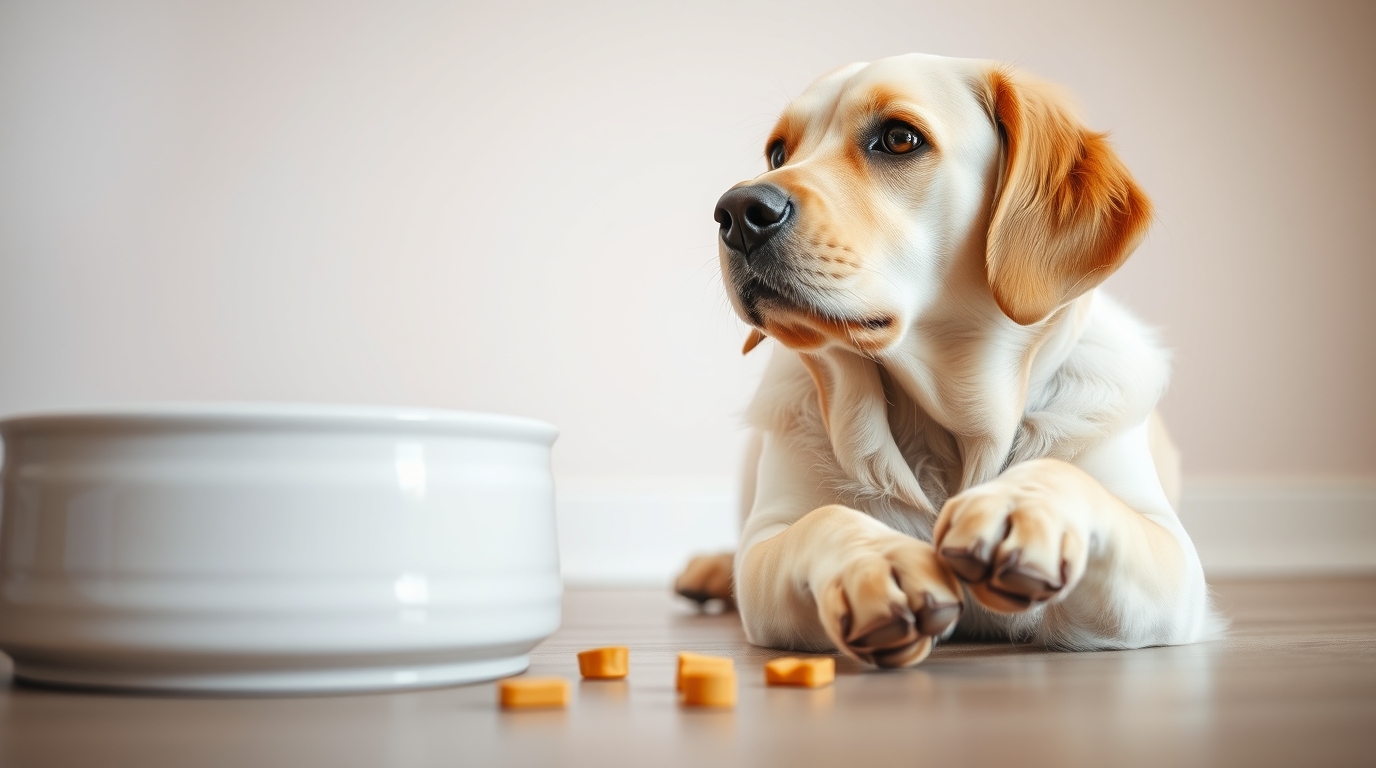
It’s worrying when your dog suddenly refuses to eat his regular food but still jumps excitedly for treats. As a pet parent, it’s easy to assume he’s just being picky — but there’s often more to the story. If you’ve been asking yourself, “Why is my dog not eating his food but will eat treats?” you’re not alone. Many dog owners face this issue, and it can stem from behavioral habits, medical reasons, or even how you feed your dog. In this complete guide, we’ll uncover why dogs eat treats but ignore food, how to identify the root cause, and what you can do to bring their appetite back to normal. Why Is My Dog Not Eating His Food but Will Eat Treats? Understanding Your Dog’s Eating Behavior Dogs are creatures of habit, but they’re also incredibly smart. If your dog refuses his food but eagerly accepts treats, he might be sending a message. Sometimes, it’s a simple preference issue , treats taste better. Other times, it could signal an underlying health or emotional issue. To understand the behavior, it’s essential to break it down into three main categories: medical issues, behavioral habits, and environmental factors. 1. Medical Reasons Why Your Dog Isn’t Eating Food When a dog suddenly stops eating his food, a health problem should always be the first thing to consider. Even though he might still eat treats, it doesn’t mean he feels completely fine. a. Dental Pain or Oral Discomfort If your dog has sore gums, tooth decay, or an infected tooth, chewing hard kibble can be painful. Treats are often softer or easier to chew, which is why dogs with dental issues might still eat them.What to do: Check for bad breath, drooling, pawing at the mouth, or blood on toys. Visit your vet for a dental exam. Switching to soft or wet dog food may also help temporarily. b. Digestive Problems Gastrointestinal issues like nausea, acid reflux, or upset stomach can make dogs avoid regular food. Treats, especially if they smell stronger or are smaller, might still be tolerable.What to do: Monitor for vomiting, diarrhea, or bloating. Feed smaller meals and avoid fatty foods. Consult your vet if symptoms persist for more than 24–48 hours. c. Infections or Illness Dogs can lose their appetite when battling infections, fever, or internal pain. The energy from treats might be enough to keep them going, but regular meals may feel too heavy.What to do: Check for lethargy, fever, or sudden weight loss. If your dog’s behavior changes drastically, seek immediate veterinary care. d. Aging or Health Conditions Senior dogs and those with chronic illnesses like kidney disease or arthritis often experience appetite loss. Some medications can also make food unappealing.What to do: Consult your vet about diet changes or appetite stimulants. Senior-specific dog foods are often easier to digest and more palatable. 2. Behavioral Causes: Is Your Dog Just Being Picky? If your vet rules out medical issues, the reason could be behavioral. Dogs are quick learners — and sometimes, they train you instead of the other way around! a. Learned Behavior from Treats If you’ve been giving your dog too many treats or using them to tempt him to eat, he may have learned that ignoring his food earns him tastier rewards.What to do: Limit treats to training sessions only. Avoid using them to replace meals. b. Food Boredom Just like humans, dogs can get bored of the same food every day. Kibble can lose its appeal if it’s been stored too long or lacks strong aroma.What to do: Rotate protein sources (chicken, lamb, salmon), or mix in a spoon of wet food or broth for extra flavor. c. Stress or Anxiety Changes in environment, travel, new pets, or loud noises can cause stress and appetite loss.What to do: Maintain a calm feeding space. Keep a consistent routine and avoid feeding in noisy or busy areas. d. Overfeeding with Snacks Frequent treats can fill your dog up before mealtime. Even small snacks throughout the day add up, leaving no room for real meals.What to do: Track all calories your dog eats daily. Treats should never exceed 10% of total calorie intake. 3. Environmental and Feeding Factors Your dog’s surroundings and feeding setup can also influence his eating habits. a. Uncomfortable Feeding Area Some dogs don’t like eating in noisy or crowded places. Others dislike certain bowls (metal reflections or noise can be off-putting).What to do: Try feeding in a quiet corner, and use a non-slip, ceramic bowl. b. Temperature and Food Freshness Dogs have sensitive noses. If the food smells stale or is served cold, they might refuse it.What to do: Warm food slightly before serving and ensure dry food is stored in an airtight container. c. Recent Changes in Routine New schedules, visitors, or travel can cause dogs to temporarily lose appetite.What to do: Be patient and stick to a predictable feeding routine. 4. How to Get Your Dog to Eat His Food Again If your dog only eats treats but not food, don’t panic. Here are some practical tips to bring back his appetite: a. Establish a Strict Feeding Routine Feed your dog at the same time every day. Leave food down for only 15–20 minutes. If he doesn’t eat, remove it and offer it again at the next meal. This teaches him to eat when it’s offered. b. Make the Food More Appealing Add warm water, chicken broth, or a small spoon of wet food to enhance flavor and aroma. Avoid seasoning or human food additives like salt or onion, which are harmful to dogs. c. Limit Treats Cut back on treats entirely for a few days. This helps reset your dog’s taste preferences. When you reintroduce treats, use them only for training. d. Try a Different Food Type Switching from dry kibble to wet or fresh food can rekindle interest. Always transition gradually over 5–7 days to avoid stomach upset. e. Add Variety Without Overdoing It Rotate between a few high-quality … Read more
