OURPETTAILS

List of Toxic food for dogs stored at home

Toxic food for dogs stored at home

As a dog lover, we often treat our dog as a family member. We share meals, snacks or whatever we eat, we share it with the dog. But have we ever thought, is it safe to feed all human food to the dog? Being a responsible parent of a dog, we should be aware about the food given to the dogs. Let’s learn and understand more about toxic food for dogs stored at home The number of dog lovers is increasing. Before feeding a dog, let us understand what is toxic for dogs? There are some foods that may lead to serious health risks for dogs. Being a responsible dog owner lets us understand in detail about toxic food and will ensure the wellbeing of our dogs. Toxic food for dogs stored at home 1: Onion: Onion contains N-prophy disulfide that may cause gastrointestinal irritation and breakdown of red blood cells and may result in anaemia. 2. Chocolate: This is another toxic or dangerous food for dogs. Chocolate is one of the favourite foods for dogs as it is for humans. Chocolate contains theobromine and caffeine. This substance may cause kidney failure or pancreatitis in many cases. The darker and the more bitter, is more dangerous to the dogs. 3. Avocados: Avocado is one of the best fruits for humans but not for dogs. It is dangerous for dogs. This fruit contains persin. If a dog eats Avocado, persin fluid may get collected in lungs and may cause vomiting and diarrhoea and sometimes can result in breathing difficulty. 4. Cooked Bones: Giving a raw bone to the dog will be great. But cooked bones will be dangerous. It may cause constipation and may also cause death. 5. Raisins and Grapes: Eating Raisins and Grapes may lead to severe liver problems and kidney failure. 6. Artificial sweetener(xylitol):  Artificial sweetener will be used in beverages like chewing gum, drinks and peanut butter. If a dog consumes this, it may cause liver failure or blood clotting disorders. 7  Macadamia nuts: If a dog eats Macadamia nuts, it will be affected in many ways. Dog limbs may get swollen, Muscles and nerves may become weak. 8. Alcohol: Even a small quantity of alcohol will be dangerous to dogs. As it is for humans, even for dogs, it will cause intoxication. Other than that, it may lead to diarrhoea and may damage the central nervous system. If you suspect your dog has eaten any of the toxic food, it’s important to consult the veterinary doctor immediately. Toxic Food for Dogs with Harmful Effects Toxic Food for Dogs Harmful Effects Chocolate Can cause vomiting, diarrhea, seizures, and even death. Grapes and Raisins Can lead to kidney failure, vomiting, and lethargy. Onions and Garlic Contains compounds that can damage red blood cells. Avocado Contains persin, causing vomiting and potential heart issues. Xylitol Can lead to hypoglycemia and liver failure. Alcohol Even small amounts can cause vomiting, diarrhea, and coma. Caffeine Can result in restlessness, rapid breathing, and tremors. Macadamia Nuts Can cause weakness, tremors, and vomiting. Raw Yeast Dough Can lead to bloating and dangerous gas buildup. Cooked Bones May splinter and cause injuries in the digestive tract. Conclusion The dogs are man’s best friend and family members. But as our bodies are different, what is good for the human body can be toxic to dogs. Let us be aware of the toxic food for dogs. The more information we gather will help keep our dogs safe and healthy for more years. FAQ’s Also Read:

The Best Dog Food for Dachshunds 2024

Dogs have been domesticated for over 16 thousand years and it wasn’t until the 1860’s that the first commercially prepared dog food was introduced in England. Science Is focusing more on dog nutrition so we can help our canine friends feel vibrant and healthy throughout their life. This review guide will help you find Best Dog Food for Dachshunds which can provide optimal nutrition for your Dachshund to prevent certain health issues. The Best Dog Food for Dachshunds 2024 The right answer to this question depends on variety of factors including the age of you particular Dachshund dog ‘Puppy, adult and senior’ . In order to prevent health issues in Dachshund dog we need to include certain nutrients in their diet. There are five  kinds of food that are mentioned over here, they will give you a great starting point to find the perfect dog food for Dachshund. There are many products available to choose cheap dog food for Dachshund each with different characteristics, benefits and prices to help you make an informed decision while choosing the perfect food for your Dachshund dog. BEST AND CHEAP DOG FOOD FOR DACHSHUND (from some reputable brands) 1. ROYAL CANIN  Royal canines Dachshund food for dogs is specially formulated for the Dachshund which look no further than the royal canine. It is ideal for Dachshund older than 10 months and younger than 8 years. The size of the kibble is perfect for this breed as it is easier for them to pick up and chew. Dachshund love the flavour and it also help limits harder formulation and reduce dental plaque.  The ingredients focus on improving muscle tone, supporting bone and joint health and promoting healthy bowel movements without any reduction which is a common concern among Dachshund dog’s health. It contains a moderate chicken by product as the main ingredient. DRAWBACK  On the downside this product is not grain free and is pricey.  This company has been in business for over 40 years and is committed to providing healthy nutrition to all dogs by partnering with veterinarians, breeders and other pet experts. 2. TASTE OF THE WILD This dog food is ideal for small breeds like Dachshund because the kibble is just the right size for the little mount.  The main ingredient is in this product is Venison and it also includes the company’s special blend of probiotics that help keep digestive tract of Dachshund healthy. It is a grain free formula that uses Garbanzo beans for added protein and fibres and add other antioxidants such as peas and fruits. Dachshund like the TASTE OF THE WILD as a family-owned company and that the food is made in the USA with globally sourced ingredients. You won’t find any fillers, preservatives or artificial colour and flavour in this product, so you know that you are feeding your dog and nutrient rich and highly digestible food. Dachshund dogs like the flavour and the kibble pieces themselves are not too hard so it is easy for your Dachshund dog to chew, this mix has 32% protein and 80% fat which is plenty for daily requirement. DRAWBACK On the down side this company does not offer different flavours for small breed dogs. 3. WELLNESS 89110 COMPLETE HEALTH Wellness of food offers complete health for small breeds like Dachshund with an adult formula that contains Turkey and oatmeal as the main ingredients. It does not have meat by-product, fillers or artificial preservatives.   This dog food focuses on providing enough protein for high energy dogs while building strong muscles. It contains Omega 3 fatty acids and salmon oil to promote a skin and coat health. It is green, corn and soy free made in USA and backed by wellness guarantee there are blueberries for antioxidants and flax seeds that supports digestive health. DRAWBACK The downside of this product is the shape of the kibble, it is triangular shaped so some dogs have had problems with the food getting caught in their food pipe which causes them to cough. 4. ROYAL CANIN BREED HEALTH NUTRITION DACHSHUND Royal canine is formulated to meet the nutritional needs of Dachshund puppies from 8 weeks to 10 months old. The kibble is just the right size for their little mouth and is easier for them to chew. Miniature Dachshund love the chicken flavour. This product is made to help develop the immune system of Dachshund puppies by using a mixture of antioxidants that are ideal for increasing the body’s natural defence system, bone and joint health are a priority for Dachshund and so it is best to start offering appropriate levels of calcium and phosphorus at a young age. There is plenty of fibres and highly digestive protein in this product to promote intense support digestive health. DRAWBACK On the down this is not a grain free formula but the company stands by its products and offer 100% satisfaction guarantee.  This Dachshund puppy food is on the pricey side but came in a small 2.5-pound bag that is sure to stay fresh. 5. VICTOR PURPOSE SENIOR HEALTHY WEIGHT DRY DOG FOOD Weight gain can be a serious problem for Dachshund dogs, too much weight gain can put extreme stress on their longer than average is spine leading to back problems.   Sadly, most dogs do not get the exercise they need and eventually become overweight; this problem is particularly bad for senior Dachshund dogs.  If your senior Dachshund is a bit overweight this food is highly recommended.  It contains all the extra nutrients they need as seniors and can help them lose weight.  The fibre content is higher helping your Dachshund stay fuller for longer and the lower fat content may also help them lose weight, while the high protein provides enough nutrients for their muscle and carnitine is included to support cellular metabolism and probiotics are added to support their digestive health the glucosamine is also added to support your dog’s ageing joints and back. DRAWBACKS On the down side of this product … Read more

Useful and Printable List of human food dogs can eat

Printable List of human food dogs can eat

It’s natural to question what the greatest choices are for sharing food with your pets. You can find yourself on that list of human food dogs can eat. So, let’s check out this useful guide with Printable list of human food dogs can eat. Thankfully, dogs may consume a variety of foods that provide both flavor and health advantages. These nutritional alternatives may make delicious complements to your loving friend’s meals, whether it’s brunch, lunch, or a picnic. Dogs are similar to humans in one way: they can consume both meat and vegetables. But it doesn’t imply they can eat anything we do. It simply implies that they have more alternatives for healthful snacking than cats, who generally consume meat and cannot manage vegetables as well. Printable List of human food dogs can eat Cooked chicken, turkey, and beef are good protein sources for your dog, but always remove bones to avoid choking. Dr. Sylvia Berns warns that cooked bones can break and cause stomach issues. Chicken is the healthiest because it is high in protein and low in fat, making it the best choice for dogs. Cooked plain fish is a super healthy snack for dogs. It’s packed with protein and omega-3 fatty acids, which are good for them. Just like when you make children or beef treats, always take out bones from the fish first because they can be dangerous for dogs to eat. Cooked eggs, like hard-boiled or scrambled ones, can be a yummy snack for your dog. They are on the list of healthy human foods for dogs because they are full of good stuff like protein, vitamin D, selenium, and riboflavin. So, sharing some eggs with your friend can be a great idea! We will begin our list of human food dogs can eat with pumpkins. Cooked pumpkin slices are good for dogs. They have fiber and beta-carotene that help digestion and make the coat look better. Pumpkin is low in calories and fat, so it is great for overweight dogs or those prone to gaining weight. If your dog likes green beans, you can share some with them. Cooked green beans have fiber, vitamin C, and other good stuff that can help keep your dog healthy. They are low in calories and fat, making them a good snack for dogs who need to watch their weight. Carrots are yummy and good for dogs. Cooked carrots are full of fiber and vitamins. Just make sure they are cooked well because raw ones can be hard to eat. Surely, your dog will love them! Lots of dogs love bananas, and they are often used in homemade treats. Bananas are good for dogs because they have potassium, fiber, and magnesium. But since they are high in natural sugar, it’s best to give them in small quantities. Note this useful list of human food dogs can eat Human Foods Dogs Can Eat Benefits Lean meats (e.g., chicken, turkey) Excellent source of protein; supports muscle growth and repair Fish (e.g., salmon, tuna) Rich in omega-3 fatty acids; promotes healthy skin and coat Cooked eggs Good source of protein and essential nutrients; supports overall health and energy levels Plain yogurt Contains probiotics for gut health; aids in digestion and supports immune system Peanut butter (without xylitol) High in healthy fats and protein; provides energy and supports brain health Carrots Low in calories, high in fiber and vitamins; promotes dental health and supports eye health Apples Provide vitamins and fiber; supports dental health and freshens breath Pumpkin High in fiber; aids in digestion and supports weight management Blueberries Rich in antioxidants and vitamins; supports immune system and cognitive function Sweet potatoes Good source of fiber and vitamins; supports digestive health and provides energy Conclusion These human foods can be given to dogs in moderation as part of a balanced diet, but it’s important to consult with a veterinarian before making any significant changes to your dog’s diet. Knowing which human foods dogs can eat helps keep them healthy. Make the owners and dogs happy together with this Free printable list of human food dogs can eat. Also read

List of bad Food for Dogs

List of bad Food for Dogs

Human foods may be your dog’s favorite treat or worst enemy. Some of the most basic household foods could make your dog really unwell. Many of these are dangerous! However, other human foods are safe and even good for your dog. In this Blog Post, we are here to give you best information on List of Bad Food for Dogs. This information will help you to understand which food is bad for your dogs thereby protecting your loved pet from Diseases. Have a look at the List of bad food for dogs Pets like cats and dogs are extra sensitive to alcohol. Even a little can make them sick, causing vomiting and trouble breathing. Dogs can eat apple flesh but avoid core/seeds – cyanide is harmful. Same for apricots, cherries, plums. Cyanide causes illness, seizures, and death. Avocados might seem healthy, but they are not safe for dogs. It contains persin, causing sickness. Eating them may lead to breathing problems or even death. Broccoli has isothiocyanates, which can harm pets if eaten in large amounts due to their toxicity. Caffeine in coffee and other drinks can cause vomiting, seizures, and irregular heartbeat in dogs, even leading to death. Don’t give dogs fatty meat, ham, or turkey skin. They can cause pancreatitis. Also, avoid turkey bones, which can harm them. Chocolate is dangerous for pets because it contains theobromine. Even a small amount can cause vomiting, diarrhea, and seizures in dogs. Grapes and raisins can make dogs very sick, causing kidney failure. Symptoms include vomiting, diarrhea, and changes in urine. Macadamia nuts can make dogs weak, vomit, and overheat. Just six nuts can cause serious harm, and other nuts can choke. Some dogs can have milk without problems, but others might get diarrhea. Ice cream is bad due to lactose, sugar, and fat. Avoid giving mushrooms to your dog. They can cause serious problems like kidney failure, vomiting, and hallucinations. Choose safer foods. Avoid giving dogs foods with nutmeg as it can cause hallucinations and severe vomiting. Myristicin in nutmeg is the enemy of dogs. Cinnamon, while not harmful. But it might irritate the mouth and lower blood sugar. Too much salt can make your dog sick with tremors, convulsions, and coma. Don’t give in to their sad face and keep them safe. Onions and garlic are harmful to dogs, as they contain substances that can damage red blood cells and cause anemia. Check food labels carefully. Avoid giving your dog spicy food. It can make them vomit, get stomach ulcers, or have diarrhea, causing pain for them and costly vet bills. Xylitol, found in sugar-free gum and sweets, can cause low blood sugar, weakness, seizures, and liver failure in dogs. Even a small amount can be deadly for them. So, keep this food away from dogs to ensure their health and safety. Prevention is key for their well-being. It is vital to protect your loyal and loved ones. List of Foods Dogs can and cannot eat Here’s a table listing foods that dogs can eat and foods that dogs should avoid, along with the reasons why: List of Safe food for Dogs Reasons Lean meats (e.g., chicken, turkey) Excellent source of protein Fish (e.g., salmon, tuna) Rich in omega-3 fatty acids Cooked eggs Good source of protein and essential nutrients Plain yogurt Contains probiotics for gut health Peanut butter (no xylitol) High in healthy fats and protein Carrots Low in calories, high in fiber and vitamins Apples Provide vitamins and fiber Pumpkin High in fiber, aids in digestion Blueberries Rich in antioxidants and vitamins Sweet potatoes Good source of fiber and vitamins Foods Dogs Should Avoid Reasons Chocolate Contains theobromine, toxic to dogs Grapes and raisins Can cause kidney failure Onions and garlic Contains compounds that can damage red blood cells Avocado Contains persin, can cause vomiting and diarrhea Xylitol (sugar-free products) Can cause hypoglycemia and liver failure Alcohol Toxic to dogs, can cause intoxication and organ damage Caffeine (coffee, tea) Stimulant that can cause restlessness and tremors Macadamia nuts Can cause weakness, tremors, and hyperthermia Raw yeast dough Can expand in the stomach and cause gas and bloating Bones (cooked) Can splinter and cause choking or internal injuries It’s important to note that while some foods are safe for dogs in moderation, others can be harmful or even toxic. Always consult with a veterinarian before introducing new foods to your dog’s diet. Also read:

How to choose Best dog food for cane corso: A 2024 Ultimate Guide

How to choose Best dog food for cane corso:The Ultimate Guide

The Cane Corso is a strong and intelligent dog. In ancient times, they used to work as guards and games, but nowadays they are more popular as household pets. Because of his muscular body, you have to be careful and selective when choosing the right food. In this article we will give our valuable suggestions in choosing Best dog food for cane corso. Best dog food for cane corso puppy Cane Corso puppies do not require large amounts of carbohydrates in their food. Fats are beneficial for puppies. So foods that use whole grains or vegetables are good for your puppy. Look for a product that includes the primary ingredient, avoiding those that contain fillers and artificial additives. What is the best dog food for a cane corso puppy? ● Ollie Ollie’s fresh chicken with carrots is one of the best of the fresh dishes. ●       First 5 ingredients – Rice, Chicken, Carrots, Chicken livers and peas ●       Type – Grain-inclusive ●       Age limit – All life stages ●       Best for – Puppies Ollie’s fresh chicken with carrots gets the most protein from chicken. According to the dry matter label analysis, the dish comprises 30.8% protein, 11.5% fat, and approximately 49.7%  carbohydrates. And also the fat-protein ratio of around 38%. This nutritious all-natural diet is designed to offer your puppy the nutrients they need to keep a lustrous coat, have good energy throughout the day, and improve digestion. ● Wellness Wellness Complete Health dry product, which is also the best food for puppies. ●       First 5 ingredients – Deboned chicken, ground brown rice, chicken meal, and salmon meal. ●       Type –  Grain-Inclusive ●       Profile – Growth and Reproduction ●       Best for – Puppies and pregnant or breastfeeding females. Wellness Comprehensive Health large breed puppies get the majority of their meat protein from chicken. According to the dry matter label analysis, the dish has 33.3% protein, 18.8% fat, and 39.9% projected carbohydrates. This results in a fat-to-protein ratio of around 56%. With a longer growth cycle and a faster potential growth rate, your large breed puppy has a distinct physical composition that necessitates special nutritional requirements. Wellness Debonded chicken, brown rice, and salmon meal recipes are designed to support the unique health needs of larger dogs by containing nutrient-rich whole foods. ● Dr Tim’s Dr Tim’s Kinesis Puppy is one of the best dry foods for cane corso puppies. ●       First 5 ingredients – Brown rice, chicken meal, pearled barley, whole oat goats, chicken fat ●       Type – Grain-inclusive ●       Profile –  All life stages ●       Best for – Puppies Dr Tim’s Kinesis puppy gets the majority of its meat protein from chickens. According to the dry matter label analysis, the dish comprises 31.1% protein, !6.7% fat, and approximately 44.2% carbohydrates. This results in a fat-to-protein ratio of around 54%. Dr Tim’s Kinesis puppy formula provides comprehensive and balanced nutrition to support your puppy’s growth and development. This recipe is designed to satisfy the nutritional demands of all dog breeds. To promote a puppy’s active lifestyle by providing high quantities of animal-sourced protein and multiple sources of healthy fats for long-lasting energy. All of Dr Tim’s recipes contain pre and probiotics to help maintain a healthy gut microbiota. Best dry dog food for cane corso Cane Corsos are high-energy dogs, but because of their size, they do not move as quickly as other working breeds and are more at risk of obesity. Choose a dog food that is particularly developed for large-size dogs, but use small amounts to avoid overfeeding them. Consider a formula branded as “weight management” or “low-fat foods.” What dog food is best for cane corso? ● Dr. Tim’s It is helpful for weight management and a good product for the cane corso breed. ●       First 5 ingredients –  Brown rice, Oats, peas, chicken meal, and powdered cellulose ●       Type – Grain-inclusive ●       Profile – Adult maintenance ●       Best for – Dogs Dr. Tim’s weight management metabolite formula gets the majority of its animal protein from chickens. According to the dry matter label analysis, the dish has 33.3% protein, 18.8% fat, and approximately 39.9% carbohydrates. This results in a fat-to-protein ratio of around 56%. ● American Journey  Grain-free Salmon with sweet potato is part of the American Journey grain-free food range. ●       The first 5 ingredients –  chicken meal, turkey meal, peas, deboned salmon, and sweet potatoes. ●       Type – Grain-free ●       Profile – All life stages ●       Best for – Puppies and dogs American Journey grain-free salmon and sweet potato get the majority of their protein from salmon. According to the dry matter label analysis, the dish comprises 35.6% protein, !5.6% fat, and 40.9% projected carbohydrates. This results in a fat-to-protein ratio of around 44%. ● Chicken soup for the soul It is one of the good product lines of the Chicken Soup for the Soul Puppy Large Breed. ●       First 5 ingredients – chicken meal, chicken, turkey, turkey meal, and cracked pearled barley ●       Type – Grain-inclusive ●       Profile – All life stages ●       Best for – Puppies and dogs Chicken Soup for the Soul Puppy The large breed gets the majority of its meat protein from chicken.  According to the dry matter label analysis, the dish comprises 30% protein, 14.4% fat, and approximately 47.6% carbohydrates. This results in a fat-to-protein ratio of around 48%. ● Holistic Large and giant breed adult health is one of the good products as a dog food. ●       First 5 ingredients – Chicken meal, oatmeal, rice, chicken fat, pork meal. ●       Type – Grain-inclusive ●   … Read more

Best Canned Food for Obese Cats

Best Canned Food for Obese Cats

Just like humans, cats can become obese without a balanced diet. As caring pet parents, we must ensure our furry friends maintain a healthy weight. We can support our cats ‘ wellness through proper canned food selection and portion control. This guide explores the best canned food for obese cats and options for overweight kitties based on ingredients and nutritional profiles. Canned Food with Low Calories and Fat  When cats have extra weight, we must choose cans with fewer calories and less fat so they lose weight slowly over time. Food labeled “weight control” or “weight management” is best. Look for less than 70 calories and 3 grams of fat per serving. Canned tuna or chicken in water without sauces or gravy are good options, with only protein to fill them up without extra calories. Protein supports muscles as they lose fat. Always read labels to choose cans as low in calories and fat as possible for furry friends watching their figures. Canned with Whole Protein Sources Whole protein sources from meat provide nutrients to support overall health during weight loss. High-quality canned foods list meat or fish as the main ingredient instead of meal, by-products, or cheese. Tuna, chicken, or salmon packed in juice rather than sauces or gravy are easy for overweight kitties to digest. The protein helps them feel full for long periods to avoid extra nibbling and grazing between meals. Whole proteins also support muscle growth as they lose fat through diet and exercise. Canned with Limited Additives We must read labels carefully for cats to lose weight and avoid cans filled with additives, preservatives, sugar, or artificial colors and flavors. These provide empty calories without nutrition. The fewer ingredients listed, the better.  The healthiest options are single-ingredient varieties like plain chicken, tuna, or salmon. Complex ingredients or long lists of unpronounceable additives offer little benefit and may disrupt digestive health. A simple diet supports overall wellness on their weight loss journey. The Right Portion Size As with humans, portion control is key for cats watching their figures. Read guidelines on cans for serving sizes based on weight, typically 1/4 to 1/2 cans twice daily. Use measuring cups to dole out the right amount carefully. Avoid letting bowls remain full all day. Spread meals at least 8 hours apart to avoid constant grazing. Snacks, like a few treats or a teaspoon of canned food, should be minimal as a reward for good behavior. With the right food and portions, our feline friends’ figures will achieve a healthier shape in no time. Canned Foods with Nutrients for Wellness When cats diet, we must pick cans full of vitamins and minerals to support their overall health. Look for sources of vitamin A for vision and immune function—cans with vitamin B12 aid energy levels and nerve health.  Omega-3 fatty acids from fish are excellent for skin and coat conditions. Nutrient-rich foods make losing weight easier on the body. Preventing nutritional deficiencies keeps weight loss beneficial rather than stressful. Reading labels lets us select cans containing vitamins and minerals in easy-to-digest formats. Low-Carb Canned Options Low-carb canned foods allow steady fat reduction without hunger pangs for overweight kitties watching their weight. Simple proteins like fish provide energy from fat and protein instead of carbs. Carbohydrates from fillers like rice, corn, or potato break down into sugar, causing blood sugar spikes and crashes that leave cats unsatisfied.  This may lead to nibbling between meals. Choosing cans made mainly of meat or fish without carb-heavy ingredients prevents excess sugar intake from keeping kitties feeling full for longer on fewer calories overall. Consult Your Veterinarian  When starting any cat on a diet, chat with your vet to discuss the right plan. They can examine your furry friend and advise appropriate calorie and portion goals based on current weight and activity levels. Vets can also recommend specific commercial canned foods or homemade recipe ideas tailored to your cat’s needs.  Some kitties need supplements during weight loss to ensure proper nutrient intake. Checking in regularly tracks your cat’s progress safely under professional guidance. A vet ensures your loveable kitty healthily loses pounds. Read Food Labels Carefully  As we learned before, reading labels is key for choosing appropriate cans. Check the guaranteed ingredients, calories, fat, protein, and carbohydrates analysis. Avoid products with wheat, corn, or soy fillers and favor single meat sources instead.  Watch for added sugars, colors, or salt, too. Kitty food filled with extras may hinder weight loss. The fewer recognizable ingredients, the better. Bring cans home and read labels again before buying in bulk to double-check what goes into keeping our furry friends fit and healthy long-term. Provide Mental Stimulation  Beyond diet, keeping kitties mentally engaged prevents boredom eating. Entertain them with interactive toys requiring pawing or chasing. Puzzle feeders or treat balls slow nibbling. Make mealtimes engaging by hand-feeding kibble or treats as rewards for tricks. Mental activities burn more calories than rest. Daily play sessions with feather wands, laser pointers, or catnip mice instill confidence and preserve lean muscle as weight drops. Enriching leisure leads to healthier, happier pets for longer lives with us. Monitor Progress and Be Patient  Losing weight takes commitment but benefits our furry loved ones and their future well-being. Weigh kitties regularly, such as monthly vet visits, to track progress. Take photos for comparison over weeks. Note improvements in energy, coat condition, and interest in play that show our dedication improves their quality of life.  Changes may be gradual, so stick to the plan. If weight loss plateaus, have the vet re-evaluate diet or activity. With consistency and care, tubby tabbies will look sleek in no time while staying happy and healthy. Every small success motivates us on this journey together. Conclusion  We can support our lovable cats’ weight loss goals by choosing lower-calorie, protein-based canned foods with minimal additives and carefully monitoring portions. A balanced diet paired with play is the healthy way to help chubby kitties slim down.  As our furry companions lose pounds … Read more

Printable List of Toxic Foods for Cats: Keep Your Cat Friend Safe in 2024!

Printable List of Toxic Foods for Cats: Keep Your Cat Friend Safe!

As a Ardent Cat Lover, We always want to provide best and suitable foods for cats. Since Ages Cats are treated as our Furry Companions. Cat Owners always seem worry in choosing Best Food for Cats that are Non toxic. Cat Owners must Act with responsibility in Providing Healthy Foods for Cats. We are here to Help the Cat lovers by Providing Ultimate Printable List of Toxic Foods for Cats. These Foods Should be Avoided as these will Causes issues like Vomiting, Breathing issues, Lethargy and even Anemia. Download this Printable list for Reference or You can Take a Print Out of this List and Attach on Your Fridge for Quick Notice. List of Toxic Foods for Cats: Printable list of toxic foods for cats pdf Here is the Table showing Printable list of toxic foods for cats Toxic Food list for cats 1. Chocolate 2. Onions and Garlic 3. Grapes and Raisins 4. Avocado 5. Alcohol 6. Xylitol 7. Caffeine 8. Raw Fish 9. Dairy Products 10. Bones 11. Raw Eggs 12. Raw Meat 13. Macadamia Nuts 14. Persimmons 15. Yeast Dough 16. Liver 17. Tomato Plants 18. Tobacco 19. Green Potatoes 20. Green Tomatoes 21. Mushrooms 22. Fruit Pits and Seeds 23. Rhubarb 24. Sugary Foods 25. Salt 26. Alcohol 27. Caffeinated Drinks 28. Avocado 29. Onions 30. Garlic 31. Chives 32. Packaged Milk 33. Fat Trimmings 34. Bones 35. Dog Food Conclusion: By being aware of the foods that are toxic to cats and keeping them out of reach, you can help ensure the health and safety of your feline friend. Download and print our free printable list of toxic foods for cats and share it with other cat owners to spread awareness and prevent accidental poisoning. Remember, when in doubt, always consult your veterinarian for guidance on what’s safe for your beloved cat. For more tips and resources on cat care, visit our website ourpettails.com and follow us on social media!

Top Rated Hypoallergenic Cat Foods of 2024

Hypoallergenic Cat Foods

On a global level, approximately 23% of the total human population owns a cat and emotionally the cat becomes a member of that family. Usually, cats are quite loving and very friendly towards their human parents but sometimes due to some factors they get cranky and show unusual behavior. They might also show signs of distress, external discomfort, and malfunctioning. In this article we have given list of Top rated Hypoallergenic Cat Foods of 2024. These conditions of distress are usually caused due to allergies in cats. Allergies often occur in cats via the intake of food, external factors, contact, etc. To avoid these allergic reactions in cats, it is best to feed your dearest pets, hypoallergenic cat food. Hypoallergenic cat food not only reduces the risk of allergies but also provides nourishment and better health. If not taken care of at the earliest, allergies may evolve into a deadly disease and can be very fatal. Hypoallergenic cat food is key for your pet cat to live a healthier and longer life and as a cat parent, you have to ensure their utmost comfort and well-being. What is Hypoallergenic Cat Food? Hypoallergenic cat food is a specially curated diet or meals designed for cats to reduce the risk of allergies in them. Typical hypoallergenic cat food contains limited ingredients, often a single novel protein source (such as rabbit, duck, or fish) and a single novel carbohydrate source (such as peas or potatoes). This is done to minimize the number of potential allergens. These limited ingredients are very less likely to cause any immune response which further leads to an allergy. As a cat parent, choosing the right hypoallergenic cat food is a must for you and your cute little kittens. Following are some of the best hypoallergenic cat foods available for your cat according to its specific needs: Top Rated Hypoallergenic Cat Foods of 2024 The above-mentioned brands also offer hypoallergenic cat food for kittens and nursing mothers. They provide better nourishment and are easy to digest. Why do cats get allergies? Cats are prone to several allergies because of their overreactive immune system. Their immune system acts towards certain substances called allergens. This causes them discomfort and sickness. The most common reasons for causing allergies in cats are mentioned as follows: – Symptoms of allergies in cats: – Symptoms of allergies in cats may vary depending on the type of the cat or the allergy. However, here are some of the most common symptoms of allergies in cats: – How to prevent allergies in cats? Following are some of the ways that dog parents can follow to prevent allergies in their cats: – Conclusion: This article provided a piece of brief and precise information about cats and their sensitivity towards food and other kinds of allergens. We came to know about different kinds of symptoms, reasons, and preventive measures for cat allergies. Hypoallergenic cat food is a game changer when it comes to getting rid of allergies in cats. It is highly specific and moderate and also provides a nutrient-rich diet mode for your little chunk of cuteness. Cats show allergic symptoms in the form of distress and uneasiness. The affected areas often become physiologically different and show redness or wounds. Cat parents must ensure the best health of their cat and take them to regular vet visits for a full body and health checkup. The hypoallergenic food suggested by the vet can be the best installation in your cat’s life. High-quality cat food is also available in budget-friendly options. In a nutshell, Hypoallergenic cat food will provide your cat with the best kind of prevention from food allergies. It will also help in regulating their mood and keeping them content with their little tummies. Grab yours today ! FAQ’s Also Read:

Best Cat Food For Gassy Kitten

Best Cat Food For Gassy Kitten

Kittens can sometimes experience digestive issues like gas, which may cause discomfort. In this blog, I will discuss various best cat food for gassy kitten options that are easy to digest and can help reduce gas in kittens. I will cover important factors to consider while choosing the best cat food for gassy kitten and recommend some specific brands. I will also share tips on how to feed kittens to keep their tummy happy. By the end, you will have a good understanding of what to feed your gassy kitten. Causes of Gas in Kittens Kittens can experience gas due to various reasons. They are still growing, and their digestive system may not be fully developed. The milk formula they drank previously may be different than dry food. Sudden changes in diet or eating too fast can cause air to enter the stomach. Some kittens are also sensitive to certain ingredients like dairy, gluten, or high fiber content. Identifying causes will help choose an appropriate cat food. Important Factors while choosing cat food When looking for the best cat food for gassy kitten, the key is to choose easy-to-digest varieties. Ensure the food is highly digestible, low in fiber, gluten-free, and contains prebiotics & probiotics. Protein sources are also important – chicken, salmon, and turkey are gentle on the tummy. Canned or pate-type wet foods are easier than kibbles. Grain-free varieties may help some kittens. Check for small kibble size. Expensive does not mean the best – affordable quality brands work, too. Recommended Cat Food Brands Some good cat food brands offering tummy-friendly varieties for kittens include Hill’s Science Diet, which has kitten foods specially formulated for digestive health. Royal Canin has assorted dry and wet kitten foods with prebiotics. Wellness has CORE Wet Kitten Food packed with protein and easy-to-digest carbs. Purina ONE has a Natural Kitten Formula with probiotics. Blue Buffalo has Wilderness Kitten Food made with salmon, oats, and prebiotics. Iams offers Proactive Health Kitten wet food pouches. These brands focus on digestibility to keep kitten’s gases at bay. Tips for Feeding Gassy Kittens|How To Choose Best Cat Food For Gassy Kitten? In addition to the best cat food for gassy kitten, follow some tips for feeding gassy kittens:  Some Home Remedies While proper diet management is key, here are some home remedies that may temporarily ease gas pains in kittens:  Protein sources for sensitive tummies  The protein source is important when choosing food for gassy kittens. Many kittens show sensitivity to cow’s milk. Besides chicken, fish like salmon sardines are gentle and easy to digest. Turkey and lamb are other good options. Plant-based proteins can work, too, but check the quality since plant proteins alone may not suffice for kittens’ nutritional needs. Look for single-source proteins rather than meat/plant blends. Discourage table scraps as their tiny bodies may find it hard to digest other meats easily. Canned vs dry food – What Is The Best Cat Food For Gassy Kitten? Both canned and dry foods have pros and cons. Canned or pate types are easily digestible as kittens since they are soft and moisture-rich. However, feeding only canned foods is not suitable due to their cost and spoilage risk. Dry kibble is affordable, but some kittens can’t chew and digest it easily. A mix of both works well – start them on canned and gradually include dampened dry kibble once their tummies feel comfortable with it. Check for small kibble pieces specifically meant for kittens. Food sensitivities in kittens  Some common food sensitivities in kittens include dairy, wheat, soy, and corn. Dairy products can cause gas, diarrhea, or vomiting. Kittens often outgrow dairy sensitivity by adulthood. Wheat, corn, and soy are vegetables that are difficult to digest for some young cats. Look for labels saying ‘grain-free’ or ‘corn-free’ to avoid these ingredients. Instead, healthier carbs from potatoes and peas are easier on tummies. Always check ingredients diligently for any food your kitten could be sensitive to. Best feeding routine Feeding small frequent meals throughout the day is always better than overfeeding. Divide total daily portions into four meals if the kitten is under six months old and into three meals if over six months. Clean water should be accessible at all times. Try not to feed before/after playtime to avoid exercise impacting digestion. Leave some treats for meal times only rather than leaving food always available. This helps their bodies get used to a fixed feeding schedule and aids digestion. Kitten growth stages and diet Kitten’s needs change as they grow through different life stages. For nursing kittens under four weeks, mother’s milk is ideal. Kittens being weaned need formula milk. Kittens from 4 weeks to 6 months need food catering to growth needs with higher calories and moisture. From 6 months to 1 year, focus on muscle growth with ample proteins. From 1 year, they attain adulthood, and the focus shifts to maintenance of lean muscle mass. Knowing kitten stages and adjusting diet accordingly is important. Socializing tips for fussy eaters Some kittens are naturally fussy eaters. To get them comfortable with new food: Conclusion  I hope this blog helped you understand how to choose the best cat food for gassy kitten needs. Starting with easily digestible varieties containing prebiotics, probiotics, and healthy proteins helps settle their sensitive tummies. Along with a proper diet, feeding techniques, and some home remedies, if needed, you can effectively manage gas issues. Always consult your vet in case of persistent symptoms. With time and consistency, kittens grow out of such digestive concerns. I wish you lots of purrs and playtime with your furkid! Let me know if you need any other information. Frequently Asked Questions (FAQs) Also read

How to Make Best Homemade Dog Food for Senior Dogs?

Homemade Dog Food for Senior Dogs

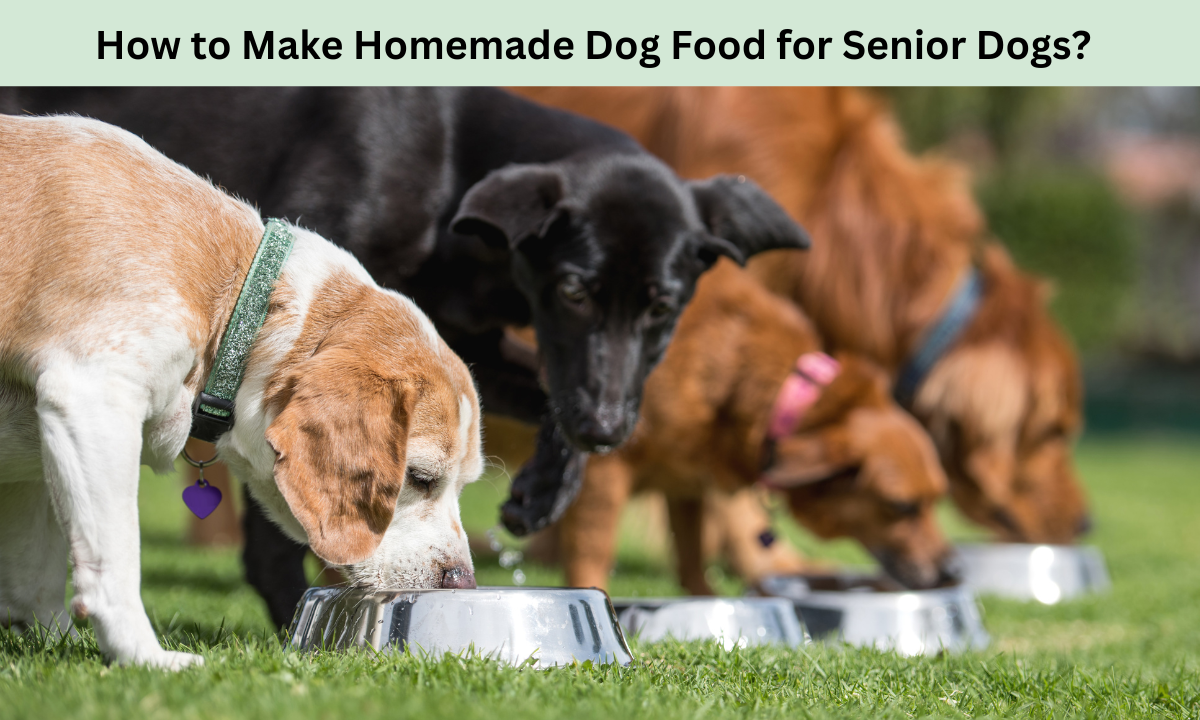
As dogs age, their nutritional needs change. Their digestion becomes weaker, and they are more prone to illnesses. In such a situation, taking extra care of their diet is important. Homemade food allows us to control the ingredients and customize it according to their requirements. This article discusses how to make homemade dog food for senior dogs. Tips on Making Homemade Dog Food For Senior Dogs Below, we have mentioned a few tips on How to make homemade dog food for senior dogs: Choosing a Protein Source As senior dogs require easy-to-digest protein, choose lean meat sources like chicken, beef, or salmon. Chicken is light and ideal for elderly dogs. Diced or shredded chicken breast can be used. Beef is also a good option, but it should be lean cuts only. Even fish like salmon provide omega-3 fatty acids that support joint health. Avoid red meat, which is difficult to digest. Eggs are another easily digestible protein you can use by boiling and mashing the content. Include Carbohydrates Rice, oats, and veggies provide carbohydrates for energy. Boiled rice can be given to senior dogs as they find it easy to chew and swallow rice grains. You can add some cooked oats, whole grains, chicken, and rice. You can also add steamed or boiled carrots, green beans, or potatoes that provide fiber, antioxidants, and vitamins. Chop these into small, bite-sized pieces that are easy for them to eat. Add Supplements  As senior dogs are prone to joint issues, add fish oil, turmeric, or ginger powder, which have anti-inflammatory properties. Fish oil supplementation provides omega-3 fatty acids that support brain health and mobility. Similarly, turmeric and ginger powders act as natural anti-inflammatory agents and help alleviate joint pains. You can also add a calcium and vitamin D supplement or bone meal powder for healthy bones and teeth. These supplements ensure our senior furry friends get complete nutrition. Homemade Meal Plan  A sample homemade meal plan for senior dogs could include: Cooking the Food It’s time to cook the food once all the ingredients are chopped and measured. For protein items like chicken or eggs, boil them until fully cooked. This makes it soft and easy to eat. For vegetables, steam or boil them lightly until just tender. Overcooking makes them lose nutrients.  For carbohydrates like rice and oats, boil in water until soft. For a balanced meal, mix all the cooked ingredients. You can also puree some parts if your dog has weaker teeth. Cool it completely before storing it in an airtight container in the fridge for 3-4 days. Feeding Schedule  As senior dogs tend to eat smaller quantities, divide the total into 3-4 smaller meals rather than one large meal. Space them evenly – for example, breakfast, lunch, and dinner. You can offer smaller snacks in between as well. This keeps them feeling full and energized throughout the day. Always serve the food simultaneously each day to maintain a schedule. Leave the meal for 15-20 minutes and take away leftovers to avoid overeating. Offer plenty of water, too, to keep them hydrated. Storing and Freezing For homemade dog food that won’t be used within 3-4 days, divide the full recipe quantity into smaller portions for 1-2 meals. Use wide-mouth containers to freeze individual portions flat so they stack well. Label them clearly with the date and contents. Frozen meals stay good for 2-3 months. Thaw before serving. Take out only what’s needed on feeding days and return the rest to the freezer. This makes meal preparation easy without food waste. Homemade Treats for Senior Dogs Along with a balanced diet, seniors enjoy tasty homemade treats, too. Make easy-to-digest, soft mini treats from banana, pumpkin, or sweet potato puree mixed with peanut butter. Roll balls and top with oats. You can also use cooked and mashed carrots, boiled chicken, or hard-boiled eggs to make treats your senior furkid will love. Offer treats sparingly – a few daily pieces are enough to keep them happy. Dealing with Picky Eaters  Some senior dogs lose their appetite due to age. If your furry friend refuses to eat, don’t force it; it will create negative associations. Instead, try warming the food slightly in the microwave as it enhances aromas. You can also mix in some low-fat broth or gravy. Add healthy toppers your dog enjoys – small bits of chicken, cheese, or peanut butter. Feed in a quiet place without distractions. Break meals into smaller portions throughout the day. Consult your vet in case of consistent refusal, which can indicate health issues. Dental Care Daily dental hygiene is important for senior pups. After meals, wipe their teeth and gums with gauze or a toothbrush dipped in saline solution. This keeps plaque and tartar at bay. You can also offer raw chicken wings and bones, which help scour their teeth naturally. Avoid hard chews that can crack aged teeth. Regular dental checkups catch issues early. Brushing is best, but even gentle massage helps circulation in geriatric dogs. Fresh breath boosts their overall well-being, too. Conclusion  Aging is a natural process, but we can ensure our senior dog companions are healthy and happy during their golden years through proper nutrition and care. We can customize it according to their requirements by making simple yet balanced homemade dog food for senior dogs. This helps them stay energetic with improved joint mobility. Most importantly, it strengthens our bond with our loyal furry friends during their final years. Frequently Asked Questions (FAQs) Q 1: Why should I make homemade food instead of store-bought? Ans 1: When dogs get old, their appetites and nutritional needs change. Homemade food allows you to adjust ingredients based on your furry friend’s condition. You control what goes in, ensuring complete, balanced nutrition tailored for seniors. Commercially made food doesn’t provide this customization option. Home cooking also strengthens your bond with your aging companion. Q 2: Can’t I just add supplements to regular dog food? Ans 2: While supplements can complement regular dog food, a … Read more