OURPETTAILS

Healthy Pancreatitis Dog Food Recipes 2024

Pancreatitis Dog Food Recipes

Pancreatitis can be a painful condition for dogs. When the pancreas becomes inflamed, it is difficult for them to digest and process foods properly. This is where special pancreatitis dog food recipes can help. In this blog, I will share some easy-to-make and digest recipes for dogs with pancreatitis. The recipes are tailored to be gentle on their system while still providing balanced nutrition. Read on to try some homemade dog food recipes for dogs with pancreatitis. Pancreatitis In dogs with pancreatitis, the pancreas becomes inflamed and releases several digesting enzymes. Its severity can vary significantly, from extremely mild to extremely dangerous. Prevention is Better Than Cure Avoiding or controlling pancreatitis is best achieved by eating a low-fat diet. Low-fat diets are recommended for pets with a history of pancreatitis or at risk of developing the illness. For pets who are obese, focus on weight loss. Diet for Dogs with Pancreatitis|Pancreatitis Dog Food Recipes Dog nutritionists state that  pancreatitis dog food recipes can consist of the following: Low-Fat Protein Recipe For dogs requiring a low-fat dog food recipe pancreatitis, boiled chicken or fish can be a good protein choice. Remove all skin and finely chop or shred 1/2 cup of cooked chicken or fish without any seasoning or oils. Mix with 1/4 cup cooked brown rice and 1/4 cup pumpkin puree. The pumpkin is rich in fiber to promote digestion but low in fat. Refrigerate in individual servings and feed 1-2 times per day. Easy Homemade Soup When the pancreas is inflamed, warm and liquid meals can sometimes be more comfortable for dogs to eat. Make a simple soup by combining 2 cups of low-sodium chicken or vegetable broth with 1/4 cup boiled white rice and 1/4 cup lean ground turkey or beef. Simmer everything together for 10 minutes, then puree with an immersion blender until smooth and creamy. Add more broth if a thinner consistency is needed. Serve warm 1-2 times a day. Baked Potato and Chicken Dish For some added nutrients, try this baked potato pancreatitis dog food recipes. Pierce 1 baked potato all over with a fork and microwave on high for 5 minutes to soften. Allow to cool, then mash with 1/4 cup cooked and shredded chicken breast and 2 tbsp plain nonfat yogurt. The yogurt provides calcium and probiotics. Mix well and serve in individual portions, storing extras in the fridge. Soothing Treat Balls Dogs with pancreatitis still need mental stimulation. Roll tablespoon-sized balls from the mixture: 1 cup canned pumpkin, 1/2 cup mashed sweet potato, 1/4 cup plain nonfat yogurt, 1/4 cup wheat germ. Roll into balls and keep refrigerated for up to a week. Give interactive treats throughout the day. The fiber, pre/probiotics, and low-fat ingredients make these easy on the pancreas. Herbed Turkey and Veggie Medley Dice 1/4 cup each of cooked turkey, carrot, and green beans for a fiber-rich meal. Mix with 1/4 cup brown rice and 1 tsp each finely chopped parsley and thyme. The herbs add flavor without fat or salts. Refrigerate individual portions for 1-2 meals per day. Variety helps keep mealtimes interesting. Oatmeal and Squash Treat Mix 1/4 cup pureed winter squash, 1/4 cup plain cooked oatmeal, and 1 tsp honey for a snack full of soluble fiber. Roll into balls and refrigerate for up to 5 days. The squash is low in fat and antioxidants to support pancreas health. Tasty Turkey and Carrot Mash Turkey is a lean meat that is gentle on the pancreas. Boil 1/2 cup each of diced turkey and baby carrots until very soft. Drain and mash with a fork or potato masher. Add 1 tbsp plain nonfat yogurt for extra moisture and protein. The yogurt coats and soothes the stomach lining—Refrigerate portions to enjoy throughout the week. Dogs usually like the mild turkey and carrot flavor. Nutritious Potato and Egg Bowl Sometimes, a warm pancreatitis dog food recipes is more enticing for dogs with pancreatitis. Peel and dice one medium potato into small cubes. Boil until very soft, about 12-15 minutes. Meanwhile, hard boil one egg until fully cooked, then dice. Mix potato and egg pieces in a bowl with 1/4 cup low-sodium chicken broth. The broth adds extra moisture and nutrients without being too rich. Serve lukewarm 1-2 times a day. Easy Beef and Veggie Casserole Lean ground beef mixed with fibrous veggies makes a hearty and balanced pancreatitis dog food recipe. In a skillet, cook 1/4 pound extra lean ground beef until no pink remains. Add 1/2 cup each diced zucchini and carrot. Cook for three more minutes until tender. Remove from heat and gently stir in 1/4 cup brown rice. Portion casserole and refrigerate between meals for quick reheating. The casserole delivers nourishment in one pot. Sweet Potassium delight Bananas help reduce inflammation in the pancreas due to their potassium content. Mash half a small ripe banana with 2 tbsp plain nonfat yogurt. Stir in 1/4 cup cooked oatmeal. The banana flavor will entice most dogs to gobble this down. Keep individual portions in the fridge for an easy-to-digest snack or dessert. Both the banana and oats are easily digested. Healthy Squash and Chicken Stir Fry Shred 1/2 cup butternut squash and place in a skillet over medium heat. Cook for 5 minutes, stirring occasionally until tender. Add 1/4 cup cooked shredded chicken and 1/4 cup brown rice. Continue cooking for another 3 minutes until rice is warmed through. Delivering veggies, protein, and complex carbs in one simple meal. Pureed Lentil and Vegetable Delight For a nourishing meal-in-one, cook 1/2 cup each diced carrot, broccoli, and green lentils in unsalted vegetable broth until very soft. Puree everything together using an immersion blender until smooth and uniform in texture. This provides fiber, protein, and antioxidants in a gentle form for sensitive stomachs. Chill and portion individual servings for easy digestion. Wrap Up With some basic ingredients, it is possible to make nourishing home-cooked pancreatitis dog food recipes. Speaking to your veterinarian can help create the best plan. Consistency … Read more
Effective Pomeranian Dog Care Tips: What You Need to Know

Effective Pomeranian Dog Care Tips: What You Need to Know

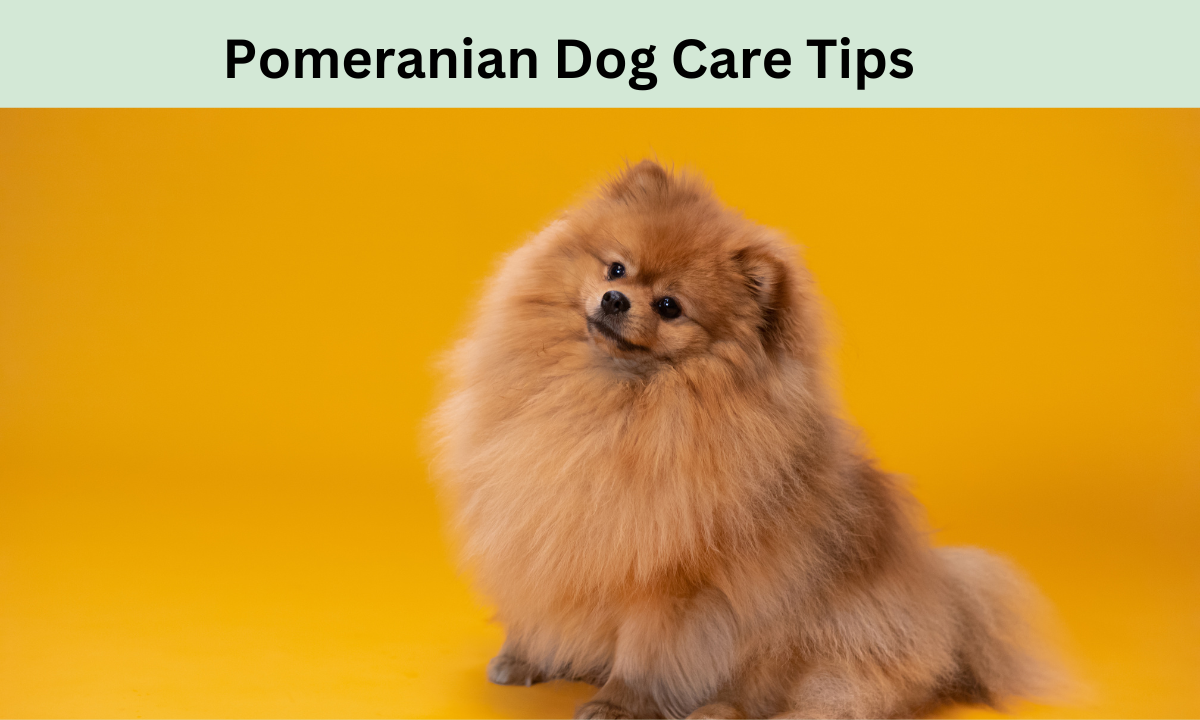
Pomeranians are one of the most popular dog toy breeds. They are small, cute, and energetic balls of fur. However, as owners, we must be careful in caring for their needs. This article provides tips on Pomeranian care, covering aspects like feeding, exercise, grooming, and health. These Pomeranian Dog Care Tips will help us keep our beloved Pomeranian happy and healthy for many years. Tips for Taking Care of Your Pomeranian Dog Here are a few tips that can help you take care of your Pomeranian Dog: Feeding Pomeranians have small stomachs, so feed them 2-3 times daily in small portions. Go for puppy- or small-breed-specific food that is easy to digest. Ensure the food contains enough proteins, vitamins, and minerals for their growth and energy needs. Check food labels for ingredients and calories. Always keep clean water available. Overfeeding or underfeeding can lead to digestive or skin issues. Exercise Pomeranians may be small, but they are very active dogs. They need at least 30 minutes of playtime daily to burn their energy and stay fit. Play fetch, toss toys, or play in a yard to get them moving. Make activities fun, so they enjoy it. Older Poms also need gentle exercise like short walks. Lack of exercise can result in behavioral problems. Overall, aim for 30-60 minutes per day. Grooming Their thick double coat needs frequent brushing to prevent matting. Brush at least twice a week, paying attention to hard-to-reach areas. Bathing is required only when dirty, followed by thorough drying. Trim nails as needed, usually every four weeks. Check ears weekly for wax build-up and clean if required. Brush teeth twice a week to prevent dental issues. Proper grooming prevents skin problems and keeps their coat shiny. Healthcare Take Poms for annual checkups and vaccinations. Check eyes regularly for discharge or redness, which may indicate infections. Monitor weight and check for lumps or bumps on the skin. They are prone to dental disease as toy breeds, so feed them dental chews or brush them daily. Also, watch for reverse sneezing, which may seem scary but is usually harmless. Overall, keep healthcare routine to spot any issues early. Housetraining Start housetraining pups when they are young by taking them out frequently after meals, play, and waking up. Use the same spot every time and praise for going there. Clean any accidents thoroughly with enzymatic cleaner so the smell is removed. Crate training helps as pups do not like soiling in their sleeping area. Be patient, as it takes time. Consistency in routine and positive reinforcement is key. Praise and small treats for going outdoors will help train them quickly. Traveling with Poms Being small, Poms love traveling with their owners. However, ensure safety by following guidelines. Never let them roam freely in the car; always secure them in pet carriers or harnesses. Prepare a traveling bag with food, water, play toys, bed, waste bags, and medications. Vaccinate and get a health certificate as required. Socialize them to new environments like cars and hotels from a young age. Carry them when out amid crowds or reckless areas. Provide extra loving care during travel to reduce stress. Top Things You Should Stop Doing With Your Pom Dog Here are our top don’t tips for your pom Dogs:  Stop Feeding human foods While sharing table scraps may seem like a fun treat, feeding human food to a puppy can be harmful. Their digestive systems are very sensitive; some human foods can cause upset stomachs, diarrhea, or other issues. Stick to a high-quality, age-appropriate pet food designed for puppies. It provides them with balanced nutrition for growth. Occasional safe human foods that can be given in small pieces are cooked plain meat, peanut butter, or carrots. However, avoid spicy, fatty, sugary, or salty human foods, which can negatively impact their health. Stop Using retractable leashes.  While using a retractable leash seems convenient for exercise, they are not appropriate for puppies or recommended by experts. Puppies can easily be hurt if another animal yanks the leash or if they bolt unexpectedly. It also prevents you from having control during training sessions. Stick to standard 6-foot leashes until a puppy is well-behaved and older. Their safety should always come first. Stop Leaving your puppy alone for long periods. Pomeranian puppies should not be left alone for over 4-5 hours as they can easily get distressed. While at work or away for long periods of time, it’s best to hire a professional dog walker or send them to doggy daycare for mental stimulation, safe play, and bathroom breaks. Not meeting their social and physical needs can lead to behavioral issues like excessive barking or separation anxiety. Prioritize being home as much as possible. Stop Yelling when they misbehave Yelling and scolding will not teach a puppy what they did wrong and often just serves to scare or stress them out further. It is better to respond firmly with a calm “no” or “ah-ah” sound, then redirect to a permitted behavior. Praise lavishly when they obey. Puppies will be less likely to repeat mistakes if they understand desired vs undesirable actions. Harsh tones risk unintentionally conditioning mistrust or damaging the relationship between owner and animal. Conclusion By following these simple care and feeding Pomeranian dog care tips and by stop doing certain things, Pomeranians can stay happy and healthy for many years, bringing us loads of joy, love, and laughter. Make vet visits, nutrition, exercise, grooming, and healthcare a priority in your routine. With proper care, Poms can live 12-16 years. Most importantly, give them plenty of affection and quality time to strengthen your bond. That’s the key to a long, blissful life with your furry Pom friend. Frequently Asked Questions (FAQs) Q1. How much should I feed my Pom? A: Poms have small stomachs. Adults need 1/4 to 1/2 cups of food daily divided into 2-3 meals. Read labels carefully and adjust portions based on your Pom’s size, age, and activity level. Overfeeding can cause … Read more

Best Ideas For Dog Food Storage 2024

Best Ideas For Dog Food Storage 2024

Storing dog food properly is important to maintain its freshness and quality. It ensures the health and happiness of our dogs. This article will cover a few important and effective ideas for dog food storage at home. It will discuss storage methods in various areas such as the kitchen, garden, and garage so that the dog’s meal remains safe and nutritious. Proper storage prevents contamination and protects food from pests and moisture that may impact food quality. Awesome Ideas For Dog Food Storage Below, we have discussed some of the most useful storage ideas for dog food:  Storing dry dog food in the kitchen Keeping dry dog food storage ideas for small spaces like in the kitchen is convenient for serving meals. However, storing them in a closed container away from direct sunlight, moisture, and heat sources is important to avoid any nutrient loss.  An airtight plastic container placed in the kitchen’s cool, dry corner ensures dry food stays fresh for longer. Large containers with tight-fitting lids prevent spills and stop pests from entering. As the kitchen often gets warm, food stored here must be checked regularly for any signs of dampness due to heat and moisture. Rot-proof and pest-proof storage are necessary to maintain dry dog food’s quality and shelf life. Storing Wet Dog Food in the Refrigerator Since wet dog food contains high moisture content, refrigerating partially used pouches or cans is recommended. It slows down the growth of bacteria and spoilage by lowering the temperature.  Wet food must be kept in a sealed, airtight container in the refrigerator’s vegetable drawer, which remains among the coldest areas. Marking used containers with dates is important for first-in-first-out use and to keep track of freshness duration.  The refrigerator provides a cool and hygienic storage environment for wet food. However, very large bags may not fit and are better kept in the freezer in such cases. Regular cleaning of the refrigerator also ensures wet food is free from contamination. Storing dog food in the garden shed or garage For many owners, the garden shed or garage provides additional storage space than the home. Outdoors, direct sunlight and heat are the major concerns for food quality. A well-ventilated and covered area protects from the elements.  Food must be kept in airtight containers with tight-fitting lids on raised surfaces away from direct floor contact and moisture. Regular inspection ensures no signs of chewing or leaks by pests and leakage. Outdoor ideas for dog food storage requires more frequent quality checks and relocating indoors if any issues are noticed. Rot-proof and pest-proof containers are essential for effectively using a garden or garage for long-term food storage. Storing large bags of dry dog food  Large bags of dry dog food often come in sizes of 25 pounds or more. They can be difficult to store while maintaining freshness. It’s best to keep these big bags in a lidded plastic tote in a cool, dry place like the garage or basement. The plastic tote protects the bag from moisture and pests.  Some owners even place a few silica gel packets inside the tote to absorb excess moisture. It’s a good idea to transfer some dry food from the large bag to an airtight container for use in the kitchen. This prevents multiple openings of the large bag, which can cause the food to get stale faster. The remaining bag in the tote can be sealed tightly and stored long-term while maintaining quality and freshness. Proper storage for treats and chews  Just like regular dog food, it’s important to store treats and chews appropriately for freshness and to prevent contamination. Hard chew treats can be kept in an airtight glass or plastic jar in the pantry or kitchen cabinet away from heat and direct sunlight.  Softer chew treats like bully sticks should be kept wrapped in the refrigerator. Dental treats need proper sealing, too, to maintain freshness. Freezing is another great way to preserve treat texture and shelf life. Rotation is important so older treats are used before they expire. Treat storage also requires keeping young children out of reach for safety. Proper ideas for dog food storage extends the usability and improve the quality of all types of dog treats and chews. Storing homemade dog food  If one prepares homemade dog food, there are additional storage precautions to follow. Perishable ingredients like meat and dairy require refrigeration within 2 hours of cooking. Portion individual meals into sealed freezer bags or containers and label with content and date.  The freezer provides 3-4 months of storage. For non-perishable homemade batches, an airtight container in the refrigerator or a cool, dark pantry shelf for 2-3 weeks is suitable. Regular quality checks are essential as homemade food can spoil faster without preservatives. It’s best not to prepare large batches at once. Rotating stocks ensures the freshest meals for the furry companion. Proper ideas for dog food storage protect the time and effort invested in homemade dog food. Wrap Up Following proper storage ideas for dog food and maintaining ideal temperature and moisture-free conditions helps keep dry and wet dog foods fresh for longer—regular inspection of stored food aids in the early detection of any quality issues. Choosing suitable storage areas based on food type and using airtight containers protects nutrition. Storing food effectively enhances our pet’s well-being and health by safely consuming a balanced and high-quality diet. With regular monitoring and preventive storage, owners can ensure their furry best friend always has access to safe and nutritious meals. Frequently Asked Questions (FAQs) Also read:

The Best Dog Food for German Shorthaired Pointers

Best Dog Food for German Shorthaired Pointers

German shorthaired pointers are very active hunting dogs that require high-quality nutrition to maintain their health and energy levels. In this blog, I will discuss the key factors to consider when choosing a dog food and provide recommendations for some of the best dog food for German shorthaired pointers based on ingredients, nutrition, and brand reliability. By selecting the right food, pointer owners can keep their furry companions happy and ensure they have the fuel required for play, exercise, and hunting activities. key factors to consider when choosing best dog food for German Shorthaired Pointers The key factors in selecting the best dog food for German shorthaired pointers are given below: Research the ingredients When picking the best food for pointers, the ingredients list should always be closely examined. High-quality proteins from meat should be among the first items listed, with meat meal or meat by-products a sign to look elsewhere. Grains are acceptable in moderation but should not comprise the bulk of the formula. Avoid foods with low-value carbs like corn, wheat, or soy as fillers. Opt for limited-ingredient diets that avoid potential allergens if sensitivities exist. Dog food claims and marketing don’t mean much if the first five ingredients aren’t top-notch. Consider life stage and activity level Pointer puppies have different nutritional needs than adults. Look for large-breed puppy food until 18 months to support healthy bone and joint development. Similarly, food should match a pointer’s energy needs – from growth formulas to high-protein performance foods for hunting dogs. Senior formulas cater to nutrient profiles for older pups. No matter the life stage, diets must supply optimal calories and balanced nutrition to fuel activity and sustain health. Check guaranteed analysis on labels Dog food manufacturers disclose a guaranteed minimum analysis for key nutrients, which offers insight into dietary adequacy. Look for protein levels of 26% or higher, with fat ranging from 15-20% for pointers. Requirements also vary between brands due to formula differences. The Association of American Feed Control Officials sets standards verified by independent testing. This analysis provides peace of mind that stated nutrient contents meet expected specifications. Consider recommendations from experts Veterinarians, dog trainers, and professional breeders are knowledgeable resources for identifying suitable food brands. Positive reviews from experts on specific diets point to formulations meeting pointer nutritional needs without causing adverse impacts. Premium dog foods meeting criteria for high-quality ingredients analyzed using proven nutritional profiles tend to gain approval from these credible, experienced canine health and wellness evaluators. Read online reviews from real owners Reading reviews from other pointer guardians provides valuable owner-reported perspectives on foods and whether they satisfy expectations for taste, digestion, energy, coat, and skin condition. Consider both positive and negative feedback to gain a balanced understanding. While individual results vary, consistent themes across many reviews often correlate to actual product performance and quality. Look out for ulterior motives influencing overly positive or negative ratings that don’t align with a brand’s established reputation. Best Dog Food for German Shorthair Pointers Here are some of the best dog food options for German shorthaired pointers, along with an explanation of why each is a good choice: Hill’s Science Diet Large Breed Adult Chicken & Barley Recipe Hill’s Science Diet is well-known for its high-quality formulas developed through nutritional research. This large breed of adult food provides precisely balanced vitamins and minerals needed for pointers as they mature. The first ingredient is chicken, which provides high-quality protein for energy and muscle. Barley fiber supports digestion, while antioxidants promote immune health. Feedback from veterinary professionals and reviews indicate it supports pointers’ joint and bone health during their active years. Fromm Gold Large Breed Adult Dry Dog Food Fromm foods feature limited ingredient lists without common allergens like corn, wheat, or soy. This large breed formula lists meat such as chicken, salmon, or duck before any grains. Pointers tolerate it well and maintain excellent coats and energy levels for play and retrieving. It contains a balanced mix of glucosamine and chondroitin to support joints during moderate exercise and hunting. Experienced owners find it satisfies pointer appetites while keeping them at an ideal weight and activity level. Purina Pro Plan Focus Adult Active Maturity Chicken & Rice Formula Purina is a trusted brand known for consistent quality across locations. This Pro Plan food was specially designed for active mature pointers. It contains prebiotics and probiotics for easy digestion and DHA from fish oil for the bright mental alertness they need to respond to commands in the field. Pointers have displayed healthy weight control on this diet. It provides reliable nourishment without causing digestion issues that can tire out pointers during intense retrieve work. Royal Canin German Shepherd Adult Dry Dog Food Specifically formulated for German-bred pointers, this food considers their typical energy needs, joint sturdiness, and skin/coats. It contains proteins from chicken and fish meal for focused stamina, prebiotic fiber, and MSM to support lean muscles during training. Owners appreciate the brand’s reliability across all life stages. Many pointer handlers rely on it to maintain strong, agile hunters ready to hit the fields year after year. It optimizes health for the hard work of these versatile hunting dogs. Over to You With so many dog food options available, evaluating factors like ingredients, nutrition, brand reputation, and real reviews empowers pointer owners to select formulas that help keep their furry companions active, healthy, and happy. Maintaining excellent nutrition suited for each life stage is important for supporting active sports dogs’ health, fitness, and enjoyment. Their beloved pets can thrive by prioritizing high-quality proteins and balanced nutrition tailored for pointers. Frequently Asked Questions (FAQs) Q1. What is the best age to switch my German pointer puppy to adult food? Ans 1: The ideal age is around 12-18 months when the growth plates start to close. Large and giant breed puppies need special formulas with regulated vitamins and minerals til they are fully grown to support healthy bone and joint development. Consult your vet on the appropriate time for your … Read more

Best Dog Food for Golden Retrievers

Best Dog Food for Golden Retrievers

Golden Retrievers are one of the most popular breeds of dogs across the world. They are loving, affectionate, and playful in nature. As owners, we are responsible for ensuring our furry companions lead healthy and happy lives by providing them with the best possible nutrition. In this blog, we will explore various types of dog foods available in the market and determine the best dog food for golden retrievers, considering their nutritional needs and dietary requirements. How to Choose Best Dog Food for golden retrievers The first step is to choose the best dog food for the golden retriever puppy, ideally made by a reputable brand. Golden retrievers have coats that need the right oils and nutrients to stay shiny and healthy.  Their joints also need support as they are at risk of developing arthritis. Go for the best dog food for golden retrievers that is rich in protein from meat sources, supplemented with vitamins, minerals, and other nutrients required by adult dogs.  These contribute to their overall growth, energy levels, and coat condition. Instead of very low-priced foods or homemade mixes, always select premium dog foods that suit the needs of your golden buddy. Best dog food for golden retriever puppies: Dry vs Wet Food Most dog owners give dry kibble to their pets on a regular basis as it is easy to store and feed. However, golden retrievers also benefit from wet or canned food included in their diet. While dry foods help remove plaque and tartar from teeth, canned foods contain higher moisture levels that keep dogs hydrated.  They also tend to have meat or fish as the main ingredient, unlike carbs and fillers in some dry foods. Try mixing both varieties in the right proportions suited to your dog’s needs, like three parts dry to one part wet food. This balanced mix provides the advantages of both textures in a single diet. Best dog food for a golden retriever: Grain-Free or Limited Ingredient Diets Many experts now suggest grain-free diets for dogs prone to food sensitivities. This is because some dogs, including golden retrievers, do not properly digest certain grains like corn, wheat, and soy. A dedicated grain-free diet removes potential allergens from their diet.  Limited-ingredient diets containing a single source of protein and easily digestible carbs also work well for dogs with sensitive stomachs. Such specialized diets effectively manage conditions like digestion issues, skin allergies, and ear infections for goldens in the long run. Check with your vet before switching to ensure it suits your pet’s requirements. Omega Fatty Acids for Skin and Coat Golden retrievers have lustrous coats that need external oils for glowing health. Dog foods rich in omega-3 and omega-6 fatty acids from fish, flaxseed, or other plants moisturize skin and coat from within. These ‘good fats’ reduce itching and flaking while keeping fur soft and shiny.  Some premium dry foods and most canned foods contain healthy doses of these essential fatty acids beneficial for retrievers. Ensure fat content is moderate at around 15-20% of total calories to avoid obesity in your playful golden friend. Home-Cooked vs. Packaged Foods While home-cooked meals can be customized, balanced packaged dog foods have undergone extensive research and meet the complete nutritional needs of canines. It is difficult for average owners to formulate homemade diets matching the macros, micros, vitamins, and minerals in ratios required for dogs’ bodily functions.  Unless under vet guidance, refrain from DIY meals that may lack or have excessive nutrients, causing health issues over the long term. Stick to high-quality commercial foods from trusted brands to ensure golden retrievers grow strong and stay healthy daily. Senior Dog Foods As golden retrievers age, their nutritional needs gradually change. Senior dogs above seven years require foods customized for their stage of life. Look for old dog foods enhanced with glucosamine and chondroitin to protect aging joints from inflammation and stiffness. Reduced calories also help senior goldens maintain a healthy weight.  Opt for easily digestible protein sources and grains in senior recipes. Consistency and fiber levels hold importance, too. Consult your vet on the best senior food suited for your older golden age, as individual needs may vary. Feeding Guidelines Supplements for Joint Health As large and active breeds, golden retrievers are prone to joint issues like hip dysplasia if not properly nourished. Many premium dog foods now include glucosamine, chondroitin, and other ingredients that support healthy joints.  However, supplemental joint support may be needed for aging or high-activity dogs. Look for fish oil, MSM, or hyaluronic acid supplements recommended by your vet. Give as directed and consult advice before giving additional supplements and commercial dog food. Joint supplements can reduce inflammation and maintain mobility for golden retrievers throughout their energetic lifetime. Dental Care and Food As with humans, dental health is important for dogs. Hard kibble acts like a toothbrush to scrape away plaque and tartar buildup. However, some soft, chewy treats and dental bones can also be included occasionally. Give access to plenty of toys for healthy gum stimulation through play.  Foods with meat or fish as the first ingredient also support oral care by producing less stain and calculus than carbohydrate-based foods. Routine dental checks by your vet and professional cleanings as needed keep gums and teeth healthy in cheerful golden dogs. Conclusion The best dog foods for golden retrievers are high protein, limited ingredients dry foods supplemented with canned foods for hydration and balanced nutrition. Look for options rich in omega fatty acids and avoid common allergens and fillers unsuitable for their diet.  Instead of untested homemade mixes, always choose premium packaged options from reputed brands that meet your furry friend’s complete dietary needs for a long and active lifetime together. With the right balanced nutrition from puppyhood, your loving golden will showcase a radiant coat and plenty of playful energy for years to come. Frequently Asked Questions (FAQs) Also read:

Most Effective Dog Care Tips for Winter

Most Effective Dog Care Tips for Winter

Winter may be difficult for our pets, specially dogs. They cannot tell us when they may be uncomfortable, so it is up to us to attend to them. Whether you are a seasoned  pet owner or a newbie with a new puppy, it is important to understand how to help your dog during the winter Here are some easy Dog care tips for winter season. Dog care tips for winter|How do you take care of a dog in the winter? 1.Outdoor Safety in Cold Weather Don’t permit your puppy stay  outdoor for too long while it’s cold. Just like us, animals, such as dogs, can feel the cold. Their paws, ears, and tail are sensitive to chilly winds. It’s okay to take them out for a walk or play during the day, but bring them interior when it gets really cold to preserve them heat and comfortable. 2.Dressing for Warmth Just as we would not go out within the cold without a sweater or a jacket, the same attention need to apply on our pets. Pet shops offer variety of sweaters and jackets for cats and dogs, so choose the proper length to hold them warm throughout outside activities. For birds, rabbits, or other pets, cover their cages with a shawl to preserve warmth. Ensure there’s a small establishing for proper ventilation. This simple step helps hold your pets cozy and guarded, making sure their nicely-being at some stage in colder weather while they’re outdoors or in their cages. 3.Fur Management Avoid shaving your dog’s coat, especially at some point of cold weather, due to the fact naturally keeps them warm. Avoid completely shaving their fur in the during of cold weather. Additionally, do not take your dog outside simply after bathing. Depending at the temperature and location, take a bath with warm or lukewarm water. Make sure their fur is thoroughly dry earlier than going outside. This helps their natural warmth and protects them from the winter. 4.Sleep Comfort Dogs are  at risk of hypothermia and frostbite in severely bloodless or moist weather, mainly in snowy locations. It is crucial to protect your dogs’s sleeping area shielded  from gusts of wind. There are several options for dog bedding, including pads, blankets, comforters, chaff, and straw. Layer a huge blanket over your dog’s mattress to provide warmth and support for aching joints. In winter, pay unique interest to the bedding of small and elderly puppies. The selected bed must efficiently cover their body,providing enough warm temperature. It’s important never to make puppies sleep outdoor at some point of winter, because it poses capability dangers to their properly-being. Prioritize your dog’s comfort through deciding on appropriate bedding options, safeguarding them from the harsh winter weather elements and ensuring they stay heat and comfy indoors. 5.Heater Safety Prevent your dog from getting near room warmers to keep away from capacity risks. Some dogs searching for warm temperature via staying close to heating assets, risking burns to themselves or the surroundings. It’s recommended to be present within the house when heaters and blowers are in use. Opt for pet-proofing measures to maintain your dog’s safety. Create a barrier or use pet-proof systems to ensure your dog remains far from heaters, minimizing therisk of accidents and injuries related to heating home equipment. 6.Hydration and Diet Ensure your pet stays hydrated in the winter by offering water every two to three hours. Use lukewarm water, especially if the water in their bowl has become too cold. Provide fresh water to keep them adequately hydrated. Avoid feeding them overly fatty foods; instead, opt for high-quality, well-balanced meals. Be mindful of portion sizes to prevent overfeeding, considering that cold weather may make dogs less active. Tailor their diet to match their physical activity level, preventing lethargy and promoting overall well-being during the winter season. 7.Dog food in winter season In colder weather, ensure your pet receives more food compared to summer, with dogs potentially needing 25 percent more energy, especially those active outdoors. Opt for high-energy, nutritionally balanced food to meet their increased requirements. Be cautious of potential weight gain during winter, as overweight pets are more prone to injury and illness. Avoid cold foods like rice and provide options that offer warmth and maximum energy. Additionally, provide nighttime snacks for sustained nourishment. Monitoring their diet in colder temperatures contributes to their overall health, preventing obesity and ensuring your pet remains energetic and well-nourished. 8.Health Checkup Importance Prioritize your pet’s welly-being by using scheduling a fitness checkup in case you examine signs and symptoms like lethargy, loss of urge for food, or changes in behavior. Pay near interest to their daily ordinary and activities, and if whatever seems unusual, seek advice from a veterinarian directly. Regular health checkups are important to make certain your puppy’s normal fitness and cope with any capacity problems early on. If your dog seems less energetic, tired of food or water, or shows any abnormal behavior, searching for expert veterinary care guarantees well timed intervention and promotes the well-being of the one that you love pet Conclusion Winter care for dogs is going beyond absolutely retaining them warm. By implementing those dog care tips for winter, you can make ensure that your dog remains healthy, glad, and safe all through the winter season. FAQ’s Also read:

Best Cat Foods For Sensitive Stomach and Vomiting

Best Cat Foods For Sensitive Stomach and Vomiting

If you are a cat owner, you understand the challenging situations that include finding the right food for your cat, particularly If your cat struggles with keeping food down or isn’t eating much, it’s time to consider some options. Switching to the best cat foods for sensitive stomach can convey happiness to you and your cat. In this blog, we are going to talk about common cat tummy issues and why selecting the right food matters. Causes of sensitive stomach in cats Cats will have sensitive stomachs for lots of reasons, similar to how humans experience digestive problems. It is important to recognize the possibilities of food allergic reactions in cats, simply as a few ingredients can cause reactions in a few people. Some cats can be selective about their food and avoid particular foods, with behaviors just like humans. Furthermore, modifications to their digestive system may result in diarrhea. These variables indicate the significance of deciding on foods to make certain they fulfill their individual desires. Symptoms of sensitive stomach in cats How to select Best Cat Food for Sensitive Stomach Selecting the best cat food for sensitive stomach is like finding the key to your cat’s health and happiness. With so many options, it can be overwhelming, especially if your cat has a sensitive stomach. Ingredients to avoid for cats with sensitive stomach Certain components are best avoided by cats who have sensitive stomachs. This is a short list: Grains: Certain cats may have digestive issues with grains like corn or wheat.  Artificial Additives: Preservatives and artificial colors might irritate stomachs that are already sensitive.  High-Fat Foods: It is best to moderately eat fatty foods because too much fat might be difficult on sensitive stomachs. Strong Flavors: Intense flavors or strong spices may be a touch too much for certain delicate kitty stomachs, so it is best to keep it light. Importance of high-quality protein sources Consider brilliant protein on your cat to be a health-selling superhero. It is vital! Good protein, consisting of fowl or fish, advantages your cat’s muscle groups, hair, and trendy health. It is like giving them the ideal gasoline for being sturdy and lively. So, whilst selecting cat food, search for wonderful protein sources to maintain your little hero in pinnacle shape! Best Cat Foods for Sensitive Stomach Vomiting  1. Blue Buffalo Dry Cat Food  for Sensitive Stomachs Blue Buffalo Sensitive Stomach Adult Dry Cat Food is known for making healthy recipes that make cats feel great. It is safe without harmful stuff. Perfect for sensitive tummies, it uses brown rice, oatmeal, and barley instead of harsh grains. With chicken as the main protein, it is easy to digest. It is packed with nutrients, probiotics, and prebiotics, it keeps your cat healthy and happy. Pros cons High-quality ingredients Relatively high cost Real meat as the main ingredient Some cats may not prefer the taste No poultry by-product meals Limited flavor options Rich in essential nutrients May not be suitable for all cats Supports a healthy coat and skin Potential for individual allergies  2.Hill’s Prescription Diet  Cat Food for Sensitive Stomachs Hill’s Prescription Diet Original for cats with skin or food sensitivities is a nutrient-rich choice, though a bit pricier. It is tailored to address various issues, from sensitive stomachs to serious allergies. In this 29% protein, 10.5% fat, and hydrolyzed animal protein, it’s specialized but not suitable for all cats veterinarian approval is necessary. Pros Cons Tailored for specific health needs Higher cost compared to regular food Nutrient-rich formula for overall health Requires vet approval to purchase Addresses a range of sensitivities Limited flavor options Hydrolyzed animal protein for digestion Not suitable for all cats Clinically proven effectiveness May not appeal to all cats’ preferences 3. American Journey Minced Turkey Cat Food for Sensitive Stomachs For an affordable yet quality cat food for sensitive stomachs, check out American Journey Minced Turkey Recipe in Gravy. With real turkey as the principle component and no common allergens like chicken or grains, it’s miles a stomach-pleasant alternative. Packed with natural chicken flavor, such as turkey broth and liver, it also gives protein from dried egg white.. With 50% protein and 22% fat on a dry matter basis, it ensures a balanced and budget-friendly choice for your cat. Pros Cons Real turkey as the main ingredient Limited flavor options Affordable price for quality May not cater to specific dietary needs No common allergens like chicken or grains Some cats may not prefer the taste  4. Merrick Limited Ingredient Diet Real Chicken Recipe Cat Food for Sensitive Stomachs For cats sensitive to grains, Merrick Limited Ingredient Diet Real Chicken Recipe is an exceptional grain-free option. With actual fowl and bird meal for top class protein, it consists of few elements to minimize allergic reaction dangers. Packed with healthful fat, vitamins, minerals, and probiotics, it promotes superior digestion.. The limited ingredient list reduces the chance of upsetting your cat’s stomach. Offering 34% protein and 14% fat, it’s a balanced choice at 395 calories per cup for your cat’s well-being. Pros Cons Real chicken as the main ingredient Limited flavor options Grain-free formula for sensitive stomachs May be relatively expensive Limited ingredients reduce allergy risks Not suitable for cats with poultry allergies 5.Halo Rabbit & Garden Greens Grain-Free  Cat Food for Sensitive Stomachs For cats with sensitive stomachs, try Halo Rabbit & Garden Greens Grain-Free Sensitive Stomach Canned Food. With grass-raised rabbit as the primary protein source and non-GMO lawn vegetables for digestible carbohydrates, it is mild on the belly. The complete and balanced system includes vital nutrients and a limited aspect list, minimizing the risk of poor reactions. Fortified with nutrients and chelated minerals, it ensures your cat receives healthful and nicely-rounded nutrients. Pros Cons Grain-free formula for sensitive stomachs Limited availability in some regions No artificial additives or preservatives May be relatively expensive Holistic approach to cat nutrition Limited flavor options  6.Merrick Purrfect Bistro Dry Cat Food Sensitive Stomach Merrick Purrfect Bistro Complete Care is a top-notch choice for cats with sensitive stomachs. With … Read more

Best Dog Food for German Shepherds with Skin Allergies in 2024

Best Dog Food for German Shepherds with Skin Allergies in 2024

German Shepherds are one of the most popular dog breeds around the world. However, many German Shepherds suffer from skin allergies. Finding the right dog food to manage skin allergies can be challenging.  In this blog post, I will discuss some of the best dog food for german shepherds with skin allergies. I will look at different types of dog foods and essential ingredients to consider and avoid and provide specific brand recommendations. I aim to help dog owners choose a nutritious diet that keeps their German Shepherd’s skin happy and healthy. Grain-Free vs. Grain-Inclusive Foods One of dog owners’ most significant choices is whether to feed a grain-free or grain-inclusive diet. Many believe grains like wheat, corn and soy are common food allergens and culprits behind skin itchiness and irritation.  While this is true for some dogs, completely avoiding grains is not always necessary. A high-quality diet with limited or hypoallergenic grains may work better for others. Grain-free foods are digested more efficiently but may lack some important nutrients found in whole grains. Both options can control skin allergies depending on the individual dog’s needs. It’s best to check with your vet on the right balance for your furry friend. Protein Sources to Consider for german shepherds The protein source used is another important factor. Rabbit, fish, and duck are hypoallergenic proteins less likely to trigger skin reactions. Look for these “limited ingredient” formulas with a single, easily digestible protein.  Chicken and beef are also commonly used but could cause issues in sensitive dogs. Diets rich in omega-3 and -6 fatty acids from salmon, herring or flaxseed can help control inflammation in the skin. Protein quality and digestibility should match the breed’s needs. Again, work with your vet to identify suitable options. Key Allergen-Friendly Ingredients Foods labelled “hypoallergenic” aim to minimize common food allergens and sensitivities. Ingredients like sweet potatoes, potatoes, peas, lentils and chickpeas provide valuable vitamins, minerals and fibre with a low risk of irritation. Prebiotics like pumpkin, cranberries and blueberries support probiotic balance for skin health.  Avoid fillers like corn, wheat, soy and byproducts, which are harder to digest. Similarly, steer clear of artificial colours, preservatives and unnecessary additives that could aggravate existing sensitization. A simple, wholesome ingredients list tailored for allergy control works best. Specific Brand Recommendations Based on the above factors, some of the best dog food for german shepherds with skin allergies include: Starting with any of these premium brands formulated for food sensitivities gives the best chance of allergy relief without costly elimination diets. Consistency and patience are crucial to managing this condition over the long run. Monitoring Progress and Making Adjustments When switching diets, watching for changes in your dog’s skin over 4-6 weeks is important. Signs like scratching, redness, rashes or sore skin should improve. However, if issues persist or new ones emerge, don’t hesitate to consult your vet for further guidance.  They may recommend adjustments like hypoallergenic treats or supplements, steroid medication for flare-ups or allergy testing. Sometimes, a homemade diet under veterinary supervision works wonders, too. With the proper management, German Shepherds with sensitivities can lead happy, comfortable lives. Nutritional Requirements of German Shepherds As active working dogs, German Shepherds have specific dietary needs. Their food should provide high-quality protein for muscle growth and energy. It must also supply glucosamine and chondroitin for healthy joints and omega fatty acids to nourish their gleaming coats. Look for diets rated “Excellent” by AAFCO that meet all nutritional levels for this breed. This sets the baseline for ensuring their requirements are met even while controlling skin issues. Feeding Tips and Schedule For an adult German Shepherd, divide their daily portion into two meals rather than leaving food out all day. This helps prevent binge eating, which could upset their stomach. Space meals 8-12 hours apart to mimic their natural grazing habits.  Provide fresh, clean water always. To aid skin healing, plastic or ceramic bowls are less likely to trigger reactions than metal or rubber varieties. Maintaining a consistent schedule promotes healthy digestion, too. Common Skin Conditions in German Shepherds Allergies are a major concern, but there are other skin issues this breed is prone to. Hot spots, also called moist dermatitis, often follow excessive scratching and cause raw, painful patches.  Yeast and bacterial infections can form if these areas are not treated promptly. Flea, tick and environmental allergies frequently plague shepherds as well. Always watch for early warning signs and contact your vet for the swiftest diagnosis and relief measures. Grooming and Skin Care Tips Regular brushing removes loose fur and dirt, exacerbating itching and inflammation. Wipe your dog down with infant wipes daily, if needed, after walks or play. Check for ticks and fleas which provoke irritations.  Limit baths to once a month with a hypoallergenic shampoo unless directed by the vet. Towel dry thoroughly to prevent moisture-induced eruptions. Consult your groomer about hypoallergenic sprays, rinses and food supplements that may aid in symptom management. Conclusion Choosing the best dog food for german shepherd puppies with skin allergies requires some research and trial and error. This blog post covered important factors like ingredients, protein sources and specific high-quality diet recommendations.  With guidance from your vet, patience and consistency, you can find a suitable nutrition solution tailored to your Shepherd’s needs. With the proper management, these loving companions need not suffer from sensitive skin issues troubling many of their breed mates. I hope this information helps fellow shepherd guardians care for their furry family members. Frequently Asked Questions (FAQs) Q.1: What helps German shepherd skin allergies? Ans 1: Your dog’s itchy and dry skin can also be relieved with coconut oil. It’s a sensible choice for hydrating their skin. If your dog needs a prescription for an antihistamine, speak with your veterinarian. You might also take your dog to a nutritionist, who can create a healthy meal plan for you. Q.2: What foods are German Shepherds allergic to? Ans 2: Dogs most frequently have allergies to proteins, particularly those derived … Read more

Best cat food for overweight indoor cats

Best cat food for overweight indoor cats

Well hello! you’re welcome to our blog where we’re going to guide you and put you through ideas about your adorable little cats. With research we found out that overfeeding those little furs affects their health, it causes obesity and eventually leads to high blood sugar. Here we’ll dive right into every feature, the Best cat food for overweight indoor cats and how to maintain their diets to keep them happy and healthy. Reasons Why Indoor Cats Get Overweight It’s so convenient for cats to gain so much weight. Especially cats that are always situated indoors. And they get to gain extra pounds or more, which is dangerous for their health. It causes infections, diabetes and arthritis. And the reason why they gain weight is because they eat more calories than they burn off. which is mostly common among house cats. After all, they’re not stimulated properly. Identifying the Signs Of An Overweight Indoor Cat Are you wondering ways you can tell if those little felines are getting overweight? It’s not so difficult to get through them and here is a quick guide to help disclose those symptoms. Common Symptoms of Overweight Indoor Cats Regular Symptoms On Overweight Cats As pet parents there are symptoms you should notice about your cat’s overweight system, here are tips to make you understand more about these symptoms. Advantages To Early Discovering To Overweight Indoor Cats Diet For Overweight Indoor Cats Are you scared or rather worried to put your obese/overweight cats on diet? Don’t worry we’ll delve into tips on ways to help lose your cat weight.but we get to know that cat dieting isn’t as simple as restricting food,and a swift weight loss can be very risky. Feline furry weight should be an agreement between you and your Veterinarians. Enhancement For Diet On Overweight Indoor Cat Best cat food for overweight indoor cats The reason your cat is overweight is none other than their diet.the kind of food you choose to feed your feline causes a massive impact to their health,and here are tips to give you ideas on the kind of food you should feed them and their brands.Balance diet sometimes doesn’t have to expensive, it’s the nutrients that matters a lot. Do’s and Dont’s for Overweight Indoor Cat To avoid obesity and other health contractions for your feline furry.we have just the right tips to gear you up to keep them healthy and happy. Do’s Don’ts understand that these are little Do’s and Don’ts that you can apply to for the safety of your little feline furry. Best Food Combinations and Right Ingredients for Indoor Cats If your cat needs help in losing weight here are some tips for the best food combination. Conclusion In conclusion, with all these tips we have gone through. looking out for every overweight feline doesn’t have to be hard! Always remember this adorable furry is trusting us to save,and keep them safe. Go on, try out every tip that we went through.and don’t forget your Vet is always close by to put you through and guide.stay tune to numerous pet health care advice. FAQs With the help of recommended diet, and food an overweight cat can lose weight in 3 weeks. Take them for walks, play around with them for 20-30 minutes. Spread their treats around so they go around picking it Also read:

Merrick Dog Food Reviews|Why Merrick Dog Food is Best For your Pet

Merrick Dog Food Reviews

Every dog pet should have a healthy diet, and Merrick dog food is among the best since it is wholesome, high-quality protein, and nutritious.Check out Merrick Dog Food Reviews and its benefits in this article. Additionally, Merrick grains are prepared from a variety of easily digestible, healthful grains. Many people consider Merrick dog food to be among the highest-quality products available in the commercial dog food industry.Not only are they hormone and antibiotic-free, but they are also human-quality dog food without artificial chemical preservatives, additives, or by-products.Dogs just cannot resist the amazing tastes offered by Merrick’s high-quality, healthy chow.its has ingredients that won’t flare the pet up. Why You Should Choose Merrick Dog Food? Mostly pet parents get to choose wrong for their pets, which ends up making the pets sick. Here are reasons why Merrick dog food should be chosen. Merrick is worth a shot. Why Merrick Dog Food Is The Best Merrick dog food is the best because it’s made of high-quality ingredients that maintain the pets health, weight,and energy levels.It’s an honest product, with excellent good brands. Merrick dog foods are pets favourite,it reduces shedding for dogs, and also it’s an honest recommendation for pets. Most of our pets have sensitive immune systems, especially dogs,which is Merrick food because it’s the best choice for our pets with allergies. It’s also one of the wet dog canned foods with preservation and colour-free. It’s affordable as well and they’ve digestible recipes.It’s high omega-fatty acid content also supports lustrous fur and good skin. With no added fillers or allergies from things like lentils, potatoes, or peas, this recipe is ideal for helping dogs gain healthy muscle mass.”Beyond-average, grain-inclusive kibble” is what Merrick is. Popular Merrick Dog Food Recommended By Veterinarians Merrick Dog Food Reviews Every brand/product needs a review to move forward to know how well their goods are being sold out to customers, to improve in more ways than one. Whereas Merrick dog food which is rated 5 stars has been beaming with brand-worthy reviews. Customers love Merrick dog food for their pets. Merrick Dog Food is always veterinary recommended for pets all over the world because they’re top quality in the market. It boosts the immune system of pets, and it’s considered to be a good quality brand with health ingredients that suit the majority of dog pets. Merrick dog food can be gotten in different varieties, wet, dry, canned, and grains. which is awesome because the pets get to have a choice or favourite it’s based on what suits them well. And also it’s a healthy balance for the pets because they’re hormone and antibiotic-free. Where To Get Merrick Dog Food Merrick dog food or treat are of  different sub-brands that are available worldwide you can get them from verticals around you or shopping malls, Or you can order it online and it’ll be delivered to you. It’s a well-known dog food/ treat. It can be shipped to anywhere around the world. Merrick is known to be a legitimate product for our pets around the world. Merrick Dog Food Feeding Instructions Conclusion With all this said we get to understand that as pet parents our pets depend on us to feed them high-quality foods and treats to sustain their health, life, and energy and likewise to nurture them. They give us the rails to speak for them, to feed them, and to provide them good health because they feel loved and secure around us.  And with Merrick dog food, we can achieve all that. As humans we need healthy food to keep up with our immune systems likewise our pets we get to know that Merrick dog food is what our pets need to live a healthier lifestyle and be happy because it’s filled with a balanced diet which is also vital for proper brain function, and it’s a well-rated pets food it’s recommended in various pets store for the preservation of our pets because we’ll know that good nutrition repairs damage cells. And it has different brands our pets prefer to choose from because it makes them happy. FAQ‘s There are questions asked by various customers to understand why they should be invested in certain products or brands. Here are questions customers are curious to know about. Yes, it is. And good and high-quality products for pets it’s one of the best recommended brands for our pets Which contains protein and carbohydrates for the health of the pets. 2. Where you can get Merrick dog food It’s nationwide you can get it anywhere around you like pet stores, you can get it online and it’ll be delivered right to your door at affordable prices. 3. What Pet Parents Say About Merrick Dog Food ‘it’s highly recommended’ Every pet parent that gets to try Merrick ends up recommending it because of how nutritious and healthy it’s Most pet parents as tried numerous pet foods but by using Merrick they saw changes in the pets that they loved so much Pets are hyper and active, filled with energy which every pet parent loves to see. 4. Is Merrick Dog Food Safe Yes, it’s safe because it’s made with natural resources which is good for the health of our pets. Merrick Dog Meals has everything you need, whether you’re wanting to provide your pet with the best nutrients for joint health or high-quality food products to encourage development and general wellness. 5. Who Makes Merrick dog food All Merrick dog food Dry and wet are manufactured at the United States It has its own cannery in Texas, Hereford. 6. Merrick dog food ingredients Merrick dog food is in different varieties and flavours,ingredients, and natural and organic resources. 7. Is Merrick Dog Food Under Investigation Every brand’s links with potential Dog food products are under investigation by the Food and Drugs Administration including Merrick, Rachel Ray Nutrish, and Buffalo. 8. What is the Protein intake in Merrick dog food Senior Recipe for Merrick Healthful Grains With actual whole foods … Read more