


The Nova Scotia Duck Tolling Retriever, often called the Toller, is one of the most intelligent, energetic, and versatile sporting dog breeds in the world. Known for their beautiful red coats, athletic build, and enthusiastic personality, Tollers require a well-balanced diet to maintain their health, energy levels, and overall well-being.
Choosing the best dog food for Nova Scotia Duck Tolling Retriever is essential because this breed has unique nutritional requirements. Their active lifestyle, moderate-to-high energy levels, and predisposition to certain health conditions mean that not every dog food will be suitable.
Whether you own a Toller puppy, adult, or senior dog, this comprehensive guide will help you understand what to feed your dog, which ingredients matter most, and how to choose the best food for long-term health.
Understanding Best Dog Food for Nova Scotia Duck Tolling Retriever
Originally developed in Nova Scotia, Canada, the Toller was bred to lure and retrieve waterfowl. These dogs are highly intelligent, energetic, and eager to work.
Typical breed characteristics include:
- Medium-sized athletic build
- High energy levels
- Strong retrieving instincts
- Thick water-resistant double coat
- Excellent stamina
- Highly trainable personality
Because of their active nature, Tollers require nutrient-dense food that supports muscle development, joint health, and sustained energy.
Why Nutrition Matters for Tollers
Nutrition affects nearly every aspect of your dog’s health.
A high-quality diet can help support:
- Lean muscle mass
- Healthy skin and coat
- Joint function
- Digestive health
- Immune system performance
- Weight management
- Longevity
Poor nutrition, on the other hand, may contribute to obesity, skin issues, digestive upset, and reduced energy levels.
Nutritional Requirements of a Nova Scotia Duck Tolling Retriever
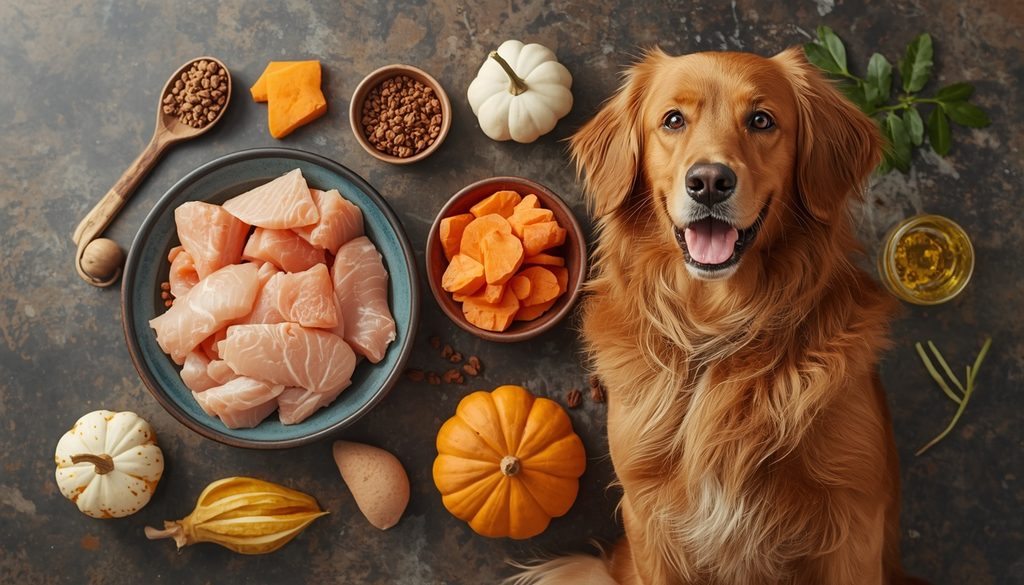
High-Quality Protein
Protein is the most important nutrient in a Toller’s diet.
Because Tollers are active sporting dogs, they require adequate protein to support:
- Muscle development
- Tissue repair
- Energy production
- Immune function
Look for foods that list real animal protein as the first ingredient.
Excellent protein sources include:
- Salmon
- Chicken
- Turkey
- Duck
- Lamb
- Beef
- Whitefish
A quality dog food should contain sufficient animal-based protein to maintain your dog’s athletic condition.
Healthy Fats
Healthy fats are another crucial component of a Toller’s diet.
Benefits include:
- Energy production
- Skin health
- Coat maintenance
- Brain function
- Cellular health
Look for foods containing:
- Fish oil
- Salmon oil
- Flaxseed
- Chicken fat
These ingredients provide essential fatty acids that support overall wellness.
Omega-3 and Omega-6 Fatty Acids
Tollers are known for their beautiful red double coats.
Omega fatty acids help maintain:
- Shiny coat
- Healthy skin
- Reduced inflammation
- Joint support
Fish-based diets are particularly beneficial because they provide natural omega-3 fatty acids.
Digestible Carbohydrates
Carbohydrates provide energy and fiber.
Healthy carbohydrate sources include:
- Sweet potatoes
- Brown rice
- Oats
- Pumpkin
- Peas
- Barley
Avoid foods that rely heavily on low-quality fillers.
Essential Vitamins and Minerals
Your Toller’s food should contain:
- Vitamin A
- Vitamin D
- Vitamin E
- Zinc
- Selenium
- Iron
- Calcium
- Phosphorus
These nutrients support immunity, bone health, and overall development.
Common Health Concerns in Tollers
Understanding breed-specific health issues can help you choose the right diet.
Hip Dysplasia
Like many medium-sized sporting breeds, Tollers can develop hip dysplasia.
Joint-support ingredients such as:
- Glucosamine
- Chondroitin
- Omega-3 fatty acids
may help maintain joint health.
Autoimmune Conditions
Some Tollers have a higher risk of autoimmune disorders.
Foods rich in antioxidants may help support immune system function.
Allergies and Sensitivities
Food sensitivities can occur in some dogs.
Common symptoms include:
- Itchy skin
- Ear infections
- Paw licking
- Digestive upset
Limited-ingredient diets may help identify triggers.
Obesity
Although active, Tollers can gain weight if overfed.
Maintaining proper calorie intake is important for long-term health.
What to Look for in the Best Dog Food for a Toller

When evaluating dog foods, prioritize products that offer:
Real Meat as the First Ingredient
Examples include:
- Salmon
- Chicken
- Turkey
- Duck
No Artificial Additives
Avoid excessive:
- Artificial colors
- Artificial preservatives
- Artificial flavors
Balanced Nutrition
Choose foods formulated to meet recognized nutritional standards.
Joint Support Ingredients
Look for:
- Glucosamine
- Chondroitin
- Fish oil
Skin and Coat Support
Foods rich in omega fatty acids are particularly beneficial.
Best Types of Dog Food for Nova Scotia Duck Tolling Retrievers
Dry Dog Food
Dry kibble remains the most popular option.
Benefits include:
- Convenience
- Cost-effectiveness
- Easy storage
- Dental benefits
Wet Dog Food
Wet food offers:
- Higher moisture content
- Improved palatability
- Easier chewing
Fresh Dog Food
Fresh food diets have become increasingly popular.
Benefits include:
- High-quality ingredients
- Minimal processing
- Excellent digestibility
Mixed Feeding
Many owners combine dry and wet food to provide variety and hydration.
Best Dog Food for Toller Puppies
Puppies have different nutritional requirements than adults.
A puppy formula should provide:
- Higher protein levels
- DHA for brain development
- Balanced calcium and phosphorus
- Additional calories
Puppy Feeding Schedule
8–12 Weeks
4 meals per day
3–6 Months
3 meals per day
6–12 Months
2–3 meals per day
Consistent feeding supports healthy growth and development.
Best Dog Food for Adult Tollers
Adult Tollers require maintenance diets that support:
- Lean muscle
- Energy levels
- Healthy weight
- Joint function
Most active adults thrive on diets containing moderate-to-high protein levels.
Best Dog Food for Senior Tollers
Senior dogs often benefit from:
- Joint support nutrients
- Moderate calorie levels
- Easily digestible proteins
- Added antioxidants
Senior formulas help support mobility and healthy aging.
Grain-Free vs Grain-Inclusive Diets
Many dog owners wonder which option is best.
Grain-Free Diets
Advantages may include:
- Alternative carbohydrate sources
- Useful for certain sensitivities
Common ingredients include:
- Sweet potatoes
- Lentils
- Chickpeas
Grain-Inclusive Diets
Advantages include:
- Additional fiber
- Affordable pricing
- Excellent nutrition for most dogs
Unless your dog has a diagnosed grain sensitivity, grain-inclusive foods are generally suitable.
Foods That May Benefit Active Tollers
Active sporting dogs require sufficient energy.
Look for foods containing:
- High-quality protein
- Healthy fats
- Digestible carbohydrates
These nutrients help support endurance and recovery.
Foods That May Help Dogs With Sensitive Skin
If your Toller experiences skin irritation, consider foods containing:
- Salmon
- Whitefish
- Duck
- Omega-3 fatty acids
These ingredients often support healthier skin and coat condition.
Feeding Guidelines
Adult Toller Feeding Chart
| Weight | Daily Food Amount |
|---|---|
| 15–18 kg | 2–2.5 cups |
| 18–22 kg | 2.5–3 cups |
| 22–25 kg | 3–3.5 cups |
Actual requirements vary based on activity level and food calorie density.
Foods to Avoid
Never feed:
- Chocolate
- Grapes
- Raisins
- Onions
- Garlic
- Alcohol
- Macadamia nuts
- Xylitol
These foods can be toxic to dogs.
Signs Your Dog Is Thriving on Its Food
Positive indicators include:
- Healthy weight
- Shiny coat
- Strong muscles
- Good energy levels
- Healthy stools
- Bright eyes
Signs a Food May Not Be Suitable
Watch for:
- Excessive scratching
- Digestive upset
- Ear infections
- Weight gain
- Weight loss
- Dull coat
Consult your veterinarian if these symptoms persist.
How to Transition to a New Food
Switch gradually over 7–10 days.
Transition Plan
| Day | Old Food | New Food |
|---|---|---|
| 1–2 | 75% | 25% |
| 3–4 | 50% | 50% |
| 5–6 | 25% | 75% |
| 7+ | 0% | 100% |
This helps reduce digestive upset.
Frequently Asked Questions
What is the best dog food for a Nova Scotia Duck Tolling Retriever?
The best food contains high-quality animal protein, healthy fats, omega fatty acids, and balanced nutrition appropriate for your dog’s age and activity level.
Is salmon good for Tollers?
Yes. Salmon is an excellent protein source rich in omega-3 fatty acids that support skin, coat, and joint health.
How much should a Toller eat?
Most adult Tollers eat between 2 and 3.5 cups of food daily, depending on size and activity level.
Are Tollers prone to food allergies?
Some Tollers can develop food sensitivities, making limited-ingredient or fish-based diets beneficial.
Should I feed wet or dry food?
Both can be healthy choices. Many owners use a combination of wet and dry food.
Final Thoughts
Choosing the best dog food for a Nova Scotia Duck Tolling Retriever involves understanding the breed’s unique nutritional needs and active lifestyle. Tollers thrive on diets rich in high-quality protein, healthy fats, omega fatty acids, and joint-supporting nutrients.
Whether you have a playful puppy, an active adult, or a senior companion, selecting a balanced diet can significantly improve your dog’s health, energy, coat quality, and longevity. By focusing on premium ingredients, appropriate portion sizes, and consistent feeding habits, you can help your Toller live a long, healthy, and happy life.
Also Read:
- Best Dog Food and Water Bowl Mat: A Complete Guide
- Best Dog Food for Chow Chow in South Africa: The Complete Nutrition Guide