Best Dog Food for Border Collies: The Ultimate Nutrition Guide
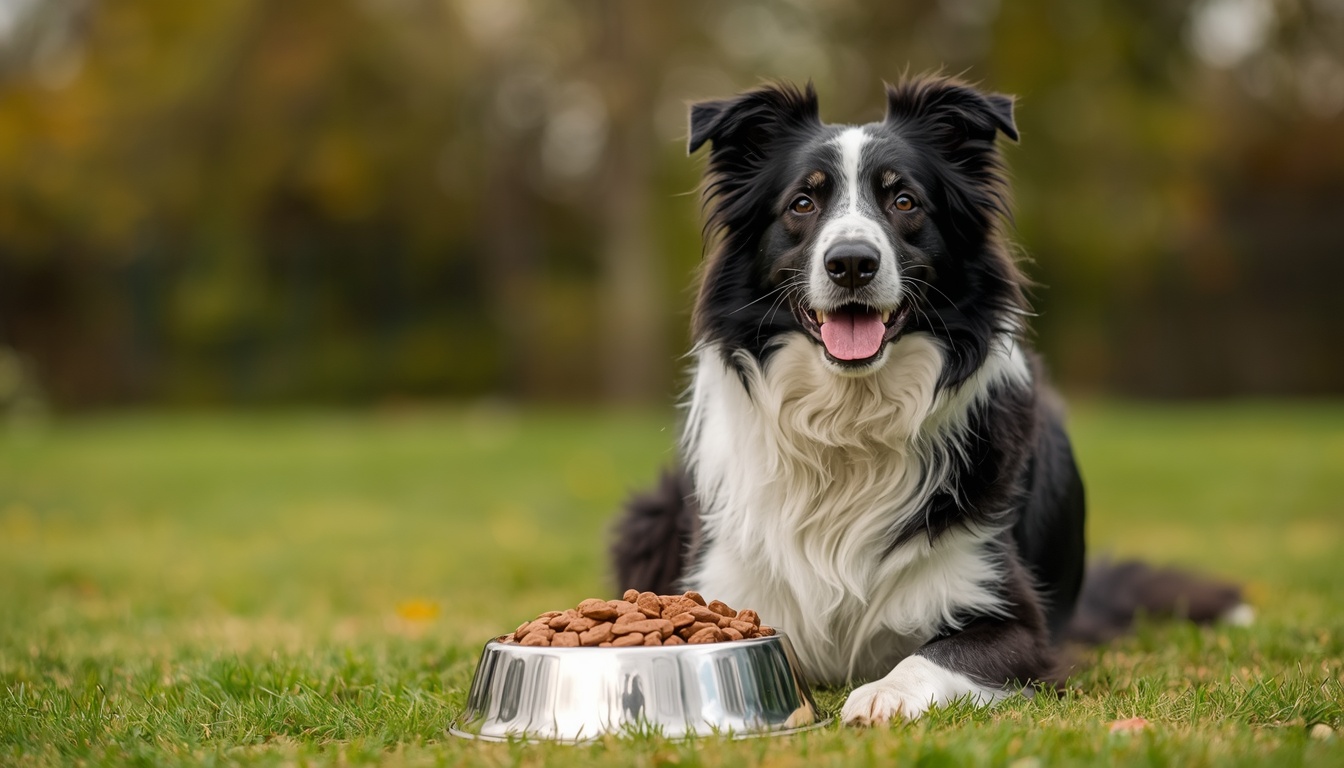
Border Collies are widely recognized as one of the smartest dog breeds in the world. Known for their incredible intelligence, agility, work ethic, and boundless energy, these dogs require a carefully balanced diet to support their active lifestyles. Whether your Border Collie is a working farm dog, an agility champion, or a beloved family companion, proper nutrition plays a crucial role in maintaining their health and performance. Choosing the best dog food for Border Collies can be overwhelming because there are hundreds of brands and formulas available. However, understanding your dog’s nutritional needs can make the decision much easier. In this comprehensive guide, you’ll learn everything you need to know about feeding a Border Collie, including nutritional requirements, recommended ingredients, feeding schedules, common health concerns, and how to select the best food for puppies, adults, and seniors. Understanding the Border Collie Breed Originally developed along the border regions of Scotland and England, Border Collies were bred to herd livestock. Their intelligence and stamina make them exceptional working dogs. Typical Border Collie characteristics include: Because of their active nature, Border Collies require nutrient-dense food that provides long-lasting energy and supports muscle maintenance. Why Proper Nutrition Is Important for Border Collies A balanced diet affects nearly every aspect of a Border Collie’s health. Proper nutrition helps support: Poor nutrition may lead to reduced energy, weight gain, digestive issues, poor coat condition, and other health problems. Nutritional Requirements of a Border Collie High-Quality Protein Protein is the most important nutrient for Border Collies. Because they are highly active dogs, they need sufficient protein to support: Excellent protein sources include: Look for dog foods that list real meat as the first ingredient. Healthy Fats Healthy fats provide concentrated energy and support numerous bodily functions. Benefits include: Good sources include: Active Border Collies particularly benefit from healthy fat sources. Omega-3 and Omega-6 Fatty Acids These essential fatty acids contribute to: Fish-based diets are often excellent choices for Border Collies because they naturally contain omega-3 fatty acids. Digestible Carbohydrates Although dogs primarily thrive on protein and fat, carbohydrates provide valuable energy. Healthy carbohydrate sources include: Avoid foods that rely heavily on inexpensive fillers. Essential Vitamins and Minerals A complete diet should contain: These nutrients support bone health, immunity, and overall wellness. Common Health Issues in Border Collies Understanding breed-specific health concerns can help you choose appropriate nutrition. Hip Dysplasia Hip dysplasia can affect Border Collies, especially as they age. Nutrients that may help support joint health include: Arthritis Active dogs place significant stress on their joints over time. Joint-support ingredients become increasingly important as dogs age. Epilepsy Border Collies are among the breeds that can be predisposed to epilepsy. While diet does not prevent epilepsy, overall nutritional support contributes to general health. Collie Eye Anomaly Certain inherited eye conditions may occur within the breed. Antioxidant-rich ingredients may support eye health. Obesity Although Border Collies are active, obesity can still occur if calorie intake exceeds activity levels. Maintaining a healthy weight helps reduce strain on joints and organs. What to Look for in the Best Dog Food for Border Collies Real Animal Protein Always prioritize foods with named animal proteins such as: Protein should ideally be the first ingredient. Balanced Nutrition Choose foods that provide complete and balanced nutrition appropriate for your dog’s life stage. Joint Support Look for formulas containing: Skin and Coat Support Foods rich in omega fatty acids help maintain a healthy coat. No Excessive Fillers Avoid formulas packed with low-quality ingredients that offer limited nutritional value. Best Dog Food for Border Collie Puppies Puppies have unique nutritional requirements. A quality puppy formula should contain: Benefits of Puppy-Specific Food Puppy foods support: Puppy Feeding Schedule 8–12 Weeks 4 meals per day 3–6 Months 3 meals per day 6–12 Months 2–3 meals per day Consistency is important during growth stages. Best Dog Food for Adult Border Collies Adult Border Collies require maintenance diets that support: Active adults often benefit from moderate-to-high protein diets. Characteristics of Good Adult Dog Food Look for: Best Dog Food for Senior Border Collies Senior Border Collies have changing nutritional needs. Important nutrients include: Senior formulas can help support mobility and healthy aging. Dry Food vs Wet Food Many owners wonder which option is best. Dry Dog Food Benefits include: Wet Dog Food Benefits include: Mixed Feeding Combining wet and dry food can provide both convenience and variety. Grain-Free vs Grain-Inclusive Diets Grain-Free Diets Common ingredients include: Potential benefits: Grain-Inclusive Diets Advantages include: Most Border Collies tolerate healthy grains very well. Best Ingredients for Border Collies Look for foods containing: Salmon Provides: Chicken Supports: Sweet Potatoes Provide: Pumpkin Supports digestive health. Fish Oil Promotes: Ingredients to Avoid Avoid foods with excessive amounts of: Quality ingredients contribute to long-term health. How Much Should a Border Collie Eat? Portion sizes depend on: Adult Feeding Guide Weight Daily Food Amount 12–15 kg 1.5–2 cups 15–20 kg 2–3 cups 20–25 kg 3–4 cups Working dogs may require additional calories. Sample Daily Feeding Schedule Adult Border Collie Time Meal 7:00 AM Breakfast 6:00 PM Dinner Highly Active Border Collie Time Meal 7:00 AM Breakfast 1:00 PM Small Snack 6:00 PM Dinner Signs Your Border Collie Is Eating the Right Food Positive indicators include: Signs the Food May Not Be Suitable Watch for: Consult your veterinarian if symptoms persist. How to Transition to a New Dog Food Changing foods too quickly can cause digestive upset. Recommended Transition Schedule Day Old Food New Food 1–2 75% 25% 3–4 50% 50% 5–6 25% 75% 7+ 0% 100% Gradual transitions help minimize stomach issues. Frequently Asked Questions What is the best dog food for Border Collies? The best dog food contains high-quality animal protein, healthy fats, omega fatty acids, and complete balanced nutrition appropriate for your dog’s age and activity level. Do Border Collies need high-protein food? Yes. Because Border Collies are highly active, they generally benefit from protein-rich diets that support muscle maintenance and energy. Is grain-free food better for Border Collies? Not necessarily. Many Border Collies thrive … Read more