OURPETTAILS

Best Dog Food for Blue Nose Pitbull Puppies

Best Dog Food for Blue Nose Pitbull Puppies

Blue Nose Pitbull puppies are known for their athletic build, energy, and loyalty. Providing them with the best nutrition is crucial for their growth and development. This article will guide you through the best dog food options for Blue Nose Pitbull puppies, including options for those with skin allergies, foods that help build muscle, and homemade recipes. We’ll also answer some frequently asked questions about feeding Pitbull puppies. Nutritional Needs of Blue Nose Pitbull Puppies Blue Nose Pitbull puppies need a balanced diet rich in high-quality protein, healthy fats, and essential vitamins and minerals to support their growth, energy levels, and overall health. Key Nutrients for Blue Nose Pitbull Puppies Nutrient Importance Protein Supports muscle growth and maintenance Fat Provides energy and supports skin and coat health Omega-3 Fatty Acids Supports joint health and reduces inflammation Calcium & Phosphorus Promotes healthy bone development Vitamins & Minerals Essential for immune function and overall health Best Dog Food for Blue Nose Pitbull Puppies Selecting the best dog food for Blue Nose Pitbull puppies involves choosing high-quality brands that cater to their unique dietary needs. Top Dog Foods for Blue Nose Pitbull Puppies Brand Key Features Benefits Blue Buffalo Wilderness Puppy High protein, grain-free Supports muscle growth and overall health Wellness Core Puppy High-quality protein, DHA for brain development Promotes healthy growth and cognitive development Taste of the Wild High Prairie Puppy Grain-free, rich in omega-3 fatty acids Supports skin and coat health, and overall development Best Dog Food for Pitbulls with Skin Allergies Pitbulls are prone to skin allergies, which can cause discomfort and health issues. Choosing a hypoallergenic diet can help manage these problems. Best Dog Foods for Pitbulls with Skin Allergies Brand Key Features Benefits Hill’s Science Diet Sensitive Skin & Stomach Formulated for sensitive skin and digestion Promotes digestive health and nourishes skin Blue Buffalo Basics Limited Ingredient Limited ingredients, grain-free Reduces the risk of food sensitivities Natural Balance L.I.D. Limited ingredient diet, high-quality protein Ideal for dogs with food allergies Worst Dog Food for Pitbulls It’s essential to avoid certain dog foods that may be harmful or offer poor nutrition for Pitbulls. Worst Dog Foods for Pitbulls Brand Key Features Why to Avoid Generic/Store Brands Low-quality ingredients, fillers Lacks essential nutrients, can cause health issues Foods with Artificial Additives Contains artificial colors, flavors, and preservatives Can lead to allergies and health problems Foods High in Corn and Soy Low nutritional value, potential allergens Can cause digestive issues and poor health Best Dog Food for Pitbulls to Gain Muscle If you want your Blue Nose Pitbull to build muscle, focus on high-protein foods with essential amino acids. Best Dog Foods for Pitbulls to Gain Muscle Brand Key Features Benefits Bully Max High Performance 30% protein, high in calories Supports muscle growth and high energy levels Orijen Original High in protein, grain-free Promotes lean muscle mass and overall health Victor Hi-Pro Plus 30% protein, nutrient-dense formula Ideal for active and working dogs Best Homemade Dog Food for Blue Nose Pitbull Puppies Homemade food can be a great way to provide fresh and nutritious meals for your Pitbull puppy. Ensure the diet is balanced and consult with a veterinarian. Sample Homemade Meal for Blue Nose Pitbull Puppies Ingredient Quantity Nutritional Benefit Ground Beef 1 cup cooked High in protein Brown Rice 1/2 cup cooked Provides carbohydrates and fiber Carrots 1/2 cup chopped Rich in vitamins and minerals Spinach 1/4 cup cooked High in iron and antioxidants Olive oil 1 tablespoon Healthy fats FAQ: Frequently Asked Questions What kind of food is best for Blue Nose Pitbull puppies? The best food for Blue Nose Pitbull puppies is high in protein, healthy fats, and essential nutrients. Brands like Blue Buffalo, Wellness Core, and Taste of the Wild are highly recommended for their balanced formulas and nutritional benefits. What does a Blue Nose Pitbull puppy eat? A Blue Nose Pitbull puppy eats a balanced diet consisting of high-quality dry or wet dog food, rich in protein, healthy fats, and essential vitamins and minerals. Homemade meals can also be an option if prepared correctly. Is Royal Canin good for Blue Nose Pitbull puppies? Yes, Royal Canin offers breed-specific formulas and high-quality ingredients that can be suitable for Blue Nose Pitbull puppies. However, always consult with your veterinarian to ensure it meets your puppy’s specific nutritional needs. What food can Blue Nose Pitbull puppies not eat? Blue Nose Pitbull puppies should not eat foods that are toxic to dogs, such as chocolate, grapes, raisins, onions, garlic, and certain nuts. Additionally, avoid feeding them foods high in fat, sugar, or salt. Conclusion Choosing the best dog food for your Blue Nose Pitbull puppy is crucial for their growth and well-being. Whether you opt for high-quality commercial food or prepare homemade meals, ensure their diet is balanced and meets their nutritional needs. Always consult with your veterinarian to tailor the diet to your puppy’s specific requirements and consider potential food allergies. By providing the right nutrition, you can help your Blue Nose Pitbull thrive and live a healthy, happy life.

Best Dog Food for Welsh Corgis in 2024

Best Dog Food for Welsh Corgis

Welsh Corgis are energetic and intelligent dogs known for their distinctive appearance and charming personalities. Providing the right nutrition is crucial to ensure their health and vitality. This article will guide you through selecting the best dog food for Welsh Corgis, including recommendations for puppies, homemade options, and addressing common food allergies. We’ll also cover feeding guidelines and answer frequently asked questions. Nutritional Needs of Welsh Corgis Welsh Corgis require a balanced diet rich in high-quality protein, healthy fats, and essential vitamins and minerals to support their active lifestyle and maintain their overall health. Key Nutrients for Welsh Corgis Nutrient Importance Protein Supports muscle growth and maintenance Fat Provides energy and supports skin and coat health Omega-3 Fatty Acids Supports joint health and reduces inflammation Fiber Promotes healthy digestion Vitamins & Minerals Essential for immune function and overall health Best Dry Food for Corgi Puppy Puppies have specific nutritional needs that differ from adult dogs. Selecting a high-quality dry food designed for puppies is essential for their growth and development. Top Dry Foods for Corgi Puppies Brand Key Features Benefits Royal Canin Puppy Tailored for small breed puppies Supports healthy growth and immune system Hill’s Science Diet Puppy High-quality ingredients, DHA from fish oil Supports brain and eye development Blue Buffalo Life Protection Natural ingredients, high in protein Promotes strong muscles and healthy development Best Homemade Food for Corgis Preparing homemade food for your Corgi can be a great way to ensure they receive fresh and nutritious meals. However, it’s important to consult with a veterinarian to ensure the diet is balanced. Sample Homemade Meal for Corgis Ingredient Quantity Nutritional Benefit Chicken breast 1 cup cooked High in protein Brown rice 1/2 cup cooked Provides carbohydrates and fiber Carrots 1/2 cup chopped Rich in vitamins and minerals Spinach 1/4 cup cooked High in iron and antioxidants Olive oil 1 tablespoon Healthy fats Best Dog Food for Corgis Reddit Reddit is a valuable resource for real-life recommendations from Corgi owners. Here are some of the most recommended dog foods for Corgis according to Reddit users. Top Reddit-Recommended Dog Foods for Corgis Brand Key Features Benefits Taste of the Wild High Prairie Grain-free, high in protein Supports overall health and energy levels Wellness Core Original Grain-free, high-quality ingredients Promotes muscle health and lean body mass Acana Singles + Wholesome Grains Limited ingredient diet, no peas or legumes Ideal for dogs with food sensitivities Best Dog Food for Corgis with Allergies Corgis can be prone to food allergies, which can cause skin irritations, digestive issues, and other health problems. Choosing a hypoallergenic diet can help manage these issues. Best Dog Foods for Corgis with Allergies Brand Key Features Benefits Hill’s Science Diet Sensitive Stomach & Skin Formulated for sensitive stomachs and skin Promotes digestive health and nourishes skin Blue Buffalo Basics Limited Ingredient Limited ingredients, grain-free Reduces the risk of food sensitivities Natural Balance L.I.D. Limited ingredient diet, high-quality protein Ideal for dogs with food allergies Best Wet Food for Corgi Puppy Wet food can be a great addition to a Corgi puppy’s diet, providing hydration and palatable nutrition. Top Wet Foods for Corgi Puppies Brand Key Features Benefits Merrick Grain-Free Puppy High-quality protein, grain-free Supports healthy growth and development Wellness Complete Health Puppy Natural ingredients, DHA from fish oil Promotes brain and eye development Blue Buffalo Homestyle Recipe Puppy Real meat, no artificial preservatives Supports muscle growth and overall health How Much to Feed a Corgi Puppy per Day Feeding your Corgi puppy the right amount of food is essential for their growth and development. Follow these guidelines to ensure they receive adequate nutrition. Feeding Chart for Corgi Puppies Age Weight Range Cups of Food per Day 2-3 months 2-4 kg 1-1.5 cups 4-6 months 4-6 kg 1.5-2 cups 7-9 months 6-8 kg 2-2.5 cups 10-12 months 8-10 kg 2.5-3 cups FAQ: Frequently Asked Questions What kind of food is best for Corgis? The best food for Corgis is high in protein, healthy fats, and essential nutrients. Brands like Royal Canin, Hill’s Science Diet, and Blue Buffalo are highly recommended for their balanced formulas and nutritional benefits. What does a Welsh Corgi eat? A Welsh Corgi eats a balanced diet consisting of high-quality dry or wet dog food, rich in protein, healthy fats, and essential vitamins and minerals. Homemade meals can also be an option if prepared correctly. Is Royal Canin good for Corgi? Yes, Royal Canin is a good choice for Corgis. Their breed-specific formulas and high-quality ingredients make it a popular choice among pet owners. What food can Corgis not eat? Corgis should not eat foods that are toxic to dogs, such as chocolate, grapes, raisins, onions, garlic, and certain nuts. Additionally, avoid feeding them foods high in fat, sugar, or salt. Conclusion Choosing the best dog food for your Welsh Corgi is crucial for their health and well-being. Whether you opt for high-quality dry or wet food, or prepare homemade meals, ensure their diet is balanced and meets their nutritional needs. Always consult with your veterinarian to tailor the diet to your Corgi’s specific requirements and consider potential food allergies. By providing the right nutrition, you can help your Corgi thrive and live a happy, healthy life.

Best Dog Food for Newfoundlands in 2024

Best Dog Food for Newfoundlands

Newfoundlands are large, gentle giants known for their strength, loyalty, and friendly nature. Given their size and energy levels, choosing the right dog food is essential for their overall health and well-being. This guide will help you find the best dog food for Newfoundlands, provide a feeding chart, discuss common food allergies, and answer frequently asked questions about their dietary needs. Nutritional Needs of Newfoundlands Newfoundlands require a balanced diet rich in high-quality protein, healthy fats, and essential vitamins and minerals to support their large size, muscle mass, and energy levels. Key Nutrients for Newfoundlands Nutrient Importance Protein Supports muscle growth and maintenance Fat Provides energy and supports skin and coat health Omega-3 Fatty Acids Supports joint health and reduces inflammation Glucosamine & Chondroitin Promotes joint health and mobility Vitamins & Minerals Essential for immune function and overall health Best Dog Food for Newfoundlands Choosing the best dog food for Newfoundlands involves selecting high-quality brands that cater to their unique dietary needs. Top Dog Foods for Newfoundlands Brand Key Features Benefits Royal Canin Giant Junior Tailored for giant breeds, supports growth Promotes healthy bone development and digestion Blue Buffalo Life Protection High-quality protein, no artificial preservatives Supports muscle growth and overall health Orijen Large Breed Biologically appropriate, high in protein Supports lean muscle mass and energy Hill’s Science Diet Large Breed Clinically proven nutrition Promotes joint health and overall well-being Newfoundland Feeding Chart A feeding chart helps determine the appropriate amount of food for your Newfoundland based on their age, weight, and activity level. Newfoundland Feeding Chart Age Weight Range Cups of Food per Day Puppy (2-6 months) 20-50 kg 3-5 cups Adult (1-6 years) 50-70 kg 4-6 cups Senior (7+ years) 50-70 kg 3.5-5.5 cups Newfoundland Dog Food Allergies Newfoundlands can be prone to food allergies, which can cause skin irritations, digestive issues, and other health problems. Common allergens include grains, chicken, and dairy. Common Food Allergies in Newfoundlands Allergen Symptoms Alternatives Grains Itchy skin, ear infections, digestive upset Grain-free formulas with sweet potatoes or peas Chicken Skin irritations, gastrointestinal issues Novel proteins like lamb, duck, or fish Dairy Diarrhea, vomiting, itchy skin Lactose-free products or dairy-free alternatives FAQ: Frequently Asked Questions What is the best food to feed a Newfoundland dog? The best food to feed a Newfoundland dog is one that is high in quality protein, healthy fats, and essential nutrients. Brands like Royal Canin, Blue Buffalo, Orijen, and Hill’s Science Diet are highly recommended for their balanced formulas and nutritional benefits. How many times a day should you feed a Newfoundland dog? Newfoundland dogs should be fed twice a day. Puppies may require three to four meals per day to support their growth and energy needs. How much food does Newfoundland need? The amount of food a Newfoundland needs depends on their age, weight, and activity level. On average, adult Newfoundlands require 4-6 cups of high-quality dry dog food per day, divided into two meals. How many cups of dog food for Newfoundland? The number of cups of dog food a Newfoundland needs varies based on their size and activity level. Refer to the feeding chart for specific recommendations, but typically, an adult Newfoundland will need 4-6 cups of food per day. Conclusion Selecting the best dog food for your Newfoundland is crucial for their health and well-being. With their large size and specific nutritional needs, it’s important to choose high-quality brands that offer balanced diets. Always consult with your veterinarian to ensure your dog’s diet meets their individual requirements, and consider potential food allergies when making your selection. By providing the right nutrition, you can help your Newfoundland live a healthy and happy life. Also Read:

Best Dry Dog Food for Belgian Malinois in 2024

Best Dry Dog Food for Belgian Malinois

Belgian Malinois are highly energetic and intelligent dogs that require a balanced diet to support their active lifestyle. Choosing the right dry dog food is crucial to ensure they receive the necessary nutrients for optimal health and performance. This guide will help you find the best dry dog food for Belgian Malinois, including options available in India, suitable for puppies, and popular choices recommended on Reddit. We’ll also provide a Belgian Malinois food chart, homemade food options, and answer frequently asked questions about their dietary needs. Nutritional Needs of Belgian Malinois Belgian Malinois have specific dietary requirements due to their high energy levels and muscular build. A diet rich in protein, healthy fats, vitamins, and minerals is essential for their overall health and well-being. Key Nutrients for Belgian Malinois Nutrient Importance Protein Supports muscle growth and maintenance Fat Provides energy and supports skin and coat health Vitamins Essential for immune function and overall health Minerals Supports bone health and metabolic processes Best Dry Dog Food for Belgian Malinois in India Finding high-quality dry dog food in India can be challenging, but several brands offer excellent options for Belgian Malinois. Top Dry Dog Foods for Belgian Malinois in India Brand Key Features Benefits Royal Canin Maxi Adult Tailored for large breeds, high in protein Supports muscle mass and bone health Orijen Original Biologically appropriate, high protein Rich in fresh meat ingredients, supports energy Farmina N&D Ancestral Grain Grain-inclusive, no artificial preservatives Supports overall health and well-being Best Dry Dog Food for Belgian Malinois Puppy Puppies have different nutritional needs compared to adult dogs. It’s important to choose a formula specifically designed for their growth and development. Top Dry Dog Foods for Belgian Malinois Puppies Brand Key Features Benefits Hill’s Science Diet Puppy High-quality ingredients, DHA from fish oil Supports brain and eye development Royal Canin Puppy Tailored for large breed puppies Supports healthy growth and immune system Blue Buffalo Life Protection Natural ingredients, high in protein Promotes strong muscles and healthy development Best Dry Dog Food for Belgian Malinois Reddit Reddit is a great resource for recommendations from real pet owners. Here are some of the most recommended dry dog foods for Belgian Malinois according to Reddit users. Top Reddit-Recommended Dry Dog Foods for Belgian Malinois Brand Key Features Benefits Taste of the Wild High Prairie Grain-free, high in protein Supports overall health and energy levels Wellness Core Original Grain-free, high-quality ingredients Promotes muscle health and lean body mass Acana Singles + Wholesome Grains Limited ingredient diet, no peas or legumes Ideal for dogs with food sensitivities Belgian Malinois Food Chart A food chart can help you determine the appropriate amount of food to feed your Belgian Malinois based on their age, weight, and activity level. Belgian Malinois Feeding Chart Age Weight Range Cups of Food per Day Puppy (2-6 months) 15-25 kg 2.5-3.5 cups Adult (1-6 years) 25-30 kg 3-4 cups Senior (7+ years) 25-30 kg 2.5-3.5 cups Homemade Food for Belgian Malinois Preparing homemade food for your Belgian Malinois can be a great way to ensure they receive fresh and nutritious meals. However, it’s important to consult with a veterinarian to ensure the diet is balanced. Sample Homemade Meal for Belgian Malinois Ingredient Quantity Nutritional Benefit Chicken breast 1 cup cooked High in protein Brown rice 1/2 cup cooked Provides carbohydrates and fiber Carrots 1/2 cup chopped Rich in vitamins and minerals Spinach 1/4 cup cooked High in iron and antioxidants Olive oil 1 tablespoon Healthy fats Best Dog Food for Belgian Malinois Reddit According to Reddit users, the best dog food for Belgian Malinois includes brands that offer high-quality ingredients and meet the nutritional needs of this active breed. Top Reddit-Recommended Dog Foods for Belgian Malinois Brand Key Features Benefits Orijen Original High protein, biologically appropriate Supports muscle growth and overall health Acana Heritage Meats Grain-free, rich in animal proteins Promotes lean muscle mass and energy Merrick Grain-Free Texas Beef & Sweet Potato High-quality ingredients, grain-free Supports healthy digestion and coat Best Dog Food Brand for Belgian Malinois Several brands are known for producing high-quality dog food that meets the nutritional needs of Belgian Malinois. Top Dog Food Brands for Belgian Malinois Brand Key Features Benefits Royal Canin Tailored nutrition for specific breeds Supports overall health and well-being Blue Buffalo Natural ingredients, high protein Promotes strong muscles and healthy development Hill’s Science Diet Clinically proven nutrition Supports overall health and longevity How Many Times Should a Belgian Malinois Eat a Day Feeding frequency is important for maintaining your Belgian Malinois’ energy levels and overall health. Feeding Frequency for Belgian Malinois Age Group Meals per Day Benefits Puppy (2-6 months) 3-4 meals Supports healthy growth and energy Adult (1-6 years) 2-3 meals Maintains energy levels and muscle mass Senior (7+ years) 2 meals Supports overall health and prevents obesity FAQ: Frequently Asked Questions What is the best food for a Belgian Malinois? The best food for a Belgian Malinois is high in protein, healthy fats, and essential nutrients. Brands like Royal Canin, Orijen, and Blue Buffalo are highly recommended. What food does a Belgian Malinois need? Belgian Malinois need a diet rich in high-quality protein, healthy fats, vitamins, and minerals to support their active lifestyle and muscular build. Can Belgian Malinois eat rice? Yes, Belgian Malinois can eat rice. It’s a good source of carbohydrates and can be included in their diet, especially if they have digestive issues. How do I make my Belgian Malinois gain weight? To help your Belgian Malinois gain weight, increase their caloric intake with high-quality protein and fat. Consult with a veterinarian to ensure the diet is balanced and healthy. Conclusion Choosing the best dry dog food for your Belgian Malinois is essential for their health and well-being. Whether you’re looking for options in India, suitable for puppies, or recommended by other pet owners on Reddit, there are plenty of high-quality choices available. Remember to consult with your veterinarian to ensure your dog’s diet meets their specific needs, and consider homemade options if … Read more

Best Dog Food Without Peas and Legumes in 2024

When selecting the best dog food for your furry friend, it’s essential to consider their unique dietary needs. Many dogs have sensitivities or allergies to certain ingredients, including peas and legumes. This guide will help you find the best dog food without peas and legumes, ensuring your pet gets the nutrition they need without any harmful ingredients. We’ll also discuss the best dog food without peas and legumes for small breeds, the best dry dog food without peas, and other options that are free of peas, lentils, legumes, and potatoes. Why Choose Dog Food Without Peas and Legumes? Many pet owners are now looking for dog food without peas or legumes due to concerns about allergies and digestive issues. Peas and legumes are common fillers in dog food but can cause problems for some dogs. Choosing a diet free from these ingredients can help avoid these issues. Benefits of Avoiding Peas and Legumes in Dog Food Benefit Description Reduced Allergies Helps avoid allergic reactions Better Digestion Easier on the stomach and intestines Improved Energy Levels More balanced nutrition leads to better energy levels Healthier Skin and Coat Reduces skin irritation and promotes a shiny coat Best Dog Food Without Peas and Legumes for Small Breeds Small breeds often have specific dietary needs that must be met to ensure they remain healthy and active. Finding the best dog food without peas and legumes for small breeds can be challenging but is essential for their well-being. Top Dog Foods Without Peas and Legumes for Small Breeds Brand Key Features Benefits Wellness CORE RawRev High protein, grain-free, no peas or legumes Supports muscle development, easy to digest Blue Buffalo Basics Small Breed Limited ingredients, no peas or legumes Ideal for dogs with food sensitivities Merrick Grain-Free Small Breed Real meat as the first ingredient, no fillers Provides essential nutrients without allergens Best Dry Dog Food Without Peas Dry dog food is convenient and helps maintain dental health. Here are some of the best dry dog foods without peas. Best Dry Dog Foods Without Peas Brand Key Features Benefits Nutro Ultra Adult Tri-protein blend, no peas or legumes Balanced nutrition, supports healthy skin and coat Canidae PURE Limited Ingredient 8 key ingredients, no peas, grain-free Ideal for dogs with food sensitivities Instinct Raw Boost Mixers High protein, freeze-dried raw pieces, no peas Enhanced flavor and nutrition, easy to digest Dog Food Without Peas or Legumes For dogs with specific dietary restrictions, finding dog food without peas or legumes is essential to maintain their health and prevent adverse reactions. Top Dog Foods Without Peas or Legumes Brand Key Features Benefits The Honest Kitchen Whole Grain Human-grade ingredients, no peas or legumes High-quality nutrition, easy to prepare Acana Singles + Wholesome Grains Single protein source, no peas, includes grains Supports digestive health, reduces allergies Orijen Original High protein, no peas or legumes, grain-free Promotes overall health, supports active lifestyle Dog Foods Without Peas, Lentils, Legumes, and Potatoes Finding a comprehensive diet free of peas, lentils, legumes, and potatoes can be challenging but is necessary for dogs with multiple sensitivities. Best Dog Foods Without Peas, Lentils, Legumes, and Potatoes Brand Key Features Benefits Farmina N&D Ancestral Grain Grain-inclusive, no peas, lentils, or potatoes High-quality ingredients, supports overall health Dr. Tim’s Premium All Natural No peas, lentils, legumes, or potatoes Promotes healthy digestion, balanced nutrition Solid Gold Leaping Waters Salmon-based, no grains, peas, or potatoes Rich in omega fatty acids, supports skin and coat Grain and Pea Free Dog Food For dogs with grain and pea sensitivities, grain and pea free dog food offers a balanced and safe diet option. Best Grain and Pea Free Dog Foods Brand Key Features Benefits Taste of the Wild High Prairie Grain-free, no peas, rich in protein Supports muscle growth, high digestibility Zignature Trout and Salmon Meal Limited ingredients, grain and pea free Ideal for dogs with allergies, high in omega-3 Open Farm Wild-Caught Salmon Sustainably sourced, no grains or peas Promotes healthy skin and coat, easy to digest Legume Free Dog Food Legume free dog food is essential for dogs with legume allergies or sensitivities. These diets avoid common fillers and provide complete nutrition. Best Legume Free Dog Foods Brand Key Features Benefits Wellness Simple Limited Ingredient Single protein, no legumes Reduces risk of allergies, supports overall health Natural Balance L.I.D. Limited ingredients, legume free Easy on digestion, ideal for sensitive stomachs Earthborn Holistic Primitive Natural High protein, no legumes, grain-free Supports active dogs, balanced nutrition What are the Benefits of Dog Food Without Peas and Legumes? Dog food without peas and legumes can reduce allergies, improve digestion, and enhance overall health by providing balanced nutrition without fillers. Benefits of Dog Food Without Peas and Legumes Benefit Description Reduced Allergies Helps avoid allergic reactions Better Digestion Easier on the stomach and intestines Improved Energy Levels More balanced nutrition leads to better energy levels Healthier Skin and Coat Reduces skin irritation and promotes a shiny coat What Should I Look for in the Best Dry Dog Food Without Peas? When selecting dry dog food without peas, look for high-quality protein sources, grain-free options, and limited ingredients to support your dog’s health. Key Features of Best Dry Dog Food Without Peas Key Feature Description High-Quality Protein Real meat as the first ingredient Grain-Free Avoids common allergens and fillers Limited Ingredients Reduces the risk of food sensitivities Added Nutrients Includes essential vitamins and minerals Is Grain and Pea Free Dog Food Better for Allergic Dogs? Yes, grain and pea free dog food can be better for allergic dogs as it avoids common allergens and provides a balanced diet tailored to sensitive stomachs. Benefits of Grain and Pea Free Dog Food Benefit Description Reduced Allergies Avoids common allergens like grains and peas Better Digestion Easier on sensitive stomachs Balanced Nutrition Provides essential nutrients without fillers Enhanced Energy Supports active lifestyle with high-quality ingredients Conclusion: Choosing the Best Dog Food Without Peas and Legumes Selecting the best dog food without peas and legumes involves understanding … Read more

Best Dog Food for Cockapoo: Ultimate Checklist for pet owners

Best Dog Food for Cockapoo

Choosing the best dog food for your Cockapoo is essential to ensure they live a healthy and happy life. This breed, known for its playful nature and intelligence, requires a balanced diet to maintain its energy levels and overall health. In this guide, we’ll explore the best dog food options for Cockapoos, including the best dry food for Cockapoo puppies, the best wet food for Cockapoo puppies, and even homemade dog food for Cockapoos. We’ll also cover what foods Cockapoos should avoid, the debate between Cockapoo wet or dry food, and specific brands like Harringtons Complete Grain-Free Dry Dog Food and Royal Canin Cockapoo Puppy Food. What to Feed a Cockapoo Puppy? Feeding a Cockapoo puppy the right food is crucial for their development. Puppies require a diet rich in protein, fats, vitamins, and minerals to support their growth. Both dry and wet food can be suitable, depending on their nutritional content and the puppy’s preferences. Best Foods for Cockapoo Puppies Type of Food Recommended Brand Benefits Best Dry Food for Cockapoo Puppy Harringtons Complete Grain-Free Dry Dog Food Grain-free, high in protein, easy to digest Best Wet Food for Cockapoo Puppy Royal Canin Cockapoo Puppy Food Formulated specifically for Cockapoo puppies, balanced nutrients Best Dry Food for Cockapoo Puppy Dry food is a popular choice for many Cockapoo owners due to its convenience and dental health benefits. It helps in keeping the teeth clean and free from plaque. Top Dry Foods for Cockapoo Puppies Brand Key Features Benefits Harringtons Complete Grain-Free Dry Dog Food No artificial colors or preservatives Grain-free, promotes healthy digestion Royal Canin Cockapoo Puppy Food Tailored nutrition for Cockapoo puppies Supports immune system, healthy skin and coat Best Wet Food for Cockapoo Puppy Wet food can be more palatable for some puppies and provides additional hydration. It’s important to choose a high-quality wet food that provides balanced nutrition. Top Wet Foods for Cockapoo Puppies Brand Key Features Benefits Royal Canin Cockapoo Puppy Food Specific blend for Cockapoos Balanced nutrients, easy to digest Blue Buffalo Homestyle Recipe Puppy Natural ingredients, no artificial additives Rich in protein, promotes healthy growth Homemade Dog Food for Cockapoo For owners who prefer to prepare their dog’s food at home, it’s essential to ensure the diet is balanced and meets all nutritional requirements. Homemade dog food for Cockapoos can be tailored to their specific needs, but it requires careful planning. Ingredients for Homemade Dog Food for Cockapoo Ingredient Nutritional Benefits Serving Suggestions Chicken High in protein Cooked, no bones or skin Sweet Potatoes Rich in vitamins and fiber Cooked, mashed Carrots Good source of beta-carotene Cooked, chopped Brown Rice Complex carbohydrates Cooked, well-rinsed What Foods Can Cockapoos Not Eat? Certain foods are toxic or harmful to Cockapoos and should be avoided. It’s crucial to know what foods can Cockapoos not eat to prevent accidental poisoning. Foods Cockapoos Should Avoid Food Reason for Avoidance Potential Harm Chocolate Contains theobromine Toxic to dogs, can cause vomiting, diarrhea, seizures Grapes and Raisins Unknown toxin Can cause kidney failure Onions and Garlic Contains thiosulfate Can damage red blood cells, leading to anemia Xylitol (found in sugar-free products) Artificial sweetener Can cause insulin release, leading to hypoglycemia Cockapoo Wet or Dry Food: Which one is best? Deciding between wet or dry food for your Cockapoo depends on several factors, including your dog’s preferences, dental health, and any specific dietary needs. Comparison of Wet and Dry Food for Cockapoos Aspect Wet Food Dry Food Palatability Often more appealing due to moisture and texture Can be less palatable but has a crunchy texture Hydration Provides additional hydration Does not contribute to hydration Dental Health Less effective at cleaning teeth Helps to clean teeth and reduce plaque buildup Convenience Requires refrigeration after opening Easy to store and serve FAQ’s What to Feed a Cockapoo Puppy? Feeding a Cockapoo puppy involves providing a balanced diet rich in protein, fats, vitamins, and minerals. You can choose between dry and wet food or a combination of both to meet their nutritional needs. Recommended Foods for Cockapoo Puppies Type of Food Recommended Brand Benefits Dry Food Harringtons Complete Grain-Free Dry Dog Food Grain-free, high in protein, easy to digest Wet Food Royal Canin Cockapoo Puppy Food Formulated specifically for Cockapoo puppies, balanced nutrients What Foods Can Cockapoos Not Eat? Certain foods are harmful or toxic to Cockapoos, including chocolate, grapes, raisins, onions, garlic, and products containing xylitol. Cockapoo Wet or Dry Food: which one is best? Both wet and dry food have their benefits. Dry food is convenient and helps with dental health, while wet food is often more palatable and provides additional hydration. Conclusion Choosing the best dog food for your Cockapoo involves understanding their specific dietary needs and preferences. Whether you opt for dry food like Harringtons Complete Grain-Free Dry Dog Food or wet food such as Royal Canin Cockapoo Puppy Food, ensuring your Cockapoo receives balanced nutrition is key. Homemade dog food for Cockapoos can also be a great option if done correctly. Always be mindful of what foods Cockapoos can not eat to avoid any health issues. By providing the right food, you can help your Cockapoo lead a healthy and happy life. Also Read:

What Foods Are Toxic for Dogs? A Must Read Article for pet owners

Foods Are Toxic for Dogs

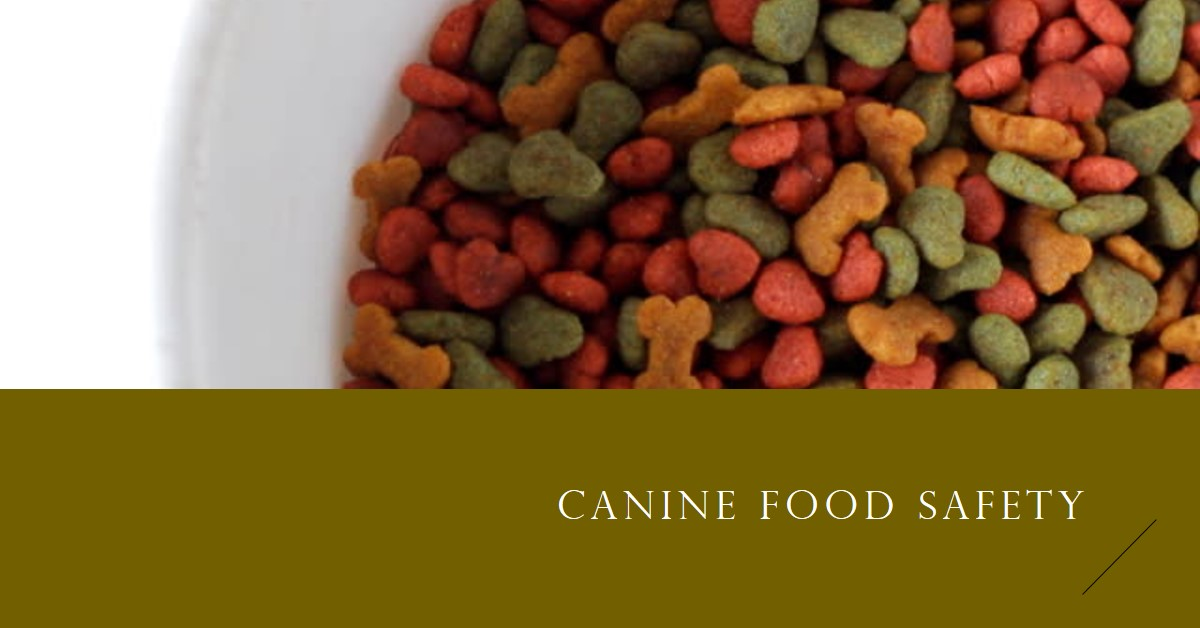
As a responsible pet owner, understanding canine food safety is crucial to keeping your dog healthy and happy. Dogs have different nutritional needs and digestive systems than humans, and some foods that are safe for us can be harmful or even deadly to them. This article will outline the foods that are toxic to dogs, helping you avoid accidental ingestion and keep your furry friend safe. 1. What Foods Are Toxic for Dogs? Some common human foods can be toxic to dogs. Knowing which foods to avoid can prevent serious health issues. Common Human Foods Toxic to Dogs Food Toxic Component Effects on Dogs Chocolate Theobromine Vomiting, diarrhea, rapid breathing Grapes & Raisins Unknown Kidney failure, lethargy, vomiting Onions & Garlic Thiosulfate Damage to red blood cells, anemia Alcohol Ethanol Vomiting, diarrhea, central nervous system depression Coffee & Caffeine Caffeine Hyperactivity, tremors, seizures What Human Food Can Dogs Eat? While many human foods are dangerous for dogs, there are plenty that are safe and even beneficial. Human Foods Safe for Dogs Food Benefits Carrots Low-calorie, good for teeth and vision Apples Source of vitamins A and C Chicken Lean protein, essential nutrients Peanut Butter Protein, healthy fats (unsweetened) Pumpkin Fiber, aids in digestion 2. Fruits and Vegetables That Harm Dogs Certain fruits and vegetables can be harmful to dogs, despite being healthy for humans. Table: Toxic Fruits and Vegetables for Dogs Fruit/Vegetable Toxic Component Effects on Dogs Avocado Persin Vomiting, diarrhea, heart congestion Cherries Cyanide (in pits) Difficulty breathing, red gums Tomato (green parts) Solanine Gastrointestinal upset, weakness Rhubarb Oxalates Tremors, kidney failure Mushrooms (wild) Various toxins Vomiting, diarrhea, liver damage Foods Dogs Can Eat While some fruits and vegetables are toxic, many are perfectly safe and nutritious for dogs. Safe Fruits and Vegetables for Dogs Fruit/Vegetable Benefits Blueberries Antioxidants, vitamins C and K Bananas Potassium, fiber, vitamins Sweet Potatoes Vitamins A and C, fiber Green Beans Low-calorie, vitamins Watermelon Hydration, vitamins A, B6, and C 3. Dangerous Grains and Processed Foods Some grains and processed foods can pose serious health risks to dogs. Dangerous Grains and Processed Foods for Dogs Food Toxic Component Effects on Dogs Bread Dough Yeast Bloating, alcohol poisoning Macadamia Nuts Unknown toxin Weakness, vomiting, tremors Processed Meats High salt and fat Pancreatitis, obesity, sodium poisoning Corn on the Cob Obstruction hazard Gastrointestinal blockage Xylitol (sugar-free products) Xylitol Insulin release, hypoglycemia, liver failure What Foods Can Dogs Not Eat? Knowing which foods to avoid is critical in preventing accidental poisoning. Additional Foods Dogs Should Not Eat Food Toxic Component Effects on Dogs Nuts (various) High fat content Pancreatitis, gastrointestinal upset Milk and Dairy Lactose Diarrhea, digestive upset Fat Trimmings High fat content Pancreatitis Raw Eggs Avidin Biotin deficiency, food poisoning Salt Sodium Excessive thirst, urination, sodium poisoning 4. Signs of Food Poisoning in Dogs Recognizing the signs of food poisoning can save your dog’s life. If your dog shows any of these symptoms, contact your veterinarian immediately. Signs of Food Poisoning in Dogs Symptom Description Vomiting Frequent or severe vomiting Diarrhea Loose, watery stools Lethargy Unusual tiredness or weakness Excessive Drooling Increased salivation Seizures Convulsions or fits Abdominal Pain Whining, restlessness, sensitivity Loss of Appetite Refusal to eat 5. What to Do If Your Dog Eats Toxic Food If your dog ingests something toxic, immediate action is essential. Here are steps to take if your dog eats harmful food. Steps to Take if Your Dog Eats Toxic Food Step Action Identify the Food Determine what and how much was eaten Call Your Vet Contact your veterinarian immediately Follow Instructions Administer any advice or treatments Avoid Inducing Vomiting Do not induce vomiting without vet’s advice Monitor Your Dog Keep a close eye on symptoms and behavior 6. Preventing Accidental Ingestion of Toxic Foods Preventing your dog from eating toxic foods involves vigilance and careful management of their environment. Tips for Preventing Accidental Ingestion Tip Description Store Foods Securely Keep toxic foods out of reach Supervise Mealtimes Watch what your dog eats during meals Educate Family and Guests Ensure everyone knows which foods are toxic Use Dog-Proof Containers Store food in secure, dog-proof containers Be Cautious with Scraps Avoid feeding table scraps Conclusion: Keeping Your Dog Safe from Harmful Foods Keeping your dog safe from harmful foods is a vital part of responsible pet ownership. By understanding which foods are toxic, recognizing the signs of food poisoning, and knowing what to do in case of an emergency, you can protect your dog from potential dangers. Always consult your veterinarian for guidance on your dog’s diet and health. By following these guidelines and being vigilant about what your dog eats, you’ll help ensure they live a long, healthy, and happy life. Also Read:

Best Dog Food for Chow Chows in 2024

Best Dog Food for Chow Chows

Chow Chows are a unique and ancient breed known for their lion-like appearance and independent nature. To ensure your Chow Chow lives a long, healthy life, providing them with the right nutrition is crucial. In this guide, we’ll explore the best dog food for Chow Chows, highlighting key nutrients, top ingredients, recommended brands, special dietary considerations, and feeding guidelines. 1. Key Nutrients for Chow Chows Chow Chows require a balanced diet rich in essential vitamins and minerals to support their overall health and well-being. Here are some key nutrients that are vital for Chow Chows: 2. Top Ingredients to Look For When choosing the best dog food for Chow Chows, it’s essential to focus on high-quality ingredients that provide complete nutrition. Here are some top ingredients to look for: 3. Recommended Dog Food Brands Choosing the right brand is crucial for ensuring your Chow Chow gets the best nutrition. Here are some trusted brands that offer high-quality dog food suitable for Chow Chows: 4. Special Dietary Considerations Chow Chows can have specific dietary needs due to their unique physiology. Here are some special considerations to keep in mind: 5. Homemade vs. Commercial Dog Food When deciding between homemade dog food and commercial dog food, consider the pros and cons of each option: Homemade Dog Food Pros: Cons: Commercial Dog Food Pros: Cons: 6. Feeding Guidelines for Chow Chows Feeding your Chow Chow the right amount of food is essential for maintaining their health. Here are some guidelines on portion sizes and feeding frequency: Chow Chow puppy feeding Chart Here’s a Chow Chow puppy feeding chart that provides guidelines on how much to feed your Chow Chow puppy at different stages of growth: Age (Months) Weight (lbs) Dry Food Amount (cups per day) Feeding Frequency 2 – 3 10 – 15 1 – 1.5 4 times a day 3 – 4 15 – 25 1.5 – 2 3 times a day 4 – 6 25 – 35 2 – 2.5 3 times a day 6 – 8 35 – 45 2.5 – 3 2 times a day 8 – 12 45 – 55 3 – 3.5 2 times a day Notes: By following this chart and adjusting as needed, you can help ensure your Chow Chow puppy receives the proper nutrition for healthy growth and development. Conclusion: Choosing the Right Diet for Your Chow Chow Selecting the best dog food for your Chow Chow involves understanding their unique nutritional needs and choosing high-quality ingredients that provide balanced nutrition. Whether you opt for a trusted commercial brand or decide to prepare homemade meals, ensuring your Chow Chow receives the right nutrients is essential for their overall health and well-being. Keep in mind any special dietary considerations, such as allergies or weight management, and adjust their diet accordingly. By providing your Chow Chow with the best food, you’ll help them live a happy, healthy life. Also Read:

2024 Best Dog Food Chart: Everything You must Know

Best Dog food Chart

As a responsible pet owner, ensuring your furry friend gets the best nutrition is a top priority. With countless dog food options available, selecting the right one can be overwhelming. This is where a comprehensive and best dog food chart comes into play. It serves as an invaluable tool to help you make informed decisions about your dog’s diet, tailored to their specific needs and life stages. In this guide, we’ll explore the key components of a dog food chart, the importance of balanced nutrition, and how to use this best dog food chart to keep your canine companion healthy and happy. Best dog food comparison chart Here’s a comparative table for some of the best dog foods available Brand Type Main Ingredients Key Benefits Price Range Rating (out of 5) Blue Buffalo Dry Food Chicken, Brown Rice, Vegetables High Protein, No Artificial Flavors $50 – $60 (30 lbs) 4.7 Hill’s Science Wet Food Chicken, Barley, Brown Rice Veterinary Recommended, Digestive Health $25 – $35 (12 cans) 4.6 Royal Canin Breed Specific Dry Chicken Meal, Brown Rice, Oat Groats Tailored Nutrition for Specific Breeds $55 – $65 (30 lbs) 4.5 Wellness Core Grain-Free Dry Turkey, Chicken, Peas Grain-Free, High Protein, Probiotics $60 – $70 (26 lbs) 4.8 Orijen Premium Dry Chicken, Turkey, Fish Biologically Appropriate, High Meat Content $75 – $90 (25 lbs) 4.9 Merrick Raw Infused Dry Deboned Beef, Sweet Potatoes, Peas Raw Infused Kibble, High Omega Fatty Acids $65 – $75 (22 lbs) 4.7 Purina Pro Plan Specialized Dry Chicken, Rice, Corn Gluten Meal Specialized Formulas for Different Needs $50 – $60 (34 lbs) 4.6 Nutro Ultra Superfood Blend Dry Chicken, Lamb, Salmon Trio Protein, Superfoods, Non-GMO Ingredients $55 – $65 (30 lbs) 4.5 Taste of the Wild Grain-Free Dry Bison, Venison, Sweet Potatoes Novel Proteins, Grain-Free, High Digestibility $50 – $60 (28 lbs) 4.6 Canidae Limited Ingredient Dry Salmon, Sweet Potatoes Limited Ingredients, Ideal for Sensitive Stomachs $70 – $80 (24 lbs) 4.7 How many times a day should feed a dog? Age Size Meals per Day Notes Puppy (8 weeks – 6 months) Small, Medium, Large 3-4 times Frequent meals to support growth and energy levels Puppy (6 months – 1 year) Small, Medium, Large 2-3 times Transition to fewer meals as growth slows down Adult (1 year – 7 years) Small 2 times Smaller breeds may need more frequent meals due to faster metabolism Adult (1 year – 7 years) Medium, Large 2 times Maintain consistent energy levels and weight Senior (7+ years) Small 2 times Easier digestion and maintaining stable energy Senior (7+ years) Medium, Large 1-2 times Depending on activity level and health, may reduce to once daily Best dog food brand chart Brand Key Features Price Range (per lb) Suitable for Rating (out of 5) Royal Canin Breed-specific formulas, high-quality ingredients $2.50 – $5.00 All breeds and sizes 4.8 Blue Buffalo Natural ingredients, no by-products, various recipes $2.00 – $4.50 All breeds and sizes 4.7 Hill’s Science Diet Vet-recommended, specific health needs, balanced diet $1.75 – $3.50 All breeds and sizes 4.6 Orijen High protein, biologically appropriate, grain-free $4.00 – $6.50 Active and working dogs 4.9 Purina Pro Plan Balanced nutrition, vet-recommended, variety of options $1.50 – $3.00 All breeds and sizes 4.5 Nutro Ultra Natural ingredients, high-quality protein sources $2.50 – $4.00 All breeds and sizes 4.5 Wellness Core Grain-free, high protein, natural ingredients $3.00 – $5.00 All breeds and sizes 4.7 Taste of the Wild Grain-free, novel proteins, natural ingredients $2.50 – $4.50 All breeds and sizes 4.6 Acana High protein, grain-free, regionally sourced ingredients $3.50 – $5.50 All breeds and sizes 4.8 Merrick Grain-free, high protein, locally sourced ingredients $3.00 – $5.00 All breeds and sizes 4.6 Notes: How to buy best dog food? Choosing the right dog food is crucial for your pet’s health, energy levels, and overall well-being. Here’s a comprehensive guide to help you make an informed decision: 1. Understand Your Dog’s Nutritional Needs 2. Check the Ingredients 3. Consider the Type of Dog Food 4. Read the Labels 5. Consider Your Dog’s Preferences 6. Consult Your Veterinarian 7. Monitor Your Dog’s Health 8. Consider Your Budget Recommended Brands Conclusion Choosing the best dog food involves understanding your pet’s unique nutritional needs, carefully reading ingredient labels, and selecting high-quality brands. A comprehensive dog food chart can guide you in comparing different options based on their ingredients, nutritional value, and suitability for your dog’s age, breed, and health conditions. Consulting with your veterinarian ensures that you make the best dietary choices for your furry friend. Remember, a well-balanced diet is key to your dog’s overall health and happiness. Also Read:

Best Homemade Dehydrated Dog Food Recipes in 2024

Best Homemade Dehydrated Dog Food

Homemade dehydrated dog food is a healthy, convenient, cost-effective alternative to commercially produced kibble. By dehydrating your dog food, you have complete control over the ingredients, ensuring your furry friend receives a nutritious and balanced diet tailored to their needs.  In this comprehensive guide, we’ll explore the benefits of homemade dehydrated dog food in detail, provide step-by-step instructions, and offer a sample recipe to get you started. Join us on this journey to provide your beloved canine companion with the best possible nutrition! Benefits of Homemade Dehydrated Dog Food Getting Started with Homemade Dehydrated Dog Food 1. Choose Your Ingredients: Start with a lean protein base, such as chicken, turkey, or beef. Then, add a variety of fruits, vegetables, and healthy fats to create a balanced meal. Consider your dog’s age, breed, and activity level when selecting ingredients. 2. Prepare the Ingredients: Cook the meat thoroughly and chop all ingredients into small, bite-sized pieces. This ensures even dehydration and prevents choking hazards. 3. Dehydrate the Food: Spread the prepared ingredients on dehydrator trays in a single layer, ensuring proper airflow. Dehydrate at a low temperature (around 135°F) for 8-12 hours or until the food is completely dry and brittle. 4. Store the Dehydrated Food: Transfer the dehydrated food to airtight containers and store it in a cool, dry place. Properly stored dehydrated food can last for several months. 5. Rehydrate and Serve: To serve, simply add warm water to the dehydrated food and let it rehydrate for 10-15 minutes. You can also add additional water to create a gravy-like consistency. Sample Dehydrated Dog Food Recipe The Nutritional Powerhouse of Homemade Dehydrated Dog Food Unleashing the Convenience of Homemade Dehydrated Dog Food Homemade dehydrated dog food offers unparalleled convenience for busy pet owners. The lightweight and portable nature of dehydrated food makes it ideal for travel, camping, or any situation where refrigeration is limited. Additionally, its longer shelf life compared to fresh food reduces the risk of spoilage, saving you time and money.  With minimal preparation required, simply add warm water to rehydrate the food, and your dog can enjoy a delicious and nutritious meal in minutes. This convenience allows you to spend more quality time with your furry friend without compromising their dietary needs. Unleashing the Cost-Effectiveness of Homemade Dehydrated Dog Food Conclusion Homemade dehydrated dog food is a revolutionary approach to canine nutrition, offering many benefits for your furry friend. Fresh, whole-food ingredients can provide your dog with optimal nutrition, address specific dietary needs, and improve their overall health.  The convenience and cost-effectiveness of dehydrated food make it an ideal choice for busy pet owners who want the best for their companions. Embrace the power of homemade dehydrated dog food and witness its positive impact on your pet’s health and well-being. Frequently Asked Question 1. Is homemade dehydrated dog food safe for my dog? Yes, homemade dehydrated dog food is safe for most dogs when prepared properly using fresh, high-quality ingredients and following safe food handling practices. 2. How long does homemade dehydrated dog food last? Properly stored dehydrated dog food can last for several months in airtight containers in a cool, dry place. 3. Can I add supplements to homemade dehydrated dog food? Yes, you can add supplements to homemade dehydrated dog food, but consult your veterinarian to determine the appropriate type and dosage for your dog’s specific needs. 4. How much homemade dehydrated dog food should I feed my dog? The amount of homemade dehydrated dog food you feed your dog will depend on their age, breed, weight, and activity level. Consult with your veterinarian for specific feeding recommendations. 5. Can I use a dehydrator other than the one recommended in this guide? Yes, you can use any dehydrator that meets your needs and preferences. However, ensure it has adjustable temperature settings and sufficient airflow for proper dehydration. Also Read: