

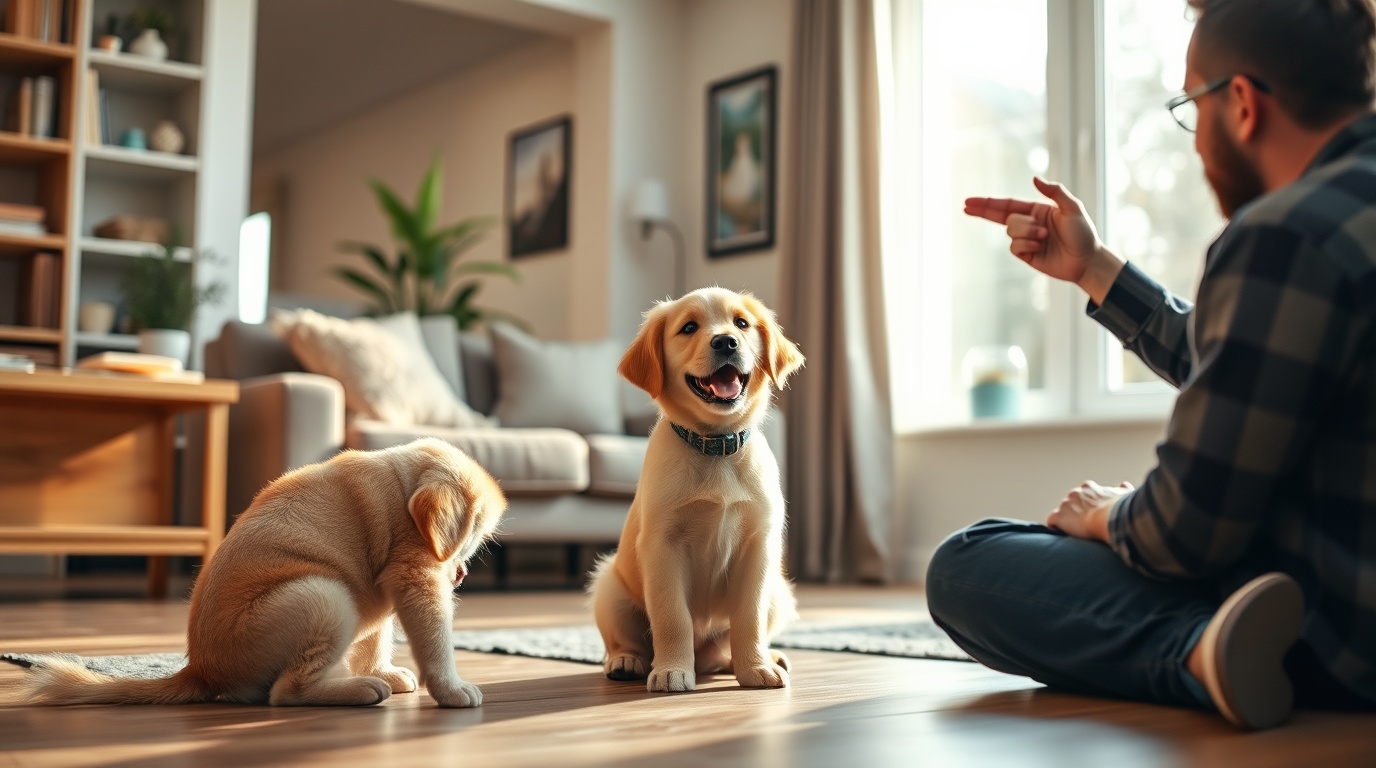
Training a dog at home may seem challenging at first, but with patience, consistency, and the right techniques, anyone can teach their dog good manners and essential commands. Whether you’ve just adopted a puppy or brought home an older rescue dog, understanding the dog training basics for beginners at home can help build a strong bond between you and your furry companion.
The good news is that you don’t need expensive equipment or professional training classes to get started. Most dogs learn best in a familiar environment where they feel safe and comfortable. This guide covers everything beginners need to know, from basic obedience commands to common training mistakes and proven positive reinforcement techniques.
Why Dog Training Is Important?
Dog training is about much more than teaching tricks. Proper training helps dogs understand expectations and creates a foundation for good behavior.
Benefits of training your dog at home include:
- Better communication between you and your dog
- Improved safety indoors and outdoors
- Reduced behavioral problems
- Stronger trust and bonding
- Easier vet visits and grooming appointments
- Greater confidence in your dog
Training also provides mental stimulation, which is just as important as physical exercise.
When Should You Start Training a Dog?
One of the most common questions from new owners is when training should begin.
The answer is simple: as early as possible.
Puppies can begin learning basic commands as early as 8 weeks old. However, older dogs can also learn successfully. The saying “you can’t teach an old dog new tricks” is simply not true.
The key is using age-appropriate methods and maintaining consistency.
Preparing for Dog Training at Home
Before starting, gather a few essential items.
Training Treats
Small, soft treats work best because dogs can eat them quickly and stay focused.
Leash and Collar
A comfortable leash helps during obedience training and walking exercises.
Quiet Training Area
Choose a location with minimal distractions.
Patience
Perhaps the most important training tool is patience. Dogs learn through repetition and positive experiences.
Understanding Positive Reinforcement Training
Positive reinforcement is one of the most effective dog training methods available.
The principle is simple:
When your dog performs the desired behavior, immediately reward them with:
- Treats
- Praise
- Toys
- Affection
Dogs quickly learn that good behavior leads to positive outcomes.
Avoid punishment-based methods, as they often create fear, anxiety, and confusion.
The First Commands Every Dog Should Learn
Every beginner should focus on a few foundational commands.
Sit
The “sit” command is often the easiest command for dogs to learn.
How to Teach Sit
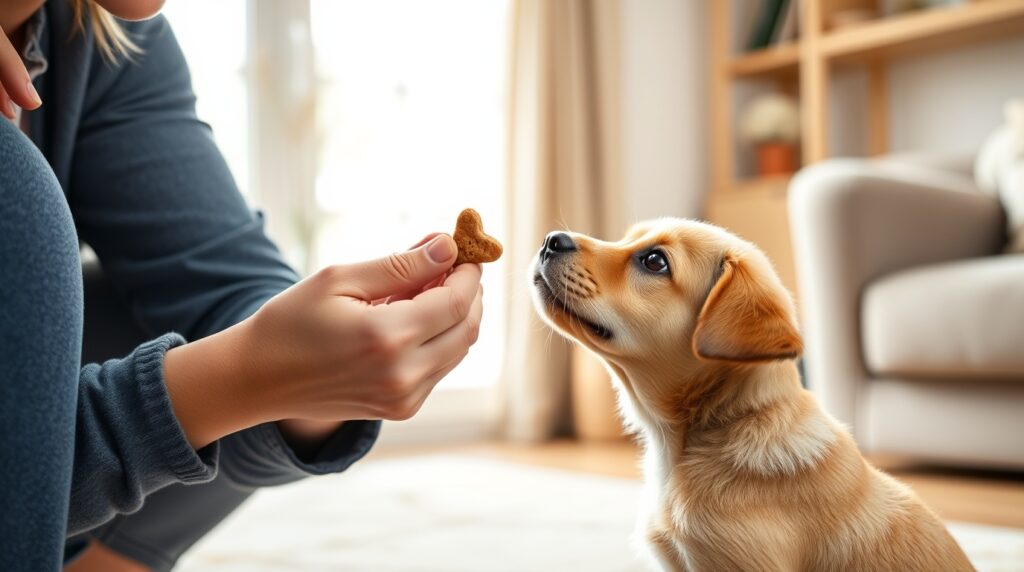
- Hold a treat above your dog’s nose.
- Slowly move the treat upward.
- As their head follows the treat, their bottom naturally lowers.
- The moment they sit, say “Sit.”
- Reward immediately.
Practice for 5–10 minutes daily.
Stay
The stay command helps improve impulse control and safety.
How to Teach Stay
- Ask your dog to sit.
- Hold your hand up like a stop sign.
- Say “Stay.”
- Take one step back.
- Reward if they remain in position.
Gradually increase distance and duration.
Come
Teaching recall can potentially save your dog’s life.
How to Teach Come
- Start in a quiet room.
- Say your dog’s name followed by “Come.”
- Reward generously when they reach you.
- Repeat frequently.
Always make coming to you a positive experience.
Down
The down command encourages calm behavior.
How to Teach Down
- Hold a treat near your dog’s nose.
- Slowly move it toward the floor.
- Guide them into a lying position.
- Reward immediately.
House Training Basics
House training is often the biggest concern for beginners.
Establish a Routine
Dogs thrive on consistency.
Take your dog outside:
- After waking up
- After meals
- After playtime
- Before bedtime
Reward Success
When your dog eliminates in the correct spot, provide immediate praise and treats.
Avoid Punishment
Accidents happen. Clean them thoroughly and continue reinforcing good habits.
Crate Training for Beginners
Crate training can be an extremely valuable tool when introduced properly.
Benefits of Crate Training
- Assists with house training
- Creates a safe space
- Reduces destructive behavior
- Helps with travel
How to Introduce a Crate
Make the crate a positive place by adding:
- Soft bedding
- Favorite toys
- Treats
Never use the crate as punishment.
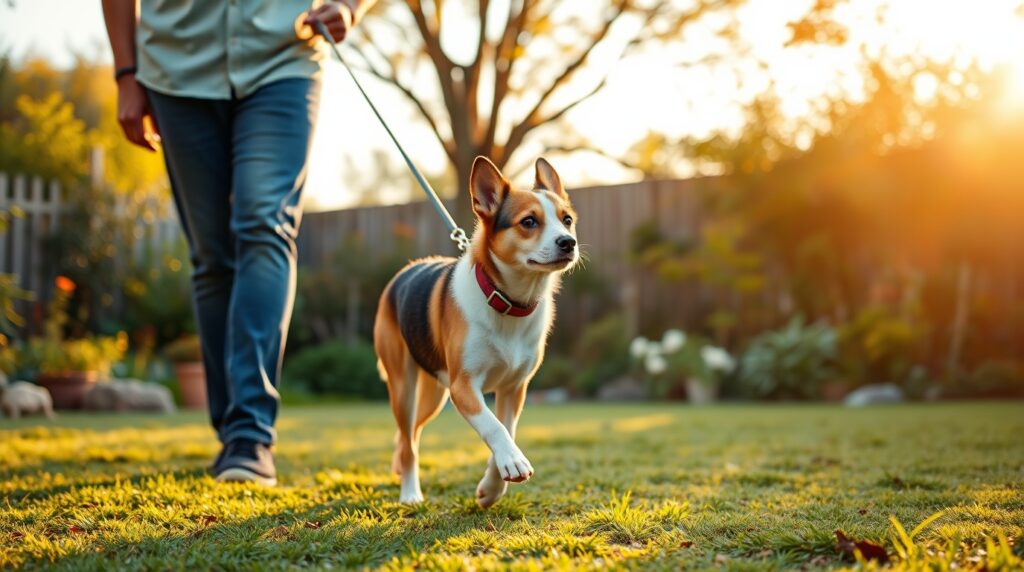
Leash Training at Home
Many dogs naturally pull during walks.
Teaching Loose Leash Walking
When your dog pulls:
- Stop walking.
- Wait for the leash to loosen.
- Resume walking.
- Reward when your dog walks beside you.
Consistency is critical for success.
How to Stop Common Problem Behaviors
Jumping on People
Ignore jumping behavior and reward calm greetings.
Excessive Barking
Identify the cause of barking and redirect your dog’s attention.
Chewing
Provide appropriate chew toys and supervise closely.
Digging
Increase exercise and mental stimulation to reduce boredom-related digging.
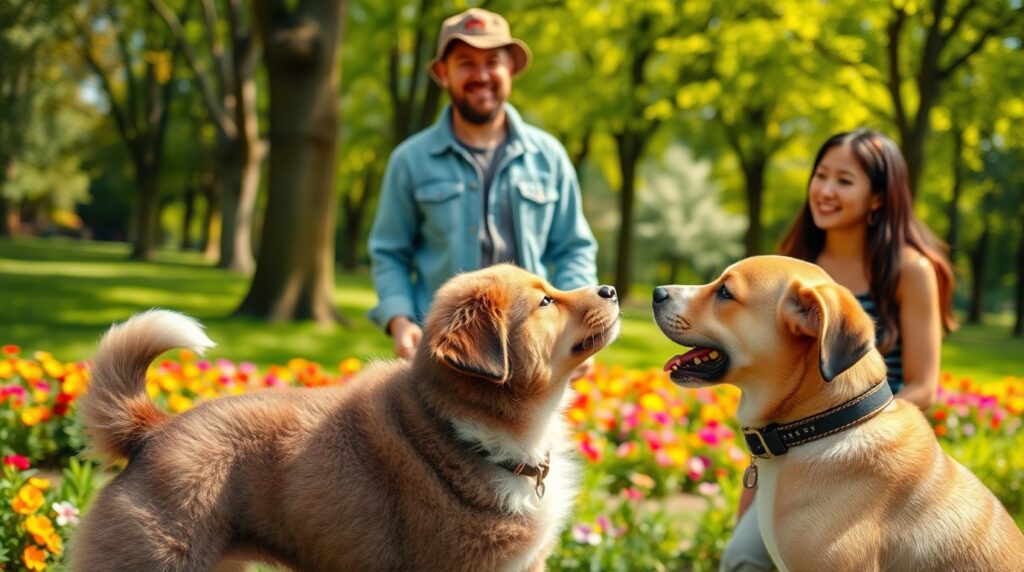
The Importance of Socialization
Socialization is one of the most important aspects of dog training.
Expose your dog safely to:
- Different people
- New environments
- Sounds
- Other animals
- Vehicles
Positive experiences build confidence and reduce fear-based behaviors later in life.
Creating a Daily Dog Training Schedule
A structured routine produces faster results.
Morning Session
5–10 minutes of basic commands.
Afternoon Session
Short recall and leash exercises.
Evening Session
Review previously learned commands.
Several short sessions are more effective than one long session.
Training Tips for Faster Results
Keep Sessions Short
Dogs learn best in focused bursts.
End on a Positive Note
Finish each session with success.
Use Consistent Commands
Everyone in the household should use the same words.
Reward Immediately
Timing matters. Reward within seconds of the correct behavior.
Common Dog Training Mistakes Beginners Make
Being Inconsistent
Changing rules confuses dogs.
Expecting Instant Results
Training requires repetition and patience.
Using Punishment
Fear-based training often creates new behavioral problems.
Overtraining
Long sessions can frustrate both dog and owner.
Best Dog Breeds for Beginner Trainers
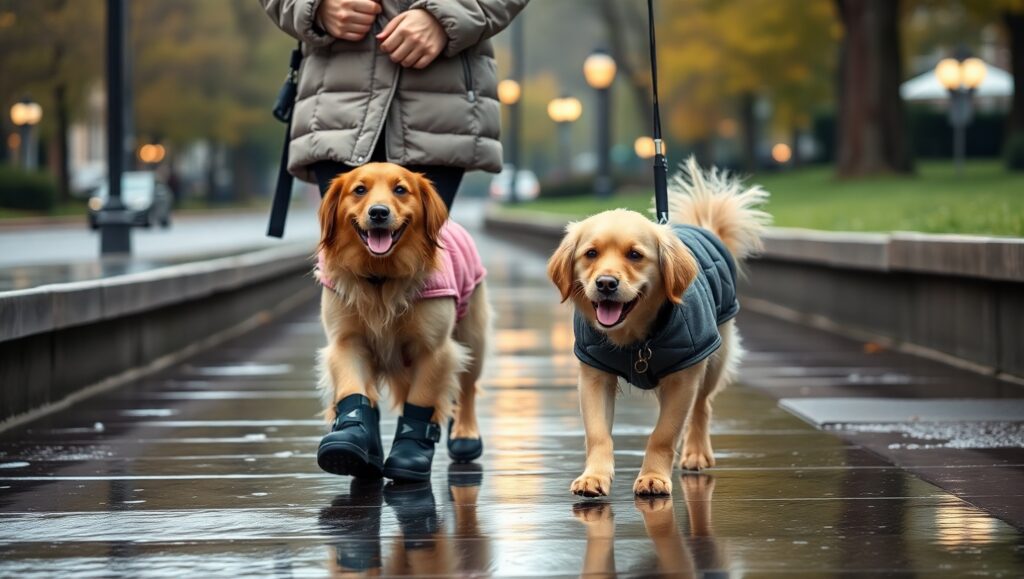
While every dog is unique, some breeds tend to be easier for beginners.
Popular beginner-friendly breeds include:
- Labrador Retriever
- Golden Retriever
- Poodle
- Cavalier King Charles Spaniel
- Bichon Frise
These breeds generally respond well to positive reinforcement training.
Signs Your Dog Is Learning Successfully
Look for these positive indicators:
- Responding quickly to commands
- Increased focus during training
- Reduced unwanted behaviors
- Better impulse control
- Stronger bond with family members
Progress may be gradual, but consistency always pays off.
Conclusion
Learning the dog training basics for beginners at home is one of the most rewarding parts of dog ownership. Successful training doesn’t require professional expertise—just patience, consistency, and a positive attitude.
Start with foundational commands like sit, stay, come, and down. Build routines, reward good behavior, and focus on creating positive experiences. Over time, your dog will become more confident, well-behaved, and responsive.
Remember, dog training is not a one-time event. It’s an ongoing process that strengthens your relationship and helps your dog become a happy, well-adjusted member of your family.
Frequently Asked Questions
What is the easiest command to teach a dog first?
The “sit” command is usually the easiest and most effective first command for beginners.
How long should dog training sessions last?
Most dogs learn best with sessions lasting 5–15 minutes.
Can older dogs still be trained?
Yes. Dogs of all ages can learn new behaviors and commands.
How many times per day should I train my dog?
Two to three short training sessions daily are ideal.
What is the best dog training method for beginners?
Positive reinforcement training is widely considered the most effective and beginner-friendly method.
Also Read:
- Dog Feeding Schedule Chart – Complete Guide to Feeding Your Dog the Right Way
- Chewy Dog Food – Complete Guide to Choosing the Best Chewy Dog Food for Your Dog