

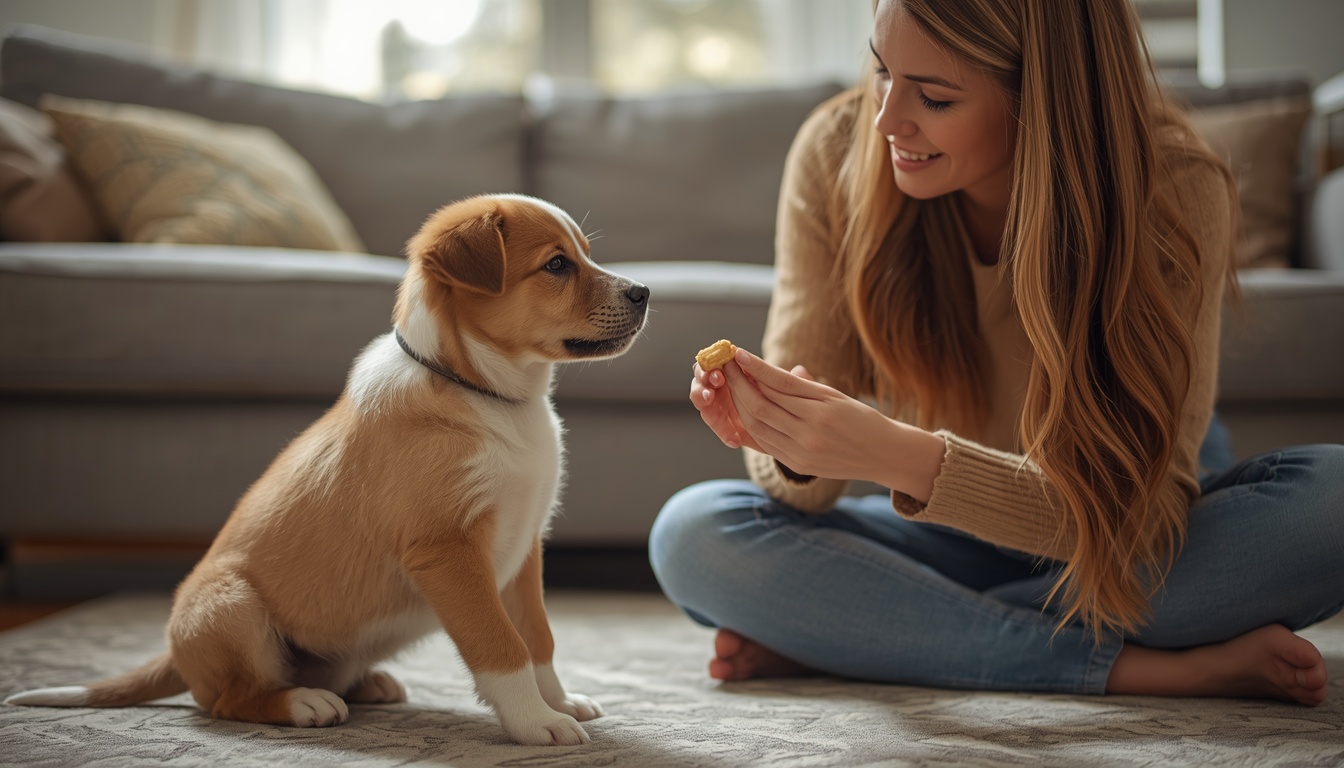
Training your dog is one of the most rewarding parts of pet ownership. Whether you’ve adopted a playful puppy or welcomed an adult rescue dog into your home, proper training builds trust, strengthens your bond, and helps your dog become a confident and well-mannered companion. If you’re looking for dog training tips for beginners, starting with simple techniques and staying consistent is the key to success.
Many first-time dog owners believe training is difficult or time-consuming. In reality, dogs learn best through patience, repetition, and positive reinforcement. You don’t need to be a professional trainer to teach your dog good manners—you simply need the right approach.
In this guide, you’ll discover beginner-friendly dog training tips, essential commands, common mistakes to avoid, and practical advice to help your dog learn quickly and confidently.
Why Dog Training Is Important?
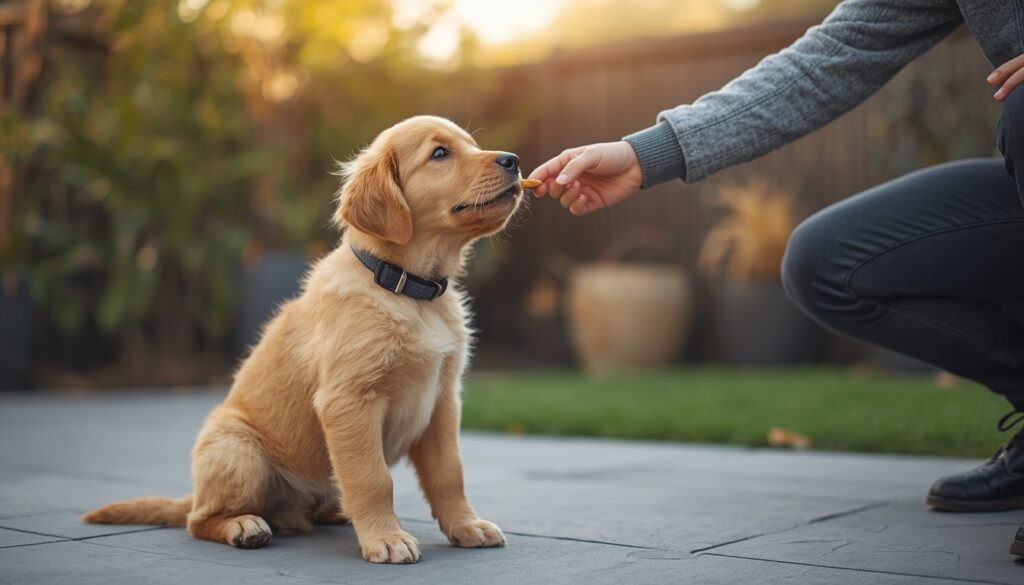
Training is about much more than teaching tricks. It helps your dog understand what behavior is expected while creating a safe and enjoyable relationship between you and your pet.
Benefits of dog training include:
- Better communication
- Improved safety
- Stronger bond
- Reduced behavioral problems
- Increased confidence
- Easier vet visits and grooming
- More enjoyable walks
Well-trained dogs are often happier because they understand routines and expectations.
Start Training Early
Puppies can begin learning basic commands as early as 8 weeks of age.
If you have an older dog, don’t worry. Adult dogs are fully capable of learning new behaviors with patience and consistency.
The earlier you begin training, the easier it is to establish good habits.
Keep Training Sessions Short
Dogs, especially puppies, have short attention spans.
Aim for:
- 5–10 minutes per session
- 2–4 sessions each day
Short, positive lessons are more effective than long training sessions.
Use Positive Reinforcement
Positive reinforcement is one of the most effective and humane training methods.
Reward good behavior with:
- Small treats
- Praise
- Toys
- Petting
- Playtime
Your dog is more likely to repeat behaviors that lead to rewards.
Be Consistent
Consistency helps your dog understand expectations.
Everyone in the household should use:
- The same commands
- The same rules
- The same rewards
For example, if one family member allows the dog on the couch and another does not, your dog may become confused.
Teach Basic Commands First
Start with simple commands before moving to advanced training.
Sit
“Sit” is one of the easiest commands to teach.
Steps:
- Hold a treat above your dog’s nose.
- Slowly move it backward over their head.
- As they sit naturally, say “Sit.”
- Reward immediately.
Stay
Once your dog understands “Sit,” introduce “Stay.”
Start with just a few seconds and gradually increase the duration.
Come
A reliable recall command is important for safety.
Practice in quiet environments before trying busier locations.
Always reward your dog enthusiastically when they come to you.
Down
Teaching “Down” encourages calm behavior.
Guide your dog into the lying position using a treat and reward them immediately.
Leave It
This command helps prevent your dog from picking up dangerous objects.
Reward your dog for ignoring the item rather than grabbing it.
Reward Good Behavior Immediately
Timing is important.
Reward your dog within one or two seconds after the desired behavior so they clearly understand what earned the reward.
Delayed rewards can confuse your dog.
Socialize Your Dog
Proper socialization helps prevent fear and anxiety.
Introduce your dog gradually to:
- Different people
- Friendly dogs
- New environments
- Household sounds
- Vehicles
- Children (with supervision)
Positive experiences build confidence.
Crate Training Tips
A crate should be a comfortable and safe space, never a punishment.
Benefits include:
- Easier house training
- Better travel preparation
- Safe resting area
- Reduced destructive behavior
Place comfortable bedding and toys inside the crate to encourage positive associations.
House Training Tips
House training requires patience and routine.
Take your puppy outside:
- After waking up
- After meals
- After playtime
- Before bedtime
Praise and reward successful potty breaks immediately.
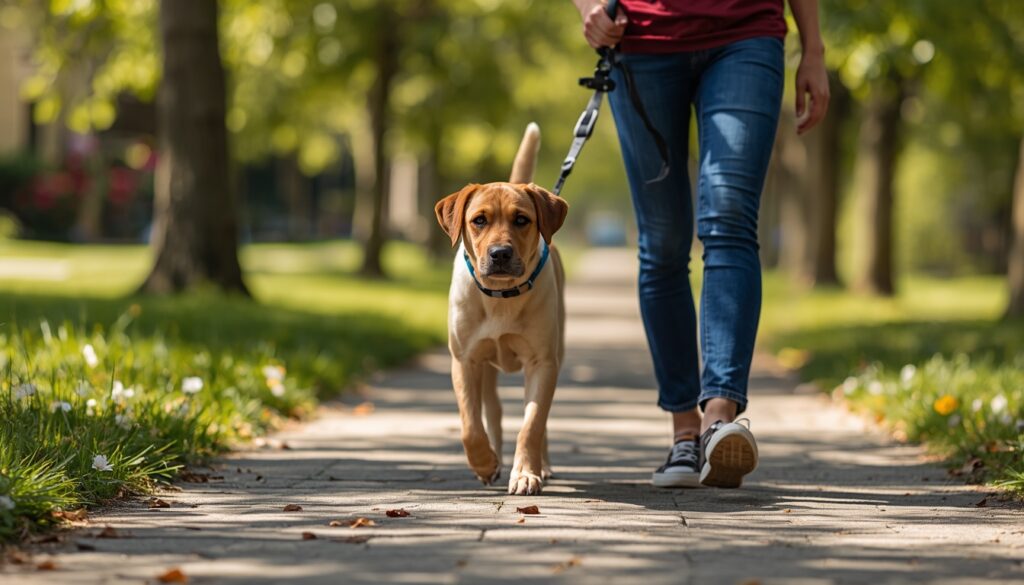
Leash Training
Teach your dog to walk calmly without pulling.
Tips:
- Use a comfortable harness or collar
- Reward loose-leash walking
- Stop walking if your dog pulls
- Resume once the leash relaxes
Consistency is more effective than constant pulling.
Prevent Jumping
Dogs often jump to greet people.
Instead of rewarding jumping with attention:
- Ask for a “Sit”
- Reward calm greetings
- Ignore jumping until all four paws are on the ground
This teaches polite behavior.
Manage Chewing
Chewing is normal, especially during puppyhood.
Provide:
- Durable chew toys
- Teething toys
- Puzzle toys
Redirect chewing away from furniture and shoes.
Avoid Punishment-Based Training
Harsh punishment can create fear and damage trust.
Avoid:
- Hitting
- Yelling
- Physical corrections
Instead, redirect unwanted behavior and reward positive alternatives.
Use Clear Commands
Keep commands short and consistent.
Examples:
- Sit
- Stay
- Come
- Down
- Leave it
- Wait
Avoid changing command words frequently.
Practice in Different Locations
Dogs do not automatically generalize behaviors to new environments.
Practice commands:
- Indoors
- Backyard
- Quiet park
- Busier public spaces
Gradually increase distractions.
Exercise Before Training
A dog with excess energy may struggle to focus.
Before training:
- Take a short walk
- Play fetch
- Allow a few minutes of exercise
A calm dog often learns more effectively.
Use High-Value Rewards
Different dogs value different rewards.
Popular options include:
- Small training treats
- Cooked chicken
- Cheese (in moderation)
- Favorite toys
- Praise
Reserve especially exciting rewards for more challenging tasks.
Common Beginner Training Mistakes
Expecting Instant Results
Learning takes time. Celebrate small improvements.
Inconsistent Rules
Mixed messages slow progress.
Long Training Sessions
Short, enjoyable sessions are more effective.
Forgetting Rewards
Reward desired behaviors frequently during early training.
Skipping Practice
Daily repetition builds reliable habits.
Daily Training Routine
A simple daily schedule can keep your dog engaged.
| Time | Activity |
|---|---|
| Morning | Sit, Stay, Come (5–10 minutes) |
| Afternoon | Leash walk and socialization |
| Evening | Down, Leave It, Recall practice |
| Before Bed | Calm behavior and crate routine |
Consistency is more important than duration.
Signs Your Dog Is Learning
Positive progress may include:
- Faster responses
- Better focus
- Reduced unwanted behaviors
- Increased confidence
- Willingness to engage during training
Every dog learns at a different pace.
When to Seek Professional Help
Consider working with a qualified trainer if your dog shows:
- Aggression
- Severe anxiety
- Extreme fear
- Resource guarding
- Persistent behavioral challenges
Early guidance can make training easier and more effective.
Frequently Asked Questions
What is the first command I should teach my dog?
“Sit” is usually the easiest and most useful command for beginners.
How long should training sessions be?
Most dogs benefit from 5–10 minute sessions repeated several times each day.
Can older dogs still learn?
Yes. Adult dogs can learn new behaviors throughout their lives.
How many treats should I use?
Use small treats and gradually replace food rewards with praise as behaviors become reliable.
What is the best age to start training?
Basic training can begin around 8 weeks of age, but dogs of any age can benefit from positive training.
Final Thoughts
Learning effective dog training tips for beginners doesn’t require expensive equipment or years of experience. Success comes from consistency, patience, and positive reinforcement. By starting with basic commands, rewarding good behavior, and practicing every day, you’ll help your dog become a confident, well-behaved companion.
Remember that training is an ongoing process rather than a one-time event. Continue reinforcing good habits throughout your dog’s life, and enjoy the stronger bond that grows through learning together.
Also Read:
- Best Food for Bichon Frise Puppy: Complete Nutrition Guide for Healthy Growth
- What Is the Best Dog Food for Chihuahuas? Complete Nutrition Guide