

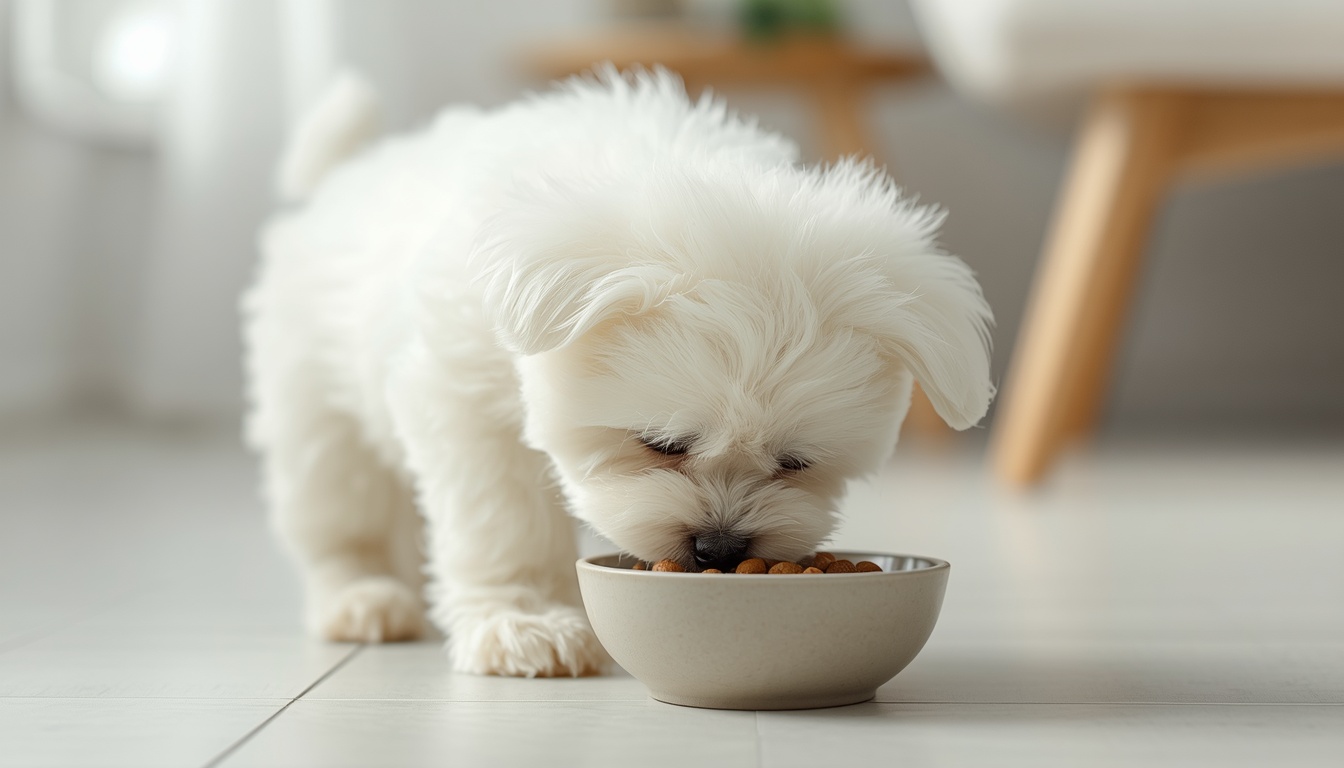
A Bichon Frise puppy is a bundle of energy, curiosity, and charm. Known for their fluffy white coats and cheerful personalities, these small dogs require proper nutrition during their early months to support healthy growth, strong bones, brain development, and a beautiful coat. If you’re searching for the best food for Bichon Frise puppy, understanding their unique nutritional needs is the first step toward raising a healthy and happy companion.
Bichon Frise puppies grow rapidly during their first year and need a balanced diet rich in high-quality protein, healthy fats, vitamins, and minerals. Choosing the right puppy food can help prevent nutritional deficiencies, support immune health, and establish healthy eating habits that last a lifetime.
Why Nutrition Matters for Bichon Frise Puppies?

During puppyhood, your Bichon Frise develops:
- Bones and joints
- Muscles
- Brain and nervous system
- Immune system
- Skin and coat
A nutrient-rich diet provides the building blocks needed for proper development. Feeding poor-quality food can affect growth, digestion, energy levels, and overall health.
Nutritional Requirements for a Bichon Frise Puppy
High-Quality Protein
Protein is the most important nutrient for growing puppies.
Excellent protein sources include:
- Chicken
- Turkey
- Lamb
- Salmon
- Duck
- Beef
Benefits of protein:
- Muscle development
- Tissue repair
- Healthy growth
- Strong immune system
Look for puppy food that lists real meat as the first ingredient.
Healthy Fats
Healthy fats are essential for brain development and energy.
Good fat sources include:
- Fish oil
- Salmon oil
- Flaxseed
- Chicken fat
Healthy fats support:
- Brain development
- Skin health
- Coat quality
- Eye development
DHA for Brain Development
DHA (Docosahexaenoic Acid) is an omega-3 fatty acid that supports:
- Learning ability
- Cognitive development
- Vision health
Many premium puppy foods include DHA from fish oil.
Calcium and Phosphorus
These minerals help support:
- Strong bones
- Healthy teeth
- Proper skeletal growth
Balanced levels are important because excessive calcium can also cause growth issues.
Digestible Carbohydrates
Carbohydrates provide energy and digestive support.
Healthy options include:
- Sweet potatoes
- Brown rice
- Oats
- Pumpkin
- Peas
Avoid foods loaded with low-quality fillers.
What to Look for in the Best Bichon Frise Puppy Food
When comparing puppy foods, prioritize products that offer:
- Real meat as the first ingredient
- Small-breed puppy formula
- DHA for brain development
- Balanced calcium and phosphorus
- No artificial colors
- No unnecessary fillers
- Appropriate kibble size
Small-breed formulas are usually better suited to the tiny mouths of Bichon Frise puppies.
Dry Food for Bichon Frise Puppies
Dry kibble is one of the most popular feeding options.
Benefits
- Convenient storage
- Easy portion control
- Supports dental health
- Affordable
Choose kibble specifically designed for small-breed puppies.
Wet Food for Bichon Frise Puppies
Wet food can be a great option, especially for picky eaters.
Benefits
- Higher moisture content
- Soft texture
- Strong aroma
- Easier chewing
Many owners combine wet and dry food for variety and balanced nutrition.
Mixed Feeding Approach
Combining wet and dry food offers several advantages.
Benefits include:
- Improved hydration
- Better palatability
- Texture variety
- Nutritional balance
Many Bichon Frise owners find mixed feeding works very well.
Feeding Schedule for Bichon Frise Puppies
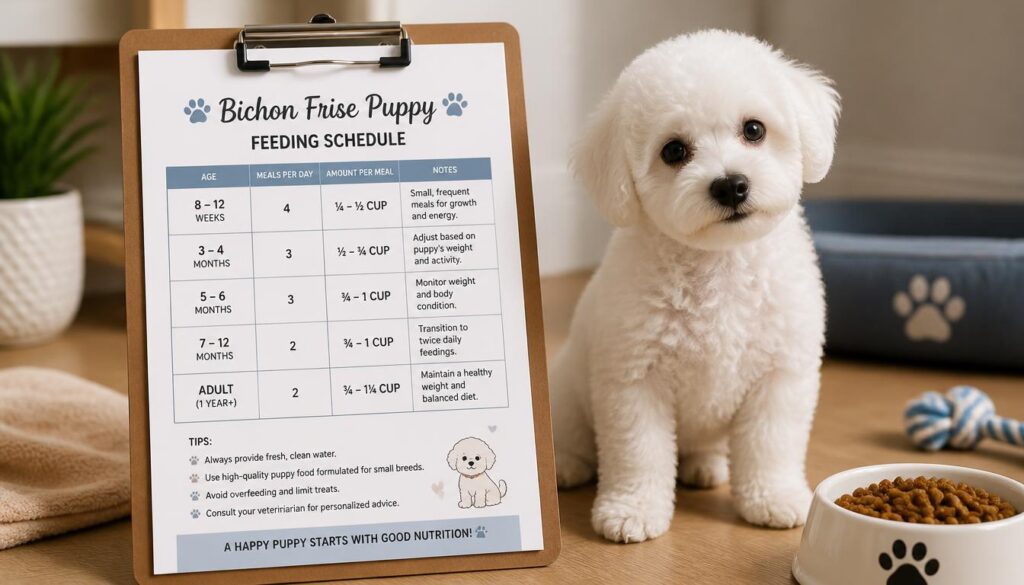
Because of their small size, puppies need regular meals throughout the day.
8–12 Weeks
| Age | Meals Per Day |
|---|---|
| 8–12 Weeks | 4 Meals |
3–6 Months
| Age | Meals Per Day |
|---|---|
| 3–6 Months | 3 Meals |
6–12 Months
| Age | Meals Per Day |
|---|---|
| 6–12 Months | 2–3 Meals |
Regular feeding helps maintain stable energy levels and supports healthy growth.
How Much Should a Bichon Frise Puppy Eat?
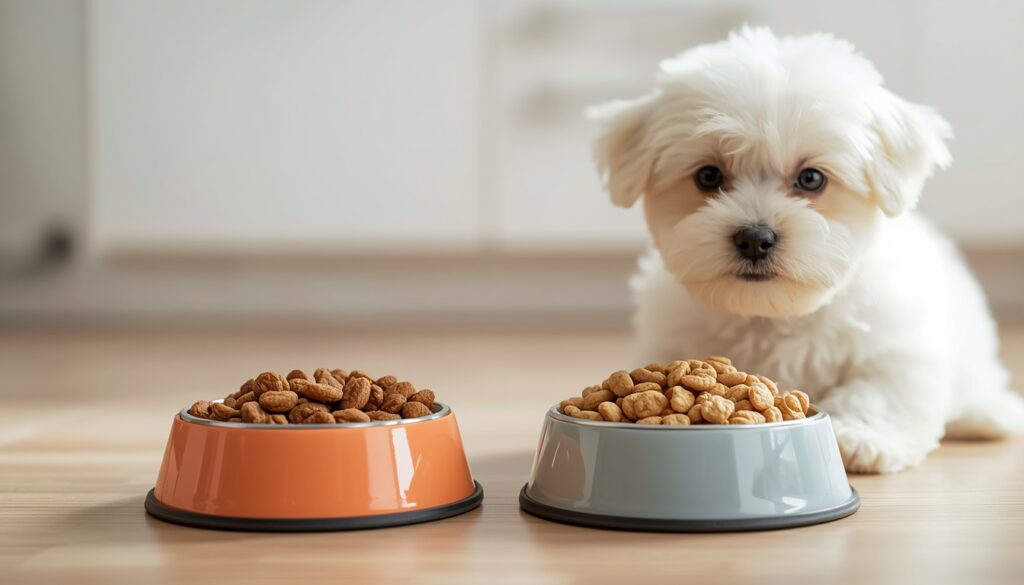
Food requirements vary depending on:
- Age
- Weight
- Activity level
- Food type
General Feeding Guide
| Puppy Weight | Daily Food Amount |
|---|---|
| 2–4 lbs | ½–1 cup |
| 4–8 lbs | 1–1½ cups |
| 8–12 lbs | 1½–2 cups |
Always follow the feeding instructions on your chosen puppy food and adjust as needed.
Common Health Concerns Related to Diet
Food Sensitivities
Some Bichon Frise puppies may develop sensitivities to certain ingredients.
Common triggers include:
- Artificial additives
- Corn
- Soy
- Low-quality fillers
Symptoms may include:
- Itchy skin
- Ear infections
- Digestive upset
Tear Staining
Bichon Frises are known for tear staining around the eyes.
While many factors contribute, high-quality nutrition may help support overall eye and skin health.
Obesity
Small breeds can gain weight quickly if overfed.
Prevent obesity by:
- Measuring portions
- Limiting treats
- Providing daily exercise
Foods to Avoid
Never feed your puppy:
- Chocolate
- Grapes
- Raisins
- Onions
- Garlic
- Xylitol
- Alcohol
- Caffeine
- Macadamia nuts
These foods can be toxic to dogs.
Signs Your Puppy Is Thriving on Their Food
A healthy Bichon Frise puppy should have:
- Consistent growth
- Bright eyes
- Soft coat
- Good energy levels
- Healthy stools
- Strong appetite
These signs indicate the food is meeting your puppy’s nutritional needs.
Signs the Food May Not Be Suitable
Watch for:
- Chronic itching
- Frequent diarrhea
- Excessive gas
- Dull coat
- Poor appetite
- Slow growth
If symptoms continue, consult your veterinarian.
Transitioning to a New Food
Changing foods too quickly can upset your puppy’s stomach.
Recommended Transition Schedule
| Day | Old Food | New Food |
|---|---|---|
| 1–2 | 75% | 25% |
| 3–4 | 50% | 50% |
| 5–6 | 25% | 75% |
| 7+ | 0% | 100% |
Gradual transitions help minimize digestive issues.
Tips for Feeding a Bichon Frise Puppy
Use Small Portions
Small breeds benefit from measured meals rather than free feeding.
Maintain a Routine
Feed at consistent times each day.
Provide Fresh Water
Clean water should always be available.
Monitor Weight
Track growth regularly to ensure healthy development.
Choose Small-Breed Formulas
Small kibble is easier for tiny mouths to chew and digest.
Frequently Asked Questions
What is the best type of food for a Bichon Frise puppy?
A high-quality small-breed puppy food with real meat, healthy fats, DHA, and balanced minerals is usually the best choice.
Can Bichon Frise puppies eat wet food?
Yes. Wet food can be fed alone or mixed with dry kibble.
How often should a Bichon Frise puppy eat?
Young puppies generally need 3–4 meals per day, while older puppies can transition to 2–3 meals.
Is grain-free food necessary?
Not necessarily. Many Bichon Frise puppies do well with foods containing quality grains.
When should I switch to adult food?
Most Bichon Frises transition to adult food around 10–12 months of age, depending on growth and veterinary guidance.
Final Thoughts
Finding the best food for a Bichon Frise puppy is one of the most important decisions you’ll make as a pet parent. A balanced diet rich in high-quality protein, healthy fats, DHA, vitamins, and minerals supports healthy growth, brain development, and a beautiful coat.
Choose a reputable small-breed puppy formula, feed consistent portions, and monitor your puppy’s progress as they grow. Combined with regular veterinary care and plenty of love, proper nutrition will help your Bichon Frise puppy develop into a healthy, energetic, and happy adult dog.
Also Read:
- What Is the Best Dog Food for Chihuahuas? Complete Nutrition Guide
- What Is the Best Dog Food for a Pitbull? Complete Nutrition Guide
1 thought on “Best Food for Bichon Frise Puppy: Complete Nutrition Guide for Healthy Growth”