OURPETTAILS

Puppy Feeding Calculator by Weight: How Much Should You Feed Your Puppy?
Puppy Feeding Calculator by Weight

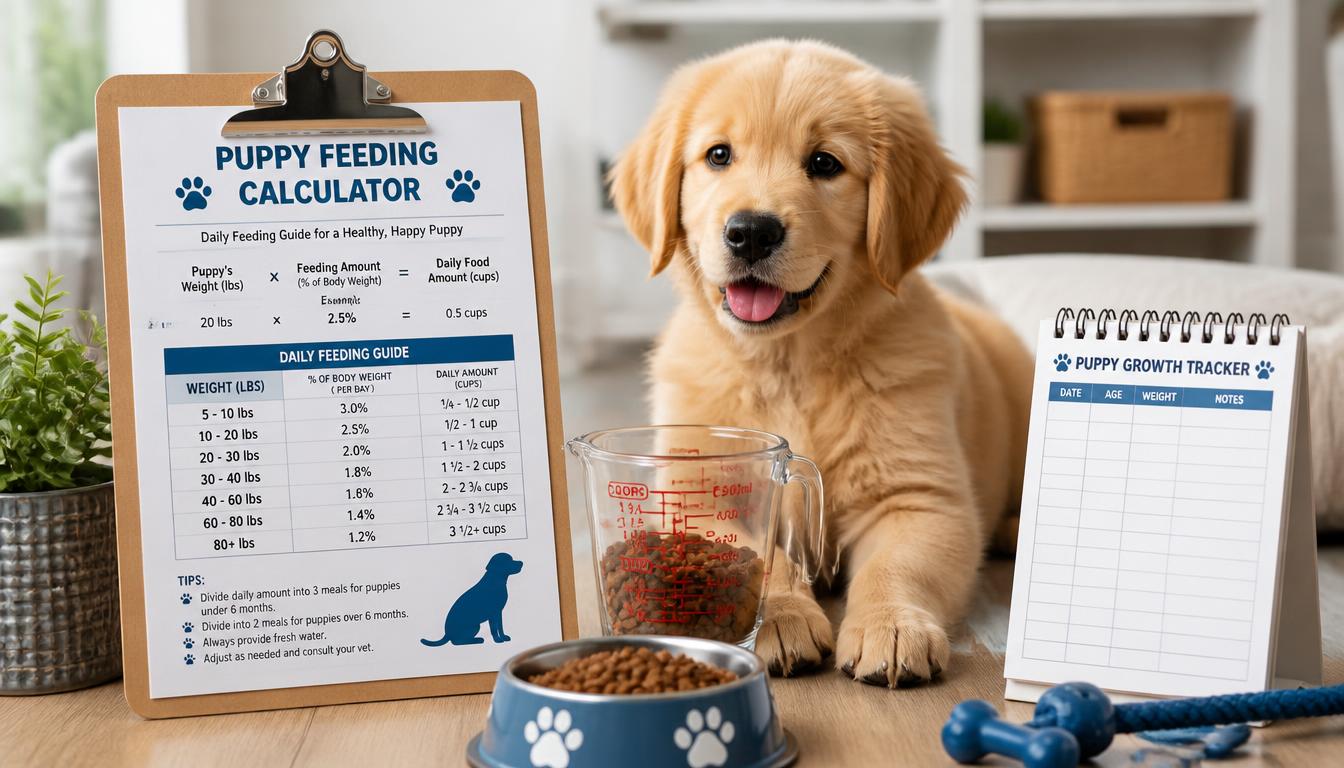
Feeding a puppy the right amount is essential for healthy growth, strong bones, muscle development, and overall well-being. While every puppy is unique, a puppy feeding calculator by weight can help estimate how much food your puppy needs each day based on its current weight, age, activity level, and the calorie content of the food. This guide explains how to calculate puppy food portions, provides feeding charts by weight, and offers practical tips to keep your growing pup healthy. Why Use a Puppy Feeding Calculator? Puppies grow rapidly during their first year and require more calories per pound than adult dogs. A feeding calculator helps: Factors That Affect How Much a Puppy Should Eat Before using a feeding calculator, consider: Puppy Weight Heavier puppies generally need more food than lighter puppies. Age Young puppies require more meals and calories than older puppies. Breed Size Activity Level Highly active puppies burn more calories. Food Type Wet food, dry food, homemade meals, and raw diets all contain different calorie levels. Puppy Feeding Calculator Formula A simplified daily feeding estimate: Small Breed Puppies (Under 10 kg Adult Weight) Current Weight Daily Food Amount 1 kg ¼ – ½ cup 2 kg ½ – ¾ cup 3 kg ¾ – 1 cup 4 kg 1 – 1¼ cups 5 kg 1¼ – 1½ cups Medium Breed Puppies (10–25 kg Adult Weight) Current Weight Daily Food Amount 5 kg 1 – 1½ cups 7 kg 1½ – 2 cups 10 kg 2 – 2½ cups 12 kg 2½ – 3 cups 15 kg 3 – 3½ cups Large Breed Puppies (25+ kg Adult Weight) Current Weight Daily Food Amount 10 kg 2½ – 3 cups 15 kg 3 – 4 cups 20 kg 4 – 5 cups 25 kg 5 – 6 cups 30 kg 6 – 7 cups These are general estimates and should be adjusted based on your puppy food’s calorie content. Puppy Feeding Schedule by Age 8–12 Weeks Feed 4 meals daily Time Meal 7:00 AM Breakfast 11:00 AM Meal 3:00 PM Meal 7:00 PM Dinner 3–6 Months Feed 3 meals daily Time Meal 7:00 AM Breakfast 1:00 PM Lunch 7:00 PM Dinner 6–12 Months Feed 2 meals daily Time Meal 7:00 AM Breakfast 6:00 PM Dinner Quick Puppy Feeding Calculator Chart Puppy Weight Approximate Daily Food 1 kg ¼ – ½ cup 2 kg ½ – ¾ cup 3 kg ¾ – 1 cup 5 kg 1 – 1½ cups 7 kg 1½ – 2 cups 10 kg 2 – 2½ cups 15 kg 3 – 3½ cups 20 kg 4 – 5 cups 25 kg 5 – 6 cups 30 kg 6 – 7 cups Example Calculation Puppy Details Estimated daily requirement: 2 to 2.5 cups of puppy food per day Split into: Signs You’re Feeding the Right Amount Healthy indicators include: Signs of Overfeeding Watch for: Signs of Underfeeding Watch for: Puppy Weight Tracking Sheet Month Weight 2 Months _____ 3 Months _____ 4 Months _____ 5 Months _____ 6 Months _____ 7 Months _____ 8 Months _____ 9 Months _____ 10 Months _____ 11 Months _____ 12 Months _____ Tracking growth helps you adjust food portions as needed. Printable Puppy Feeding Calculator Template Puppy Information Name: ___________________ Breed: ___________________ Age: ___________________ Current Weight: ___________________ Daily Feeding Log Meal Portion Completed Breakfast ______ □ Lunch ______ □ Dinner ______ □ Water Intake □ Fresh Water Refilled Treats Given Notes Common Puppy Feeding Mistakes Feeding Too Many Treats Treats should make up less than 10% of daily calories. Switching Foods Too Quickly Gradually transition over 7–10 days. Free Feeding Scheduled meals help monitor appetite and growth. Ignoring Weight Changes Weigh your puppy regularly. Frequently Asked Questions How much food should a puppy eat per kilogram? Most puppies eat approximately 30–55 grams of dry food per kilogram of body weight daily, depending on age and breed. How many times a day should a puppy eat? Can I use an adult dog food calculator? No. Puppies have different nutritional and calorie requirements. When should I switch to adult food? Most breeds transition between 10 and 18 months, depending on size and growth rate. Final Thoughts A puppy feeding calculator by weight is one of the easiest ways to ensure your puppy receives the right amount of nutrition for healthy growth. By monitoring weight, adjusting portions as your puppy develops, and maintaining a consistent feeding schedule, you can support strong bones, healthy muscles, and lifelong wellness. Remember that feeding charts are only guidelines. Your puppy’s ideal food intake depends on breed, activity level, metabolism, and the specific food you choose. Regular veterinary checkups and weight monitoring will help you fine-tune your puppy’s diet as they grow. Also Read:
Best Dog Food for Norwegian Elkhound Puppies: Complete Nutrition Guide

Best Dog Food for Norwegian Elkhound Puppies

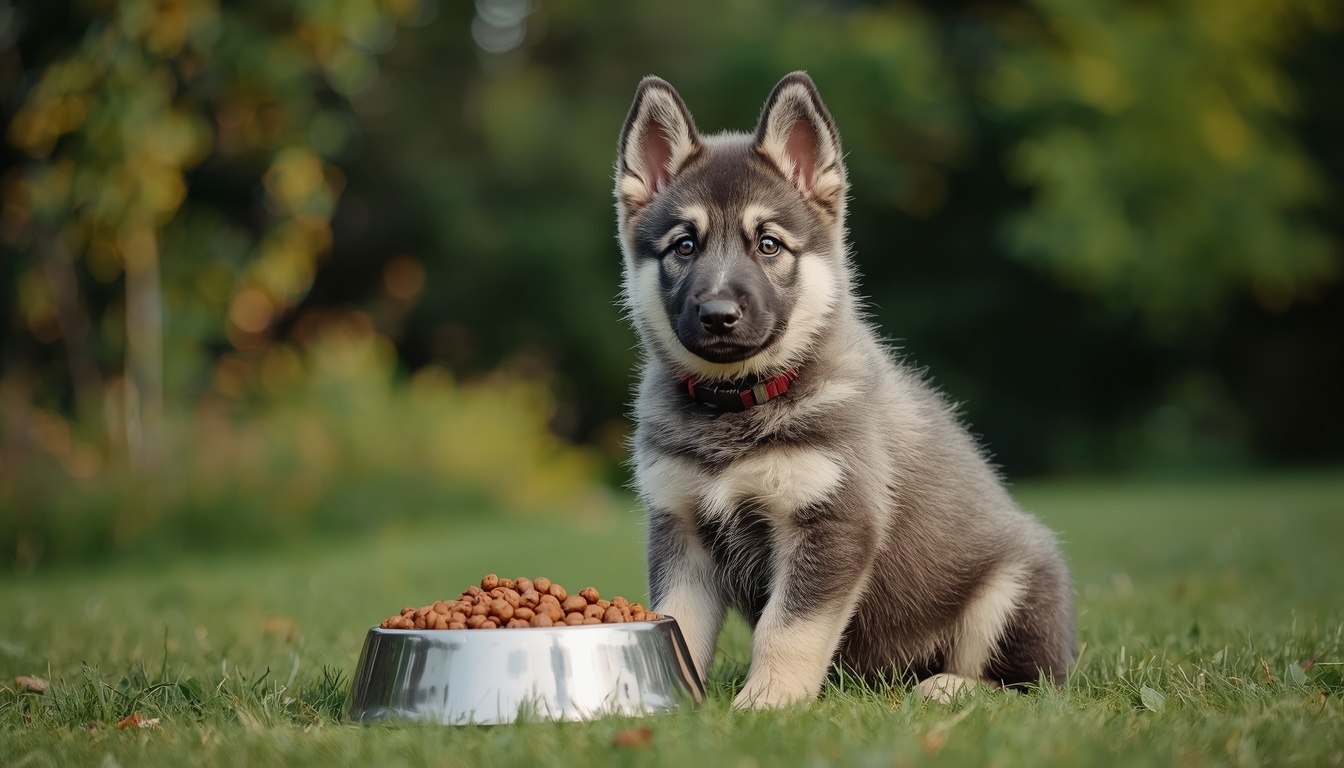
Bringing home a Norwegian Elkhound puppy is an exciting experience. Known for their wolf-like appearance, intelligence, loyalty, and energetic nature, Norwegian Elkhounds are a beloved breed among dog enthusiasts. However, raising a healthy Elkhound starts with one of the most important decisions you’ll make as a pet owner: choosing the best dog food for Norwegian Elkhound puppies. Puppies experience rapid growth during their first year of life, and proper nutrition plays a crucial role in supporting healthy bones, strong muscles, brain development, immune function, and overall well-being. Feeding the wrong food or providing an unbalanced diet can affect growth and long-term health. This comprehensive guide covers everything you need to know about feeding a Norwegian Elkhound puppy, including nutritional requirements, feeding schedules, ingredients to look for, common health concerns, and tips for choosing the best puppy food. Understanding the Norwegian Elkhound Breed The Norwegian Elkhound is an ancient Spitz-type breed originally developed in Norway for hunting large game such as moose and elk. Breed characteristics include: Because Norwegian Elkhounds are naturally athletic and energetic, their nutritional needs differ from those of more sedentary breeds. Why Puppy Nutrition Matters The first year of life is a critical period for development. Proper nutrition supports: A balanced puppy diet helps build the foundation for a healthy adult dog. Nutritional Requirements of Norwegian Elkhound Puppies High-Quality Protein Protein is the most important nutrient for growing puppies. Benefits include: Excellent protein sources include: Look for puppy foods where real animal protein is listed as the first ingredient. Healthy Fats Fats provide concentrated energy and support development. Benefits include: Healthy fat sources include: Growing puppies require higher fat levels than most adult dogs. DHA for Brain Development DHA (Docosahexaenoic Acid) is an omega-3 fatty acid that supports: Many premium puppy foods include DHA from fish oil sources. Calcium and Phosphorus These minerals are essential for: Balanced levels are particularly important during puppyhood. Digestible Carbohydrates Healthy carbohydrate sources provide energy for active puppies. Examples include: These ingredients also contribute fiber for digestive health. Vitamins and Minerals A complete puppy food should provide: These nutrients support overall development and immunity. Common Health Considerations for Norwegian Elkhound Puppies Understanding breed-specific concerns can help guide food choices. Hip Dysplasia Like many medium-sized breeds, Norwegian Elkhounds can be prone to hip issues. Supporting healthy growth rates is important. Obesity Elkhounds love food and can gain weight easily. Avoid excessive calorie intake and monitor body condition. Joint Health Because they are active dogs, proper nutrition helps support long-term joint health. Skin and Coat Health The breed’s thick double coat benefits from omega fatty acids and quality protein. What to Look for in the Best Dog Food for Norwegian Elkhound Puppies Real Animal Protein Prioritize foods containing: as primary ingredients. Puppy-Specific Formula Choose foods formulated specifically for puppies. These provide: DHA Content Look for fish oil or DHA supplementation. Digestible Ingredients Highly digestible foods improve nutrient absorption. No Excessive Fillers Avoid foods overloaded with: Best Ingredients for Norwegian Elkhound Puppies Chicken Provides: Salmon Offers: Sweet Potatoes Provide: Pumpkin Supports healthy digestion. Fish Oil Promotes: Oats Offer gentle, digestible carbohydrates. Ingredients to Avoid Avoid foods containing excessive amounts of: Higher-quality ingredients generally support better growth and health. Dry Food vs Wet Food for Norwegian Elkhound Puppies Dry Food Benefits Wet Food Benefits Mixed Feeding Many owners combine both options to provide variety and hydration. Grain-Free vs Grain-Inclusive Puppy Food Grain-Free Diets Typically contain: May be suitable for puppies with specific sensitivities. Grain-Inclusive Diets Provide: Most healthy Norwegian Elkhound puppies do well with quality grain-inclusive foods. Feeding Schedule for Norwegian Elkhound Puppies 8–12 Weeks Old Feed: Example Schedule: 3–6 Months Old Feed: Example Schedule: 6–12 Months Old Feed: Example Schedule: Consistency helps establish healthy feeding habits. How Much Should a Norwegian Elkhound Puppy Eat? Food requirements vary based on: General Feeding Guide Age Daily Amount 8–12 weeks 1–2 cups 3–6 months 2–3 cups 6–12 months 3–4 cups Always follow feeding guidelines provided by the manufacturer and adjust as needed. Sample Daily Feeding Plan Morning Midday Evening Avoid overfeeding between meals. Training Treats and Snacks Treats can be useful during training. Choose: Treats should represent only a small percentage of daily calories. Signs Your Puppy Is Eating the Right Food Healthy indicators include: These signs suggest nutritional needs are being met. Signs the Diet Needs Adjustment Watch for: Consult your veterinarian if these symptoms occur. Homemade Food for Norwegian Elkhound Puppies Some owners prefer homemade diets. Common ingredients include: Homemade meals should be carefully balanced to meet puppy nutritional requirements. Transitioning to a New Puppy Food Switch foods gradually. Transition Schedule Day Old Food New Food 1–2 75% 25% 3–4 50% 50% 5–6 25% 75% 7+ 0% 100% Gradual transitions help prevent digestive upset. Frequently Asked Questions What is the best dog food for Norwegian Elkhound puppies? The best puppy food contains high-quality protein, DHA, healthy fats, balanced minerals, and complete nutrition formulated specifically for growing puppies. Do Norwegian Elkhound puppies need high-protein food? Yes. Protein supports muscle growth, tissue development, and overall health during puppyhood. How often should I feed my Norwegian Elkhound puppy? Young puppies generally require four meals daily, gradually reducing to two meals as they mature. Is grain-free food better? Not necessarily. Many puppies thrive on grain-inclusive diets unless they have specific sensitivities. Can Norwegian Elkhound puppies eat homemade food? Yes, but homemade diets must be nutritionally balanced to support healthy growth. Best Feeding Practices for Norwegian Elkhound Puppies To help your puppy thrive: These practices support healthy development and long-term wellness. Final Thoughts Choosing the best dog food for Norwegian Elkhound puppies is one of the most important steps in raising a healthy, happy companion. These intelligent and energetic dogs require nutrient-rich diets that support growth, muscle development, brain function, and overall well-being. Focus on high-quality protein sources, healthy fats, DHA, balanced minerals, and digestible ingredients. Combined with proper exercise, training, and veterinary care, the right nutrition helps your Norwegian Elkhound puppy develop into a strong, active, and thriving adult … Read more

Best Homemade Food for Shih Tzu Puppy: A Complete Nutrition Guide

Best Homemade Food for Shih Tzu Puppy

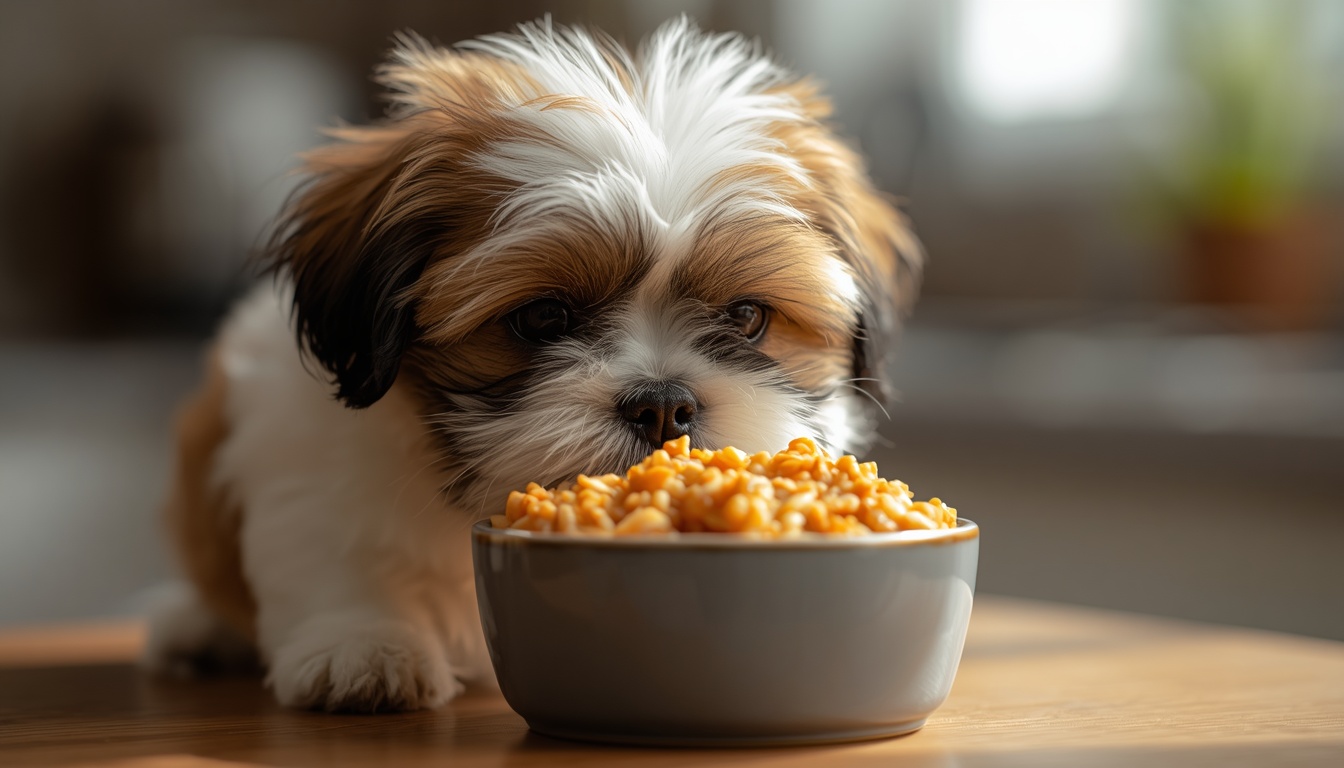
Shih Tzu puppies are adorable, affectionate, and full of energy. Their small size, fast growth, and unique nutritional needs make proper feeding extremely important during the first year of life. Many pet owners prefer homemade meals because they want greater control over ingredient quality and nutrition. If you’re wondering about the best homemade food for Shih Tzu puppy, the key is creating balanced meals that provide protein, healthy fats, vitamins, minerals, and digestible carbohydrates. Homemade food can be a healthy option when prepared correctly. It allows you to avoid unnecessary fillers, artificial preservatives, and low-quality ingredients often found in some commercial foods. However, a homemade diet should always be balanced to support healthy growth and development. In this guide, you’ll learn the best homemade foods for Shih Tzu puppies, essential nutrients, feeding schedules, recipes, foods to avoid, and expert tips for raising a healthy puppy. Why Choose Homemade Food for a Shih Tzu Puppy? Many dog owners switch to homemade meals for several reasons. Benefits include: Homemade food can be particularly beneficial for picky eaters and puppies with mild food sensitivities. Nutritional Requirements of a Shih Tzu Puppy A growing Shih Tzu puppy requires balanced nutrition to support: Every homemade meal should contain the right balance of nutrients. Protein Protein is the most important nutrient for growing puppies. Excellent protein sources include: Protein helps build: Aim for high-quality animal protein in every meal. Healthy Fats Healthy fats provide energy and support brain development. Good sources include: Benefits include: Carbohydrates Carbohydrates provide energy and fiber. Healthy options include: Avoid excessive refined carbohydrates. Vegetables Vegetables provide vitamins, minerals, and antioxidants. Safe choices include: Cook vegetables thoroughly for easier digestion. Calcium Growing puppies need adequate calcium for strong bones and teeth. Sources may include: Consult your veterinarian before supplementing calcium. Best Homemade Food Ingredients for Shih Tzu Puppies Chicken and Rice One of the most popular homemade meals. Ingredients: Benefits: Turkey and Sweet Potato A nutritious alternative. Ingredients: Benefits: Egg and Oatmeal Eggs provide high-quality protein and nutrients. Ingredients: Benefits: Fish and Vegetables Fish provides omega-3 fatty acids. Ingredients: Benefits: Homemade Shih Tzu Puppy Recipe #1 Chicken Growth Meal Ingredients: Instructions: This recipe provides a balanced combination of protein and carbohydrates. Homemade Shih Tzu Puppy Recipe #2 Turkey and Sweet Potato Bowl Ingredients: Instructions: This meal is rich in nutrients and highly palatable. Homemade Shih Tzu Puppy Recipe #3 Salmon and Pumpkin Mix Ingredients: Instructions: This recipe supports skin and coat health. Feeding Schedule for Shih Tzu Puppies Because of their small size, Shih Tzu puppies need frequent meals. 8–12 Weeks Age Meals Per Day 8–12 Weeks 4 Meals 3–6 Months Age Meals Per Day 3–6 Months 3 Meals 6–12 Months Age Meals Per Day 6–12 Months 2–3 Meals Regular feeding helps maintain energy levels and supports healthy growth. How Much Homemade Food Should a Shih Tzu Puppy Eat? Portion sizes depend on: General Guide Weight Daily Homemade Food 2–4 lbs ½–1 cup 4–8 lbs 1–1½ cups 8–12 lbs 1½–2 cups Divide daily food into multiple meals. Foods to Avoid Some foods are dangerous for puppies. Never feed: These foods can cause serious health problems. Common Homemade Feeding Mistakes Feeding Only Meat Puppies need more than protein. A balanced diet also includes: Overfeeding Excess calories can lead to obesity. Always monitor body condition. Lack of Calcium Growing puppies require balanced calcium levels for proper bone development. Excess Treats Treats should make up only a small portion of daily calories. Signs Your Puppy Is Thriving A healthy Shih Tzu puppy should have: Signs the Diet May Need Adjustment Watch for: Consult your veterinarian if these symptoms occur. Homemade vs Commercial Puppy Food Homemade Food Commercial Food Fresh ingredients Convenient Ingredient control Nutritionally balanced No artificial additives Easy storage Requires preparation Consistent nutrition Many owners combine homemade meals with high-quality puppy food for balance and convenience. Tips for Success With Homemade Feeding Use Fresh Ingredients Choose high-quality proteins and vegetables. Avoid Seasonings Do not add: Cook Thoroughly Always cook meat properly before serving. Introduce New Foods Gradually Slow transitions help prevent digestive upset. Provide Fresh Water Clean water should always be available. Frequently Asked Questions Is homemade food good for Shih Tzu puppies? Yes, homemade food can be healthy when properly balanced and prepared with high-quality ingredients. Can Shih Tzu puppies eat chicken daily? Chicken can be part of a balanced diet if combined with other nutrients and ingredients. How many times should a Shih Tzu puppy eat? Young puppies generally need 3–4 meals daily, depending on age. Can I feed eggs to my Shih Tzu puppy? Yes, cooked eggs are an excellent source of protein and nutrients. Is rice good for Shih Tzu puppies? Yes, cooked rice is easy to digest and provides energy when fed in moderation. Final Thoughts The best homemade food for a Shih Tzu puppy includes high-quality protein, healthy fats, digestible carbohydrates, and nutrient-rich vegetables. Meals such as chicken and rice, turkey and sweet potato, or salmon and pumpkin can provide excellent nutrition when properly balanced. Homemade feeding allows you to control ingredient quality and customize meals for your puppy’s needs. By following proper feeding guidelines, providing balanced nutrition, and monitoring your puppy’s growth, you can help your Shih Tzu develop into a healthy, energetic, and happy adult dog. Also Read:

Best Food for Bichon Frise Puppy: Complete Nutrition Guide for Healthy Growth

Best Food for Bichon Frise Puppy

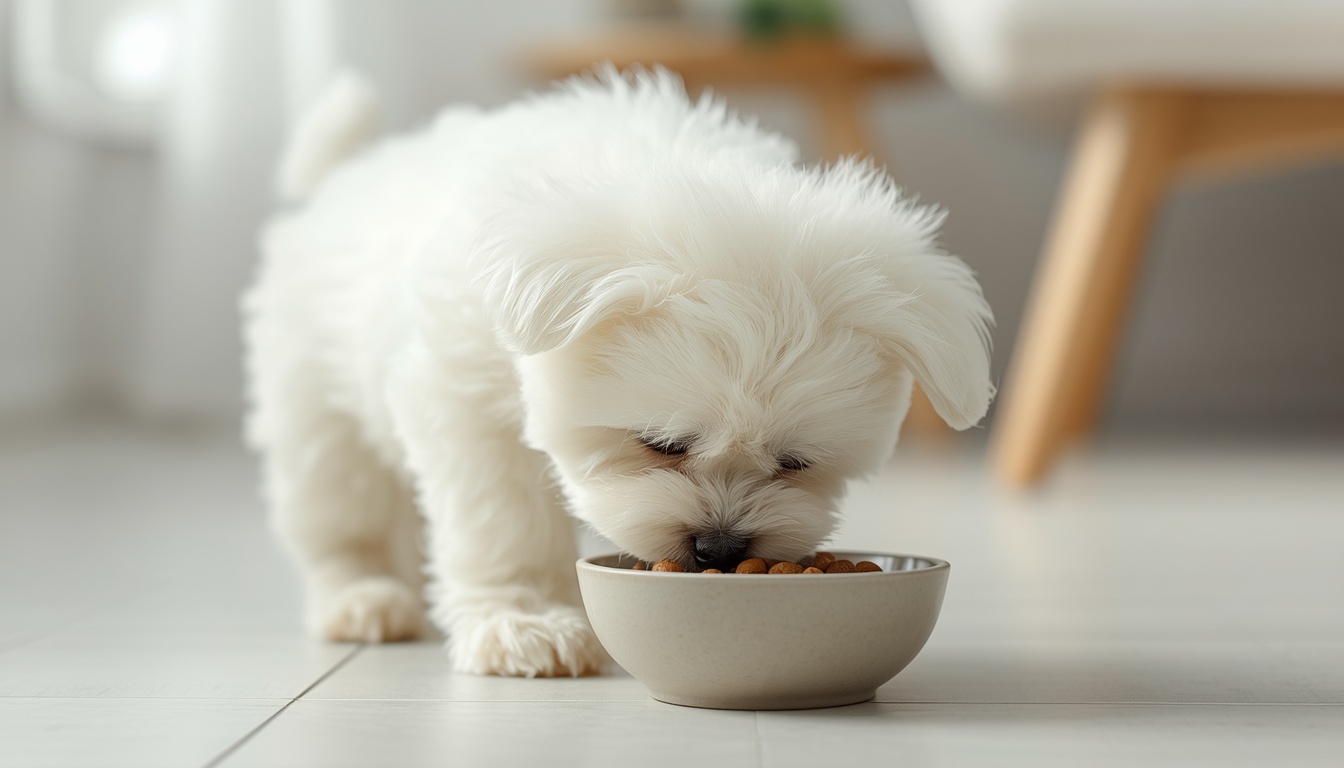
A Bichon Frise puppy is a bundle of energy, curiosity, and charm. Known for their fluffy white coats and cheerful personalities, these small dogs require proper nutrition during their early months to support healthy growth, strong bones, brain development, and a beautiful coat. If you’re searching for the best food for Bichon Frise puppy, understanding their unique nutritional needs is the first step toward raising a healthy and happy companion. Bichon Frise puppies grow rapidly during their first year and need a balanced diet rich in high-quality protein, healthy fats, vitamins, and minerals. Choosing the right puppy food can help prevent nutritional deficiencies, support immune health, and establish healthy eating habits that last a lifetime. Why Nutrition Matters for Bichon Frise Puppies? During puppyhood, your Bichon Frise develops: A nutrient-rich diet provides the building blocks needed for proper development. Feeding poor-quality food can affect growth, digestion, energy levels, and overall health. Nutritional Requirements for a Bichon Frise Puppy High-Quality Protein Protein is the most important nutrient for growing puppies. Excellent protein sources include: Benefits of protein: Look for puppy food that lists real meat as the first ingredient. Healthy Fats Healthy fats are essential for brain development and energy. Good fat sources include: Healthy fats support: DHA for Brain Development DHA (Docosahexaenoic Acid) is an omega-3 fatty acid that supports: Many premium puppy foods include DHA from fish oil. Calcium and Phosphorus These minerals help support: Balanced levels are important because excessive calcium can also cause growth issues. Digestible Carbohydrates Carbohydrates provide energy and digestive support. Healthy options include: Avoid foods loaded with low-quality fillers. What to Look for in the Best Bichon Frise Puppy Food When comparing puppy foods, prioritize products that offer: Small-breed formulas are usually better suited to the tiny mouths of Bichon Frise puppies. Dry Food for Bichon Frise Puppies Dry kibble is one of the most popular feeding options. Benefits Choose kibble specifically designed for small-breed puppies. Wet Food for Bichon Frise Puppies Wet food can be a great option, especially for picky eaters. Benefits Many owners combine wet and dry food for variety and balanced nutrition. Mixed Feeding Approach Combining wet and dry food offers several advantages. Benefits include: Many Bichon Frise owners find mixed feeding works very well. Feeding Schedule for Bichon Frise Puppies Because of their small size, puppies need regular meals throughout the day. 8–12 Weeks Age Meals Per Day 8–12 Weeks 4 Meals 3–6 Months Age Meals Per Day 3–6 Months 3 Meals 6–12 Months Age Meals Per Day 6–12 Months 2–3 Meals Regular feeding helps maintain stable energy levels and supports healthy growth. How Much Should a Bichon Frise Puppy Eat? Food requirements vary depending on: General Feeding Guide Puppy Weight Daily Food Amount 2–4 lbs ½–1 cup 4–8 lbs 1–1½ cups 8–12 lbs 1½–2 cups Always follow the feeding instructions on your chosen puppy food and adjust as needed. Common Health Concerns Related to Diet Food Sensitivities Some Bichon Frise puppies may develop sensitivities to certain ingredients. Common triggers include: Symptoms may include: Tear Staining Bichon Frises are known for tear staining around the eyes. While many factors contribute, high-quality nutrition may help support overall eye and skin health. Obesity Small breeds can gain weight quickly if overfed. Prevent obesity by: Foods to Avoid Never feed your puppy: These foods can be toxic to dogs. Signs Your Puppy Is Thriving on Their Food A healthy Bichon Frise puppy should have: These signs indicate the food is meeting your puppy’s nutritional needs. Signs the Food May Not Be Suitable Watch for: If symptoms continue, consult your veterinarian. Transitioning to a New Food Changing foods too quickly can upset your puppy’s stomach. Recommended Transition Schedule Day Old Food New Food 1–2 75% 25% 3–4 50% 50% 5–6 25% 75% 7+ 0% 100% Gradual transitions help minimize digestive issues. Tips for Feeding a Bichon Frise Puppy Use Small Portions Small breeds benefit from measured meals rather than free feeding. Maintain a Routine Feed at consistent times each day. Provide Fresh Water Clean water should always be available. Monitor Weight Track growth regularly to ensure healthy development. Choose Small-Breed Formulas Small kibble is easier for tiny mouths to chew and digest. Frequently Asked Questions What is the best type of food for a Bichon Frise puppy? A high-quality small-breed puppy food with real meat, healthy fats, DHA, and balanced minerals is usually the best choice. Can Bichon Frise puppies eat wet food? Yes. Wet food can be fed alone or mixed with dry kibble. How often should a Bichon Frise puppy eat? Young puppies generally need 3–4 meals per day, while older puppies can transition to 2–3 meals. Is grain-free food necessary? Not necessarily. Many Bichon Frise puppies do well with foods containing quality grains. When should I switch to adult food? Most Bichon Frises transition to adult food around 10–12 months of age, depending on growth and veterinary guidance. Final Thoughts Finding the best food for a Bichon Frise puppy is one of the most important decisions you’ll make as a pet parent. A balanced diet rich in high-quality protein, healthy fats, DHA, vitamins, and minerals supports healthy growth, brain development, and a beautiful coat. Choose a reputable small-breed puppy formula, feed consistent portions, and monitor your puppy’s progress as they grow. Combined with regular veterinary care and plenty of love, proper nutrition will help your Bichon Frise puppy develop into a healthy, energetic, and happy adult dog. Also Read: