Best Dog Food for Norwegian Elkhound Puppies: Complete Nutrition Guide
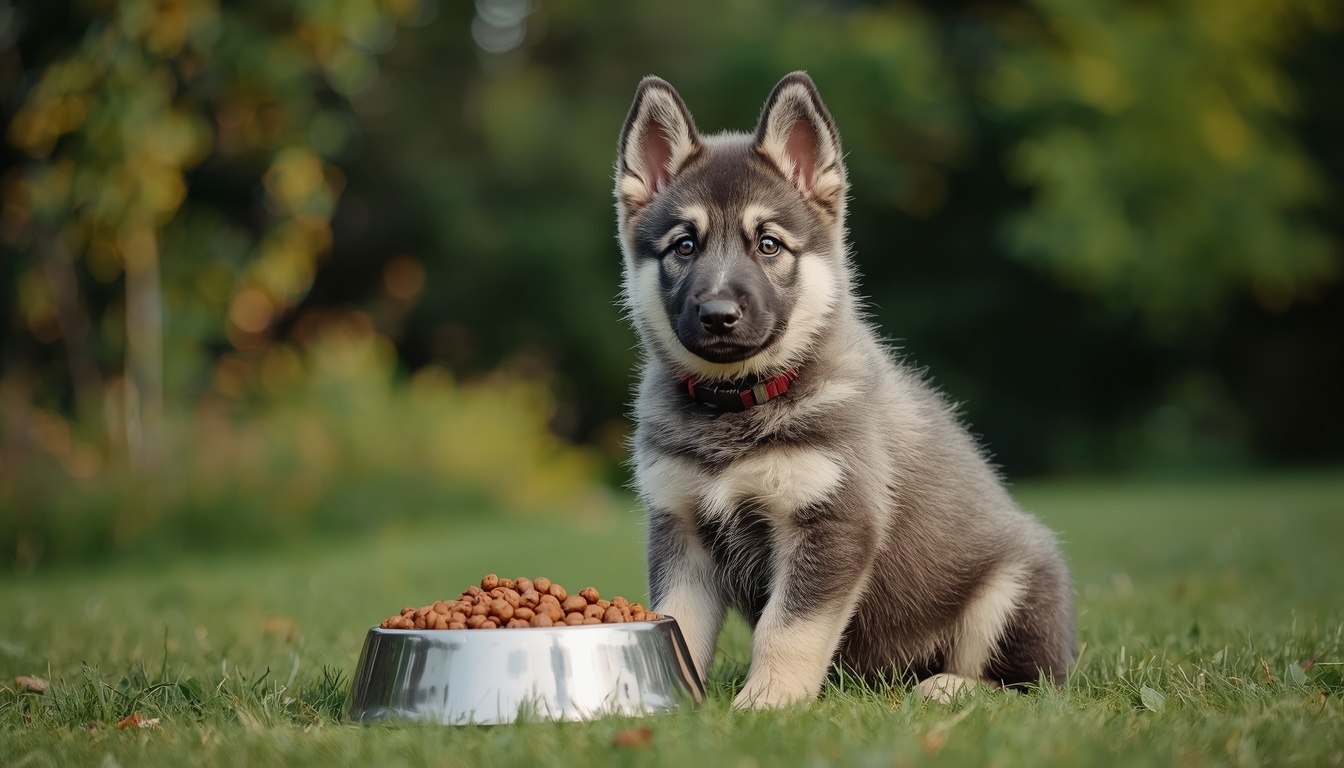
Bringing home a Norwegian Elkhound puppy is an exciting experience. Known for their wolf-like appearance, intelligence, loyalty, and energetic nature, Norwegian Elkhounds are a beloved breed among dog enthusiasts. However, raising a healthy Elkhound starts with one of the most important decisions you’ll make as a pet owner: choosing the best dog food for Norwegian Elkhound puppies. Puppies experience rapid growth during their first year of life, and proper nutrition plays a crucial role in supporting healthy bones, strong muscles, brain development, immune function, and overall well-being. Feeding the wrong food or providing an unbalanced diet can affect growth and long-term health. This comprehensive guide covers everything you need to know about feeding a Norwegian Elkhound puppy, including nutritional requirements, feeding schedules, ingredients to look for, common health concerns, and tips for choosing the best puppy food. Understanding the Norwegian Elkhound Breed The Norwegian Elkhound is an ancient Spitz-type breed originally developed in Norway for hunting large game such as moose and elk. Breed characteristics include: Because Norwegian Elkhounds are naturally athletic and energetic, their nutritional needs differ from those of more sedentary breeds. Why Puppy Nutrition Matters The first year of life is a critical period for development. Proper nutrition supports: A balanced puppy diet helps build the foundation for a healthy adult dog. Nutritional Requirements of Norwegian Elkhound Puppies High-Quality Protein Protein is the most important nutrient for growing puppies. Benefits include: Excellent protein sources include: Look for puppy foods where real animal protein is listed as the first ingredient. Healthy Fats Fats provide concentrated energy and support development. Benefits include: Healthy fat sources include: Growing puppies require higher fat levels than most adult dogs. DHA for Brain Development DHA (Docosahexaenoic Acid) is an omega-3 fatty acid that supports: Many premium puppy foods include DHA from fish oil sources. Calcium and Phosphorus These minerals are essential for: Balanced levels are particularly important during puppyhood. Digestible Carbohydrates Healthy carbohydrate sources provide energy for active puppies. Examples include: These ingredients also contribute fiber for digestive health. Vitamins and Minerals A complete puppy food should provide: These nutrients support overall development and immunity. Common Health Considerations for Norwegian Elkhound Puppies Understanding breed-specific concerns can help guide food choices. Hip Dysplasia Like many medium-sized breeds, Norwegian Elkhounds can be prone to hip issues. Supporting healthy growth rates is important. Obesity Elkhounds love food and can gain weight easily. Avoid excessive calorie intake and monitor body condition. Joint Health Because they are active dogs, proper nutrition helps support long-term joint health. Skin and Coat Health The breed’s thick double coat benefits from omega fatty acids and quality protein. What to Look for in the Best Dog Food for Norwegian Elkhound Puppies Real Animal Protein Prioritize foods containing: as primary ingredients. Puppy-Specific Formula Choose foods formulated specifically for puppies. These provide: DHA Content Look for fish oil or DHA supplementation. Digestible Ingredients Highly digestible foods improve nutrient absorption. No Excessive Fillers Avoid foods overloaded with: Best Ingredients for Norwegian Elkhound Puppies Chicken Provides: Salmon Offers: Sweet Potatoes Provide: Pumpkin Supports healthy digestion. Fish Oil Promotes: Oats Offer gentle, digestible carbohydrates. Ingredients to Avoid Avoid foods containing excessive amounts of: Higher-quality ingredients generally support better growth and health. Dry Food vs Wet Food for Norwegian Elkhound Puppies Dry Food Benefits Wet Food Benefits Mixed Feeding Many owners combine both options to provide variety and hydration. Grain-Free vs Grain-Inclusive Puppy Food Grain-Free Diets Typically contain: May be suitable for puppies with specific sensitivities. Grain-Inclusive Diets Provide: Most healthy Norwegian Elkhound puppies do well with quality grain-inclusive foods. Feeding Schedule for Norwegian Elkhound Puppies 8–12 Weeks Old Feed: Example Schedule: 3–6 Months Old Feed: Example Schedule: 6–12 Months Old Feed: Example Schedule: Consistency helps establish healthy feeding habits. How Much Should a Norwegian Elkhound Puppy Eat? Food requirements vary based on: General Feeding Guide Age Daily Amount 8–12 weeks 1–2 cups 3–6 months 2–3 cups 6–12 months 3–4 cups Always follow feeding guidelines provided by the manufacturer and adjust as needed. Sample Daily Feeding Plan Morning Midday Evening Avoid overfeeding between meals. Training Treats and Snacks Treats can be useful during training. Choose: Treats should represent only a small percentage of daily calories. Signs Your Puppy Is Eating the Right Food Healthy indicators include: These signs suggest nutritional needs are being met. Signs the Diet Needs Adjustment Watch for: Consult your veterinarian if these symptoms occur. Homemade Food for Norwegian Elkhound Puppies Some owners prefer homemade diets. Common ingredients include: Homemade meals should be carefully balanced to meet puppy nutritional requirements. Transitioning to a New Puppy Food Switch foods gradually. Transition Schedule Day Old Food New Food 1–2 75% 25% 3–4 50% 50% 5–6 25% 75% 7+ 0% 100% Gradual transitions help prevent digestive upset. Frequently Asked Questions What is the best dog food for Norwegian Elkhound puppies? The best puppy food contains high-quality protein, DHA, healthy fats, balanced minerals, and complete nutrition formulated specifically for growing puppies. Do Norwegian Elkhound puppies need high-protein food? Yes. Protein supports muscle growth, tissue development, and overall health during puppyhood. How often should I feed my Norwegian Elkhound puppy? Young puppies generally require four meals daily, gradually reducing to two meals as they mature. Is grain-free food better? Not necessarily. Many puppies thrive on grain-inclusive diets unless they have specific sensitivities. Can Norwegian Elkhound puppies eat homemade food? Yes, but homemade diets must be nutritionally balanced to support healthy growth. Best Feeding Practices for Norwegian Elkhound Puppies To help your puppy thrive: These practices support healthy development and long-term wellness. Final Thoughts Choosing the best dog food for Norwegian Elkhound puppies is one of the most important steps in raising a healthy, happy companion. These intelligent and energetic dogs require nutrient-rich diets that support growth, muscle development, brain function, and overall well-being. Focus on high-quality protein sources, healthy fats, DHA, balanced minerals, and digestible ingredients. Combined with proper exercise, training, and veterinary care, the right nutrition helps your Norwegian Elkhound puppy develop into a strong, active, and thriving adult … Read more