

Homemade Food for German Shepherd Puppy: A Complete Nutrition Guide
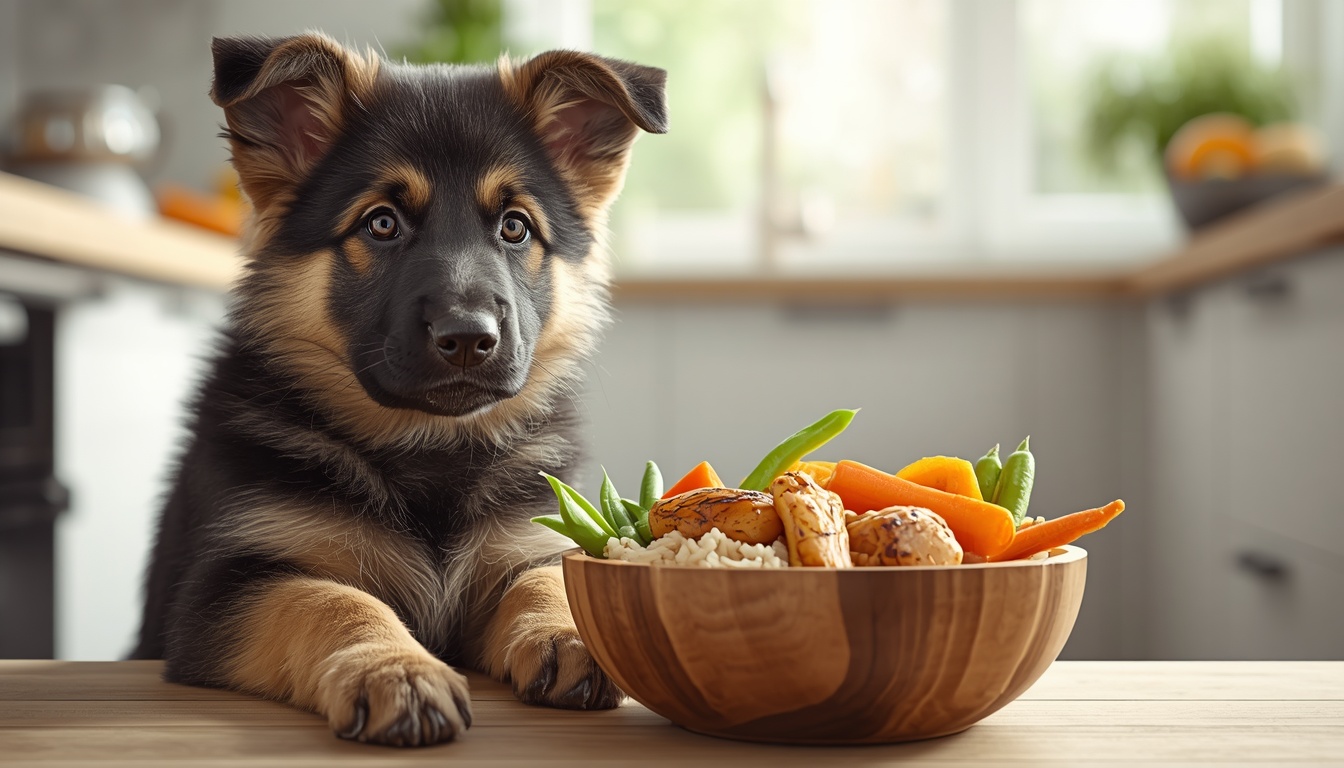
German Shepherd puppies are energetic, intelligent, and fast-growing dogs that require a nutrient-rich diet to support healthy bones, muscles, joints, and brain development. While many owners rely on commercial puppy food, preparing homemade food for a German Shepherd puppy allows you to control ingredient quality and provide fresh, wholesome meals tailored to your puppy’s needs. This comprehensive guide explains everything you need to know about homemade diets for German Shepherd puppies, including balanced meal plans, safe ingredients, feeding schedules, recipes, and nutritional requirements. Why Choose Homemade Food for a German Shepherd Puppy? A well-balanced homemade diet offers several benefits: However, homemade meals should always be nutritionally balanced to ensure your puppy receives all essential vitamins and minerals. Nutritional Requirements for German Shepherd Puppies German Shepherd puppies grow rapidly during their first year. Their diet should include the following nutrients. High-Quality Protein Protein supports muscle growth and tissue repair. Excellent protein sources include: Protein should make up around 25–30% of your puppy’s diet. Healthy Fats Healthy fats provide energy and support brain development. Good sources include: Omega-3 fatty acids also help reduce inflammation and promote healthy joints. Complex Carbohydrates Carbohydrates provide slow-releasing energy. Choose: Avoid excessive refined grains. Vegetables Vegetables provide fiber, antioxidants, vitamins, and minerals. Safe vegetables include: Calcium and Phosphorus Large-breed puppies need carefully balanced calcium and phosphorus for healthy bone growth. Never add calcium supplements without veterinary guidance. Best Homemade Food Recipes for German Shepherd Puppies Recipe 1: Chicken and Rice Meal Ingredients Instructions Mix all ingredients thoroughly and allow the meal to cool before serving. Recipe 2: Beef and Sweet Potato Recipe Ingredients Instructions Cook the beef completely, combine with mashed sweet potato and vegetables, then mix in olive oil before serving. Recipe 3: Turkey and Vegetable Mix Ingredients Instructions Cook the turkey thoroughly, steam the vegetables, combine with cooked rice, and mix everything together. Recipe 4: Fish and Oats Meal Ingredients Instructions Flake the salmon into small pieces, mix with cooked oats and vegetables, and serve once cooled. Homemade Food for German Shepherd Puppy by Age 2-Month-Old German Shepherd Puppy Feed: 3-Month-Old German Shepherd Puppy Feed: 4–6-Month-Old German Shepherd Puppy Feed: 6–12-Month-Old German Shepherd Puppy Feed: German Shepherd Puppy Feeding Schedule Age Meals Per Day 8–12 Weeks 4 3–6 Months 3–4 6–12 Months 2–3 Over 12 Months 2 Consistency is essential for healthy digestion. How Much Homemade Food Should a German Shepherd Puppy Eat? General guideline: Puppy Weight Daily Food 5 kg 350–450 g 10 kg 600–700 g 15 kg 800–900 g 20 kg 1–1.1 kg Adjust portions according to your puppy’s activity level, body condition, and growth. Foods to Avoid Never feed your puppy: Supplements for Homemade Diets Your veterinarian may recommend: Avoid giving supplements without professional advice, as excessive supplementation can be harmful. Signs Your German Shepherd Puppy Is Eating Well Healthy puppies usually have: Common Homemade Feeding Mistakes Avoid: A balanced and consistent diet is the key to healthy development. Tips for Preparing Homemade Puppy Food Homemade Food vs Commercial Puppy Food Homemade Food Pros Cons Commercial Puppy Food Pros Cons Many pet owners successfully combine homemade meals with high-quality commercial puppy food for variety and nutritional balance. Conclusion A carefully planned homemade food for German Shepherd puppy can provide excellent nutrition and support healthy growth. Focus on lean proteins, healthy fats, vegetables, and complex carbohydrates while maintaining proper nutrient balance. Whether you choose chicken, turkey, beef, or fish-based recipes, consistency and variety are key. Always monitor your puppy’s growth, adjust portions as needed, and consult your veterinarian before making significant dietary changes. A nutritious homemade diet today lays the foundation for a strong, healthy, active, and happy German Shepherd throughout its life. Frequently Asked Questions Can German Shepherd puppies eat homemade food every day? Yes. Homemade food can be fed daily as long as it is nutritionally complete and balanced for growing large-breed puppies. What is the best protein for a German Shepherd puppy? Chicken, turkey, lean beef, fish, and eggs are among the best protein sources for healthy growth. Can I feed rice to my German Shepherd puppy? Yes. Brown rice is an excellent source of digestible carbohydrates and provides sustained energy when served in appropriate portions. How many times should I feed a German Shepherd puppy? Puppies under three months usually need four meals daily. This gradually decreases to two meals per day as they reach adulthood. Is homemade food better than commercial puppy food? Both can be healthy options. Homemade food offers fresh ingredients and greater control, while high-quality commercial puppy food provides complete nutrition and convenience. Many owners choose a combination of both for the best results. Also Read:
