

The Ultimate Cat Collar Size Chart for a Snug Fit
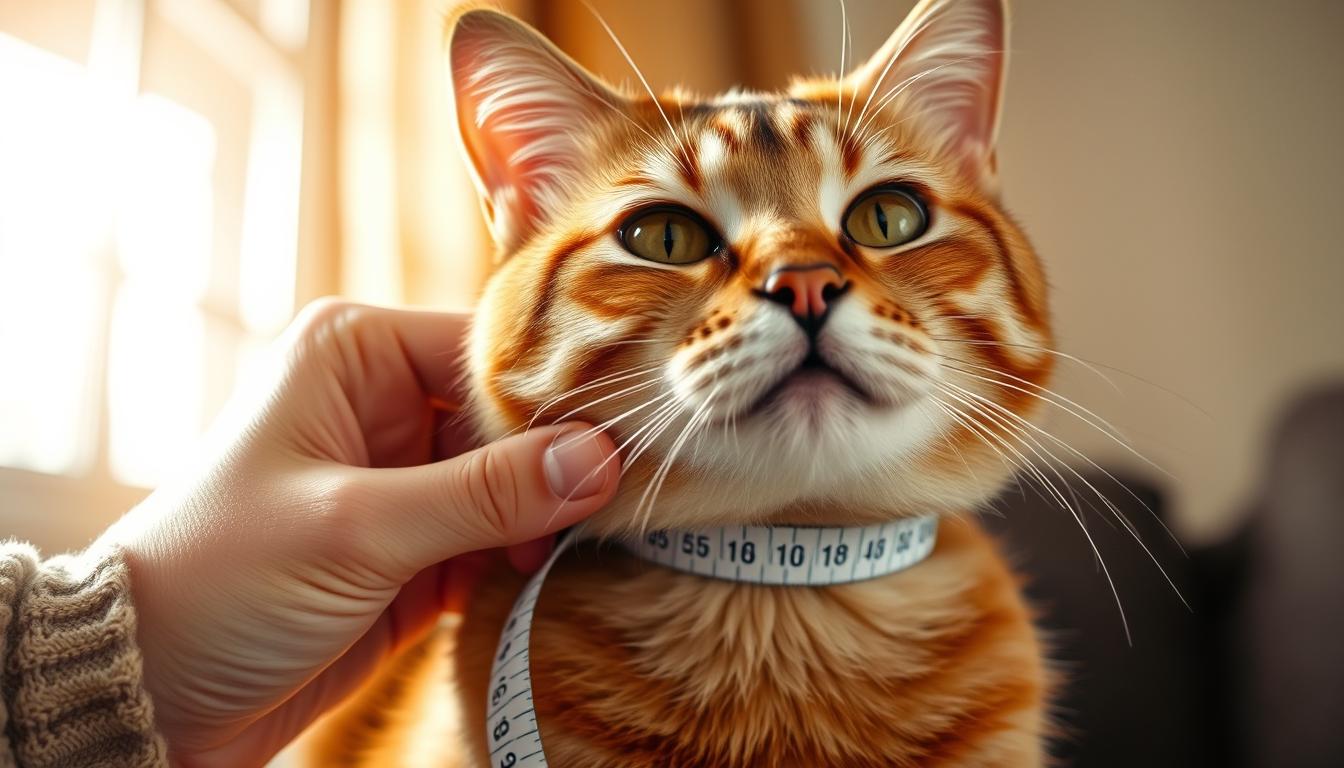
Finding the perfect cat collar is crucial for your feline friend’s comfort, safety, and style. At Susan Lanci Designs, we understand the importance of a well-fitting collar. A correctly sized cat collar ensures your pet’s daily activities are not hindered by discomfort or safety risks. To achieve a snug fit, it’s essential to measure your cat’s neck accurately. Our comprehensive guide will walk you through the process, explaining how to use our detailed cat collar size chart to find the ideal size for your cat. Whether you’re a first-time cat owner or looking to replace an existing collar, understanding the importance of proper size and fit is vital. Our guide covers essential safety considerations, including the two-finger rule and breakaway collar features. Key Takeaways Why the Right Cat Collar Size Matters A well-fitted cat collar is essential for your cat’s overall well-being. The perfect fit allows two fingers to pass through the collar, provides enough room for growth, and stays securely on your cat’s neck without choking them. Choosing the correct collar size is crucial for both safety and comfort. Let’s explore the implications of improper sizing and the benefits of getting it right. Safety Concerns of Improper Sizing An improperly sized collar can pose significant safety risks to your cat. If it’s too tight, it can cause choking or discomfort, while a collar that’s too loose may get caught on objects, potentially leading to accidents. Comfort and Well-being Benefits A properly fitted collar offers numerous benefits for your cat’s comfort and well-being, including: By choosing the right collar size and ensuring a good fit, you can significantly enhance your cat’s quality of life. How to Measure Your Cat’s Neck Properly The right collar size starts with measuring your cat’s neck properly. To do this, you’ll need a few simple tools and to follow a straightforward process. Tools You’ll Need To measure your cat’s neck, you will need a flexible measuring tape or a piece of string and a ruler. The measuring tape or string should be gentle on your cat’s neck and able to wrap around it comfortably. Step-by-Step Measuring Process Begin by ensuring your cat is calm and comfortable. You can measure your cat when they are in a natural standing or sitting position. Gently wrap the measuring tape or piece of string around the middle of their neck, where the collar will sit. Ensure it’s snug but not tight; you should be able to slide a finger underneath comfortably. If using a string, mark the point where the end meets the rest of the string, then measure this length with a ruler. Take at least three measurements to ensure consistency and accuracy. For growing kittens, add approximately one inch to your measurement to accommodate their rapid growth. Measurement Method Description Tips Measuring Tape Wrap around the cat’s neck Ensure it’s snug but not tight Piece of String Wrap around the cat’s neck, mark the length Measure the string with a ruler For Kittens Add an extra inch for growth Re-measure as they grow Cat Collar Size Chart for Different Ages The right collar size is essential for your cat’s comfort and safety, varying by age. Cats grow at different rates, and their collar size needs to change accordingly. Kitten Collar Sizes For kittens, collar sizes typically range from 4 to 8 inches. It’s essential to choose an adjustable cat collar to accommodate their growing necks. Adult Cat Collar Sizes Adult cat collars usually range from 8 to 13 inches in size. The right sizes depend on the cat’s breed and size. Understanding the Two-Finger Rule for Perfect Fit Achieving the perfect fit for your cat’s collar is crucial, and the two-finger rule is a simple yet effective guideline. This rule suggests that you should be able to slide two fingers comfortably under the collar. How to Test for Proper Fit To test if the collar is properly fitted, gently tug on it to ensure it stays in place without being too tight or too loose. A snug collar size is essential for your cat’s comfort and safety. Signs Your Cat’s Collar Is Too Tight or Too Loose Several signs can indicate if the collar is not fitted correctly. These include: Collar Fit Signs Action Too Tight Visible indentation, difficulty inserting two fingers Loosen the collar Too Loose Collar rotates easily, slides over ears Tighten the collar Perfect Fit Two fingers fit comfortably under the collar No action needed By following the two-finger rule and being aware of the signs of improper fit, you can ensure your cat’s cat collar is both comfortable and safe, providing a proper fit around their cat neck. Breakaway Collars: Sizing for Safety When it comes to cat safety, breakaway collars are a top priority for many pet owners. These collars are designed to release if they get caught on something, preventing potential choking hazards. Ensuring the right sizing is crucial for their effectiveness. Breakaway collars come in the same sizes as regular collars. To choose the correct size, follow our previous sizing steps and select the matching breakaway version for enhanced security. Weight-Based Selection Guide When choosing a breakaway collar, consider your cat’s weight to ensure the collar is sturdy enough. Most manufacturers provide weight guidelines for their collars. For example, a simple weight-based selection guide might look like this: Cat Weight Collar Size Recommended Material Under 8 lbs Small (4-7 inches) Nylon or Lightweight Material 8-12 lbs Medium (7-10 inches) Standard Material Over 12 lbs Large (10-13 inches) Durable Material Adjustability Features to Look For The best breakaway collars offer excellent adjustability to achieve the perfect fit. Look for collars with multiple adjustment points, such as buckle adjusters, that allow for precise sizing customization. Some premium breakaway collars feature elastic sections for additional comfort while maintaining safety. When selecting a breakaway collar, ensure the adjustment mechanism is secure to prevent loosening during normal wear. Consider collars with buckle placement that avoids irritating your cat’s neck. Conclusion Choosing the correct collar … Read more