

Overnight Cat Care: Veterinary-Approved Tips for Leaving Kitty Home
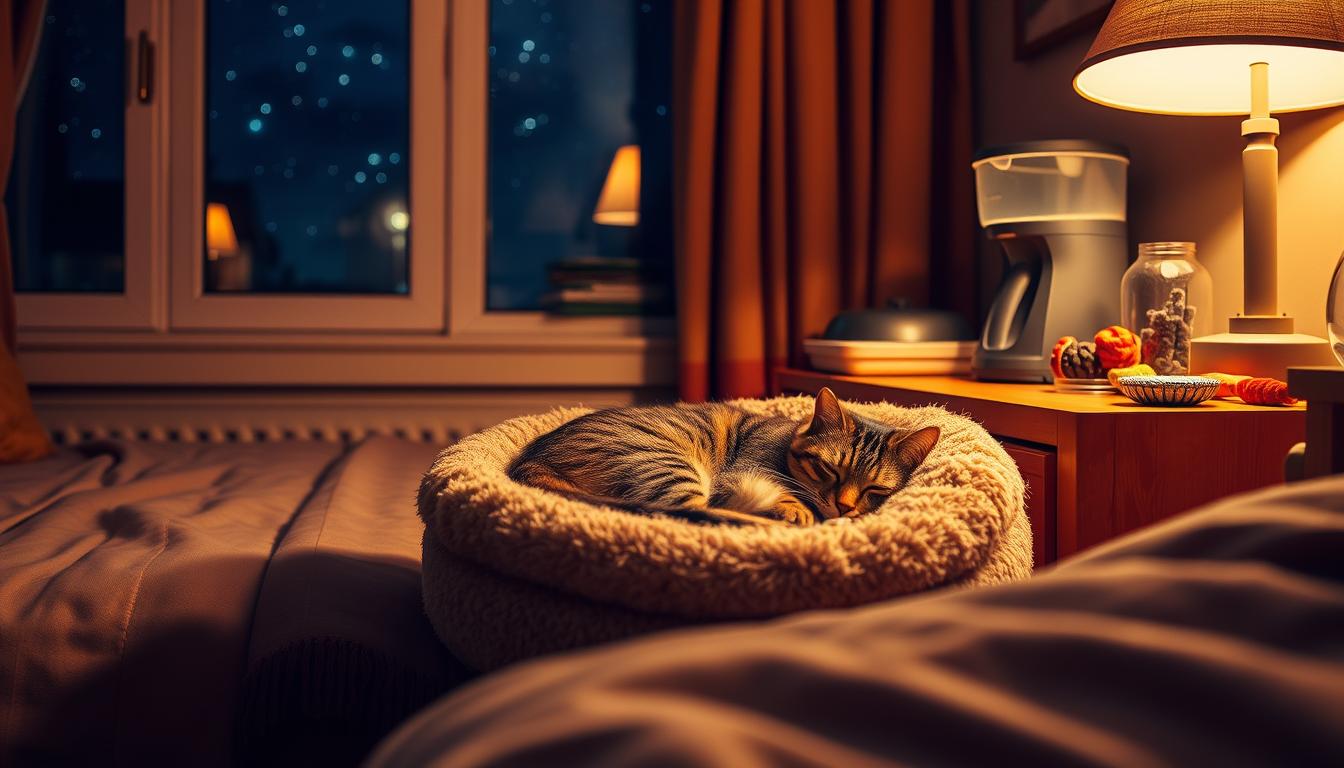
Planning a trip? Safe cat overnight care at home begins with preparation. Many cat owners worry about leaving their pets alone. But, with the right steps, your cat can stay comfortable. Vets suggest routines, safety checks, and clear instructions to reduce stress. This helps your cat feel at ease while you’re away. Important things to consider include food freshness, litter box access, and familiar scents. Most adult cats can handle up to 24 hours alone if their space stays the same. But, kittens and seniors need shorter times alone. It’s also vital to have emergency contacts ready. This ensures your cat gets help if needed. Key Takeaways Understanding Your Cat’s Overnight Needs Knowing how do I take care of my cat at night starts with understanding their instincts. Cats aren’t nocturnal but are crepuscular, meaning they’re most active at dawn and dusk. This natural rhythm means nighttime routines must balance their energy levels and comfort. Behavioral patterns shape care strategies. A playful evening play session can help drain energy, reducing nighttime restlessness. Automated feeders timed just before bed or at first light can align with their instincts, ensuring they don’t disturb sleep unnecessarily. How Cats’ Natural Behaviors Influence Overnight Care Cats thrive on predictability. Sudden changes to feeding or playtime can cause stress. Consider these tips: Different Requirements Based on Cat Age and Health Age and health needs vary widely. Here’s a quick guide: Age/Condition Key Needs Kittens (under 6 months) Multiple small meals nightly; safe climbing spaces for exploration. Adults (1-7 years) Consistent feeding schedules; regular litter box cleaning every 12 hours. Seniors (over 12 years) Easy-to access litter areas; vet checkups every 6 months. Cats with health issues Medication reminders; quiet, stress-free sleeping zones. The Importance of Routine for Feline Well-being Stick to regular feeding and play times even when you’re away. Overnight sitters should follow your established schedule. Consistency reduces stress, and routines like evening brushing or bedtime toys signal it’s time to wind down. Regular vet visits (minimum twice yearly) help identify health changes early. A stable routine paired with safe environments lets cats feel secure, even when you’re not home. This builds trust and ensures they’re calm at night. Is It Safe to Leave Your Cat Alone Overnight? Many pet parents ask: is it ok to leave my cat overnight? It depends on your cat’s age, health, and personality. Most adult cats (1–10 years) can stay alone for 24–48 hours if their space is ready. But, safety and comfort need careful planning. Kittens under four months should never be left alone overnight. They need constant care, including food, litter breaks, and watching. Older kittens (4–6 months) can handle 4–5 hours alone. Kittens over six months might stay up to 8 hours. Senior cats (over 10 years) need visits every 12 hours because of health issues like arthritis. “Cats left alone for extended periods may develop separation anxiety,” warns a 2020 study. Signs like excessive vocalization or litter box avoidance signal distress. Always think about your cat’s routine. A calm, independent cat might handle it better than one with anxiety. For trips over 24 hours, get a pet sitter. Never leave any cat alone for a week without visits. If you’re unsure, talk to your vet—they know your cat’s needs best. Preparing Your Home for Overnight Cat Care To make your cat feel safe at home, start with a home check. Block off-risk areas with heavy furniture or child gates. This prevents your cat from getting trapped. Secure all blind cords and electrical wires. Move toxic plants to higher shelves. A quick checklist can help you prepare: check doors, cords, and hazardous items before bed. Stress reduction comes from familiarity. Leave familiar toys and bedding to comfort your cat. Blackout curtains and white noise machines can block external disturbances, aiding sleep. Regular vet checkups ensure your cat’s health aligns with their environment. By following these steps, your cat will thrive during your absence. Your home will become a stress-free sanctuary for them. Essential Cat Overnight Care Checklist Make sure your cat is comfortable when you’re away with this helpful list. Many owners worry about leaving their pets. But, these steps can help reduce stress and risks: Category Action Impact Health Organize medications Prevents missed doses Hydration Leave a water fountain Increases intake by 30% (studies show) Comfort Leave a familiar blanket Reduces stress by 40% (owner surveys) Print this cat overnight care guide before every trip. A good checklist keeps your cat safe and calm. Tailor it to your cat’s age or health, and make sure caregivers know what to do in emergencies. Food and Water Strategies for Overnight Absences Will my cat be ok without water overnight? Never skip hydration. Cats need fresh water all the time. Dehydration risks rise fast, so always leave clean water in spill-resistant bowls or a fountain. A running fountain like the Catit Flower keeps water fresh longer. Automatic feeders like the PetSafe Delux or manual setups work best. Time meals to match your cat’s routine. For food portions, calculate 240–300 calories daily for a 10-pound cat. Split meals using a timer to avoid spoilage. Water solutions are key. Multiple bowls placed around the house add safety. In hot weather, double water supplies. Avoid raw food left out—discard after 2 hours at room temp. “Cats need daily water access,” says Pet Sitters International. “Never assume they can go without overnight.” Always leave familiar toys or bedding to reduce stress. For trips over 24 hours, hire a sitterer or boarding. Check with your vet about special needs like kidney issues requiring more frequent checks. Prioritize hydration first—water is more critical than food for short stays. Litter Box Management When You’re Away Effective cat overnight care at home starts with a clean litter box. Cats need a clean space to feel safe. Follow these steps to keep your cat happy while you’re away. “Cats rely on clean litter boxes to feel secure, even when you’re not home,” says the American Association … Read more