

Cat Food vs Dog Food Chart –2026 Best Checklist
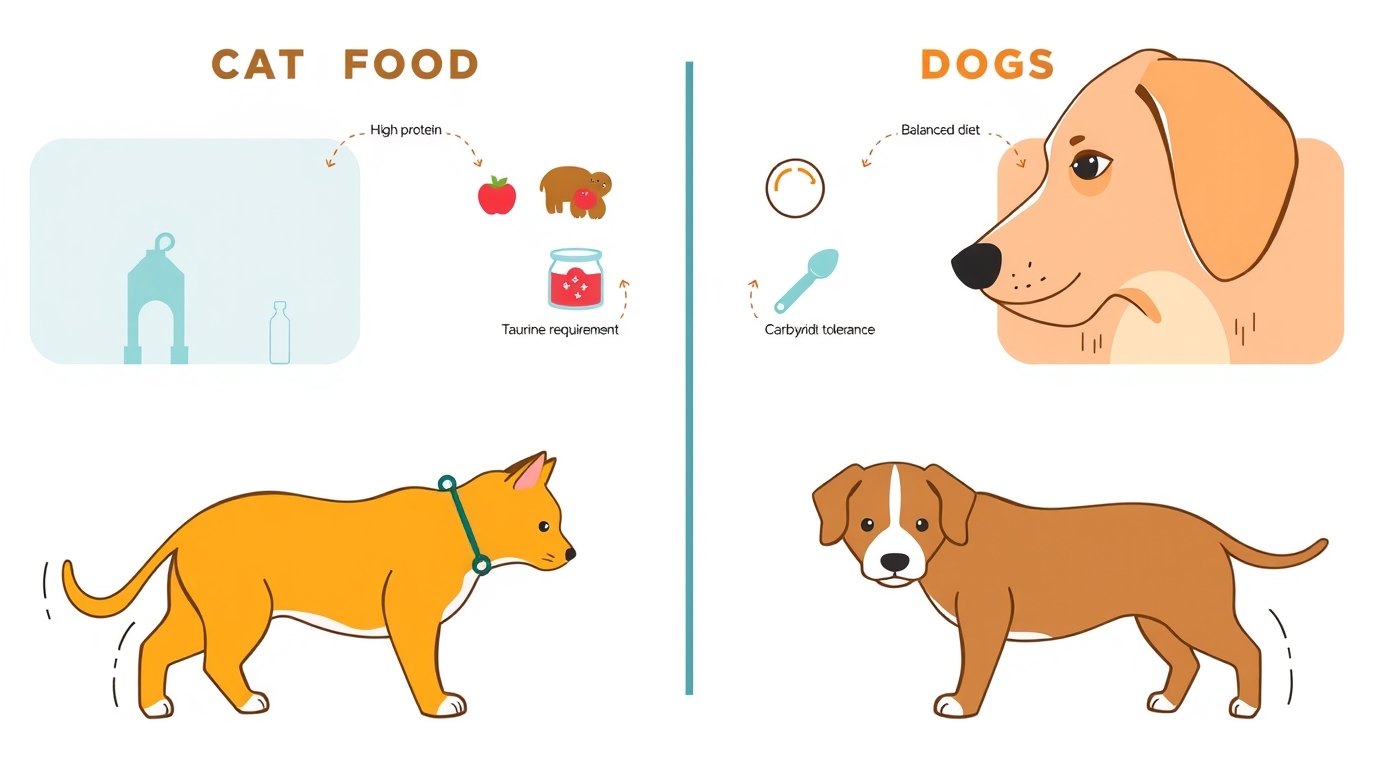
If you’re a pet parent, you’ve probably wondered, “Is cat food really that different from dog food?”The answer is a big YES. Cats and dogs have completely different nutritional needs, and feeding the wrong food can harm their health over time. This article breaks down all the major differences, complete with a cat food vs dog food comparison chart to help you understand what’s right for your furry friend. What Makes Cat Food Different from Dog Food? Carnivores vs Omnivores Cats are obligate carnivores, meaning they need meat to survive.Dogs are omnivores, meaning they can thrive on a mix of meat, grains, and vegetables. Key Nutritional Differences Protein Levels Cat food contains higher protein levels, as protein is the primary source of energy for cats. Fat Content Cat food often contains higher fat, giving it a richer taste. Vitamins & Minerals Cats need more taurine, vitamin A, vitamin B12, and arachidonic acid, which dog food cannot provide in adequate amounts. Essential Nutrients Required by Cats Taurine A must-have amino acid that supports vision, heart health, and digestion. Arachidonic Acid Cats cannot produce this fatty acid on their own. High Protein Requirement Cats need twice the protein that dogs do. Vitamin A & B12 Crucial for immunity, vision, and metabolism. Essential Nutrients Required by Dogs Balanced Protein Dogs do not need extremely high protein levels. Healthy Fats Fat supports energy and skin health, but in moderate amounts. Carbohydrates Dogs can digest grains and carbs easily. Vitamin & Mineral Needs Dogs produce some nutrients naturally—cats cannot. Cat Food vs Dog Food Chart (Side-by-Side Comparison) Detailed Comparison Table Nutrients/Aspect Cat Food Dog Food Protein Very high (30–40%+) Moderate (18–25%) Fat High Moderate Carbohydrates Low Higher Taurine Added Not required Vitamin A Preformed Often plant-based Texture Strong aroma, richer taste Mild aroma Designed For Carnivores Omnivores Daily Suitability Only for cats Only for dogs Why Cats Should Not Eat Dog Food Lack of Taurine Can lead to heart issues and blindness. Poor Protein Levels Dog food cannot meet a cat’s high protein demand. Risk of Malnutrition Long-term consumption can damage organs. Why Dogs Should Not Eat Cat Food Too Much Protein/Fat Dog digestive systems cannot handle excess. Digestive Issues May cause vomiting and diarrhea. Risk of Obesity & Pancreatitis Cat food is calorie-dense and harmful for dogs long term. Special Cases – Can It Ever Be Safe? Emergency Feeding Short-term or accidental feeding is usually fine. Short-Term vs Long-Term Long-term feeding is unsafe for both species. How to Choose the Right Food for Your Pet Reading Ingredient Labels Look for whole proteins, fewer fillers, and natural ingredients. Checking AAFCO Certifications Ensures the food meets minimum nutritional standards. Age-Based Nutritional Needs Homemade Food vs Commercial Food Which Is Better? Commercial food is nutritionally complete. Safety Concerns Homemade food often lacks essential nutrients. Vet Recommendations Always consult a vet before switching to homemade diets. Final Cat Food vs Dog Food Chart for Quick Understanding Category Cats Dogs Diet Type Obligate carnivores Omnivores Protein Needs Very high Moderate Taurine Required? Yes No Safe to Share Food? No No Conclusion Both cats and dogs need species-specific diets to stay healthy. While it may seem harmless to let your dog nibble on cat kibble—or vice versa—these foods are specially formulated for the unique nutritional needs of each species. Always choose food that matches your pet’s biological requirements to ensure a long, healthy, and active life. FAQs 1. Is it okay for dogs to eat cat food occasionally? Yes, but only occasionally. Long-term consumption can cause health issues. 2. What happens if a cat eats dog food every day? It can lead to nutrient deficiencies, heart problems, and even blindness. 3. Why is taurine important for cats? It supports vision, digestion, heart function, and immune health. 4. Can puppies and kittens eat the same food? No. Both require age-specific formulas for proper growth. 5. How to safely switch pet food? Transition gradually over 7–10 days by mixing old and new food. Also Read: