

Budget Friendly Cat Litter Box Hacks in 2025
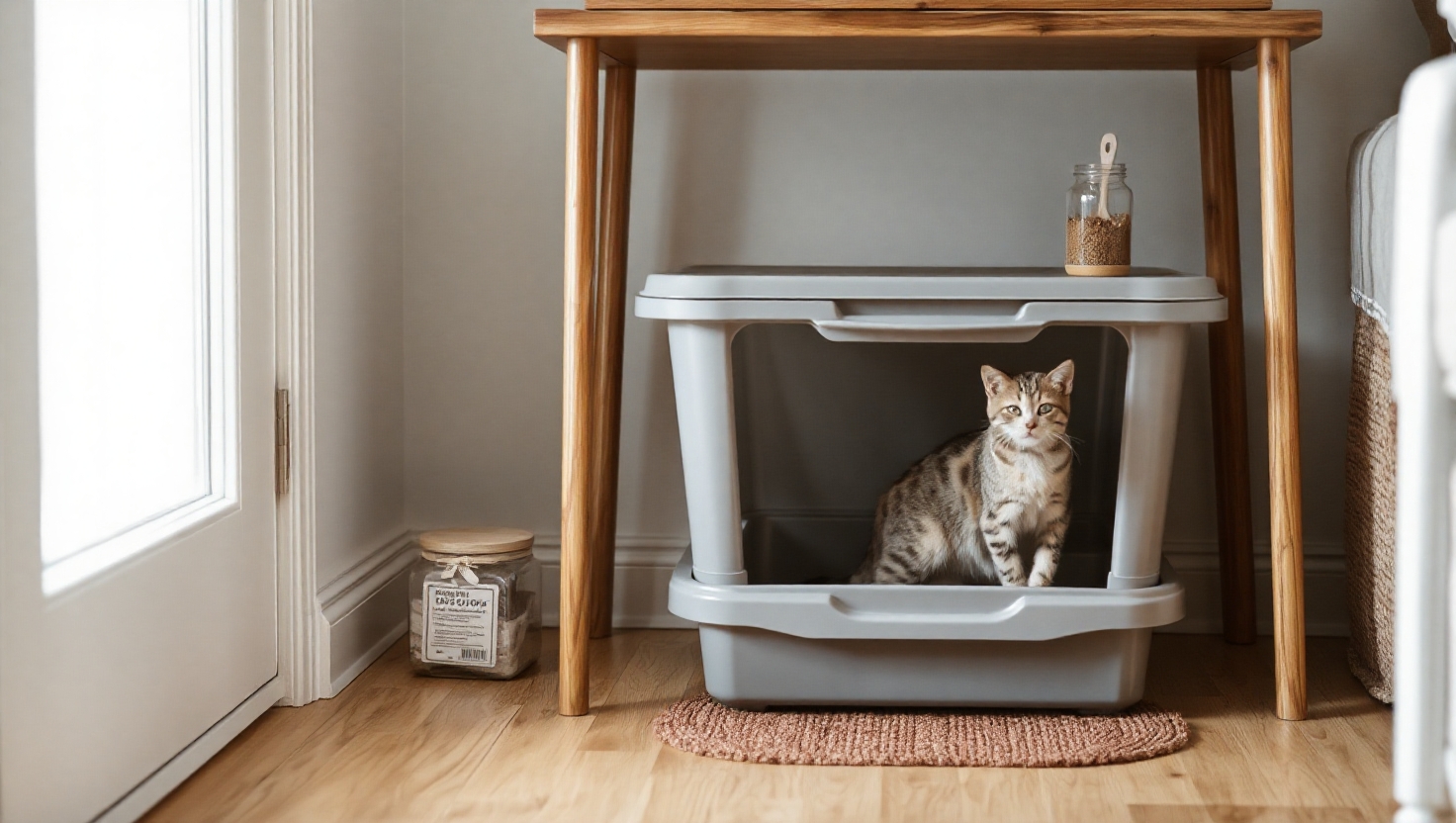
Every pet parent knows the struggle: maintaining a clean environment for your furry friend shouldn’t drain your wallet or consume hours of your week. As someone who’s cared for countless feline companions, I’ve uncovered simple yet game-changing methods to streamline this essential task. Let’s rethink how we approach odor control and hygiene without sacrificing quality. Many commercial products promise miracles but deliver frustration. Through trial and error with various setups, I discovered that everyday items and smart routines often outperform pricey alternatives. You’ll be surprised how minor tweaks can create lasting results, keeping both pets and humans content. This guide shares field-tested strategies refined through hands-on experience. We’ll focus on maximizing efficiency – imagine spending just five weekly minutes on upkeep while achieving better freshness than ever before. These approaches prioritize your companion’s well-being while respecting your time and resources. Key Takeaways Introduction to Budget-Friendly Solutions for Litter Boxes Creating a welcoming bathroom zone for your furry companion starts with recognizing their natural instincts. Felines instinctively seek private, undisturbed spaces for elimination – a behavior rooted in their survival needs. When their designated spot feels secure and clean, they’re more likely to use it consistently. Maintaining a Fresh Environment Territorial animals thrive on routine. One pet owner shared: “Our tabby started avoiding her bathroom corner when we skipped daily scooping, leading to carpet mishaps.” Regular upkeep prevents stress-related accidents and maintains your companion’s trust in their chosen space. Smart Maintenance Equals Savings Simple habits like immediate waste removal reduce long-term expenses. Dirty environments can lead to health issues requiring vet visits, while proactive care keeps your pal healthy. Using baking soda instead of pricey deodorizers tackles odors at the source, saving $15 monthly on average. Strategic placement matters too. A quiet nook away from appliances minimizes stress, encouraging proper bathroom habits. This approach eliminates the need for multiple odor-control products while keeping your home smelling neutral. Budget cat litter box hacks for a Clean Home Maintaining a spotless home with pets doesn’t require breaking the bank. Many store-bought options prioritize flashy packaging over actual results, leaving owners frustrated. One veterinary technician noted: “Clients often return complaining about clumping issues – the problem usually lies in product quality, not their care routine.” Why Practical Adjustments Outperform Fancy Products Commercial litters frequently use fine particles that stick to paws and create airborne dust. This leads to respiratory irritants for both animals and humans. A simple comparison reveals the advantages of homemade approaches: Feature Premium Brands DIY Methods Odor Control Mask smells temporarily Neutralize odors naturally Dust Levels High (grains under 2mm) Low (customizable texture) Monthly Cost $20-$40 $5-$10 Making Household Items Work Harder Repurposing everyday materials creates sustainable habits. Sand combined with baking soda forms an effective odor-absorbing base. Shallow storage containers with high sides prevent scatter – just ensure entry points are pet-friendly. Consistency matters more than price tags. Weekly rotation of cleaning tools prevents bacterial buildup without specialty sprays. As one owner shared: “Switching to washable mats saved $120 yearly and reduced tracking by 80%.” Simple changes deliver lasting cleanliness while respecting your companion’s preferences. Choosing the Right Litter Box and Materials Material selection dramatically impacts hygiene and long-term costs. While many default to familiar options, smarter choices reduce maintenance while keeping pets content. Let’s explore how design and substance work together for cleaner results. Plastic vs. Stainless Steel: Pros and Cons Plastic containers absorb odors permanently, even with weekly scrubs. Microscopic scratches trap bacteria, requiring annual replacements. Stainless steel alternatives cost more upfront but last decades with basic care. Here’s how they compare: Feature Plastic Stainless Steel Cost Over 3 Years $45+ $60 Odor Retention High None Replacement Frequency Yearly Never Cat Acceptance Familiar Requires Transition Transition pets gradually by placing new stainless boxes beside existing ones. Most adjust within two weeks when given choice. Crystal litter simplifies upkeep by changing color as it absorbs moisture. Replace every 14-21 days instead of guessing freshness. Clumping varieties cost 30% more monthly but streamline daily scooping. Biodegradable options like corn or paper appeal to sensitive paws. These earth-friendly materials decompose naturally, eliminating scrubbing battles. One owner reported: “Switching to wheat-based pellets reduced tracking by 60% overnight.” Simple DIY Solutions for Upgrading Your Litter Setup Smart pet owners know innovation beats expensive store-bought solutions. With basic tools and creativity, you can build superior systems that outperform commercial products. Let’s explore practical upgrades using items already in your home. Building a DIY Litter Genie Transform glass jugs or small stainless steel containers into odor-locking waste stations. These materials resist bacteria better than plastic alternatives. Use heavy-duty bags instead of plant-based options – urine clumps easily tear through eco-friendly liners. Material Cost Durability Odor Control Commercial Plastic $25+ 6 months Moderate Glass Jug Free Indefinite Excellent Stainless Container $12 10+ years Superior Innovative Uses for Common Household Items Repurpose cardboard boxes into efficient sifting tools. Drill 1/2″ holes in patterns that maintain structural strength while letting clean litter fall through. This method extends bedding life by 40% compared to standard scoops. Winter boot trays make excellent litter catchers. Their deep grooves trap stray granules better than pricey mats. For multi-cat homes, label separate containers with each pet’s name to track bathroom habits. Pro tip: Line storage bins with newspaper before adding litter. This absorbs moisture and simplifies complete changes. One owner reported: “This trick cut our clean-up time in half during busy weeks.” Optimizing Litter Box Placement for Cat Comfort Finding the ideal spot for your feline’s bathroom needs requires understanding their natural behaviors. Territorial animals thrive in predictable environments where they feel secure during private moments. A well-chosen area reduces stress-related accidents and strengthens your companion’s trust in their surroundings. Why Location Matters More Than You Think High-traffic zones near appliances or entryways create anxiety. One pet owner discovered their tabby avoided the bathroom area after placing it near a noisy washing machine. “Moving it to a quiet corner eliminated accidents immediately,” they reported. Consistent placement near ventilation sources like patio doors … Read more