

Best Cat Feeding Chart by Weight Calculator 2026
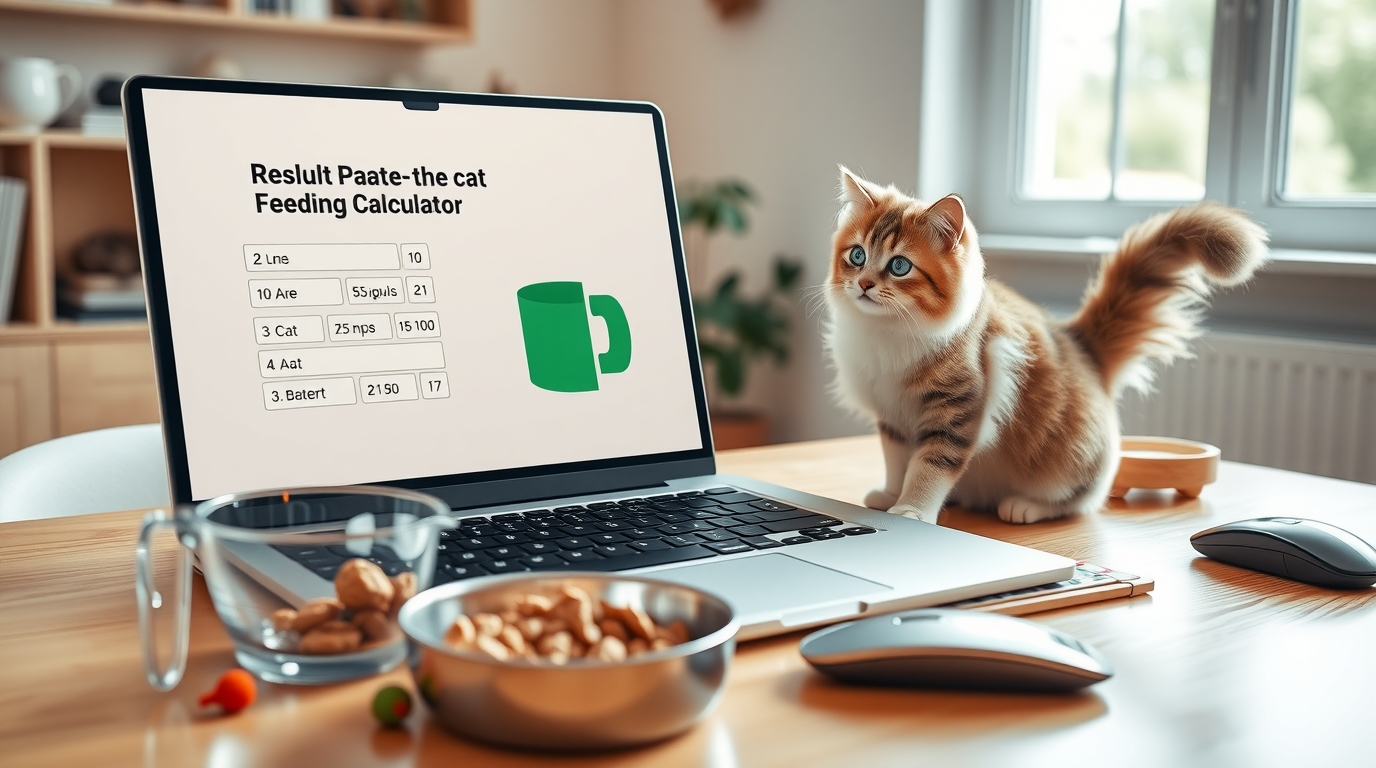
Feeding your cat the right amount of food is essential for their health, energy, and longevity. Overfeeding can lead to obesity, diabetes, and joint problems, while underfeeding can cause malnutrition and stunted growth. A cat feeding chart by weight calculator takes the guesswork out of daily feeding. By entering your cat’s weight, age, and activity level, you can calculate precise portion sizes for dry, wet, or raw food, ensuring a balanced diet for your feline companion. This article will guide you through feeding charts, portion sizes, and tips for kittens, adult cats, and senior cats, making it easy to use a feeding calculator effectively. What Is a Cat Feeding Chart by Weight Calculator? A cat feeding chart calculator is an online or manual tool that helps determine the ideal daily food intake for your cat. It considers factors such as cat weight from tiny kittens to large adult cats, age, activity level, and food type including dry kibble, wet food, or raw diet. Using this calculator can prevent overfeeding and underfeeding and ensure your cat gets the nutrition they need for optimal growth and health. How to Use a Cat Feeding Chart Calculator Using a cat feeding calculator is simple and straightforward: 1. Enter your cat’s weight in pounds or kilograms. 2. Select age group – kitten, adult, or senior. 3. Select activity level – indoor, moderately active, or outdoor. 4. Choose food type – dry, wet, or raw. 5. Calculate daily portion – the calculator gives precise feeding recommendations in grams or ounces. Tip: Always adjust the portion slightly based on your cat’s metabolism and health status. Cat Feeding Chart by Weight: Quick Reference Table Cat Weight (lbs) Dry Food (grams/day) Wet Food (ounces/day) Raw Food (grams/day) 3–5 lbs 30–50 g 3–5 oz 70–90 g 6–8 lbs 50–70 g 5–7 oz 90–120 g 9–11 lbs 70–90 g 7–9 oz 120–150 g 12–14 lbs 90–110 g 9–11 oz 150–180 g 15–18 lbs 110–130 g 11–13 oz 180–210 g This table serves as a manual guide if you don’t have access to an online calculator. Feeding Guidelines for Kittens Kittens grow rapidly and require frequent feeding with high-calorie food: Age Weight (lbs) Meals/Day Portion Size (grams/day) Notes 0–2 months 1–2 lbs 4–6 20–30 g Milk or formula, gradually introducing solids 2–3 months 2–4 lbs 4–5 30–50 g Wet or softened dry food 3–6 months 4–6 lbs 3–4 50–70 g High-protein meals for growth 6–12 months 6–10 lbs 3 70–90 g Gradually switch to adult food Tip: Always provide fresh water and monitor your kitten’s weight weekly. Feeding Guidelines for Adult Cats Adult cats require a balanced diet with controlled portions to maintain ideal weight: Cat Weight (lbs) Dry Food (grams/day) Wet Food (ounces/day) Notes 6–8 lbs 50–70 g 5–7 oz Indoor cats may need fewer calories 9–11 lbs 70–90 g 7–9 oz Outdoor cats may need extra calories 12–14 lbs 90–110 g 9–11 oz Monitor activity level 15–18 lbs 110–130 g 11–13 oz Adjust if overweight or underweight Pro Tip: Split meals into 2–3 servings to aid digestion and prevent overeating. Feeding Guidelines for Senior Cats Senior cats experience a slower metabolism and often have dental or digestive issues: Age Cat Weight (lbs) Portion Size Feeding Notes 10+ years 6–8 lbs 40–60 g dry or 4–6 oz wet Senior formulas with joint support 10+ years 9–12 lbs 60–85 g dry or 6–9 oz wet Monitor hydration and weight 10+ years 13–15 lbs 85–100 g dry or 9–11 oz wet Consider fiber for digestion Tip: Multiple smaller meals and wet food help maintain hydration. Wet vs Dry Food Portions Wet food has higher moisture content which prevents urinary issues, smaller portions due to calorie density, and is ideal for picky eaters. Dry food is convenient, helps maintain dental health, and is calorie-dense; portioning accurately is important. Mixing wet and dry food in a ratio of 2/3 dry to 1/3 wet based on calories is common. Adjust portions to maintain ideal weight. Raw Diet Feeding by Weight Raw feeding (BARF) is popular for cat parents seeking natural diets: Cat Weight (lbs) Raw Food Portion (grams/day) Notes 3–5 lbs 70–90 g Mix muscle meat, organs, and bones 6–8 lbs 90–120 g Include taurine supplements 9–11 lbs 120–150 g Ensure fresh, clean ingredients 12–14 lbs 150–180 g Monitor calcium/phosphorus ratio 15–18 lbs 180–210 g Vet-approved raw recipes Tip: Always handle raw food carefully to avoid contamination. Adjusting Portions for Weight Issues Overweight cats: Reduce portions 10–20%, avoid high-calorie treats, increase activity. Underweight cats: Increase protein-rich portions, use wet food, monitor weight gain gradually. Weight changes should be slow and controlled. Special Considerations Pregnant or nursing cats: Increase calories 20–50%. Highly active cats: Increase slightly above chart recommendations. Indoor cats: May require 10–15% fewer calories than outdoor cats. FAQs Q1. How many times a day should I feed my cat? Kittens: 4–6 meals. Adults: 2 meals. Seniors: 2–3 small meals. Q2. Can I free-feed my cat? Only if the cat maintains ideal weight; otherwise, portion-controlled feeding is safer. Q3. Do different breeds need different feeding amounts? Larger breeds like Maine Coons require more calories than small breeds. Q4. Should I weigh my cat daily? Monthly weigh-ins are sufficient unless managing weight issues. Q5. How do I transition to a new feeding chart? Gradually adjust portions over 5–7 days to prevent digestive upset. Conclusion A cat feeding chart by weight calculator is an essential tool for responsible cat owners. By considering age, activity level, and food type, you can ensure your cat receives proper nutrition, maintains a healthy weight, and enjoys a long, happy life. Using the calculator along with regular weight monitoring, portion control, and healthy food choices makes feeding your cat simple, accurate, and stress-free. Remember: Every cat is unique, so consult your vet for personalized guidance if needed. Also Read: