

Sphynx Cat Care: Tips and Tricks for a Healthy, Happy Feline
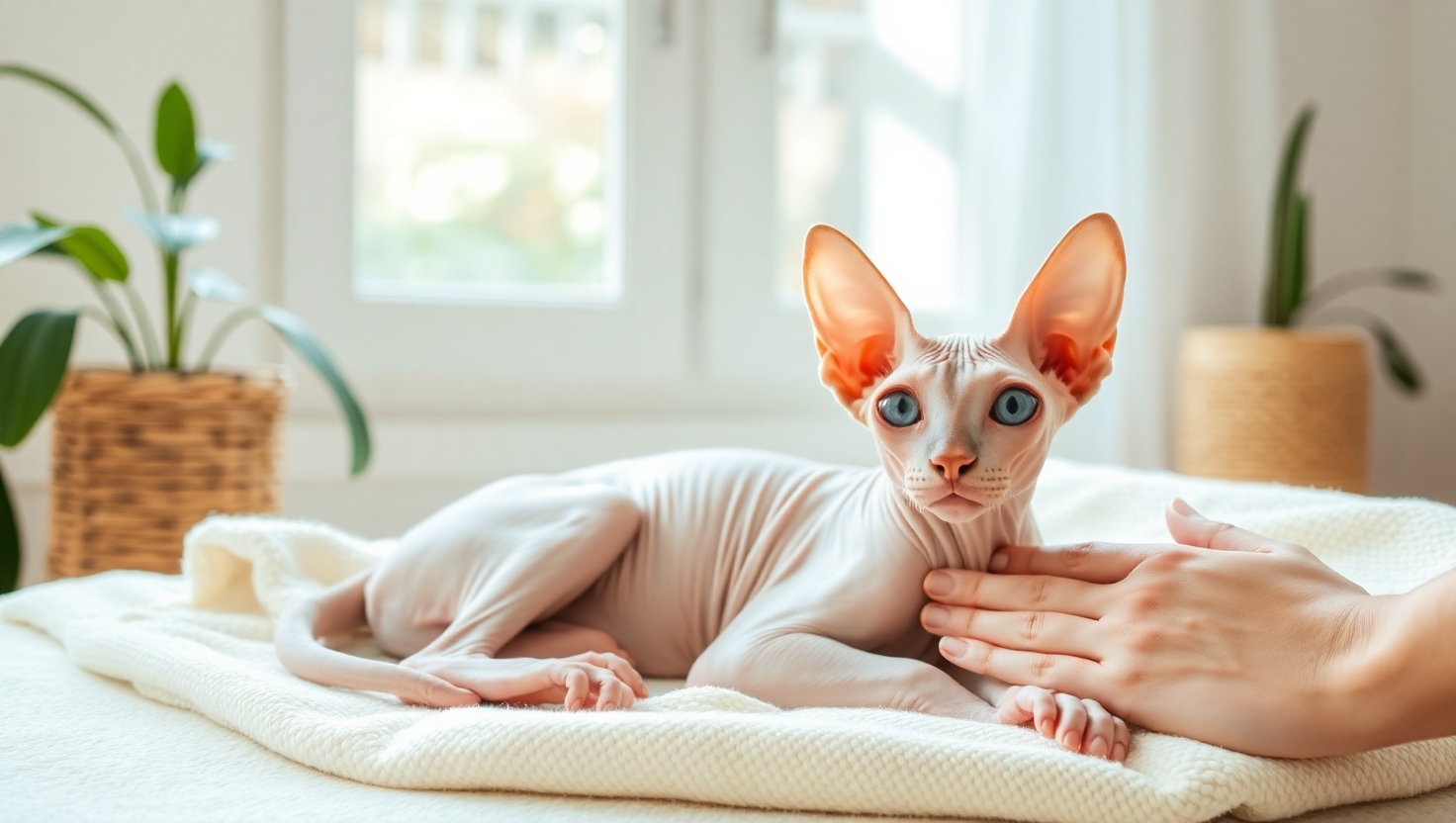
Welcome to the intriguing universe of hairless companions! These unique pets first emerged in the 1960s through natural genetic variation, creating a breed that’s equal parts charming and high-maintenance. Unlike traditional furry friends, they demand specialized attention to thrive—a fact adored by celebrity owners like Demi Lovato and Kat Von D. Owning one of these social creatures means embracing their need for warmth and connection. Their hairless bodies require temperature regulation and frequent skincare to stay healthy. Regular bathing becomes essential to manage natural oils that other breeds absorb through fur. Nutrition plays a vital role in their well-being. High-quality diets fuel their fast metabolisms, while proper hydration supports sensitive skin. Owners must also monitor ear cleanliness and nail care closely due to their distinct physiology. Beyond physical needs, these affectionate pets crave constant companionship. They’ll follow you from room to room, thriving on interaction. While rewarding, this level of commitment requires dedicated time and resources—ideal for those ready to prioritize their pet’s unique lifestyle. Key Takeaways Introduction to the Sphynx Cat Breed The story of these unique felines begins with a surprising twist of nature. A spontaneous genetic mutation in 1960s Canada set the stage for one of the most recognizable breeds in modern times. Origins and Genetic Mutation In 1966, Ontario witnessed the birth of Prune – the first documented hairless kitten. This natural variation occurred without human intervention, creating a foundation for selective breeding. Two key lineages emerged later: Lineage Location Contribution Punky & Paloma Toronto, Canada Established early breeding standards Dermis & Epidermis Minnesota, USA Strengthened genetic diversity Despite their Egyptian-inspired name, these cats have no historical ties to Africa. Breeders chose “Sphynx” due to their resemblance to the ancient statue’s sleek form. Distinctive Personality and Social Nature These hairless companions redefine typical feline behavior. They crave constant interaction, often shadowing owners like devoted puppies. Dr. Ariana Verrilli notes: “Mine sprint to the door when I arrive and insist on bedtime snuggles.” Their communication style stands out too. Expect loud trills and persistent chirps when they want playtime or snacks. This vocal nature pairs with remarkable intelligence – many learn to open doors or retrieve toys. Sphynx Cat Care: Daily Health and Home Routine Maintaining a hairless companion’s well-being transforms routine tasks into acts of love. These unique pets need tailored strategies to stay healthy in a world designed for fur-covered animals. Understanding Your Pet’s Unique Needs Their exposed skin demands more than casual attention. Daily wipe-downs remove oil buildup, while weekly baths prevent clogged pores. Unlike furry breeds, they can’t self-regulate body temperature—keep your home between 70-80°F year-round. Create cozy retreats with heated beds or fleece-lined perches. Veterinary dermatologist Dr. Lila Torres advises: “Check for rashes or dryness during cuddle sessions—early detection prevents bigger issues.” Pair this with monthly ear cleanings to avoid wax buildup. Maintenance Task Hairless Pets Furry Pets Skin Care Daily Monthly Temperature Checks Hourly Seasonal Vet Visits Bi-Annual Annual Sun exposure becomes risky business. Install UV-blocking window film and limit outdoor time to shaded mornings. Their curious nature means securing cabinets and covering hot appliances becomes essential home safety steps. Embrace this time-intensive journey with patience. The reward? A thriving companion whose velvety warmth and playful antics redefine pet ownership. Grooming and Bathing Your Hairless Feline Keeping your hairless companion clean becomes an art form requiring patience and the right tools. Their unique physiology demands specialized routines to manage natural oils that furry breeds handle automatically. Effective Bathing Techniques and Frequency Weekly baths are non-negotiable for maintaining healthy skin. Use lukewarm water and soap-free formulas like Earthbath Oatmeal & Aloe to avoid stripping essential moisture. Many owners find success with washcloth scrubbing—a less stressful alternative to full immersion. Veterinary technician Mara Jensen suggests: “Work in sections, starting from the neck down. Reward with treats to create positive associations.” Always test water temperature on your wrist first, as sensitive skin burns easily. Maintaining Clean Ears and Paws Those signature large ears need bi-weekly attention. Apply a pea-sized drop of Virbac Epi-Otic cleaner, massaging gently before wiping with cotton pads. Check between toe beans daily—food particles and litter often hide there. Post-bath care matters most. Pat dry with microfiber towels immediately, paying extra attention to skin folds. Never use human hair dryers—their intense heat can cause discomfort. For stubborn oils, cornstarch makes a safe dry shampoo between weekly washes. Nutrition and Diet Considerations for Optimal Health Fueling your hairless companion requires more than just filling their bowl—it demands strategic nutritional planning. What they eat directly impacts their signature velvety skin and energetic personality. Selecting High-Quality Food Premium meals act as the first defense against sticky skin buildup. Animal-based proteins like chicken or salmon help regulate oil production, while omega-rich formulas maintain skin elasticity. Avoid fillers like corn and wheat—these trigger excess sebum secretion. “A low-quality diet shows immediately on their skin—clogged pores, wax-filled ears, and frequent vet visits become the norm,” warns veterinary nutritionist Dr. Emily Carson. Feeding Schedules and Metabolic Needs Their furnace-like metabolism demands frequent fueling. Offer four small meals daily instead of two large portions—this matches their natural energy expenditure. Free-feeding dry kibble works well since they rarely overeat. Nutrient High-Quality Food Low-Quality Food Protein Source Whole meats Meal byproducts Omega Fatty Acids 3% minimum Under 1% Calorie Density 450 kcal/cup 300 kcal/cup Preservatives Vitamin E BHA/BHT Always keep fresh water available—proper hydration helps flush toxins through their fast-working systems. Pair this approach with regular weigh-ins to adjust portions as needed. Preventing and Managing Common Health Issues Protecting your hairless companion’s well-being means staying ahead of breed-specific challenges. These unique pets face particular vulnerabilities that demand proactive strategies and specialized knowledge. Screening for Cardiac and Dental Problems Hypertrophic cardiomyopathy tops the list of concerns for these unique pets. This heart condition causes thickening of the cardiac muscle, potentially leading to serious complications. Annual echocardiograms become essential from kittenhood through their senior years. Dental problems present another major battlefront. Many develop severe gum disease despite regular brushing. Veterinary dentist Dr. … Read more