OURPETTAILS

Printable Dog Feeding Chart: A Must Read Guide
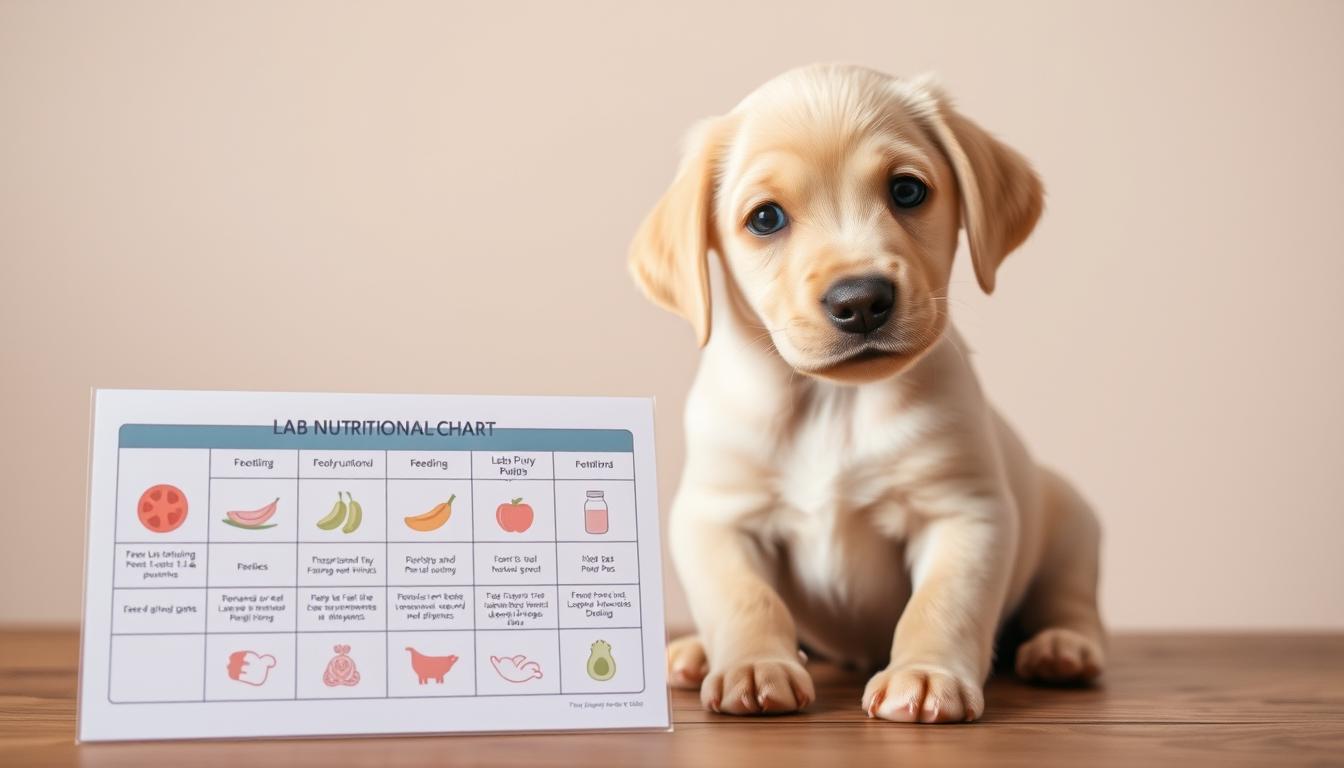
Printable Dog Feeding Chart

It’s key to manage your dog’s meals well for their health. This is very important for puppies and dogs with special diets. A good feeding schedule keeps your pet healthy. It makes sure they get the right nutrients on time. A printable dog feeding chart makes things easier. It helps you keep track of feeding times and amounts. Key Takeaways Why Proper Feeding Management Matters for Dogs Feeding your dog right is key for their health, behavior, and happiness. A good feeding schedule can greatly improve your dog’s life. Health Implications of Improper Feeding Bad feeding habits can harm your dog’s health. Obesity and malnutrition are big problems. Obesity can cause diabetes, heart disease, and joint problems. Malnutrition can make your dog tired and unhealthy. Some key health issues include: Behavioral Benefits of Consistent Feeding Schedules A regular feeding schedule can make your dog’s behavior better. Dogs like routine, and it helps them feel less anxious and stressed. It also makes them easier to train, as they are more focused and happy. The behavioral benefits are: Using a dog feeding schedule template or dog feeding schedule chart helps plan meals. It ensures your dog gets the right food at the right time. This keeps them physically healthy and happy. Understanding Your Dog’s Nutritional Needs A dog’s nutritional needs depend on their size, breed, age, and how active they are. Knowing these needs is key to caring for your dog well. Caloric Requirements Based on Size and Breed Dogs of different sizes and breeds need different amounts of food. Smaller dogs often burn more calories and need more food per pound than bigger dogs. A printable dog feeding chart can guide you on how much to feed your dog based on their size and breed. For example, a Chihuahua needs food that’s packed with calories. On the other hand, a Great Dane might need a special diet to keep them healthy without overfeeding. Age-Related Nutritional Considerations A dog’s age affects their nutritional needs. Puppies need food rich in nutrients for growth. Older dogs might need fewer calories and specific nutrients to help with aging. It’s important to change your dog’s diet as they get older. For example, older dogs might benefit from food that helps with joint health. Activity Level and Its Impact on Feeding A dog’s activity level also plays a big role in their nutritional needs. Dogs that are very active, like working dogs, need more calories to keep their energy up. Dogs that are less active or sit around a lot need fewer calories to avoid getting too fat. It’s important to adjust your dog’s food based on how active they are. For instance, an active dog might need a special high-energy food. A less active dog might do better with a lighter formula. Factors That Influence How Much to Feed Your Dog How much food your dog needs varies. It depends on several factors. To make sure your dog gets the right nutrients, you need to understand these factors. Weight Management Goals Keeping your dog at a healthy weight is key. Overweight or underweight dogs can have health problems. You should adjust their food to meet their weight goals. Dogs trying to lose weight need fewer calories. Those who need to gain weight should eat more nutrient-rich food. Health Conditions Affecting Appetite Some health conditions can change how much your dog eats. For example, dogs with diabetes or thyroid problems might need different amounts of food. Always talk to a vet to find the best diet for your dog’s health issues. Seasonal Variations in Feeding Requirements Seasonal changes also play a role in your dog’s diet. In cold weather, dogs need more calories to stay warm. In hot weather, they might need more water and fewer calories if they’re less active. Adjusting their diet for the season helps keep them healthy. Let’s look at how these factors can change your dog’s diet: Factor Influence on Feeding Needs Adjustment Needed Weight Management Affects the amount of food based on whether the dog needs to gain or lose weight. Increase or decrease daily caloric intake. Health Conditions Certain conditions may require specific dietary adjustments. Consult a veterinarian for a tailored feeding plan. Seasonal Variations Changes in temperature and activity levels can affect feeding needs. Adjust caloric intake and hydration levels according to the season. By taking these factors into account and making the right changes, you can make a better, more personalized diet for your dog. Different Types of Dog Food and Portion Control There are many dog food types available, and getting the right amount is key for your dog’s health. You can pick from dry kibble, wet food, and even raw or homemade diets. Each has its own benefits and challenges. Dry Kibble Measurements Dry kibble is popular because it’s easy to store and lasts a long time. Accurate measurement is important to avoid health problems. Start with the feeding guidelines on the package, but you might need to adjust for your dog’s needs. To measure dry kibble, use a standard measuring cup or a digital kitchen scale. It’s important to know the difference between volume and weight. Kibble density can change between brands. Wet Food Portions Wet food, found in cans or pouches, has its own portion control needs. It has more moisture than dry kibble, so feeding amounts are different. Wet food is also more calorie-dense, so you’ll need to give smaller amounts. Follow the manufacturer’s guidelines for wet food, adjusting for your dog’s activity level, age, and health. Mixing wet food with dry kibble can make meals more interesting. But, keep the total calories the same. Raw and Homemade Diet Measurements Raw and homemade diets let you tailor your dog’s food to their needs. But, they need careful planning to be balanced. Portion control is key, as raw diets can be high in protein and fat. For raw diets, figure out the right portion based on your dog’s weight, age, and activity level. … Read more

Lab Dog Food Chart: Key Nutrients & Feeding Guide for Optimal Health

Printable Dog Feeding Chart

Labradors are full of energy and loyalty, needing a special diet for their active lives. A good labrador food chart makes sure they get the right mix of protein, fats, and vitamins. This guide helps owners understand what their Lab needs at every stage, from puppy to senior. Key Takeaways Understanding Labrador Nutritional Requirements A balanced labrador diet chart starts with prioritizing protein. Active Labradors need 22-26% protein to fuel their energy and muscle maintenance. High-quality sources like chicken, turkey, and fish provide essential amino acids for growth and repair. Ingredients in products like ProDog Muscle+ offer 76% protein per scoop, meeting these demands without fillers. Protein Needs for Active Labradors Labradors thrive on diets rich in animal-based proteins. Puppies require even higher levels during growth phases. Here’s how to align meals with their activity level: Life Stage Protein Range Recommended Sources Puppies (0-12 months) 22-29% Beef liver, lamb, ProDog’s tri-protein blend Adults (1-7 years) 18-22% Chicken, cod, or ProDog Muscle+ Seniors (7+ years) 20-24% Low-fat turkey, salmon oil Always check ingredient labels for labrador dog diet chart compliance. Avoid grains and by-products that dilute protein content. The labrador diet chart must reflect their unique energy needs—active breeds require more calorie-dense proteins than sedentary dogs. Note: 59% of dogs are overweight, so monitor portions even when choosing high-protein options. Labrador Puppy Food Chart: Weeks 8-12 From weeks 8–12, a labrador puppy diet chart is key for fast growth. At 2 months, labradors need the right food to avoid bone problems. A labrador puppy food chart helps match meals to their growth needs. Make sure your lab puppy food chart includes omega-3 and omega-6 fats. These fats make their coat shiny and keep their joints healthy. Choose brands like Orijen or Blue Buffalo for active breeds. For carbs, pick digestible ones like sweet potatoes to avoid bloating. “Aim for meals rich in calcium and phosphorus to strengthen bones,” says the American Kennel Club. “Avoid overfeeding to prevent obesity risks.” Here’s a simple guide based on weight: Always talk to your vet before changing diets. Watch their weight monthly to make sure they’re growing right. Good feeding habits now help them stay healthy as adults. Feeding Your Lab Puppy: 3-6 Months From months 3 to 6, your Labrador puppy needs a balanced diet. This diet supports strong bones and joints and prevents obesity. Here are some tips for their growth and health. Meal Portion (g) Food Type Breakfast 50-66 Puppy kibble mixed with wet food Lunch 50-66 Puppy kibble Dinner 50-66 Puppy kibble They need 700-1,200 calories a day. Spread these calories over three meals. Labradors can easily gain weight, which is bad for their joints. So, check their weight every week. Choose high-quality foods like Royal Canin Large Breed Puppy Food or Orijen Puppy Formula. These foods have calcium, omega-3s, and antioxidants. They are important for your puppy’s fast growth. Make sure the food is AAFCO-approved. Change the portions based on how active your puppy is. Active puppies might need more protein. Always talk to a vet if you’re not sure about the right portions or food brands. Labrador Diet Chart for Adolescent Dogs (6-12 Months) Labradors grow fast during adolescence, then focus on maintaining their bodies. The labrador feeding chart by age helps owners meet their needs. At 6–12 months, they need 1,200–1,500 calories a day, spread over 2–3 meals. Start with 200–250 grams of kibble or raw food per meal. Adjust this based on how active your dog is. As they get closer to being adults, make small changes. By 6 months, switch to 2 meals a day. Use the lab puppies food chart to keep an eye on their weight. Males should weigh about 70 lbs and females 60 lbs when fully grown. Too much food can lead to hip problems or obesity. So, check their body condition every 4 months. Choose commercial puppy foods for large breeds until 12 months. Adjust their diet based on their activity level. If they grow too slow, talk to your vet. It could mean a health issue. Adult Labrador Feeding Guide A good labrador food chart helps adult Labs stay healthy. First, figure out how many calories your dog needs based on their weight and how active they are. If your dog is not very active, they need 20-25 calories per pound. But if they’re very active, they might need up to 35 calories. Look at the lab dog food chart below to find out how much kibble they should get. Weight Range (lbs) Activity Level Recommended Kibble (grams) 40–45 Moderate 205–230g 50–55 High 240–265g 60–65 Very High 270–300g It’s important to pay attention to the protein and fat in your dog’s food. They should get 21–25% protein and 12–16% fat. Adding ProDog Bone Broth can help with hydration and joint health. If your dog is overweight, they might need 10–15% less food than the chart says. Change the amount of food based on how active your dog is during different seasons. Make sure they always have fresh water. Labs on kibble diets drink a lot more water than those on raw diets. Check your dog’s weight every week and adjust their food as needed. Senior Lab Dog Food Chart: Adjustments for Aging Retrievers Labradors in their golden years need special care in their diet. The labrador dog food chart for seniors focuses on easy-to-digest proteins like turkey or salmon. It also includes glucosamine for better joint health. Seniors should eat 12-13% fewer calories than adults, with at least 26% protein to keep muscles strong. Vets suggest changing the chart labrador dog food menu for seniors. They recommend swapping high-fat treats for low-calorie green beans. Many brands offer senior formulas with omega-3s for brain health and prebiotics for gut health. It’s important to watch your dog’s weight closely. Senior dogs need nutrient density without excess calories. Prioritize bioavailable proteins over bulk.” – Dr. Emily Carter, Canine Nutritionist Look for foods with L-Carnitine to help with fat metabolism. Avoid grain-heavy blends … Read more

Best automatic food and water dispenser for dogs

Best automatic food and water dispenser for dogs

Pet care has changed a lot, and automatic food and water dispensers for dogs are a big help. They are a top choice for many pet owners in India. They mix technology with practicality perfectly. It can be hard to feed your pet on time, especially when you’re busy. An automatic feeder makes sure your pet eats when they should. This helps keep them healthy and in a routine. Whether you’re at work or traveling, these smart feeders keep your dog happy and fed. Brands like Skatrs and Pet Vogue offer high-quality automatic dispensers for dogs and cats. These products are not just handy but also easy to clean. They’re a great addition to any pet-care routine. In this article, we’ll look at the best automatic food and water dispensers out there. We’ll talk about their features, benefits, and what sets them apart. We’ll also help you pick the perfect feeder for your pet based on their needs and your lifestyle. So, let’s explore smart feeding solutions. Discover how these innovative devices can make pet care easier and more fun for you and your furry friend. Key Takeaways Why Automatic Dispensers are a Game-Changer for Pet Parents Modern pet care has brought new tools that make feeding easier and more efficient. Automatic dispensers are a big part of this, offering a convenient way to manage your pet’s meals and water. Simplifying Feeding Routines These devices make feeding easier by eliminating the need for constant refills and messy routines. They schedule servings, so your pet never misses a meal. This is great for busy pet parents in India. Models like Skatrs and Pet Vogue are easy to use, making them perfect for those who want a hassle-free solution. Enhancing Pet Health and Happiness Regular and measured feeding improves your pet’s health and prevents overeating. Many dispensers have portion control, helping avoid overfeeding and keeping your pet at the right weight. They also keep food fresh and clean, reducing the risk of contamination. Model Capacity Price Skatrs Water Fountain + Food Bowl 2L ₹1,499 Pet Vogue Water Dispenser 3.8L ₹839 These dispensers are not just convenient but also easy to clean. They’re a smart choice for pet owners. Whether you’re away or busy with work, an automatic dispenser keeps your pet happy and healthy. Key Features to Consider in an Automatic Dispenser for Pets When picking the right automatic dispenser for your pet, consider a few key features. These features make feeding convenient and ensure your pet’s health and happiness. Let’s look at the most important aspects to look for in a dispenser. Portion Control and Freshness Portion control is key. Dispensers with portion control stop overfeeding, which can cause weight gain and health problems. Many models let you set meal amounts, ensuring your pet eats just the right amount. For example, the PetSafe Smart Feed Automatic Dispenser lets you customize meals for your pet’s needs. Freshness is also important. Look for dispensers with airtight lids and moisture-proof compartments to keep food fresh. Some models even seal the food to prevent staleness, ensuring your pet always gets a fresh meal. Ease of Use and Cleaning Pet parents in India will love dispensers with user-friendly interfaces. Models with simple controls make setting feeding schedules and portion sizes easy. For instance, the Skatrs Water Fountain + Food Bowl is easy to program and clean. Cleaning is crucial. Dispensers with dishwasher-safe bowls and removable parts make maintenance simple. Look for models with easy-to-clean parts to keep your pet’s feeding area clean and fresh. “An automatic feeder has been a game-changer for me. It’s so easy to use and clean, and I know my pet is always fed on time.” – Sarah, a happy pet parent Model Portion Control Features Ease of Cleaning Price Skatrs Water Fountain + Food Bowl Customizable portions, airtight lid Removable, dishwasher-safe parts ₹1,499 PetSafe Smart Feed Automatic Dispenser Digital portion control, up to 12 meals Easily removable and washable parts ₹2,999 By focusing on portion control, freshness, and ease of use, you can choose a dispenser that meets your pet’s needs and fits your lifestyle. These features ensure your pet stays healthy and happy, even when you’re not at home. Review of Top Automatic Feeders Available in India India’s pet care market offers a variety of innovative feeding solutions. Let’s explore some top-rated models designed for pet owners. Innovative Designs and Capacities Skatrs Water Fountain + Food Bowl stands out with its 2L capacity and affordable price of ₹1,499. It’s perfect for small to medium-sized pets. Another popular option is the Pet Vogue Water Dispenser, offering a larger 3.8L capacity for ₹839, ideal for larger breeds. User Experiences and Ratings Users praise these feeders for their reliability and ease of use. A satisfied customer shared, “This feeder has been a lifesaver for my busy schedule. My dog never misses a meal!” Budget vs. Premium Options Budget-friendly choices like Pet Vogue are great for everyday use. Premium models offer advanced features like portion control and programmable timers, though at a higher cost. Model Capacity Price Skatrs Water Fountain + Food Bowl 2L ₹1,499 Pet Vogue Water Dispenser 3.8L ₹839 When choosing a feeder, consider your pet’s size, your budget, and any additional features you need. Both budget and premium options can provide excellent value, ensuring your pet stays happy and healthy. Automatic Food and Water Dispenser for Dogs: The Smart Choice In today’s fast-paced world, pet parents are seeking smarter solutions to care for their pets. Modern automatic food and water dispensers are revolutionizing the way we feed our furry friends, offering a blend of innovation and practicality. State-of-the-Art Technology These advanced feeders are equipped with cutting-edge features like smart app integration and camera monitoring. For instance, the Petlibro Granary Smart Camera Feeder allows you to monitor your pet remotely and adjust feeding schedules via your smartphone. This technology ensures your pet never misses a meal, even when you’re away. Such innovations make these feeders far superior to traditional ones, offering convenience and peace of mind. Why It Stands Out From Traditional Feeders Unlike manual feeders, these smart devices offer real-time monitoring … Read more

The Best Plastic Containers for Pet Food Storage: Complete Guide

best pet food storage container

As a pet owner, keeping your furry friend’s food fresh and safe is key. Dr. Dawn Filos, a small animal vet, says storing pet food right is crucial. With many options, picking the right container can be tough. We’ve found the top plastic containers for pet food, like the Ollie Puptainer and the IRIS Airtight, which are favorites on Reddit. After testing 26 dog food containers, we picked 7 as the best. The Iris Airtight Food Storage Container, with 45 quarts, got perfect scores. When picking a container, think about size, material, and features that match your needs and budget. Key Takeaways Why Proper Pet Food Storage Matters Keeping your pet’s food fresh is key. If food isn’t stored right, it can go stale and taste bad. It might even attract pests. This can cause many problems. Your pet could get sick, have allergies, or even get food poisoning. Using a dog food container 20kg or a dog food container 10kg helps a lot. These containers keep air and moisture out. This stops bacteria and mold from growing. Impact on Food Freshness Bad storage can make food taste bad and go stale. But, storing it right keeps it fresh and full of nutrients. Prevention of Pest Infestations Pests like ants and mice can get to food that’s not in a good container. A dog food container 20kg or a dog food container 10kg keeps pests out. It keeps your pet’s food safe. Cost Savings Through Proper Storage Storing food right also saves money. It keeps food fresh, so you don’t have to throw it away. This is great for those who buy food in bulk, like a dog food container 20kg. Types of Plastic Best Pet Food Storage Containers Choosing a plastic pet food storage container can be a bit tricky. You might want an airtight, stackable, or wheeled container. This depends on your needs and what you like. Many pet food container manufacturers have a wide range of designs and features. Airtight containers are great for keeping food fresh and pest-free. Stackable ones save space and keep things organized. Containers with wheels are handy for large dogs or for moving food around. There are also containers made from safe, BPA-free plastic. For example, the IRIS Airtight Pet Food Storage Container is a healthy choice. Some containers even come with measuring tools and scoops, making it easy to feed your pet right. When picking a container, think about its durability, how easy it is to clean, and your pet’s size. With so many choices, you’ll find the ideal dog food storage container for your pet. Plus, many pet food container manufacturers offer eco-friendly and recyclable options. This way, you can choose a container that’s good for your pet and the planet. Comparing Different Storage Materials Choosing the right material for pet food storage is key. Metal and plastic containers are top choices. Metal containers are tough and easy to clean, perfect for those who want less hassle. Plastic containers, on the other hand, are light and cheap, ideal for budget-conscious pet owners. Here are some key benefits of each material: Glass containers are also popular. They’re safe for pets and good for the planet. But, they can be heavy and break easily, so they might not suit everyone. The best material for pet food storage depends on what you need. Think about the pros and cons of each to find the perfect fit for your pet’s food. Material Benefits Drawbacks Metal Durable, easy to clean, airtight Heavy, expensive Plastic Lightweight, affordable, available in various sizes May leach chemicals, not as durable as metal Glass Non-toxic, eco-friendly, airtight Heavy, fragile Essential Features of Quality Pet Food Containers Storing pet food right is key to keeping it fresh and pest-free. A best airtight dog food container must seal tightly, clean easily, and be strong. These traits are vital for your pet’s food to stay fresh and safe. Reviews also stress the need for easy cleaning and durability. A clean container stops bacteria and smells. A strong one lasts through daily use and mishaps. Here are some important features to look for in a quality pet food container: Choosing the right pet food container can greatly benefit your pet’s health and happiness. Opt for a best airtight dog food container with the right features. This ensures your pet’s food stays fresh and safe. Always check reviews best pet food storage container to pick the best one for you. Size Guide for Pet Food Storage Choosing the right size container for your pet’s food is key. It helps keep food fresh and prevents overfeeding. The size depends on how much food your pet eats and the storage space you have. For small dogs or tight storage, a 5kg container is perfect. Medium-sized dogs might need a 10kg container to get enough nutrients. When picking a container, think about a few things: A 5kg or 10kg container could be just right for your pet. Look for one that’s airtight, easy to clean, and sturdy. The right size ensures your pet’s food stays fresh and healthy. It’s also important to consider the material and features. The right container keeps your pet happy and healthy. Airtight Sealing Technology Storing dog food right is key, and airtight sealing technology plays a big role. It keeps food fresh and keeps pests out. This tech makes sure the container is sealed well, blocking air, moisture, and pests. Pet owners in pest-prone areas or with sensitive pets need an airtight dog food container. It’s a must-have. So, what type of container is best to store dog food? The best is an airtight container made for pet food. These containers are top-notch and keep food fresh longer. The Gunner Food Crate, made in the USA, is a great example. It comes with a lifetime warranty. Here are some benefits of using an airtight dog food container: Getting an airtight dog food container is a smart move. It keeps your pet’s food … Read more

Homemade Food for American Bully Puppy: The Best Diet Plans and Recipes

Homemade Food for American Bully Puppy

Providing homemade food for American Bully puppies is a great way to ensure they receive a nutrient-rich diet tailored to their specific needs. American Bullies, especially puppies, need high protein, healthy fats, and essential vitamins to support their growth and muscle development. In this guide, we’ll explore the best homemade food for American Bully puppy, including vet-approved recipes, dry food options, and feeding charts. Whether you’re looking for food options in India, or have an exotic Bully puppy with specific dietary needs, this guide will offer everything you need to know about feeding your American Bully puppy for optimal health. Best Homemade Food for American Bully Puppy in India Meal Ingredients Benefits Chicken and Rice Boiled chicken, brown rice, spinach, carrots. High protein, supports muscle growth. Fish and Sweet Potatoes Salmon, sweet potatoes, peas. Omega-3 for skin health, easy to digest. Beef and Veggies Ground beef, carrots, green beans. Iron-rich, good for coat and energy levels. Homemade meals like chicken, fish, and beef-based dishes are highly beneficial for growing American Bully puppies, providing high-quality protein and essential nutrients. Best Food for American Bully Puppy Food Type Description Key Nutrients Raw Diet (BARF) Raw meat, bones, organs, and vegetables. High in protein, natural nutrients. Cooked Homemade Meals Chicken, beef, rice, sweet potatoes. Balanced diet with natural ingredients. Dry Dog Food Mix Homemade meals mixed with high-quality dry dog food. Provides convenience with complete nutrition. Combining homemade meals with vet-approved dry food offers a balanced approach to feeding your American Bully puppy, ensuring they get the necessary vitamins and minerals. Feeding American Bully Food Chart Puppy Age Portion Size (Cups/Day) Meals Per Day 2-4 months 2-3 cups 3-4 meals 4-6 months 3-4 cups 3 meals 6-12 months 4-5 cups 2-3 meals This feeding chart provides a guideline on how much food to give your American Bully puppy at various growth stages, ensuring they get the right nutrients for their size. Best Dry Dog Food for American Bully Puppy Brand Description Key Benefits Blue Buffalo Puppy Mix High-protein dry food mix with essential vitamins. Supports growth, immune system. Orijen Puppy Large Breed Grain-free, protein-rich, suitable for large breeds. Promotes muscle growth, energy. Merrick Puppy Mix A blend of meat and whole grains. Provides balanced nutrition. Combining dry dog food with homemade meals offers convenience while maintaining the balanced nutritional needs of your American Bully puppy. Best Food for Exotic Bully Puppy Food Type Description Key Ingredients Raw Meat Diet Raw chicken, beef, or turkey. High in protein, promotes growth. Homemade Cooked Meals Cooked fish, rice, veggies. Omega-3, DHA, supports brain and coat health. Dry Dog Food Supplement Add dry food like Royal Canin to homemade meals. Provides balanced nutrients and supplements. Exotic Bully puppies, just like American Bullies, need a high-protein diet that supports their fast-growing bodies. Adding supplements like Omega-3 can help with coat and skin health. FAQ Conclusion Feeding an American Bully puppy with homemade food can be an excellent way to provide them with a well-balanced diet rich in essential nutrients. Whether you are preparing fresh meals like chicken and rice, or using a combination of dry food and homemade meals, it’s crucial to ensure your puppy receives enough protein, healthy fats, and vitamins for optimal growth. For American Bully puppies with special needs like skin allergies, homemade food with ingredients such as fish and sweet potatoes can help alleviate symptoms. Always consult your vet before making significant changes to your puppy’s diet, and follow feeding guidelines to maintain their health and well-being. Also Read:

100 Dog Care Tips at Home

100 Dog Care Tips at Home

Taking care of a dog for kids at home is a fun and rewarding experience that teaches responsibility and compassion. By following simple steps on how to take care of a dog for beginners, kids can learn to ensure their furry friend stays healthy and happy. From feeding the right food to maintaining a daily routine, understanding how to take care of pets at home without stress is essential. Whether it’s a puppy or an adult dog, having a structured plan will keep both kids and dogs engaged and satisfied. 100 Dog Care Tips at Home Pet Tip of the Day Day Pet Tip of the Day Day 1 Ensure your pet has access to fresh, clean water throughout the day. Hydration is key to maintaining their health. Day 2 Regular brushing of your pet’s coat helps reduce shedding and keeps their fur healthy and shiny. Day 3 Always provide your pet with a balanced diet. Consult a vet for the best food suited to their breed and age. Day 4 Daily exercise is important for both physical and mental stimulation. Take your dog for a walk or engage in interactive play. Day 5 Ensure your pet’s bedding is clean and comfortable. Regularly wash their blankets and bedding to prevent odors and pests. Day 6 Schedule regular vet checkups to monitor your pet’s overall health and address any concerns early. Day 7 Give your pet mental enrichment with puzzle toys or training sessions to keep them sharp and engaged. Day 8 Check your pet’s ears for signs of infection or wax build-up. Clean them gently if needed. Day 9 Socialization is crucial for pets. Introduce them to new environments and other animals carefully and gradually. Day 10 Monitor your pet’s weight to prevent obesity. Adjust their diet and exercise routine as needed. FAQs: How to maintain a dog at home? Keep your dog healthy with a balanced diet, regular exercise, grooming, and vet check-ups. How to treat a dog for kids? Teach kids to be gentle, feed regularly, provide exercise, and ensure they understand how to play safely. How to take care of pets at home? Regular feeding, grooming, exercise, and love are essential. Maintain a clean environment, and watch for health concerns. Conclusion: Taking care of a dog at home involves commitment, love, and attention to their physical and emotional needs. By following these 100 tips, you’ll ensure your furry friend stays healthy, happy, and well-cared for. Also Read:

How to Take Care of a Dog for Kids at Home: A 2024 Beginner’s Guide

how to take care of a dog for kids at home

Learning how to take care of a dog for kids at home is a rewarding experience that helps children develop a sense of responsibility and compassion. Caring for a dog involves more than just feeding and playing; it includes understanding their needs and creating a healthy, happy environment. This guide will help kids and beginners learn essential tips on taking care of pets for kids, with step-by-step instructions on everything from feeding schedules to hygiene and exercise. Whether it’s a puppy or an older dog, this guide will cover all aspects of dog care at home. How to Take Care of a Dog for Kids at Home Without Stress? Tip Description Feeding Schedule Stick to a regular feeding time. Dogs are creatures of habit, and having a set routine helps. Make sure to give them high-quality food suitable for their age, size, and breed. Water Access Always provide fresh, clean water. Dehydration can cause health problems, so ensure your dog always has water available. Playtime & Exercise Daily exercise is essential to keep your dog healthy. Kids can play fetch, go for walks, or run around with their dog in a safe area. Training Basic training, like teaching your dog to sit or stay, helps with behavior control and bonding. Kids can get involved with easy commands. How to Take Care of a Dog for Beginners Tip Description Grooming Regular brushing helps keep your dog’s coat shiny and reduces shedding. Some dogs also require regular baths. Vet Visits Schedule regular check-ups with the vet. Vaccinations and preventative care are crucial for your dog’s health. Socialization Introduce your dog to other people and pets. This prevents aggressive behavior and makes them more comfortable around others. Crate Training Crate training provides a safe space for your dog and helps with housebreaking and travel. Taking Care of Pets for Kids Tip Description Responsibility Assign simple daily tasks like feeding, refilling the water bowl, or helping with walks to build a sense of responsibility. Hygiene Teach kids the importance of cleaning up after the dog and washing hands after handling the pet. Dog Safety Teach children to respect the dog’s space, especially while it’s eating or resting. This reduces the risk of bites or aggressive behavior. 10 Ways to Take Care of Animals Tip Description 1. Feed Them Properly A balanced diet keeps pets healthy. Use age-appropriate food. 2. Provide Fresh Water Clean water should always be available. 3. Regular Exercise Ensure pets have daily exercise to avoid obesity. 4. Grooming Keep pets clean and well-groomed. 5. Vet Checkups Regular veterinary care is essential for long-term health. 6. Safe Environment Provide a safe and comfortable space for your pet. 7. Training Proper training makes handling pets easier. 8. Love & Attention Show affection and bond with your pet. 9. Socialization Let your pet interact with others for a balanced temperament. 10. Playtime Mental stimulation through play is as important as physical exercise. FAQs How to maintain a dog at home?Maintaining a dog involves daily feeding, exercise, grooming, and health care. A well-balanced diet and regular vet visits ensure that the dog stays healthy. Additionally, provide mental stimulation through training and play. How to treat a dog for kids?Teach kids to be gentle and respectful when interacting with a dog. Dogs appreciate affection but need their space as well. Teaching basic commands helps kids communicate with the dog better. How to take care of pets at home?Taking care of pets involves regular feeding, exercise, and ensuring they are safe and loved. Set routines for meals, playtime, and bathroom breaks to keep your pets healthy and happy. Conclusion Caring for a dog, especially for kids, is a fulfilling and educational experience. With the right knowledge and approach, even beginners can provide the love and care that dogs need to thrive. By following these tips and creating a structured routine, kids will enjoy taking responsibility for their dog’s well-being. From feeding schedules to playtime, everything counts in making your furry friend feel loved and cared for. Start small, build habits, and soon taking care of a dog at home will become second nature! Also Read:

Foods to Avoid After a Dog Bite: Comprehensive Guide and Precautions

Foods to Avoid After a Dog Bite

When dealing with a dog bite, it’s crucial to understand that proper medical care and vaccination are the top priorities. However, post-bite care also involves dietary considerations to ensure proper healing and avoid any potential complications. This guide will explore after dog bite which food to avoid and provide information on related precautions, especially in regions like India.Discover crucial Foods to Avoid After a Dog Bite. Protect your health with expert tips and make informed choices after a pet incident. Foods to Avoid After a Dog Bite: A Detailed Overview After experiencing a dog bite, the body undergoes stress and requires nutrients that aid in healing. However, certain foods should be avoided as they might interfere with the healing process or the effectiveness of vaccinations. Here’s a comprehensive look at what to avoid: Food Item Reason to Avoid Spicy and Oily Foods Can irritate the wound and digestive system, slowing down the healing process. Non-Vegetarian Foods (e.g., Chicken, Eggs) Some traditional beliefs suggest avoiding these to prevent infections and allergies. Dairy Products (e.g., Milk, Curd) Some suggest avoiding due to potential to cause inflammation or allergic reactions. Alcohol Can interfere with the effectiveness of antibiotics and slow down healing. Can We Eat Rice After a Dog Bite? Rice is generally considered a safe and neutral food to consume after a dog bite. It’s mild on the stomach and doesn’t interfere with the healing process. Can We Eat Chicken After a Dog Bite Vaccine? While there’s no scientific evidence directly linking chicken consumption to complications post-dog bite, some traditional practices suggest avoiding non-vegetarian foods, including chicken, as a precaution. Can We Eat Curd After a Dog Bite? Curd is often avoided due to the belief that dairy can cause inflammation or interfere with healing. However, there’s no conclusive scientific evidence to support this claim. Dog Bite Food Precautions: What You Need to Know When recovering from a dog bite, it’s important to focus on a balanced diet that supports the immune system. Here’s what to consider: Dietary Precaution Reason Increase Water Intake Hydration aids in recovery and helps flush out toxins. Consume High-Protein Foods (if permitted) Supports tissue repair and recovery. Avoid Junk Food Processed foods can slow healing due to low nutritional value. Focus on Fruits and Vegetables Provide essential vitamins and minerals for recovery. Precautions After Dog Bite Injection After receiving a rabies or tetanus vaccine following a dog bite, certain dietary and lifestyle precautions are recommended: FAQs: Common Questions About Diet After a Dog Bite 1.What foods not to eat after a dog bite? Avoid spicy, oily, and processed foods, as well as certain non-vegetarian items like chicken and eggs, especially in regions where traditional practices recommend it. 2.Can I eat non-veg after a dog bite? While some suggest avoiding non-vegetarian foods, there’s no strong scientific evidence supporting this. However, follow your doctor’s advice or cultural practices. 3.Can I eat chicken after a dog bite? Chicken is often avoided in traditional practices post-dog bite due to concerns about potential infections or allergies, but there’s no scientific consensus on this. 4.Can I eat eggs after a dog bite? Similar to chicken, eggs may be avoided based on traditional beliefs, but this is more cultural than scientific. Always consult your healthcare provider for guidance. Conclusion When it comes to after dog bite which food to avoid, the key is to focus on foods that support healing and avoid those that could potentially interfere with the recovery process. While some traditional practices recommend avoiding certain foods like non-vegetarian items or dairy, it’s essential to consult with a healthcare professional to ensure you’re following the best dietary practices for your specific situation. By taking the right precautions, including both medical and dietary care, you can promote a faster and safer recovery after a dog bite. Also Read:

Why is My Dog Not Eating His Food But Will Eat Treats?

Why is My Dog Not Eating His Food But Will Eat Treats

It can be concerning when your dog refuses to eat their regular meals but eagerly devours treats. Understanding why your dog exhibits this behavior is essential to addressing the issue and ensuring your furry friend’s health. This article will explore Why is My Dog Not Eating His Food But Will Eat Treats and provide solutions to encourage better eating habits. We’ll also touch on secondary issues such as dog sniffing food but not eating, and answer some frequently asked questions. Why is My Dog Not Eating His Food But Acting Normal? One of the most perplexing behaviors for dog owners is when a dog refuses to eat their regular food but still behaves normally. They might seem healthy, play as usual, and drink water, but they won’t touch their kibble or wet food. Here are some common reasons: Reason Explanation Boredom with Food Your dog may be tired of eating the same food daily. Treat Overload Too many treats may spoil their appetite for regular meals. Food Spoilage If food has gone stale or is no longer fresh, your dog may refuse to eat it. Dental Problems If your dog has dental issues, they may avoid food that is hard to chew. Underlying Health Issues Even if acting normal, there could be an underlying issue affecting their appetite. Why Won’t My Dog Eat His Food But Will Eat Human Food? Some dogs develop a preference for human food over their regular dog food. Feeding your dog table scraps or sharing your meals with them may result in them rejecting their food in favor of more flavorful human food. To break this habit, avoid offering human food and encourage consistent feeding times with dog food. Dog Sniffing Food But Not Eating If your dog is sniffing their food but not eating, it could be due to several factors: Possible Cause Details Loss of Interest Your dog may not be excited by their food’s scent or taste. Food Texture Your dog might prefer a different texture, such as wet food over dry food. Stress or Anxiety Stress can cause a temporary loss of appetite. Why is My Dog Not Eating His Food But Will Drink Water? If your dog refuses to eat but continues to drink water, it could be a sign of: Dog Not Eating Food But Eating Grass Some dogs may eat grass when they’re not feeling well, possibly to soothe an upset stomach. If your dog is not eating food but eating grass, it could indicate a digestive issue or nutrient deficiency. Puppy Not Eating Much But Acting Normal If your puppy is not eating much but acting normal, it may just be a phase or they might be adjusting to a new food. However, if this continues for more than a couple of days, consult a vet to rule out any health concerns. My Dog Isn’t Eating as Much as Usual If your dog isn’t eating as much as usual, it could be due to changes in routine, heat, or stress. Gradually reintroduce their favorite food, cut back on treats, and monitor their behavior for any signs of illness. Solutions to Encourage Your Dog to Eat Dog Food If your dog prefers treats over their food, try these tips: FAQs on Dogs Not Eating Their Food 1.Why is my dog eating treats but not her food? Your dog might prefer the taste of treats over their food. This can also happen if your dog has become accustomed to receiving too many treats, leading them to refuse regular meals. 2.How do I get my dog to eat dog food again? You can get your dog to eat dog food again by gradually reducing the number of treats, introducing wet food into their dry food, and sticking to a regular feeding schedule. You can also try warming up the food slightly to enhance its aroma. 3.Why does my dog keep not eating his food? This could be due to food fatigue, where your dog gets bored of the same type of food, or it may indicate a health issue. Always consult your vet if the behavior persists for more than a few days. 4.When should I worry about my dog not eating? If your dog refuses to eat for more than two days or shows additional symptoms such as lethargy, vomiting, diarrhea, or signs of pain, contact your veterinarian immediately. It could signal an underlying health problem. Conclusion If your dog is not eating his food but will eat treats, it could be due to boredom with their regular food, an overload of treats, or potential health issues. To solve this, try reducing treats, introducing variety, and maintaining a regular feeding schedule. If the problem persists or is accompanied by other symptoms, consult your vet for further advice. Ensuring that your dog has a balanced and healthy diet is crucial to their overall well-being. Understanding their behavior and responding accordingly can help you address any issues effectively. Also Read:

Essential Shih Tzu Dog Care Tips for New Owners

Shih Tzu Dog Care Tips

Shih Tzus are charming, affectionate dogs known for their beautiful coats and friendly nature. However, they require regular care and attention to stay healthy and happy. Whether you have an 8-week-old Shih Tzu puppy or an older dog, the following care tips, including how to take care of a 2-month-old Shih Tzu puppy, will guide you through keeping your Shih Tzu in top shape. We’ll cover topics like Shih Tzu dog price, grooming, diet, and Shih Tzu dog care tips for new owners, as well as the common do’s and don’ts for Shih Tzu puppies. Shih Tzu Dog Care Tips: Do’s and Don’ts Do’s Don’ts Brush your Shih Tzu’s coat daily to prevent matting. Avoid skipping grooming, as their hair tangles easily. Feed a balanced diet with high-quality dog food. Do not feed table scraps or food with spices. Regularly check their ears and clean them. Don’t neglect their dental hygiene—brush regularly. Take them for regular vet checkups. Avoid skipping vaccinations and health checks. Socialize your puppy early for good behavior. Don’t leave them alone for extended periods; they need companionship. How to Take Care of a 2-Month-Old Shih Tzu Puppy At 2 months, a Shih Tzu puppy requires special care. Here’s a care plan for your new furry friend: Care Aspect Details Feeding Use a high-quality puppy food designed for small breeds. Feed 3-4 small meals per day. Socialization Start gentle socialization by introducing them to different people and environments. Potty Training Establish a consistent potty routine and use positive reinforcement for good behavior. Vet Checkups Take them for a full vet checkup and follow a vaccination schedule. Playtime Provide safe chew toys and encourage gentle play. How to Take Care of Shih Tzu Hair A Shih Tzu’s beautiful coat requires regular maintenance to prevent tangles and matting. Here’s how you can care for their hair: Shih Tzu Hair Care Routine Details Daily Brushing Brush your Shih Tzu’s coat every day to avoid tangles. Use a slicker brush or comb. Bathing Bathe your Shih Tzu every 3-4 weeks using a dog-specific shampoo. Haircuts Regular grooming sessions with a professional are essential, especially for long coats. Ear and Eye Care Trim the hair around the eyes and ears to prevent irritation or infection. Nail Trimming Regularly trim your Shih Tzu’s nails, or ask your groomer to do it. Shih Tzu Dog Price in India The Shih Tzu dog price in India varies based on several factors such as location, breeder reputation, and pedigree. Here’s a general price range: City/Location Price Range Delhi ₹25,000 – ₹45,000 Mumbai ₹30,000 – ₹50,000 Bangalore ₹25,000 – ₹40,000 Chennai ₹20,000 – ₹35,000 Kolkata ₹22,000 – ₹40,000 Shih Tzu Puppy Care: 8-Week-Old and 1-Month-Old Puppies Whether you have an 8-week-old Shih Tzu puppy or a 1-month-old Shih Tzu puppy, you’ll need to focus on providing the right care. For 1-month-old puppies, extra attention should be given to socialization and feeding. Age Care Tips 1 Month Old Shih Tzu Start introducing puppy food mixed with water or milk replacer. Begin house training and socialization. Visit the vet for the first health check. 8 Week Old Shih Tzu Gradually switch to solid puppy food. Keep up with training routines and provide a cozy space for sleep. Continue socializing and visiting the vet for vaccinations. Common FAQs for Shih Tzu Care Are Shih Tzu easy to take care of? Yes, Shih Tzus are relatively easy to care for but require regular grooming, especially for their long coats. They are affectionate and love human companionship, making them a great family pet. What foods should Shih Tzus avoid? Shih Tzus should avoid foods like chocolate, onions, garlic, grapes, and raisins as these are toxic to dogs. Additionally, avoid feeding them spicy or heavily seasoned food as it can upset their stomach. How do I keep my Shih Tzu happy? To keep your Shih Tzu happy, provide plenty of love, regular playtime, a balanced diet, and frequent grooming. Shih Tzus thrive on attention and enjoy spending time with their owners. Is Shih Tzu a high-maintenance dog? Yes, due to their long coats, Shih Tzus are considered a high-maintenance breed when it comes to grooming. However, their loving nature makes them easy to handle in terms of temperament and behavior. What Shih Tzus Can and Can’t Eat Safe Foods Unsafe Foods Boiled chicken Chocolate Cooked vegetables (carrots, peas) Grapes and raisins Plain rice Onions and garlic Apples (without seeds) Avocado Dog-safe peanut butter Caffeinated drinks Conclusion Caring for a Shih Tzu, whether it’s a 2-month-old Shih Tzu puppy or an adult, requires commitment to regular grooming, feeding, and health checkups. By following these care tips and understanding the do’s and don’ts for Shih Tzu puppies, you can ensure a healthy, happy life for your pet.