OURPETTAILS

Dog Feeding Schedule Chart – Complete Guide to Feeding Your Dog the Right Way
Dog Feeding Schedule Chart

Feeding your dog properly isn’t just about choosing the right food—it’s about when, how much, and how often you feed. A structured dog feeding schedule chart helps maintain your dog’s health, improves digestion, prevents obesity, and builds a consistent daily routine. Whether you have a playful puppy, an active adult dog, or a senior companion, this SEO-optimized guide will help you understand the ideal feeding schedule, portion sizes, and practical tips to create the perfect routine. Why a Dog Feeding Schedule Chart Is Important? Dogs thrive on routine. In the wild, they follow patterns for hunting and eating. Domestic dogs also feel more secure when feeding happens at consistent times. A proper dog feeding schedule chart helps: Without a schedule, dogs may develop irregular eating habits, leading to health problems. How Often Should You Feed a Dog? The frequency of feeding depends on your dog’s age, size, and activity level. General Feeding Frequency Consistency is key. Feeding your dog at the same times daily helps regulate metabolism. Dog Feeding Schedule Chart by Age Puppy Feeding Schedule Chart Puppies grow rapidly and require frequent meals. Time Meal 7:00 AM Breakfast 11:00 AM Midday meal 3:00 PM Afternoon meal 8:00 PM Dinner Puppies need high-protein food to support growth and development. Adult Dog Feeding Schedule Chart Adult dogs benefit from a simple routine. Time Meal 7:00 AM Morning meal 6:00 PM Evening meal This is considered the best dog feeding schedule for adult dogs. Senior Dog Feeding Schedule Chart Senior dogs may need smaller, frequent meals. Time Meal 7:00 AM Breakfast 2:00 PM Light meal 7:00 PM Dinner Senior dogs often have slower digestion, so spreading meals helps. Dog Feeding Schedule Chart by Weight The amount of food depends on your dog’s weight. Dog Weight Daily Food (Dry) 5–10 lbs ½ – 1 cup 10–20 lbs 1 – 1½ cups 20–40 lbs 1½ – 2½ cups 40–60 lbs 2½ – 3½ cups 60–80 lbs 3½ – 4½ cups Divide this into two meals for adult dogs. Dog Feeding Schedule Chart by Breed Size Small Breeds Small dogs have faster metabolisms. Medium Breeds Balanced feeding works best. Large Breeds Large dogs need controlled feeding. Best Feeding Times for Dogs The ideal feeding times align with your dog’s natural routine. Recommended Feeding Times Dogs should be fed after exercise, not before, to avoid digestive issues. Wet Food vs Dry Food Feeding Schedule Dry Food (Kibble) Wet Food Mixed Feeding Schedule Many owners prefer: This provides balanced nutrition and variety. Free Feeding vs Scheduled Feeding Free Feeding Scheduled Feeding Best option: Scheduled feeding is healthier and more controlled. How Much Should You Feed Your Dog? Portion size depends on: Always check food packaging and adjust based on your dog’s needs. Printable Dog Feeding Schedule Chart Creating a printable chart helps maintain consistency. Example: Time Meal Portion 7:00 AM Breakfast ½ daily food 6:00 PM Dinner ½ daily food Place it near your dog’s feeding area for easy tracking. Dog Feeding Schedule for Busy Owners If you have a busy lifestyle: This ensures your dog maintains a consistent routine. Using Automatic Feeders Automatic feeders are helpful for: They are especially useful for working pet owners. Common Feeding Mistakes to Avoid Avoid these common mistakes: Consistency and portion control are essential. Signs Your Dog’s Feeding Schedule Needs Adjustment Watch for: If you notice these signs, adjust feeding times or consult a vet. Tips for Maintaining a Healthy Feeding Routine A structured routine keeps your dog healthy and happy. Conclusion A well-planned dog feeding schedule chart is one of the most effective tools for maintaining your dog’s health. By feeding your dog at consistent times, providing the right portions, and adjusting based on age and activity level, you can ensure long-term wellness. Dogs thrive on routine, and a proper feeding schedule gives them the structure they need to live a healthy and balanced life. Frequently Asked Questions 1. What is the best feeding schedule for dogs? Two meals per day—morning and evening—is ideal for most adult dogs. 2. How many times should I feed my puppy? Puppies should be fed 3–4 times per day. 3. Can dogs go 12 hours without food? Yes, adult dogs can go 10–12 hours between meals. 4. Should I leave food out all day? No, scheduled feeding is healthier and prevents overeating. 5. Is a dog feeding schedule chart useful? Yes, it helps maintain consistency, track portions, and improve overall health. Also Read:

Chewy Dog Food – Complete Guide to Choosing the Best Chewy Dog Food for Your Dog

Chewy Dog Food

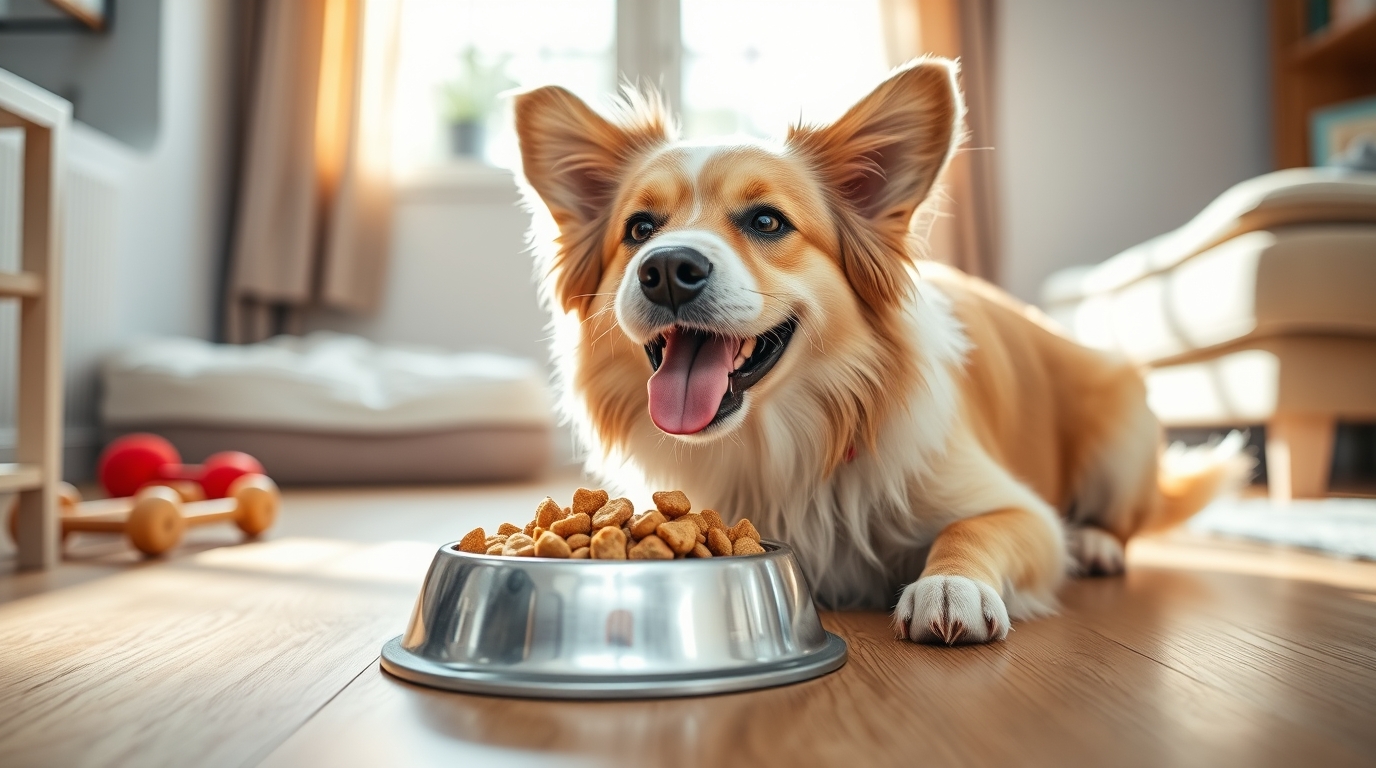
If your dog loves texture, flavor, and variety, then chewy dog food might be the perfect choice. Unlike traditional dry kibble, chewy dog food offers a softer, more palatable experience that many dogs find irresistible. But here’s the real question—is chewy dog food actually good for your dog? In this fully SEO-optimized guide, we’ll break down everything you need to know about chewy dog food, including benefits, types, how to choose the best one, and whether it’s suitable for puppies, adults, or senior dogs. What Is Chewy Dog Food? Chewy dog food refers to dog food with a soft, moist, or semi-moist texture that is easier to chew compared to hard kibble. It can come in various forms, including: This type of food is especially popular for dogs that struggle with hard food or simply prefer softer textures. Why Dogs Love Chewy Dog Food Dogs are naturally drawn to chewy textures because they mimic the consistency of real meat. The aroma and moisture content also make it more appealing. Key Benefits of Chewy Dog Food If your dog turns away from kibble, switching to chewy dog food can make a noticeable difference. Types of Chewy Dog Food Understanding the types helps you choose the best option for your pet. 1. Semi-Moist Chewy Dog Food This is the most common type of chewy dog food. Features: Best for: Picky eaters and small dogs. 2. Wet Chewy Dog Food Wet food naturally has a chewy texture due to its high moisture content. Features: Best for: Senior dogs and dogs with dental issues. 3. Soft Dry Dog Food (Soft Kibble) This is a hybrid between kibble and moist food. Features: Best for: Dogs transitioning from kibble to soft food. 4. Chewy Dog Treats These are not complete meals but are widely used. Features: Best for: Rewards and training sessions. Is Chewy Dog Food Healthy? Yes—but only if it’s nutritionally balanced. When choosing chewy dog food, make sure it contains: Avoid products with excessive sugar, artificial colors, or low-quality by-products. Best Chewy Dog Food Ingredients to Look For To ensure your dog gets the best nutrition, check the ingredient list carefully. Top Ingredients Ingredients to Avoid Chewy Dog Food for Different Life Stages Chewy Dog Food for Puppies Puppies need soft, easy-to-chew food. Benefits: Choose puppy-specific formulas with DHA and calcium. Chewy Dog Food for Adult Dogs Adult dogs benefit from balanced nutrition. Focus on: Chewy Dog Food for Senior Dogs Older dogs often struggle with hard kibble. Benefits: Chewy Dog Food vs Dry Dog Food Chewy Dog Food Dry Dog Food Best Approach A combination of both can provide balanced benefits. How Much Chewy Dog Food Should You Feed? Feeding depends on: General Feeding Guide Weight Daily Food 10 lbs ¾ – 1 cup 25 lbs 1½ – 2 cups 50 lbs 2½ – 3 cups 75 lbs 3½ – 4 cups Always check product labels for exact guidelines. Best Chewy Dog Food Brands (General Recommendations) Look for reputable brands known for quality and transparency. Choose brands that meet AAFCO nutritional standards. Common Mistakes When Feeding Chewy Dog Food Avoid these mistakes: Soft food can lead to plaque buildup if dental care is ignored. Tips for Feeding Chewy Dog Food Conclusion Chewy dog food is an excellent option for dogs that prefer soft textures or have difficulty eating hard kibble. Whether you choose wet food, semi-moist meals, or soft treats, the key is ensuring the food is nutritionally balanced and suits your dog’s needs. With the right choice, chewy dog food can improve your dog’s appetite, digestion, and overall happiness. Frequently Asked Questions 1. Is chewy dog food better than dry food? It depends on your dog’s needs. Chewy food is easier to eat, while dry food supports dental health. 2. Can I feed chewy dog food every day? Yes, as long as it is nutritionally complete and balanced. 3. Is chewy dog food good for puppies? Yes, it’s ideal for puppies because it’s easy to chew and digest. 4. Does chewy dog food cause dental problems? It can if dental hygiene is ignored. Regular brushing helps prevent issues. 5. Can I mix chewy dog food with kibble? Yes, mixing both provides balanced nutrition and improves taste. Also Read:

Best Feeding Schedule for Cats – Complete Guide for Healthy & Happy Cats

Best Feeding Schedule for Cats

Feeding your cat isn’t just about what you feed—it’s also about when and how often. A well-planned routine can improve digestion, prevent obesity, reduce anxiety, and even strengthen your bond with your pet. That’s why so many pet owners search for the best feeding schedule for cats to ensure their furry companion stays healthy and satisfied. In this complete, SEO-optimized guide, you’ll learn the ideal feeding schedule based on age, weight, and lifestyle, along with expert tips to create a routine that works for both you and your cat. Why a Feeding Schedule Is Important for Cats Cats are creatures of habit. In the wild, they hunt and eat small meals throughout the day. Domestic cats still have this instinct, which means they thrive on consistency. A proper cat feeding schedule helps: Without a routine, cats may overeat, beg constantly, or develop digestive issues. How Often Should You Feed a Cat? One of the most common questions is: how often should you feed a cat per day? General Recommendation The key is consistency—feeding at the same time every day. Best Feeding Schedule for Cats by Age Kitten Feeding Schedule (0–6 Months) Kittens grow rapidly and need frequent meals. Recommended schedule: Kittens require high-protein, calorie-dense food to support development. Adult Cat Feeding Schedule (1–7 Years) Adult cats need fewer meals but still benefit from structure. Ideal schedule: This is considered the best feeding schedule for adult cats. Senior Cat Feeding Schedule (7+ Years) Older cats may need smaller, more frequent meals due to slower digestion. Recommended schedule: Senior diets should focus on easy digestion and hydration. Best Feeding Schedule for Indoor Cats Indoor cats are less active and prone to weight gain. Ideal Routine for Indoor Cats Avoid free-feeding (leaving food out all day), as it often leads to obesity. Best Feeding Schedule for Outdoor Cats Outdoor cats burn more calories and may need additional feeding. Recommended Routine Outdoor cats may require slightly larger portions due to higher activity levels. Wet Food vs Dry Food Feeding Schedule Wet Food Feeding Schedule Dry Food Feeding Schedule Best Approach Many experts recommend a mixed feeding schedule: This provides balanced nutrition and variety. How Much Should You Feed Your Cat? Feeding the right amount is just as important as timing. General Feeding Chart Cat Weight Daily Calories Food Amount 5 lbs 180–200 kcal ¼ cup dry 8 lbs 200–250 kcal ⅓ cup dry 10 lbs 250–300 kcal ½ cup dry 12 lbs 300–350 kcal ½–⅔ cup dry Adjust based on activity level and health. Free Feeding vs Scheduled Feeding Free Feeding Drawbacks: Scheduled Feeding Best choice: Scheduled feeding is ideal for most cats. Using Automatic Feeders for Cat Feeding Schedule Automatic feeders can help maintain a consistent routine. Benefits They are especially helpful for maintaining the best feeding schedule for cats even when you’re not home. Common Mistakes in Cat Feeding Schedules Avoid these mistakes: Consistency is key. Signs Your Cat’s Feeding Schedule Needs Adjustment Watch for: If you notice these signs, review your feeding schedule and consult a vet. Tips for Creating the Best Feeding Routine A structured routine creates a healthier and happier cat. Conclusion The best feeding schedule for cats is one that matches your cat’s age, activity level, and lifestyle while maintaining consistency. Most adult cats do best with two meals per day, while kittens and seniors may require more frequent feeding. By following a structured feeding routine, you can improve your cat’s health, prevent obesity, and create a stable environment that your cat will love. Frequently Asked Questions 1. What is the best feeding schedule for cats? Two meals per day—morning and evening—is ideal for most adult cats. 2. Can cats go 8 hours without food? Yes, healthy adult cats can go 8–12 hours between meals. 3. Should I leave food out all day? No, free feeding can lead to overeating and weight gain. 4. Is wet or dry food better for a feeding schedule? A mix of both is often the best option. 5. How do I know if my cat is eating enough? Also Read:

Printable Cat Feeding Schedule – Complete Guide for Healthy Cat Feeding

Printable Cat Feeding Schedule

Feeding your cat properly is one of the most important parts of responsible pet care. Cats thrive on routine, and a structured feeding plan helps maintain their health, weight, and behavior. That’s why many pet owners search for a printable cat feeding schedule to track meals and ensure their cat gets the right amount of food every day. In this detailed guide, you’ll learn how to create a cat feeding schedule, how much to feed your cat based on age and weight, and how a printable cat feeding chart can help you maintain a healthy routine. Whether you have a kitten, adult cat, or senior cat, this article will help you build the perfect feeding routine. Why a Printable Cat Feeding Schedule Is Important Cats are creatures of habit. A consistent feeding schedule helps regulate digestion, prevents overeating, and reduces anxiety in cats. A printable cat feeding schedule provides several benefits: If multiple people in your household feed the cat, a printed schedule prevents accidental double feeding. Understanding a Cat’s Natural Feeding Behavior In the wild, cats hunt and eat several small meals throughout the day. Domestic cats still retain this instinct, which means they prefer smaller meals rather than one large meal. Most veterinarians recommend feeding cats 2 to 4 small meals per day depending on age and health conditions. A cat feeding routine schedule should mimic this natural eating behavior as closely as possible. Printable Cat Feeding Schedule by Age The ideal feeding schedule depends on your cat’s life stage. Kitten Feeding Schedule (0–6 Months) Kittens grow quickly and require more calories and frequent meals. Recommended schedule: Meals per day: 4 meals Kittens need high-protein kitten food that supports growth and development. Adult Cat Feeding Schedule (1–7 Years) Adult cats typically need fewer meals. Recommended schedule: Meals per day: 2 meals Some owners prefer adding a small midday snack if the cat has high activity levels. Senior Cat Feeding Schedule (7+ Years) Senior cats often benefit from smaller, more frequent meals. Recommended schedule: Meals per day: 2–3 meals Senior diets should support joint health, digestion, and hydration. How Much to Feed a Cat Per Day Chart One of the most common questions is how much to feed a cat per day. The answer depends on weight, activity level, and food type. Cat Feeding Chart by Weight Cat Weight Dry Food per Day Wet Food per Day 5 lbs ¼ cup 3–4 oz 8 lbs ⅓ cup 4–5 oz 10 lbs ½ cup 5–6 oz 12 lbs ½–⅔ cup 6–7 oz This cat feeding chart can be used to create your own printable cat feeding schedule PDF. Printable Cat Feeding Schedule Template Below is a simple example of a printable schedule you can follow: Time Meal Portion 7:00 AM Breakfast ½ daily portion 12:00 PM Snack Small portion 6:00 PM Dinner Remaining portion You can print this chart and place it near your cat’s feeding area. A balanced feeding routine often includes both wet and dry food. Wet Food Benefits Dry Food Benefits Many cat owners use mixed feeding, where wet food is served in the morning and dry food later in the day. Free Printable Cat Feeding Schedule Creating a free printable cat feeding schedule helps you maintain consistency. Your printable chart should include: You can laminate the schedule or keep it in your pet care binder. Best Feeding Routine for Indoor Cats Indoor cats usually require fewer calories because they are less active. Recommended routine: Avoid leaving unlimited food out all day because it can lead to obesity. Automatic Feeders and Feeding Schedules Automatic feeders are useful for busy owners. Benefits include: These devices work well with a structured cat feeding schedule. Common Feeding Mistakes Cat Owners Make Even experienced owners make feeding mistakes. Common problems include: Using a printable cat feeding chart can help prevent these issues. Signs Your Cat’s Feeding Schedule Needs Adjustment Watch for signs your cat’s diet needs improvement: If you notice these issues, consult a veterinarian. Tips for Maintaining a Healthy Cat Feeding Routine Follow these simple practices to maintain a healthy schedule: Consistency is the key to a healthy feeding routine. Conclusion A printable cat feeding schedule is one of the easiest ways to maintain your cat’s health and establish a reliable routine. By following a structured feeding plan based on age, weight, and activity level, you can prevent obesity, improve digestion, and keep your cat happy. Whether you use a cat feeding chart, an automatic feeder, or a simple printable schedule on your fridge, consistency will make a huge difference in your cat’s well-being. With the right feeding routine, your cat can enjoy a healthier and longer life. Frequently Asked Questions How much should I feed my cat per day? Most adult cats need around 200–250 calories per day, depending on weight and activity. What is a good feeding schedule for cats? Two meals per day, morning and evening, works well for most adult cats. Can cats go 8 hours without food? Yes, healthy adult cats can comfortably go 8 hours between meals. Should cats eat wet or dry food? A combination of both often provides the best balance of hydration and nutrition. Is a printable cat feeding schedule useful? Yes, it helps maintain consistency, track portions, and prevent accidental overfeeding. Also Read:

Nutritionally Complete Homemade Dog Food Recipes – A Complete Guide for Healthy Dogs

Nutritionally Complete Homemade Dog Food Recipes

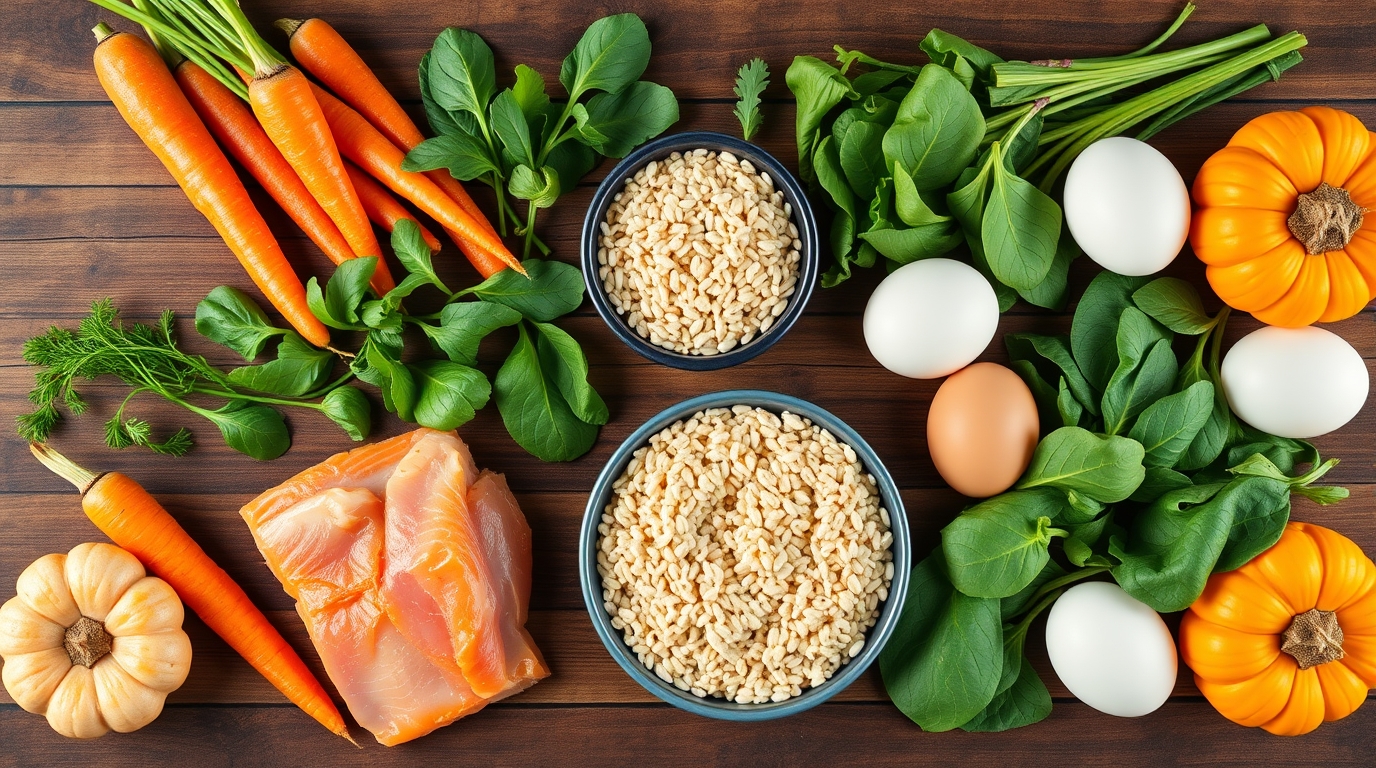
Feeding your dog isn’t just about filling a bowl with kibble. More and more pet owners are exploring nutritionally complete homemade dog food recipes to ensure their dogs receive fresh, balanced, and wholesome nutrition. While homemade meals can be incredibly beneficial, they must be carefully prepared to provide the right balance of proteins, fats, vitamins, and minerals. In this comprehensive guide, you’ll learn what makes homemade dog food nutritionally complete, the best ingredients to use, easy recipes you can prepare at home, and tips to ensure your dog gets all the nutrients needed for a long and healthy life. Why Choose Nutritionally Complete Homemade Dog Food? Commercial dog foods are convenient, but they may contain preservatives, fillers, and artificial ingredients. Homemade dog food allows you to control exactly what goes into your dog’s meals. Benefits of Homemade Dog Food However, homemade dog food must be balanced and nutritionally complete, otherwise it can cause deficiencies over time. What Does “Nutritionally Complete” Mean for Dogs? A nutritionally complete dog meal contains the right proportions of: Veterinarians often recommend the following approximate ratio for homemade dog meals: This balance ensures your dog receives adequate nutrients without excess calories. Essential Ingredients for Homemade Dog Food Before diving into recipes, it’s important to understand the ingredients that make meals nutritious. High-Quality Protein Sources Protein is the foundation of a healthy dog diet. Best options include: Protein helps build strong muscles and supports overall growth. Healthy Carbohydrates Carbohydrates provide energy and aid digestion. Good choices include: These carbohydrates release energy slowly and support gut health. Dog-Safe Vegetables Vegetables provide vitamins, antioxidants, and fiber. Safe options include: Vegetables also help regulate digestion. Healthy Fats Dogs need fats for brain health and energy. Recommended sources: These fats also improve coat shine and skin condition. Top Nutritionally Complete Homemade Dog Food Recipes Below are balanced recipes designed to provide complete nutrition. 1. Chicken and Rice Balanced Dog Meal This is one of the most popular nutritionally complete homemade dog food recipes. Ingredients Preparation Benefits 2. Beef and Sweet Potato Power Bowl A hearty meal that supports muscle growth and energy. Ingredients Preparation Benefits 3. Salmon and Quinoa Nutrient Bowl Perfect for dogs with skin sensitivities. Ingredients Preparation Benefits 4. Turkey and Vegetable Balanced Meal This meal is light but nutritionally dense. Ingredients Preparation Benefits 5. Egg and Oat Breakfast for Dogs A simple but nutritious homemade meal. Ingredients Preparation Benefits Important Supplements for Homemade Dog Food Even well-balanced homemade meals may need additional nutrients. Calcium Essential for bone health. Sources: Omega-3 Fatty Acids Promote healthy skin and reduce inflammation. Sources: Multivitamins Some dogs may benefit from canine multivitamins approved by veterinarians. Foods You Should Never Feed Dogs Certain foods are toxic and should never be included in homemade meals. Avoid: Always research ingredients before feeding them to your dog. How Much Homemade Dog Food Should You Feed? Portion size depends on: A general guideline: Dog Weight Daily Food Amount 10 lbs ¾ – 1 cup 25 lbs 1½ – 2 cups 50 lbs 2½ – 3 cups 75 lbs 3½ – 4 cups Divide meals into two servings per day. Tips for Transitioning to Homemade Dog Food Switching foods too quickly can upset your dog’s stomach. Follow this transition plan: Day 1–2: 75% old food + 25% homemadeDay 3–4: 50% old food + 50% homemadeDay 5–6: 25% old food + 75% homemadeDay 7: 100% homemade diet This gradual transition helps prevent digestive problems. Storing Homemade Dog Food Safely Homemade meals should be stored properly to prevent spoilage. Storage tips: Common Mistakes When Making Homemade Dog Food Many owners unintentionally make nutritional mistakes. Avoid these common errors: Balanced nutrition is essential for long-term health. Conclusion Preparing nutritionally complete homemade dog food recipes is one of the best ways to ensure your dog receives fresh, high-quality nutrition. By using balanced ingredients such as lean proteins, healthy carbohydrates, vegetables, and essential fats, you can create meals that support your dog’s overall health, energy levels, and longevity. However, balance is key. Always ensure your recipes contain the right proportions of nutrients and consult a veterinarian if you’re unsure. With proper planning and care, homemade dog food can become a healthy and rewarding part of your dog’s daily routine. Frequently Asked Questions 1. Are homemade dog food recipes healthier than commercial food? They can be healthier if they are nutritionally balanced and made with high-quality ingredients. 2. Can dogs eat homemade food every day? Yes, as long as the meals are nutritionally complete and provide all essential nutrients. 3. Do homemade dog meals require supplements? Often yes. Calcium and omega-3 supplements are commonly recommended. 4. How long can homemade dog food be stored? Refrigerated meals last about 3–4 days, while frozen portions can last up to 3 months. 5. Is rice good for dogs in homemade recipes? Yes, brown rice is a healthy carbohydrate that provides energy and supports digestion. Also Read:

Best Dog Food for Xoloitzcuintli Puppies – Complete Nutrition Guide (2026)

Best Dog Food for Xoloitzcuintli Puppies

Choosing the best dog food for Xoloitzcuintli puppies might sound simple until you realize how unique this ancient breed is. Commonly called “Xolos,” these Mexican hairless dogs have distinctive body types, metabolisms, and nutritional needs — meaning a generic puppy diet won’t always cut it. In this in-depth guide, you’ll learn exactly what to look for, how much to feed at each growth stage, how different food types compare (wet vs dry), breed-specific sensitivities, and how to adjust feeding as your Xolo pup grows into adulthood. Why Nutrition Matters for Xoloitzcuintli Puppies Xolos are an athletic, medium-energy breed with a lean body. During puppyhood, they’re building bone, brain, and immune strength constantly. This stage determines lifelong health, so choosing proper nutrition is critical. Great nutrition affects: Poor nutrition can easily lead to stunted growth, weak immunity, or obesity — even in a breed known for its lean build. Key Nutritional Needs of Xoloitzcuintli Puppies High-Quality Animal Protein Muscle and tissue development rely on premium protein. Look for named sources like: Balanced Fats Healthy fats fuel energy and support skin health — especially crucial for hairless variation. Omega-3 and Omega-6 fatty acids help with: Complex Carbohydrates Easily digestible carbs provide sustained energy. Good sources include: Vitamins & Minerals Calcium and phosphorus should be balanced for bones, while antioxidants support immunity. Best Dog Food for Xoloitzcuintli Puppies (Top Picks) Here’s a breakdown of nutrient-rich, breed-appropriate puppy foods known for quality and balance: 1. Premium Small/Medium Breed Puppy Formulas Xoloitzcuintli puppies benefit from formulas meant for smaller frames with moderate energy needs. Look for: Ideal foods include high-quality kibble or mixed wet food with named proteins. Dry vs Wet Food for Xoloitzcuintli Puppies Dry Food (Kibble) Pros: Cons: Wet Food Pros: Cons: Best practice: A balanced combo of dry kibble + occasional wet food works well — especially for growing Xolo pups. How Much to Feed Xoloitzcuintli Puppies (Feeding Chart) Puppy Age Daily Calories Dry Food (approx) 8–12 weeks 800–1000 kcal 2 – 2.5 cups 3–6 months 900–1,200 kcal 2.5 – 3 cups 6–12 months 800–1,000 kcal 2 – 2.5 cups Note: Adjust based on activity level, growth rate, and vet direction. Always measure portions to prevent overfeeding. Feeding Schedule for Xoloitzcuintli Puppies Up to 12 Weeks 3–6 Months 6–12 Months Consistent routines help with digestion and training. Homemade vs Commercial Dog Food for Xolo Tog Puppies Commercial Food (Recommended for Beginners) High-quality commercial puppy foods are formulated to meet nutritional benchmarks established by AAFCO (Association of American Feed Control Officials). This ensures balanced calories and nutrients. Homemade Diet If you prefer homemade meals: A veterinary-approved homemade dog food calculator can help determine correct portions based on weight and age. Common Food Sensitivities in Xoloitzcuintli Puppies Some pups may show reactions such as: If this happens: Best Supplements for Xoloitzcuintli Puppies Adding certain supplements can support growth: Always consult your vet before starting any supplements. Signs Your Xolo Puppy Isn’t Getting Proper Nutrition Watch for: If any occur, adjust food or consult a veterinarian immediately. Transitioning Puppy Food Safely Switch to adult food around 10–12 months, depending on your pup’s size and energy level. Do it gradually over 7–10 days: This minimizes digestive upset. Tips to Make Feeding Fun and Effective Interactive Feeders Puzzle feeders slow eating and mentally engage your pup. Scheduled Feeding Avoid free-feeding — it promotes begging and obesity. Hydration Is Key Moisture helps digestion — especially in hairless Xolos prone to dry skin. Conclusion Feeding a Xoloitzcuintli puppy is more than scooping food into a bowl — it’s about choosing the best dog food formulated for puppies, understanding their unique nutritional profile, and setting a healthy feeding routine. Pick formulas with high-quality proteins, moderate fats, and balanced nutrients. Use feeding charts and adjust based on activity and growth. And always consult your vet when in doubt. With the right nutrition plan, your Xoloitzcuintli puppy will grow into a strong, happy, and healthy adult. Frequently Asked Questions (FAQs) 1. What is the best dog food for Xoloitzcuintli puppies?High-protein, balanced puppy formulas designed for small to medium breeds are ideal. Look for named meat sources and optimal fat levels. 2. Should Xolo puppies eat wet or dry food?A mix of both provides hydration and dental benefits, but dry food alone works if balanced and measured properly. 3. How often should Xolo puppies be fed?4 meals/day up to 12 weeks, then 3 meals/day until 6 months, then 2–3 meals/day until adulthood. 4. Can I feed my Xolo puppy homemade food?Yes, if nutritionally balanced and veterinarian-approved. Use a dog food calculator to portion correctly. 5. When should I transition to adult food?Typically around 10–12 months, depending on your puppy’s growth rate and vet recommendations. Also Read:\

Dog Food Calculator – The Ultimate Guide to Feeding Your Dog the Right Way

Dog Food Calculator

Feeding your dog seems simple, right? Pour some kibble into a bowl and call it a day. But here’s the truth: most dogs are either overfed or underfed. And that tiny miscalculation? It compounds over years. That’s where a Dog Food Calculator changes everything. Think of it like a GPS for your dog’s nutrition. Instead of guessing, you calculate. Instead of overfeeding, you optimize. Instead of reacting to weight gain later, you prevent it now. Let’s break this down properly. What Is a Dog Food Calculator and Why It Matters? A Dog Food Calculator is a tool that estimates how many calories your dog needs daily based on weight, age, activity level, and food type. It eliminates guesswork. How Feeding Impacts Long-Term Health Overfeeding leads to: Underfeeding leads to: Food is fuel. Too much floods the engine. Too little stalls it. Why Guesswork Is Dangerous Dog food bags often give broad feeding ranges. But dogs aren’t identical machines. A 20kg couch-loving dog doesn’t need the same calories as a 20kg agility champion. Types of Dog Food Calculators Explained Dog Food Calculator by Weight This is the most basic form. It calculates calorie needs based on body weight alone. Best for: Dog Food Calculator by Weight and Age This version is more precise. Puppies burn more calories. Seniors burn fewer. Age dramatically changes nutritional needs. Dog Food Calculator Wet and Dry Wet food contains more moisture and fewer calories per gram than dry food. Mixing both without calculating properly can double your dog’s daily calories. This calculator adjusts for calorie density differences. Dog Food Calculator Homemade Feeding homemade meals? You absolutely need this. Unlike kibble, homemade meals vary in calories depending on ingredients. A Dog Food Calculator Homemade version estimates portions based on ingredient calorie values. Best Homemade Dog Food Calculator – How It Works The Best Homemade Dog Food Calculator uses scientific formulas. Let’s simplify it. Resting Energy Requirement (RER) RER = 70 × (body weight in kg)^0.75 This calculates the calories your dog needs at rest. Maintenance Energy Requirement (MER) MER = RER × Activity Factor Activity Factors: This is your true daily calorie target. Dog Food Calculator Royal Canin vs Generic Calculators Many owners search specifically for Dog Food Calculator Royal Canin. Why? Brand-specific calculators use the calorie density of their exact formula. Brand-Specific Feeding Charts Royal Canin formulas differ in calorie density per cup. Using a generic calculator without adjusting for that difference may lead to incorrect portions. When to Follow Brand Guidelines Use brand charts: But always cross-check with weight-based calorie needs. Dog Food Calculator by Weight – Step-by-Step Guide Let’s simplify feeding by weight categories. Small Dogs (Under 10kg) They have faster metabolisms. Approximate calorie range: Small dogs need calorie-dense food in smaller portions. Medium Dogs (10–25kg) Moderate metabolism. Large Dogs (25–45kg) Slower metabolism relative to size. Dog Food Calculator by Weight and Age – Complete Chart Puppies Puppies need 2–3× adult calories. Example:10kg puppy = 1200–1500 kcal Adults Balanced energy intake. Example:20kg adult = 1000 kcal average Seniors Reduced calorie needs. Example:20kg senior = 800–900 kcal Dog Food Calculator Wet and Dry – Mixing Correctly Dry food = higher calorie densityWet food = lower calorie density If your dry food has 400 kcal per cup and your wet food has 100 kcal per 100g, you must calculate portions accordingly. Never assume equal volume equals equal calories. Dog Food Calculator Homemade – Portion Planning Homemade feeding requires ingredient breakdown. Example homemade meal: If your dog needs 1000 kcal, you divide calories proportionally. Homemade Dog Food Calculator Free Tools Free online calculators: Always ensure nutrient balance — not just calorie count. Common Feeding Mistakes to Avoid Hunger doesn’t always equal need. Sample Feeding Calculations Example: 25kg adult dog RER = 70 × (25)^0.75 ≈ 800 kcalMER = 800 × 1.6 ≈ 1280 kcal daily If food contains 400 kcal per cup:1280 ÷ 400 = 3.2 cups daily Split into 2 meals = 1.6 cups per meal Simple math. Massive health impact. Conclusion A Dog Food Calculator is not optional it’s essential. Whether you’re using a Dog Food Calculator Royal Canin, a Dog Food Calculator Wet and Dry, or the Best Homemade Dog Food Calculator, the goal remains the same: feed accurately, not emotionally. Precision feeding prevents obesity, increases lifespan, improves energy, and protects joints. Stop guessing. Start calculating. Your dog’s health depends on it. FAQs 1. What is the best dog food calculator? The best one calculates based on weight, age, activity, and food calorie density. 2. Can I use a homemade dog food calculator free tool? Yes, but always ensure nutrient balance beyond calories. 3. Is a dog food calculator by weight enough? It’s a starting point. Age and activity level improve accuracy. 4. How do I calculate wet and dry food together? Convert both into calories and ensure the total matches your daily target. 5. Should I follow Dog Food Calculator Royal Canin guidelines exactly? Use them as guidance, but confirm calorie needs using weight-based calculations. Also Read:

Labrador Printable Dog Diet Chart – Complete Feeding Guide by Age, Weight & Lifestyle

Labrador Printable Dog Diet Chart

Labradors are one of the most loved dog breeds in the world—and also one of the most food-motivated. Their friendly nature, fast metabolism in early life, and tendency to overeat make proper nutrition extremely important. That’s why many Labrador owners search for a Labrador printable dog diet chart they can follow daily without confusion. In this detailed guide, you’ll learn exactly what to feed a Labrador, how much to feed at each life stage, how to prevent obesity, and how to use a printable Labrador diet chart for puppies, adults, and senior dogs. Whether you’re a new Labrador parent or managing a multi-dog household, this article will help you build a healthy, consistent feeding routine. Why Labradors Need a Structured Diet Chart Labradors are genetically prone to overeating and weight gain. Many Labradors lack the natural “off switch” that tells them to stop eating, which means free-feeding or guesswork portions often lead to obesity. A Labrador printable dog diet chart helps you: Having a printed chart near the feeding area or fridge makes daily feeding stress-free and precise. Understanding Labrador Nutrition Needs Labradors are medium-to-large breed dogs with strong muscles and high energy levels, especially in puppyhood and adulthood. Their diet must balance protein for muscle, controlled fat for energy, and fiber for digestion. Key Nutritional Requirements Because Labradors mature slowly, feeding them correctly during growth stages is critical. Labrador Printable Dog Diet Chart by Age Age is the most important factor when planning a Labrador’s diet. Below is a clear, easy-to-print feeding guide. Labrador Puppy Feeding Chart (0–12 Months) Puppy Age Meals/Day Daily Food Amount 6–8 weeks 4 meals 1½–2 cups 2–3 months 4 meals 2–3 cups 4–6 months 3 meals 3–4 cups 7–12 months 2–3 meals 3½–5 cups Notes: This table is ideal for a printable Labrador puppy diet chart. Adult Labrador Printable Dog Diet Chart (1–7 Years) Adult Labradors need fewer calories than puppies but still require high-quality nutrition. Weight Activity Level Daily Food 25–30 kg Moderate 3–3½ cups 30–35 kg Active 3½–4 cups 35–40 kg Very Active 4–4½ cups Split food into two meals per day to prevent bloating and overeating. Senior Labrador Feeding Chart (7+ Years) As Labradors age, metabolism slows and joint health becomes a priority. Age Meals/Day Daily Food 7–9 years 2 meals 2½–3 cups 10+ years 2 small meals 2–2½ cups Senior diets should be: Labrador Diet Chart by Weight (Daily Guide) Many owners prefer weight-based feeding. This table works well for a Labrador printable dog diet chart by weight. Labrador Weight Daily Calories Dry Food 25 kg 1,200–1,300 kcal 3 cups 30 kg 1,400–1,500 kcal 3½ cups 35 kg 1,600–1,700 kcal 4 cups 40 kg 1,800 kcal 4½ cups Always adjust for activity level and body condition. Best Feeding Schedule for Labradors Labradors thrive on routine. Recommended daily schedule: Puppies may need a midday meal. Adult Labradors do best on two meals per day, not one large meal. Dry Food vs Wet Food for Labradors Dry Food Wet Food Best approach:Dry food as the base + occasional wet food or broth for variety. Homemade Food in a Labrador Diet Chart Some owners prefer homemade meals, but Labradors need nutritionally balanced recipes. A simple homemade Labrador meal may include: Homemade diets should be vet-approved and supplemented to avoid deficiencies. Common Labrador Feeding Mistakes to Avoid Free-feeding all dayOverfeeding treatsFeeding table scrapsIgnoring weight gainUsing adult food for puppies too early A printable chart helps prevent all of these mistakes. How to Tell If Your Labrador Is Eating the Right Amount Healthy signs Warning signs If unsure, consult a veterinarian. Labrador Treats & Extras – How Much Is Too Much? Treats should make up no more than 10% of daily calories. Good treat options: Avoid high-fat or sugary treats. Hydration & Water Intake for Labradors Labradors need constant access to fresh water, especially after exercise. In hot weather, dehydration increases appetite confusion—dogs may seem hungry when they’re actually thirsty. Pet parents prefer printable charts because they are: A Labrador printable dog diet chart removes guesswork and improves long-term health outcomes. Conclusion A Labrador’s health is built in the food bowl. Using a Labrador printable dog diet chart helps you feed the right amount at the right time, preventing obesity while supporting muscle, joints, and energy. Whether you’re raising a puppy, managing an adult, or caring for a senior Labrador, consistency and portion control are the keys to a long, healthy life. Print the chart, follow it daily, and adjust based on your dog’s unique needs. Also Read:

Summer Superfoods for Dogs – The Ultimate Guide to Nutritious Foods

Summer Superfoods for Dogs

Summer can be a challenging season for dogs. High temperatures, humidity, dehydration, and reduced appetite can affect their energy levels, digestion, and overall health. Just like humans, dogs need dietary adjustments during hot months to stay cool, hydrated, and nourished. That’s where summer superfoods for dogs come in. Summer superfoods are natural, nutrient-dense foods that help regulate body temperature, boost hydration, support digestion, and strengthen immunity. In this detailed guide, you’ll learn what foods are best for dogs in summer, how to serve them safely, and how to build a balanced summer diet that keeps your dog happy and healthy. Why Summer Nutrition Is Important for Dogs Dogs regulate body heat primarily through panting and limited sweating through their paws. In summer, excessive heat can quickly lead to dehydration, lethargy, digestive upset, and even heatstroke. Many dogs also eat less during hot weather, increasing the risk of nutrient deficiencies. A smart summer diet should: Adding the right summer superfoods for dogs helps achieve all of this naturally. What Are Summer Superfoods for Dogs? Superfoods are whole foods rich in essential nutrients like vitamins, minerals, antioxidants, fiber, and healthy fats. For dogs, superfoods support immune function, digestion, skin and coat health, joint strength, and overall vitality. Summer-friendly superfoods are typically: Hydration Comes First – The Foundation of Summer Dog Nutrition Before discussing individual foods, hydration deserves special attention. Dogs need constant access to fresh, clean water in summer. However, hydration can also come from food. Foods with high moisture content reduce the risk of dehydration and help regulate body temperature. This makes fruits and vegetables especially valuable in summer. Top Summer Superfoods for Dogs 1. Watermelon – The Ultimate Summer Hydration Fruit Watermelon is one of the best summer superfoods for dogs. It is over 90% water and packed with vitamins A, B6, and C. Benefits: How to serve:Remove seeds and rind, cut into small chunks, serve chilled (not frozen solid). 2. Cucumber – Cooling & Low-Calorie Cucumbers are refreshing, crunchy, and extremely hydrating. Benefits: Cucumber is ideal for overweight dogs or those with low summer appetite. 3. Coconut Water – Natural Electrolyte Booster Plain, unsweetened coconut water can be a powerful summer hydration booster. Benefits: Serve in small amounts and avoid flavored or sweetened versions. 4. Blueberries – Antioxidant Powerhouse Blueberries are one of the best fruits dogs can eat in summer. Benefits: They’re also perfect as training treats or frozen snacks. 5. Pumpkin – Digestive Superfood (Year-Round, Especially Summer) While pumpkin is often associated with fall, it’s incredibly useful in summer. Benefits: Use plain, cooked pumpkin with no spices or sugar. 6. Yogurt (Plain & Unsweetened) – Gut Health Support Heat can disrupt gut bacteria, leading to loose stools. Benefits: Avoid flavored yogurt and dogs with lactose sensitivity. 7. Apples – Light, Crunchy & Nutritious Apples are refreshing and packed with fiber and vitamin C. Benefits: Always remove seeds and core. 8. Carrots – Cooling Crunch for Summer Snacking Carrots can be served raw, cooked, or frozen. Benefits: Frozen carrot sticks can soothe teething dogs and cool them down. 9. Leafy Greens (Spinach, Kale in Small Amounts) Leafy greens are nutrient-dense but should be served in moderation. Benefits: Lightly steam to improve digestibility. 10. Chia Seeds – Hydration & Omega-3 Boost Soaked chia seeds form a gel that helps retain moisture. Benefits: Always soak before serving. Best Protein Sources for Dogs in Summer Heavy, fatty meats can feel uncomfortable in hot weather. Summer diets should include lean, easily digestible proteins. Best options: Protein remains essential but should be balanced with hydration-rich foods. Homemade Summer Dog Food Ideas Using Superfoods A balanced summer meal might include: This type of homemade meal is light, nutritious, and easy on digestion. Foods Dogs Should Avoid in Summer Some foods worsen heat stress or cause dehydration. Avoid: Never assume a “cool” human food is safe for dogs. How Much Summer Superfood Should Dogs Eat? Superfoods should complement, not replace, a balanced dog diet. General rule: Signs Your Dog Needs Dietary Adjustment in Summer Watch for: If symptoms persist, consult a veterinarian. Summer Feeding Tips for Dogs Feed during cooler times of the day (early morning and evening).Avoid heavy meals before outdoor activity.Add water or broth to food for hydration.Use frozen treats in moderation.Keep food fresh and avoid leaving it out too long. Can Puppies and Senior Dogs Eat Summer Superfoods? Yes, but portions and preparation matter. Puppies:Soft, finely chopped foods, small portions. Senior dogs:Easy-to-chew foods, lower fat, higher hydration. Are Commercial Summer Dog Foods Necessary? Not always. While some commercial “summer formulas” exist, most dogs do just fine with minor dietary adjustments and the addition of natural superfoods. Whole foods offer freshness, hydration, and transparency that many commercial diets lack. Conclusion: Summer can be tough on dogs, but the right nutrition makes a huge difference. Adding summer superfoods for dogs like watermelon, cucumber, pumpkin, blueberries, yogurt, and lean proteins helps regulate body temperature, improve hydration, and support digestion during hot months. These natural foods are easy to prepare, affordable, and packed with health benefits. A smart summer diet focuses on hydration, light meals, and nutrient-dense ingredients. By making small, thoughtful changes, you can keep your dog energetic, comfortable, and healthy all summer long. Also Read:

Printable Puppy Feeding Chart – Complete Guide by Age, Weight & Breed

A healthy, happy puppy sitting beside a clean food bowl in a bright home environment, natural daylight, soft neutral tones, minimal background, realistic pet lifestyle photography, 4K resolution

Feeding a puppy correctly during the first year of life is one of the most important responsibilities of a dog parent. Puppies grow rapidly, and improper feeding—either too much or too little,can lead to obesity, poor bone development, digestive issues, or lifelong health problems. That’s why so many pet owners search for a printable puppy feeding chart they can easily follow every day. This in-depth guide explains how much to feed a puppy by weight (kg), feeding schedules by age and breed, calorie needs, and how to use a free printable puppy feeding chart at home. You’ll also find references to popular brand guidelines like the Purina Pro Plan Puppy feeding chart, plus practical tips to adjust portions as your puppy grows. Why You Need a Printable Puppy Feeding Chart Puppies don’t eat like adult dogs. Their bodies require more calories, protein, and nutrients to support rapid growth, brain development, and immune strength. A printable puppy feeding chart helps you stay consistent, avoid guesswork, and prevent common feeding mistakes,especially in busy households or multi-pet homes. Benefits of using a feeding chart include: Many vets recommend keeping a feeding chart visible near your puppy’s feeding area or fridge. Understanding Puppy Nutrition Basics Before using any chart, it’s important to understand what puppies need nutritionally. Puppies require: This is why puppies should always eat puppy-specific food, not adult dog food. Printable Puppy Feeding Chart by Age One of the most searched terms is how much to feed a puppy chart by age, because feeding needs change quickly in the first year. Puppy Feeding Chart by Age (General Guide) Puppy Age Meals per Day Feeding Notes 6–8 weeks 4 meals Soft puppy food or soaked kibble 8–12 weeks 4 meals Small, frequent meals 3–6 months 3 meals Increase portion gradually 6–12 months 2 meals Transition toward adult portions This puppy feeding chart by age can be printed and adjusted based on weight and breed. How Much to Feed a Puppy by Weight (kg) Another high-intent question is how much to feed a puppy by weight kg. Puppies of the same age may need different amounts depending on size and metabolism. How Much to Feed a Puppy Chart (By Weight) Puppy Weight Daily Calories Daily Food (Dry) 1–2 kg 150–200 kcal ½–¾ cup 3–5 kg 250–400 kcal 1–1½ cups 6–10 kg 450–700 kcal 2–3 cups 11–20 kg 800–1200 kcal 3–4½ cups This table is ideal for a printable puppy feeding chart pdf because it gives quick, clear guidance. Puppy Feeding Chart by Weight & Age (Combined) For best accuracy, combine both age and weight. Age Weight Range Meals/Day Total Food 2–3 months 2–5 kg 4 1–1½ cups 3–4 months 4–8 kg 3–4 1½–2½ cups 4–6 months 6–12 kg 3 2–3 cups 6–12 months 10–25 kg 2 3–4½ cups This puppy feeding chart by weight age is one of the most useful formats for daily feeding. Puppy Feeding Chart by Breed Breed size plays a huge role in feeding needs. A Chihuahua puppy and a Labrador puppy should never eat the same amount. Small Breed Puppies (e.g., Chihuahua, Pomeranian) Medium Breed Puppies (e.g., Beagle, Cocker Spaniel) Large & Giant Breed Puppies (e.g., Labrador, German Shepherd) This puppy feeding chart by breed helps prevent skeletal problems in large breeds. Purina Pro Plan Puppy Feeding Chart – How to Use Brand Guidelines Many owners follow branded charts like the Purina Pro Plan Puppy feeding chart. These charts are helpful but must be adjusted based on your puppy’s body condition and activity level. Important tips when using brand charts: Brand charts vary because calorie density differs between formulas. How Much to Feed a Puppy Chart – Wet vs Dry Food Feeding amounts change depending on food type. Dry food:More calorie-dense, smaller portions Wet food:Higher moisture, larger portions needed If mixing wet and dry food, reduce dry food quantity accordingly to avoid overfeeding. Free Printable Puppy Feeding Chart – How to Use It Daily A free printable puppy feeding chart works best when: Mark meal times and portion sizes to maintain consistency. Daily Puppy Feeding Schedule Example A consistent routine supports digestion and training. 7:00 AM – Breakfast12:00 PM – Lunch5:00 PM – Dinner9:00 PM – Small snack (young puppies only) As puppies age, reduce to two meals per day. Common Puppy Feeding Mistakes to Avoid Free-feeding all daySwitching foods too quicklyOverfeeding treatsUsing adult dog food too earlyIgnoring weight changes A feeding chart helps prevent these errors. How to Tell If You’re Feeding Your Puppy the Right Amount Signs you’re feeding correctly: Signs you may need to adjust: Transitioning From Puppy Food to Adult Food Most puppies transition to adult food between 10–18 months, depending on breed size. Large breeds transition later than small breeds. Transition gradually over 7–10 days to avoid digestive upset. Printable Puppy Feeding Chart PDF – Why Owners Want It Pet owners often search for a printable puppy feeding chart pdf because it’s: A PDF format ensures consistency and clarity. Frequently Asked Questions (FAQs) How much to feed a puppy chart – is it accurate for all breeds? Charts provide estimates. Always adjust based on breed, activity, and body condition. How much to feed a puppy by weight kg? Small puppies need more calories per kg than larger puppies. Use weight-based charts for accuracy. Is a free printable puppy feeding chart reliable? Yes, if it’s based on veterinary guidelines and adjusted for your puppy’s needs. Can I follow the Purina Pro Plan Puppy feeding chart exactly? Use it as a guide, but monitor your puppy’s condition and adjust if needed. Conclusion A printable puppy feeding chart is one of the most effective tools for raising a healthy, well-balanced dog. By following feeding guidelines based on age, weight, and breed, and using charts like how much to feed a puppy chart by age or by weight (kg), you remove guesswork and reduce health risks. Whether you rely on a free printable puppy feeding chart, a printable puppy feeding chart pdf, or brand references like the … Read more