OURPETTAILS

Best Dog Food for Vizslas – Complete Nutrition & Feeding Guide 2026
Best Dog Food for Vizslas

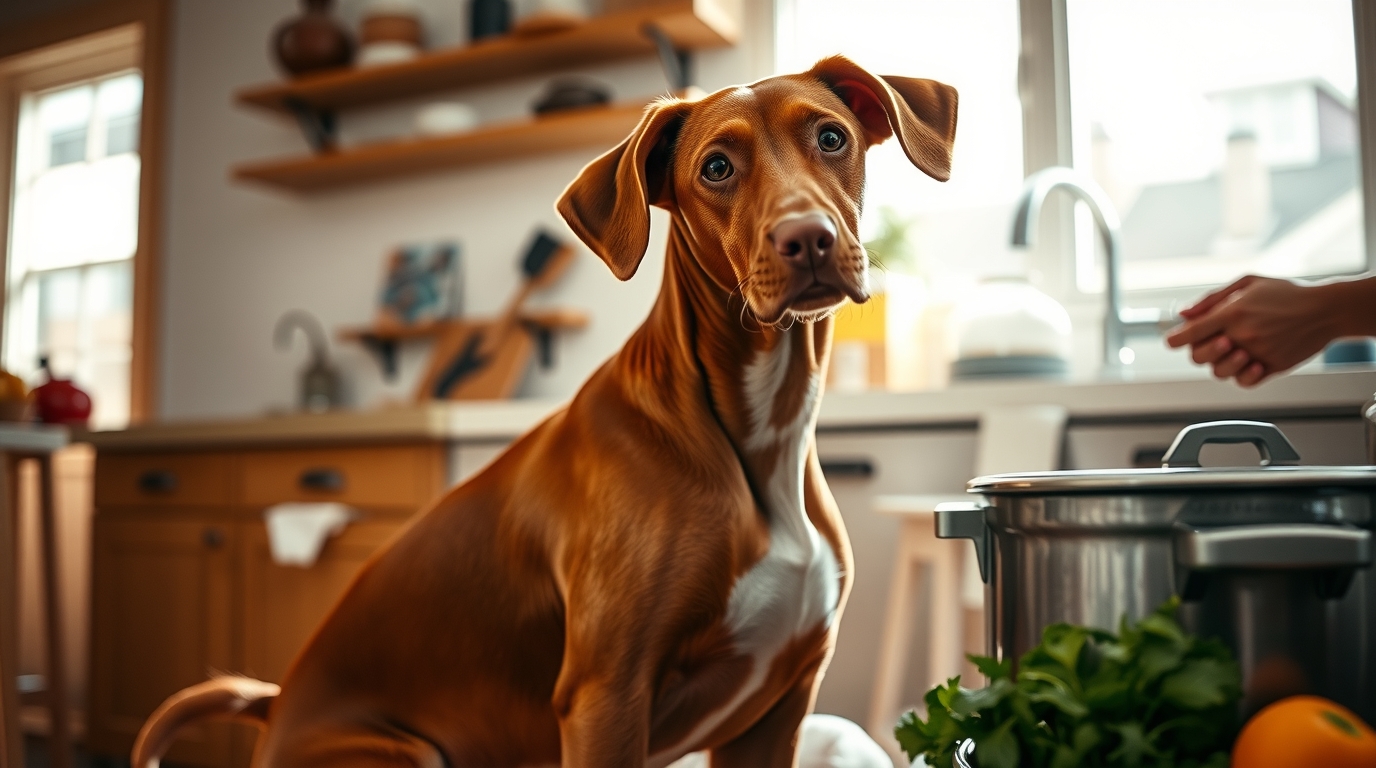
Vizslas are not just any dog breed—they are energetic, athletic, emotionally sensitive, and highly active companions. Because of their unique body structure and lifestyle, feeding a Vizsla the wrong diet can quickly lead to weight loss, digestive issues, joint problems, or low energy levels. That’s why choosing the best dog food for Vizslas is critical for their overall health, performance, and longevity. In this detailed guide, you’ll learn exactly what Vizslas need nutritionally, the best dry food for Vizslas, how owners discuss food choices in Best dog food for Vizslas Reddit threads, and a Vizsla feeding chart by age so you can feed your dog correctly at every life stage. Understanding Vizsla Nutrition Needs Vizslas are a high-energy sporting breed originally bred for hunting and endurance. Their lean muscle mass, fast metabolism, and sensitive digestion mean they require high-quality, protein-rich, easily digestible food. Key nutritional needs of Vizslas include: Vizslas do not thrive on low-quality, grain-heavy dog food. Best Dog Food for Vizslas – What to Look For When choosing the best dog food for Vizslas, always check the ingredient list first. Protein Source Vizslas do best with real meat as the first ingredient, such as chicken, turkey, beef, salmon, or lamb. Avoid generic “meat meal” or by-products. Protein Percentage Adult Vizslas typically thrive on food with: Too little protein leads to muscle loss; too much fat may cause digestive upset. Carbohydrates Vizslas tolerate carbohydrates, but they should come from: Joint & Recovery Support Because Vizslas are extremely active, food containing glucosamine, chondroitin, and MSM helps prevent joint strain. Best Dry Food for Vizslas (Vet & Owner Approved) Dry kibble remains the most convenient option for most Vizsla owners. The best dry food for Vizslas should balance energy, digestion, and muscle support. What Makes a Dry Food Ideal for Vizslas Dry food also helps with dental health, especially for adult Vizslas. One of the biggest takeaways from Reddit is that Vizslas are sensitive to sudden diet changes, so transitions must be slow and deliberate. Wet Food vs Dry Food for Vizslas Dry Food Pros Wet Food Pros Best Approach Most Vizsla owners use dry food as the base and add wet food occasionally or mix both for better hydration and taste. Vizsla Feeding Chart by Age Feeding a Vizsla correctly depends heavily on age, weight, and activity level. Below is a Vizsla feeding chart by age to help guide you. Vizsla Puppy Feeding Chart Age Meals per Day Daily Amount 8–12 weeks 4 meals 1.5–2 cups 3–6 months 3 meals 2–3 cups 6–12 months 2–3 meals 3–4 cups Puppy food must be high-protein and calorie-dense to support growth. Adult Vizsla Feeding Chart Weight Activity Level Daily Food 40–45 lbs Moderate 2.5–3 cups 45–55 lbs High 3–4 cups 55–60 lbs Very High 4–5 cups Highly active Vizslas burn calories extremely fast. Senior Vizsla Feeding Chart Age Daily Food Notes 7–9 years 2.5–3 cups Reduce fat 10+ years 2–2.5 cups Joint support Senior Vizslas need lower calories but high protein. Homemade vs Commercial Dog Food for Vizslas Some owners consider homemade diets, but Vizslas require nutritionally balanced meals. Homemade Pros Homemade Cons If feeding homemade, supplements are mandatory to maintain calcium and vitamin balance. Underfeeding Vizslas can look thin naturally, but visible ribs and low energy indicate underfeeding. Overfeeding Because Vizslas love food, overfeeding can lead to joint stress and bloating. Sensitive Digestion Loose stools and gas are signs the food isn’t suitable. How to Transition Dog Food Safely for Vizslas Vizslas are prone to digestive upset if food changes too fast. 7–10 Day Transition Plan Foods Vizslas Should Never Eat ChocolateGrapes & raisinsOnions & garlicCooked bonesFatty leftoversArtificial sweeteners Vizslas need constant access to fresh water, especially after exercise. Recommended supplements: Always consult a vet before adding supplements. Signs you need to change food: Frequently Asked Questions What is the best dog food for Vizslas? High-protein, moderate-fat food with real meat as the first ingredient. Is dry food good for Vizslas? Yes, high-quality dry food works very well for most Vizslas. Do Vizslas need grain-free food? Not necessarily. Many Vizslas tolerate grains well. How much should a Vizsla eat daily? Typically 3–4 cups daily, depending on activity level. Conclusion Choosing the best dog food for Vizslas is about understanding their athletic nature, fast metabolism, and sensitive digestion. Whether you rely on owner insights from Best dog food for Vizslas Reddit, prefer the best dry food for Vizslas, or follow a precise Vizsla feeding chart by age, the goal remains the same—balanced nutrition, consistent feeding, and high-quality ingredients. When fed correctly, Vizslas remain lean, energetic, healthy, and happy companions for many years. Also Read:

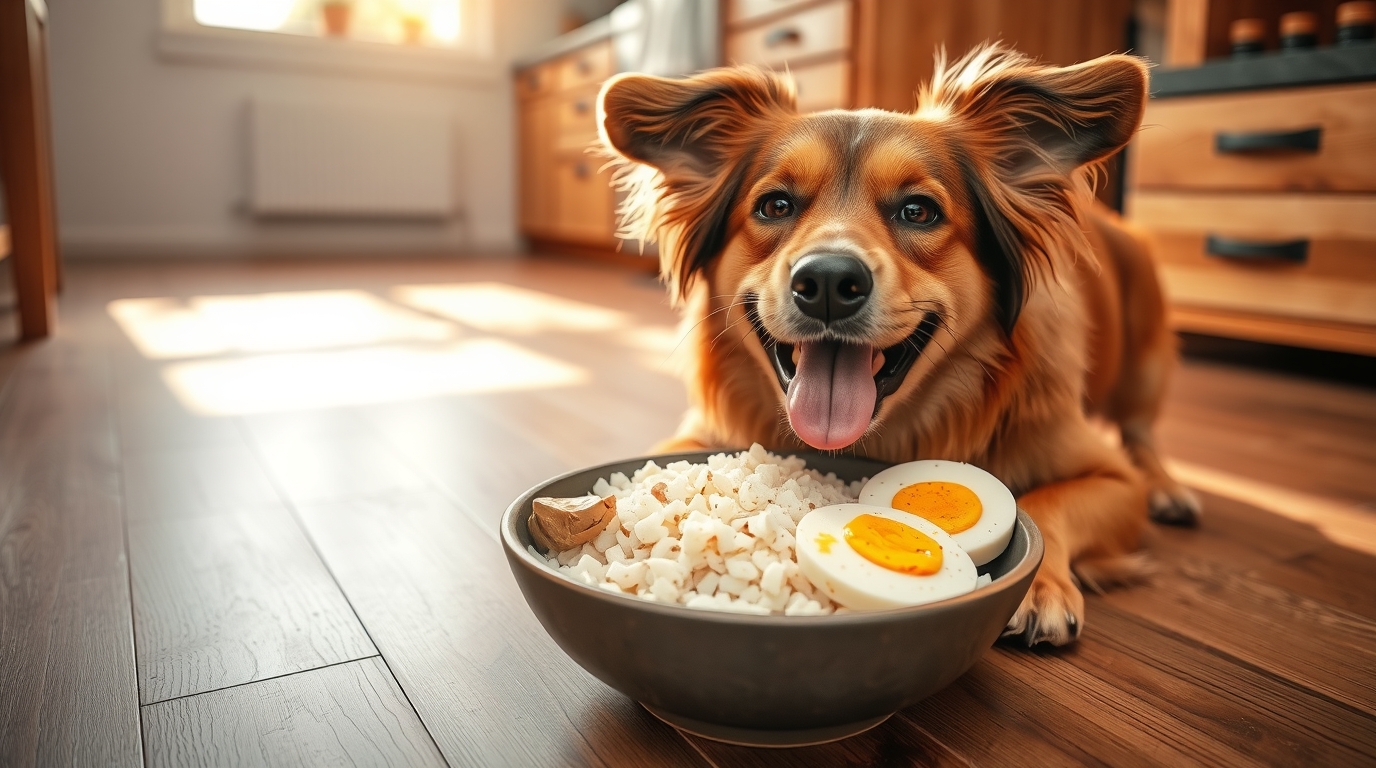
Easy Christmas Food for Dogs Homemade-2026 Edition

Easy Christmas Food for Dogs Homemade

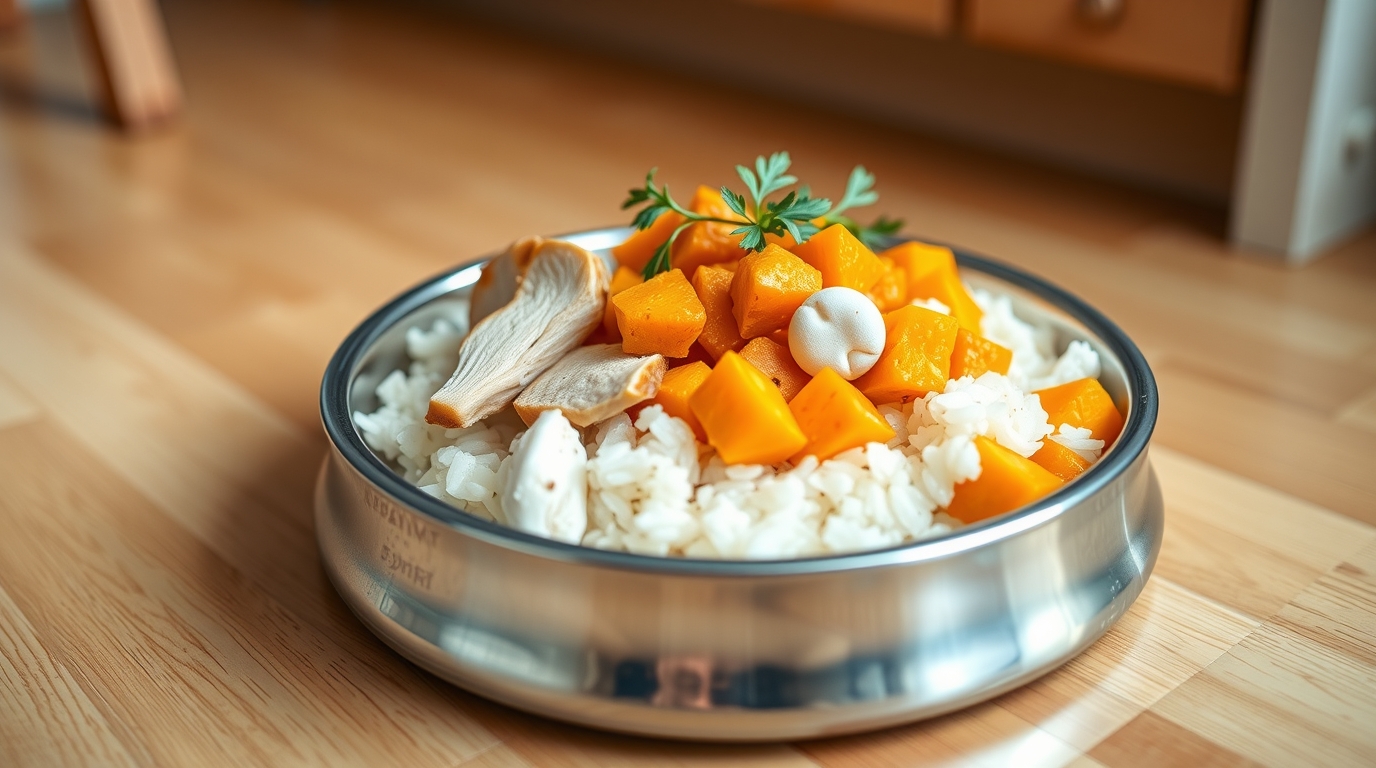
Christmas is a season of warmth, celebration, and togetherness,and for pet parents, that joy naturally includes dogs. While humans indulge in festive meals, many Christmas foods are unsafe for dogs. Chocolate, onions, garlic, raisins, excessive fat, salt, and spices can quickly turn a joyful holiday into a veterinary emergency. That’s why preparing easy Christmas food for dogs homemade and healthy is the safest and most loving way to include your dog in the celebration. This comprehensive guide covers vet approved homemade dog food recipes, nutritionally balanced meals, portion control, storage tips, and festive ideas that are simple to prepare,even for beginners. Whether you’re cooking for a small dog, a senior dog, or an active adult, these recipes focus on safety, nutrition, and holiday joy. Why Choose Easy Christmas Food for Dogs Homemade & Healthy? Preparing homemade dog food during Christmas allows you to control every ingredient that goes into your dog’s bowl. Unlike store-bought holiday treats that often contain preservatives, fillers, and hidden sugars, homemade food ensures freshness and transparency. Benefits of homemade Christmas food for dogs include better digestion, improved coat health, reduced allergy flare-ups, controlled calorie intake, and stronger bonding between you and your pet. When recipes are balanced properly, homemade meals can be both festive and nutritionally complete homemade dog food recipes, not just treats. Christmas Foods Dogs Must Avoid (Very Important) Before cooking anything festive, it’s essential to know which ingredients are toxic. Chocolate, cocoa powder, grapes, raisins, onions, garlic, nutmeg, alcohol, xylitol, cooked bones, and heavily seasoned foods must never be used. High-fat leftovers such as gravy, butter-heavy dishes, and fried foods can trigger pancreatitis in dogs. Safe homemade Christmas food starts with ingredient awareness. What Makes a Vet Approved Homemade Dog Food Recipe? A recipe is considered vet approved homemade dog food when it meets basic nutritional standards. Dogs need a balance of protein, carbohydrates, fats, vitamins, and minerals. A complete meal should include a quality protein source (chicken, turkey, fish), complex carbohydrates (rice, oats, sweet potato), healthy fats (small amounts of oil), and vegetables for fiber and micronutrients. Calcium sources and portion control are also essential for long-term feeding. Holiday meals should be festive but never nutritionally empty. Easy Homemade Dog Food for Christmas – Nutrition Basics Dogs thrive on simple, whole foods. Christmas meals do not need to be complicated to be special. In fact, easy homemade dog food recipes are often the healthiest. A good ratio for balanced meals is:50% protein25% carbohydrates20% vegetables5% healthy fats This ratio helps ensure energy, digestion support, and muscle maintenance—especially important during colder winter months. Homemade Dog Food with Chicken – Christmas Special Recipe Chicken is one of the safest and most digestible proteins for dogs, making it ideal for festive meals. Christmas Chicken & Rice Bowl Ingredients: boneless skinless chicken breast, white rice, carrots, pumpkin puree, a teaspoon of olive oilMethod: boil chicken thoroughly, cook rice until soft, steam carrots, mix with pumpkin and oil This homemade dog food with chicken is gentle on the stomach, rich in protein, and perfect for Christmas dinner. Easy Christmas Food for Dogs Homemade Healthy (Beginner Friendly) For pet parents short on time, these recipes are quick and safe. Boiled chicken with mashed sweet potatoTurkey and rice mashPumpkin and oats with shredded meat These meals take under 30 minutes and provide warmth, comfort, and nutrition,perfect for Christmas day. Best Homemade Dog Food Recipes for Christmas Week Instead of one heavy meal, Christmas feeding should focus on consistency. Chicken and vegetable stewFish and rice bowlEgg and pumpkin breakfast mash These recipes are among the best homemade dog food recipes because they are easy to rotate, prevent boredom, and maintain nutritional balance during the holiday season. Homemade Dog Food Recipes for Small Dogs Small dogs have faster metabolisms and smaller stomachs, so portion control is essential. Small-breed Christmas meals should be finely chopped, soft, and served warm. Chicken, rice, pumpkin, and carrot blends work well. Avoid large chunks and excess fat. Homemade dog food recipes for small dogs should be calorie-dense but light on fillers to avoid weight gain. Nutritionally Complete Homemade Dog Food Recipes For pet parents planning to serve homemade food beyond Christmas day, nutrition completeness is key. A nutritionally complete homemade dog food recipe includes:High-quality proteinComplex carbsVegetablesHealthy fatsCalcium source (eggshell powder or vet-approved supplement) Christmas is a great time to start a healthier long-term feeding habit. Nutritionally Complete Homemade Dog Food Recipes PDF – Why People Search This Many dog owners look for a nutritionally complete homemade dog food recipes PDF because they want printable, vet-approved plans they can follow daily. If you plan to prepare homemade meals regularly, consulting a veterinarian or certified pet nutritionist for a customized meal plan is strongly recommended. A printable guide helps maintain consistency and prevents nutrient deficiencies. Easy Homemade Dog Food for Senior Dogs During Christmas Senior dogs benefit from softer textures and lower fat meals. Boiled chicken with pumpkinSoft rice porridge with shredded turkeyFish and vegetable mash These meals reduce digestive strain and provide comfort during cold winter days. Portion Control During Christmas (Avoid Holiday Weight Gain) Christmas overfeeding is common and dangerous. Treats and special meals should not exceed 10–15% of daily calorie intake. Homemade food portions should be measured based on weight and activity level. Small dogs require significantly less food than large breeds. Moderation ensures your dog enjoys Christmas without health risks. How to Store Homemade Christmas Dog Food Safely Refrigerate cooked food within two hoursStore in airtight containersUse within 3–4 days refrigeratedFreeze for up to 2 months Label containers clearly to avoid mixing human and dog food. Serve meals in clean bowls with festive matsUse Christmas-themed pet bowlsAdd warm water for aromaNever decorate food with human toppings Dogs appreciate routine more than presentation, so keep things simple. Common Mistakes to Avoid When Making Christmas Dog Food Using seasonings or saltAdding gravy or butterUsing leftover human foodFeeding bonesIgnoring portion size Keeping recipes simple is the safest approach. Is Homemade Christmas Food Better Than Store-Bought? Homemade food … Read more

Top 10 Best Homemade Dog Food Recipes: Healthy, Nutritious & Vet-Approved Meals

Top 10 Best Homemade Dog Food Recipes

Your dog deserves more than just processed kibble, they deserve meals made with love and packed with real nutrients. Preparing homemade dog food is one of the best ways to ensure your furry companion gets fresh, healthy, and balanced nutrition every day. Whether your goal is weight gain, better digestion, shinier fur, or simply feeding cleaner, these Top 10 Best Homemade Dog Food Recipes will help you make vet-approved meals right at home. Homemade dog food is not only delicious for your pet but also ensures you know exactly what’s going into their bowl , no preservatives, no fillers, just pure goodness. Why Choose Homemade Dog Food? Switching to a homemade dog diet offers countless health benefits: 💡 According to veterinarians, a balanced homemade dog food can improve lifespan, energy, and immunity when done right. Nutritional Basics of Homemade Dog Food Before diving into recipes, you must understand what nutrients your dog truly needs for a balanced diet: Tip: Always consult your vet for portion sizes and vitamin supplements, especially calcium and omega-3. Top 10 Best Homemade Dog Food Recipes Below are the top 10 recipes that are healthy, easy to prepare, and loved by dogs of all ages and breeds. 1. Chicken and Rice Bowl Ingredients: 2. Salmon and Sweet Potato Meal Ingredients: 3. Egg and Oatmeal Breakfast Ingredients: 4. Beef and Vegetable Stew Ingredients: 5. Paneer and Pumpkin Mix (Vegetarian Option) Ingredients: 6. Chicken Liver and Rice Power Meal Ingredients: 7. Turkey and Quinoa Bowl Ingredients: 8. Veggie and Rice Stew (For Light Meals) Ingredients: 9. Lamb and Brown Rice Meal Ingredients: 10. Peanut Butter and Banana Treat Mix Ingredients: Daily Feeding Chart for Homemade Dog Food Dog Size Weight (kg) Daily Food (Cups) Meals/Day Small Dog 5–10 1–1.5 cups 3 Medium Dog 10–25 2–3 cups 2 Large Dog 25–40 3–4.5 cups 2 XL/Working Breed 40+ 5–6 cups 2 Puppies should eat 3–4 smaller meals per day, while adults can eat twice daily. Foods to Avoid in Homemade Dog Meals When preparing homemade food for dogs, always avoid these harmful ingredients: Even small amounts of these can cause severe toxicity in dogs. Tips for Safe Homemade Dog Food Preparation Vet-Recommended Homemade Dog Food Supplements Even the best homemade dog food recipes may lack certain micronutrients. Add: Consult your vet for exact dosages. Signs of a Healthy Homemade Diet ✅ Strong energy levels and playful behavior.✅ Shiny, smooth coat.✅ Healthy weight and muscle tone.✅ Consistent appetite and firm stools.✅ Reduced allergies or skin irritation. If your dog becomes lethargic, underweight, or has loose stools, adjust ingredients or consult your vet. Final Thoughts Feeding your dog homemade food is one of the most rewarding choices you can make as a pet parent. These top 10 best homemade dog food recipes are not just nutritious but also easy to prepare, cost-effective, and loved by dogs of all sizes. Rotate between meat-based and vegetarian options for variety and balance. Combine with the feeding chart above and regular exercise for optimal health. A happy dog starts with a healthy bowl! Also Read:

Best Dog Food for XL Bully Puppy: Complete Guide for Growth, Muscle & Health

Best Dog Food for XL Bully Puppy

Feeding an XL Bully puppy the right diet is essential for building strong muscles, supporting joint development, and keeping their high-energy body healthy. Because XL Bullies grow faster and larger than standard Bullies, choosing the best dog food for XL Bully puppy is a major responsibility. From understanding nutritional needs to choosing the best dry dog food for American Bully puppy, preparing homemade food for American Bully puppy, and learning foods to avoid — this guide covers everything a Bully owner needs. Understanding the XL Bully Puppy’s Nutritional Needs XL Bully puppies need a nutrient-dense formula designed for large breeds. Their bodies require high protein, controlled calcium, healthy fats, and joint support during rapid growth. A proper XL Bully diet should include: high-quality protein for muscle development, healthy fats like omega-3 & omega-6 for coat and brain health, complex carbohydrates like brown rice, sweet potatoes, and oats for energy, vitamins and minerals for immunity, digestion, and joints, and DHA for brain and eye development. Feeding cheap fillers can stunt growth and cause skin allergies or digestive issues — so quality is non-negotiable. Best Dog Food for XL Bully Puppy (Top Vet-Approved Choices) 1. Orijen Puppy Large Breed This grain-free premium food contains 85% animal ingredients like chicken, turkey, mackerel, and eggs. It’s ideal for puppies that require muscle-building protein and natural prebiotic fiber. 2. Bully Max High Performance Puppy Food Designed specifically for American Bullies and power breeds, Bully Max contains 30% protein and 20% healthy fats. It boosts muscle mass, stamina, and growth safely. 3. Royal Canin Large Puppy Perfect for balanced bone growth. Great for XL Bully puppies prone to joint issues or digestive sensitivity. 4. Victor Purpose Active Dog & Puppy Excellent for maintaining lean muscle, digestion, and performance. Offers beef meal, fish meal, and gluten-free grains. 5. Blue Buffalo Wilderness Puppy High protein from real chicken, grain-free, DHA for brain development. Great for picky eaters.These are among the best dry dog food for American Bully puppy because they deliver the right blend of protein, fats, vitamins, and minerals for muscle-heavy breeds. Homemade Food for American Bully Puppy If you prefer home-cooked meals, these homemade food for American Bully puppy recipes support muscle growth, immunity, and coat health.Chicken & Rice Muscle Meal — Boiled chicken, brown rice, carrots, peas, 1 tsp fish oil.Beef & Sweet Potato Power Mix — Lean beef, mashed sweet potato, spinach, olive oil.Salmon & Oatmeal Brain-Boost Bowl — Salmon, oats, pumpkin, flaxseed oil.Egg, Paneer & Rice High-Protein Bowl — Boiled eggs, paneer cubes, rice, turmeric pinch.Turkey & Vegetable Stew — Turkey mince, beans, carrots, peas, coconut oil.These meals are rich in protein and high in calories — perfect for increasing healthy weight and supporting rapid growth. American Bully Food to Avoid Not all foods are safe for Bullies. Here are the top American Bully food to avoid:Chocolate, onions, garlic, grapes, raisins, avocadosFried or oily foodsArtificial coloring, preservatives, flavor enhancersHigh-salt snacks like chipsXylitol (in peanut butter and sweets)Cooked bonesExcessive dairyAvoiding these prevents digestive issues, toxicity, and obesity. XL Bully Feeding Chart (Age-Based) Follow this XL Bully feeding chart for proper meal planning:2–3 months → 4 meals/day → 2–3 cups4–6 months → 3 meals/day → 3–4 cups6–12 months → 2–3 meals/day → 4–5 cups12+ months → 2 meals/day → 4–6 cups depending on activityWorking or athletic XL Bullies may require 10–20% more calories. XL Bully Weight Chart (kg) Use this XL Bully weight chart kg to monitor healthy growth:2 months → 6–8 kg3 months → 10–13 kg4 months → 14–18 kg6 months → 22–28 kg9 months → 30–36 kg12 months → 35–45+ kgA healthy XL Bully puppy gains steady weight, not sudden spikes. How Much Food to Feed a XL Bully Puppy If you’re wondering how much food to feed a XL Bully puppy, here’s a quick guide:2–3 months → 2–3 cups per day4–6 months → 3–4 cups per day6–12 months → 4–5 cups per day12+ months → 4–6 cups per dayCalculate based on activity, metabolism, and whether you’re feeding dry, wet, or homemade meals. Supplements for XL Bully Puppies For optimal growth, consider:Omega-3 fish oil — coat and brain healthGlucosamine — bone and joint protectionProbiotics — healthy digestionMultivitamins — complete nutritionProtein toppers — muscle boostAlways consult your vet before adding supplements. Best Feeding Tips for Raising a Strong XL Bully Puppy Feed high-protein puppy food for at least 12 months, avoid overfeeding to prevent joint problems, transition foods slowly, keep fresh water available, include exercise to support muscle growth, and avoid human junk food entirely. ✅ Final Thoughts The best dog food for XL Bully puppy supports muscle development, strong bones, digestion, and high energy levels. Whether you choose premium kibble, homemade meals, or a mixed feeding plan, consistency and nutrition quality matter most. Use the feeding chart, weight chart, homemade recipes, and food-to-avoid list to build a healthy foundation for your Bully. A well-fed XL Bully becomes a strong, confident, and active adult. Also Read:

Best Food for Kelpie Puppy: Complete Nutrition & Feeding Guide

Best Food for Kelpie Puppy

Raising a Kelpie puppy isn’t just about training and exercise , it starts with what’s in their bowl. The best food for Kelpie puppy plays a crucial role in building muscle, maintaining energy, and supporting brain development. Whether you’re feeding a working Kelpie or a family pet, their diet must be nutrient-dense, protein-rich, and perfectly portioned. In this detailed Kelpie puppy guide, we’ll help you understand what Kelpies should eat, the best dog food for Kelpies in Australia, homemade recipes, feeding charts by age and weight, and how to plan a balanced diet for your energetic companion. About the Kelpie Dog Breed The Australian Kelpie, also known as the Kelpie dog, is a highly intelligent, agile, and hardworking breed originally bred to herd livestock in tough Australian conditions. These dogs are naturally active, lean, and require more protein and fat than the average pet. To fuel their high stamina, a Kelpie puppy’s diet should support growth, muscle repair, and joint development — without overfeeding or using low-quality fillers. What Do Kelpies Eat? Kelpies are omnivorous but thrive best on a meat-based diet rich in proteins and healthy fats. Their meals should include high-quality animal proteins like chicken, beef, lamb, fish, and turkey; complex carbohydrates such as brown rice, oats, and sweet potatoes; and healthy fats like fish oil, flaxseed, and olive oil. Adding vegetables like carrots, spinach, pumpkin, and peas ensures vitamins and minerals, and fresh water must always be available. Whether you’re using dry kibble or homemade food, every Kelpie meal should meet their energy and nutrient requirements to maintain their athletic build. Best Dog Food for Kelpies in Australia Australia is home to some of the best dog food brands specially formulated for active breeds like Kelpies. Below are top-rated and vet-approved options. 1. Advance Active Dog Formula – Designed for working breeds, this formula offers high protein and essential fatty acids for sustained energy.2. Royal Canin Medium Puppy – Ideal for growing Kelpies, rich in antioxidants and prebiotics for immune and digestive support.3. Black Hawk Puppy Lamb & Rice – Australian-made and grain-inclusive with real lamb as the first ingredient.4. Orijen Puppy Large Breed – Grain-free, packed with fresh regional ingredients, ideal for lean muscle development.5. Hill’s Science Diet Active Mobility – Great for puppies prone to joint issues, supports bone strength and flexibility.These are among the best dog food for Kelpies in Australia, ensuring a balanced mix of protein, fat, and micronutrients. Dog Food Recipes for Kelpies (Homemade Options) If you prefer preparing meals at home, these dog food recipes for Kelpies are simple, nutritious, and approved by vets. 1. Chicken and Rice Bowl – Boil 1 cup chicken breast, ½ cup brown rice, and ¼ cup carrots. Add 1 tsp fish oil. Perfect for energy and muscle recovery.2. Beef and Sweet Potato Mash – Cook 1 cup lean beef with ½ cup mashed sweet potato and 1 tsp olive oil. Great for building strength and coat shine.3. Lamb and Pumpkin Mix – Combine 1 cup minced lamb, ¼ cup pumpkin, and ½ cup oats for a hearty, high-protein meal.4. Fish and Veggie Stew – Cook 1 cup salmon, ½ cup peas, ¼ cup spinach, and 1 tsp flaxseed oil. Boosts brain and coat health.5. Paneer and Rice Vegetarian Recipe – For occasional vegetarian feeding, mix ½ cup paneer cubes with ½ cup cooked rice and 1 tsp ghee.Homemade food ensures freshness and control over ingredients but always check with a vet for calcium and vitamin supplementation. Kelpie Feeding Chart (By Age and Weight) Here’s a Kelpie feeding chart to guide how much food to feed a Kelpie puppy as they grow. Age Weight (kg) Meals/Day Daily Food (Cups) 2–3 months 4–7 kg 4 2–3 cups 4–6 months 8–12 kg 3 3–4 cups 6–12 months 12–17 kg 2–3 4–5 cups Adult 18–22 kg 2 3–4 cups Puppies need smaller, more frequent meals, while adults thrive on two well-balanced feedings per day. Kelpie Weight Chart (kg) Monitoring your Kelpie’s weight is essential to prevent underfeeding or obesity. Age Ideal Weight (kg) 2 months 4–5 kg 4 months 8–10 kg 6 months 12–14 kg 9 months 16–18 kg 12 months 18–22 kg Use this Kelpie weight chart kg to adjust feeding portions accordingly. Best Food for Kelpie Puppy The amount depends on your puppy’s age, weight, and activity level. On average, a Kelpie puppy should eat 3–5 cups of food daily, divided into 3–4 meals. Active or working puppies might need slightly more. Avoid overfeeding, as excess weight can harm joints.Feeding Tips: Feed at consistent times daily, mix dry kibble with wet food or homemade meals for taste variety, and ensure constant access to fresh water. Essential Nutrients for Kelpie Puppies A Kelpie puppy’s diet should include: Common Feeding Mistakes to Avoid Dog Food Recipes for Kelpies (Weight Gain Edition) For underweight Kelpies, try these weight gain recipes:1. Chicken, Rice & Olive Oil: Adds protein and good fats.2. Beef with Pumpkin & Sweet Potato: Boosts calories safely.3. Egg & Paneer Mix: Great for vegetarian days and muscle mass.Serve smaller, more frequent meals to increase calorie absorption. Supplements for Kelpie Dogs Kelpie Puppy Guide: Feeding & Health Tips Final Thoughts Feeding your Kelpie puppy a balanced diet is the foundation for a healthy and active life. Whether you choose premium kibble, Australian-made dog food, or vet-approved dog food recipes for Kelpies, consistency and quality are key. Follow the Kelpie feeding chart, check the Kelpie weight chart kg, and focus on portion control. Remember, a strong Kelpie starts with proper nutrition, love, and care. Also Read:

Healthy Dog Diet Homemade: 2026 Ultimate Guide

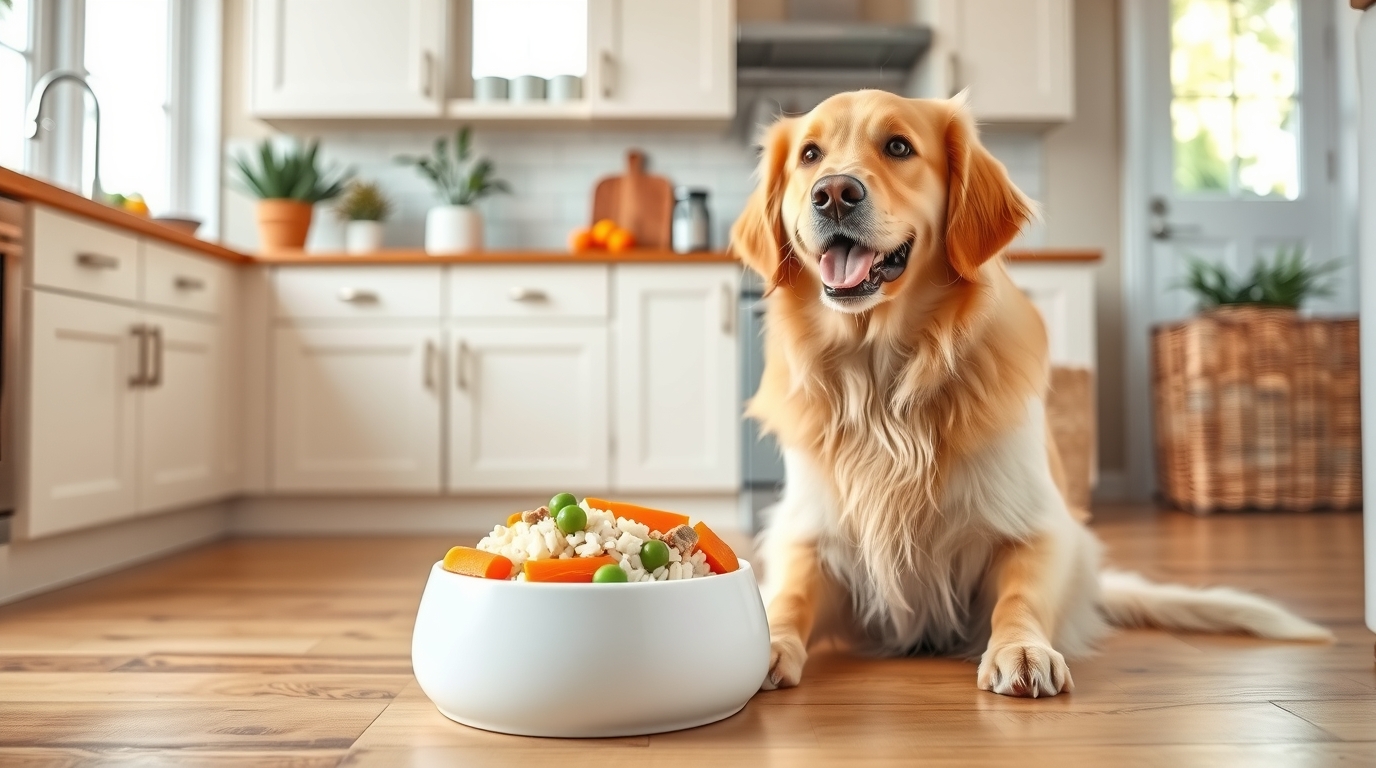
A happy Golden Retriever sitting beside a bowl of fresh homemade dog food with visible chicken, rice, carrots, and peas, bright daylight kitchen background, clean and cozy atmosphere

As a responsible dog parent, you want the best for your furry companion and that starts with nutrition. While commercial dog food is convenient, nothing beats the freshness, purity, and love that goes into a healthy dog diet homemade. Feeding your dog fresh, homemade meals not only boosts immunity and energy levels but also helps prevent allergies, obesity, and digestive issues caused by processed ingredients. In this comprehensive guide, we’ll walk you through how to plan a homemade dog food diet, including balanced recipes, portion guidelines, meal charts, and vet-approved tips for creating the perfect diet for your dog’s age, breed, and lifestyle. Why Choose a Homemade Diet for Dogs? Switching to a healthy dog diet homemade has several benefits that go beyond taste: When prepared correctly, a homemade dog food diet is one of the best ways to enhance your pet’s overall health and longevity. Understanding Your Dog’s Nutritional Needs Before preparing homemade dog food, it’s essential to understand what nutrients your dog actually needs. Dogs require a balanced combination of: A balanced diet for dogs ensures the perfect ratio of protein, fats, and carbohydrates (roughly 40% protein, 30% carbs, and 30% fats). Best Ingredients for a Healthy Homemade Dog Diet To build a truly healthy dog diet homemade, use a mix of high-quality ingredients that are safe and beneficial for dogs. ✅ Protein Sources: ✅ Carbohydrate Sources: ✅ Fats and Oils: ✅ Vegetables and Fruits: ⚠️ Avoid These Foods: Homemade Dog Food Recipes (Vet-Approved & Balanced) Here are some simple, healthy homemade dog food recipes you can prepare easily at home: 🥩 1. Chicken and Rice Bowl (Non-Veg) Ingredients: Benefits:High in protein and carbs — great for energy and muscle growth. 🧀 2. Paneer and Rice Meal (Vegetarian) Ingredients: Benefits:Perfect vegetarian dog diet for weight management and coat health. 🍠 3. Sweet Potato and Lentil Mash Ingredients: Benefits:Excellent for dogs with sensitive stomachs or recovering from illness. 🍳 4. Egg and Oatmeal Breakfast Ingredients: Benefits:A complete balanced diet for dogs, especially active breeds. 🥬 5. Vegetable Stew for Dogs Ingredients: Benefits:Hydrating, fiber-rich, and great for digestion and immunity. 📊 Dog Diet Chart (Homemade and Age-Based) To make things easier, here’s a general dog diet chart based on age and portion sizes. Dog Age Meals/Day Food Portion Recommended Foods Puppy (2–6 months) 4 1–1.5 cups/meal Boiled rice, curd, eggs, pumpkin Adolescent (6–12 months) 3 1.5–2 cups/meal Chicken, rice, lentils, veggies Adult (1–6 years) 2 2–3 cups/meal Paneer, eggs, sweet potatoes, oats Senior (7+ years) 2 1.5–2 cups/meal Soft rice, curd, boiled veggies ✅ You can download this as a Dog Diet Chart PDF to print and follow at home. 🐕 Dog Diet Chart for Weight Gain (Homemade Edition) If your dog needs to put on healthy weight, follow this dog diet chart for weight gain using homemade meals: Meal Ingredients Benefits Breakfast Eggs + Oats + Olive Oil Boosts muscle mass Lunch Rice + Paneer + Sweet Potato Adds calories naturally Snack Banana + Peanut Butter Rich in healthy fats Dinner Chicken + Rice + Ghee Builds strength and stamina 🏋️ Pro Tip: Add a spoonful of coconut oil or curd daily to improve digestion and promote healthy weight gain. 🐾 Feeding Guidelines Based on Dog Weight Knowing how much to feed your dog is key to a balanced homemade diet. Dog Weight (kg) Total Food per Day 5–10 kg 1.5–2 cups 10–20 kg 2.5–3 cups 20–30 kg 3–4 cups 30+ kg 4–5 cups Adjust portions based on activity level and breed. Puppies and working dogs need 20–30% more calories. 🧂 Tips for Preparing and Storing Homemade Dog Food 💊 Supplementing a Homemade Dog Diet Even the best healthy dog diet homemade may miss some essential nutrients. Ask your vet about adding: These ensure your dog’s homemade meals meet all AAFCO-recommended nutrition standards. 🥣 Sample 7-Day Healthy Homemade Dog Meal Plan Day Morning Meal Evening Meal Monday Oats + Eggs Rice + Paneer + Carrots Tuesday Rice + Pumpkin Sweet Potato + Lentils Wednesday Quinoa + Curd Rice + Tofu + Peas Thursday Eggs + Spinach Paneer + Brown Rice Friday Oats + Banana Rice + Vegetable Stew Saturday Curd + Oats Tofu + Pumpkin + Olive Oil Sunday Chicken + Rice Rice + Curd + Peas 🩺 Vet’s Advice for a Healthy Homemade Dog Diet 📘 Final Thoughts Feeding your furry friend a healthy dog diet homemade is one of the best ways to show love and care. By using fresh, balanced ingredients and maintaining proper proportions, you can ensure your dog enjoys a long, energetic, and disease-free life. Whether you choose vegetarian or non-veg recipes, always prioritize nutritional balance and vet guidance. Consistency and quality are what make a homemade diet truly healthy. For easy daily tracking, download our free Dog Diet Chart PDF, which includes meal ideas, feeding schedules, and portions by weight. A well-fed dog is not just happier , but healthier too. Also Read:

Why Is My Dog Not Eating His Food but Will Eat Treats? Complete Solution Guide

Why Is My Dog Not Eating His Food but Will Eat Treats

It’s worrying when your dog suddenly refuses to eat his regular food but still jumps excitedly for treats. As a pet parent, it’s easy to assume he’s just being picky — but there’s often more to the story. If you’ve been asking yourself, “Why is my dog not eating his food but will eat treats?” you’re not alone. Many dog owners face this issue, and it can stem from behavioral habits, medical reasons, or even how you feed your dog. In this complete guide, we’ll uncover why dogs eat treats but ignore food, how to identify the root cause, and what you can do to bring their appetite back to normal. Why Is My Dog Not Eating His Food but Will Eat Treats? Understanding Your Dog’s Eating Behavior Dogs are creatures of habit, but they’re also incredibly smart. If your dog refuses his food but eagerly accepts treats, he might be sending a message. Sometimes, it’s a simple preference issue , treats taste better. Other times, it could signal an underlying health or emotional issue. To understand the behavior, it’s essential to break it down into three main categories: medical issues, behavioral habits, and environmental factors. 1. Medical Reasons Why Your Dog Isn’t Eating Food When a dog suddenly stops eating his food, a health problem should always be the first thing to consider. Even though he might still eat treats, it doesn’t mean he feels completely fine. a. Dental Pain or Oral Discomfort If your dog has sore gums, tooth decay, or an infected tooth, chewing hard kibble can be painful. Treats are often softer or easier to chew, which is why dogs with dental issues might still eat them.What to do: Check for bad breath, drooling, pawing at the mouth, or blood on toys. Visit your vet for a dental exam. Switching to soft or wet dog food may also help temporarily. b. Digestive Problems Gastrointestinal issues like nausea, acid reflux, or upset stomach can make dogs avoid regular food. Treats, especially if they smell stronger or are smaller, might still be tolerable.What to do: Monitor for vomiting, diarrhea, or bloating. Feed smaller meals and avoid fatty foods. Consult your vet if symptoms persist for more than 24–48 hours. c. Infections or Illness Dogs can lose their appetite when battling infections, fever, or internal pain. The energy from treats might be enough to keep them going, but regular meals may feel too heavy.What to do: Check for lethargy, fever, or sudden weight loss. If your dog’s behavior changes drastically, seek immediate veterinary care. d. Aging or Health Conditions Senior dogs and those with chronic illnesses like kidney disease or arthritis often experience appetite loss. Some medications can also make food unappealing.What to do: Consult your vet about diet changes or appetite stimulants. Senior-specific dog foods are often easier to digest and more palatable. 2. Behavioral Causes: Is Your Dog Just Being Picky? If your vet rules out medical issues, the reason could be behavioral. Dogs are quick learners — and sometimes, they train you instead of the other way around! a. Learned Behavior from Treats If you’ve been giving your dog too many treats or using them to tempt him to eat, he may have learned that ignoring his food earns him tastier rewards.What to do: Limit treats to training sessions only. Avoid using them to replace meals. b. Food Boredom Just like humans, dogs can get bored of the same food every day. Kibble can lose its appeal if it’s been stored too long or lacks strong aroma.What to do: Rotate protein sources (chicken, lamb, salmon), or mix in a spoon of wet food or broth for extra flavor. c. Stress or Anxiety Changes in environment, travel, new pets, or loud noises can cause stress and appetite loss.What to do: Maintain a calm feeding space. Keep a consistent routine and avoid feeding in noisy or busy areas. d. Overfeeding with Snacks Frequent treats can fill your dog up before mealtime. Even small snacks throughout the day add up, leaving no room for real meals.What to do: Track all calories your dog eats daily. Treats should never exceed 10% of total calorie intake. 3. Environmental and Feeding Factors Your dog’s surroundings and feeding setup can also influence his eating habits. a. Uncomfortable Feeding Area Some dogs don’t like eating in noisy or crowded places. Others dislike certain bowls (metal reflections or noise can be off-putting).What to do: Try feeding in a quiet corner, and use a non-slip, ceramic bowl. b. Temperature and Food Freshness Dogs have sensitive noses. If the food smells stale or is served cold, they might refuse it.What to do: Warm food slightly before serving and ensure dry food is stored in an airtight container. c. Recent Changes in Routine New schedules, visitors, or travel can cause dogs to temporarily lose appetite.What to do: Be patient and stick to a predictable feeding routine. 4. How to Get Your Dog to Eat His Food Again If your dog only eats treats but not food, don’t panic. Here are some practical tips to bring back his appetite: a. Establish a Strict Feeding Routine Feed your dog at the same time every day. Leave food down for only 15–20 minutes. If he doesn’t eat, remove it and offer it again at the next meal. This teaches him to eat when it’s offered. b. Make the Food More Appealing Add warm water, chicken broth, or a small spoon of wet food to enhance flavor and aroma. Avoid seasoning or human food additives like salt or onion, which are harmful to dogs. c. Limit Treats Cut back on treats entirely for a few days. This helps reset your dog’s taste preferences. When you reintroduce treats, use them only for training. d. Try a Different Food Type Switching from dry kibble to wet or fresh food can rekindle interest. Always transition gradually over 5–7 days to avoid stomach upset. e. Add Variety Without Overdoing It Rotate between a few high-quality … Read more

Best Dog Food for Neapolitan Mastiffs: Complete Nutrition Guide for Gentle Giants

Dog Food for Neapolitan Mastiffs

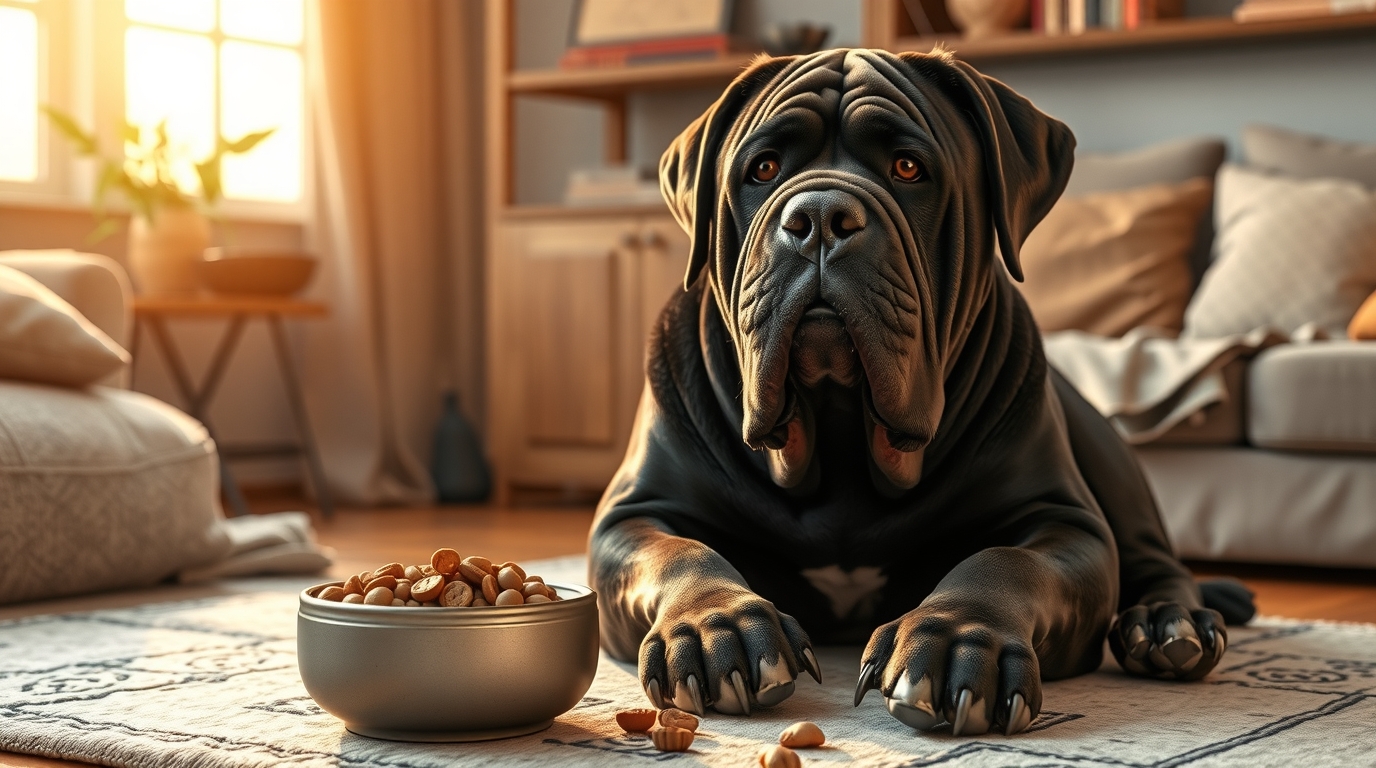
Neapolitan Mastiffs are among the most majestic and powerful dog breeds, known for their massive build, loyal temperament, and unique wrinkled appearance. These gentle giants require a carefully balanced diet to maintain their size, energy levels, and joint health. Choosing the best dog food for Neapolitan Mastiffs is not just about keeping them full — it’s about ensuring they thrive with strong bones, a healthy coat, and optimal digestion. In this guide, we’ll explore the best dog food options, ideal feeding habits, and nutrition tips for both Neapolitan Mastiff puppies and adults. Understanding the Neapolitan Mastiff’s Nutritional Needs Neapolitan Mastiffs are large, muscular dogs that weigh between 110 to 150 pounds. Due to their massive frame, they are prone to bone and joint issues, such as hip dysplasia and arthritis. Therefore, the best dog food for Neapolitan Mastiffs should include high-quality proteins, glucosamine, chondroitin, and omega-3 fatty acids to support joint and muscle health. They also have relatively low energy needs compared to their size, meaning they should not be overfed. A calorie-dense but portion-controlled diet helps maintain a healthy weight and reduces strain on the joints. Key Nutritional Components to Look For Before we dive into the top picks, let’s understand what nutrients matter most for this breed: Best Dog Food for Neapolitan Mastiffs – Top 5 Expert Picks 1. Blue Buffalo Life Protection Large Breed Formula This premium large breed formula is often considered one of the best dog foods for Neapolitan Mastiffs. It contains real chicken and brown rice, which provide lean protein and complex carbohydrates for sustained energy. The addition of glucosamine and chondroitin helps maintain strong joints — essential for heavy breeds like Mastiffs. 2. Hill’s Science Diet Large Breed Adult Dog Food Hill’s Science Diet is formulated specifically for large and giant breeds. It’s rich in glucosamine, EPA, and high-quality protein. This makes it perfect for maintaining joint mobility and muscle strength. It also promotes easy digestion, thanks to its prebiotic fiber content. 3. Orijen Large Breed Puppy Food For young Mastiffs, Orijen offers one of the most protein-rich and biologically appropriate recipes available. Made with 85% animal ingredients, it supports rapid growth while preventing excessive weight gain — a common concern in Mastiff puppies. 4. Royal Canin Giant Breed Adult Royal Canin’s formula for giant breeds is scientifically crafted to meet the needs of heavy dogs. It supports cardiac health with taurine and promotes digestive balance through prebiotics. Its large kibble size encourages slow chewing and reduces the risk of bloat. 5. Wellness CORE Grain-Free Large Breed Wellness CORE offers grain-free nutrition with turkey and chicken as the main protein sources. It’s high in protein, moderate in fat, and enriched with glucosamine and probiotics. This food supports lean muscle tone and digestive health without unnecessary fillers. Homemade Food vs. Commercial Dog Food: Which Is Better? While commercial food offers balanced nutrition, some owners prefer making homemade meals. A homemade diet allows full control over ingredients but requires precise planning. For a Neapolitan Mastiff diet, the food must include lean protein (chicken, lamb, fish), brown rice or oats, vegetables (carrots, peas, spinach), and healthy fats (fish oil or olive oil). However, consult your vet before switching, as Mastiffs have specific nutritional requirements that can be hard to meet with homemade meals alone. Feeding Guidelines for Neapolitan Mastiffs Feeding quantity depends on your dog’s age, weight, and activity level. Avoid feeding one large meal per day , it increases the risk of bloating (gastric torsion). Always provide fresh water and avoid high-fat treats. Special Dietary Considerations Transitioning to a New Dog Food When introducing a new brand or formula, make the transition gradual. Mix 25% new food with 75% old food on the first two days, then increase the new food proportion slowly over a week. This method prevents digestive upsets and helps your Mastiff adjust smoothly. How to Choose the Best Dog Food for Neapolitan Mastiffs Here’s a quick checklist when buying dog food:✔ Look for meat as the first ingredient.✔ Avoid fillers like corn, soy, and wheat.✔ Choose foods enriched with glucosamine and omega fatty acids.✔ Ensure it’s made for large or giant breed dogs.✔ Check AAFCO (Association of American Feed Control Officials) certification. Final Thoughts Choosing the best dog food for Neapolitan Mastiffs is a crucial part of ensuring their long, healthy, and happy life. These majestic dogs thrive on nutrient-rich, protein-balanced diets that support their bones, muscles, and joints. Whether you go for high-quality commercial food or well-planned homemade meals, consistency and balance are key. Always consult your vet before making dietary changes and remember — quality nutrition today means fewer health problems tomorrow. By focusing on premium ingredients, proper portioning, and steady feeding routines, your Neapolitan Mastiff will remain strong, energetic, and loyal for years to come. Also Read:

Best Dog Food for Vizsla Puppy: Complete Guide to Nutrition, Feeding & Top Picks

Best Dog Food for Vizsla Puppy

Vizslas are a breed known for their energy, intelligence, athleticism, and lean build. As a Vizsla puppy, your dog requires high-quality nutrition to support rapid growth, strong bones, muscle development, and overall health. Choosing the best dog food for Vizsla puppy isn’t just about any puppy food — it must match the breed’s unique needs: high protein, moderate fat, good bone health support, and digestibility. In this article you’ll learn what makes a puppy diet ideal for Vizslas, how much and how often to feed, what nutrients are key, how to read labels, feeding charts by age/weight, and top food recommendations. To pick the best dog food for Vizsla puppy, understanding its nutritional requirements is crucial. Feeding Frequency & Schedule Knowing how often to feed is as important as what you feed. Age Meals per Day Notes 8-12 weeks 4 meals/day Very frequent feeding due to small stomach and rapid growth. 3-6 months 3 meals/day Growth slows slightly; still need regular feeding. 6-12 months 2 meals/day Transitioning towards adult feeding schedule. ~12 months+ 2 meals/day For large-breed or high energy Vizslas; after fully grown, maintain with two meals. Feeding at regular intervals keeps digestion smooth, helps avoid overeating, and supports better behavior. Also, avoid vigorous exercise just before or after meals (important for Vizslas because of deep chest / risk of bloat). Vizsla Puppy Feeding Chart by Age & Weight Here’s a sample feeding chart to guide portion sizes (this is approximate; always base on your puppy’s weight, activity level, and health, and adjust with vet input). Age Expected Weight Daily Food Amount* Feeding Frequency 2-3 months ~10-20 lbs 2.5-3.5 cups of high-quality puppy formula 4 meals/day 3-5 months 20-35 lbs 3.5-4.5 cups/day 3 meals/day 6-9 months 35-45 lbs 4.0-5.0 cups/day 2-3 meals/day 9-12 months 45-55 lbs 4.5-5.5 cups/day 2 meals/day *Cups refer to standard dry food cups; kcal content will vary per brand. Increase a bit for high activity, decrease if puppy is less active. Based on what sources say, 4-5 cups per day during 6-9 months for active Vizslas may be in line with 659-833 kcal/day ranges in some feeding guides. Things to Avoid When Choosing Food To ensure the “best dog food for Vizsla puppy,” avoid: Best Dog Food for Vizsla Puppy: What to Look For on Labels When you examine dog food packaging, check for: Sample Daily Calorie Needs & Adjustments Here are sample calorie guidelines for Vizsla puppies depending on weight and activity (very approximate; consult vet): Adjust up if puppy is very active (lots of running, play), adjust down if more sedentary or starting to put on weight too fast. Clean water always available. Top Picks: Best Dog Food Formulas for Vizsla Puppy Here are several excellent puppy foods that tend to align well with Vizsla puppy needs. Brands change formulas, so always check updated labels. When selecting, consider price vs quality, how palatable it is for your puppy, and whether your pup has sensitivities or allergies. Feeding Transition & Tips for Vizsla Puppies Sample Feeding Schedule Example Here’s what a day might look like for a 4-month-old Vizsla puppy (~25-30 lbs, high activity): Adjust based on weight matches, energy levels. Common Issues & How to Handle Them Issue Potential Cause Solution Puppy gaining too much weight Too many calories, high fat diet, treats overused Reduce portion, switch to lower fat puppy formula, limit treats Puppy too skinny / low energy Not enough protein, poor digestibility, illness Increase protein, try higher calorie food, vet check Skin/coat problems Poor quality fats, lack of omega-3, allergies Ensure fish oil or flaxseed, try hypoallergenic formula Growth too fast (risk to joints) Over-feeding, too high calcium/mineral imbalance Follow breeder/vet guidance, use puppy formula designed for large or active breeds Should You Consider Homemade or Raw Diet? Some owners prefer homemade or raw diets. While they can be excellent when done correctly, they require research. If you go this route, still use the principles above: high protein, proper fat, consistent feeding frequency, and monitoring. When to Switch from Puppy Food to Adult Formula Typically, Vizsla puppies may switch to adult food functionally around 12 months (some heavy or large individuals may need more). Signs you’re ready: Switch gradually over a week or two. FAQs Q1. How much protein should the best dog food for Vizsla puppy contain?Ideally around 22-26% protein during puppy growth phases. Beef, chicken, fish are good sources. Q2. Is grain-free better for Vizsla puppies?Not necessarily. Grain-free can be helpful if puppy has grain allergy. Otherwise grains like brown rice, oats, sweet potato can be good carb sources. Q3. Can Vizsla puppies eat raw food?Yes, but only if diet is balanced, hygienic, and based on veterinary advice. Raw diets must include organs, muscle meat, bones (or supplements), minerals. Q4. How often should I feed a Vizsla puppy?4 meals/day until ~3 months, then 3 meals until ~6 months, then 2 meals/day after that. Q5. What about treats and human food?Treats should be under ~10% of daily calories. Use healthy treats. Human foods should be safe (no chocolate, onions, etc.), and not heavy on fat or salt. Conclusion Choosing the best dog food for Vizsla puppy means selecting a formula that matches high protein, balanced fats, proper calcium, digestibility, and suits their energy level. Use feeding charts as a guide, monitor weight, adjust for activity, and always prioritize quality. Whether you go premium kibble, wet food, raw, or homemade, the goal is helping your Vizsla puppy grow strong, healthy, and happy. Also Read:

Best Dog Food for Beagles – 2026 Complete Feeding Guide

Best Dog Food for Beagles

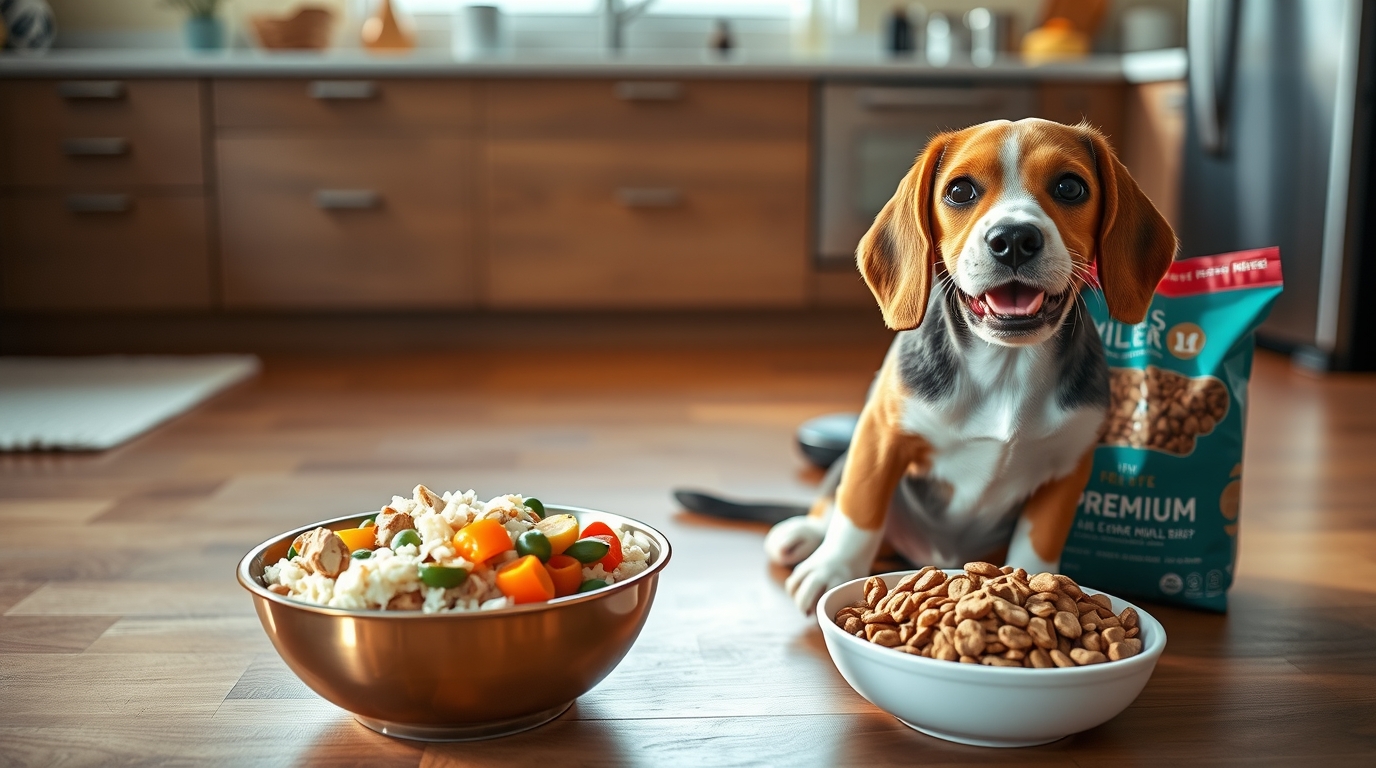
Beagles are energetic, medium-sized dogs with high metabolisms. They need a balanced diet rich in protein, healthy fats, complex carbohydrates, and essential vitamins to support their active lifestyle, maintain lean muscle, and prevent obesity. Because Beagles are prone to weight gain, portion control is critical. Best Dog Food for Beagles in India Homemade meals are a great way to provide fresh, nutrient-rich food tailored to your Beagle’s needs. Meal Ingredients Benefits Chicken and Rice Boiled chicken, brown rice, carrots, peas High protein, easily digestible Fish and Pumpkin Steamed fish (salmon), pumpkin, spinach Omega-3 for coat health, rich in fiber Turkey and Veggies Lean turkey, sweet potatoes, green beans Supports muscle growth, boosts immunity Tip: Always cook meat thoroughly, remove bones, and avoid seasoning to keep meals safe for your Beagle. Best Food Types for Beagles Food Type Description Key Nutrients Raw Diet (BARF) Fresh raw meat, bones, organs, veggies High in protein, natural enzymes Cooked Homemade Meals Chicken, turkey, fish, rice, vegetables Balanced nutrition, easily digestible Dry Dog Food Mix Combine homemade meals with quality dry kibble Complete nutrition with convenience Combining homemade meals with vet-approved dry food ensures Beagles receive all essential vitamins, minerals, and amino acids. Beagle Puppy Feeding Chart Puppy Age Portion Size (Cups/Day) Meals Per Day 2–4 months 1.5–2 cups 4 meals 4–6 months 2–2.5 cups 3 meals 6–12 months 2.5–3 cups 2–3 meals Adjust portion size based on your puppy’s weight, activity level, and your vet’s recommendations. Best Dry Dog Food for Beagles These vet-recommended dry dog food brands are great choices for Beagles: Always transition gradually to new food to avoid digestive upset. Protein Requirements for Beagles Beagles are highly active and require adequate protein to maintain strong muscles and stamina. Include chicken, turkey, eggs, and fish as protein sources to support their growth and immunity. Carbs, Fats & Fiber Balance A balanced diet isn’t only about protein. Beagles also need: Homemade vs Dry Food for Beagles Aspect Homemade Meals Dry Dog Food Freshness 100% fresh, preservative-free Long shelf life Nutrient Control Fully customizable Pre-balanced Effort Requires preparation Quick & convenient The ideal plan is a mix of homemade and high-quality dry food, ensuring both freshness and balanced nutrition. Key Nutrients Beagles Need Daily Healthy Homemade Food Ideas for Beagles Weight Management for Beagles Because Beagles love to eat and are prone to obesity, it’s crucial to: Maintaining a healthy weight helps prevent joint problems, heart issues, and diabetes. Benefits of Homemade Food for Beagles Common Food Allergies in Beagles Some Beagles may develop allergies or sensitivities. Watch out for: Common allergens include wheat, soy, corn, and dairy. Opt for grain-free or hypoallergenic formulas if your Beagle shows these symptoms. Tips to Prevent Obesity in Beagles Foods to Avoid for Beagles Common Feeding Mistakes to Avoid for Beagles Even the best dog food can lose its benefits if fed incorrectly. Beagle owners often unknowingly make these mistakes, which can affect their dog’s health: Avoiding these mistakes will help maintain your Beagle’s healthy weight, energy, and digestion. FAQs Q. What should I feed my Beagle puppy?Feed your Beagle puppy a mix of high-protein foods like chicken, turkey, fish, vegetables, and whole grains. Use vet-approved puppy kibble for complete nutrition. Q. Can Beagles eat rice?Yes, rice is a safe and easily digestible carbohydrate source. Mix it with lean meat and veggies for a balanced meal. Q. Are Beagles prone to obesity?Yes, Beagles can gain weight easily. Stick to portion-controlled meals and daily exercise to maintain a healthy weight. Conclusion Feeding your Beagle with the right food ensures they stay energetic, healthy, and active. Whether you choose homemade meals like chicken and rice or combine them with dry food formulated for Beagles, focus on high-quality protein, healthy fats, and essential vitamins. Always consult your vet before changing diets and follow portion guidelines to keep your Beagle fit and happy. Also Read: