

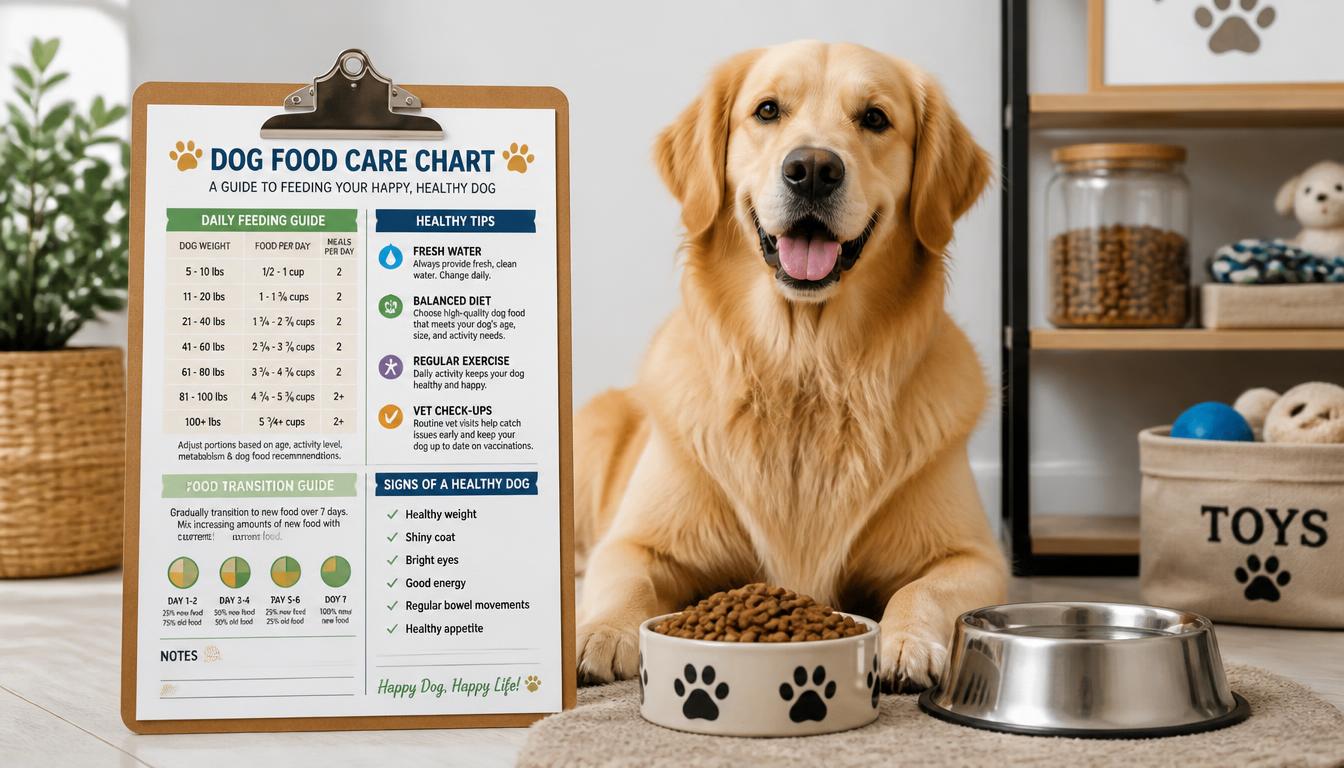
Keeping your dog healthy starts with proper nutrition. While choosing a high-quality dog food is important, maintaining a consistent feeding routine is equally essential. Many pet owners struggle to keep track of meal schedules, portion sizes, treats, water intake, weight changes, and dietary adjustments. This is where a Printable Dog Food Care PDF becomes a valuable tool.
A dog food care chart helps organize your dog’s daily feeding routine, monitor health changes, maintain healthy weight goals, and ensure every member of the family follows the same feeding plan. Whether you have a playful puppy, an active adult dog, or a senior companion, a printable feeding tracker can make pet care easier and more effective.
This comprehensive guide covers everything you need to know about creating and using a printable dog food care PDF, including feeding schedules, nutritional requirements, weight management, hydration tracking, and sample templates you can print and use immediately.
What Is a Printable Dog Food Care PDF?

A printable dog food care PDF is a structured document designed to help dog owners track feeding habits and overall nutritional care.
It typically includes:
- Daily feeding schedules
- Portion tracking
- Water intake logs
- Treat monitoring
- Weight management records
- Medication reminders
- Health notes
- Veterinary appointment records
Using a printable chart allows pet owners to maintain consistency and monitor their dog’s health over time.
Why Every Dog Owner Should Use a Dog Food Care Chart
Many dog owners rely on memory when feeding their pets. While this may work initially, it often leads to inconsistent feeding habits.
Benefits of a Printable Dog Food Care PDF
Improves Feeding Consistency
Dogs thrive on routine. A feeding chart ensures meals are served at the correct times every day.
Prevents Overfeeding
One of the leading causes of canine obesity is overfeeding.
Tracking portions helps avoid:
- Excess calorie intake
- Weight gain
- Digestive issues
Helps Monitor Health
Changes in appetite can indicate health concerns.
A feeding chart helps identify:
- Reduced appetite
- Increased thirst
- Unusual eating behavior
Supports Weight Management
Tracking weight regularly helps maintain healthy body condition.
Simplifies Multi-Person Households
A feeding chart prevents accidental double-feeding when multiple family members care for the dog.
Understanding Dog Nutrition
Before creating a feeding plan, it is important to understand your dog’s nutritional needs.
Protein
Protein is essential for:
- Muscle development
- Tissue repair
- Immune support
- Energy production
Excellent protein sources include:
- Chicken
- Turkey
- Beef
- Salmon
- Lamb
- Duck
Protein should be one of the primary ingredients in your dog’s food.
Healthy Fats
Healthy fats provide energy and support:
- Skin health
- Coat quality
- Brain function
- Hormone production
Common healthy fat sources include:
- Fish oil
- Salmon oil
- Chicken fat
- Flaxseed
Carbohydrates
Carbohydrates provide energy and fiber.
Healthy sources include:
- Sweet potatoes
- Brown rice
- Oats
- Barley
- Pumpkin
Vitamins and Minerals
Dogs require balanced levels of:
- Calcium
- Phosphorus
- Zinc
- Iron
- Vitamin A
- Vitamin D
- Vitamin E
Quality dog foods are formulated to provide these essential nutrients.
Why Tracking Food Intake Matters
Many health problems can be linked to poor feeding habits.
Tracking food intake helps:
- Maintain ideal body weight
- Prevent obesity
- Identify dietary issues
- Support long-term health
A printable dog food care PDF provides a clear record of daily feeding habits.
Components of a Printable Dog Food Care PDF
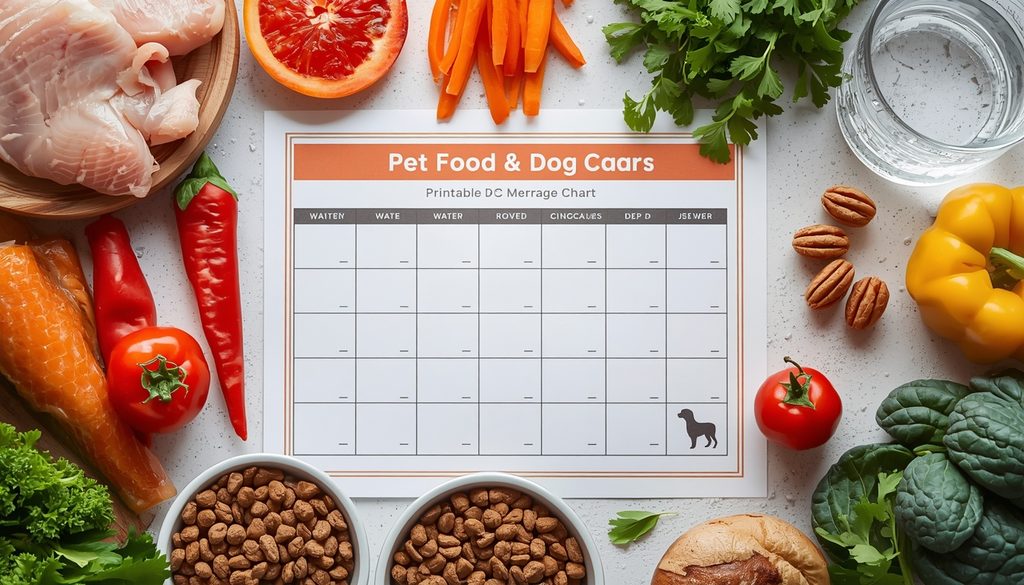
Daily Feeding Schedule
A feeding schedule records:
- Meal times
- Food type
- Portion sizes
Sample Feeding Chart
| Time | Food Type | Portion Size | Notes |
|---|---|---|---|
| Morning | Dry Food | 1 Cup | Ate all food |
| Afternoon | Treats | Small Amount | Training session |
| Evening | Wet Food | 1 Portion | Normal appetite |
Water Intake Tracker
Hydration is essential for canine health.
Daily Water Monitoring Chart
| Day | Water Refilled | Drinking Normally |
|---|---|---|
| Monday | Yes | Yes |
| Tuesday | Yes | Yes |
| Wednesday | Yes | Yes |
| Thursday | Yes | Yes |
| Friday | Yes | Yes |
| Saturday | Yes | Yes |
| Sunday | Yes | Yes |
Monitoring water intake can help detect potential health concerns early.
Treat Tracking Chart
Many dogs consume more calories from treats than owners realize.
Weekly Treat Log
| Day | Treat Type | Quantity |
|---|---|---|
| Monday | ______ | ______ |
| Tuesday | ______ | ______ |
| Wednesday | ______ | ______ |
| Thursday | ______ | ______ |
| Friday | ______ | ______ |
| Saturday | ______ | ______ |
| Sunday | ______ | ______ |
Treats should generally make up no more than a small portion of daily calorie intake.
Weight Management Chart
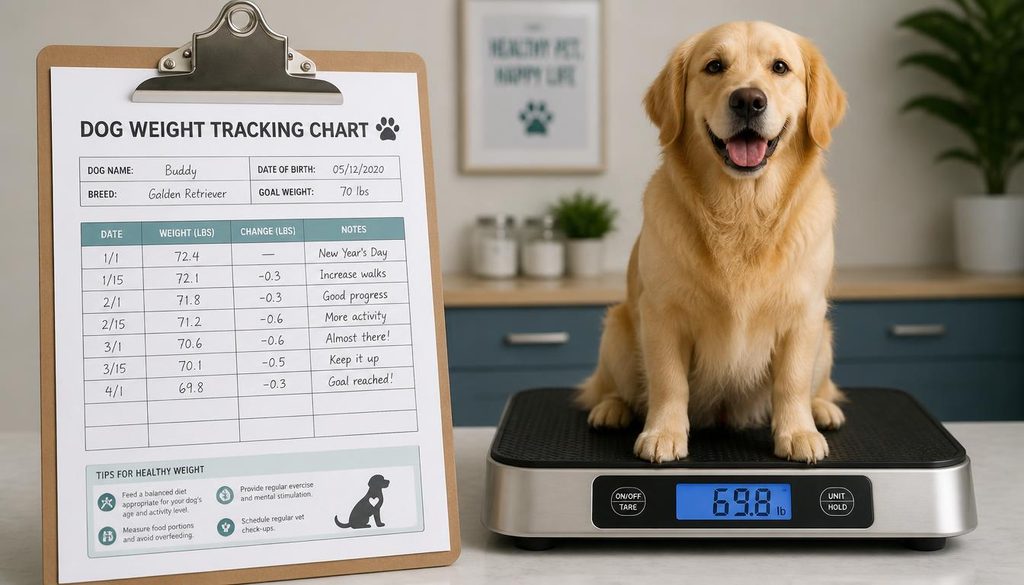
Maintaining a healthy weight is one of the most important aspects of dog care.
Monthly Weight Tracker
| Date | Weight | Notes |
|---|---|---|
| Month 1 | ______ | ______ |
| Month 2 | ______ | ______ |
| Month 3 | ______ | ______ |
| Month 4 | ______ | ______ |
Regular weight monitoring helps identify trends before they become serious issues.
Feeding Puppies Using a Printable Feeding Chart
Puppies require more frequent meals than adult dogs.
Puppy Feeding Schedule
8–12 Weeks
4 meals daily
3–6 Months
3 meals daily
6–12 Months
2–3 meals daily
A printable feeding chart helps ensure consistent meal timing during growth stages.
Feeding Adult Dogs
Most healthy adult dogs do well with:
- Two meals per day
Example:
| Time | Meal |
|---|---|
| 7:00 AM | Breakfast |
| 6:00 PM | Dinner |
Consistency helps support digestion and energy balance.
Feeding Senior Dogs
Senior dogs often benefit from:
- Smaller portions
- Easily digestible food
- Joint-support nutrients
- Weight monitoring
A printable chart becomes especially useful as dogs age.
Medication and Supplement Tracking
Many dogs require supplements or medications.
Medication Log
| Date | Medication | Dosage | Given |
|---|---|---|---|
| ____ | ____ | ____ | Yes/No |
This helps prevent missed doses.
Exercise Tracking Section
Nutrition and exercise work together to maintain health.
Daily Activity Log
| Activity | Duration |
|---|---|
| Walk | _____ |
| Playtime | _____ |
| Training | _____ |
Tracking exercise helps support weight management goals.
Signs Your Dog Is Eating the Right Food
Indicators include:
- Healthy body weight
- Good energy levels
- Strong muscles
- Shiny coat
- Healthy skin
- Consistent stools
These signs suggest that your feeding plan is working effectively.
Signs Your Dog’s Diet May Need Adjustment
Watch for:
- Excessive itching
- Digestive upset
- Weight gain
- Weight loss
- Dull coat
- Low energy
Consult your veterinarian if these issues persist.
Common Feeding Mistakes Dog Owners Make
Overfeeding
Many owners unknowingly provide too many calories.
Excessive Treats
Treat calories add up quickly.
Inconsistent Meal Times
Irregular feeding schedules can affect digestion.
Ignoring Weight Changes
Regular tracking helps identify issues early.
Sudden Food Changes
Always transition gradually when switching foods.
How to Transition to a New Dog Food
A gradual transition reduces digestive upset.
Food Transition Schedule
| Day | Old Food | New Food |
|---|---|---|
| 1–2 | 75% | 25% |
| 3–4 | 50% | 50% |
| 5–6 | 25% | 75% |
| 7+ | 0% | 100% |
This process helps your dog adjust comfortably.
Printable Dog Food Care PDF Template
Dog Information
- Name: __________________
- Breed: __________________
- Age: __________________
- Weight: __________________
- Veterinarian: __________________
Daily Feeding Schedule
| Time | Food | Portion |
|---|---|---|
| Morning | ______ | ______ |
| Afternoon | ______ | ______ |
| Evening | ______ | ______ |
Daily Checklist
- Fresh water provided
- Meals served
- Exercise completed
- Medication given
- Weight monitored
- Health observations recorded
Monthly Health Notes
Creating a Personalized Dog Food Care Planner
Every dog has unique needs.
Consider including:
- Food allergies
- Weight goals
- Medical conditions
- Activity levels
- Special dietary requirements
A customized feeding plan can improve long-term health outcomes.
Frequently Asked Questions
What is a printable dog food care PDF?
It is a printable document used to track feeding schedules, portions, hydration, weight, and overall nutritional care.
Why should I use a feeding chart?
A feeding chart helps maintain consistency, prevent overfeeding, and monitor your dog’s health.
How often should adult dogs eat?
Most adult dogs thrive on two meals per day.
Can a feeding chart help with weight loss?
Yes. Tracking portions and weight can support healthy weight management.
Should I track water intake?
Absolutely. Hydration is a key indicator of overall health.
Final Thoughts
A Printable Dog Food Care PDF is one of the simplest yet most effective tools for responsible dog ownership. It helps organize feeding schedules, monitor health trends, manage weight, track hydration, and ensure consistent care.
Whether you have a growing puppy, an active adult dog, or a senior companion, a feeding tracker can help you stay organized and make informed decisions about your pet’s nutrition. By monitoring meals, treats, water intake, and weight regularly, you can provide the care and attention your dog needs to enjoy a healthy and happy life.
Also Read:
- Printable Cat Food Care PDF: The Ultimate Guide to Feeding Your Cat the Right Way
- Dog Training Tips for Beginners: A Complete Guide
1 thought on “Printable Dog Food Care PDF: The Complete Guide”