OURPETTAILS

Dog Grooming Blade Length Guide: Most Significant Step by Step Guide

Dog Grooming Blade Length

Every pet parent wants their furry friend to look and feel their best. The secret to a polished finish? Choosing the right tools. Clipper blades might seem confusing at first, but understanding their numbering system unlocks salon-quality results from home. Blade numbers directly affect how short or long your pet’s coat will be after trimming. Popular brands like Andis®, Oster®, and Wahl® use standardized sizes, making it easier to pick what works for different breeds and seasons. A #10 blade, for example, leaves hair shorter than a #4 – but there’s more to it than just numbers! This guide simplifies the process with clear explanations and practical tips. You’ll learn how blade types influence trimming outcomes, maintain coat health, and even reduce shedding. We’ll also cover proper clipper care to extend tool life and ensure consistent performance. Key Takeaways Whether you’re tackling a summer trim or maintaining a show-ready coat, this resource puts professional techniques within reach. Let’s create a stress-free grooming routine that benefits both you and your companion! Understanding Dog Grooming Essentials and Blade Function Professional-quality trims start with understanding your tools. Clippers rely on a two-part system: a comb guide positions strands while a sharp cutting edge trims them evenly. This teamwork prevents tugging and creates smooth results, whether you’re shaping a poodle’s curls or maintaining a terrier’s wiry coat. The Role of Clippers and Blades in Coat Maintenance High-speed motors drive precision. Brands like Andis® and Wahl® design blades that move 3,000–4,500 times per minute, slicing through thick or fine textures without snagging. Three common blade categories handle different tasks: Blade Type Function Best For Full Cut Complete trim in one pass Thick undercoats Skip Tooth Reduces bulk Matted or dense fur Finishing Polishes edges Show-ready styles Why Precision Matters in Tool Selection Mismatched blades cause frustration. A #7 skip tooth might glide through a husky’s double coat but leave patchy results on a shih tzu’s silky strands. As professional groomer Lila Torres notes: “The right blade turns a stressful session into a bonding moment – it’s worth the research.” Overheating and uneven cuts often trace back to incorrect choices. Curly coats need wider spacing between teeth to avoid clogging, while sensitive skin benefits from ceramic-coated edges. Pairing tools to fur type ensures comfort and reduces cleanup time. Exploring the dog grooming blade length chart Mastering coat care starts with a simple visual tool. The blade size chart acts as your roadmap, showing how each number translates to specific results. Let’s break down how to use this resource like a pro. What Those Numbers Really Mean Blade sizes follow a counterintuitive pattern – lower numbers leave longer strands. For example: These measurements ensure consistency across brands. Always check manufacturer guides for exact lengths. Blade Designs for Every Task Type Teeth Pattern Best Use Skip Tooth Alternating gaps Matted or dense coats Finishing Tight spacing Smooth edges Full Cut Uniform teeth All-over trimming Skip tooth options reduce pulling in curly textures, while finishing blades perfect show-ring details. Home Grooming Made Simple Consult the chart before each session. Pair blade sizes with coat thickness – a #5 works wonders on terriers but might scalp fine-haired breeds. Professional groomer Marco Silva advises: “Keep your chart visible. Cross-reference numbers with seasonal needs – shorter in summer, longer in winter.” This strategy prevents uneven patches and maintains healthy fur growth cycles. Combine blade types for layered styles, always starting with longer settings. Tips for Choosing the Right Blade for Your Dog’s Coat and Breed Finding the perfect trim starts with pairing tools to your pet’s unique needs. Coat texture, breed standards, and body shape all influence which blade sizes deliver polished results without irritation. Matching Blade Size to Coat Type and Breed Characteristics Thick double coats need different care than silky strands. For example: Short-haired breeds like Boxers may only need a #10 blade for touch-ups. Always test blades on less visible areas first to assess comfort. Special Blade Options for Sensitive Areas Delicate zones like ears and facial regions demand precision. Use these guidelines: Area Recommended Sizes Notes Ears #10 or #15 Prevents nicks near folds Tail #4 or #5 Maintains plume shape Face Ceramic #30 Reduces vibration near eyes Certified groomer Elena Rodriguez advises: “Blend multiple blade lengths for a natural look. Start longer – you can always trim more later.” For mixed breeds, focus on coat density rather than breed labels. Fine-haired pets often need higher-numbered blades to avoid uneven patches. Always prioritize comfort over style – a happy pet makes grooming easier for everyone! Maintaining and Caring for Your Clipper Blades Sharp tools make grooming sessions smoother and safer. Proper care keeps blades cutting efficiently while protecting sensitive skin. Let’s explore simple routines that extend tool life and boost performance. Proper Cleaning Techniques and Blade Cooling Methods Start by brushing away fur after each use. Soak blades in clipper cleaner for 5 minutes to dissolve residue. Rinse under warm water and dry completely before storage. Overheating causes discomfort. Check blade temperature every 10 minutes by touching the side – if warm, switch to a backup set. Professional groomer Jenna Lee shares: “Cooling sprays like Andis® Cool Care Plus® lower heat fast. Keep two blades rotating during long sessions.” Using Lubricants and Cool Running Blades for Safety Apply oil or spray lubricant after cleaning. This reduces friction and prevents rust. Most groomers recommend lubricating: Frequency Product Benefit After each use Oster® Kool Lube Spray Cools blades instantly Weekly Clipper oil Protects moving parts Order replacement parts directly from manufacturer websites. Store tools in dry areas away from moisture. A well-maintained set gives better control over tricky areas like paws and ears. Taking time for care pays off. Regular maintenance saves money on replacements and keeps pets comfortable. Your furry friend deserves tools that work as hard as you do! Conclusion The right tools transform coat care from chore to bonding experience. Choosing clipper attachments tailored to your pet’s hair type and body shape ensures both comfort and … Read more
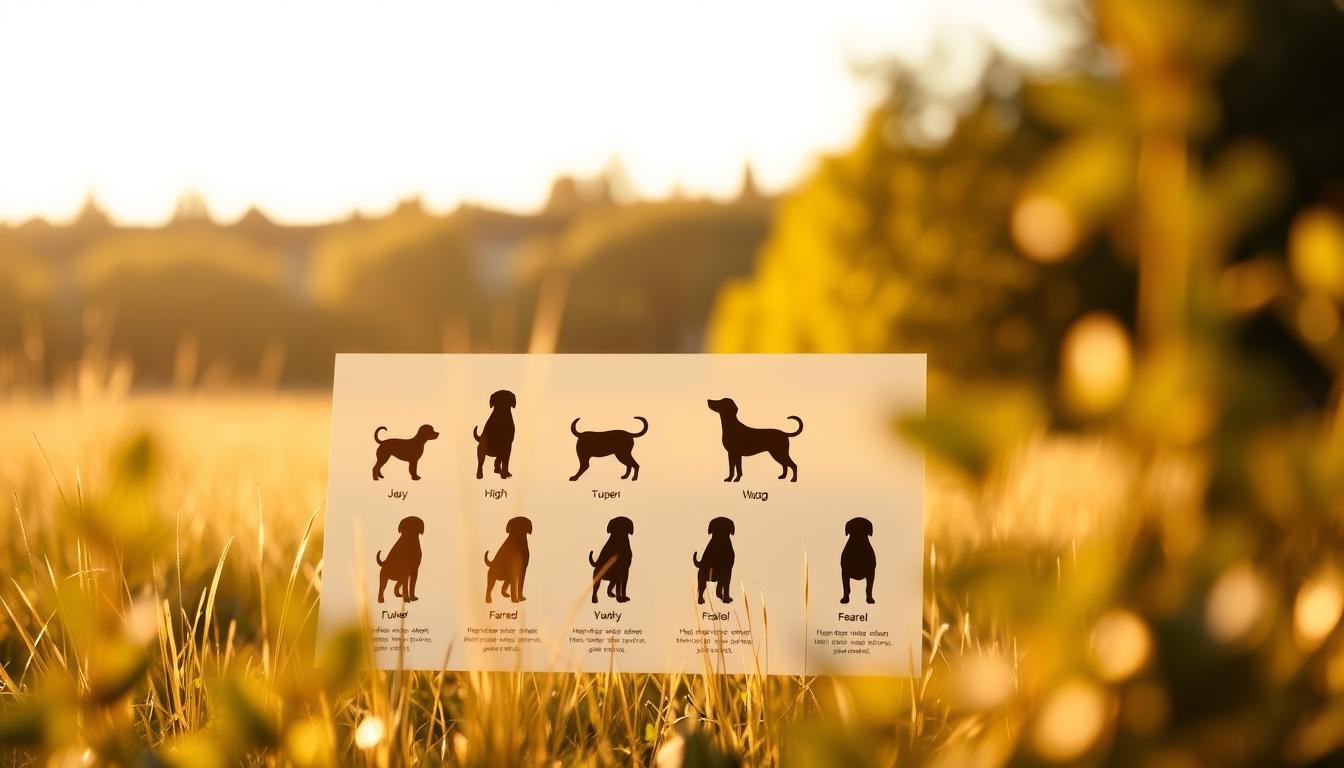
Dog Tail Position Chart: Understand Your Pup’s Mood

Dog Tail Position Chart

Your furry friend’s body language is a powerful tool for understanding their emotions. While barks and whines grab attention, their tail movements reveal subtle clues about how they’re feeling. Think of it as a built-in mood ring—every lift, tuck, or wag tells a story. This guide will help you decode those signals. Whether your pup’s tail is high and stiff or relaxed and loose, each position reflects their mindset. You’ll learn to spot signs of joy, anxiety, curiosity, or even irritation by observing their posture alongside ear and eye movements. By mastering this skill, you’ll strengthen your bond with your canine companion. Research from veterinarians and animal behaviorists shows that recognizing these cues improves trust and communication. Plus, it’s a fun way to feel closer to your four-legged family member! Key Takeaways Introduction: The Importance of Canine Body Language The secret to bonding with your pet lies in their silent language. While vocalizations like barks or whines are obvious, over 90% of their communication happens through physical signals. From ear tilts to paw lifts, every motion offers a glimpse into their mindset. Why does this matter? Recognizing these cues helps prevent misunderstandings. For instance, pinned-back ears paired with a lowered head often signal anxiety—not stubbornness. Similarly, a relaxed mouth and soft eyes usually mean contentment. By observing these details, you’ll respond more effectively to their needs. Emotions shape every movement. Excitement might trigger a full-body wiggle, while fear could freeze their posture. Experts emphasize combining tail behavior with other signals for accurate interpretations. A wagging tail alone doesn’t always mean joy—it’s the speed, height, and accompanying facial expressions that tell the full story. Mastering this language strengthens trust. As one trainer notes, “When owners tune into these signs, they build deeper connections.” It’s not just about decoding moods—it’s about creating a happier, safer space for your companion. Dog Tail Position Chart: Understanding Your Dog’s Emotions Ever wonder what your pup’s backside is really saying? Their rear-end movements aren’t just random—they’re a precise language packed with meaning. From joyful wiggles to cautious tucks, each motion reflects their inner world. A high, upright stance often signals alertness or confidence. Think of it like a flagpole—when raised, your pet feels curious or ready to engage. Lower positions, like a horizontal or slightly drooping posture, usually mean relaxation. But when it curls tightly beneath the body? That’s a clear sign of unease or fear. Contrary to popular belief, wagging doesn’t always equal happiness. Rapid side-to-side swings paired with loose hips suggest excitement. However, stiff, slow movements might indicate tension. As animal behaviorist Dr. Linda Harper notes: “Tail behavior is intentional—like words in a conversation. Speed and height add nuance to their message.” By pairing these cues with ear direction and facial expressions, you’ll unlock richer insights. For example, a wagging motion with pinned-back ears often means uncertainty, not joy. Recognizing these patterns helps you respond thoughtfully, whether offering comfort or giving space. Understanding this silent language transforms everyday interactions. You’ll catch subtle shifts in mood before they escalate, fostering trust and safety. It’s like learning a secret code—one that deepens your bond with every wag and wiggle. Anatomy of Canine Communication Your companion speaks volumes without a single bark—if you know where to look. Their body language flows through facial muscles, stance shifts, and even hair movements. Let’s explore the physical tools they use to express joy, fear, or curiosity. Ears, Eyes, and Mouth Signals Forward-pointing ears often signal curiosity, like when hearing a new sound. Flattened ones? Think stress or submission. Similarly, wide eyes show alertness, while squinting may mean discomfort. A relaxed mouth with a slightly open jaw suggests calmness, but lip-licking or yawning can hint at anxiety. Body Posture and Hackles A loose, wiggly stance usually means happiness. Raised fur along the back (hackles) often signals arousal—this could be excitement or tension. Crouching low with weight shifted backward? That’s a clear “I’m uneasy” message. Certified trainer Mia Carter notes: “Hackles aren’t always aggression. They’re like goosebumps—a reflex to strong emotions.” Signal Relaxed State Tense State Ears Soft, neutral angle Pinned back or rigid Eyes Soft gaze, normal blinking Staring or avoiding contact Mouth Slightly open, relaxed tongue Closed tight or excessive panting Posture Weight evenly distributed Stiff legs or lowered body These signals work together like puzzle pieces. A wagging body with soft eyes means playfulness, while raised hackles paired with a frozen stance suggests caution. By observing the whole picture, you’ll decode your pet’s mood accurately. Decoding Tail Positions: What Your Dog Is Telling You Unlock the secrets behind your companion’s silent messages by observing their rear-end expressions. Every lift, droop, or tuck serves as a live feed into their emotional world—if you know how to read it. High vs. Low: Confidence Meets Caution A raised, upright posture often reflects boldness or curiosity. Think of it as a flag at full mast—your furry pal feels engaged and self-assured. But when it lowers to hip level or dips slightly, they’re likely relaxed yet attentive. Extreme lows tell a different story. If their rear-end gear nearly brushes the ground, anxiety or submission is usually at play. Animal behavior expert Dr. Sarah Klein explains: “Height correlates with emotional intensity. The lower it goes, the more vulnerable they feel.” Wagging Wonders vs. Nervous Tucks Fast, sweeping motions with a wiggly body? That’s pure joy in motion. But a stiff, slow swing paired with tense muscles often signals uncertainty. Watch the base—if it’s rigid, proceed with caution. A tightly curled posture beneath the belly screams discomfort. This “tucked” stance commonly appears during storms, vet visits, or unfamiliar situations. Pair it with flattened ears, and you’ve got a clear distress signal. By connecting these signals with other cues—like ear direction or panting patterns—you’ll grasp their mindset accurately. It’s like learning a dialect of their native language, deepening trust through thoughtful responses. Interpreting Tail Wagging: Speed, Direction, and Style That happy wag isn’t just random—it’s a nuanced dialogue. Research shows tail wagging carries layered meanings based … Read more

The Ultimate Cat Growth Chart: Monitor Your Pet’s Development

Ultimate Cat Growth Chart

Monitoring your kitten’s growth is crucial for ensuring they develop into a healthy adult cat. By tracking their weight and overall development, you can identify potential health issues early on, allowing for timely intervention. Different breeds and individual kittens have unique growth patterns. This comprehensive guide will walk you through the various stages of development from birth to adulthood, highlighting key milestones to watch for. As a responsible pet owner, monitoring your kitten’s growth is essential for their overall wellbeing and longevity. This guide will provide you with practical tools and tips for tracking their development at home. Key Takeaways Understanding Cat Growth and Development The growth rate of a kitten is a significant indicator of their overall health status. Just like human babies, kittens that grow too quickly or slowly can suffer from lifelong health problems. Therefore, it’s crucial to ensure that kittens grow at a healthy rate. Why Monitoring Your Cat’s Growth Matters Monitoring a kitten’s growth is vital for detecting early signs of health issues. Abnormal growth patterns can indicate underlying problems that need to be addressed. By keeping track of your kitten’s growth, you can identify potential issues before they become serious. Growth monitoring helps ensure that kittens are neither underweight nor overweight. Being underweight can indicate illness or malnutrition, while being overweight can lead to obesity and related health issues. Using tools like the WALTHAM™ Kitten Growth Charts can provide valuable insights into your kitten’s development. Key Factors That Influence Cat Growth Several factors influence a cat’s growth rate and development. Genetics play a significant role, as different breeds have varying growth expectations. For example, Maine Coon cats can take up to 4-5 years to reach full maturity, while other breeds may mature within 1-2 years. Nutrition is another critical factor, as proper feeding during critical growth periods directly impacts bone development, muscle mass, and organ function. Overall health status also affects a kitten’s growth. Ensuring your kitten receives regular veterinary check-ups and stays healthy is crucial for normal growth and development. What to Expect: General Growth Timeline Kittens grow rapidly during the first few months of life. From birth to around 8 weeks, kittens typically double their birth weight. As they grow, their rate of weight gain slows down, but they continue to develop physically and behaviorally. Age Expected Weight Developmental Milestones 0-8 weeks Birth weight to double Eyes open, start to walk 8 weeks to 6 months Rapid weight gain Teething, socialization 6 months to 1 year Slowing weight gain Adult teeth, behavioral maturity By understanding these growth patterns and factors that influence them, you can better care for your kitten and ensure they develop into a healthy adult cat. Newborn to 8 Weeks: The Critical Early Stage The first two months of a kitten’s life are characterized by dramatic transformations in their physical and behavioral development. During this period, kittens undergo significant changes that lay the foundation for their future growth and health. Physical Development Milestones From birth, kittens experience rapid physical development. At 0-1 week, they are newborn, with their eyes closed, and their claws are unable to retract. By 1-2 weeks, their eyes open, revealing baby blue eyes, and their front teeth begin to emerge. By the third week, their front teeth are more developed, and they start to walk and move around. At four weeks, kittens’ ears are up and triangular, and their claws begin to retract. Their weight and physical development are crucial indicators of their health during this stage. Weight Expectations for Healthy Kittens Monitoring a kitten’s weight is essential. Newborn kittens typically weigh between 3-4 ounces. By two weeks, they should double their birth weight. Here is a general weight expectation chart for healthy kittens: Behavioral Changes to Monitor Kittens transition from complete dependence on their mother to increased mobility and social interaction over the first eight weeks. At two weeks, they start to interact, play, knead, and vocalize. By four weeks, they begin to play and show personality and start the weaning process. Special Care Requirements Maternal care is critical during this period. If caring for an orphaned kitten, it’s essential to provide the necessary care and nutrition. The weaning process starts around four weeks, transitioning from mother’s milk to wet kitten food. Ensuring proper care and feeding during this stage is crucial for their development. 8 Weeks to 6 Months: The Rapid Growth Phase Kittens experience their most rapid growth phase between 8 weeks and 6 months, transforming them into energetic and curious animals. During this period, they undergo significant physical and behavioral changes that are crucial for their development. Physical Changes and Development Between 8 weeks and 6 months, kittens undergo substantial physical changes. Their adult coat develops, and their eye color stabilizes. At around 5-6 weeks, premolars have erupted, and they can eat hard kibble exclusively. By 8 weeks, their full personality is developed, and their claws are fully retractable. Expected Weight Gain Patterns Healthy kittens typically gain approximately 1 pound per month during this period. By 6 months, they usually triple or quadruple their 8-week weight. Monitoring their weight is essential to ensure they are on track and receiving adequate nutrition. Behavioral Development During this phase, kittens exhibit increased independence and playfulness. They begin to establish hunting and stalking behaviors, which are crucial for their development. Socialization during this period is vital for developing well-adjusted adult cats. Nutrition Needs During This Stage Kittens require high-quality kitten food with appropriate protein and fat content to support their high-energy growth phase. Nutrition plays a critical role in their development, and it is essential to provide them with the necessary nutrients for optimal growth. By understanding the changes that occur during the 8 weeks to 6 months period, cat owners can better support their kitten’s growth and development. This stage is ideal for establishing positive behaviors and routines, including litter box habits and appropriate play. 6 Months to 2 Years: The Transition to Adulthood Between 6 months and 2 years, kittens experience a … Read more

Cat Weight Chart by Age – Healthy Weight Ranges

Cat Weight Chart by Age

Maintaining a healthy weight is crucial for your feline friend’s overall health and longevity. Most domestic cats should weigh between 8 and 12 pounds, but several factors impact their ideal weight, including age, breed, and medical history. A shocking 61% of felines are either overweight or obese, which can lead to numerous health problems. Understanding your cat’s ideal weight range can help prevent common health issues associated with being overweight or underweight. Key Takeaways Understanding the Importance of Your Cat’s Weight A cat’s weight is a critical indicator of their overall health and quality of life. Maintaining an ideal weight is crucial for preventing various health issues and ensuring your cat leads an active and healthy life. How Weight Affects Your Cat’s Health Your cat’s weight significantly affects their health, influencing everything from organ function to mobility. Cats with a healthy weight are less likely to develop serious health conditions such as diabetes, arthritis, and heart disease. On the other hand, cats that are overweight or underweight may experience a range of health problems. Risks of Obesity in Cats Obesity in cats can lead to severe health issues, including diabetes, arthritis, and heart disease. Overweight cats are also more likely to suffer from fatty liver disease and urinary tract problems, potentially shortening their lifespan by up to five years. Risks of Underweight Cats Underweight cats often struggle with compromised immune systems, making them more susceptible to infections and slower to recover from illness or injury. They may also experience dental issues and lack the energy for normal activities. Weight Condition Potential Health Risks Overweight Diabetes, Arthritis, Heart Disease, Fatty Liver Disease, Urinary Tract Issues Underweight Dental Issues, Compromised Immune System, Lack of Energy Healthy Weight Good Physical and Mental Well-being, Lower Risk of Health Issues Cat Weight Chart by Age Understanding your cat’s weight is crucial for their overall health, and a cat weight chart by age can be a valuable tool. Monitoring your cat’s weight helps identify potential health issues early, ensuring timely intervention. Kitten Weight Chart (0-6 months) Kittens experience rapid growth during their first six months. At birth, a kitten typically weighs between 70g to 100g. A healthy kitten should gain around 100g weekly until they are approximately 44 weeks old. By six months, most kittens weigh between 2.5-3.2 kg (5.5-7 pounds). Young Adult Cat Weight (6 months-3 years) Young adult cats typically reach their full size by 12 months, though larger breeds may continue growing until 18 months or even 2 years. At this stage, their weight stabilizes, and regular monitoring helps maintain a healthy cat weight. Adult and Senior Cat Weight (3+ years) Adult cats generally maintain a stable weight between 3.5 and 5.5 kg, depending on factors like breed and gender. As cats age into their senior years (7+ years), they may lose muscle mass and experience weight changes, requiring dietary adjustments to maintain optimal health. Regular weight monitoring throughout your cat’s life stages is essential for identifying potential health issues early and allowing for timely intervention. Average Cat Weight by Breed Understanding the ideal weight for your cat involves considering their breed, as different breeds have distinct healthy weight ranges. The Association for Pet Obesity Prevention (APOP) provides guidelines for ideal weights across various breeds, highlighting the diversity in healthy weights among cats. Small Cat Breeds Small cat breeds, such as the Siamese and Devon Rex, naturally have lighter frames and lower healthy weight ranges. Typically, these breeds weigh between 5-10 pounds when fully grown. Their slender build means that their ideal weight is significantly less than that of larger breeds. Medium Cat Breeds Medium-sized breeds, including the Domestic Shorthair and Persian, generally fall into the 7-12 pound range. This weight category is common among household cats and represents a healthy average for many domestic breeds. Maintaining a weight within this range is crucial for their overall health and wellbeing. Large Cat Breeds Large cat breeds, such as the Maine Coon and Ragdoll, can healthily weigh between 10-25 pounds, with males typically being at the higher end of this spectrum. For instance, a Maine Coon can be considered healthy at 20 pounds, whereas a Siamese cat should not weigh more than 10 pounds. Understanding these breed-specific weight ranges is key to preventing misdiagnosis of weight issues. When assessing your cat’s weight, it’s essential to consider their breed characteristics rather than comparing to general averages. This breed-specific approach helps in identifying whether your cat is at a healthy weight or if there’s a need for adjustments in their diet or exercise. Male vs. Female Cat Weight Differences Gender plays a pivotal role in determining a cat’s weight, with notable differences between males and females. Generally, male cats tend to be heavier and larger than their female counterparts. Average Male Cat Weight Ranges Male cats typically have larger frames and more muscle mass, contributing to their higher average weight. For instance, a male Siamese cat might weigh between 11-15 pounds. The reproductive status also impacts weight; intact males may have different weight profiles compared to those who are neutered. Breed Male Weight Range (pounds) Female Weight Range (pounds) Siamese 11-15 8-12 Maine Coon 15-25 10-15 Average Female Cat Weight Ranges Female cats generally have smaller frames and less muscle mass, resulting in lower average weights. A female Siamese cat, for example, might weigh between 8-12 pounds. The weight of female cats can also be influenced by their reproductive status, with spayed females potentially experiencing weight gain due to reduced activity and metabolic changes. How to Determine If Your Cat Is at a Healthy Weight Maintaining a healthy weight is vital for your cat’s health, and there are simple ways to check if they’re on the right track. Assessing your cat’s weight involves a combination of visual and physical checks. The Body Condition Score System The Body Condition Score (BCS) system is a standardized method used by veterinarians to assess whether a cat is at an ideal weight. It ranges from 1 (severely underweight) to … Read more

The Ultimate Cat Collar Size Chart for a Snug Fit

Cat Collar Size Chart

Finding the perfect cat collar is crucial for your feline friend’s comfort, safety, and style. At Susan Lanci Designs, we understand the importance of a well-fitting collar. A correctly sized cat collar ensures your pet’s daily activities are not hindered by discomfort or safety risks. To achieve a snug fit, it’s essential to measure your cat’s neck accurately. Our comprehensive guide will walk you through the process, explaining how to use our detailed cat collar size chart to find the ideal size for your cat. Whether you’re a first-time cat owner or looking to replace an existing collar, understanding the importance of proper size and fit is vital. Our guide covers essential safety considerations, including the two-finger rule and breakaway collar features. Key Takeaways Why the Right Cat Collar Size Matters A well-fitted cat collar is essential for your cat’s overall well-being. The perfect fit allows two fingers to pass through the collar, provides enough room for growth, and stays securely on your cat’s neck without choking them. Choosing the correct collar size is crucial for both safety and comfort. Let’s explore the implications of improper sizing and the benefits of getting it right. Safety Concerns of Improper Sizing An improperly sized collar can pose significant safety risks to your cat. If it’s too tight, it can cause choking or discomfort, while a collar that’s too loose may get caught on objects, potentially leading to accidents. Comfort and Well-being Benefits A properly fitted collar offers numerous benefits for your cat’s comfort and well-being, including: By choosing the right collar size and ensuring a good fit, you can significantly enhance your cat’s quality of life. How to Measure Your Cat’s Neck Properly The right collar size starts with measuring your cat’s neck properly. To do this, you’ll need a few simple tools and to follow a straightforward process. Tools You’ll Need To measure your cat’s neck, you will need a flexible measuring tape or a piece of string and a ruler. The measuring tape or string should be gentle on your cat’s neck and able to wrap around it comfortably. Step-by-Step Measuring Process Begin by ensuring your cat is calm and comfortable. You can measure your cat when they are in a natural standing or sitting position. Gently wrap the measuring tape or piece of string around the middle of their neck, where the collar will sit. Ensure it’s snug but not tight; you should be able to slide a finger underneath comfortably. If using a string, mark the point where the end meets the rest of the string, then measure this length with a ruler. Take at least three measurements to ensure consistency and accuracy. For growing kittens, add approximately one inch to your measurement to accommodate their rapid growth. Measurement Method Description Tips Measuring Tape Wrap around the cat’s neck Ensure it’s snug but not tight Piece of String Wrap around the cat’s neck, mark the length Measure the string with a ruler For Kittens Add an extra inch for growth Re-measure as they grow Cat Collar Size Chart for Different Ages The right collar size is essential for your cat’s comfort and safety, varying by age. Cats grow at different rates, and their collar size needs to change accordingly. Kitten Collar Sizes For kittens, collar sizes typically range from 4 to 8 inches. It’s essential to choose an adjustable cat collar to accommodate their growing necks. Adult Cat Collar Sizes Adult cat collars usually range from 8 to 13 inches in size. The right sizes depend on the cat’s breed and size. Understanding the Two-Finger Rule for Perfect Fit Achieving the perfect fit for your cat’s collar is crucial, and the two-finger rule is a simple yet effective guideline. This rule suggests that you should be able to slide two fingers comfortably under the collar. How to Test for Proper Fit To test if the collar is properly fitted, gently tug on it to ensure it stays in place without being too tight or too loose. A snug collar size is essential for your cat’s comfort and safety. Signs Your Cat’s Collar Is Too Tight or Too Loose Several signs can indicate if the collar is not fitted correctly. These include: Collar Fit Signs Action Too Tight Visible indentation, difficulty inserting two fingers Loosen the collar Too Loose Collar rotates easily, slides over ears Tighten the collar Perfect Fit Two fingers fit comfortably under the collar No action needed By following the two-finger rule and being aware of the signs of improper fit, you can ensure your cat’s cat collar is both comfortable and safe, providing a proper fit around their cat neck. Breakaway Collars: Sizing for Safety When it comes to cat safety, breakaway collars are a top priority for many pet owners. These collars are designed to release if they get caught on something, preventing potential choking hazards. Ensuring the right sizing is crucial for their effectiveness. Breakaway collars come in the same sizes as regular collars. To choose the correct size, follow our previous sizing steps and select the matching breakaway version for enhanced security. Weight-Based Selection Guide When choosing a breakaway collar, consider your cat’s weight to ensure the collar is sturdy enough. Most manufacturers provide weight guidelines for their collars. For example, a simple weight-based selection guide might look like this: Cat Weight Collar Size Recommended Material Under 8 lbs Small (4-7 inches) Nylon or Lightweight Material 8-12 lbs Medium (7-10 inches) Standard Material Over 12 lbs Large (10-13 inches) Durable Material Adjustability Features to Look For The best breakaway collars offer excellent adjustability to achieve the perfect fit. Look for collars with multiple adjustment points, such as buckle adjusters, that allow for precise sizing customization. Some premium breakaway collars feature elastic sections for additional comfort while maintaining safety. When selecting a breakaway collar, ensure the adjustment mechanism is secure to prevent loosening during normal wear. Consider collars with buckle placement that avoids irritating your cat’s neck. Conclusion Choosing the correct collar … Read more

Best Dog Food for Rhodesian Ridgeback: Complete Nutrition Guide

Best Dog Food for Rhodesian Ridgeback

Rhodesian Ridgebacks are magnificent, athletic dogs with unique nutritional requirements that directly impact their health, energy levels, and longevity. Finding the best dog food for Rhodesian Ridgeback breeds means understanding their specific needs for high-quality protein, essential fatty acids, and joint-supporting nutrients. As active, large-breed dogs with distinctive health considerations, Ridgebacks thrive on carefully formulated nutrition that supports their muscular build and energetic lifestyle. In this comprehensive guide, we’ll explore the top food options specifically suited for Rhodesian Ridgebacks, analyze key ingredients that benefit their health, and provide practical feeding recommendations for every life stage. Whether you have a growing Ridgeback puppy or a mature adult, our expert recommendations will help you make informed decisions about your loyal companion’s nutrition. Understanding Rhodesian Ridgeback Nutritional Requirements Rhodesian Ridgebacks have specific nutritional needs that stem from their history as athletic hunting dogs bred in Africa. Their diet should support their muscular build, high energy levels, and address breed-specific health considerations. High Protein Requirements As athletic dogs with significant muscle mass, Rhodesian Ridgebacks require high-quality protein sources. Look for foods with at least 25-30% protein content from real meat sources like chicken, beef, fish, or lamb. This supports muscle maintenance, provides energy, and helps with overall tissue repair. Essential Fatty Acids Balance Rhodesian Ridgebacks benefit from a balanced ratio of omega-3 and omega-6 fatty acids. These essential fatty acids support skin health, maintain their short, glossy coat, reduce inflammation, and contribute to cognitive function. Fish oil, flaxseed, and chicken fat are excellent sources of these vital nutrients. Joint Health Support As large dogs prone to hip dysplasia and joint issues, Ridgebacks need nutrients that support joint health. Look for foods containing glucosamine, chondroitin, MSM, and omega-3 fatty acids from fish oil. These ingredients help maintain cartilage, reduce inflammation, and support overall mobility as they age. Digestive Health Considerations Many Rhodesian Ridgebacks have sensitive digestive systems. Foods with prebiotics, probiotics, and easily digestible ingredients help maintain gut health and proper nutrient absorption. Avoiding common allergens like wheat, corn, and soy can also benefit Ridgebacks with food sensitivities. Breed-Specific Consideration: Rhodesian Ridgebacks are prone to bloat (gastric dilatation-volvulus), a life-threatening condition. Feed smaller, more frequent meals rather than one large meal, and avoid exercise immediately before or after feeding to reduce this risk. Top 7 Best Dog Foods for Rhodesian Ridgebacks After extensive research and consultation with canine nutritionists, we’ve identified the top dog food options that meet the specific nutritional requirements of Rhodesian Ridgebacks. These selections range from premium to budget-friendly choices, all providing excellent nutrition for your Ridgeback. Dog Food Protein % Fat % Key Benefits Best For Price Range Orijen Original 38% 18% High protein, grain-free, multiple meat sources Active adults $$$ Blue Buffalo Wilderness Large Breed 32% 13% Glucosamine for joint health, omega fatty acids Joint support $$ Taste of the Wild Pacific Stream 25% 15% Fish protein, omega-3 rich, probiotics Skin & coat health $$ Purina Pro Plan Large Breed 26% 12% Balanced nutrition, live probiotics Budget-friendly $ Wellness CORE Large Breed 34% 12% Grain-free, glucosamine, taurine for heart health Overall health $$$ Farmina N&D Ancestral Grain 30% 18% Limited ingredients, ancient grains, high-quality protein Sensitive digestion $$$ Diamond Naturals Large Breed 23% 12% Superfoods, probiotics, glucosamine Value option $ Our Top Recommendation For most Rhodesian Ridgebacks, we recommend Orijen Original for its exceptional protein content, multiple meat sources, and balanced nutrition that supports active lifestyles. It contains all the essential nutrients Ridgebacks need without fillers or artificial ingredients.Check Today’s Price Detailed Reviews of Top Rhodesian Ridgeback Foods 1. Orijen Original Orijen Original stands out as our top pick for Rhodesian Ridgebacks due to its exceptional protein content (38%) derived from multiple animal sources. This biologically appropriate diet includes fresh and raw animal ingredients that mirror what your Ridgeback’s ancestors would consume in the wild. Pros Cons Ideal for: Active adult Rhodesian Ridgebacks requiring high-quality nutrition to support their athletic build and energy needs. 2. Blue Buffalo Wilderness Large Breed Blue Buffalo Wilderness Large Breed formula provides excellent nutrition specifically formulated for large dogs like Rhodesian Ridgebacks. With 32% protein content and added glucosamine and chondroitin, this food supports joint health while maintaining lean muscle mass. Pros Cons Ideal for: Rhodesian Ridgebacks needing joint support and those with grain sensitivities. Check Price on Amazon 3. Taste of the Wild Pacific Stream For Rhodesian Ridgebacks with meat sensitivities or those needing extra skin and coat support, Taste of the Wild Pacific Stream offers a fish-based protein source rich in omega-3 fatty acids. This formula provides excellent nutrition with novel protein sources that may reduce allergic reactions. Pros Cons Ideal for: Rhodesian Ridgebacks with food sensitivities, skin issues, or those needing extra omega-3 fatty acids. Check Price on Amazon Budget-Friendly Options for Rhodesian Ridgebacks Quality nutrition doesn’t always require a premium price tag. These budget-friendly options provide good nutrition for Rhodesian Ridgebacks while being easier on your wallet. Purina Pro Plan Large Breed Purina Pro Plan offers solid nutrition at a more accessible price point. With 26% protein and added glucosamine for joint support, this formula provides the essential nutrients Rhodesian Ridgebacks need. Real chicken is the first ingredient, and the formula includes live probiotics for digestive health. View on Amazon Diamond Naturals Large Breed Diamond Naturals Large Breed formula offers excellent value while providing quality nutrition. With 23% protein from cage-free chicken and added glucosamine and chondroitin, this food supports joint health and overall wellness. It also contains superfoods and probiotics to support digestive health and immune function. View on Amazon Money-Saving Tip: Consider buying in bulk or setting up auto-ship subscriptions with online retailers to save 5-10% on your Rhodesian Ridgeback’s food. Many premium brands also offer loyalty programs that provide discounts on future purchases. Special Considerations for Rhodesian Ridgeback Puppies Rhodesian Ridgeback puppies have different nutritional requirements than adults. As large-breed puppies, they need carefully balanced nutrition to support healthy growth without promoting too-rapid development that could lead to skeletal issues. Growth Rate Management Rhodesian Ridgeback puppies should … Read more

Best Dog Food for Japanese Chin

Best Dog Food for Japanese Chin

The Japanese Chin is a toy breed known for its gentle and affectionate nature. Due to their small size and unique physical characteristics, they have specific nutritional requirements that must be met to ensure their overall health and wellbeing. Choosing the right dog food for your Japanese Chin involves understanding their breed-specific needs and potential health concerns. A well-balanced diet is crucial for maintaining their health and addressing common issues. Nutrition plays a vital role in the life of a Japanese Chin. A comprehensive guide to their dietary needs will help you make informed decisions about their care. Key Takeaways Understanding the Japanese Chin Breed With its elegant looks and affectionate personality, the Japanese Chin has become a beloved companion dog. This breed is known for its gentle nature and requires careful consideration in terms of health and nutrition. Physical Characteristics and Size The Japanese Chin is a small dog breed, typically weighing between 4 to 11 pounds and standing about 8 to 12 inches tall. They have a distinctive face with a short nose and a silky coat that requires regular grooming. Temperament and Activity Level Japanese Chins are known for their friendly and outgoing personalities. They are relatively low-maintenance in terms of activity, requiring short, gentle walks and playtime. Their temperament makes them suitable for apartment living. Lifespan and General Health Overview Typically, a Japanese Chin can enjoy a lifespan of 10-12 years with proper care and regular veterinary check-ups. They are generally a healthy breed but can be prone to certain health issues due to their brachycephalic features and small size. Characteristic Description Weight 4-11 pounds Height 8-12 inches Lifespan 10-12 years Health Generally healthy, prone to some health issues Nutritional Needs of Japanese Chin Dogs The Japanese Chin, with its elegant appearance and gentle nature, requires a diet that meets its specific nutritional needs. A balanced diet with high-quality protein sources and essential nutrients is vital for these posh pups. Caloric Requirements for Small Breeds Japanese Chin dogs, being small breeds, have different caloric needs compared to larger dogs. They require a concentrated source of energy, but overfeeding can lead to obesity. Typically, a Japanese Chin needs between 200 to 400 calories per day, depending on age, size, and activity level. Essential Nutrients for Japanese Chin Essential nutrients play a crucial role in maintaining the overall health of a Japanese Chin. These include vitamins, minerals, and fatty acids that support various bodily functions, from coat health to eye health. Protein, Fat, and Carbohydrate Balance A balanced diet for a Japanese Chin should include a proper balance of protein, fat, and limited carbohydrates. The ideal balance is around 25-30% protein, 12-16% fat, and limited carbohydrates from digestible sources like sweet potatoes or brown rice. Nutrient Ideal Percentage Sources Protein 25-30% Chicken, Salmon, Lamb Fat 12-16% Fish Oil, Chicken Fat Carbohydrates Limited Sweet Potatoes, Brown Rice Common Health Issues Affecting Japanese Chin Diet Japanese Chin dogs face several health challenges that can be mitigated through appropriate dietary choices. Their diet plays a significant role in managing and preventing certain health issues. Respiratory Concerns and Dietary Considerations Japanese Chin dogs can experience respiratory issues due to their brachycephalic nature. A diet that supports overall health can help alleviate some of these concerns. Ensuring the right balance of nutrients is crucial. Eye Health and Supportive Nutrients The Japanese Chin breed is prone to eye problems, making nutrients that support eye health essential. Omega-3 fatty acids and antioxidants can be beneficial in maintaining their eye health. Joint Problems and Nutritional Support Like many small breeds, Japanese Chin dogs can suffer from joint issues. A diet rich in joint-supporting nutrients such as glucosamine and chondroitin can help maintain their joint health. Dental Health and Appropriate Food Textures Dental problems are common in Japanese Chin dogs. Choosing a dog food with the right texture can help reduce tartar buildup and promote dental health. Kibble designed to minimize plaque, along with regular brushing and dental chews, can keep their teeth in good condition. Avoiding sticky or soft foods is also advisable to prevent dental issues. A diet that supports overall immune health can also help prevent gum disease, which is common in small breeds like the Japanese Chin. Some specialized dog foods include enzymes that break down plaque before it hardens into tartar, further supporting dental health. Types of Dog Food Suitable for Japanese Chin The dietary needs of a Japanese Chin can be met through various dog food types, each with its own set of benefits and considerations. Ensuring your dog has access to fresh water is crucial, especially in hot weather when their breathing problems might worsen. Dry Kibble Options Dry kibble is a convenient and cost-effective option for Japanese Chin owners. It helps maintain dental health by reducing tartar buildup. Look for high-quality kibble with balanced ingredients and minimal fillers. Wet Food Benefits Wet food can be highly palatable for Japanese Chin dogs and provides additional moisture, which can be beneficial. It’s often used in conjunction with dry kibble to create a varied diet. Wet food can be particularly helpful for dogs with dental issues. Raw and Fresh Food Diets Raw and fresh food diets offer a more natural approach to feeding your Japanese Chin. These diets can be highly nutritious but require careful planning to ensure they are balanced. Consulting with a veterinarian or canine nutritionist is recommended. Freeze-Dried and Dehydrated Alternatives Freeze-dried and dehydrated foods provide a convenient middle ground between raw and processed options. They preserve more nutrients than traditional kibble and eliminate pathogen concerns. These foods are lightweight, shelf-stable, and highly palatable for many Japanese Chin dogs. Dog Food Type Benefits Considerations Dry Kibble Convenient, cost-effective, dental health benefits May contain fillers, less palatable for some dogs Wet Food Highly palatable, additional moisture Can be expensive, may require combination with dry kibble Raw/Fresh Food Naturally nutritious, customizable Requires careful planning, potential for nutritional imbalance Freeze-Dried/Dehydrated Nutrient preservation, convenient, palatable May require rehydration, potentially more expensive than … Read more

Best Food for Portuguese Water Dogs: Nutrition Guide & Top Picks

Best Food for Portuguese Water Dogs

Portuguese Water Dogs, with their energetic nature and unique nutritional needs, require carefully selected diets to maintain their health and vitality. As a working breed with a rich history of assisting fishermen, these intelligent and active dogs need proper nutrition to fuel their playful lifestyle. This comprehensive guide explores the best food options for your Portuguese Water Dog, from puppyhood through their senior years, with expert recommendations tailored to their specific requirements. Understanding Portuguese Water Dog Nutritional Needs Portuguese Water Dogs are medium-sized, active working dogs with specific nutritional requirements. Their energetic nature and muscular build demand a well-balanced diet rich in high-quality proteins and essential nutrients. Understanding these needs is crucial for maintaining their health throughout all life stages. Key Nutritional Components Protein Requirements Portuguese Water Dogs thrive on diets with 25-30% protein content from quality animal sources. This high protein level supports their muscular development and provides energy for their active lifestyle. Look for foods listing real meat (chicken, fish, lamb) as the first ingredient. Fat Content A moderate fat content of 12-16% is ideal for Portuguese Water Dogs. Healthy fats, particularly omega-3 and omega-6 fatty acids, support their coat health and provide concentrated energy. Fish oil supplements can be beneficial for maintaining their distinctive curly coat. Carbohydrates While not a dietary requirement, quality carbohydrates from vegetables, fruits, and whole grains provide fiber and essential nutrients. Avoid foods with excessive fillers like corn and wheat gluten, which offer minimal nutritional value. Joint Support As an active breed that can be prone to hip dysplasia, Portuguese Water Dogs benefit from foods containing glucosamine, chondroitin, and MSM. These supplements support joint health and may help prevent mobility issues as they age. Not Sure About Your Dog’s Nutritional Needs? Get a personalized nutrition plan based on your Portuguese Water Dog’s age, weight, and activity level.Take Nutrition Assessment Types of Food for Portuguese Water Dogs Dry Kibble Premium dry kibble offers convenience and complete nutrition. Look for options with real meat as the first ingredient, no artificial preservatives, and added joint supplements. The crunchy texture can help with dental health, which is important for Portuguese Water Dogs. Pros Cons Wet Food Wet food provides higher moisture content, which can benefit Portuguese Water Dogs, especially those who don’t drink enough water. It’s typically more palatable and can be easier to digest, making it a good option for picky eaters or dogs with dental issues. Pros Cons Raw Diet Raw diets (BARF – Biologically Appropriate Raw Food) consist of uncooked meat, bones, organs, and some vegetables. Many Portuguese Water Dog owners report improved coat condition, energy levels, and dental health with raw feeding, though it requires careful planning to ensure nutritional balance. Pros Cons Pro Tip: Balanced Approach Many Portuguese Water Dog owners find success with a mixed feeding approach, using high-quality kibble as a base and supplementing with wet food or raw components for added nutrition and variety. Top 7 Best Foods for Portuguese Water Dogs After extensive research and consultation with veterinary nutritionists, we’ve compiled a list of the best food options for Portuguese Water Dogs. These selections provide the optimal balance of nutrients while addressing the specific needs of this active breed. Top Pick 1. Orijen Original Dry Dog Food 4.8 Overall Rating Protein Quality 4.8 Ingredient Quality 4.7 Joint Support 4.5 Orijen Original features an impressive 85% quality animal ingredients with a diverse protein profile from free-run chicken and turkey, wild-caught fish, and cage-free eggs. With 38% protein and 18% fat, it’s perfectly formulated for active Portuguese Water Dogs. The inclusion of fresh cartilage provides natural sources of glucosamine and chondroitin for joint health. Check Price on Amazon Best Value 2. Taste of the Wild Pacific Stream 4.6 Overall Rating Protein Quality 4.4 Ingredient Quality 4.5 Value for Money 4.7 This fish-based formula is excellent for Portuguese Water Dogs with its 25% protein content from salmon and ocean fish meal. The omega-3 fatty acids support the breed’s distinctive coat, while sweet potatoes and peas provide digestible carbohydrates. It’s a more affordable option without compromising on quality. Check Price on Amazon Best Fresh 3. The Farmer’s Dog Fresh Food 4.9 Overall Rating Ingredient Quality 4.9 Customization 5.0 Digestibility 4.8 The Farmer’s Dog offers human-grade, fresh-cooked meals customized to your Portuguese Water Dog’s specific needs. Their recipes are formulated by veterinary nutritionists and prepared with whole foods. The subscription service delivers pre-portioned meals to your door, making it convenient to provide fresh nutrition. Get 50% Off First Order Brand Type Protein % Fat % Key Features Best For Orijen Original Dry 38% 18% Multiple protein sources, fresh ingredients Active adults Taste of the Wild Pacific Stream Dry 25% 15% Fish-based, grain-free Value-conscious owners The Farmer’s Dog Fresh Varies Varies Human-grade, customized Premium nutrition Royal Canin Breed Health Dry 26% 14% Breed-specific formula Breed-specific needs Blue Buffalo Wilderness Dry 34% 15% High-protein, grain-free Very active dogs Wellness CORE Dry 34% 16% Grain-free, probiotics Digestive health Merrick Backcountry Raw Dry+Raw 38% 17% Kibble with freeze-dried raw pieces Transition to raw Find the Perfect Food for Your Portuguese Water Dog Compare prices and read reviews for our top recommended dog foods.Shop Dog Food on Chewy Age-Specific Nutritional Needs Puppy (Up to 16 months) Portuguese Water Dog puppies grow rapidly and need nutrient-dense food to support healthy development. Their diet should contain higher protein (28-30%) and fat (14-18%) than adult formulas, with appropriate calcium and phosphorus ratios for proper bone development. Recommended Foods: Portuguese Water Dog puppies should remain on puppy food until 12-16 months of age, when they reach about 90% of their adult size. Adult (1-7 years) Adult Portuguese Water Dogs need balanced nutrition to maintain their active lifestyle. Look for foods with 25-30% protein and 12-16% fat, with added glucosamine and chondroitin for joint support as they engage in regular physical activity. Recommended Foods: Active Portuguese Water Dogs may benefit from performance formulas with slightly higher protein and fat content to fuel their energy needs. Senior (8+ years) As Portuguese Water Dogs … Read more

Optimal Dog Food for Cairn Terriers: Nourish Your Terrier’s Health

Dog Food for Cairn Terriers

Cairn Terriers are full of energy and need a diet that matches their high energy levels. It’s important to give them optimal nutrition for their health and happiness. This includes keeping their coat shiny and their joints strong. They need a balanced diet because of their active life and special body traits. In this article, we’ll look at what Cairn Terriers need to eat. We’ll also suggest the best dog food options for them. Key Takeaways Understanding Your Cairn Terrier’s Nutritional Needs To keep your Cairn Terrier healthy, it’s key to know their nutritional needs. Cairn Terriers, like many breeds, have specific dietary needs. These needs are based on their breed, age, and how active they are. Unique Dietary Requirements of Cairn Terriers Cairn Terriers need a diet rich in high-quality protein for muscle health and energy. Protein from animal sources like chicken, beef, or fish is best. They also need moderate amounts of fat for energy and a healthy coat. They also benefit from complex carbs like whole grains, fruits, and vegetables. These provide fiber and essential nutrients. A balanced diet for a Cairn Terrier should meet their nutritional needs, ensuring they get the right vitamins and minerals. Caloric Needs Based on Activity Level The caloric needs of a Cairn Terrier vary with their activity level. Active Cairn Terriers need more calories to keep their energy up. An adult Cairn Terrier needs about 200 to 400 calories a day, depending on their size, age, and activity level. It’s important to watch your dog’s weight and adjust their calories. Too many calories can cause obesity, while too few can lead to nutritional deficiencies. Essential Nutrients for Terrier Health Cairn Terriers need a variety of essential nutrients for health. Omega-3 fatty acids are key for healthy skin and a shiny coat. Vitamins A, D, and E, and minerals like calcium and phosphorus are also important for bone health. It’s vital to ensure your Cairn Terrier gets a balanced diet with these nutrients. Regular vet visits can help tailor a diet that meets your dog’s specific needs. Best Dog Food for Cairn Terriers: Complete Buying Guide To keep your Cairn Terrier healthy and thriving, it’s essential to choose a dog food that meets their specific nutritional requirements. A well-balanced diet is key for their energy, coat health, and overall well-being. Protein Requirements for Active Terriers Cairn Terriers are active dogs that need a diet rich in protein. This supports their muscle health and energy needs. Look for high-protein formulas from named animal sources like chicken, salmon, or lamb. These sources are rich in essential amino acids and are easily digested, ensuring your Cairn Terrier gets the nutrients they need. Fat Content and Healthy Coat Maintenance Moderate fat content is vital for Cairn Terriers, as it supports their energy needs and maintains a healthy coat. Look for dog foods with healthy fats like omega-3 and omega-6 fatty acids. These nutrients support skin health and contribute to a shiny, healthy coat. Carbohydrates and Fiber for Digestive Health Complex carbohydrates and fiber are essential for maintaining healthy digestion in Cairn Terriers. Whole grains, fruits, and vegetables are excellent sources of these nutrients. They help regulate bowel movements, prevent constipation, and support the overall health of the digestive tract. By focusing on these key nutritional elements, you can choose the best dog food for your Cairn Terrier. This ensures they lead a healthy, active life. Dry vs. Wet Food: What’s Better for Your Cairn Terrier? Cairn Terrier owners often face a tough choice between dry and wet dog food. Each type has its own benefits. It’s important to know what each offers and how they can meet your pet’s needs. Benefits of Premium Dry Kibble Dry dog food, or kibble, is a favorite among dog owners. It’s easy to store and serves as a dental aid. Premium dry kibble gives a balanced diet with top-notch ingredients. It also helps keep teeth and gums healthy. Advantages of Wet Food Options Wet dog food has its own perks. It tastes better to dogs and is great for picky eaters. It also has more moisture, which is good for hydration and urinary health. Key benefits of wet food include: Combining Both for Optimal Nutrition Some Cairn Terrier owners mix both dry and wet food for a varied diet. This way, they get the dental benefits of dry kibble and the taste and moisture of wet food. When mixing both, make sure the diet is balanced and meets your dog’s needs. A vet can help find the best feeding plan for your Cairn Terrier. The choice between dry and wet food, or both, depends on your dog’s needs, likes, and health. Life Stage Nutrition: From Puppy to Senior Cairn Terrier Knowing what Cairn Terriers need at each stage is key to their health. Their diet must change as they grow from puppies to adults and then seniors. Puppy Nutrition: Building a Strong Foundation Puppies need a diet full of nutrients for fast growth. High-quality protein helps build strong muscles. They also need adequate calories for all their play. A puppy’s food should have essential nutrients like DHA for brain health and calcium for bones. It’s important to choose a puppy formula that fits their size and age. Adult Maintenance: Sustaining Health and Energy When Cairn Terriers grow up, their diet needs change. They need a balanced diet with proteins, fats, and carbs to keep up with their daily life. Adult Cairn Terriers should eat foods rich in high-quality protein to keep their muscles strong. They also need the right fatty acids for a healthy coat and skin. Best Dog Food for Cairn Terriers 7 Years and Older As Cairn Terriers get older, they move slower and need different food. Seniors might need less food but it should be packed with nutrients for joint health and overall health. For seniors, look for dog food with glucosamine and chondroitin for joint care. Antioxidants also help with aging and keeping their quality … Read more

Best Dog Food for Basset Hounds

Best Dog Food for Basset Hounds

Basset Hounds have unique nutritional needs due to their distinctive physical structure and metabolism. Finding the right dog food is crucial for their overall health and well-being. Understanding their specific dietary requirements, including caloric needs, protein levels, and essential nutrients, is vital. Basset Hounds are prone to certain health issues that can be managed through proper nutrition and high-quality food choices. This comprehensive guide will help Basset Hound owners make informed decisions for their pet’s health. Key Takeaways Understanding Basset Hound Nutritional Needs The nutritional needs of Basset Hounds are shaped by their distinct physical attributes and energetic nature. Despite their laid-back appearance, Basset Hounds are energetic dogs that require a balanced diet to maintain their overall health. Unique Physical Characteristics Basset Hounds have a unique body structure characterized by short legs, long bodies, and dense bone structure. This distinctive physique creates specific nutritional requirements that differ from other dog breeds. Their heavy bone structure necessitates adequate calcium and phosphorus levels in their food to maintain skeletal health and prevent joint issues common in the breed. Caloric Requirements The average adult Basset Hound weighing around 70 pounds requires approximately 1,740 calories daily, as recommended by the National Research Council of the National Academies. However, this caloric need can vary based on factors such as activity level, age, and individual metabolism. It’s crucial for Basset Hound owners to strike a balance between providing enough calories for energy and preventing weight gain, as their body structure makes them prone to obesity, which can exacerbate joint problems. Weight (lbs) Activity Level Daily Caloric Needs 70 Active 1,740 70 Moderate 1,500 70 Low 1,200 Key Nutrients for Basset Hound Health Ensuring your Basset Hound receives the right nutrients is crucial for their overall health and wellbeing. A diet rich in essential nutrients supports their muscular structure, skin health, and energy levels. Protein Requirements High-quality protein is vital for Basset Hounds to maintain their muscular structure and overall health. Animal-based proteins like chicken, turkey, and fish are the most bioavailable sources. The protein content in your Basset Hound’s food should come from named meat sources listed as the first ingredients. Healthy Fats and Omega Fatty Acids Healthy fats, particularly omega-3 and omega-6 fatty acids, play a crucial role in supporting your Basset Hound’s skin health, coat condition, and providing anti-inflammatory benefits. Sources like fish oil, flaxseed, and chicken fat are excellent for maintaining coat shine and supporting brain function. Digestible Carbohydrates Digestible carbohydrates such as sweet potatoes, brown rice, and barley provide sustainable energy for your Basset Hound. These carbohydrates are less likely to cause blood sugar spikes or digestive upset, making them a healthy choice. Common Health Issues and Dietary Solutions As a breed, Basset Hounds are vulnerable to specific health problems, but fortunately, these can be addressed with appropriate nutritional interventions. Their unique body structure, characterized by long bodies and short legs, predisposes them to certain health conditions. Basset Hounds are particularly prone to joint issues, including arthritis and hip dysplasia, due to their physical characteristics. Foods rich in glucosamine and chondroitin can help maintain healthy joints and prevent mobility issues as they age. Joint Health Support Joint-supporting ingredients are crucial in the best dog food for Basset Hounds. Glucosamine and chondroitin help alleviate the strain caused by their body structure, maintaining cartilage health and reducing inflammation in their joints. Weight Management Basset Hounds have a strong appetite, which can lead to overeating and weight gain. Monitoring their caloric intake is essential to prevent obesity, which can exacerbate joint problems and lead to other serious health conditions like diabetes and heart disease. Skin and Coat Health Basset Hounds are also prone to skin and coat issues, particularly due to their droopy skin folds, which can trap moisture and cause irritation or infections. Dietary solutions containing omega fatty acids, zinc, and vitamins A and E can significantly improve skin health and coat condition. By understanding these common health issues and incorporating the right dietary solutions, Basset Hound owners can help their pets lead healthier, happier lives. Types of Dog Food for Basset Hounds The best dog food for Basset Hounds comes in various forms, each with its own benefits. Basset Hounds, like many breeds, have specific dietary needs that can be met with different types of food. The key is to understand the advantages of each type and how they can contribute to a balanced diet. Dry Kibble Benefits Dry kibble is often recommended as the foundation of a Basset Hound’s diet due to its convenience, dental benefits, and complete nutritional profile when choosing high-quality brands. It helps maintain oral health by reducing tartar and plaque. Many Basset Hound owners prefer dry kibble because it is easy to store and serve. Wet Food Options Wet food can be a valuable addition to a Basset Hound’s diet, particularly for those who need extra hydration or have dental issues that make chewing kibble difficult. However, portion control is crucial due to the higher caloric density of wet food. Mixing a small amount of wet food with dry kibble can enhance the meal’s palatability and provide variety in texture and flavor. Natural and Home-Cooked Diets Some Basset Hound owners opt for natural or home-cooked diets, seeking more control over the ingredients. These diets can be beneficial if properly planned to ensure nutritional balance. A home-cooked diet typically consists of an animal-based diet cooked by the owner. While this approach can be more time-consuming and costly, it allows owners to tailor the food to their dog’s specific needs. Type of Dog Food Benefits Considerations Dry Kibble Convenient, dental benefits, complete nutrition May be less palatable for some dogs Wet Food High palatability, aids hydration, easier to chew Higher caloric density, requires portion control Natural/Home-Cooked Control over ingredients, tailored nutrition Time-consuming, costly, requires nutritional expertise Regardless of the type of food chosen, consistency in diet is crucial for Basset Hounds to maintain digestive health and prevent gastrointestinal upset. By understanding the different dog food options available, owners can … Read more