OURPETTAILS

Free Printable Cat Feeding Chart: Wet and Dry Food Guidelines by Weight and Age
Printable Cat Feeding Chart

Ensuring your cat is receiving the right amount of nutrition is key to their long-term health and happiness. This printable cat feeding chart includes guidelines for feeding cats based on weight, age, and the type of food. Whether you prefer dry food, wet food, or a combination, the tables and FAQs provided will help you portion your cat’s meals properly. 1. Printable Cat Feeding Chart PDF Cat Age Wet Food (Cans/Day) Dry Food (Grams/Day) Feeding Frequency Kitten (0-3 months) 1/4–1/2 can 20–30g 4–6 times/day Kitten (3-6 months) 1/2–1 can 30–50g 3–4 times/day Adult (1–7 years) 1–1.5 cans 50–80g 2–3 times/day Senior Cat (7+ years) 1/2–1 can 40–60g 2 times/day Description: This table provides a printable cat feeding chart with wet and dry food portions based on your cat’s age. It’s perfect for maintaining a balanced feeding schedule throughout your cat’s life stages. 2. Free Printable Cat Feeding Chart by Weight Cat Weight (kg) Wet Food (Cans/Day) Dry Food (Grams/Day) Mixed Feeding (Wet + Dry) 2–3 kg 1/2 can 25–35g 1/4 can + 15g dry 3–4 kg 1 can 40–50g 1/2 can + 20g dry 5–6 kg 1.5 cans 60–80g 3/4 can + 30g dry 7–8 kg 2 cans 80–100g 1 can + 40g dry Description: A printable cat feeding chart by weight is useful for monitoring portion control. This chart outlines both wet and dry food servings according to your cat’s weight to help prevent overeating. 3. Cat Feeding Schedule Template Time of Day Meal Type Wet Food (Cans) Dry Food (Grams) Morning Wet 1/4 can 10g dry (optional) Noon Dry – 20–30g Evening Wet 1/2 can 20g dry (optional) Night Dry – 20–30g Description: This cat feeding schedule template allows you to plan your cat’s meals throughout the day. It can be printed and used to track meal times and food portions for both wet and dry foods. FAQs How much wet and dry food should I feed my cat?The amount of wet and dry food depends on your cat’s age, weight, and activity level. Typically, adult cats require around 1-1.5 cans of wet food or 50-80 grams of dry food daily. Kittens and senior cats may need different portions, so adjusting for age is crucial. How to portion wet and dry food for cats?To properly portion wet and dry food, aim for a 50/50 or 70/30 ratio, depending on your cat’s preference and nutritional needs. For instance, for a 4 kg cat, you could provide half a can of wet food in the morning and 30g of dry food in the evening. Can I feed my cat both wet and dry food?Yes, feeding a combination of wet and dry food is beneficial. Wet food provides hydration and is often more palatable, while dry food helps with dental health. Ensure the total calorie intake is appropriate for your cat’s size and activity level. Conclusion A well-structured feeding schedule with the correct balance of wet and dry food ensures your cat receives the nutrition they need at every stage of life. The printable cat feeding charts provided can help simplify meal planning, ensuring your cat stays healthy and satisfied. Whether you’re feeding a kitten or an adult cat, these templates ensure you can track and adjust portions for optimal health. Also Read:
Comprehensive Cat Feeding Guide Wet and Dry Food: Portion Sizes, Charts, and Calculators

Cat Feeding Guide Wet and Dry

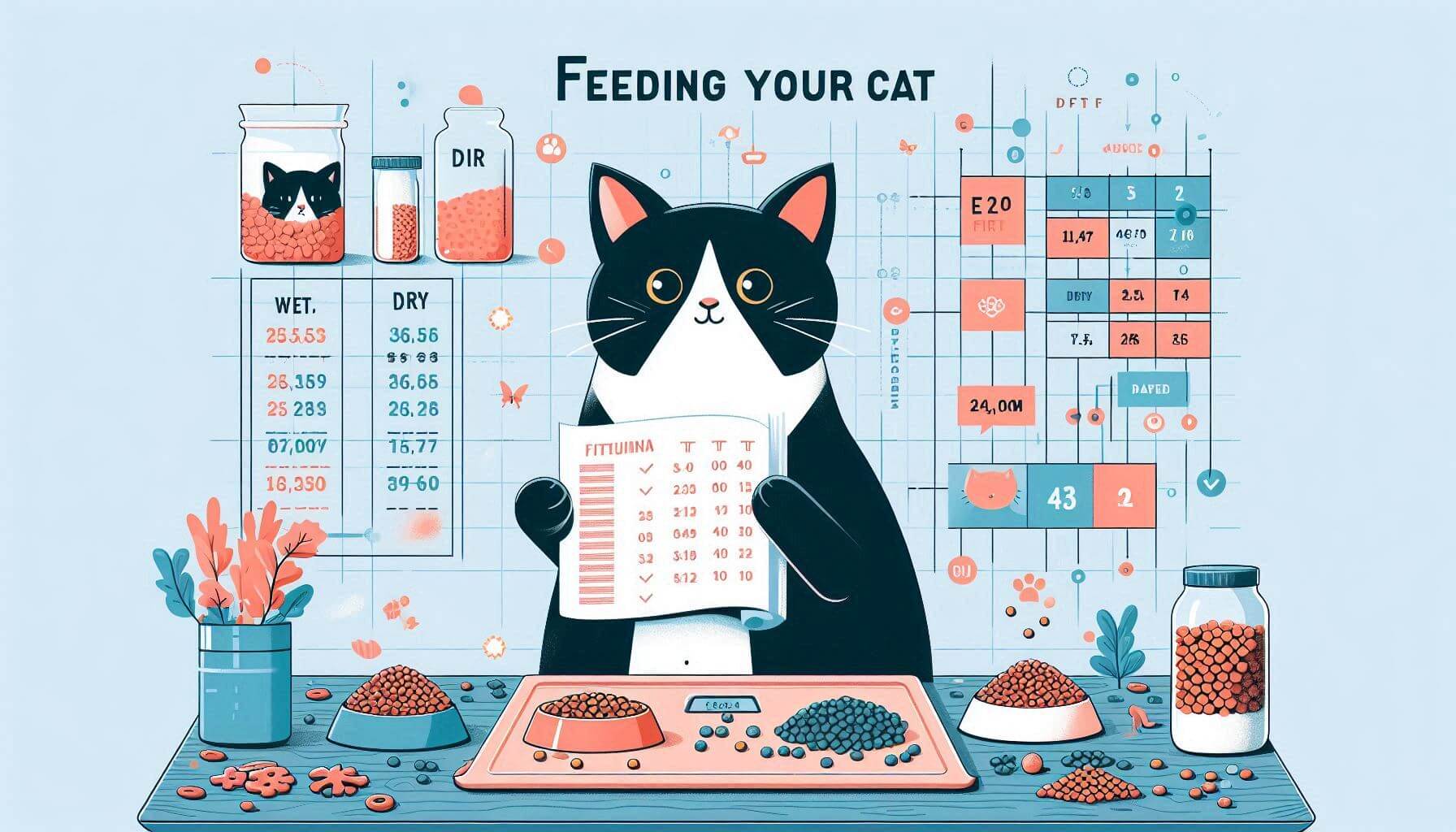
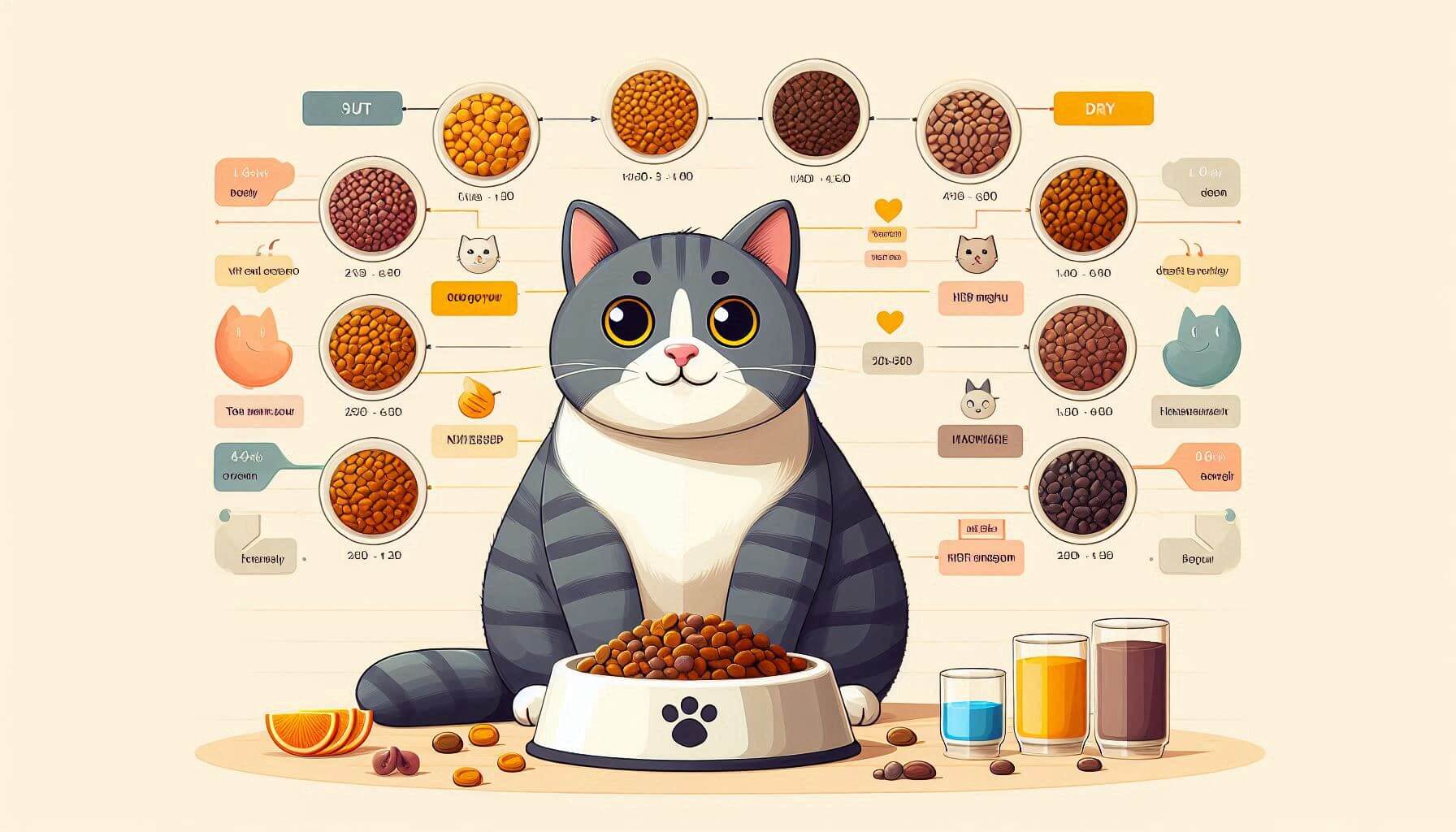
Feeding your cat the right amount of wet and dry food is essential to ensure they receive the nutrients they need without overeating. Whether you’re transitioning from kittenhood to adulthood or balancing a mixed diet, this guide will walk you through the best practices for feeding your cat like cat feeding guide wet and dry PDF, calculators, and portion charts. Cat Feeding Guide Wet and Dry PDF Cat Age Wet Food (Cans/Day) Dry Food (Grams/Day) Feeding Frequency 1–3 Months 1/4–1/2 can 20–30g 4 times/day 3–6 Months 1/2–1 can 30–50g 3–4 times/day 6–12 Months 1–1.5 cans 50–70g 3 times/day Adult Cat (1–7 years) 1–1.5 cans 70–100g 2 times/day Senior Cat (7+ years) 1/2–1 can 50–70g 2 times/day Description: This table provides a daily feeding schedule for both wet and dry food based on your cat’s age. It can be used as a printable guide. Mixing Wet and Dry Cat Food Calculator Cat Weight (kg) Wet Food (Cans) Dry Food (Grams) Mixed Feeding (Wet + Dry) 2–3 kg 1/2 can 25g 1/4 can + 15g dry 3–4 kg 1 can 40g 1/2 can + 20g dry 5–6 kg 1.5 cans 60g 3/4 can + 30g dry 7–8 kg 2 cans 80g 1 can + 40g dry Description: Use this calculator to determine the right ratio when mixing wet and dry food for cats of different weights. How Much to Feed a Cat Chart Cat Age Dry Food (Grams/Day) Wet Food (Cans/Day) Feeding Frequency Kitten (0-3 months) 20–30g 1/4 can 4–6 times/day Kitten (3–6 months) 30–50g 1/2 can 3–4 times/day Adult (1–7 years) 50–80g 1 can 2 times/day Senior Cat (7+ years) 40–60g 1/2 can 2 times/day Description: This table simplifies how much to feed your cat per day based on age, providing a balanced approach between wet and dry food. Cat Feeding Guide by Weight Cat Weight (kg) Wet Food (Cans/Day) Dry Food (Grams/Day) 2–3 kg 1/2–3/4 can 25–35g 3–4 kg 1 can 40–50g 5–6 kg 1.5 cans 60–80g 7–8 kg 2 cans 80–100g Description: This chart provides a feeding guide based on your cat’s weight, ensuring you deliver the appropriate portions for healthy growth. How Much Wet Food to Feed a Cat Calculator Cat Weight (kg) Wet Food (Cans) Wet Food (Grams) 2 kg 1/4–1/2 can 50–75g 3 kg 1/2–1 can 100–150g 4 kg 1 can 150–200g 5 kg 1.5 cans 200–250g Description: This calculator helps you estimate how much wet food to feed your cat per day based on weight and activity levels. How Much Dry Food to Feed a Cat Per Day Cat Weight (kg) Dry Food (Grams/Day) Feeding Frequency 2 kg 20–25g 3 times/day 3 kg 30–40g 2–3 times/day 4 kg 50–60g 2 times/day 5 kg 60–80g 2 times/day Description: This table outlines daily dry food portions according to weight, helping you determine how much dry food is enough for your cat. Cat Diet Chart by Age Cat Age Wet Food (Cans/Day) Dry Food (Grams/Day) Mixed Feeding Kitten (0–6 months) 1/4–1/2 can 20–50g 1/4 can + 15g dry Adult (1–7 years) 1 can 70–100g 1/2 can + 35g dry Senior Cat (7+ years) 1/2–1 can 50–70g 1/4 can + 25g dry Description: This chart provides portion sizes based on the age and diet type, helping you keep your cat healthy through different life stages. FAQs How much wet and dry food should I feed my cat?The amount of wet and dry food depends on your cat’s age, weight, and activity level. Typically, a combination of 70–100g of dry food with 1 can of wet food per day for an adult cat is ideal. Use a feeding guide based on their weight for the exact portions. How to portion wet and dry food for cats?When mixing wet and dry food, aim for a ratio that balances both. For example, you could feed 50% of your cat’s daily intake from dry food and 50% from wet food. Adjust the amounts based on your cat’s weight and feeding schedule. Can I feed my cat both wet and dry food?Yes, feeding a combination of wet and dry food offers the best of both worlds. Wet food provides hydration and palatability, while dry food supports dental health. Be sure to balance the total calorie intake to avoid overfeeding. Conclusion Balancing wet and dry food in your cat’s diet is crucial for maintaining optimal health and nutrition. By using feeding charts and calculators, you can ensure that your cat is getting the appropriate portions based on their age, weight, and activity level. Whether you’re feeding a kitten, adult, or senior cat, regular adjustments to their food intake can make a big difference in their well-being. Also Read:

Cat Feeding Chart by Age: A Comprehensive Guide to Wet and Dry Food Portions

Cat Feeding Chart by Age

When it comes to feeding your cat, knowing the right amount of food based on their age, weight, and nutritional needs is essential. In this article, we provide a Cat Food Chart by Age, along with detailed feeding schedules and guidelines. You will also find helpful resources such as How Much to Feed a Cat Chart, Kitten Feeding Chart by Age, and information on feeding wet and dry food in the right amounts for both kittens and adult cats. Whether you’re a first-time cat parent or experienced, this guide will help you optimize your cat’s diet. Cat Food Chart by Age Cat Age Dry Food (Grams/Day) Wet Food (Cans/Day) Feeding Frequency 1–3 Months (Kitten) 25–50g 1/4–1/2 can 4–6 times/day 3–6 Months (Kitten) 50–75g 1/2–1 can 3–4 times/day 6–12 Months (Kitten) 75–100g 1–1.5 cans 3 times/day Adult Cat (1–7 years) 70–100g 1 can 2–3 times/day Senior Cat (7+ years) 50–80g 1/2–1 can 2 times/day How Much to Feed a Cat Chart: Wet and Dry Food Weight (kg) Dry Food (Grams/Day) Wet Food (Cans/Day) Mixed Feeding (Dry + Wet) 2–3 kg 30–40g 1/2 can 20g dry + 1/4 can 3–4 kg 40–50g 1 can 30g dry + 1/2 can 5–6 kg 60–80g 1.5 cans 40g dry + 1 can 7–8 kg 80–100g 2 cans 50g dry + 1.5 cans Kitten Feeding Chart by Age Kitten Age Dry Food (Grams/Day) Wet Food (Cans/Day) Milk/Replacement (ml/day) Frequency 0–4 Weeks N/A N/A 30–60 ml Every 2–4 hours 4–8 Weeks 10–20g 1/8–1/4 can 20–40 ml 4–6 times/day 2–3 Months 30–50g 1/4–1/2 can N/A 3–4 times/day 3–6 Months 50–75g 1/2–1 can N/A 3 times/day How Much to Feed a Cat Chart: Wet Food Cat Age Weight (kg) Wet Food (Cans/Day) Feeding Frequency 1–3 Months (Kitten) 1–2 kg 1/4–1/2 can 4–6 times/day 3–6 Months (Kitten) 2–4 kg 1/2–1 can 3–4 times/day Adult Cat 4–6 kg 1–1.5 cans 2–3 times/day Senior Cat 4–6 kg 1/2–1 can 2 times/day Kitten Feeding Schedule: Wet and Dry Food Kitten Age Wet Food (Cans/Day) Dry Food (Grams/Day) Frequency 4–8 Weeks 1/8–1/4 can N/A 4–6 times/day 8–12 Weeks 1/4–1/2 can 10–20g 4 times/day 3–6 Months 1/2–1 can 30–50g 3–4 times/day 6–12 Months 1–1.5 cans 50–75g 3 times/day Kitten Feeding Chart by Weight Kitten Weight (kg) Dry Food (Grams/Day) Wet Food (Cans/Day) Frequency 0.5–1 kg 10–20g 1/8–1/4 can 4–6 times/day 1–2 kg 20–30g 1/4–1/2 can 3–4 times/day 2–3 kg 30–50g 1/2–1 can 3 times/day How Much to Feed a Cat Chart (Cups) Weight (kg) Dry Food (Cups/Day) Wet Food (Cans/Day) Mixed Feeding (Dry + Wet) 2–3 kg 1/4 cup 1/4 can 1/8 cup + 1/8 can 3–4 kg 1/3 cup 1/2 can 1/4 cup + 1/4 can 4–5 kg 1/2 cup 3/4 can 1/3 cup + 1/2 can 5–6 kg 3/4 cup 1 can 1/2 cup + 3/4 can FAQs How much to feed a cat by age chart?You should feed a cat based on their age, weight, and energy needs. Kittens generally require frequent feedings, while adult cats can be fed twice a day. Check the cat feeding chart by age to ensure your cat gets the right amount of nutrients. What is a good food schedule for a cat?For adult cats, feeding twice daily (morning and evening) works well. Kittens may need to be fed 3–4 times a day. As your cat grows older, you can transition to a fixed feeding schedule that suits their activity level and appetite. How much should a 7kg cat eat?A 7kg cat should eat approximately 80–100 grams of dry food or 1.5–2 cans of wet food per day. You can also combine dry and wet food, adjusting portions accordingly. How much to feed a 5.5kg cat?A 5.5kg cat should consume 60–80 grams of dry food or 1–1.5 cans of wet food daily. For mixed feeding, you can offer 40g of dry food and 1 can of wet food. Conclusion Feeding your cat according to its age, weight, and specific dietary requirements is crucial for its well-being. Whether you opt for dry food, wet food, or a combination, using a structured cat food chart can help ensure that your pet receives the right balance of nutrients at every stage of its life. Make sure to adjust portion sizes as your cat grows and maintain regular feeding routines to keep them healthy and happy. Also Read:

Printable List of Low Fat Food for Dogs PDF: Best Diet Options and Foods to Avoid

Printable List of Low Fat Food for Dogs PDF

In this guide, we provide a comprehensive, free printable list of low-fat foods for dogs, along with other essential dog-friendly food resources. From low fat options to toxic foods to avoid, this article covers the top human foods dogs can eat, as well as what you should absolutely steer clear of. Whether you are seeking a printable PDF or searching for a complete list of foods for dogs, this guide has everything you need to maintain your dog’s optimal health. Printable List of Low Fat Food for Dogs PDF Food Fat Content (per 100g) Benefits Boiled Chicken Breast 3.6g Lean protein White Fish (Cod, Tilapia) 1.2g Low-fat, high protein Turkey Breast 1g Lean, low-fat protein Pumpkin 0.1g Rich in fiber, low-calorie Printable List of Low Fat Food for Dogs PDF Free Food Preparation Method Fat Content Cottage Cheese (Low-Fat) Plain, unseasoned 0.5g Sweet Potatoes Boiled 0.1g Green Beans Steamed 0.2g Apple Slices Fresh 0g Printable List of Foods Dogs Can Eat PDF Safe Food for Dogs Nutritional Benefit Carrots High in beta-carotene, low-calorie snack Blueberries Antioxidants, vitamins C and K Rice (Brown or White) Digestible carbohydrate source Eggs High-quality protein, essential vitamins Printable List of Toxic Foods for Dogs PDF Toxic Food for Dogs Reason for Toxicity Chocolate Contains theobromine, harmful to dogs Grapes and Raisins Can cause kidney failure Onions and Garlic Can lead to anemia Macadamia Nuts Causes lethargy, vomiting, muscle weakness Free Printable List of Toxic Foods for Dogs Food Symptoms of Ingestion Alcohol Vomiting, diarrhea, central nervous system issues Avocado Contains persin, which can cause vomiting Xylitol (Sugar Substitute) Can cause hypoglycemia, liver failure Coffee Contains caffeine, which is harmful to dogs Top Human Foods Dogs Can Eat Food Benefit for Dogs Oatmeal Good for digestive health Salmon Rich in omega-3 fatty acids for skin and coat health Peanut Butter (Unsweetened) Source of protein and healthy fats Cucumber Hydrating, low-calorie snack Human Foods Dogs Can Eat Food Benefits Spinach High in vitamins A, B, C, and K Celery Helps with fresh breath and is a low-calorie snack Mango Rich in vitamins A, B6, C, and E Pineapple Contains bromelain, which aids in digestion Foods Harmful to Dogs Food Reason for Harm Raw Dough Can cause bloating, fermentation in the stomach Cherries Pits contain cyanide, which can be fatal Milk and Dairy Products May cause digestive upset in lactose-intolerant dogs Artificial Sweeteners Causes a rapid drop in blood sugar and can lead to liver failure FAQs What low-fat food can I feed my dog?You can feed your dog low-fat foods such as boiled chicken breast, white fish, green beans, and sweet potatoes. These foods are high in protein and low in unhealthy fats, making them ideal for dogs with pancreatitis or weight issues. What is considered low-fat dog food?Low-fat dog food generally contains less than 10% fat in dry matter. Foods like turkey breast, white fish, and boiled sweet potatoes fit into this category. Commercial low-fat dog food is available, but homemade options are also beneficial. Are eggs low-fat for dogs?Eggs are not considered low-fat, but they are rich in protein and essential nutrients. Feeding boiled or scrambled eggs in moderation is generally safe and beneficial for most dogs. Conclusion Feeding your dog a low-fat diet can significantly improve their overall health, especially if they suffer from obesity, pancreatitis, or other digestive issues. This comprehensive guide offers printable resources and FAQs to help you understand what foods are safe and what to avoid. By choosing the right low-fat options, you can ensure your dog maintains a healthy weight and enjoys a long, vibrant life. Also Read:

Best Cat Food for Turkish Angora Cats: Care, Lifespan, and Unique Characteristics

Best Cat Food for Turkish Angora Cats

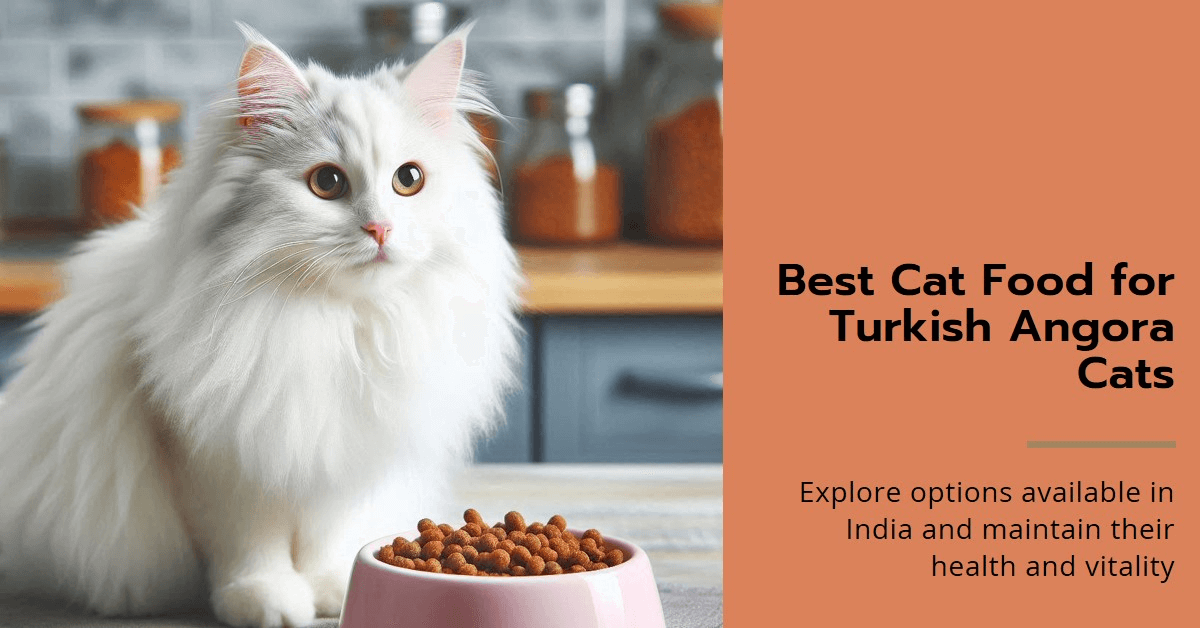
In this comprehensive guide, we’ll explore the best cat food for Turkish Angora cats, including options available in India, along with insights into their personality, price, and rare features. Turkish Angoras are known for their graceful looks and vibrant energy, making it essential to find the right diet to maintain their health and vitality. Best Cat Food for Turkish Angora Cats in India Brand Type Key Nutrients Price Range Royal Canin Dry Food Rich in proteins, low carbs ₹ 700 – ₹ 1,500 Whiskas Wet Food High in moisture, easy digestion ₹ 500 – ₹ 1,200 Drools Dry Food High protein, omega-3 and 6 ₹ 400 – ₹ 1,000 Turkish Angora Price Region Price Range (₹) India ₹ 20,000 – ₹ 50,000 International $500 – $2,000 How to Identify a Turkish Angora Cat Feature Description Body Slim, muscular Coat Long, silky fur Eyes Almond-shaped, often blue or odd-colored Ears Pointed, large ears Turkish Angora Kitten Age Food Type Feeding Frequency 8-12 weeks Wet kitten food 4-5 times/day 3-6 months Dry and wet food mix 3-4 times/day Are Turkish Angora Cats Rare? Attribute Rarity Coat Colors Common: White, Rare: Blue, Black Availability Rare globally, selective breeding in India Turkish Angora Personality Trait Description Playfulness High energy, loves interactive play Intelligence Very intelligent, can learn tricks Socialization Affectionate, bonds well with family Turkish Angora Blue Color Description Blue Coat Soft greyish-blue coat, one of the rarest colors Eye Color Often paired with striking blue or odd-colored eyes Turkish Angora Cat Colors Common Colors Rare Colors White, Black Blue, Red, Cream FAQs Are Turkish Angora Cats High Maintenance? Turkish Angoras have long coats that require regular grooming to prevent matting. They also thrive with mental stimulation, so interactive play is necessary. What Is the Lifespan of a Turkish Angora Cat? Turkish Angoras have a lifespan of 12-18 years with proper care and nutrition. How to Take Care of a Turkish Angora Cat? Regular grooming, a balanced diet, and plenty of playtime are essential to keeping your Turkish Angora happy and healthy. Conclusion Turkish Angora cats are beautiful, intelligent, and playful creatures that require special care, particularly when it comes to their diet and grooming. By choosing the best cat food for Turkish Angora cats and maintaining their rich, silky coats, you can ensure they lead a healthy and fulfilling life. Also Read:

Best Cat Food for Feral Cats: Ensuring Optimal Nutrition for Strays

Best Cat Food for Feral Cats

Feral cats require a balanced and nutrient-dense diet to maintain their health, especially since their access to food can often be inconsistent. This article explores the best cat food for feral cats, taking into account different needs like feral cats with sensitive stomachs, those in India, and more. Whether you’re feeding stray cats in your neighborhood or caring for a feral colony, providing the right food is crucial. Best Cat Food for Feral Cats in India Brand/Type Key Ingredients Protein Content Price Range (Approx.) Whiskas Dry Food Chicken, Fish 30% Mid-range Drools Dry Food Chicken, Fish, Eggs 32% Budget-friendly Royal Canin Chicken, Fish, Animal Fats 33% Premium Best Cat Food for Feral Cats with Diarrhea Brand/Type Key Ingredients Digestive Support Ingredients Protein Content Hill’s i/d Digestive Care Chicken, Corn, Fish Oil Prebiotics, Fiber 25% Royal Canin Digest Sensitive Chicken, Fish, Rice Prebiotics, Low Fiber 30% What to Feed a Stray Cat Without Cat Food Homemade Alternatives Ingredients Needed Nutritional Value Cooked Chicken Chicken Breast (Boiled) High in Protein Cooked Eggs Eggs (Boiled/Scrambled) High in Protein, Fats Cooked Rice and Tuna White Rice, Tuna in Water Balanced Carbs/Protein Best Dry Cat Food for Feral Cats Brand/Type Key Ingredients Protein Content Shelf Life Purina Cat Chow Chicken, Corn 31% Long Me-O Dry Cat Food Fish, Animal Fats 30% Long IAMS Proactive Chicken, Fish Meal 34% Long FAQs What is the best food to feed a feral cat?The best food for feral cats is a high-protein diet, often found in dry cat food that is easy to store and distribute. Look for foods with chicken or fish as the primary ingredients. Is it okay to feed feral cats dry food?Yes, feeding feral cats dry food is a good option as it is easy to store, distribute, and provides essential nutrients for their health. What’s the cheapest way to feed feral cats?Bulk-buying dry cat food or providing homemade alternatives like cooked chicken, eggs, or tuna mixed with rice can be cost-effective ways to feed feral cats. Conclusion: When feeding feral cats, it’s important to provide them with nutritionally balanced food to maintain their health and energy levels. Dry cat food is a popular choice due to its long shelf life, affordability, and ease of distribution. Additionally, homemade food options can work in a pinch. Whether you’re feeding a stray cat or managing a feral colony, consistent access to the right food will improve their quality of life and well-being. Also Read:

Best Cat Food for Cornish Rex: Top Choices for Adult Cats and Kittens

Best Cat Food for Cornish Rex

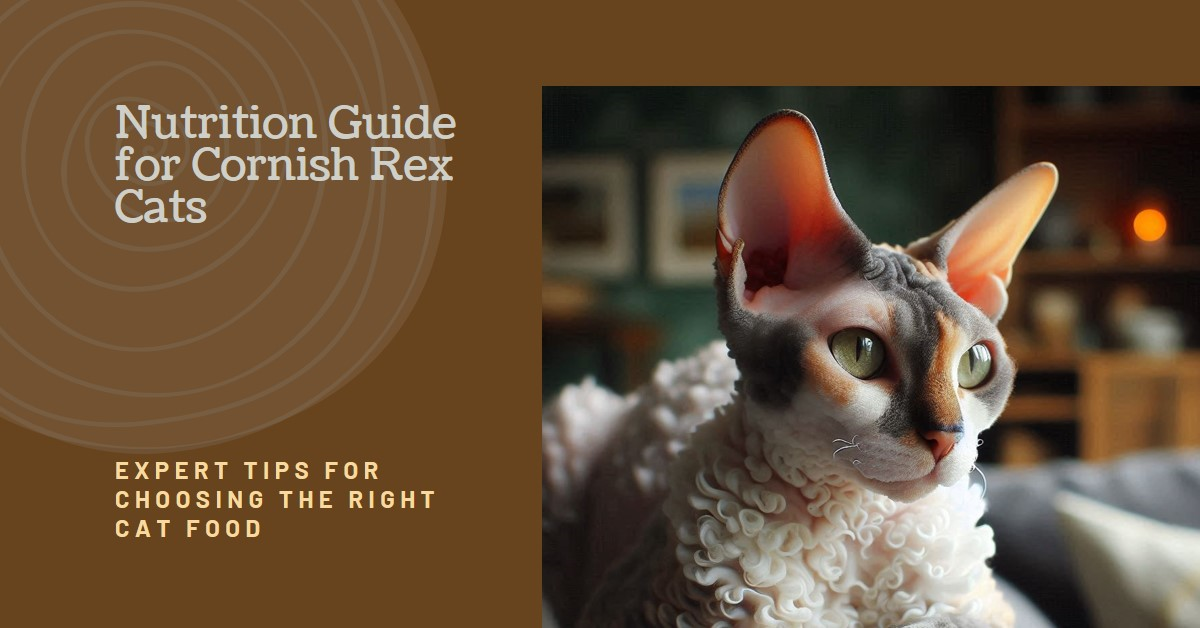
Cornish Rex cats are known for their unique wavy coat, playful nature, and boundless energy. Due to their high activity levels, they require a well-balanced diet rich in protein and essential nutrients to maintain their health and vitality. Selecting the best cat food for Cornish Rex ensures your feline friend stays active, healthy, and maintains their striking appearance. Whether you’re raising a Cornish Rex kitten or providing for an adult cat, understanding their dietary needs is key to supporting their lifestyle. This guide will explore top cat food brands, tailored feeding recommendations, and expert tips for choosing the right nutrition for your Cornish Rex. Best Cat Food for Cornish Rex in India Brand Protein % Fat % Price Range (per kg) Special Features Royal Canin Feline Health 32% 14% ₹800 – ₹1,200 Tailored for cats with sensitive digestion Whiskas Adult Cat Food 30% 12% ₹450 – ₹700 Supports coat health and muscle development Best Cat Food for Cornish Rex Reddit Recommendations Reddit-Recommended Brands Protein % Fat % Price Range (per kg) Community Review Orijen Cat & Kitten 40% 18% $20 – $30 High protein, grain-free, great for active cats Blue Buffalo Wilderness 38% 16% $15 – $25 Excellent for maintaining lean muscles and weight Best Cat Food for Cornish Rex Kittens Kitten Food Brand Protein % Fat % Price Range (per kg) Special Features Royal Canin Kitten 33% 16% ₹900 – ₹1,300 Supports growth, brain development, and digestion Hill’s Science Diet Kitten 35% 20% $15 – $22 Packed with essential nutrients for kitten growth FAQs What to feed Cornish Rex?Cornish Rex cats thrive on high-protein, moderate-fat diets. Look for foods rich in quality meat-based proteins and essential fatty acids to support their active lifestyle and keep their coat shiny. Are Cornish Rex high maintenance?Cornish Rex cats are relatively low-maintenance in terms of grooming due to their short, wavy coat. However, they require a nutrient-dense diet to support their energetic nature. What is the best food for Devon Rex?Devon Rex cats, like Cornish Rex, benefit from a diet rich in protein and healthy fats. High-quality cat food brands like Orijen and Royal Canin are excellent choices for both breeds. Conclusion Feeding your Cornish Rex a balanced and high-protein diet is essential for maintaining their energy levels and keeping their unique coat healthy. Whether you’re looking for the best cat food for Cornish Rex in India or recommendations from the global cat lover community on Reddit, the options outlined above provide high-quality nutrition. Always choose a brand that aligns with your cat’s specific health needs, especially for kittens and cats with sensitive digestion. Also Read:

Cat Food Carb Calculator: How to Measure Carbohydrates in Your Cat’s Diet

Cat Food Carb Calculator

Carbohydrate management is essential for your cat’s health, especially for conditions like diabetes or obesity. This guide provides various methods and tools such as the Wet Cat Food Carb Calculator, Best Cat Food Carb Calculator, and Dry Matter Cat Food Carb Calculator to help calculate carbs in wet and dry cat food. Additionally, we’ll explore the Cat Food Carb Chart and provide answers to commonly asked questions. Wet Cat Food Carb Calculator Wet Cat Food Brand Protein % Fat % Moisture % Fiber % Estimated Carbs % Brand A 10 5 75 1 6 Brand B 12 7 70 1.5 5.5 Brand C 8 4.5 78 2 5 Dry Matter Cat Food Carb Calculator Dry Cat Food Brand Protein % Fat % Moisture % Fiber % Estimated Carbs % (Dry Matter Basis) Brand X 30 10 10 4 46.67 Brand Y 35 15 8 5 40.5 Brand Z 28 12 9 4 47.75 Cat Food Carb Chart Nutrient Category Range for Wet Food Range for Dry Food Protein 7% – 12% 25% – 40% Fat 4% – 10% 10% – 20% Carbohydrates 5% – 15% 30% – 50% Pet Food Carb Calculator Type of Pet Food Carb Calculation Method Wet Cat Food (100 – Moisture % – Protein % – Fat % – Fiber %) Dry Cat Food (100 – Protein % – Fat % – Fiber %) Cat Food Nutrition Checker Nutrient Ideal Range for Cats Protein 30% or more Fat 10% – 20% Carbohydrates Less than 15% FAQs 1.How do you calculate carbs in cat food?Carbs in cat food can be calculated using the formula:For wet food:100 – (Protein % + Fat % + Moisture % + Fiber %) = Carbs %For dry food, exclude moisture and use:100 – (Protein % + Fat % + Fiber %) = Carbs % 2.How many carbs are in my cat’s food?The carbohydrate percentage depends on the food type. Wet cat food typically has a carb content between 5% to 15%, while dry cat food can range from 30% to 50%. 3.How many grams of cat food should I feed my cat?The amount of food depends on your cat’s weight and activity level. Most adult cats need around 200-300 grams of wet food or 50-70 grams of dry food per day. Conclusion Understanding the carbohydrate content in your cat’s food is critical to maintaining a balanced diet, especially for cats with special health needs. By using tools like the Cat Food Carb Calculator and following the nutritional guidelines, you can make sure your cat gets the right nutrients while avoiding excessive carbs. Also Read:

Best Dog Food for Terrier Mix: A 2024 Comprehensive Guide to Nutrition

Best Dog Food for Terrier Mix

Finding the best dog food for your Terrier mix ensures a long and healthy life for your energetic and loyal companion. In this guide, we will explore top food choices, including commercial brands like Royal Canin, Ollie dog food, and more. We’ll also look at homemade options and provide a detailed feeding chart for specific breeds, such as the Chihuahua Rat Terrier mix. With tables, FAQs, and a conclusion, this guide covers all your Terrier’s dietary needs. Best Dog Food for Terrier Mix (Homemade) Ingredient Nutritional Benefits Preparation Tips Chicken Breast High in protein for muscle maintenance Cook fully, no seasoning Brown Rice Good source of carbohydrates Boil until soft Carrots Provides vitamins and antioxidants Steam and chop into small pieces Sweet Potatoes Rich in fiber and vitamins A and C Boil or bake for easy digestion Best Dog Food for Terrier Mix Reddit Recommendations Brand Type Benefits Ollie Dog Food Wet Human-grade ingredients, customizable Royal Canin Terrier Mix Dry Balanced nutrition tailored to terrier breeds Blue Buffalo Dry High-protein, grain-free Best Dog Food for Chihuahua Rat Terrier Mix Brand Type Key Benefits Nutro Ultra Small Breed Dry Designed for small breeds with omega fatty acids Wellness CORE Small Breed Dry Grain-free, rich in protein for energy Hill’s Science Diet Small Breed Dry Balanced nutrition with antioxidants Ollie Dog Food Feature Details Type Wet, Fresh Key Benefits Custom meal plans, human-grade ingredients Target Audience Ideal for picky eaters or dogs with allergies Royal Canin Dog Food Product Type Target Breed ROYAL CANIN White Terrier Dry Designed for white-coated terriers Royal Canin Small Breed Dry Tailored for small terrier mixes Best Dog Food for Rat Terrier Brand Type Key Benefits Wellness Complete Health Small Breed Dry Includes balanced nutrition for active breeds Orijen Original Dry High-protein, grain-free, suitable for active dogs Royal Canin Small Breed Dry Balanced nutrition tailored for small breeds FAQs What is good food for a Terrier mix?A balanced diet with high-quality proteins (chicken, turkey), healthy fats, and fiber-rich carbohydrates is best. Brands like Ollie and Royal Canin offer good options for Terrier mixes. What do you feed a Terrier?Terriers need food rich in animal protein, healthy fats, and carbohydrates. Dry kibble like Royal Canin and grain-free options like Blue Buffalo work well for their active lifestyles. What is the best dog food for Terripoo dogs?Terripoos, a cross between a Terrier and a Poodle, need a high-protein diet. Brands like Wellness CORE and Ollie offer grain-free, nutrient-dense options that cater to their energy needs. Conclusion When selecting the best dog food for your Terrier mix, consider your dog’s age, activity level, and specific dietary needs. Homemade meals can be a good choice for complete control over ingredients, while premium brands like Royal Canin and Ollie offer balanced, nutrient-rich options. Always monitor your dog’s reaction to new foods and consult a vet if necessary. Also Read:

Best Dog Food for Silky Terriers: A Complete Guide to Optimal Nutrition

Best Dog Food for Silky Terriers

Silky Terriers, with their elegant appearance and active personality, require a carefully balanced diet to maintain their energy, health, and luxurious coat. A diet high in quality protein, moderate fats, and essential nutrients ensures that your Silky Terrier remains healthy and active. This article discusses the best dog food for Silky Terriers, feeding guidelines, weight management, and more. We’ve also provided answers to some frequently asked questions (FAQs) to help you understand your dog’s nutritional needs better. Silky Terrier Feeding Guide and Food Calculator To maintain your Silky Terrier’s health, it’s essential to follow an appropriate feeding schedule. The following feeding guide will help you determine how much food your Silky Terrier needs based on age, weight, and activity level: Weight (kg) Age Daily Feeding Amount (grams) 3-4 kg Puppy (up to 1 year) 70-90 grams 4-5 kg Adult 90-120 grams 5-6 kg Senior (7+ years) 80-100 grams You can use a food calculator to adjust portion sizes based on your dog’s specific energy needs. For a more active Silky Terrier, you may need to increase the feeding amounts slightly. Silky Terrier Feeding Chart To ensure your Silky Terrier remains in optimal health, it’s essential to monitor their food intake and follow a feeding chart that suits their size and activity level. Age Weight (kg) Feeding Frequency Portion Size Puppy (0-12 mo.) 3-5 kg 3-4 times per day 1/4 – 1/2 cup per meal Adult (1-7 yrs) 4-6 kg 2 times per day 1/2 – 3/4 cup per meal Senior (7+ yrs) 3-5 kg 2 times per day 1/3 – 1/2 cup per meal Make sure to use a high-quality dry food or homemade dog food that contains the necessary nutrients, including omega-3 fatty acids for their coat and joint health. Silky Terrier Weight Management Silky Terriers can be prone to weight gain if overfed or under-exercised. Monitoring their weight and feeding appropriate portions is crucial. Weight Range (kg) Health Status Recommended Action 2-3 kg Underweight Increase food portions, consult a vet. 3-5 kg Healthy weight Maintain current diet and exercise. 5-6 kg Overweight Reduce portions, increase activity. If your Silky Terrier is overweight, opt for low-calorie, nutrient-dense foods, and encourage more physical activity. Best Dog Supplements for a Silky Terrier For optimal health, some Silky Terriers may benefit from supplements, especially as they age. Supplement Benefit Omega-3 Fish Oil Supports coat health and reduces shedding. Glucosamine & Chondroitin Supports joint health, especially for senior dogs. Probiotics Improves digestion and gut health. Multivitamins Provides essential vitamins and minerals. Adding supplements to your Silky Terrier’s diet can enhance their overall well-being, especially if they are prone to certain health conditions. FAQs about Silky Terrier Nutrition Q1: What should I feed my Silky Terrier?A: A Silky Terrier should be fed high-quality dog food, rich in animal protein, moderate in fats, and supplemented with essential vitamins and minerals. A balanced diet should include dry kibble or homemade dog food, with added fish oil or glucosamine to support their coat and joint health. Q2: What are Silky Terriers prone to?A: Silky Terriers can be prone to dental issues, skin allergies, and obesity. They may also develop joint problems as they age, which is why it’s important to provide a balanced diet that supports their overall health and includes preventive care. Q3: Are Silky Terriers high maintenance?A: Yes, Silky Terriers are somewhat high maintenance due to their grooming needs. Their long, silky coats require regular brushing and trimming to prevent tangles and mats. Additionally, maintaining their dental health is crucial, as they are prone to dental disease. Conclusion Feeding your Silky Terrier the right food and managing their diet effectively is essential for their health and well-being. From following a balanced feeding chart to providing the best dog supplements, ensuring your dog receives the right nutrition can help them lead a long and healthy life. Whether you choose dry dog food or opt for homemade meals, make sure their diet is tailored to their specific needs. Regular vet checkups and paying attention to their weight will further enhance their overall health. Also Read: