OURPETTAILS

Best Cat Foods for Persian Cats: Feeding Your Persian Cat Right

Best Cat Foods for Persian Cats

Cats are beloved pets that provide companionship and joy to many people worldwide. Among different cat breeds, Persian cats are known for their beautiful long coats and sweet nature. As caring pet owners, we are responsible for providing Persian cats with a nutritious diet to keep them healthy and happy.  This article discusses the various nutritional needs of Persian cats and recommends the best cat foods for Persian cats to meet those needs. It covers essential topics like sources of calories, proteins, other nutrients, and ingredients to avoid. By choosing the right cat food for Persian cats, we can ensure our Persian furballs live long and healthy lives with us. What should be the source of calories for Persian cats? Persian cats need energy like humans to be active and play. Calories are essential for their energy needs. The best source of calories for Persian cats is protein and fat. Fat provides more than twice as many calories per gram as protein or carbohydrates. But too much fat can make cats overweight, which is also not good.  So, the best foods for Persian cats should have the right balance of calories, protein, and fat. Good sources are meat, fish, and eggs, which Persian cats love to eat. The calories in their food should come mainly from these natural sources instead of carbohydrates like wheat, corn, or rice, which cats don’t need much. Why are proteins crucial in food for Persian cats? Proteins are essential for Persian cats because they need them for healthy skin, coats, organs, and muscles. Protein helps cats stay strong and active. Cats cannot make their proteins and must get them from their diet.  The right amount of high-quality protein ensures Persians maintain a beautiful long coat. Good protein sources are meat, poultry, fish, and eggs. The proteins in cat food should come from natural beef as the first ingredients, not from plant or artificial sources. Meat-based protein is more accessible for cats to digest and use. Persian cats may lose fur or develop skin problems without enough natural protein. How much protein do Persians need? On average, an adult Persian cat needs about 30-50 grams of protein per 1000 calories in their diet. While growing, kittens need even more protein – approximately 50-70 grams per 1000 calories. The right amount of high-quality protein ensures healthy growth in kittens and a shiny coat for adult Persians.  Wet and canned cat foods for Persian cats usually contain more meat protein than dry kibble. Wet foods are especially good for Persian kittens or less active cats. For most adult Persians, dry cat food for Persian cats containing around 30% protein and 15% fat provides a balanced diet to meet their daily nutrient requirements. Both wet and dry foods with meat as the first ingredient provide ample protein. What about other nutrients in a Persian cat’s diet?: Fat, Vitamins and minerals Along with proteins and calories, fat, vitamins, and minerals are essential for Persian cats. Fat provides energy and helps cats absorb fat-soluble vitamins. However, too much fat can cause obesity. The food should list meat or poultry as the first 5 ingredients and contain about 15-25% of calories from fat.  Vitamins and minerals such as A, D, E, zinc, selenium, etc keep Persian cats healthy. A balanced cat food for Persian cats with meat as the first ingredient and no artificial additives ensures cats get adequate vitamins and minerals from their natural prey diet. Highly processed foods may lack some essential nutrients. So it’s best to choose either wet or dry food from trusted brands. Cat food for Persians—ingredients to avoid! While making food choices for our Persian cats, avoiding some ingredients unsuitable for their nutritional needs is essential. Ingredients like corn, wheat, soy, artificial colours, preservatives, and flavors should be avoided. Cats are carnivores and do not need grains in their diet. Corn and wheat provide unnecessary carbohydrates and very little nutrition.  Soy is difficult to digest. Artificial additives have no health benefits and may cause allergies in some cats. It’s better to choose foods with limited ingredients you can recognize, like meat, fish, or poultry. Highly processed foods are best avoided for Persians. Stick to brands that use quality meat or fish as the first ingredients. The texture of Persian cat food Persian cats, being bred for their silky long coat, may have sensitive teeth and gums. So, the texture of their cat food for Persian cats is essential. Dry kibble helps clean cats’ teeth as they eat. However, Persians often prefer wet or canned foods, which are softer and more easily chewed. Canned foods also contain more moisture, which helps with hydration.  For kittens and senior Persians who lose teeth, a wet or semi-moist texture is preferable to hard kibble. Wet foods also contain more meat protein than dry kibble. The best option is to mix dry and wet food so cats get variety and dental and hydration benefits. The kibbles should be small for easy chewing. What do Persian kittens eat—dry or wet food? Persian kittens need special dietary care for healthy growth. Their food should be rich in protein and fat to support development. Wet food works best for kittens because of its soft and pourable texture for developing gums and teeth. Canned food also ensures proper hydration, which is essential for nursing.  Wet food supplies plenty of calories, protein, and essential nutrients in an easy-to-eat form. Once kittens are about 6 months old and their adult teeth have grown in, they can be gradually transitioned to eating dry food for dental benefits. But continue offering wet food, too, for its nutritional advantages. Always choose kitten-specific canned or pouches with meat as the first ingredient. Conclusion In conclusion, providing the right high-quality cat food for Persian cats is crucial for the health and happiness of our precious Persian companions. Their diet should consist of foods containing meat or fish as the first ingredients to supply ample protein and balanced nutrition. Kittens and senior … Read more

Best Homemade Dog Food Recipes for Senior Dogs: An Informative Guide

Homemade Dog Food Recipes

As dogs get older, their needs change, just like humans. Our senior dogs have been loyal family members for many years, and it is now our turn to give back to them. Their bodies are slower and less active than in youth, so they require special attention to stay healthy.  A balanced diet made specifically for senior dogs goes a long way in keeping them healthy. However, pet store food may contain additives or fillers that upset older digestive systems. Homemade dog food recipes for senior dogs allow full control over ingredients to suit each dog individually. In this article, we explore Homemade Dog Food for Senior dogs that support the wellness of aging Dogs. Why Homemade Food for Senior Dogs? Senior dogs have slowed metabolisms and lower activity levels than when younger. Their digestive systems are weaker, requiring gentle food yet providing complete nutrition. Store-bought food may have preservatives or fillers upsetting their stomachs. Home made dog food recipes for senior dogs allows using easily digestible components catering to a senior’s needs. Dogs love the aroma and taste of natural ingredients cooked with love at home. Knowing exactly what’s in their meals gives owners peace of mind for their beloved companions. Homemade Dog Food Recipes for Senior Dogs Below, we will talk about why senior dogs need special food and give recipes for homemade meals you can make with love for your aging furry friend: Brown Rice, Turkey, and Veggies Brown rice is an excellent home made dog food for senior pug as it is easy to digest and provides healthy carbohydrates. Turkey is a lean, hypoallergenic protein that provides minerals and other nutrients without being too rich or greasy. Chopped vegetables like carrots and green beans add vitamins, fiber, and antioxidants. A diet with these wholesome ingredients in balanced proportions nourishes aging bodies while being gentle on sensitive tummies.  Homemade Dog Food Recipe for Sensitive Senior Dog Tummies Many older dogs experience gastrointestinal issues like gas, diarrhea, or constipation. A bland, simple homemade recipe can relieve such troubles. Boil hickory-smoked ham hocks until tender. Remove bones and shred meat. Soften rice in the broth. Mix with plain, non-fat yogurt for probiotics. The light, easy-to-digest meal soothes and calms sensitive tummies.  Chicken Casserole for Dogs Baked casserole-style meals are comforting, warm, and wonderful to smell. Shred poached boneless skinless chicken and stir into a rice-veggie mixture. Top with a beaten egg, then bake until lightly browned. Chopped zucchini, sweet potato, and carrot provide balanced nutrients. The wholesome ingredients and baking process make this recipe easy for aging jaws and digestion, too. Local shelters find casseroles a hit with their older rescues. Peanut Butter and Banana Dog Biscuits An occasional sweet treat promotes happiness. Mash very ripe bananas into creamy peanut or almond butter. Knead in whole-wheat flour until dough forms. Roll and shape with treat cutters. Bake until dry but not hard. Bananas add potassium, while natural nut kinds of butter supply protein, healthy fats, and calories. Dogs everywhere wag their tails for these!  Grain-Free Recipe for Senior Dogs Some aging dogs do better without grains. Simmer ground meat (turkey, bison, or chicken) with bone-in cuts like neck bones in water. Once meat is falling off bones, remove solids and chill stock. Skim fat. Soften diced root vegetables like sweet potato in the stock. Add pureed pumpkin or beans for fiber and serve. The warm, savory meal provides protein, easy calories, and minerals in a form senior tummies tolerate well. Local shelters and rescues serve this weekly. Homemade Raw Dog Food Feeding raw food can benefit seniors due to high digestibility and nutrient availability. Grind or chop raw meaty bones, organ meats, and muscle meats. For balance, add pureed vegetables or fruits. Provide as-is or mold into logs or patties. The unprocessed ingredients optimize nutrition for dogs that are losing the ability to extract maximum benefit from kibble.  Bacon Cornmeal Dog Biscuits Avoid hard, crunchy treats that can crack aging teeth. Combine cornmeal, wheat flour and minced bacon for a soft treat. Add yogurt, beat an egg, and knead the dough. Roll into balls and flatten on a cookie sheet before baking until dry on the outside but still slightly soft inside. The wholesome ingredients and texture support dental and bone health in senior dogs. Diet Requirements for Senior Dogs Senior dogs require fewer calories, but balanced nutrition becomes more vital. Protein provides building blocks for muscles, organs, and immune cells. Essential fats support brain and coat health. Fiber promotes regular bowel movements and may prevent chronic conditions. Calcium and vitamin D prevent thin bones, while antioxidants like vitamins E and C protect against cellular damage. Homemade meals tailored to your dog’s needs deliver these nutrients naturally. Calorie Considerations for Senior Dogs Most senior dogs need 20-30% fewer daily calories to prevent obesity, which adds strain. Maintaining an ideal weight becomes especially important. Reduce meal amounts gradually to prevent your pup from feeling deprived. Monitor hip bones, ribs, and waist – hips should not feel sharply prominent, but ribs are only barely palpable under a thin coat. Play encouraging games, cuddle sessions, and scent exploration around the home or park, and burn extra calories if needed. Weight management keeps senior dogs mobile and energized. Protein Considerations for Senior Dogs Protein supports muscle and organ maintenance, which becomes key to mobility and health as dogs age. Provide at least 10-15% of calories from protein, ideally from a variety of whole food sources. Bone-in meat adds nutrients and ensures adequate protein intake. Eggs, fish, cottage cheese, and plain yogurt also nourish aging bodies.  Avoid very fatty cuts or rich gravies that can overwhelm the liver or pancreas. Proper protein prevents frailty, supports the immune system, and delays muscle loss due to its tissue repair properties. Conclusion Senior dogs have earned our extra love and care as they age, just as our grandparents do. By making homemade meals using easy-to-digest proteins, whole grains, and vegetables, we can support their health and … Read more

Best Cat Food for Siamese Cats

Best Cat Food for Siamese Cats

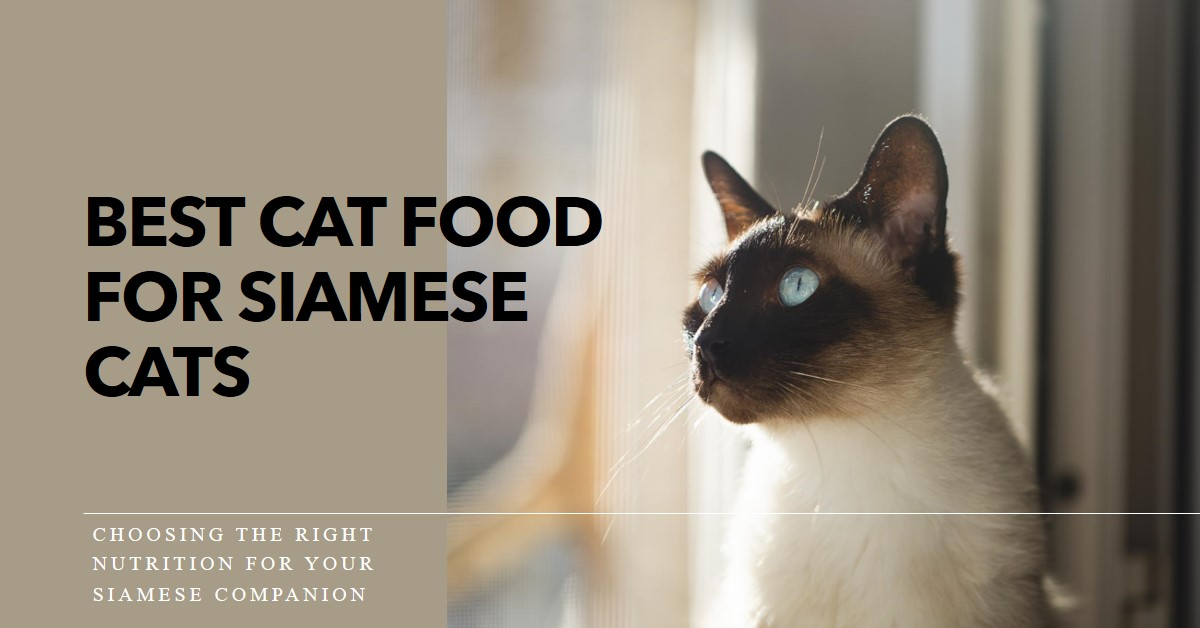
Proper nutrition is essential for the health and happiness of Siamese cats. As one of the oldest defined breeds of domestic cats, the Siamese have distinct nutritional needs based on their heritage from Thailand’s tropical climate. We must carefully consider the specific dietary requirements for this breed, which is active, intelligent, and quite sensitive. Understanding these qualities will help us choose the best cat food for Siamese cats to support our beautiful Siamese companions positively. This article discusses the best cat food for indoor siamese. It looks at different wet and dry food types and recommends some top brands.  Wet vs. Dry Food Wet food is often the best cat food for Siamese. It contains around 75% to 85% moisture content compared to dry food, which is only around 5% to 15%. This makes wet food more similar to a cat’s natural diet. Siamese cats originated from hot climates, so they naturally tend to stay hydrated. Wet cat food helps support this as cats get moisture from it. It also tends to be more digestible and ensures cats get proper nutrition. However, wet food must be refrigerated after opening and may not be practical for all cat owners. Dry food is more convenient as it does not spoil easily and does not need refrigeration. They still provide reasonable nutrition, but extra water is needed. Look for high-protein dry cat foods under 12% to 15% carbs. Ensure the variety of ingredients and added vitamins/minerals. Some quality dry foods that could suit Siamese cats include Royal Canin Indoor, Hill’s Science Diet Indoor, and Purina Pro Plan Focus. But overall, wet food is probably a better choice as the main diet for most Siamese cats. Top Wet Food Options When it comes to wet food, some of the best cat food for siamese kittens include: These offer variety while covering both homemade and commercial formulations. See which brand and flavors your Siamese cat enjoys best for a wet diet that meets their nutritional needs. Top Dry Food Options While wet food is ideal, here are some best food for siamese cats  that are suitable: These brands focus on whole meats, quality ingredients, proper nutrients and formulations customized for cats. They can fulfill Siamese cats’ nutritional needs while being convenient and digestible options for their distinctive natures. Consult a vet based on an individual cat’s needs. Grain-Free vs Grain-Included Foods Some cat owners believe grain-free diets are always best. However, this is a debated topic. Whole grains like corn, wheat, and soy are common allergens; many cats do well on quality foods containing moderate grains. Siamese cats have adapted to different traditional diets across regions, so moderate, high-quality grains may not pose issues. Grains also provide fiber, vitamins, and minerals. Foods from brands like Royal Canin and Hill’s Science Diet that contain grains can suit Siamese cats well if ingredients/formulas are of high quality with a proper grain-to-protein ratio. On the other hand, the trend toward grain-free has some merits, too. These preserve proteins as the primary ingredient and avoid common allergens. Limited ingredient diets may suit cats with sensitive stomachs. Grain-free foods are worth trying under vet guidance if symptoms point to food intolerances. Overall, moderate grains in high-quality foods are acceptable for most Siamese cats, while grain-free can be preferred for those with known sensitivities. Quality should always take priority over any singular ingredient. Importance of Proper Nutrition Good nutrition is extremely important for the health and well-being of Siamese cats. As an ancient purebred, their bodies are genetically designed to maintain high energy levels as would be optimal for a hot climate. To do so, they need complete and balanced diets containing the right macros and micronutrients tailored to their needs.  Food supports their metabolism, digestion, organ functions, growth and development. Choosing the best cat food for Siamese cats ensures they receive protein, vitamins, minerals, fiber, and fatty acids for an active lifestyle and prolonged health span. Getting nutrition right is key for Siamese cats to avoid issues and reach their genetic potential lifespan indoors as human companions. Protein Requirements Being active, intelligent hunters by nature, Siamese cats require high-quality protein in their diets. Protein supports muscle growth, organ/tissue repairs, and overall wellness. Young cats need nutrient-dense foods of 25-35% protein for development, while adults maintain 18-25%. Whole meats like chicken, turkey, and fish are the main ingredients that best suit Siamese digestion. Protein should not exceed limits as too much places strain on delicate systems. It must also come from named, easy-to-digest whole food sources. The best diets meet protein needs through minimally-processed whole foods rather than short-listed or by-products to nourish Siamese properly according to their heritage. Gentle Digestion Siamese cats are elegant but also quite sensitive. Their diminutive frames carry busy, active metabolisms requiring gentle yet nutrient-rich sustenance. Due to centuries of careful breeding, their digestive tracts can be quite delicate in processing certain ingredients. Choosing the best cat food for Siamese cats formulated for finicky temperaments is prudent.  Look for prebiotics, probiotics, and easy-to-digest carbohydrates paired with high-quality proteins. Diets with limited, identifiable ingredients cause fewer tummy troubles. Grain-free, hypoallergenic, or hydrolyzed protein varieties may benefit cats prone to digestive irritation. Selection revolves around textures and components the exotic Siamese digestive system better assimilates for optimal health. Conclusion Siamese require the best nutrition to remain healthy and energetic. Both wet and dry foods have merits, but wet varieties suiting digestive needs are preferable as the main diet. High protein levels and proper vitamins/minerals through whole meats and produce like chicken, turkey, fish, and other high-quality ingredients are priorities.  Brands like Royal Canin, Fancy Feast, Wellness, and Hills Science Diet offer options to meet this. Consult a vet, especially if sensitivities exist, to choose the best cat food for Siamese cats. With the right nourishment, these affectionate felines will surely thrive indoors as human companions. Frequently Asked Questions Q1. What protein sources are best? Whole meats like chicken, turkey, and fish provide the high-quality protein Siamese need … Read more

High Calorie Cat Food for Senior Cats: Keeping Your Feline Friend Healthy and Energetic

High Calorie Cat Food

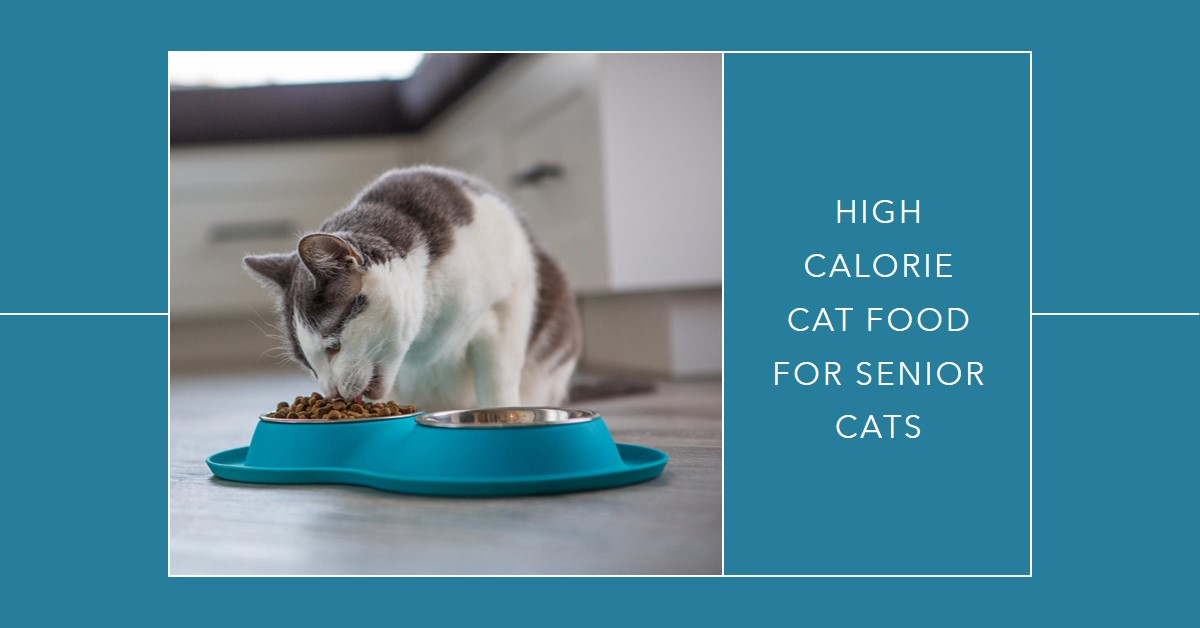
As our beloved feline friends grow older, their nutritional needs can change significantly. Senior cats often require a higher calorie intake to maintain their energy levels and overall health. Selecting the right High Calorie Cat Food for Senior Cats can be a game-changer for your senior cat, providing them with the essential nutrients they need to thrive. This comprehensive article will tell you about high calorie cat food for senior cats, exploring the benefits, types, and tips to ensure your furry companion receives the nourishment they deserve. The Importance of High Calorie Cat Food for Senior Cats As cats age, their metabolism slows down, and they often struggle to maintain their weight and energy levels. High calorie cat food for senior cats addresses this issue, providing a concentrated source of nutrients and calories to meet their increased needs. Feeding your senior cat a high-calorie diet can help them retain muscle mass, sustain their activity levels, and support their overall well-being. High-Calorie Wet Cat Food for Senior Cats Wet cat food is a popular choice for senior cats, as it often contains a higher moisture content that can be easier for ageing felines to digest. High calorie wet cat food for senior cats is specifically formulated to pack more calories and essential nutrients into each bite. These nutrient-dense wet foods can help your senior cat maintain a healthy weight while providing hydration to support kidney function and overall health. Choosing the Right High-Calorie Wet Cat Food for Senior Cats When selecting a high calorie wet cat food for your senior, looking for products tailored to their age and specific needs is essential. Look for moist foods high in protein, with moderate fat and carbohydrate levels. Ingredients like chicken, turkey, or salmon are excellent sources of lean protein, while added vitamins and minerals can support your cat’s immune system and overall well-being. High-Calorie Dry Cat Food for Senior Cats A high calorie dry cat food may be a preferred option for some senior cats. These nutrient-dense kibbles are designed to provide a concentrated source of calories, proteins, and other essential nutrients. High calorie dry cat food for senior cats can be a convenient and long-lasting option, making it easier to ensure your feline friend gets the nourishment they need. Choosing the Right High-Calorie Dry Cat Food for Senior Cats When selecting a high calorie dry cat food for your senior, look for products specifically formulated for older cats. These foods often contain increased protein levels, healthy fats, and other vital nutrients to support your cat’s changing needs. Additionally, pay attention to the calorie density, as high-calorie dry foods typically have a higher calorie count per cup than standard cat kibble. High-Calorie Food for Senior Cats: Striking a Balance Achieving the right balance of high calorie cat food for your senior is crucial. While providing additional calories is important, ensuring your cat receives a well-rounded, nutritious diet is also essential. This may involve a combination of high-calorie wet and dry foods or even supplementing your cat’s meals with high-calorie treats or toppers. Consulting with Your Veterinarian Before making any significant changes to your senior cat’s diet, it’s always a good idea to consult with your veterinarian. They can provide personalised guidance on your cat’s nutritional needs, considering age, health conditions, and activity level. Your vet can also help you determine the appropriate calorie and nutrient levels to support your senior cat’s well-being. Transitioning to a High-Calorie Diet Introducing a new high calorie cat food to your senior can be a gradual process. Start by slowly incorporating the latest food, mixing it with your cat’s diet, and monitoring their response. This allows your cat’s digestive system to adjust and helps ensure a smooth transition. Be patient and persistent, as some senior cats may resist changes in their routine or food preferences. Addressing Potential Health Concerns While high calorie cat food can benefit many senior cats, it’s important to be mindful of any underlying health conditions your feline friend may have. Conditions like diabetes, kidney disease, or gastrointestinal issues may require specific dietary considerations or adjustments to their food’s calorie and nutrient content. Work closely with your veterinarian to ensure your senior cat’s high-calorie diet is tailored to their needs. Monitoring Your Senior Cat’s Progress Regularly monitoring your senior cat’s weight, body condition, and overall health is crucial when transitioning to a high-calorie diet. Pay attention to signs of improved energy, coat condition, and any changes in their appetite or digestion. Adjustments to the calorie or nutrient content may be necessary to find the perfect balance for your cat’s unique needs. Incorporating High-Calorie Treats and Toppers In addition to providing high calorie cat food, you can also consider incorporating high-calorie treats and toppers to boost your senior cat’s nutrition. These can include shredded chicken, tuna, or even high-calorie cat treats for older felines. Just be mindful of portion sizes and ensure these additions don’t upset the overall balance of your cat’s diet. Balancing Nutrition with Palatability While high calorie cat food is essential for senior cats, it’s also important to consider the palatability of the food. Some senior cats may be more finicky or have reduced appetite due to age-related changes. Experimenting with different flavours, textures, and presentations can help ensure your cat enthusiastically consumes their high-calorie meals. Ensuring Adequate Hydration for Senior Cats Maintaining proper hydration is crucial for senior cats, especially when transitioning to a high-calorie diet. These foods’ increased nutrient and calorie density can sometimes lead to reduced water intake. Encourage hydration by offering fresh, clean water, and consider incorporating wet food or adding water to dry kibble to increase moisture intake. The Role of Exercise in Maintaining a Healthy Senior Cat While a high-calorie diet is essential, it’s also important to encourage physical activity to support your senior cat’s overall health. Gentle play, short walks, and interactive toys can help maintain muscle mass, joint mobility, and mental stimulation. Work with your veterinarian to develop an appropriate exercise plan for your … Read more

Top Most Cat Food for Cats with No Teeth

Cat Food for Cats with No Teeth

Many older cats eventually lose their teeth as they age. While this may seem problematic, some good cat food options work well for toothless felines. In this article, we will explore why teeth are important for cats and discuss the impact of missing teeth on eating. We will also look at various cat food for cats with no teeth and types that can meet the nutritional needs of cats without teeth. Why Teeth are Crucial for Cats A cat’s teeth play an important role in eating. They use their teeth to hold and tear meat into bite-sized pieces. They also grind their food with their back teeth. Without teeth, a cat has difficulty chewing their food. Their mouth feels uncomfortable as there is nothing to properly break down pieces of meat or dry kibble. Their gums may be sore from trying to chew without teeth. It can become painful for them to eat. While toothless, they need pre-chopped or pre-cooked food so it is easy for them to eat without chewing. What Happens When a Cat Has No Teeth—Does it Impact How They Eat? When a cat loses its teeth, it does affect how they eat. Without teeth to break down pieces of food, toothless cats may try to swallow large chunks of meat or kibble that get stuck in their mouth or throat. This can be dangerous as it could cause choking. They may also avoid eating if it is too difficult or painful.  A cat without teeth needs soft dry food for cats with no teeth that is very soft, moist, and easy to swallow without chewing. The cat food for cats with no teeth should melt in their mouth so they do not need to work to break it down. Their favourite foods from before may now be impossible for them to eat. Special cat food for cats with no teeth makes eating comfortable and safe for ageing kitties who have lost their pearly whites. What Type of Food or Food Texture Works for Toothless Cats? Different food textures have been created to work well for cats without teeth. Wet or canned foods are a good option as they are soft, moist, and pre-chopped or minced into small, easy-to-eat pieces. Pate-style wet foods work especially well as they have a smooth texture that does not require chewing.  Some dry cat food for cats with no teeth is also specially formulated to be extra soft and break down quickly in a toothless cat’s mouth without crunchiness. The key is to look for foods labelled “dental” or “for cats with missing teeth” processed or cooked longer to reach an ideal softness. Dry Food for Toothless Cats While wet food cats may seem like the obvious choice for toothless kitties, some cats still enjoy dry kibble. Fortunately, there are dental dry food for cats with no teeth that soften quickly when eaten. These are made with larger-sized kibble pieces and undergo extra processing to eliminate crunchiness.  The pieces soften almost instantly in the mouth, turning to mush that can be easily swallowed. Cats still get the bulk and stimulation of eating dry food for cats with no teeth but none of the discomfort from chewing. Many senior cats thrive on dental kibble that meets their dental needs for softness while still providing complete nutrition. Wet or Canned Food for Toothless Cats As mentioned, wet or canned foods are the ultimate choice for cats without teeth. Their soft, moist texture melts quickly without chewing. Pate-style wet foods have a smooth, silky texture that requires no effort. Some chunky wet foods for toothless cats are finely minced into small, swallowable pieces.  Canned foods also provide the hydration that many senior kitties need. The extra moisture helps food slip easily down their throat without chewing. Their ingredients contain meat protein and nutrients pre-chopped and ready to eat. Wet food ensures ageing cats with no chompers can still dine comfortably and get ideal nutrition. The Ideal Nutrition in Food for No-Teeth Felines When choosing food for cats with no teeth, it must meet their complete daily nutritional needs. Look for foods that provide protein from ingredients like chicken, salmon or beef. They should also contain vitamins A, B12, and K and calcium for bone health.  Omega fatty acids from food sources support skin and coat health. Fibre from vegetables adds digestion-aiding bulk. Senior cats need specific nutrients to maintain overall wellness. Toothless-friendly wet or dry cat food for cats with no teeth tailored to their stage of life provides a balanced diet they can quickly eat without chewing. Complete and balanced is critical for ageing kitties missing their molars. Cat Food for Old Cats with No Teeth As cats age, their needs change, in addition to losing teeth. Senior cat food is specially formulated for the wellness of older kitties. It typically has fewer additives, more easily digestible protein, and more calories to slow metabolism. Gently processed wet or dry kibble for toothless elders replenishes nutrients important for senior health.  Look for vitamins, minerals and antioxidants to support immune and joint function. Protein levels are moderate to accommodate ageing organs. Wet food ensures hydration. Complex carbs give slow energy without taxing older systems. With balanced nutrition tailored to their stage of life, ageing cats minus teeth can happily dine. Why are Senior Cats More Prone to Dental Problems As cats age, their teeth can develop issues like those of humans. Senior cats 7 years and above are at high risk of dental problems. Their gums may recede as they age or get thin, leaving roots exposed.  This makes gums tender and more likely to bleed. It’s also harder for elderly kitties to chew and clean between teeth. Without regular brushing and dental care, tartar builds up quickly in later life. Tartar leads to infections in gums and mouth pain.  Additionally, older cats’ bodies are more sensitive. Their immune systems weaken with time, so fighting dental infections is tougher. Senior kitties may also have … Read more

Best cat food for ferrets: An 2024 Ultimate Guide

Best cat food for ferrets

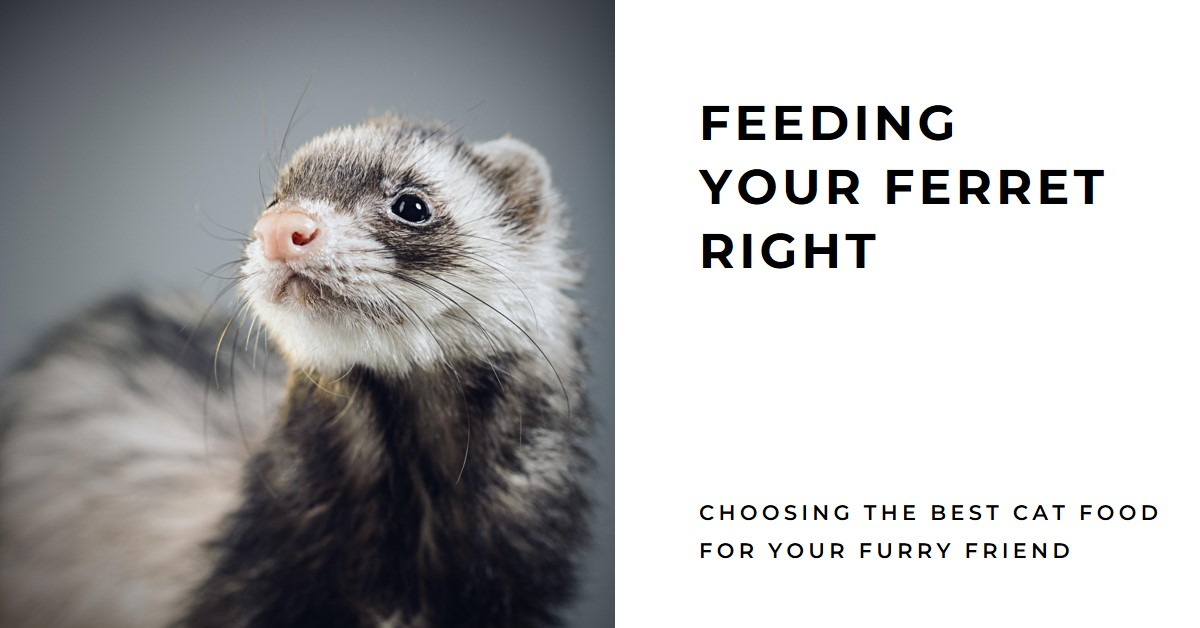
Ferrets make excellent pets, but feeding them the right food is important to keep them healthy and happy. In this article, we will discuss different types of best cat food for ferrets that can be given to ferrets and why some foods are better choices than others. We will look at ingredients to choose and avoid. By the end, you will understand what food is best to buy for your furry friend so it stays solid and playful. Let’s get started! Dry Cat Food or Wet Food? When thinking about cat food for ferrets, the first question is whether to give dry or wet food. Dry food is easier to feed as it does not go bad quickly like wet food. Many ferret owners think dry food also cleans ferrets’ teeth.  But ferrets need moisture in their diet as they get very little moisture from dry food. Wet food gives ferrets the moisture they need. It is richer and more nutritious than dry food. Wet food also stops ferrets from eating, as they feel full soon. So wet food is a healthier choice. Ingredients to Choose for Ferrets The next important thing is the ingredients in best cat food for ferrets reddit. The first few ingredients listed are what ferrets will eat most. Choose foods where meat is the first ingredient, like chicken, turkey or fish. Meat gives ferrets protein to build strong muscles.  After the meat, look for ingredients like fruits and vegetables, which provide vitamins and fiber. Ingredients like peas and carrots are easy to digest for ferrets. Whole grains like wheat and barley are also good additions. Ensure sugar is low in the food or not listed, as ferrets do not need extra sugar. Ingredients to Avoid Some ingredients like corn, soy and by-products are not best for ferrets. Corn does not provide the nutrients ferrets need and may cause allergies. Soy is hard to digest. By-products refer to unnamed animal parts and should also be avoided. Food dyes and artificial preservatives are also best left out as they offer no benefit and may harm tiny ferret bodies. Foods with high sugar, salt or fat content are unhealthy for active ferrets. Check labels carefully to ensure the wet best cat foods for ferrets chosen to meet requirements. Brands to Consider for Best cat food for ferrets Once you understand what to look for in ingredients, here are some brands that offer wet best cat foods for ferrets suitable for ferrets: Portion Size and Feeding Schedule Feeding ferrets the correct portions based on their age, size, and activity levels is important. Young ferrets and those going through a growth spurt need more calories. Others require just the right amount to maintain a healthy weight. It is best to feed 2-3 times daily- morning, afternoon and evening.  This keeps metabolism active. Divide total daily portions into appropriate meal portions rather than free feeding. Make sure fresh water is available at all times. Transitioning to a New Food When changing a ferret’s diet to a new wet cat food, do it gradually over 7-10 days. Mix a small amount of new food with the old until ferrets get used to the taste and texture. Going slow prevents tummy upsets. Give small frequent meals to encourage eating new food without stress. Praise and reward trying new bites. Always transition during healthy periods, not sickness. Homemade Recipes for Variety For occasional variety, you can prepare simple homemade meals for ferrets, though the best wet cat food for ferrets is the best quality, providing balanced nutrition. Boil chicken or fish with bone-in and cut into small bites. Mix with chopped veggies and serve. You can also prepare meatloaf or meatballs using minced meat, eggs, and oats/rice as binders. Balance nutrients as the vet suggests to prevent health issues from homemade treats. How to Handle Fussy Eaters Some ferrets can be fussy eaters initially or during times of change or stress. In such cases, try hand-feeding new foods or small training with rewards. Gently scruff ferrets to open their mouths if needed. Warming canned food slightly also releases more aroma to attract. Play with fussy ferrets before feeding to work up your appetite. Be persistent and patient, as ferrets may take time to accept changes. Never leave hungry, as that makes matters worse. Signs of Health Issues with Diet Take note if ferrets start losing weight or have runny stools. Also, watch for lethargy, which could mean improper diet or allergies. Consult a vet to diagnose the cause and adjust food accordingly. Diet-related issues are usually easy to remedy with tweaks. Early attention prevents further complications. Don’t try drastic changes without guidance. You can ensure your furry friend’s good nourishment and well-being with caring attention. Storing and Heating Wet Cat Food For convenience, buy canned foods in multi-packs and store extras in the fridge. Check ‘best before’ dates. To serve, scoop out the required amount from the refrigerator into a small bowl—warm food slightly in the microwave on a low setting for older ferrets with weaker digestion. Constantly stir and check the temperature before serving. This softens texture and releases aromas to stimulate appetite. Maintaining the best cat foods for ferrets and following proper feeding practices are key to ferrets’ happy lives. Snacks and Treats in Moderation While a balanced diet should focus on good quality wet cat food as the staple, occasional healthy snacks, and treats can be included. For example, small pieces of boiled chicken and vegetables like cooked carrots and green beans make excellent snacks between meals. Minced meat, pureed mango, or banana also work well. However, keep portion sizes small. Avoid carb-heavy human snacks which ferrets don’t need. Remember, treats should not replace complete nutrition from cat food, but they can add variety now and then. Food Bowls – The Right Set-Up The food bowl is an important piece of ferret care. Stainless steel or ceramic bowls hold up best against bites and scratches without breaking. Place bowls away … Read more

The Best food for ragdoll cats in 2024

Best food for ragdoll cats

Ragdoll cats are one of the most popular breeds of house cats due to their gentle and affectionate nature. However, as caring owners, we must feed them a nutritious diet to keep them healthy and happy.  So, what is the perfect diet for our fluffy furry friends? As caring pet owners, finding the best food to keep our ragdoll cats healthy and happy is essential. In this article, we will explore the nutritional needs of ragdoll cats and review some best food for ragdoll cats options that cater to these needs. What should Ragdolls eat? Ragdoll cats may look cute and fluffy, but they have strong, muscular bodies to support their large frames underneath. As such, Ragdolls need a diet high in protein to maintain their size and health. The best protein sources come from meat, which these cats naturally eat. Nutrition experts recommend that Ragdolls get over half of their diet from meat-based animal proteins like fish, chicken, or beef. Their best food for ragdoll cats should also include around 20% healthy fats to supply energy. Carbohydrates from grains or vegetables should be limited to less than 3% as cats don’t need many carbs. Wet canned food for ragdoll cats that contains whole or named meat ingredients like salmon or chicken is best for Ragdolls. This provides proteins, vitamins, and minerals in their natural forms. Cats can struggle to digest plant-based fillers or meals made from meat by-products. Their bodies are made to get protein from eating whole small animals or fish. Ragdolls will stay fit when over 90% of their calories come from proteins and fats. Their large size requires these nutrients for energy, muscles, and organs. By closely checking labels for high-quality meats or fish as the main ingredients, owners can pick wet foods that match Ragdoll’s dietary profile, designed by nature. This ensures these charming pets remain happy and healthy. Nutrient Calories per gram Protein  4 Fat 9 Carbohydrate 4 What this means for Ragdolls is simple: don’t feed them too many carbs. Carbohydrates from grains, potatoes, and sugar can easily cause weight gain and tummy troubles in these cats. Their food is best if it does not contain lots of carbs from things like: Ragdolls are built strong, but carbs are not part of their bodies’ needs. Their diet works best with protein and fats like meat, fish, and healthy fats. This keeps them at the correct weight and with happy tummies. By checking labels and choosing foods without high-carb fillers, owners can feed their furry friends precisely what nature intended. Canned or dry food—what’s better for Ragdolls? Ragdolls should avoid dry food for their health. As well as containing more carbs and ingredients that aren’t as natural, dry food is very low in moisture. Ragdolls need around 60ml of water per kilogram of their weight each day to stay hydrated. Dry food alone does not provide this. This can lead to problems like constipation, tummy aches, bladder crystals, and kidney issues. These conditions are more common in cats that mostly eat dry food. Most canned cat food is over 75% water. This means it keeps moisture in a cat’s body better than dry. Wet food also gives more of the good animal proteins a cat benefits from than biscuits. Dry food indeed costs less to buy in bulk upfront. But in the long run, feeding wet food is better because your furry friend stays healthier with fewer vet bills! High-quality canned varieties with meat as the first ingredient ensure Ragdolls remain happy and problem-free for years. How much should I feed my Ragdoll cat? Although Ragdolls are large cats, be careful not to overfeed them. Ragdolls are quite relaxed pets that don’t play much actively despite their size. They spend most of their days resting near their owners, only moving enough for a jump or two. This quiet life means Ragdolls need around 40-42 calories per kilogram of weight per day – less than cats that run and play more! How much food a Ragdoll needs depends on its age and size. Here is a quick guide on the average calories needed daily for Ragdolls at different weights: Gender Weight Calories/day Male Ragdoll 5.5–9.5 kilos 250–400 calories Female Ragdoll 3.7–6.8 kilos 180–300 calories Figuring out food portions can be confusing since cat foods use many ingredients. Dry food normally has more calories than wet food as it contains carbohydrates and fats that add calories. A cup of dry kibble averages between 300 to 450 calories. A regular-sized can of wet food (around 70-85g) is 80 to 120 calories, depending on the protein. Most Ragdolls do well with two cans per day for their energy needs. Larger or more active cats might need an extra can. If mixing foods, a balanced diet would include at least one wet meal and no more than 50g of dry food. Feeding senior Ragdoll cats By making portion sizes and foods gentle on older bodies plus paying attention to signs of illness, caring owners can enhance every moment shared with their senior Ragdolls in their golden years. Seeking vet advice aids in customized plans. Conclusion Feeding ragdoll cats the best diet is essential to their health and happiness. Caring owners can select foods that meet feline nutritional standards by considering the quality of protein sources and nutritional completeness of various commercial options and home-prepared recipes.  With the right diet matched to life stage and individual needs, ragdolls thrive. Making mealtimes positive experiences with consistency and monitoring ensures these gorgeous pets stay well-nourished companions for years to come. FAQs 1. What wet food texture is best for Ragdoll cats? Chunky wet foods that require chewing are ideal for dental health, while gravy keeps cats hydrated. 2. Should grain-inclusive or grain-free food be chosen for ragdoll cats? Either can work if the ingredients and quality are high. Limited whole grains add nutrients when included. 3. How many calories does a Ragdoll need? Calorie needs vary by age, size, and activity … Read more

Printable list of food cats can’t eat : Most Important for Pet owners

Printable list of food cats can't eat

As loving pet owners, we want to provide the best care possible for our pets especially Cats. However, did you know that certain foods that are safe for humans can be harmful, and even toxic, to our furry friends? we’ve compiled a comprehensive Printable list of food cats can’t eat and should be avoided at any Cost. This will help your cats by staying away from different problems like Indigestion, vomiting etc. Whether you’re a new cat owner or a old one, having this printable list on hand can serve as a valuable reference guide to ensure that you’re feeding your cat only the safest and most appropriate foods. Printable list of food cats can’t eat Food Effects Chocolate Toxic; can cause vomiting, diarrhea, tremors, and seizures. Onions/Garlic Can cause gastrointestinal upset, anemia, and damage to red blood cells. Grapes/Raisins Toxic; can lead to kidney failure. Xylitol (artificial sweetener) Toxic; can cause hypoglycemia (low blood sugar) and liver failure. Alcohol Toxic; can cause vomiting, coordination problems, respiratory failure, and death. Caffeine Toxic; can cause rapid heart rate, tremors, seizures, and death. Raw Dough Can expand in the stomach, causing bloating and potential obstruction. Raw Meat/Fish Risk of bacterial contamination such as Salmonella or E. coli. Dairy Products Many cats are lactose intolerant; can cause digestive upset. Bones Risk of choking, splintering, or causing gastrointestinal obstruction. Remember, it’s crucial to keep these foods out of reach of your feline friends to ensure their safety and well-being. If you suspect your cat has ingested any of these foods or exhibits unusual symptoms, contact your veterinarian immediately. what can cats eat and not eat? Here’s a table outlining what cats can eat and what they should avoid: Foods Cats Can Eat Foods Cats Should Avoid Cooked Meat (Chicken, Turkey, Beef) Chocolate Cooked Eggs Onions/Garlic Fish (in moderation) Grapes/Raisins Cooked Vegetables (e.g., Carrots, Green Beans) Xylitol (artificial sweetener) Plain Cooked Rice Alcohol Fruits (e.g., Apples, Bananas, Blueberries) Caffeine Plain Yogurt (in moderation) Raw Dough Catnip Raw Meat/Fish Cooked Pumpkin Dairy Products Cooked Oatmeal Bones what can cats eat from the fridge? list of foods that are safe for cats to eat from the fridge: Remember to avoid giving your cat any foods that are seasoned, cooked with garlic or onions, high in salt or sugar, or contain any additives or artificial ingredients. what do cats eat and drink? list of common foods and drinks that cats typically consume: Foods: Drinks: It’s essential to provide a balanced diet that meets your cat’s nutritional needs and preferences. Additionally, always monitor your cat’s food and water intake and consult with your veterinarian if you have any concerns about their diet or hydration levels. Conclusion In conclusion, cats have specific dietary requirements that are essential for their overall health and well-being. Providing a balanced diet consisting of high-quality cat food, cooked meat, cooked fish, and cooked eggs ensures that they receive the necessary nutrients for optimal health. Additionally, incorporating small amounts of cooked vegetables, cat treats, and occasional cat grass can add variety to their diet. FAQ’s 1. What foods must cats not eat? Cats should avoid certain foods that can be harmful to their health. Some common foods to avoid include chocolate, onions, garlic, grapes, and raisins. These foods can cause digestive upset, organ damage, or even toxicity in cats. 2. What do you want to avoid in cat food? When choosing cat food, it’s essential to avoid ingredients like artificial additives, preservatives, and fillers. Opt for cat food that contains high-quality protein sources, such as meat or fish, and is free from unnecessary additives and by-products. 3. What are the top 5 healthiest cat foods? The top five healthiest cat foods are those that contain high-quality protein sources, essential vitamins and minerals, and minimal fillers or additives. Some top options include Royal Canin, Hill’s Science Diet, Purina Pro Plan, Blue Buffalo, and Orijen. 4. What are 4 human foods safe for cats? While most human foods are not suitable for cats, there are a few exceptions. Cooked meat (such as chicken or turkey), cooked fish (in moderation), cooked eggs, and plain yogurt (in small amounts) are safe for cats to consume as occasional treats. 5. What human foods must cats not eat? Some human foods are toxic to cats and should be avoided at all costs. These include chocolate (which contains theobromine, harmful to cats), onions and garlic (which can cause anemia), grapes and raisins (which can lead to kidney failure), and xylitol (an artificial sweetener that is toxic to cats). It’s crucial to keep these foods out of reach of your feline friends to ensure their safety and well-being. Also Read:

High Calorie Wet Cat Food for Weight Gain

High Calorie Wet Cat Food for Weight Gain

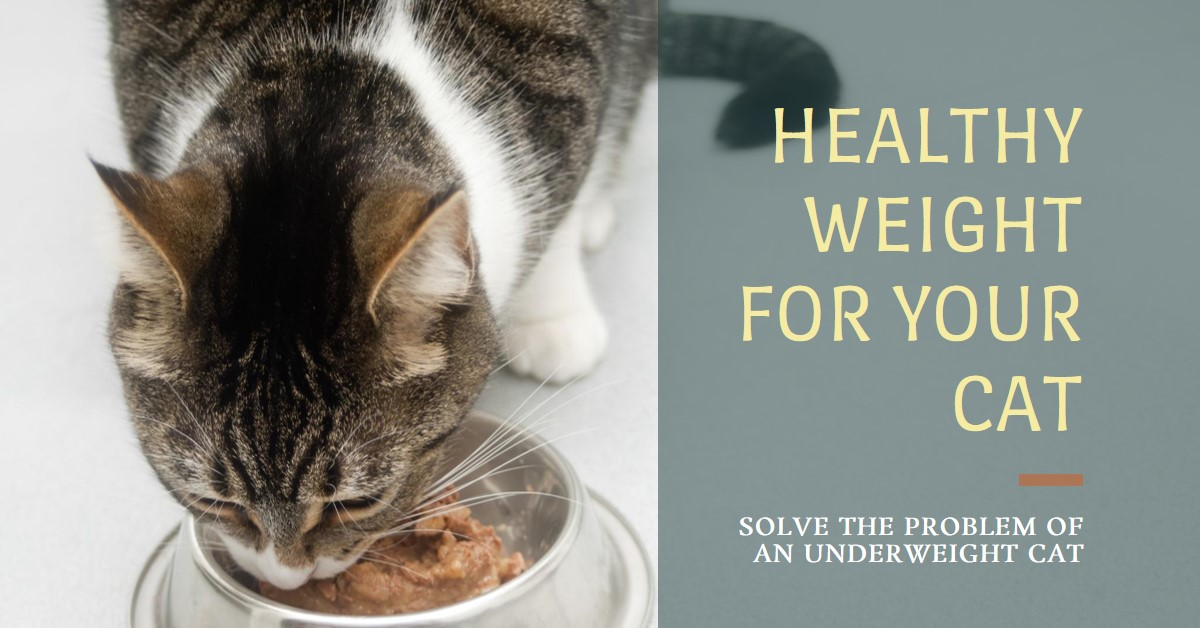
High calorie wet cat foods can help solve the problem of an underweight cat that struggles to gain weight. Many owners find their furry feline friend remains too thin regardless of how much they feed. As cats are meant to maintain a specific weight range, being underweight can impact their health and energy levels.  This article discusses how high calorie wet cat food for weight gain formulated with extra nutrients can aid weight gain in underweight cats. Various options will be explored, along with feeding tips to help kitties safely reach a healthier weight. Why use high calorie wet cat food for weight gain?  There can be various reasons why some cats struggle to gain or maintain a healthy weight. Medical conditions, high metabolism or stress can hinder weight gain in cats. Underweight cats have reduced energy levels and are prone to illnesses. High calorie wet cat food for weight gain aims to address this issue.  They are specifically formulated with more calories, fat and protein than regular wet cat foods. This extra energy and nutrition helps underweight cats feel fuller for longer and boosts metabolism. The wet and tasty texture also makes high calorie wet cat food for weight gain appealing to most cats. This encourages increased consumption and helps underweight cats easily and healthily pack on the pounds. How do you choose the right high-calorie wet cat food?  When choosing high calorie wet cat food for weight gain, selecting options suited to your cat’s needs is important. Look at the calorie and nutrient profile on the packaging to pick those with higher calories and fat content than regular wet foods. Some good high calorie wet cat food options include Royal Canin Veterinary Diet Weight Gain, Hill’s Prescription Diet Digestive Care Weight Gain formula and Purina Pro Plan Focus Weight Management.  They provide over 500 calories per 100 grams. Canned foods are easier to digest than pouches. Soft textures suit underweight cats best. Go for a brand your cat enjoys to encourage eating. Consult your vet for individual recommendations. How much to feed?  The amount of high calorie wet cat food to feed weight gain will depend on your cat’s age, size, metabolism, and target weight. As a general guideline, underweight kittens need 2-4 times more calories than adult maintenance levels. For adults, it’s a good idea to start by doubling their regular portions and increasing it gradually over weeks based on weight monitoring.  Divide total daily feed into 3-4 small meals rather than one or two large portions. This keeps carnivorous hunger hormone ghrelin levels elevated to stimulate appetite. Feed in multiple locations to encourage activity between meals. Consult your vet to create a customized feeding plan for your cat’s needs. Monitor weight weekly and adjust amounts accordingly. Other tips for weight gain in cats  In addition to high calorie wet cat foods, some other tips can further aid healthy weight gain. Ensure stress is minimized through play, petting and affection. Keep food locations consistent for a sense of security. Add calorie-dense toppers like canned sardines, chicken or salmon to their meals. Moderate exercise like play helps build gentle muscles along with weight gain.  Provide unlimited access to fresh water. Monitor for health issues and treat them accordingly. Give calorie-dense snacks judiciously throughout the day. Seek vet advice if there is no significant weight gain even after a few months on a high-calorie diet. Patience and careful monitoring are key to helping the cat gain weight safely and steadily. Potential concerns when feeding high-calorie wet cat foods While high calorie wet cat foods are great for weighting underweight cats, there are some potential concerns to watch out for: obesity risk if portions are excessive; gastrointestinal upset like diarrhoea if transitioned too quickly from regular food; and dental issues from a soft-only diet long-term. Monitor weight weekly to avoid overgaining.  When switching, slowly incorporate high calorie wet canned cat food for weight gain into the regular diet over 5-7 days. Brush teeth regularly for dental health. Discontinue high-calorie wet food once the ideal weight is achieved and maintained using an adult nutrition formulation. Consult your vet promptly at any sign of discomfort or illness while using high calorie wet cat food for weight gain. Benefits of feeding high calorie wet cat food High calorie wet cat foods provide several health benefits for underweight cats:  How to select the right high-calorie wet food When choosing high calorie wet cat food for weight gain, consider ingredients and calories per pack. Options with meat as a top ingredient supply protein for muscle mass. Those listing fat as second or third provide energy. Review nutrition facts to find products with 500 or more calories per 100g serving.  Textures also matter – soft, gravy-coated pieces are gentle on slim cats’ digestive systems. Ensure the food appeals to your cat’s taste to maximize intake. Consult your vet, who understands your cat’s condition, for customized recommendations. A suitable product supports stronger weight gain progress. Monitoring weight changes Following a consistent feeding protocol and monitoring weight weekly allows for gauging the effects of high calorie wet cat food for weight gain. Use the same weighing scale and time for each session. Record weights to track the gains over a month. On a high-calorie plan, most underweight cats show a steady 0.5-1% weight rise each week.  Inform your vet about progress so they can adjust the diet as required. Early signs like filling out around the neck and hindquarters indicate positive changes. Note any health issues as they may impact weight. With care, monitoring helps optimize high-calorie feeding for your kitty’s needs. Conclusion  High calorie wet canned cat food for weight gain provides a tasty and nutritious solution to help underweight cats gain weight safely and effectively. Select options with high calorie and nutrient density suited to your cat’s needs. Carefully monitor portions and weight changes. With patience and proper guidance from your vet, these high-calorie wet cat foods can aid in reaching and maintaining a healthy … Read more

What Are the Benefits for Soft Dry Cat Food for Older Cats

As cats age, their needs change, just like humans. Their senses may not be as sharp, and their energy levels lower. As a caring pet parent, adapting to keep our older cat friends healthy and happy is important. This article explores the benefits of soft, dry cat food for older cats.  We will discuss how the specially formulated soft dry cat food for older cats can make eating more comfortable and support overall wellness. Ensuring our old pal gets the proper nutrition through soft, dry cat food is a small change that can make a big difference to their quality of life. Nutrients Required for Senior Cats Health Soft dry cat food for older cats is specially designed to include key nutrients that support the needs of senior felines. They include softer kibbles that are easier for ageing jaws to chew. The formulas also include glucosamine and chondroitin to support joint health.  Omega fatty acids promote skin and coat health. Probiotics support digestive health. Vitamins and minerals like antioxidants are included to support immune function. The balanced formulas provide complete and easily digestible nutrition to nourish and keep our ageing companions healthy. Benefits of Soft Dry Cat Food for Older Cats Easier to Eat  One of the main benefits of the best soft dry cat food for older cats is the texture, which is formulated to be softer and easier on ageing jaws and teeth. As cats age, their teeth can become worn down or loose, making it difficult to chew hard, conventional kibble. Softer textures are much more comfortable and palatable. This encourages continued good intake of nutrients.  This means our senior cats’ diets do not need to be compromised as they enter their golden years. The soft kibbles are also easier to digest than crunchy varieties, putting less strain on the gastrointestinal system. Promotes Hydration  Having a soft, moist texture can help encourage hydration in older cats. As they age, cats can sometimes drink less than they need. Dehydration is a risk, as is insufficient fluid intake hampering organ function.  Soft dry cat food for older cats contains about 75-80% moisture content versus around 10% in standard dry kibble. This moisture comes from a softening process that makes the kibble pliable and palatable.  The extra fluids delivered through their food can help support hydration without our senior feline having to drink as much separately. This reduces urine concentration and promotes overall health. Supports Mobility  For older cats with arthritis or mobility issues, eating food can become challenging. Dry soft cat food for older cats helps support senior mobility in various ways. As discussed earlier, softer textures are gentler on teeth and jaws, so eating is less tiring.  Their balanced formulas also help maintain lean body mass and muscle tone through nutrients. Strong muscles mean mobility and independence are retained for longer. Fewer aches and pains from arthritis are experienced thanks to ingredients like glucosamine. Overall wellness and comfort are prioritized, allowing our old cat companions to stay active and mobile in their golden years. A Comforting Choice  Considering all the benefits discussed so far, soft dry food for older cats is a wonderful choice to support our feline friends as they enter their senior years. The specially formulated soft kibbles are kind to aging bodies while offering complete nutrition. Features like moisture content, easy chewing, and joint-supporting ingredients contribute to comfort, health, and quality of life.  Making the change can help nourish our old pal during this natural life stage transition. Importantly, it ensures their final years are happy and pain-free, and they live in the comfort and routine of their forever home. As caring pet parents, we want the best for our animals and their senior nutritional needs. Soft dry cat food for older cats delivers this in a way conventional kibble cannot. Softening Process  The softening process used to make soft dry cat food for older cats is a key factor in its benefits. Standard dry kibble is processed at high heat to dry it out thoroughly. This results in a hardened texture.  However, soft, dry varieties employ lower heat processing and controlled moisture additions. This allows individual pieces to retain flexibility and moistness. Steam conditioning bends and plumps the kibble without making it mushy. Careful drying then sets the shape.  The end result is kibbles that are about 75-80% moisture. This small difference in the production method makes dry food kinder on ageing jaws and easier to chew. Digestive Health Support  As cats age, their digestive systems may slow down a bit. Protein and nutrient absorption can decrease. This is where the balanced formulations in soft dry cat food for older cats help. They provide complete nutrition in a gentle form on the GI tract. Prebiotics and probiotics support a healthy digestive balance.  Proper fibre levels avoid constipation issues that are common in seniors. Gluten-free varieties aid cats with sensitivities. Proteins are high quality and easier to break down than in harder kibble. Antioxidants support oxidative stress on the stomach and intestines over time. These features combine to promote continued digestive comfort and function into a cat’s golden years. Dental Care Benefits  While soft and easier to chew, soft dry cat food for older cats still provides dental benefits senior cats need. Chewing, even if gentle, helps remove plaque and tartar buildup. Key ingredients like enzymatic broths and nutrients in the balanced formulas also help support gum health from within.  Small meals encourage natural chewing motions versus infrequent eating from one hard chunk. The soft kibble texture provides mild abrasion to scrub teeth for cats that can no longer physically chew hard treats. Dental health impacts overall wellness, so these features maintain the standard of care into seniorhood without causing jaw strain. Clean teeth mean fewer issues down the line. Palatability Advantages  As senses decline with age, even our favourite foods may seem unappealing. Soft dry cat food for older cats‘ texture combats this challenge. The soft pliability and appropriate moisture improve palatability dramatically … Read more