OURPETTAILS

Budget Friendly Cat Litter Box Hacks in 2025

Budget Friendly Cat Litter Box Hacks

Every pet parent knows the struggle: maintaining a clean environment for your furry friend shouldn’t drain your wallet or consume hours of your week. As someone who’s cared for countless feline companions, I’ve uncovered simple yet game-changing methods to streamline this essential task. Let’s rethink how we approach odor control and hygiene without sacrificing quality. Many commercial products promise miracles but deliver frustration. Through trial and error with various setups, I discovered that everyday items and smart routines often outperform pricey alternatives. You’ll be surprised how minor tweaks can create lasting results, keeping both pets and humans content. This guide shares field-tested strategies refined through hands-on experience. We’ll focus on maximizing efficiency – imagine spending just five weekly minutes on upkeep while achieving better freshness than ever before. These approaches prioritize your companion’s well-being while respecting your time and resources. Key Takeaways Introduction to Budget-Friendly Solutions for Litter Boxes Creating a welcoming bathroom zone for your furry companion starts with recognizing their natural instincts. Felines instinctively seek private, undisturbed spaces for elimination – a behavior rooted in their survival needs. When their designated spot feels secure and clean, they’re more likely to use it consistently. Maintaining a Fresh Environment Territorial animals thrive on routine. One pet owner shared: “Our tabby started avoiding her bathroom corner when we skipped daily scooping, leading to carpet mishaps.” Regular upkeep prevents stress-related accidents and maintains your companion’s trust in their chosen space. Smart Maintenance Equals Savings Simple habits like immediate waste removal reduce long-term expenses. Dirty environments can lead to health issues requiring vet visits, while proactive care keeps your pal healthy. Using baking soda instead of pricey deodorizers tackles odors at the source, saving $15 monthly on average. Strategic placement matters too. A quiet nook away from appliances minimizes stress, encouraging proper bathroom habits. This approach eliminates the need for multiple odor-control products while keeping your home smelling neutral. Budget cat litter box hacks for a Clean Home Maintaining a spotless home with pets doesn’t require breaking the bank. Many store-bought options prioritize flashy packaging over actual results, leaving owners frustrated. One veterinary technician noted: “Clients often return complaining about clumping issues – the problem usually lies in product quality, not their care routine.” Why Practical Adjustments Outperform Fancy Products Commercial litters frequently use fine particles that stick to paws and create airborne dust. This leads to respiratory irritants for both animals and humans. A simple comparison reveals the advantages of homemade approaches: Feature Premium Brands DIY Methods Odor Control Mask smells temporarily Neutralize odors naturally Dust Levels High (grains under 2mm) Low (customizable texture) Monthly Cost $20-$40 $5-$10 Making Household Items Work Harder Repurposing everyday materials creates sustainable habits. Sand combined with baking soda forms an effective odor-absorbing base. Shallow storage containers with high sides prevent scatter – just ensure entry points are pet-friendly. Consistency matters more than price tags. Weekly rotation of cleaning tools prevents bacterial buildup without specialty sprays. As one owner shared: “Switching to washable mats saved $120 yearly and reduced tracking by 80%.” Simple changes deliver lasting cleanliness while respecting your companion’s preferences. Choosing the Right Litter Box and Materials Material selection dramatically impacts hygiene and long-term costs. While many default to familiar options, smarter choices reduce maintenance while keeping pets content. Let’s explore how design and substance work together for cleaner results. Plastic vs. Stainless Steel: Pros and Cons Plastic containers absorb odors permanently, even with weekly scrubs. Microscopic scratches trap bacteria, requiring annual replacements. Stainless steel alternatives cost more upfront but last decades with basic care. Here’s how they compare: Feature Plastic Stainless Steel Cost Over 3 Years $45+ $60 Odor Retention High None Replacement Frequency Yearly Never Cat Acceptance Familiar Requires Transition Transition pets gradually by placing new stainless boxes beside existing ones. Most adjust within two weeks when given choice. Crystal litter simplifies upkeep by changing color as it absorbs moisture. Replace every 14-21 days instead of guessing freshness. Clumping varieties cost 30% more monthly but streamline daily scooping. Biodegradable options like corn or paper appeal to sensitive paws. These earth-friendly materials decompose naturally, eliminating scrubbing battles. One owner reported: “Switching to wheat-based pellets reduced tracking by 60% overnight.” Simple DIY Solutions for Upgrading Your Litter Setup Smart pet owners know innovation beats expensive store-bought solutions. With basic tools and creativity, you can build superior systems that outperform commercial products. Let’s explore practical upgrades using items already in your home. Building a DIY Litter Genie Transform glass jugs or small stainless steel containers into odor-locking waste stations. These materials resist bacteria better than plastic alternatives. Use heavy-duty bags instead of plant-based options – urine clumps easily tear through eco-friendly liners. Material Cost Durability Odor Control Commercial Plastic $25+ 6 months Moderate Glass Jug Free Indefinite Excellent Stainless Container $12 10+ years Superior Innovative Uses for Common Household Items Repurpose cardboard boxes into efficient sifting tools. Drill 1/2″ holes in patterns that maintain structural strength while letting clean litter fall through. This method extends bedding life by 40% compared to standard scoops. Winter boot trays make excellent litter catchers. Their deep grooves trap stray granules better than pricey mats. For multi-cat homes, label separate containers with each pet’s name to track bathroom habits. Pro tip: Line storage bins with newspaper before adding litter. This absorbs moisture and simplifies complete changes. One owner reported: “This trick cut our clean-up time in half during busy weeks.” Optimizing Litter Box Placement for Cat Comfort Finding the ideal spot for your feline’s bathroom needs requires understanding their natural behaviors. Territorial animals thrive in predictable environments where they feel secure during private moments. A well-chosen area reduces stress-related accidents and strengthens your companion’s trust in their surroundings. Why Location Matters More Than You Think High-traffic zones near appliances or entryways create anxiety. One pet owner discovered their tabby avoided the bathroom area after placing it near a noisy washing machine. “Moving it to a quiet corner eliminated accidents immediately,” they reported. Consistent placement near ventilation sources like patio doors … Read more

How Long is Wet Cat Food Good for After Opening?

How Long is Wet Cat Food Good for After Opening

Proper storage of moist pet meals plays a vital role in maintaining your companion’s health. Once a container or pouch is unsealed, exposure to air and bacteria accelerates spoilage. This makes timely refrigeration essential for preserving both quality and safety. Most veterinarians recommend refrigerating unused portions immediately. Storing leftovers in airtight containers helps prevent contamination from household odors. While refrigeration extends freshness, it’s crucial to use these portions within 2-3 days for optimal results. Environmental factors dramatically impact shelf life. Warm kitchens create ideal conditions for bacterial growth, while sealed packaging slows deterioration. Understanding these dynamics helps pet owners establish routines that prioritize safety without compromising nutrition. Neglecting storage guidelines can lead to digestive issues or more severe health complications. By implementing simple practices like portion control and prompt refrigeration, caregivers ensure every meal supports their pet’s wellbeing. Key Takeaways Understanding Wet Cat Food Shelf Life Every pet parent knows that freshness matters, but few realize why certain meals stay safe longer than others. The answer lies in a mix of science and smart storage practices. Factors Affecting Freshness and Safety Three key elements determine how quickly meals lose their nutritional value: Comparing Wet and Dry Cat Food Shelf Life While unopened canned meals can last 2-5 years, their dry counterparts typically stay fresh for 6-12 months. Once opened: “Moisture transforms preservation dynamics completely. Refrigeration becomes non-negotiable for safety.” Premium recipes with fresh proteins demand extra attention. Processed ingredients often withstand temperature changes better but may lack nutritional benefits. Always check expiration dates and seal containers tightly between feedings. Proper Storage: How Long is Wet Cat Food Good for After Opened Preserving your pet’s meals requires smart strategies beyond basic refrigeration. Timing and technique determine whether leftovers stay nutritious or become health hazards. Smart Refrigeration Methods Chilling meals properly prevents bacterial growth while keeping flavors intact. Follow these guidelines for optimal results: Storage Method Effectiveness Max Duration Original can + plastic lid Blocks 70% odors 3 days Airtight container Prevents 90% contamination 5 days Plastic wrap seal Reduces air exposure 2 days Detecting Compromised Meals Trust your senses when evaluating stored portions. Watch for these red flags: Indicator Fresh State Spoiled State Aroma Mild meaty scent Sour or rancid odor Consistency Smooth texture Grainy or slimy feel Color Uniform appearance Discolored patches Always inspect meals before serving. When in doubt, discard questionable portions immediately. Consistent routines protect your companion’s digestive health while maximizing nutritional benefits. Safe Serving Practices and Temperature Guidelines The clock starts ticking the moment you open that container. Exposure to air creates a race against bacterial growth, making timing your cat’s meals as important as portion sizes. Proper handling ensures every bite supports their well-being without hidden dangers. Why Time Matters More Than Appearance Harmful pathogens multiply fastest between 40-140°F – common room conditions in most homes. Salmonella colonies can double every 20 minutes in leftover food, reaching dangerous levels before odors or texture changes appear. Exposure Time Risk Level Recommended Action 0-1 hour Low Safe to refrigerate 1-2 hours Moderate Discard if above 70°F 2+ hours High Immediate disposal Create feeding routines that align with your schedule. Smaller portions served 3-4 times daily prevent leftovers while satisfying natural grazing instincts. Always remove uneaten morsels within 30 minutes during summer months. The FDA’s 2-hour rule becomes critical during heat waves. At 90°F, contamination risks spike within 60 minutes. Remember: visible freshness doesn’t guarantee safety when dealing with microscopic threats. Preventing Contamination and Bacterial Growth Your feline companion’s meals become vulnerable the moment packaging breaks its seal. Strategic storage choices act as the first defense against invisible threats that compromise quality and health. Utilizing Airtight Containers and Lids Quality storage solutions block environmental invaders while locking in essential nutrients. Consider these features when selecting containers: Studies show properly sealed meals retain 40% more vitamins compared to loosely covered portions. Always transfer leftovers from cans to dedicated containers – metal edges can trap bacteria in residual food particles. Understanding the Impact of Air and Moisture Oxygen exposure triggers two destructive processes: Humidity amplifies these risks dramatically. In damp environments, mold colonies can form within 12 hours on exposed surfaces. Regular container inspections prevent compromised seals from undermining your efforts. “Airflow acts like a turbocharger for bacterial growth – every unsealed minute matters.” Implement weekly cleaning routines using hot water and mild soap. Dry thoroughly before refilling to prevent moisture accumulation. These simple steps create lasting protection against contamination threats. Expert Tips: Maximizing Freshness and Nutritional Value Modern solutions transform how we maintain meal quality for pets. Cutting-edge tools and smarter habits preserve nutrients better than ever while simplifying daily routines. Efficient Portion Control and Storage Methods Vacuum-sealed systems outperform traditional containers by removing 98% of oxygen. These devices maintain optimal conditions for dry food up to 6 days while protecting against humidity and pests. Storage Method Freshness Duration Key Features Vacuum containers 6 days Blocks oxygen/moisture Automatic feeders 5 days Portion control + sealing Traditional containers 3 days Basic air resistance Match serving sizes to your feline’s eating pace. Scoop small amounts from refrigerated cans, resealing immediately after each use. This approach reduces temperature fluctuations that degrade nutrients. Rotate stored items using the “first in, first out” system. Mark purchase dates on containers to prioritize older stock. Professionals recommend: “Systematic rotation prevents vitamin loss while maintaining flavor integrity.” Invest in specialized containers with humidity sensors for premium protection. These units alert owners when conditions threaten freshness, allowing timely adjustments. Conclusion Caring for feline friends starts with smart meal management. Following refrigeration timelines and storage protocols preserves essential nutrients while preventing health risks. Always chill opened cans within two hours and use airtight containers to maintain quality. Moist meals demand different care than dry food varieties. Their higher moisture content creates faster spoilage risks, making strict temperature control non-negotiable. Regular checks for unusual odors or texture changes help spot compromised portions early. Proper handling directly supports your companion’s health and vitality. Simple habits like labeling containers with dates and … Read more

Is Dog Food Bad for Cats? What You Need to Know

Is Dog Food Bad for Cats

Curious feline companions often explore their canine housemate’s meals, leaving pet parents wondering about safety. While an occasional stolen bite won’t create emergencies, nutritional needs differ sharply between species. Let’s clarify what happens when whiskered friends sample these meals and how to prioritize their well-being. Short-term exposure poses minimal risks, but long-term feeding creates deficiencies. Canine formulas lack essential nutrients like taurine and arachidonic acid, which support heart function and vision in cats. Temporary digestive upset might occur, especially with sensitive stomachs. Veterinarians emphasize that emergency substitutions work better than repeated use. Multi-pet households should establish separate feeding routines to prevent mix-ups. We’ll break down practical solutions for managing mealtime chaos while keeping nutritional balance intact. Key Takeaways Understanding Cats’ Nutritional Needs Feline biology holds the key to their unique dietary requirements. Unlike many mammals, these hunters evolved to thrive on animal-derived nutrition. Their systems demand specific building blocks found only in meat sources. Feline Obligate Carnivores Explained Obligate carnivores depend entirely on meat for survival. Their bodies lost the ability to create essential compounds found in plant materials over generations. This biological reality stems from their desert-dwelling ancestors who consumed prey-rich diets. Modern felines retain this need for concentrated animal proteins. Their metabolism converts amino acids into energy more efficiently than carbohydrates. This explains why plant-heavy meals leave them nutritionally shortchanged. Essential Nutrients: Protein, Taurine, and More Meat provides critical elements that sustain multiple bodily functions. Taurine deficiency alone can lead to heart disease and vision loss. Other vital nutrients include: Nutrient Cats Dogs Key Role Protein 30-34% 18-26% Muscle maintenance Taurine Essential Self-produced Heart & eye health Vitamin A Dietary need Can synthesize Immune function These requirements make species-specific diets non-negotiable. While dogs adapt to varied meals, felines need precise nutritional profiles. Always prioritize formulas designed for their carnivorous metabolism. Exploring: is dog food bad for cats and What It Means for Feline Health The occasional snack swap between pets might seem harmless, but hidden dangers lurk. While curious kitties might sample their housemate’s kibble, sustained consumption creates nutritional gaps. Feline bodies require specific building blocks that standard canine formulas simply don’t provide. Regularly feeding feline friends canine meals leads to progressive deficiencies. Essential amino acids like taurine and arginine remain critically low in dog food. Without these nutrients, vital systems begin failing over months. Consider these health comparisons between short-term and prolonged exposure: Timeframe Common Issues Severity Level 1-2 Days Mild stomach upset Low Weeks Energy decline, dull coat Moderate Months+ Heart weakness, vision loss Critical Protein malnutrition develops quietly as feline muscles break down for energy. “What starts as occasional scavenging can escalate into organ failure,” notes veterinary nutritionist Dr. Ellen Cho. Immune systems weaken when key vitamins like A and B complex go missing. Separate feeding stations prove crucial for multi-pet homes. Elevated bowls for canine companions and scheduled mealtimes prevent accidental mix-ups. Always consult your vet if dietary crossovers become frequent. Key Nutritional Differences Between Cat and Dog Food The bowl may look the same, but what’s inside caters to vastly different biological blueprints. Feline formulas pack concentrated animal-based components missing from canine meals. Let’s dissect these gaps through macronutrient ratios and vital micronutrients. Comparing Protein and Fat Levels Feline diets demand 50% more protein than typical canine formulas. Meat-rich content fuels their energy needs and prevents muscle loss. Fat percentages also run higher to support skin health and nutrient absorption. Nutrient Feline Needs Canine Needs Impact Protein 30-40% 18-26% Muscle preservation Fat 15-20% 10-15% Energy reserves Arachidonic Acid Essential Optional Liver function Taurine, Vitamin A, and Niacin Requirements Unlike dogs, felines can’t produce taurine internally. This amino acid prevents heart failure and blindness. “One month without adequate taurine can trigger irreversible damage,” warns veterinary researcher Dr. Lisa Tran. Vitamin A shortages weaken immunity and cause skin disorders. While dogs convert plant carotenoids, cats need preformed versions from liver or fish oils. Niacin deficiencies also emerge since plant-based sources don’t meet feline metabolic demands. These gaps explain why canine meals fail as long-term options. Always verify labels for species-specific nutrient profiles to safeguard your pet’s vitality. Health Risks When Cats Eat Dog Food Snacking mishaps in multi-pet homes can lead to unintended health complications. While temporary curiosity rarely causes lasting harm, repeated consumption creates escalating dangers. Let’s examine how improper meals affect feline vitality over different timelines. Short-Term Reactions and Digestive Issues Stomach protests often follow accidental consumption. Sensitive systems react to unfamiliar ingredients with vomiting or diarrhea within hours. High-fat canine formulas may trigger pancreatitis in vulnerable pets—a painful condition requiring urgent care. Time After Eating Symptoms Action Steps 0-6 Hours Lethargy, nausea Monitor hydration 6-24 Hours Diarrhea, vomiting Offer bland diet 24+ Hours Persistent distress Contact veterinarian Long-Term Consequences for Feline Health Extended exposure starves vital organs of critical nutrients. Muscle wasting develops as protein deficits force the body to consume its own tissues. Dr. Maya Singh, a veterinary internist, warns: “Cats fed canine meals for months often present with heart murmurs and vision impairment.” Deficiency Health Impact Timeline Taurine Heart failure risk 3-6 months Vitamin A Night blindness 6-12 months Arachidonic Acid Skin lesions 2-4 months Immune systems weaken without proper nourishment, leaving pets vulnerable to infections. Regular vet checkups help catch these stealthy issues before irreversible damage occurs. Emergency Feeding Strategies for Cats When supplies run low, knowing safe alternatives keeps feline friends nourished. Natural disasters or unexpected shortages might leave caregivers needing temporary solutions. While species-specific meals remain ideal, certain substitutions work briefly if handled carefully. When Canine Kibble Can Serve in a Pinch Mix small amounts of dog food with remaining cat kibble during emergencies like blizzards or delivery delays. Use a 1:3 ratio—one part canine meal to three parts feline formula. This balances protein levels while stretching limited resources. Never rely solely on canine meals beyond 48 hours. Veterinary nutritionist Dr. Rachel Kim advises: “Three days is the absolute maximum for mixed feeding. Beyond that, nutrient gaps become critical.” Always prioritize restocking proper feline formulas. Safe … Read more

How Long Does It Take for a Dog to Digest Food?

How Long Does It Take for a Dog to Digest Food

Every pet parent wants their furry friend to stay healthy and energetic. A key part of canine wellness lies in understanding how their body processes meals. Unlike humans, our four-legged companions have a digestive system built for speed and efficiency. Most dogs complete their digestion cycle within 4-12 hours after eating. This rapid processing stems from their short intestinal tract and stomach acids optimized for breaking down protein-rich diets. Smaller breeds often digest meals faster than larger dogs, while age and food quality also play significant roles. Recognizing normal digestion patterns helps owners spot potential issues like blockages or nutrient absorption problems. Consistent timing between meals and bathroom breaks usually indicates a healthy system. When deviations occur, they often signal it’s time to consult your veterinarian. This guide will walk through the complete journey of food through your pet’s body. You’ll learn practical tips for optimizing feeding schedules and maintaining digestive health. Let’s explore what makes your dog’s metabolism unique and how to support it effectively. Key Takeaways Introduction to Dog Digestion A thriving canine companion starts with a well-functioning gut. The digestive system acts as both fuel processor and disease defender, working nonstop to convert meals into energy and vitality. Importance of Digestive Health Your pet’s digestive health directly impacts their playfulness, coat shine, and resistance to illness. Proper nutrient absorption powers everything from muscle growth to infection-fighting white blood cells. When this system falters, you might notice: Nearly 70% of immune cells live in the gut, supported by 100 trillion microbes. These bacteria break down food particles and create protective compounds. Stress, poor diet, or antibiotics can disrupt this delicate balance. An Overview of the Digestive Process Food’s journey begins with enzymes in saliva softening each bite. The stomach then uses strong acids to liquefy proteins while the small intestine extracts nutrients. Finally, the large intestine manages water absorption and waste formation. Puppies process meals faster than seniors, and some breeds need specialized diets. Recognizing your dog’s normal bathroom schedule helps spot early warning signs. Consistent energy levels and firm stools usually mean their digestive health is on track. How Long Does It Take for a Dog to Digest Food A dog’s digestive timeline varies based on several key factors. Most meals complete their journey through the system in 6-8 hours, though the full process from consumption to waste elimination can span 4-12 hours. This efficient processing outpaces human digestion by 2-3 times – while we take 24-72 hours, our furry companions convert food into energy rapidly. Size plays a crucial role in timing. Compact breeds and puppies often process meals in 4-6 hours thanks to faster metabolic rates. Larger dogs typically need 8-12 hours due to extended intestinal pathways. Active pets may experience quicker processing since exercise stimulates gut motility. Factor Effect on Digestion Typical Timeframe Small Breed Accelerated 4-6 hours Large Breed Extended 8-12 hours High-Activity Enhanced Efficiency 5-7 hours Senior Dogs Slowed Processing 7-10 hours Consistent patterns matter more than exact hours. Regular bathroom habits and stable energy levels indicate healthy nutrient absorption. While the 4-12 hour window covers most cases, some dogs might take up to 24 hours without concern – especially with certain food types. Monitor your companion’s routine rather than clock-watching. Sudden changes in digestion speed paired with appetite loss or lethargy warrant veterinary attention. For most pets, steady rhythms between meals and elimination signal optimal digestive performance. The Canine Digestive Process: From Mouth to Waste Your pup’s body transforms kibble into energy through a marvel of biological engineering. This journey involves four specialized stations working in perfect sync. Mouth and Stomach: The Starting Point The adventure begins with teeth crushing food while enzymes in saliva start breaking down carbs. Unlike humans, dogs produce minimal saliva – their digestive process truly kicks into gear in the stomach. Canine stomach acids reach pH levels of 1-2 – strong enough to dissolve bones! This acidic powerhouse breaks proteins into usable components within 2-4 hours. “Their gastric environment acts like a biological blender,” notes a veterinary nutritionist. Small Intestine: Nutrient Absorption Partially digested food then enters the 20-foot intestinal tract. Three specialized sections handle different tasks: This 2-6 hour phase extracts 90% of nutrients through finger-like villi lining the walls. Large Intestine and Waste Elimination The final stage focuses on water recovery and waste management. A shorter colon compared to humans explains faster processing – most material exits within 12 hours. The gastrocolic reflex triggers bowel movements soon after eating, which is why walks often follow meals. Understanding this digestive system helps owners recognize normal patterns. Consistent energy levels and regular bathroom habits usually mean everything’s working as nature intended. Factors Affecting Dog Digestion Your furry companion’s mealtime experience depends on more than just tasty kibble. Multiple biological and dietary elements determine how efficiently their body converts nutrition into energy. Let’s explore the key influences shaping this process. Breed, Age, and Size Considerations Smaller breeds like Chihuahuas often process meals 30% faster than Great Danes. Their compact bodies feature shorter colons, leading to quicker waste elimination. Larger dogs’ extended digestive tracts mean food spends more time breaking down, sometimes resulting in softer stools. Puppies burn through meals rapidly to support growth, while seniors may need 25% longer digestion periods. A Yorkie puppy might complete digestion in 4 hours, whereas a 10-year-old Labrador could take 12 hours. Metabolic rates decrease about 3-5% annually after age seven. Diet Type and Food Quality Nutrition composition dramatically impacts processing speed. High-quality proteins from chicken or fish break down faster than plant-based fillers. Consider these common diet comparisons: Diet Type Avg. Processing Time Key Factors Raw Food 4-6 hours High moisture, no preservatives Wet Food 5-7 hours Easily digestible proteins Dry Kibble 7-9 hours Fiber content, carbohydrate density Fiber-rich formulas slow digestion to help nutrient absorption, while excessive fats can overwhelm pancreatic enzymes. Food quality matters – premium brands often use prebiotic fibers that support 40% faster nutrient uptake compared to generic options. Every dog has unique needs. Tracking … Read more

What is the Best Food to Feed My Dog?

What is the Best Food to Feed My Dog

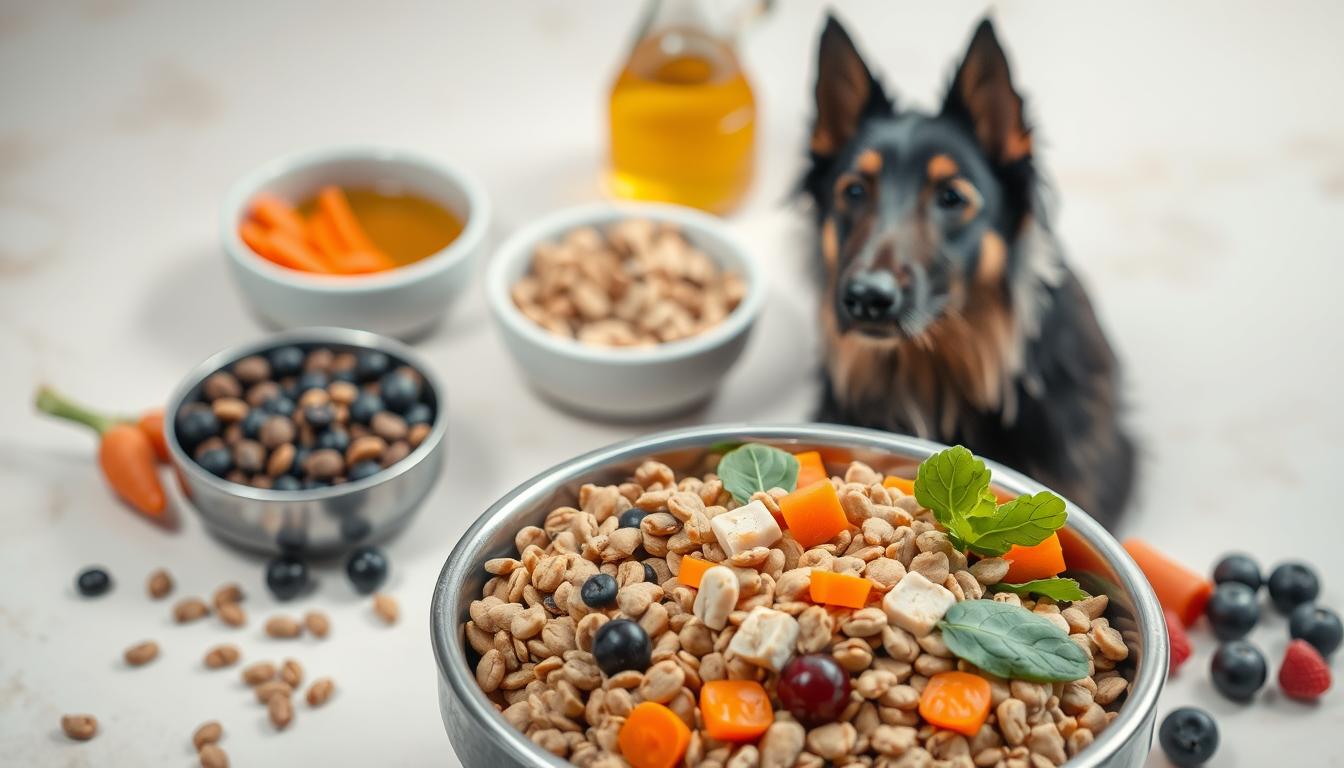
Feeding your dog the right amount of high-quality dog food is crucial for maintaining their overall health. Overfeeding can lead to obesity, while underfeeding may cause nutritional deficiencies. As a pet parent, choosing the right diet for your dog is a significant decision that impacts their longevity. With numerous options available in the pet food industry, it’s easy to feel overwhelmed. Understanding your dog’s specific nutritional needs based on factors like age, size, breed, and activity level is essential. This comprehensive guide will help you navigate through different types of dog food, decode ingredient labels, and determine the right feeding schedule for your canine companion. Key Takeaways Understanding Your Dog’s Nutritional Needs The nutritional requirements of dogs vary significantly based on their age, size, and activity level. Just like humans, dogs are omnivores, requiring a balanced diet that includes protein, fat, and carbohydrates. It’s a common misconception that dogs need only meat; they require a variety of nutrients for optimal health. Dogs as Omnivores: Protein, Fat, and Carbohydrate Requirements Dogs, unlike cats who are obligate carnivores, are true omnivores. Their digestive systems are designed to process both animal proteins and plant-based foods. Protein is crucial for muscle development and maintenance, with adult dogs requiring a minimum of 18% protein in their diet. Puppies need even higher amounts to support their growth. How Age, Size, and Activity Level Affect Dietary Needs A dog’s nutritional requirements change throughout their life stages. Puppies need more calories and protein for growth, while senior dogs require fewer calories but specific nutrients to support aging joints and organs. For instance, large and giant breeds have different nutritional needs than small breeds, particularly during growth phases when proper calcium and phosphorus ratios are critical. Life Stage Nutritional Needs Puppy Higher protein, more calories for growth Adult Balanced diet for maintenance Senior Fewer calories, specific nutrients for aging As emphasized by experts, understanding your dog’s individual metabolism, activity level, and health status is essential for tailoring their diet to prevent both nutritional deficiencies and obesity. “The key to a healthy dog is a well-balanced diet that meets their nutritional needs at every stage of life.” What Is the Best Food to Feed My Dog: Types Explained Choosing the right food for your dog can be a daunting task, given the numerous options available in the market. The decision largely depends on your dog’s nutritional needs, age, size, and activity level. Understanding the different types of dog food is crucial in making an informed decision. Dry Kibble: Benefits and Considerations Dry kibble remains the most popular dog food option due to its convenience, affordability, and longer shelf life. It promotes dental health by mechanically scraping teeth during chewing. Most commercial dry dog foods are formulated to be nutritionally complete, containing all essential nutrients your dog needs. However, the quality can vary significantly between budget and premium brands. Wet Food: When It’s the Right Choice Wet food typically contains 70-80% moisture, making it an excellent option for dogs that don’t drink enough water or those with certain health conditions like kidney disease or urinary tract issues. The higher moisture content and stronger aroma of wet food often make it more palatable for picky eaters, seniors with a diminished sense of smell, or dogs with dental problems. Raw Diets: Pros, Cons, and Safety Concerns Raw diets have gained popularity based on the premise that they more closely resemble what dogs would eat in the wild. Proponents claim benefits like improved digestion, healthier skin and coat, and cleaner teeth. However, raw feeding comes with significant safety concerns, including potential bacterial contamination with pathogens like Salmonella and E. coli. Properly balanced raw diets require careful planning to ensure nutritional completeness. In conclusion, the best food for your dog depends on their individual needs and circumstances. Whether you choose dry kibble, wet food, or a raw diet, it’s essential to consult with your veterinarian to determine the most suitable option for your furry friend. Decoding Dog Food Labels and Ingredients The key to selecting the perfect dog food lies in understanding the labels and ingredients. With so many options available, it can be overwhelming to decide what’s best for your pet. One easy way to check if your pet’s food is safe and healthy is to look for certification from The Association of American Feed Control Officials (AAFCO). Understanding AAFCO Statements and Certifications AAFCO certification is a crucial indicator of a dog food’s nutritional adequacy. If the food is considered a complete diet by AAFCO, it will have one of two statements under the ingredients list: “This product is formulated to meet the nutritional levels established by the AAFCO Dog Food Nutrient Profiles” or “Animal feeding tests using AAFCO procedures substantiate that this product provides complete and balanced nutrition.” Look for these statements to ensure your dog food is nutritionally balanced. Key Ingredients to Look For (and Avoid) When examining dog food labels, the ingredient list is ordered by weight, with the first few ingredients making up the majority of the food. Ideally, quality proteins should appear at the top of the list. Look for specific named meat sources like ‘chicken’ or ‘beef’ rather than generic terms like ‘meat meal’ or ‘animal by-products.’ Be wary of foods with excessive fillers, artificial preservatives, colors, and sweeteners that add little nutritional value and may cause health issues in some dogs. Grain-Free Foods: What You Need to Know The FDA has identified a potential link between grain-free diets and dilated cardiomyopathy (DCM) in dogs, particularly those containing high levels of legumes, potatoes, and novel proteins. While grain-free diets are not inherently bad, it’s essential to consult with your veterinarian, especially if your dog has been eating a grain-free diet for an extended period. “Current veterinary consensus suggests that most dogs can digest grains properly, and there’s rarely a medical reason to choose grain-free options unless your dog has a confirmed grain allergy.” By understanding dog food labels and ingredients, you can make informed decisions about your … Read more

Best Dog Food for Norwegian Elkhounds

Best Dog Food for Norwegian Elkhounds

The Norwegian Elkhound, one of the oldest European breeds, is known for its loyalty and energetic nature. As a cherished family companion and working dog, maintaining their health is a top priority for owners. A balanced diet is crucial for this active breed to maintain their energy levels and overall health. To ensure your Norwegian Elkhound leads a healthy life, understanding their nutritional needs is essential. This breed, with its rich history and heritage as hunting dogs, requires a diet that meets their unique physiological needs. Key Takeaways Best Dog Food for Norwegian Elkhounds Originating in Norway, the Norwegian Elkhound has a long history that contributes to its distinct breed characteristics and nutritional needs. This breed is known for being very alert, loyal, and friendly, making them excellent companions and watchdogs. Breed History and Characteristics The Norwegian Elkhound has a rich heritage as an active working dog in harsh climates. Their independent nature can make training challenging, but they are deeply loyal to their family, whom they consider part of their “pack.” Their high energy levels require a diet rich in quality to support their active lifestyle. Some key characteristics of Norwegian Elkhounds include their loyalty, alertness, and friendly demeanor. They are sociable dogs that thrive on interaction with their family. Unique Nutritional Requirements Norse origins have endowed Norwegian Elkhounds with specific nutritional needs. Their diet should be centered around high-quality, lean protein to support their muscular build and high energy requirements. Additionally, fatty acids, particularly essential fatty acids, are crucial for maintaining their thick double coat and healthy skin. Nutritional Needs of Norwegian Elkhounds Understanding the nutritional needs of Norwegian Elkhounds is crucial for maintaining their overall health and vitality. A balanced diet tailored to their specific requirements is essential for supporting their active lifestyle and ensuring they lead a long, healthy life. Protein Requirements Norse Elkhounds require a diet rich in high-quality protein to maintain their muscle mass and overall health. Sources such as wild game, including moose, elk, deer, and wild boar, are excellent options. Other protein sources like geese, duck, and rabbit are also beneficial. The protein should be easily digestible and provide all essential amino acids necessary for the dog’s overall well-being. Fat and Essential Fatty Acids Fat is a crucial component of a Norwegian Elkhound’s diet, providing energy and supporting skin and coat health. Essential fatty acids, particularly omega-3 and omega-6, play a significant role in maintaining their coat’s condition and overall health. Including sources of these fatty acids in their diet is vital. Vitamins and Minerals Norse Elkhounds require a complete spectrum of vitamins and minerals to support their active lifestyle. Key nutrients include calcium and phosphorus for strong bones and teeth, antioxidant vitamins like E and C to support the immune system, and vitamins A, E, and lutein for eye health. Trace minerals such as zinc, selenium, and manganese are also crucial. It’s beneficial to include natural sources of these nutrients in their diet, such as limited amounts of berries and root vegetables, which provide essential vitamins, minerals, and phytonutrients. When selecting dog food, look for ingredients that provide these necessary nutrients. Natural sources are often more bioavailable than synthetic supplements, making them a preferable choice for maintaining the health of your Norwegian Elkhound. Health Considerations That Affect Diet When it comes to Norwegian Elkhounds, their diet plays a crucial role in maintaining their overall health, particularly in areas such as joint health, skin condition, dental hygiene, and weight management. A well-balanced diet tailored to their specific needs can significantly enhance their quality of life. Joint and Bone Health Norwegian Elkhounds are an active breed, and their diet should support their joint and bone health. Ingredients such as glucosamine and chondroitin are beneficial for maintaining healthy joints. Ensuring the right balance of calcium and phosphorus is also crucial for bone health. A diet rich in omega-3 fatty acids can help reduce inflammation, supporting overall joint health. Skin and Coat Maintenance The Norwegian Elkhound’s thick coat requires a diet that supports skin and coat health. Foods rich in omega-3 and omega-6 fatty acids are essential for maintaining a healthy, shiny coat. Vitamins E and A also play a significant role in skin health, helping to prevent conditions such as dry skin and allergies. Dental Health Dental health is a critical aspect of overall health for Norwegian Elkhounds. A diet that includes dental chews or kibble designed to reduce tartar can help prevent dental issues. Regular dental care, including brushing, is also important. Some dog foods are specifically formulated to support dental health by reducing plaque and tartar buildup. Weight Management Weight management is crucial for Norwegian Elkhounds, as obesity can lead to numerous health problems, including exacerbating joint issues. A properly portioned diet with appropriate calorie content is essential. Look for dog foods labeled as “Low calorie” or “Low fat,” and consider options with L-carnitine to support fat metabolism. Ensuring your Elkhound gets proper exercise is also vital. Regular weight monitoring and adjustments to their diet as needed will help maintain an ideal body condition. It’s also important to make sure treats do not exceed 10% of their daily caloric intake. Best Dog Food for Norwegian Elkhound Puppies Providing your Norwegian Elkhound puppy with the best start in life begins with choosing the right dog food. Nutritional Requirements for Growing Puppies Nutritional needs for Norwegian Elkhound puppies are high due to their rapid growth rate. They require a diet rich in protein, moderate in fat, and balanced in essential vitamins and minerals. At four weeks old, puppies can start being introduced to raw hamburger. By six to seven weeks, they can be weaned off their mother’s milk and start having a variety of meats. Top Commercial Puppy Foods When choosing commercial puppy food, make sure it is formulated for large breed puppies to support their growth and development. Some top brands provide balanced nutrition tailored to the needs of growing puppies. The Elkhound puppy should be fed a nutrient-dense diet that supports … Read more

The Best Food for Cory Cats

Best Food for Cory Cats

Cory catfish, or Corydoras catfish, are a staple in many community aquariums due to their peaceful nature and role as a clean-up crew. With over 160 species, they are not primarily algae eaters, so they require specific food to meet their nutritional needs. To keep your cory catfish healthy, it’s essential to understand their dietary requirements. As bottom-dwelling fish, they need a diet that caters to their unique needs. This guide will explore the various food options, from commercial to live, and provide guidance on feeding schedules and portion control. Key Takeaways Understanding Cory Catfish: Feeding Behavior and Needs To keep your cory catfish healthy, it’s essential to understand their feeding behavior and nutritional needs. Corydoras catfish are popular aquarium fish known for their peaceful nature and scavenging abilities. What Are Cory Catfish? Cory catfish, or corydoras, are small, armored catfish native to South America. They are not primarily algae eaters, contrary to a common misconception. Instead, they are omnivores that feed on a variety of food sources in their natural habitat. Natural Feeding Behavior In the wild, cory catfish forage for food on the riverbed, consuming insect larvae, small crustaceans, and detritus. This natural feeding behavior indicates that they require a diet rich in protein and diverse in nutrients. Why Proper Feeding Matters Proper feeding is crucial for the health of corydoras catfish. Even though they are excellent scavengers, relying solely on scavenging without special feeding consideration can lead to malnutrition. A balanced diet ensures they receive the necessary nutrients to thrive. Well-fed corydoras can live 5+ years in captivity, while poorly fed specimens often suffer from health issues. To make sure your cory catfish receive adequate nutrition, it’s vital to supplement their diet with appropriate foods. A varied diet that includes high-quality commercial foods, as well as live or frozen foods, will help maintain their health and vibrant colors. Nutritional Requirements for Cory Cats Providing the right nutrients for Cory Cats is key to ensuring their overall health and longevity. Corydoras Catfish are adept at scavenging, but their diet cannot consist merely of leftovers. Hobbyists need to ensure they are getting their nutritional requirements met with supplements intended specifically for them. Essential Nutrients for Corydoras Cory Catfish require a diet rich in high-quality protein sources and plant-based foods. A balanced diet for Cory catfish should include approximately 70% protein sources and 30% plant-based foods to mirror their natural omnivorous tendencies. Variety is key to providing complete nutrition, with a rotation of different food types throughout the week. Supplementing commercial foods with occasional live or frozen treats ensures Corydoras receive all necessary micronutrients and keeps feeding time stimulating. Dietary Balance for Optimal Health The feeding strategy for Cory Cats should account for tank dynamics, especially in community tanks where bottom feeders like Corys may be outcompeted by faster, more aggressive fish. Proper portion control and removing uneaten food helps maintain optimal water quality and conditions for Cory catfish health. A well-balanced diet, combined with careful feeding practices, is crucial for maintaining the health and well-being of Cory Cats. Ensuring they receive the necessary nutrients will help them thrive. Best Commercial Foods for Cory Cats Feeding Cory catfish the right commercial food ensures they receive the necessary nutrients for optimal health. Cory catfish are bottom dwellers and spend most of their time scavenging for food at the bottom of the aquarium. Sinking Pellets and Wafers Sinking pellets and wafers are excellent options for Cory catfish as they sink to the bottom, allowing these bottom feeders to access them easily. Look for pellets and wafers that are rich in protein and made from whole ingredients rather than by-products. Bottom Feeder Tablets Bottom feeder tablets are specifically designed for fish like Cory catfish that feed on the substrate. These tablets are nutrient-rich and help in maintaining the overall health of the fish. High-Quality Flake Foods While not specifically designed for bottom feeders, high-quality flake foods can be a valuable component of a Cory catfish diet when they reach the aquarium bottom. It’s essential to choose flake foods with a protein content of 40-45% from whole ingredients and minimal fillers and preservatives. Pre-soaking flakes briefly before adding them to the tank can ensure they sink quickly to the bottom, making them accessible to Corydoras catfish before other fish consume them. Live and Frozen Foods for Cory Catfish A diverse diet for Cory catfish includes a mix of live and frozen foods. These foods provide essential nutrients that may be lacking in commercial flake or pellet foods. Live and frozen foods can enhance the health and vitality of your Cory catfish, making them a great addition to your aquarium. Bloodworms and Blackworms Bloodworms and blackworms are highly nutritious live foods that Cory catfish love. Bloodworms are rich in protein and are often used as a treat or to condition fish for breeding. Blackworms, on the other hand, are small and easy to consume, making them suitable for Cory catfish of all sizes. Brine Shrimp and Daphnia Brine shrimp and daphnia are other popular live foods for Cory catfish. Brine shrimp are nutrient-rich and can be hatched from eggs in the aquarium. Daphnia, also known as water fleas, provide a natural source of fiber and other essential nutrients. Both are excellent for promoting healthy growth and color in your Corys. Homemade Food Options Homemade gel foods can be an excellent addition to a Cory catfish diet. Using ingredients like high-quality fish or shrimp, vegetables, and gelatin, you can create nutritionally complete meals without special equipment. Adding supplements like spirulina powder and vitamin drops ensures that your Cory catfish receive a balanced diet. These homemade foods can be frozen in ice cube trays for convenient feeding. Creating the Perfect Feeding Schedule A well-planned feeding schedule is the backbone of a healthy aquarium, especially for Cory catfish. Creating the perfect feeding schedule involves understanding how often to feed your Cory Cats and controlling the amount of food they receive. How Often to Feed Cory Cats Feeding … Read more

Printable Dog Food Coupons: Affordable Nutrition for Your Pup

Printable Dog Food Coupons

Providing your furry friend with quality nutrition doesn’t have to break the bank. With the availability of printable dog food coupons, pet owners can now save significantly on their pet care expenses. Several brands, such as Pedigree, Cesar, Beneful, and Hill’s Science Diet, offer attractive discounts through various coupons and promotions. For instance, you can get $5 off when you buy two select Pedigree or Cesar dog food with Target Circle. Similarly, there’s a $2 discount on Beneful Dry Dog Food bags of 14 lb or larger. Using these coupons can help you maintain your budget while ensuring your dog receives the nutritional products they need. By combining manufacturer and store coupons, you can maximize your savings on premium dog food brands. Key Takeaways Finding the Best Printable Dog Food Coupons Printable dog food coupons can be a game-changer for pet owners looking to save on quality nutrition for their dogs. Why Dog Food Coupons Matter for Pet Owners Dog food coupons can save pet owners hundreds of dollars annually while maintaining quality nutrition for their pets. With 67 active manufacturer coupons available today, pet owners can significantly reduce their expenses. Where to Look for Quality Coupons Online To find the best printable dog food coupons, pet owners can explore various sources. These include manufacturer websites, coupon aggregator websites, social media groups, and brand newsletters. Store loyalty programs and timing coupon searches around major holidays can also yield better savings opportunities. Some available deals include $13.00/1 Royal Canin Cat or Dog Probiotics 30 ct, $8.00/1 Royal Canin Dog or Puppy Soft Chew Supplements, and $2.00/1 Purina Busy Bone Dog Treats 7-36 oz. By leveraging these coupons, pet owners can provide their dogs with premium nutrition while staying within budget. Top Manufacturer Coupons for Premium Dog Food Manufacturer coupons for premium dog food can help pet owners save money without compromising on quality. Top dog food manufacturers offer various coupons that can be used to purchase premium products at a discounted price. Purina and Beneful Savings Opportunities Save $1.50 on three 10 oz tubs of Beneful Wet Dog Food, $2.00 on any 14 lb or larger bag of Beneful Dry Dog Food, or $2.00 on any 12 ct or larger package of Beneful Wet Dog Food. Purina ONE Dry Dog Food bags are available with a $5.00 discount. Royal Canin and Hill’s Science Diet Discounts Receive $5.00 off any Hill’s Science Diet or Bioactive dry dog food bag. Royal Canin’s breed-specific and veterinary diet food coupons provide substantial discounts on premium formulations. Wellness and CANIDAE Money-Saving Offers Save $3.00 off any Wellness Pet Food Product. CANIDAE offers $25.00 off two bags of dry dog food or $10.00 off one bag. Using manufacturer coupons can provide better value than generic store coupons when shopping for high-quality dog food brands. Combining manufacturer deals with store promotions maximizes savings on premium pet food products. Retail Store Coupons and Rebate Programs To save on dog food, consider using retail store coupons and rebate programs. These programs can help you reduce the cost of your pet’s nutrition. Target Circle Exclusive Dog Food Deals Target Circle offers exclusive deals on major dog food brands. For example, you can get a $5 Target GiftCard when you buy 2 select Pedigree or Cesar dog food. Fetch Rewards and Ibotta Rebate Opportunities Fetch Rewards and Ibotta provide substantial rebates on high-end pet food purchases. You can earn $13.00/1 Royal Canin Cat or Dog Probiotics 30 ct with Fetch Rewards. Mobile App Coupons for Maximum Savings Mobile app coupons often provide deeper discounts than printable versions. You can find offers like B1G1 40% off Dreambone Dog Treats on the Target App. Maximizing Your Savings on Quality Dog Nutrition Unlocking the full potential of dog food coupons requires a combination of planning, strategic shopping, and knowledge of available deals. By combining manufacturer coupons with store deals and rebate programs, you can potentially save up to 40% on premium dog food. Strategic shopping techniques include creating a coupon calendar to track high-value pet food coupons and buying in bulk to maximize savings. You can also stack coupons with store sales cycles to get the best deals on dog food products. Additionally, leveraging price-matching policies and joining pet food subscription services can provide further savings and convenience. By understanding how to evaluate the true value of coupons, you can ensure you’re getting the best deal on quality pet nutrition. FAQ How can I save money on premium dog food brands like Purina and Royal Canin? You can save money on premium pet food brands by using manufacturer coupons, shopping during sales, and participating in rewards programs like Target Circle or Fetch Rewards. Are there any deals available for CANIDAE and Wellness dog food? Yes, you can find discounts and rebates on CANIDAE and Wellness dog food by checking their official websites, signing up for their newsletters, or using mobile app coupons. Can I combine coupons with other savings opportunities? It depends on the store’s policy. Some retailers allow combining coupons with rewards programs or sales, while others may not. Always check with the store before making a purchase. How do I stay updated on the latest pet food deals and coupons? You can stay updated by following your favorite pet food brands on social media, signing up for their newsletters, or using coupon aggregator websites and apps. Are there any rebate programs available for dog food purchases? Yes, rebate programs like Ibotta and Fetch Rewards offer cash back on certain dog food purchases. Simply purchase the eligible product, upload your receipt, and earn rewards. Also Read:

Lab Dog Growth Chart: Monitor Your Pup’s Progress

Lab Dog Growth Chart

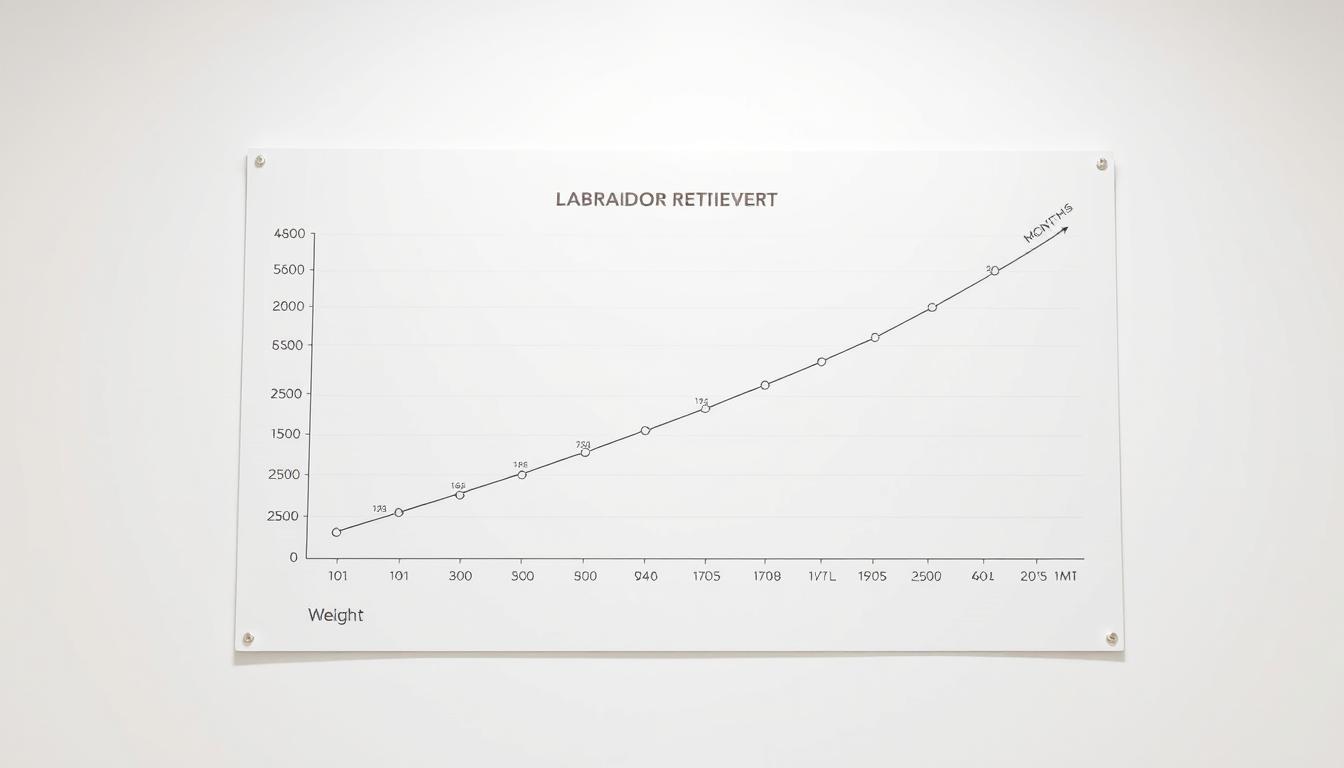
Watching your Labrador Retriever puppy grow into a majestic adult dog is one of the joys of pet ownership. Understanding their growth patterns and providing proper care is crucial. By using a lab dog growth chart, you can track your puppy’s progress and ensure they develop into a healthy companion. This comprehensive guide will help you monitor your Labrador puppy’s weight and height expectations at different stages of growth. Monitoring your puppy’s progress against standard growth charts can help identify potential health concerns early. Every Labrador Retriever is unique, and while growth charts provide helpful guidelines, your puppy may develop at a slightly different pace. Key Takeaways Understanding Labrador Retriever Growth Patterns Monitoring the growth of your Labrador Retriever is vital for ensuring their health and well-being. Every dog is unique, and understanding their growth patterns helps you identify potential issues early. Why Monitoring Growth is Important Monitoring your Labrador Retriever’s growth is essential for detecting potential health issues early and ensuring proper development throughout their life stages. Regular growth tracking helps you adjust nutrition and exercise as your puppy develops. Factors Affecting Labrador Growth Genetics play a significant role in determining your Lab’s ultimate size and growth rate. Puppies from larger parents tend to grow bigger than those from smaller parents. Environmental factors, including nutrition, exercise, and overall care, also significantly impact how your Labrador develops physically. By understanding these factors and monitoring your Labrador Retriever’s growth, you can ensure they lead a healthy, active life. Lab Dog Growth Chart: Weight and Height Expectations Monitoring a Labrador Retriever’s growth helps identify potential health issues early on. Labrador Retrievers, like all breeds, have specific growth patterns that owners should be aware of to ensure their pets are developing healthily. Male Labrador Growth Chart Male Labrador Retrievers typically grow larger than females. Their growth can be tracked through weight and height measurements at different ages. Weight Progression by Age Male Labradors experience significant weight gain during the first year. At birth, they weigh between 0.5-1.5 lbs (0.2-0.7 kg), growing to 12-20 lbs (5.4-9.1 kg) by 2 months, and reaching 65-90 lbs (29.5-40.8 kg) by 12 months. Height Development Timeline The height of male Labradors also increases rapidly. They measure 2-4 inches (5-10 cm) at birth, 7-10 inches (18-25 cm) at 2 months, and reach 20-24 inches (50.8-61 cm) by 12 months. Female Labrador Growth Chart Female Labrador Retrievers generally grow smaller than males but follow a similar growth pattern. Weight Progression by Age Female Labradors weigh between 0.5-1.5 lbs (0.2-0.7 kg) at birth, 10-18 lbs (4.5-8.2 kg) at 2 months, and 55-70 lbs (24.9-31.8 kg) by 12 months. Height Development Timeline The height of female Labradors ranges from 2-4 inches (5-10 cm) at birth, 6-9 inches (15.2-22.9 cm) at 2 months, and 18-21 inches (45.7-53.3 cm) by 12 months. Age Male Weight (lbs) Male Height (inches) Female Weight (lbs) Female Height (inches) 0 months 0.5-1.5 2-4 0.5-1.5 2-4 2 months 12-20 7-10 10-18 6-9 6 months 35-60 14-18 30-45 12-15 12 months 65-90 20-24 55-70 18-21 Growth Milestones: What to Expect at Each Stage As your Labrador Retriever puppy grows, it’s essential to understand the different stages of development they go through. This knowledge will help you provide the right care and training at each stage. Newborn to 8 Weeks During the first eight weeks, Lab puppies experience rapid initial growth. They open their eyes around two weeks and start exploring their environment by 3-4 weeks. This period is crucial for their social and behavioral development. 2-4 Months: Rapid Growth Phase Between 2-4 months, Lab puppies gain approximately 2-4 pounds per week. This is an ideal time for early obedience training and socialization, laying the foundation for their future behavior. 4-6 Months: Adolescent Stage During the adolescent stage, puppies continue to grow and develop their coordination. They also start teething, which can affect their eating habits and training responsiveness. 6-12 Months: Filling Out From 6-12 months, Labrador Retrievers focus on “filling out” rather than growing taller. They develop more muscle mass and a deeper chest, and their energy levels remain high. 1-2 Years: Reaching Full Size Between 1-2 years, Labs reach their full adult size and complete their physical development. However, mental maturity may take longer to achieve, requiring continued training and socialization. Physical Development Beyond Size As Labrador Retrievers grow, their physical development extends far beyond just their size. While reaching their full height is a significant milestone, other aspects of their physical development continue to evolve. Coat Development A Labrador Retriever’s coat development is a gradual process. By the age of six months, a Lab’s coat will be close to its full length, though it might become denser as they mature. The adult coat typically develops fully between 6-12 months of age, progressing from soft puppy fur to a water-resistant double coat. Muscle and Bone Structure Muscle development in Labrador Retrievers continues well after they reach their full height. The chest and shoulders fill out significantly during the second year of life. Bone structure finalizes later than height growth, with growth plates typically closing completely between 12-18 months. When Do Labs Stop Growing? Labs generally stop growing in height around 12-15 months of age. However, they continue to develop muscle mass and fill out their body frame until 2-3 years old. This ongoing development is crucial for achieving a balanced, athletic build. Other aspects of physical development include the evolution of the characteristic Labrador head shape, ear size proportion, and the development of the distinctive “otter tail.” Physical maturity also includes the development of secondary sex characteristics, with males developing broader heads and more muscular builds than females. Nutrition for Optimal Labrador Growth Nutrition is a key factor in ensuring that your Labrador puppy grows into a healthy, well-formed adult dog. A diet that is rich in the necessary nutrients will support their development. Puppy Nutritional Requirements Labrador Retriever puppies need a diet specifically formulated for large-breed puppies. The food should contain 22-24% protein from high-quality sources like … Read more

Dog Collar Size Guide: Measure Your Pup for the Best Fit

Dog Collar Size

Ensuring your dog wears a properly fitted collar is crucial for their safety and comfort. A collar that is too loose can slip off, potentially leading to your pet getting lost. On the other hand, a collar that is too tight can cause discomfort and even injury. Measuring your dog‘s neck correctly is the first step in finding the perfect size. This comprehensive guide will walk you through the process, ensuring you understand how to achieve the ideal fit for your pet. By understanding the importance of proper collar sizing and how to measure your dog accurately, you can ensure their identification and safety needs are met. Key Takeaways Why Proper Collar Sizing Matters Proper collar sizing is vital to prevent potential health risks and ensure your dog’s comfort. A collar that is too loose or too tight can lead to various issues, ranging from safety concerns to discomfort during daily activities. A properly sized dog collar is essential for your pet’s well-being. It prevents the collar from slipping off during walks or play, potentially leading to a lost pet situation. On the other hand, a collar that is too tight can cause serious health issues, including restricted breathing and skin irritation. Safety Concerns of Ill-Fitting Collars Ill-fitting collars can pose significant safety risks to your dog. For instance, a collar that is too loose can easily come off, leaving your dog without identification tags. Conversely, a collar that is too tight can cause tracheal damage in smaller breeds or lead to fur loss and skin irritation. Comfort and Mobility Considerations The right collar size contributes significantly to your dog’s overall comfort, allowing natural movement without restriction during daily activities. Dogs wearing appropriately sized collars are less likely to develop negative associations with their collar or leash training. How to Measure Your Dog for the Perfect Collar Fit To ensure your dog wears a comfortable collar, it’s essential to measure their neck size accurately. Measuring your dog’s neck is a simple process that can be done at home with a few basic tools. Using a Tape Measure Method The most straightforward method to measure your dog’s neck is by using a soft, flexible tape measure. Wrap the tape measure around your dog’s neck where the collar will sit, ensuring it’s snug but not too tight. You should be able to fit two fingers between the tape measure and your dog’s neck. The String Method Alternative If you don’t have a tape measure, you can use a piece of string or a cloth tape. Wrap it around your dog’s neck, mark where it overlaps, and then measure the length with a ruler. This method provides a good alternative when a tape measure isn’t available. The Two-Finger Rule for Proper Fit A key rule of thumb for ensuring a proper fit is the two-finger rule. After measuring, you should be able to comfortably slip two fingers between your dog’s neck and the collar. This ensures the collar is not too tight or too loose. Measuring an Existing Collar If your dog already has a well-fitting collar, you can measure its length when laid flat from the buckle to the hole you typically use. This method is quick and easy, providing an accurate measurement for a new collar. As emphasized by dog trainers, “A well-fitting collar is crucial for your dog’s comfort and safety.” By following these simple measurement methods, you can ensure your dog’s collar is both comfortable and secure. Dog Collar Sizes Chart by Breed and Weight Understanding the right dog collar size is crucial for your pet’s comfort and safety, and our comprehensive chart helps you find the perfect fit based on breed and weight. The right collar size ensures your dog’s comfort and prevents potential health issues. Small Breeds: Neck Sizes and Recommendations Small breeds like Chihuahuas, Yorkshire Terriers, and Shih Tzus typically have neck sizes ranging from 8-14 inches, requiring extra small to small collar sizes. Chihuahua, Yorkshire Terrier, Shih Tzu, and Similar Breeds For these miniature breeds, it’s essential to choose a collar that is not only the right size but also comfortable. The collar width should be narrower for smaller dogs. Medium Breeds: Neck Sizes and Recommendations Medium-sized dogs, such as Beagles, Cocker Spaniels, and Bull Terriers, usually need collars sized between 12-18 inches. The neck measurements can vary based on the individual dog’s build. Beagle, Cocker Spaniel, Bull Terrier, and Similar Breeds These breeds require a collar size that accommodates their neck circumference comfortably. It’s crucial to measure the dog’s neck to ensure the right fit. Large Breeds: Neck Sizes and Recommendations Large breeds, including Labrador Retrievers, German Shepherds, and Boxers, generally need collars sized between 18-26 inches to accommodate their substantial neck circumference. Labrador, German Shepherd, Boxer, and Similar Breeds For large breeds, the collar size is critical to ensure comfort and safety. The chart provides a guide to help you choose the right size. Sizing by Weight: A General Guide While breed-specific measurements are helpful, a dog’s weight often provides a more reliable indicator of collar size. Dogs up to 10 lbs typically need XS collars, 11-25 lbs need S collars, 26-55 lbs need M collars, and 56-80 lbs need L collars. Conclusion: Finding the Best Collar Size for Your Dog A well-fitted dog collar is more than just a fashion statement; it’s a matter of your pet’s well-being. To achieve this, it’s crucial to consider multiple factors, including your dog’s neck measurement, breed characteristics, weight, and activity level. When measuring your dog’s neck, remember to add the appropriate amount of inches to the raw measurement to allow for a proper fit. The right collar size varies not just by breed standards but by individual dogs. For instance, brachycephalic breeds like Pugs may require special considerations, such as harnesses instead of traditional neck collars. The best collar size is one that balances security with comfort. Too tight can cause health issues, while too loose defeats the purpose of having a collar. By … Read more