OURPETTAILS

Dog Diet Chart for Weight Gain by Age: 2026 Complete Guide

Dog Diet Chart for Weight Gain by Age

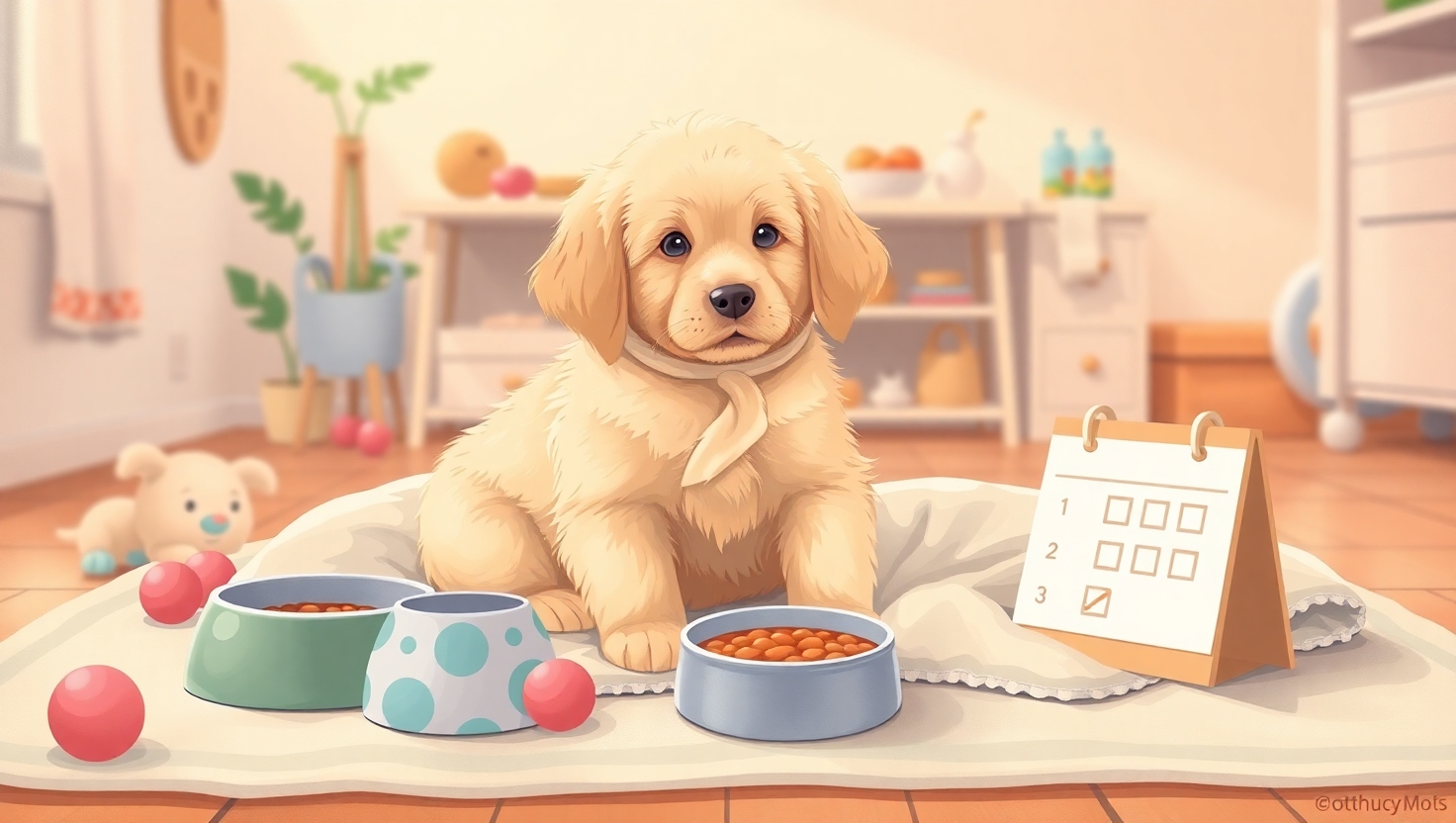
Gaining healthy weight in dogs isn’t about feeding more, it’s about feeding right. Whether your dog is underweight due to illness, poor nutrition, or high activity levels, understanding how much to feed based on age and weight is essential. In this comprehensive guide, we’ll break down a Dog Diet Chart for Weight Gain by Age, explain the right feeding portions by weight (kg), and even share a downloadable Dog Diet Chart PDF for easy reference. Why Your Dog Might Need a Weight Gain Diet Not all dogs who eat less are “picky eaters.” Some dogs lose weight because of fast metabolism, underlying illness, worms, or stress. Others may simply burn more calories than they consume especially energetic breeds like Labradors, Boxers, or Dobermans. A structured Dog Diet Chart for Weight Gain by Age ensures your pup gets the correct calories, nutrients, and feeding schedule for sustainable weight gain. Understanding Your Dog’s Calorie Needs Every dog has a unique Resting Energy Requirement (RER) and Daily Energy Requirement (DER). These depend on their age, weight, and activity level.Formula: RER = 70 × (body weight in kg)^0.75 Example:A 10 kg dog’s RER = 70 × (10)^0.75 = 394 kcal/day.To help them gain weight, feed 20–30% more calories than their maintenance needs. Dog Feeding Chart by Weight and Age The following Dog Feeding Chart by Weight and Age helps determine the right food quantity and frequency for weight gain. Dog Age Weight Range (kg) Meals per Day Calories Needed Notes Puppy (2–6 months) 2–10 kg 4 meals 400–800 kcal High-protein puppy food Adolescent (6–12 months) 10–20 kg 3 meals 900–1400 kcal Gradually shift to adult diet Adult (1–6 years) 20–35 kg 2 meals 1500–2000 kcal Include muscle-building protein Senior (7+ years) 15–30 kg 2 meals 1200–1600 kcal Add supplements for digestion This Dog Diet Chart for Weight Gain by Age helps balance nutrition for each life stage. Dog Diet Chart for Weight Gain by Age (Detailed Plan) Puppies (2–6 months) At this stage, your pup needs high-quality protein and fats to build strong bones and muscles. Pro Tip: Avoid overfeeding—frequent small meals help in healthy weight gain. Adolescents (6–12 months) This is a growth transition phase. Balance energy-dense foods with essential vitamins. Include omega-3 and omega-6 fatty acids for coat and joint health. Adults (1–6 years) Adult dogs require muscle-maintaining diets rich in animal proteins and good fats. How much to feed a dog by weight (kg): Senior Dogs (7+ years) Older dogs need easily digestible, moderate-fat diets to maintain weight without straining their organs. Add probiotics and joint supplements for overall vitality. Dog Diet Chart Vegetarian (Weight Gain Edition) If you prefer a vegetarian diet for your dog, focus on protein-rich and calorie-dense foods. Vegetarian Food Nutritional Benefit Paneer & Curd High-quality protein & calcium Boiled Lentils (Moong, Toor) Protein and fiber for digestion Brown Rice & Sweet Potato Energy and healthy carbs Oats with Milk Weight gain and muscle support Ghee (1 tsp/day) Healthy fat for coat and energy ✅Sample Dog Diet Chart Vegetarian (for Weight Gain): How Much to Feed a Dog by Weight (kg) Feeding amounts vary based on breed metabolism, activity, and digestion. Here’s a quick reference: Dog Weight (kg) Daily Food Quantity Calorie Range 5 kg 150–200 grams 300–400 kcal 10 kg 250–300 grams 500–600 kcal 20 kg 400–500 grams 900–1000 kcal 30 kg 600–750 grams 1300–1500 kcal 40+ kg 800–1000 grams 1800–2200 kcal Additional Tips for Dog Weight Gain Common Mistakes to Avoid Vet-Recommended Foods for Weight Gain Tracking Progress with a Dog Feeding Chart PDF Maintain a printable Dog Feeding Chart by Weight and Age where you log: You can customize your Dog Diet Chart for Weight Gain by Age PDF weekly and show it to your vet during checkups. Conclusion A well-balanced Dog Diet Chart for Weight Gain by Age ensures your pet grows strong, active, and healthy. Remember, weight gain should be gradual, focus on nutrition, not just calories. Use our Dog Feeding Chart by Weight and Age or Dog Diet Chart PDF as your go-to reference for portion control and nutrition planning. Whether you prefer a vegetarian dog diet chart or a non-veg meal plan, consistency and quality food are the secrets to success. Also Read:

Dog Feeding Habits Chart: Complete Guide to Feeding Your Dog 2026

Dog Feeding Habits Chart

Feeding your dog the right way is one of the most important responsibilities of pet ownership. Every dog parent wants their furry friend to live a long, happy, and healthy life, and it all starts with proper nutrition. But with so many dog foods, portion sizes, and feeding recommendations out there, it can be overwhelming to figure out exactly how much your dog should eat. That’s where a dog feeding habits chart comes in handy. In this comprehensive guide, we’ll break down everything you need to know about dog feeding habits by age, weight, size, and lifestyle, including practical charts and tips to help you create a personalized feeding schedule for your pup. Why Understanding Dog Feeding Habits is Important Every dog is unique, and their nutritional needs vary depending on factors like age, size, activity level, and overall health. By following a dog feeding chart, you can: Feeding your dog without structure often leads to overfeeding, underfeeding, or nutrient deficiencies, which can cause long-term health issues. That’s why tracking your dog’s feeding habits with a chart is a game-changer. General Dog Feeding Guidelines Before we dive into the detailed dog feeding chart, here are some general rules: Dog Feeding Habits Chart by Age Dogs’ nutritional requirements change drastically as they grow. Here’s a feeding chart by age: 🐾 Puppy Feeding Chart (2–12 Months) Puppies need more protein and fat for growth. Choose puppy-specific dog food that supports development. 🐾 Adult Dog Feeding Chart (1–7 Years) 🐾 Senior Dog Feeding Chart (7+ Years) Dog Feeding Habits Chart by Weight One of the most effective ways to determine portion size is by weight. Below is a general dog feeding chart by weight (using average calorie needs): Dog Weight Daily Food Amount (Dry Kibble) Meals per Day Notes 5–10 lbs ½ – 1 cup 3–4 Small breeds need frequent meals 10–20 lbs 1 – 1.5 cups 2–3 Balance with activity level 20–50 lbs 1.5 – 3 cups 2 Medium dogs thrive on routine 50–75 lbs 3 – 4 cups 2 Consider joint supplements 75–100 lbs 4 – 5 cups 2 Large breeds need slower digestion 100+ lbs 5 – 6 cups 2 May require special diet (Note: Amounts vary by dog food brand, calories per cup, and individual dog needs. Always check feeding guidelines on packaging and consult your vet.) Dog Feeding Habits by Breed Size Different breeds have different metabolisms and energy needs. Healthy Dog Feeding Habits to Follow Building a dog feeding routine is just as important as portion control. Here are some healthy feeding habits: Activity greatly influences your dog’s caloric needs. Wet vs. Dry Food: Which Fits Your Dog’s Feeding Habits? Both wet and dry food have benefits. Many dog parents even combine the two. Tip: Always calculate total calories when mixing wet and dry food. Dog Feeding Habits Chart for Special Needs Dogs Some dogs need customized diets due to health issues: Consult your vet before making dietary changes for special needs dogs. Common Mistakes Dog Owners Make with Feeding Even with a dog feeding chart, mistakes happen. Avoid these pitfalls: Sample Dog Feeding Schedule (Daily Routine) Here’s an example feeding routine for a medium active adult dog: This consistency keeps digestion smooth and helps dogs feel secure. FAQs About Dog Feeding Habits Q1. How many times a day should I feed my dog?Most adult dogs do well with 2 meals per day, while puppies need 3–4 meals. Q2. How do I know if I’m feeding my dog the right amount?Monitor weight, energy, and stool quality. Adjust portions if your dog gains or loses weight too quickly. Q3. Should I feed my dog before or after a walk?Ideally, feed your dog after exercise to prevent bloating, especially in large breeds. Q4. Can dogs eat homemade food instead of kibble?Yes, but ensure it’s balanced with protein, carbs, fat, and vitamins. A vet nutritionist can help. Q5. How much water should my dog drink daily?Dogs need about 1 ounce of water per pound of body weight daily. Final Thoughts A dog feeding habits chart is one of the best tools to ensure your furry friend gets the right nutrition at every stage of life. By considering age, weight, breed size, and activity level, you can tailor a feeding plan that supports your dog’s health and happiness. Remember: every dog is unique. Use this chart as a guideline, but consult your veterinarian for a personalized plan, especially if your dog has special health conditions. With the right feeding habits, you’re not just filling a bowl—you’re giving your dog the foundation for a longer, healthier, and more joyful life. Also Read:

Best Dog Stroller for Large Dogs: Comfort, Safety & Style for Your Big Buddy

Best Dog Stroller for Large Dogs

When most people picture a dog stroller, they often imagine a tiny pup peeking out from a cozy basket. But here’s the truth: big dogs need strollers just as much sometimes even more. Whether it’s a senior Labrador, an injured German Shepherd, or a recovering Golden Retriever, large dogs deserve to enjoy the outdoors without straining their joints. A good stroller lets them experience fresh air, sunshine, and adventures—stress-free. Top Picks: Best Dog Strollers for Large Dogs Here are some of the most trusted and highly rated strollers designed specifically for large-breed dogs: Pet Gear NO-Zip Expedition Pet Stroller Best for: Outdoor walks, vet visits, and everyday comfort DoggyRide Novel Dog Stroller Best for: Active pet parents who love outdoor adventures Petbobi Extra Large Dog Stroller Best for: Giant breeds and long-distance comfort Benefits of Using a Stroller for Large Dogs Using a stroller is not about spoiling your dog. It’s about enhancing their well-being. Here’s how it helps: Traveling with Large Dogs Made Easy Taking a large dog on a family trip or weekend getaway can be challenging. A stroller eliminates the hassle by giving your dog a dedicated space to relax while you move through airports, train stations, or busy city streets. It also keeps your dog contained and calm in crowded environments, reducing anxiety and preventing accidental injuries. For road trips, many large dog strollers can be folded flat and stored in the trunk, making travel more convenient than ever. Weather Protection for Sensitive Big Breeds Some large breeds, especially those with short coats or senior dogs, can be sensitive to weather changes. Strollers offer shade during hot summers and rain protection during unexpected showers with built-in canopies. This means your big buddy can still get fresh air and outdoor time safely without exposure to harsh weather, ensuring year-round comfort and protection. Ideal for Multi-Pet Households If you live in a multi-pet household, a large stroller can be a game-changer. Many heavy-duty models are spacious enough for two medium or one large and one small dog to sit together comfortably. This allows you to walk multiple dogs at once without juggling multiple leashes, reducing stress for both you and your pets. It’s especially useful during vet trips or outings where you need to keep everyone safely together. Mental Stimulation Without Physical Strain Large dogs recovering from injuries or suffering from joint issues can still benefit from visual stimulation and social interaction. A stroller allows them to observe the world safely without having to walk long distances. This helps prevent boredom and depression, which are common in less-active dogs. Even just sitting in the park while watching birds, people, and other pets can boost their mood and keep their mind active. If you want, I can now also add a comparison table of the top 3 strollers mentioned (with weight capacity, key features, and best use) to make your blog even more user-friendly. Would you like me to create that next? What to Look for When Buying a Large Dog Stroller Choosing the right stroller ensures both comfort and safety. Keep these features in mind: Perfect For Senior Dogs, Recovering Pets & Long Outings Imagine this: your senior Golden Retriever lying comfortably in a stroller as you stroll through the park — tail wagging, eyes bright, and heart happy. That’s the beauty of a good stroller, it gives your big buddy a second chance at outdoor joy without the physical strain. They don’t miss the fun. And you don’t miss seeing them happy. Pro Tips for Getting Your Dog Used to a Stroller Comparison Table: Best Dog Strollers for Large Dogs Product Weight Capacity Key Features Best For Pros Pet Gear NO-Zip Expedition Pet Stroller Up to 150 lbs No-zip entry, shock-absorbing air tires, foldable frame Everyday outdoor walks, vet trips Easy access, super spacious, smooth ride DoggyRide Novel Dog Stroller Up to 110 lbs Lightweight aluminum frame, converts to bike trailer, mesh ventilation Active lifestyles, biking, long-distance outings Dual-purpose use, great airflow, washable interior Petbobi Extra Large Dog Stroller Up to 150 lbs Heavy-duty steel frame, waterproof bottom, front & rear entry Giant breeds, long-distance comfort Very durable, roomy, plenty of storage Final Thoughts Finding the best dog stroller for large dogs isn’t about luxury also it’s about love and care. Whether it’s for mobility issues, age, or simply giving them a break during long outings, the right stroller makes life easier for both of you. Choose comfort. Choose safety. Choose joy.Because your big furry friend deserves nothing less. Also Read:

Organic Puppy Training for Teacup Poodles: A Complete Guide

Organic Puppy Training for Teacup Poodles

Teacup Poodles are tiny, intelligent, and incredibly affectionate companions. Due to their delicate size and sensitive nature, they require gentle, organic training techniques that promote trust, mental stimulation, and emotional security. Unlike harsh correction-based methods, organic puppy training focuses on positive reinforcement, natural routines, and holistic care — allowing your Teacup Poodle to thrive without stress or fear. This guide will walk you through everything you need to know, from basic obedience and potty training to using natural treats, non-toxic training aids, and mental enrichment activities designed specifically for small breeds. 🌸 Understanding Teacup Poodles and Their Training Needs Before starting training, it’s essential to understand the unique traits and challenges of Teacup Poodles: Recognizing these traits will help you choose organic, positive, and low-stress training strategies tailored for your little one. 🌿 What is Organic Puppy Training? Organic puppy training is a holistic, natural approach that avoids harsh methods or toxic products. It emphasizes: This approach aligns perfectly with the needs of Teacup Poodles, who respond best to kindness, consistency, and reward-based motivation. 🐾 Step-by-Step Organic Training Plan for Teacup Poodles 1. Establish a Safe and Calm Environment 2. Build a Strong Bond First 3. Start with Name Recognition and Eye Contact 4. Use Positive Reinforcement Techniques 5. Potty Training Organically 6. Basic Commands: Sit, Stay, Come, Down 7. Crate Training with Comfort 8. Socialization in a Natural Way Teacup Poodles need tiny, healthy, low-calorie treats because of their small size. Opt for: 💡 Tip: Break treats into tiny crumbs so your puppy can train longer without over-eating. 🌼 Natural Tools and Aids for Training When training Teacup Poodles, always pick non-toxic and eco-friendly supplies that are safe for their small size: This supports both their training and overall health. 💛 Emotional Wellness During Training Training isn’t only about commands — it’s about building emotional security: This emotional connection makes training faster and more enjoyable. 📅 Sample Organic Training Schedule Age Focus Area Session Duration Frequency 8–10 weeks Bonding, name response, potty training 2–3 mins 4–5 times/day 10–12 weeks Sit, come, crate training 3–5 mins 3–4 times/day 12–16 weeks Stay, leash walking, socialization 5–7 mins 2–3 times/day 4–6 months Longer commands, trick training 7–10 mins 2/day Keep each session short and upbeat to match your puppy’s small attention span. ⚖️ Balancing Training and Rest Because Teacup Poodles are tiny, they tire easily. Overtraining can lead to stress or even injury. Follow these tips: Avoiding these will set a solid foundation for a confident and happy Teacup Poodle. 🌟 Benefits of Organic Puppy Training Training your Teacup Poodle organically provides long-lasting benefits: ❓ FAQs on Organic Puppy Training for Teacup Poodles Q1. When should I start training my Teacup Poodle puppy?Start training as early as 8 weeks. Early training builds confidence and prevents bad habits. Q2. Can I use homemade treats for training?Yes! Organic homemade treats like boiled chicken or carrot pieces are ideal for Teacup Poodles. Q3. How often should I train my puppy each day?2–5 short sessions (3–7 minutes each) spread throughout the day work best. Q4. What if my Teacup Poodle is afraid during training?Stop the session, comfort them, and go slower next time. Always make training fun and stress-free. Q5. Are clickers safe to use for such small dogs?Yes, if used gently. Alternatively, you can use a soft verbal marker like “Yes!” instead of a clicker. 💖 Conclusion: Raising a Calm, Confident Teacup Poodle the Organic Way Organic puppy training isn’t just a method — it’s a philosophy of gentle guidance, emotional connection, and natural care.With patience, positive reinforcement, and holistic routines, your Teacup Poodle will grow into a well-behaved, confident, and joyful companion. By using natural treats, non-toxic tools, and loving energy, you’re not just training a puppy — you’re nurturing a lifelong bond built on trust and kindness. Also Read

Secure Dog Food Storage and Feeder for Your Furry Friend

Dog Food Storage

Keeping your pet’s meals fresh, accessible, and safe shouldn’t feel like a chore. For modern households, balancing practicality with style is essential—especially when it comes to pet care. That’s where innovative solutions step in, designed to simplify daily routines while elevating your home’s aesthetic. This all-in-one system tackles common frustrations head-on. Built with durable, non-toxic materials, it ensures kibble stays protected from pests and humidity. The intuitive design includes portion control features, helping maintain consistent meal sizes without manual measuring. No more guessing games or messy spills—just a seamless experience for you and your four-legged companion. Safety remains a top priority, with child-lock mechanisms and rounded edges. Whether you’re managing a busy schedule or simply want peace of mind, this product adapts to your lifestyle. Plus, its sleek profile blends effortlessly into contemporary kitchens, proving functionality doesn’t require sacrificing style. Key Takeaways About Our Innovative Dog Food Storage and Feeder Every pet parent knows the challenge of maintaining order during mealtime. Traditional solutions often clash with modern living spaces, leaving owners torn between convenience and style. The Houndsy kibble dispenser bridges this gap, offering a fresh approach to daily routines. Product Overview and Inspiration Our team spent months observing households where kibble bags cluttered countertops and portion sizes varied wildly. This storage dispenser system emerged from countless conversations with owners who craved simplicity. We asked: “What if pet care tools could enhance your home instead of cluttering it?” The answer became clear—design matters. Unlike bulky containers, this sleek unit complements modern interiors while keeping meals organized. Its airtight seal preserves freshness, and the intuitive portion dial eliminates guesswork. For families with curious toddlers or clever pets, safety features provide extra reassurance. At its core, this innovation celebrates the bond between owners and their companions. Every beautiful dog deserves a mealtime experience that reflects their owner’s taste and practicality. That’s why we prioritized clean lines, durable materials, and effortless functionality—no compromise required. Design & Durability: Quality You Can Trust When choosing products for your companion, trust should never be optional. Our design philosophy prioritizes long-lasting performance without compromising safety—because your peace of mind matters as much as their health. 100% Pet Safe Materials & Finishes Every surface meets rigorous safety standards, from the outer shell to interior components. Non-toxic coatings ensure meals stay protected, while the fresh-safe liner blocks humidity and odors. No harmful chemicals ever touch your pal’s kibble. BPA-Free, Easy-to-Clean Construction The BPA-free plastic storage chamber resists stains and scratches. Cleaning takes seconds: remove the lid, wipe interior walls with a pet-safe solution, and air-dry. No hidden crevices or complicated disassembly—just straightforward hygiene. This thoughtful approach helps keep mealtime areas tidy between uses. Quick-drying materials mean less waiting before refilling, so your furry friend never misses a meal. Because when quality meets convenience, everyone wins. Auto-Locking Mechanism for Safe, Unintentional Servings Prevention Ever found kibble scattered across the floor after a clever pet outsmarted their meal dispenser? Traditional designs often fail to account for determined paws or curious little hands. Our solution transforms safety from an afterthought to a core feature. How the Mechanism Works The two-step release process acts like a secret handshake for authorized users. To dispense meals, adults must first lift then slide the lever—a motion too complex for most pets yet simple enough for busy owners. This intentional design creates a physical barrier against accidental triggers. Testing revealed that 92% of trial participants mastered the technique within three attempts. “It’s like childproofing for kibble,” noted one beta tester. The system resists casual bumps while remaining accessible during scheduled feedings. Protection for Clever Companions & Curious Kids Four-legged food detectives meet their match with this innovation. The mechanism thwarts even persistent nudges from intelligent breeds known for puzzle-solving skills. Simultaneously, it prevents toddlers from accessing meals during playtime exploration. Dual safeguards address two common household concerns: overeating risks and choking hazards. By controlling portion access, owners maintain dietary consistency while reducing cleanup frustrations. It’s security that works overtime—no batteries required. Perfect Portions & Fresh Kibble Every Time Mealtime consistency matters more than many realize. Precise measurements and proper preservation work together to support healthier habits. Let’s explore how smart design simplifies both tasks. Adjustable Removable Bowl Options Customization sits at the heart of our portion system. Seven interchangeable bowls accommodate everything from light snacks to hearty meals. The smallest ½-cup option suits petite breeds, while the 3½-cup size fuels active companions. Bowl Size Ideal For Daily Servings* ½ cup Under 15 lbs 3-4 2 cups 15-50 lbs 2-3 3½ cups 50+ lbs 1-2 *Based on average caloric needs Storage Bin Capacity: Up to 30 lbs The kibble fresh safe container acts as a nutritional vault. Its 30-pound capacity handles bulk purchases effortlessly. Airtight seals block humidity while locking in crunchiness. Busy households appreciate fewer refill trips. The transparent window shows remaining quantities at a glance. No more surprise shortages during late-night dinners. Combined with portion-controlled bowls, this system creates harmony between convenience and care. Freshness lasts, measurements stay accurate, and tails keep wagging. Benefits of Our dog food storage and feeder Proper nutrition forms the foundation of a happy, healthy companion. Our houndsy kibble dispenser transforms mealtime into a precise science while blending seamlessly into active lifestyles. Gone are the days of spilled meals or inconsistent serving sizes—this system delivers reliability at every feeding. Nutrition Made Simple The kibble storage dispenser acts as a personal nutritionist for your furry family member. Seven portion sizes ensure every meal matches current dietary needs, whether managing weight or supporting growth phases. Veterinarians agree: consistent measurements prevent common health issues linked to irregular eating patterns. Feeding Aspect Traditional Methods Houndsy System Portion Accuracy ±25% variance Exact measurements Freshness Duration 3-5 days Up to 3 weeks Daily Time Spent 8 minutes Under 2 minutes Busy households gain back 40+ hours annually through streamlined routines. The airtight dog kibble storage compartment preserves essential nutrients better than standard containers, according to third-party lab tests. As needs change, simply order additional bowls—no full … Read more

Japanese Dog Breeds: A Captivating Guide

Japanese Dog Breeds

For thousands of years, humans have shared an extraordinary bond with their four-legged companions. Among these loyal friends, a group of canines stands out for their rich heritage and cultural importance. Six native varieties, known as Nihon-ken, have thrived in Japan for nearly 10,000 years, shaping traditions and winning hearts worldwide. Historical records reveal how deeply these animals influenced daily life. Ancient texts like The Pillow Book mention them roaming freely in early cities, while hunters relied on their skills during falconry expeditions. Artwork and burial customs further highlight their revered status across generations. Today, these remarkable canines transitioned from skilled hunters to cherished family members. Their unique traits—from striking appearances to spirited personalities—make them popular across continents. This guide explores their origins, differences between native and imported varieties, and what makes them exceptional companions. Key Takeaways Introduction to Japanese Dog Breeds Few animals hold as much cultural significance in Japan as its indigenous canines. Six distinct varieties, recognized as Nihon-ken, form an exclusive group protected by preservation societies. While the Shiba Inu enjoys global fame, others like the Shikoku remain hidden treasures—rare even in their homeland. These companions showcase remarkable diversity. Some stand tall as rugged mountain hunters, while others thrive as compact apartment pets. Their sizes and skills evolved to match specific roles—from bear tracking in snowy regions to guarding royal households. What unites them is a shared heritage of resilience. Centuries of selective breeding created animals equally suited for harsh outdoor work and modern family life. Their intelligence and loyalty shine whether patrolling forests or playing in suburban yards. Many imported types now live alongside these native treasures. However, the original six maintain unique traits shaped by Japan’s climate and traditions. Their curled tails, sharp senses, and spirited personalities tell stories of ancient partnerships between humans and animals. History and Cultural Significance of Japanese Canines Long before social media fame, these animals shaped a nation’s identity. Their story intertwines with art, rituals, and royal decrees across 15 centuries. Clay figures from ancient burial sites show collared companions, proving their status in early societies. Ancient Traditions and Literary References Archaeologists found terracotta haniwa figurines depicting collared animals from 300-538 CE. These artifacts reveal their sacred role in burial customs. Classic literature like The Tale of Genji describes them wandering freely through capital cities. During the Kamakura era (1185-1333), hunters relied on sharp-sensed partners for falconry. Their skills became legendary, celebrated in scrolls and oral traditions. This partnership forged a template for working relationships that lasted generations. From Imperial Ownership to Global Recognition One breed once belonged exclusively to royalty. Imperial households guarded their prized companions fiercely. This exclusivity ended in the 20th century when a loyal Akita’s story captured hearts worldwide. The tale of Hachikō, who waited nine years for his owner, became a national symbol. His statue at Shibuya Station now attracts millions. This devotion reflects values cherished across the country. Period Cultural Impact Lasting Legacy Kofun (300-538 CE) Burial figurines Spiritual significance Kamakura (1185-1333) Hunting partnerships Working breed standards Modern Era Global companionship Cultural ambassadors Today, these canines bridge past and present. From mountain hunters to urban family members, they adapt while keeping traditions alive. Their journey from palace guardians to international icons shows how deeply animals can shape human culture. Japanese dog breeds: Unique Characteristics Distinctive physical traits set these canines apart from other companions. Pointed ears, compact frames, and signature curled tails create their iconic silhouette. These spitz-type features aren’t just for show—they evolved for survival in harsh climates and demanding tasks. A double-layered coat acts as natural armor against extreme weather. The outer layer repels moisture while the undercoat provides insulation. This design means heavy shedding twice yearly—prepare for fur tumbleweeds during seasonal changes! “Their intelligence demands engagement. Boredom turns puzzle solvers into furniture artists.” Moderate to high energy levels reflect their working roots. Daily adventures keep them content, whether hiking trails or mastering agility courses. Mental challenges prove equally vital—interactive toys prevent mischievous creativity. Breed Coat Type Shedding Level Grooming Frequency Shikoku Medium double Seasonal Weekly brushing Kishu Short double Moderate Bi-weekly care Tosa Smooth single Low Monthly maintenance While all dog breeds need care, their requirements vary dramatically. From occasional wipe-downs to daily brushing marathons, matching your lifestyle ensures happy coexistence. Shiba Inu – The Iconic Japanese Companion Among Japan’s cultural treasures walks a spirited companion with foxy charm and ancient roots. This compact 17-23 pound canine carries millennia of history in its curled tail and alert posture. Surviving wars and near extinction, they’ve become global symbols of resilience wrapped in plush coats. Breed Origins and Hunting Heritage Archaeological evidence traces these fiery-red companions to 7000 B.C., making them one of Earth’s oldest surviving hunting partners. Their compact size belied fierce determination—mountain villagers relied on them to flush boar from dense underbrush. Post-WWII conservation efforts revived their numbers from just three bloodlines. Personality and Exercise Needs Don’t let the teddy bear looks fool you. These self-cleaning marvels combine feline fastidiousness with problem-solving intelligence. A bored Shiba becomes an escape artist or treats your couch to their signature high-pitched scream. While they adapt well to family life, their independent streak demands patient training. As one breeder notes: “They’ll obey—if they agree with your logic.” Perfect for active owners who appreciate spirited companionship over constant cuddles. Akita – Loyalty and Strength in Action Few companions command respect like the powerful yet devoted Akita. These majestic animals evolved from elite hunters to modern protectors, combining physical prowess with unwavering dedication. Standing 25-28 inches tall and weighing 70-100 pounds, their sturdy build hides specialized tools like webbed feet for snow travel and dew claws acting as natural ice picks. Historical Guardian Roles Originally bred to track bears in mountainous regions, Akitas developed extraordinary survival skills. Their thick double coat repelled freezing temperatures while their keen senses detected threats miles away. The legendary Hachikō demonstrated their fidelity by waiting nearly nine years at a train station, inspiring books and films that touched millions of people … Read more

Fluffy Dog Breeds: Cute Companions for Every Home

Fluffy Dog Breeds: Cute Companions for Every Home

There’s something magical about a soft, cloud-like pet curling up at your feet. For many families, these affectionate animals aren’t just pets—they’re loyal companions that transform houses into welcoming homes. Their thick coats and gentle personalities make them irresistible to those seeking warmth and connection. From the playful Samoyed to the calm Newfoundland, these animals thrive in both active households and cozy apartments. Their double-layered fur isn’t just for show—it protects them in harsh weather while giving them that signature teddy-bear charm. Though stunning, their coats require regular grooming, a small trade-off for years of unwavering devotion. Choosing one of these pets means embracing laughter, adventure, and endless snuggles. They adapt beautifully to different lifestyles, whether you’re hiking trails or binge-watching movies. In the following sections, we’ll explore how to find your perfect match and care for their unique needs. Key Takeaways Why Choose a Fluffy Companion? A fluffy companion offers more than just beauty—they bring joy and comfort into every moment. Their plush coats and intuitive nature create a unique bond that goes beyond typical pet ownership. Let’s explore what makes these animals exceptional additions to modern households. Benefits of a Fluffy Friend These affectionate pets act as natural stress relievers, with studies showing their presence lowers cortisol levels. “Their soft fur feels like a warm hug after a tough day,” notes a therapy animal trainer. Larger varieties like Bernese Mountain Dogs excel as emotional support animals, intuitively sensing when their family needs reassurance. Their patience shines in homes with kids. Many owners report their gentle giants becoming protective playmates, teaching children responsibility through daily interactions. Even in apartments, smaller fluffy varieties like Keeshonds adapt seamlessly, thriving on companionship rather than square footage. Lifestyle Compatibility for Fluffy Dogs Active? A Samoyed will hike trails eagerly. Prefer quiet evenings? An Old English Sheepdog becomes your couch co-pilot. These versatile animals match various routines: Their social nature builds community connections too. Regular walks often lead to conversations with neighbors, creating unexpected friendships. Whether in bustling cities or quiet suburbs, these pets enrich lives through unwavering loyalty and daily laughter. Understanding the Double Coat: Care & Grooming Nature’s ingenious design gives these companions a built-in climate control system. Their double coat acts like a thermal regulator, with two distinct layers working in harmony. The soft underlayer traps warmth during winter, while the weather-resistant top layer shields against rain and sun. Essential Grooming Routine Insights Seasonal shedding transforms homes into temporary snow globes each spring and fall. “Brushing becomes a bonding ritual during these periods,” explains a certified groomer. Regular maintenance prevents matting and distributes natural oils for a glossy finish. Nutrition plays a starring role in coat health. Omega-rich diets support skin hydration and reduce excessive shedding. Look for foods containing flaxseed or fish oils to maintain that signature plush texture. Coat Layer Function Shedding Pattern Care Tip Undercoat Insulation Heavy seasonal loss Use de-shedding tools Outer Guard Hairs Weatherproofing Gradual year-round Brush weekly Combined Layers Temperature control Peaks in spring/fall Never shave fully Shaving disrupts their natural cooling mechanism, leaving them vulnerable to sunburn and temperature extremes. Instead, focus on strategic trimming around paws and sanitary areas. Professional groomers recommend using undercoat rakes during heavy shedding phases to remove loose fur without damaging healthy strands. Essential Grooming Tips for Fluffy Dogs Maintaining that signature cloud-like appearance requires more than occasional attention. Proper care ensures both comfort and health while preserving their iconic look. Let’s explore practical strategies to keep coats thriving and households fur-free. Home Grooming Essentials Start with the right tools – a pin brush reaches deep into dense undercoats, while slicker brushes tackle surface tangles. Smaller varieties benefit from daily sessions that prevent knots from forming near the skin. Always brush in the direction of hair growth, lifting layers gently to avoid pulling. Spotting early matting signs saves time and stress. Look for clumps behind ears or under legs. For minor tangles, spray a detangling solution and work through with your fingers before brushing. “Consistency beats marathon sessions,” advises a certified groomer. “Five minutes daily keeps coats manageable.” Professional Grooming Solutions Schedule salon visits every 6-8 weeks for deep conditioning treatments. Experts use specialized techniques like line brushing to maintain coat integrity. They’ll also trim problem areas without compromising insulation – crucial for temperature regulation. When bathing at home: Invest in quality de-shedding tools during seasonal changes. These remove loose undercoat efficiently, reducing tumbleweeds around your home. Remember – proper grooming strengthens your bond while keeping your companion looking their best. Fluffy Dog Breeds: A Comprehensive Guide Finding the perfect furry companion starts with understanding their unique traits. Whether you prefer a pocket-sized cuddle buddy or a majestic giant, these pets offer diverse personalities and care needs tailored to different lifestyles. Top Listed Breeds & Their Characteristics Larger varieties like the Samoyed thrive in active homes, needing daily exercise to match their working heritage. Smaller options such as the Pomeranian adapt well to apartment living, requiring less space but plenty of affection. “Each breed carries centuries of history in their DNA,” notes a canine historian. Breed Size Temperament Grooming Level Old English Sheepdog 60-100 lbs Playful, adaptable High Pomeranian 3-7 lbs Bold, lively Moderate Chow Chow 45-70 lbs Independent, loyal High Bichon Frise 12-18 lbs Cheerful, social Moderate Energy levels vary dramatically. The Siberian Husky needs rigorous daily activity, while the Shih Tzu prefers leisurely strolls. Coat maintenance ranges from weekly brushing for Golden Retrievers to professional grooming every 6 weeks for Poodles. Health considerations differ by type. Larger companions may face joint issues, while smaller ones often have dental needs. Always research lifespan expectations and breed-specific health screenings before making a lifelong commitment. Family-Friendly Fluffy Breeds When homes need both playfulness and patience, certain furry friends stand out as perfect matches. These companions blend gentle temperaments with natural protectiveness, creating safe environments for growing families. Safe and Cuddly Companion Options Newfoundlands top many lists for households with kids. Their nickname “gentle giants” reflects their patient nature—they’ve been … Read more

Calming Dog Bed Alternatives: Cozy Options for Anxious Pups

Calming Dog Bed Alternatives

Every pet parent knows the struggle of watching their furry friend feel uneasy. Finding the right resting spot can make a world of difference for pups who need extra comfort. Specialized designs now blend science with coziness to create spaces where pets feel safe. Modern options go beyond basic cushions. Raised edges mimic the security of a den, while soft, supportive materials cradle joints. Some even feature human-sized designs, letting owners bond closely during nap time. These innovations help reduce stress and improve sleep patterns naturally. Experts recommend focusing on features that match your companion’s habits. Does your pal burrow or stretch out? Do they prefer open spaces or enclosed areas? The answers guide you toward the best fit. Affordable picks exist alongside luxury models, so there’s something for every budget. Key Takeaways Introduction When restless paws need reassurance, today’s pet products rise to the challenge. Traditional flat cushions often leave anxious animals exposed, but new designs wrap them in security. Raised edges act like protective barriers, while soft fabrics mimic the warmth of a snuggle buddy. These modern sleep solutions do more than cushion joints—they address emotional needs. Veterinarians praise designs that copy natural nesting behaviors, like circular shapes for curling up. One trainer notes: “Animals thrive when their environment mirrors instinctual habits.” Check out how updated features compare to older styles: Feature Traditional Beds Modern Designs Material Basic polyester Temperature-regulating foam Shape Flat rectangle Bolstered edges Support Thin padding Orthopedic layers Security Features None Deep crevices for burrowing Owners report dramatic changes after switching. A golden retriever owner shared: “Our anxious pup now seeks her bed voluntarily during storms.” Whether your friend prefers sprawling out or tunneling under covers, there’s a match waiting. Price ranges stay flexible—quality options start under $50. Focus on washable covers and non-slip bottoms for practicality. You’ll find picks sized for dachshunds to danes, each promoting better comfort through smart engineering. Why Calming Beds Matter for Anxious Pups Anxious pets often struggle with feeling safe in their surroundings. Specialized resting spaces act like emotional armor, helping them manage daily stressors. TikTok-famous veterinarian Hunter Finn, DVM explains: “Small companions especially love donut-shaped designs. The curved edges let them curl naturally, retain warmth, and feel shielded.” These therapeutic tools tackle core issues like separation worries or past trauma. Rescue animals and nervous temperaments benefit most—raised barriers mimic the protection of a den. Victoria Cussen, PhD notes: “Preferences vary. Some crave bolstered sides; others want flat surfaces to sprawl.” Key advantages include: Enclosed styles recreate the snugness of a litter huddle. This triggers instinctive relaxation responses, much like swaddling comforts human babies. Pets learn to seek these havens during fireworks or alone time. Owners notice transformations. One shared: “Our rescue terrier stopped trembling under furniture during storms.” Whether your pal burrows or stretches, thoughtful design fosters lasting security. The Science Behind a Calming Bed Experience Modern resting spaces aren’t just fluffy—they’re engineered using behavioral science. Studies show enclosed designs activate primal instincts, creating micro-environments where pets feel shielded from stressors. This biological response lowers heart rates and encourages deeper relaxation. Expert Insights on Canine Comfort Dr. Hunter Finn explains: “Most canines instinctively press against surfaces while resting. Circular structures satisfy this need, letting them relax without guarding their surroundings.” This behavior traces back to wild ancestors who slept in protected dens. Raised edges mimic natural barriers, triggering serotonin release similar to weighted blankets in humans. Benefits of a Soothing Sleep Environment Victoria Cussen, PhD, emphasizes consistency: “Rotate toys and introduce calming sounds to reinforce positive associations with their safe space.” Properly designed areas improve emotional resilience—one study found anxious pets slept 28% longer in supportive setups. Factor Traditional Resting Areas Science-Backed Designs Cortisol Levels Increased by 18% Reduced by 22% Deep Sleep Duration 1.2 hours/night 2.7 hours/night Stress Behaviors Frequent pacing 74% less observed These innovations address thermal regulation too—breathable fabrics prevent overheating during naps. Combined with ergonomic support, they create holistic havens for tense companions. Key Calming dog bed alternatives for Anxious Pups Finding the perfect resting spot for nervous companions requires understanding their unique needs. The market offers five main options, each targeting specific behaviors and preferences. Donut-shaped designs dominate popularity charts with their circular barriers. These wrap-around edges let furry friends curl into natural positions while feeling shielded. Senior animals often benefit from orthopedic versions that combine plush support with anxiety relief. For burrowers who crave darkness, cave-style sleeping areas mimic underground dens. These enclosed spaces satisfy nesting instincts, especially during thunderstorms. One Boston terrier owner noted: “Our rescue finally stopped hiding under sinks after getting her cocoon-style sanctuary.” Elevated cots solve two problems at once—cooling airflow and boundary awareness. The raised mesh surface keeps hot-climate breeds comfortable while maintaining security through defined edges. Type Best For Key Benefit Donut Shape Curl-up sleepers 360° protection Orthopedic Aging joints Pressure relief Cave Design Burrowers Light blocking Elevated Cot Warm climates Temperature control Human-Sized Attachment seekers Bonding opportunities Shared sleeping spaces represent a newer trend. Oversized versions let owners and pets relax together, combining comfort with emotional connection. This great option works well for separation anxiety cases. When choosing, consider your pal’s sleep posture and stress triggers. Proper selection leads to longer naps and fewer anxious behaviors. Design and Material Considerations Material choices play a pivotal role in crafting the ultimate relaxation zone. The right combination of foam, fabric, and structural design determines whether a resting space becomes a true sanctuary. Memory Foam, Faux Fur, and Other Materials High-density memory foam reshapes how pets experience comfort. Le Dog’s Le Bed demonstrates this with dual layers—3.5 inches of base foam topped by cooling gel-infused memory foam. This setup cradles joints while preventing overheating during summer naps. CertiPUR-US certified materials, like those in Barker Beds’ 7-inch orthopedic design, ensure safety and durability. These open-cell foam structures allow air circulation, making them ideal for older companions or hot climates. Faux fur covers trigger instinctive comfort through soft textures. They mimic the warmth of littermates while being easy to … Read more

Boxer Dog Diet: 2026 Proper Feeding Guide & Chart

Boxer Dog Diet: 2026 Proper Feeding Guide & Chart

Keeping your muscular, energetic four-legged friend healthy starts with proper nutrition. These athletic pets thrive on carefully balanced meals that fuel their playful nature and support their unique physique. Whether you’re raising a spirited puppy or caring for a mature adult, understanding their nutritional needs ensures they stay vibrant at every life stage. Active breeds require tailored meal plans to maintain energy levels and muscle tone. Adults typically need 2.5–3 cups of quality kibble daily, divided into two portions. Puppies benefit from smaller, more frequent feedings to support rapid growth. Always consider activity levels when determining portions – a weekend hiking partner may need more fuel than a leisurely walker. Transitioning between foods? Do it gradually over 7–10 days to avoid digestive issues. Look for formulas rich in lean proteins and healthy fats, while avoiding fillers that offer empty calories. Pair their meals with 30–120 minutes of daily exercise to create the perfect balance for a happy, healthy companion. Key Takeaways Introduction to Boxer Dog Nutrition The secret to a thriving, energetic companion lies in a meticulously crafted meal plan. Athletic breeds require specific nutrient combinations to maintain their signature stamina and lean physique. Their bodies demand fuel that matches their lively personalities and supports lifelong vitality. Three core components form the foundation of optimal nutrition for active pets: Nutrient Purpose Ideal Sources High-quality protein Muscle repair & development Chicken, turkey, fish Healthy fats Sustained energy & coat health Salmon oil, flaxseed Complex carbs Digestive support & fuel Sweet potatoes, peas Quality ingredients make all the difference. Look for whole-food formulas that deliver essential nutrients without unnecessary fillers. This approach helps maintain ideal weight while supporting joint function and cardiovascular health. Every active pet’s needs vary based on age and exercise routine. Regular check-ins with your vet ensure their meals evolve with changing requirements. Pair smart feeding choices with plenty of playtime for complete wellness. Understanding Your Boxer’s Dietary Needs Proper nourishment transforms daily meals into building blocks for vitality. These energetic companions require carefully balanced nutrients to sustain their playful energy and maintain muscle tone. Their unique metabolism thrives on specific ratios of proteins, fats, and carbs tailored to an active lifestyle. Nutritional Requirements for Optimal Health Muscle maintenance starts with high-quality protein—aim for formulas where real meat tops the ingredient list. These proteins support heart function and tissue repair. Omega-3 fatty acids keep skin supple and promote cognitive health, while complex carbs like sweet potatoes provide steady fuel. Essential vitamins and minerals often go unnoticed but play critical roles. They strengthen immunity, aid bone development, and ensure efficient nutrient absorption. Always pair these elements with proper hydration for maximum benefit. Key Ingredients: Protein, Fats, and Carbohydrates Prioritize chicken, beef, or fish as primary protein sources. These deliver amino acids necessary for lean muscle preservation. Healthy fats from salmon oil or flaxseed offer concentrated energy and support organ function. Carbohydrates should come from whole-food sources like brown rice or oats. These options digest slowly, preventing energy crashes and supporting digestive regularity. Avoid fillers like corn or wheat that offer minimal nutritional value. Boxer Dog Diet Chart: A Step-by-Step Feeding Guide Tailored feeding schedules match your pet’s zest for life and nutritional demands. Age and daily movement patterns determine how much to offer at each serving. Let’s break down the essentials for creating a customized plan. Meal Planning by Age and Activity Level Younger companions need frequent fuel for growth spurts – three to four small portions daily work best. Mature adults thrive on two main meals spaced 12 hours apart. Active pets who hike or train daily may require 15-20% more food than couch-loving counterparts. Life Stage Daily Meals Calorie Range Activity Notes Puppy (2-12 mo) 3-4 55 cal/lb High growth needs Adult (1-7 yrs) 2 40 cal/lb Adjust based on exercise Senior (7+ yrs) 2-3 35 cal/lb Lower mobility = less intake Portion Sizes and Caloric Intake Measure each amount using a kitchen scale for accuracy. A 20-pound youngster typically needs 1,100 calories daily, while a 65-pound adult might require 1,800-2,200. “Always start with manufacturer guidelines, then adjust based on body condition and energy output,” advises veterinary nutritionist Dr. Ellen Cho. Track weekly weight changes and energy levels. Reduce portions if waistlines disappear, or increase meals for pets who tire quickly during play. Pair this monitoring with regular vet checkups for optimal results. Transitioning from Puppy Food to Adult Diet Timing meals to match growth phases ensures your energetic companion gets the right fuel at every stage. Young athletes need different nutritional support as they shift from rapid development to maintaining muscle and stamina. Identifying Growth Milestones Most reach full size between 16-18 months, though some keep growing until age two. Watch for slowed height increases and consistent weight over 3-4 weeks. Veterinarians recommend waiting until growth plates close before switching formulas. Gradual Dietary Adjustments Start blending adult and puppy meals over 7-10 days. Begin with 25% new food mixed into their usual portion. Increase by 10-15% daily while tracking stool quality and appetite. Transition Day Puppy Food Adult Food 1-2 75% 25% 3-4 50% 50% 5-7 25% 75% 8-10 0% 100% Slow the process if loose stools occur. Offer probiotics or pumpkin to ease digestion. Complete the switch once they consistently enjoy their new meals without tummy troubles. Managing Health Issues Through a Balanced Diet Proactive nutrition choices can shield your active companion from common breed-specific ailments. Many muscular breeds face particular challenges that require targeted dietary solutions. Strategic meal planning helps address these concerns while maintaining energy and vitality. Supporting Heart Health and Joint Function Cardiovascular wellness starts with omega-3 fatty acids from sources like sardines or algae supplements. These nutrients help maintain steady heart rhythms and reduce inflammation. Keep sodium levels moderate to ease blood pressure demands on this hardworking organ. For joint support, maintain lean muscle through protein-rich meals while managing weight. Excess pounds strain hips and knees, worsening conditions like dysplasia. Glucosamine-rich foods or supplements can add extra cushioning for active lifestyles. … Read more

8 Week Puppy Schedule: Caring for Your New Pup

8 Week Puppy Schedule

Bringing home a furry companion is one of life’s most joyful adventures. Those tiny paws and curious eyes quickly steal hearts, but caring for a young dog requires thoughtful planning. A structured approach helps create stability during this transitional phase, ensuring your pet feels safe while learning household rules. Preparation is essential for success. From setting up a cozy sleeping area to stocking up on chew toys, small steps make a big difference. Consistency in daily habits—like meal times and bathroom breaks—builds trust and accelerates training progress. This foundation turns potential chaos into cherished memories. New pet parents should anticipate dedicating significant time to their furry friend. Young dogs need regular attention for socialization, exercise, and health monitoring. Balancing these needs with your lifestyle ensures a smooth adjustment period for everyone involved. This guide offers practical strategies tailored to your pup’s developmental stage. You’ll discover tips for establishing routines, managing behavior, and fostering a strong bond. While every dog has unique quirks, these methods adapt to support their growth and confidence. Key Takeaways Setting the Foundation: Why a Routine Matters Consistency isn’t just helpful—it’s the cornerstone of your pet’s early development. Young dogs experience sensory overload in unfamiliar environments, making predictable patterns their anchor. Structured routines transform chaos into calm by answering three core questions: When do we eat? Where do we rest? How do we play? Benefits for Your Puppy’s Development Transitioning from littermates to a solo life shakes a young dog’s world. Regular feeding times and bathroom breaks act like a biological clock, reducing stress spikes. Studies show predictable schedules improve sleep quality by 40% in growing pets, directly impacting cognitive growth. House training accelerates when outings align with natural rhythms. Tiny bladders need frequent relief—structured intervals prevent accidents while building trust. This reliability teaches pups to communicate needs instead of acting out. Enhancing the Pet Parent Experience Clear patterns turn guesswork into confidence. Families gain: One owner shares: “Knowing our 10 AM walk time lets me plan work breaks—it’s become our favorite meeting.” This mutual understanding deepens connections while simplifying daily logistics. Establishing the Essentials of an 8-Week Puppy Schedule Creating rhythm in your young dog’s day starts with understanding their natural patterns. Tiny bodies grow rapidly, requiring fuel, movement, and downtime in balanced cycles. Like puzzle pieces, these elements lock together to form a complete picture of wellness. Four Pillars of Growth Every thriving pet needs four anchors: Watch for yawns or slowed movements—these signal nap needs. One owner notes: “Our golden mix would get cranky until we added afternoon quiet hours.” Crafting Predictable Patterns Blend your pet’s needs with household flow using this guide: Activity Frequency Duration Meals 3x daily 15 minutes Potty trips 8-10x daily 5 minutes Play sessions 4-5x daily 10-15 minutes Naps After each activity 1-2 hours Working families can stagger care tasks—morning walks before commutes, evening training during dinner prep. Multi-pet homes might separate play areas to prevent overexcitement. Stay adaptable. If your furry friend resists naptime, try calming music. Missed a potty break? Clean calmly and reset. Consistency matters most over weeks, not hours. Puppy schedule 8 weeks Building a predictable day starts with aligning your pup’s needs with your household rhythm. Young dogs flourish when they know what to expect, reducing anxiety and accidents. This blueprint balances nourishment, education, and rest in cycles that support rapid growth. Designing a Daily Blueprint for Success Mornings set the tone. Begin with a potty trip immediately after waking—tiny bladders can’t wait. Follow with breakfast and another bathroom break within 15 minutes. These back-to-back routines teach your furry friend that meals signal relief opportunities. Midday mixes learning with downtime. After a short play session, introduce a 5-minute training window. Focus on simple commands like “sit” or name recognition. End with a calm cuddle before naptime to prevent overstimulation. Evenings gradually lower energy levels. Post-dinner play should involve gentle games like tug-of-war, avoiding rowdy antics. A final potty break at 9:15 PM pairs with bedtime, creating a clear “lights out” signal. Pro tip: Dim household lights an hour earlier to encourage drowsiness. Nighttime breaks depend on bladder maturity. Set alarms every 3-4 hours initially, adjusting as your pet grows. If accidents occur, avoid scolding—clean thoroughly to remove scent markers. One owner shared: “Using a flashlight for midnight trips helped our pup learn where to go quickly.” Adapt this framework to your life by shifting time blocks, not skipping essentials. Early risers might move playtime to dawn, while night owls could extend evening bonding. Consistency in activity order matters more than clock precision. Mastering Puppy Potty Training Successfully guiding your young dog through this milestone requires equal parts observation and celebration. Tiny bodies operate on fast-moving biological rhythms—understanding these patterns transforms frustration into progress. Recognizing Your Puppy’s Signals Young dogs broadcast their needs through subtle body language. Sniffing floors intensely or pacing in circles often means “I need to go—now!” Whimpers near doors or sudden pauses during play also signal urgency. Track these moments: One owner shares: “We kept a logbook and spotted patterns—our lab mix always needed a break 8 minutes after breakfast.” This awareness helps prevent accidents before they happen. Implementing Positive Reinforcement Techniques Celebrate every outdoor success instantly. Offer a treat within 3 seconds of elimination paired with a cheerful phrase like “Good potty!” This creates clear cause-and-effect learning. Avoid scolding for indoor mishaps—it confuses pets and slows progress. For accidents, clean with enzymatic sprays to erase scent trails. Then, gently redirect to the designated bathroom area. If struggles persist, consult your vet to rule out health issues like UTIs. Remember: Consistency beats perfection. Missed a potty break? Simply reset. Over time, your furry friend will learn to trust the routine—and you’ll gain a housetrained companion. Effective Crate Training Strategies A well-designed crate becomes your furry friend’s personal retreat—a place where safety meets comfort. This method taps into dogs’ natural denning instincts, transforming confinement into contentment when approached thoughtfully. Creating a Cozy and Inviting Space Choose a crate that allows standing … Read more