OURPETTAILS

Dog Diet Chart for Weight Gain by Age: 2026 Complete Guide
Dog Diet Chart for Weight Gain by Age

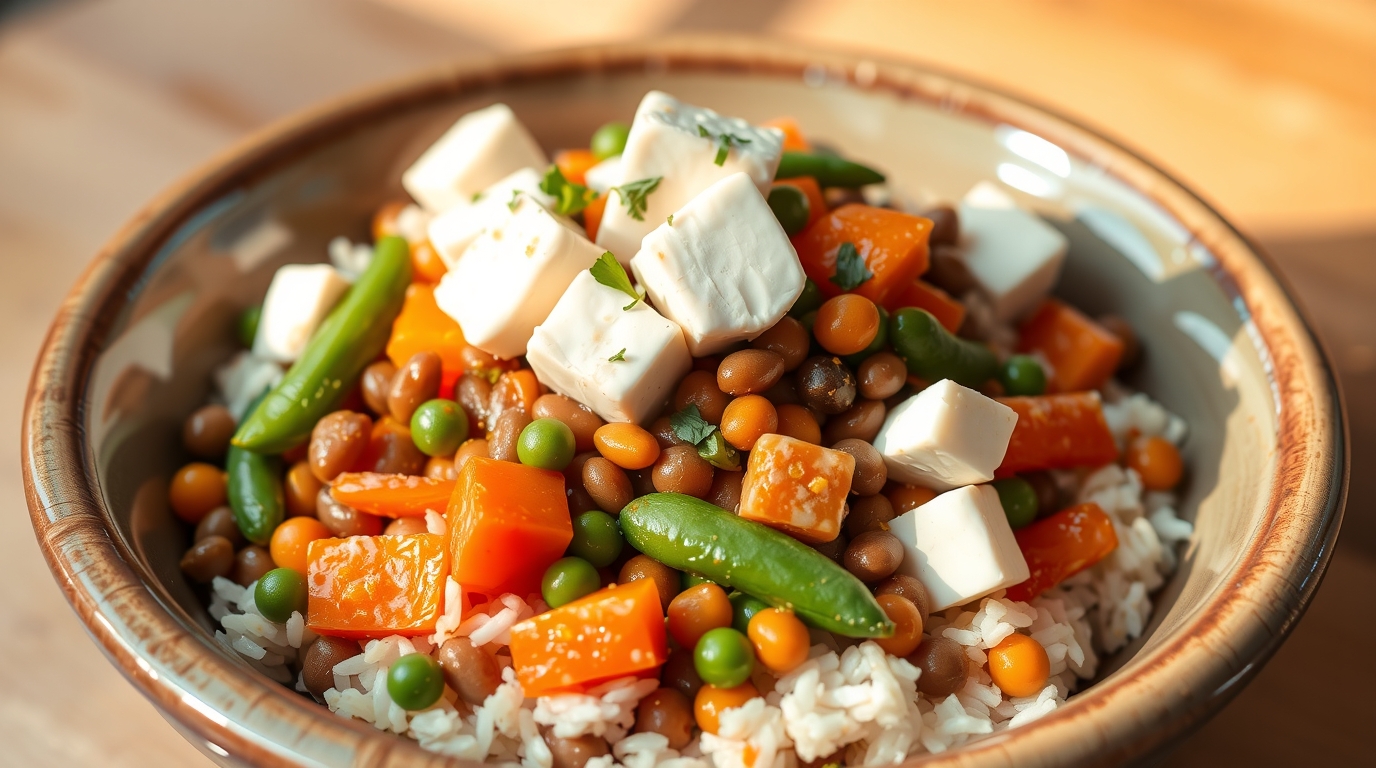
Gaining healthy weight in dogs isn’t about feeding more, it’s about feeding right. Whether your dog is underweight due to illness, poor nutrition, or high activity levels, understanding how much to feed based on age and weight is essential. In this comprehensive guide, we’ll break down a Dog Diet Chart for Weight Gain by Age, explain the right feeding portions by weight (kg), and even share a downloadable Dog Diet Chart PDF for easy reference. Why Your Dog Might Need a Weight Gain Diet Not all dogs who eat less are “picky eaters.” Some dogs lose weight because of fast metabolism, underlying illness, worms, or stress. Others may simply burn more calories than they consume especially energetic breeds like Labradors, Boxers, or Dobermans. A structured Dog Diet Chart for Weight Gain by Age ensures your pup gets the correct calories, nutrients, and feeding schedule for sustainable weight gain. Understanding Your Dog’s Calorie Needs Every dog has a unique Resting Energy Requirement (RER) and Daily Energy Requirement (DER). These depend on their age, weight, and activity level.Formula: RER = 70 × (body weight in kg)^0.75 Example:A 10 kg dog’s RER = 70 × (10)^0.75 = 394 kcal/day.To help them gain weight, feed 20–30% more calories than their maintenance needs. Dog Feeding Chart by Weight and Age The following Dog Feeding Chart by Weight and Age helps determine the right food quantity and frequency for weight gain. Dog Age Weight Range (kg) Meals per Day Calories Needed Notes Puppy (2–6 months) 2–10 kg 4 meals 400–800 kcal High-protein puppy food Adolescent (6–12 months) 10–20 kg 3 meals 900–1400 kcal Gradually shift to adult diet Adult (1–6 years) 20–35 kg 2 meals 1500–2000 kcal Include muscle-building protein Senior (7+ years) 15–30 kg 2 meals 1200–1600 kcal Add supplements for digestion This Dog Diet Chart for Weight Gain by Age helps balance nutrition for each life stage. Dog Diet Chart for Weight Gain by Age (Detailed Plan) Puppies (2–6 months) At this stage, your pup needs high-quality protein and fats to build strong bones and muscles. Pro Tip: Avoid overfeeding—frequent small meals help in healthy weight gain. Adolescents (6–12 months) This is a growth transition phase. Balance energy-dense foods with essential vitamins. Include omega-3 and omega-6 fatty acids for coat and joint health. Adults (1–6 years) Adult dogs require muscle-maintaining diets rich in animal proteins and good fats. How much to feed a dog by weight (kg): Senior Dogs (7+ years) Older dogs need easily digestible, moderate-fat diets to maintain weight without straining their organs. Add probiotics and joint supplements for overall vitality. Dog Diet Chart Vegetarian (Weight Gain Edition) If you prefer a vegetarian diet for your dog, focus on protein-rich and calorie-dense foods. Vegetarian Food Nutritional Benefit Paneer & Curd High-quality protein & calcium Boiled Lentils (Moong, Toor) Protein and fiber for digestion Brown Rice & Sweet Potato Energy and healthy carbs Oats with Milk Weight gain and muscle support Ghee (1 tsp/day) Healthy fat for coat and energy ✅Sample Dog Diet Chart Vegetarian (for Weight Gain): How Much to Feed a Dog by Weight (kg) Feeding amounts vary based on breed metabolism, activity, and digestion. Here’s a quick reference: Dog Weight (kg) Daily Food Quantity Calorie Range 5 kg 150–200 grams 300–400 kcal 10 kg 250–300 grams 500–600 kcal 20 kg 400–500 grams 900–1000 kcal 30 kg 600–750 grams 1300–1500 kcal 40+ kg 800–1000 grams 1800–2200 kcal Additional Tips for Dog Weight Gain Common Mistakes to Avoid Vet-Recommended Foods for Weight Gain Tracking Progress with a Dog Feeding Chart PDF Maintain a printable Dog Feeding Chart by Weight and Age where you log: You can customize your Dog Diet Chart for Weight Gain by Age PDF weekly and show it to your vet during checkups. Conclusion A well-balanced Dog Diet Chart for Weight Gain by Age ensures your pet grows strong, active, and healthy. Remember, weight gain should be gradual, focus on nutrition, not just calories. Use our Dog Feeding Chart by Weight and Age or Dog Diet Chart PDF as your go-to reference for portion control and nutrition planning. Whether you prefer a vegetarian dog diet chart or a non-veg meal plan, consistency and quality food are the secrets to success. Also Read:
Why Is My Dog Not Eating His Food but Will Eat Treats? Complete Solution Guide

Why Is My Dog Not Eating His Food but Will Eat Treats

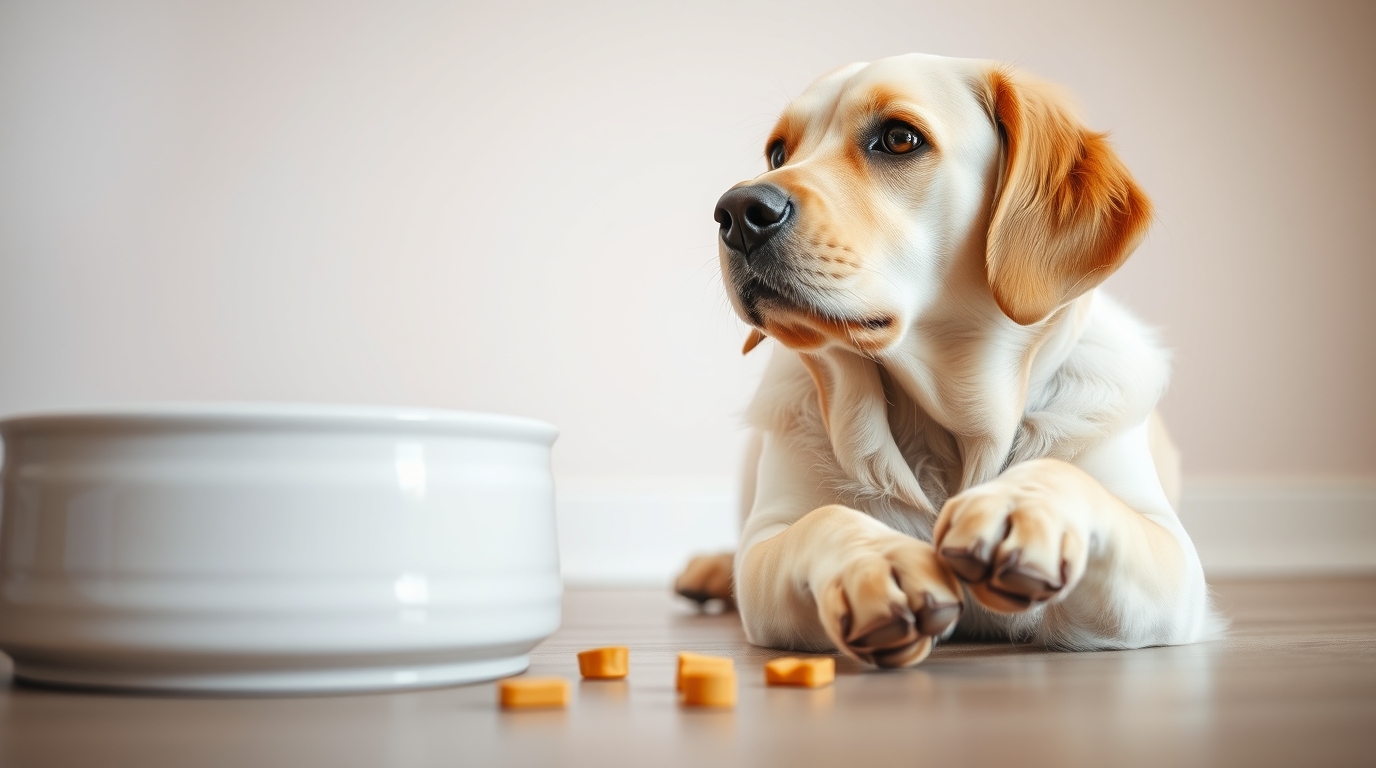
It’s worrying when your dog suddenly refuses to eat his regular food but still jumps excitedly for treats. As a pet parent, it’s easy to assume he’s just being picky — but there’s often more to the story. If you’ve been asking yourself, “Why is my dog not eating his food but will eat treats?” you’re not alone. Many dog owners face this issue, and it can stem from behavioral habits, medical reasons, or even how you feed your dog. In this complete guide, we’ll uncover why dogs eat treats but ignore food, how to identify the root cause, and what you can do to bring their appetite back to normal. Why Is My Dog Not Eating His Food but Will Eat Treats? Understanding Your Dog’s Eating Behavior Dogs are creatures of habit, but they’re also incredibly smart. If your dog refuses his food but eagerly accepts treats, he might be sending a message. Sometimes, it’s a simple preference issue , treats taste better. Other times, it could signal an underlying health or emotional issue. To understand the behavior, it’s essential to break it down into three main categories: medical issues, behavioral habits, and environmental factors. 1. Medical Reasons Why Your Dog Isn’t Eating Food When a dog suddenly stops eating his food, a health problem should always be the first thing to consider. Even though he might still eat treats, it doesn’t mean he feels completely fine. a. Dental Pain or Oral Discomfort If your dog has sore gums, tooth decay, or an infected tooth, chewing hard kibble can be painful. Treats are often softer or easier to chew, which is why dogs with dental issues might still eat them.What to do: Check for bad breath, drooling, pawing at the mouth, or blood on toys. Visit your vet for a dental exam. Switching to soft or wet dog food may also help temporarily. b. Digestive Problems Gastrointestinal issues like nausea, acid reflux, or upset stomach can make dogs avoid regular food. Treats, especially if they smell stronger or are smaller, might still be tolerable.What to do: Monitor for vomiting, diarrhea, or bloating. Feed smaller meals and avoid fatty foods. Consult your vet if symptoms persist for more than 24–48 hours. c. Infections or Illness Dogs can lose their appetite when battling infections, fever, or internal pain. The energy from treats might be enough to keep them going, but regular meals may feel too heavy.What to do: Check for lethargy, fever, or sudden weight loss. If your dog’s behavior changes drastically, seek immediate veterinary care. d. Aging or Health Conditions Senior dogs and those with chronic illnesses like kidney disease or arthritis often experience appetite loss. Some medications can also make food unappealing.What to do: Consult your vet about diet changes or appetite stimulants. Senior-specific dog foods are often easier to digest and more palatable. 2. Behavioral Causes: Is Your Dog Just Being Picky? If your vet rules out medical issues, the reason could be behavioral. Dogs are quick learners — and sometimes, they train you instead of the other way around! a. Learned Behavior from Treats If you’ve been giving your dog too many treats or using them to tempt him to eat, he may have learned that ignoring his food earns him tastier rewards.What to do: Limit treats to training sessions only. Avoid using them to replace meals. b. Food Boredom Just like humans, dogs can get bored of the same food every day. Kibble can lose its appeal if it’s been stored too long or lacks strong aroma.What to do: Rotate protein sources (chicken, lamb, salmon), or mix in a spoon of wet food or broth for extra flavor. c. Stress or Anxiety Changes in environment, travel, new pets, or loud noises can cause stress and appetite loss.What to do: Maintain a calm feeding space. Keep a consistent routine and avoid feeding in noisy or busy areas. d. Overfeeding with Snacks Frequent treats can fill your dog up before mealtime. Even small snacks throughout the day add up, leaving no room for real meals.What to do: Track all calories your dog eats daily. Treats should never exceed 10% of total calorie intake. 3. Environmental and Feeding Factors Your dog’s surroundings and feeding setup can also influence his eating habits. a. Uncomfortable Feeding Area Some dogs don’t like eating in noisy or crowded places. Others dislike certain bowls (metal reflections or noise can be off-putting).What to do: Try feeding in a quiet corner, and use a non-slip, ceramic bowl. b. Temperature and Food Freshness Dogs have sensitive noses. If the food smells stale or is served cold, they might refuse it.What to do: Warm food slightly before serving and ensure dry food is stored in an airtight container. c. Recent Changes in Routine New schedules, visitors, or travel can cause dogs to temporarily lose appetite.What to do: Be patient and stick to a predictable feeding routine. 4. How to Get Your Dog to Eat His Food Again If your dog only eats treats but not food, don’t panic. Here are some practical tips to bring back his appetite: a. Establish a Strict Feeding Routine Feed your dog at the same time every day. Leave food down for only 15–20 minutes. If he doesn’t eat, remove it and offer it again at the next meal. This teaches him to eat when it’s offered. b. Make the Food More Appealing Add warm water, chicken broth, or a small spoon of wet food to enhance flavor and aroma. Avoid seasoning or human food additives like salt or onion, which are harmful to dogs. c. Limit Treats Cut back on treats entirely for a few days. This helps reset your dog’s taste preferences. When you reintroduce treats, use them only for training. d. Try a Different Food Type Switching from dry kibble to wet or fresh food can rekindle interest. Always transition gradually over 5–7 days to avoid stomach upset. e. Add Variety Without Overdoing It Rotate between a few high-quality … Read more

Best Dog Food for Neapolitan Mastiffs: Complete Nutrition Guide for Gentle Giants

Dog Food for Neapolitan Mastiffs

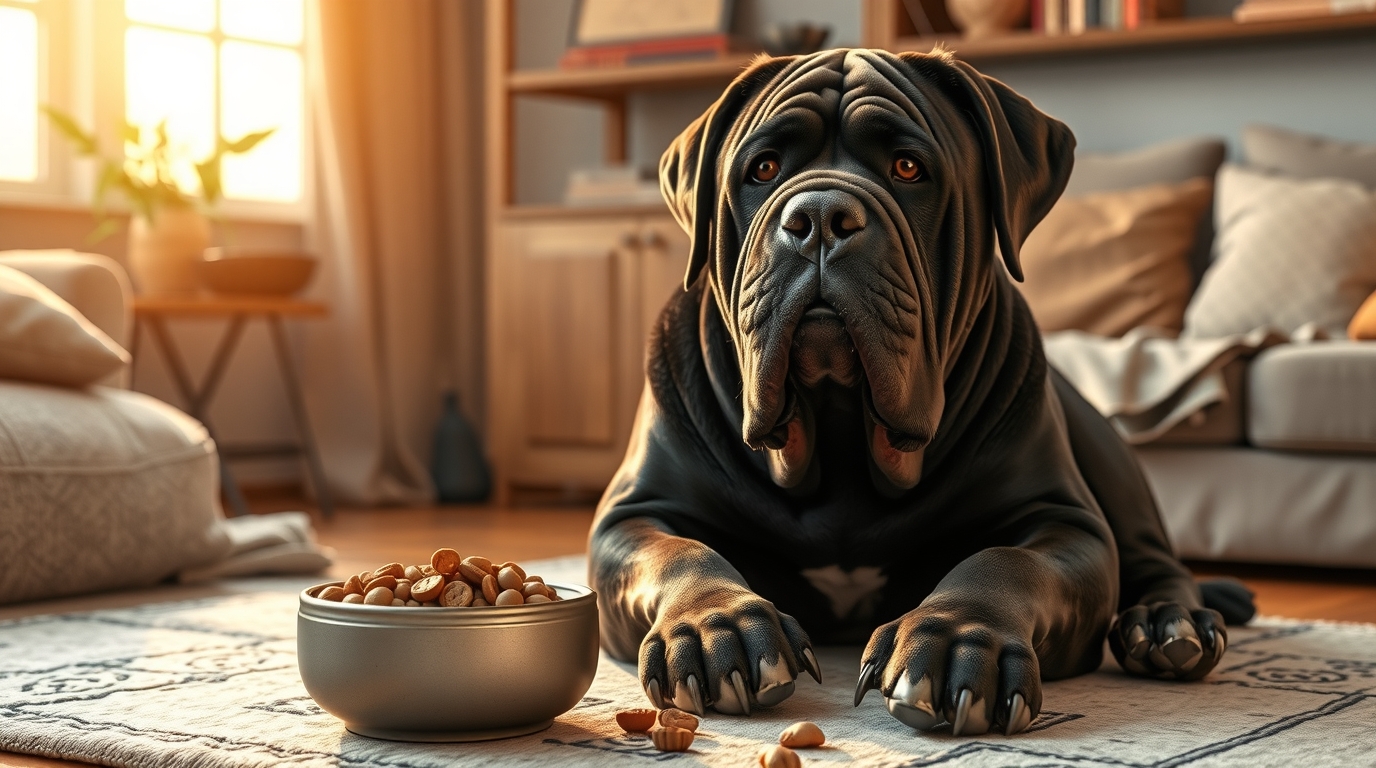
Neapolitan Mastiffs are among the most majestic and powerful dog breeds, known for their massive build, loyal temperament, and unique wrinkled appearance. These gentle giants require a carefully balanced diet to maintain their size, energy levels, and joint health. Choosing the best dog food for Neapolitan Mastiffs is not just about keeping them full — it’s about ensuring they thrive with strong bones, a healthy coat, and optimal digestion. In this guide, we’ll explore the best dog food options, ideal feeding habits, and nutrition tips for both Neapolitan Mastiff puppies and adults. Understanding the Neapolitan Mastiff’s Nutritional Needs Neapolitan Mastiffs are large, muscular dogs that weigh between 110 to 150 pounds. Due to their massive frame, they are prone to bone and joint issues, such as hip dysplasia and arthritis. Therefore, the best dog food for Neapolitan Mastiffs should include high-quality proteins, glucosamine, chondroitin, and omega-3 fatty acids to support joint and muscle health. They also have relatively low energy needs compared to their size, meaning they should not be overfed. A calorie-dense but portion-controlled diet helps maintain a healthy weight and reduces strain on the joints. Key Nutritional Components to Look For Before we dive into the top picks, let’s understand what nutrients matter most for this breed: Best Dog Food for Neapolitan Mastiffs – Top 5 Expert Picks 1. Blue Buffalo Life Protection Large Breed Formula This premium large breed formula is often considered one of the best dog foods for Neapolitan Mastiffs. It contains real chicken and brown rice, which provide lean protein and complex carbohydrates for sustained energy. The addition of glucosamine and chondroitin helps maintain strong joints — essential for heavy breeds like Mastiffs. 2. Hill’s Science Diet Large Breed Adult Dog Food Hill’s Science Diet is formulated specifically for large and giant breeds. It’s rich in glucosamine, EPA, and high-quality protein. This makes it perfect for maintaining joint mobility and muscle strength. It also promotes easy digestion, thanks to its prebiotic fiber content. 3. Orijen Large Breed Puppy Food For young Mastiffs, Orijen offers one of the most protein-rich and biologically appropriate recipes available. Made with 85% animal ingredients, it supports rapid growth while preventing excessive weight gain — a common concern in Mastiff puppies. 4. Royal Canin Giant Breed Adult Royal Canin’s formula for giant breeds is scientifically crafted to meet the needs of heavy dogs. It supports cardiac health with taurine and promotes digestive balance through prebiotics. Its large kibble size encourages slow chewing and reduces the risk of bloat. 5. Wellness CORE Grain-Free Large Breed Wellness CORE offers grain-free nutrition with turkey and chicken as the main protein sources. It’s high in protein, moderate in fat, and enriched with glucosamine and probiotics. This food supports lean muscle tone and digestive health without unnecessary fillers. Homemade Food vs. Commercial Dog Food: Which Is Better? While commercial food offers balanced nutrition, some owners prefer making homemade meals. A homemade diet allows full control over ingredients but requires precise planning. For a Neapolitan Mastiff diet, the food must include lean protein (chicken, lamb, fish), brown rice or oats, vegetables (carrots, peas, spinach), and healthy fats (fish oil or olive oil). However, consult your vet before switching, as Mastiffs have specific nutritional requirements that can be hard to meet with homemade meals alone. Feeding Guidelines for Neapolitan Mastiffs Feeding quantity depends on your dog’s age, weight, and activity level. Avoid feeding one large meal per day , it increases the risk of bloating (gastric torsion). Always provide fresh water and avoid high-fat treats. Special Dietary Considerations Transitioning to a New Dog Food When introducing a new brand or formula, make the transition gradual. Mix 25% new food with 75% old food on the first two days, then increase the new food proportion slowly over a week. This method prevents digestive upsets and helps your Mastiff adjust smoothly. How to Choose the Best Dog Food for Neapolitan Mastiffs Here’s a quick checklist when buying dog food:✔ Look for meat as the first ingredient.✔ Avoid fillers like corn, soy, and wheat.✔ Choose foods enriched with glucosamine and omega fatty acids.✔ Ensure it’s made for large or giant breed dogs.✔ Check AAFCO (Association of American Feed Control Officials) certification. Final Thoughts Choosing the best dog food for Neapolitan Mastiffs is a crucial part of ensuring their long, healthy, and happy life. These majestic dogs thrive on nutrient-rich, protein-balanced diets that support their bones, muscles, and joints. Whether you go for high-quality commercial food or well-planned homemade meals, consistency and balance are key. Always consult your vet before making dietary changes and remember — quality nutrition today means fewer health problems tomorrow. By focusing on premium ingredients, proper portioning, and steady feeding routines, your Neapolitan Mastiff will remain strong, energetic, and loyal for years to come. Also Read:

How to Take Care of a Cat: The Ultimate Guide to Feline Happiness & Health

How to Take Care of a Cat

Owning a cat is one of life’s greatest joys. These intelligent, affectionate, and independent companions bring warmth and love to any home. However, caring for a cat requires more than just food and cuddles. It takes understanding, patience, and attention to their emotional and physical needs. In this comprehensive guide, you’ll learn exactly how to take care of a cat from proper feeding and grooming to health checkups and creating a safe, stimulating environment. Whether you’re a first-time cat parent or a long-time feline lover, these cat care tips will help your furry friend live a long, happy, and healthy life. 1. Create a Safe and Comfortable Environment Before bringing your cat home, you need to make sure your space is safe and comfortable. Cats are naturally curious creatures who love to explore, so your home should be cat-friendly. Key Tips: Having a stress-free environment promotes confidence and emotional well-being in your cat,especially if you’re raising a kitten or adopting a rescued cat. 2. Follow a Proper Feeding Routine Feeding is one of the most important aspects of cat care. Cats are obligate carnivores, which means they need a diet rich in animal-based protein and essential nutrients like taurine. Tips for Feeding Your Cat: Related Keyword Tip: Use search phrases like “best cat food for indoor cats” or “feeding guide for cats by age” to explore veterinarian-recommended diets. 3. Litter Training and Hygiene Litter training is a major part of learning how to take care of a cat,especially for new cat owners. Luckily, cats are naturally clean animals and usually adapt quickly. Steps for Effective Litter Training: If your cat starts eliminating outside the box, check for medical issues (like urinary infections) or environmental stress. 4. Grooming: Keep Your Cat Clean and Healthy Even though cats groom themselves, they still need your help to stay in top shape. Regular grooming prevents hairballs, matting, and skin problems. Cat Grooming Tips: Grooming is not just about hygiene,it’s a bonding experience that strengthens trust between you and your cat. 5. Regular Vet Visits and Vaccinations To ensure your cat’s long and healthy life, regular vet visits are non-negotiable. Kittens should have their first vet checkup by 6–8 weeks of age, while adult cats should visit the vet at least once a year. Vet Care Checklist: Regular vet checkups help catch health problems early,especially kidney issues, obesity, and dental disease, which are common in older cats. 6. Mental Stimulation and Playtime Cats may seem independent, but they need play and interaction to stay happy and healthy. Without mental stimulation, they can develop boredom, anxiety, or destructive behavior. Ways to Keep Your Cat Engaged: Engaged cats are happier, more active, and less likely to show signs of stress or aggression. 7. Socialization and Emotional Care Cats are social in their own way,they may not crave constant attention like dogs, but they do need affection, trust, and companionship. Socialization Tips: If you have more than one cat, introduce them gradually. Cats are territorial and may need time to adjust to new companions. 8. Indoor vs Outdoor Care: What’s Safer? Many cat owners debate whether to keep their cats indoors or let them roam outside. While outdoor life may seem adventurous, it carries risks like traffic accidents, fights, and diseases. Indoor Cat Care Tips: If you do let your cat outside, use a harness and leash or provide a secured catio (outdoor cat enclosure) to give them a taste of adventure safely. 9. Signs of a Healthy Cat Understanding your cat’s health signs can help you take quick action when needed. Healthy Cat Signs: Warning Signs to Watch For: If you notice these symptoms, contact your veterinarian immediately. 10. Caring for Senior Cats Senior cats need extra love and attention. As they age, they become more prone to joint pain, kidney issues, and reduced mobility. Senior Cat Care Tips: Your older cat will appreciate your care and return it with even deeper affection. 11. Building a Loving Bond The most important part of cat care isn’t in the food or grooming,it’s in the love and connection you build. Talk to your cat, understand their body language, and respect their boundaries. Over time, they’ll trust you completely and reward you with their unique, loyal companionship. Remember: A happy cat = a happy home. Conclusion Learning how to take care of a cat is an ongoing journey filled with patience, joy, and love. From proper feeding and grooming to playtime and emotional bonding, every small act contributes to your cat’s overall happiness. Cats may be independent, but they thrive on routine, affection, and attention. Follow these cat care tips, visit the vet regularly, and provide a safe environment and your feline friend will enjoy a long, healthy, and fulfilling life. Also Read:

Best Dog Food for Vizsla Puppy: Complete Guide to Nutrition, Feeding & Top Picks

Best Dog Food for Vizsla Puppy

Vizslas are a breed known for their energy, intelligence, athleticism, and lean build. As a Vizsla puppy, your dog requires high-quality nutrition to support rapid growth, strong bones, muscle development, and overall health. Choosing the best dog food for Vizsla puppy isn’t just about any puppy food — it must match the breed’s unique needs: high protein, moderate fat, good bone health support, and digestibility. In this article you’ll learn what makes a puppy diet ideal for Vizslas, how much and how often to feed, what nutrients are key, how to read labels, feeding charts by age/weight, and top food recommendations. To pick the best dog food for Vizsla puppy, understanding its nutritional requirements is crucial. Feeding Frequency & Schedule Knowing how often to feed is as important as what you feed. Age Meals per Day Notes 8-12 weeks 4 meals/day Very frequent feeding due to small stomach and rapid growth. 3-6 months 3 meals/day Growth slows slightly; still need regular feeding. 6-12 months 2 meals/day Transitioning towards adult feeding schedule. ~12 months+ 2 meals/day For large-breed or high energy Vizslas; after fully grown, maintain with two meals. Feeding at regular intervals keeps digestion smooth, helps avoid overeating, and supports better behavior. Also, avoid vigorous exercise just before or after meals (important for Vizslas because of deep chest / risk of bloat). Vizsla Puppy Feeding Chart by Age & Weight Here’s a sample feeding chart to guide portion sizes (this is approximate; always base on your puppy’s weight, activity level, and health, and adjust with vet input). Age Expected Weight Daily Food Amount* Feeding Frequency 2-3 months ~10-20 lbs 2.5-3.5 cups of high-quality puppy formula 4 meals/day 3-5 months 20-35 lbs 3.5-4.5 cups/day 3 meals/day 6-9 months 35-45 lbs 4.0-5.0 cups/day 2-3 meals/day 9-12 months 45-55 lbs 4.5-5.5 cups/day 2 meals/day *Cups refer to standard dry food cups; kcal content will vary per brand. Increase a bit for high activity, decrease if puppy is less active. Based on what sources say, 4-5 cups per day during 6-9 months for active Vizslas may be in line with 659-833 kcal/day ranges in some feeding guides. Things to Avoid When Choosing Food To ensure the “best dog food for Vizsla puppy,” avoid: Best Dog Food for Vizsla Puppy: What to Look For on Labels When you examine dog food packaging, check for: Sample Daily Calorie Needs & Adjustments Here are sample calorie guidelines for Vizsla puppies depending on weight and activity (very approximate; consult vet): Adjust up if puppy is very active (lots of running, play), adjust down if more sedentary or starting to put on weight too fast. Clean water always available. Top Picks: Best Dog Food Formulas for Vizsla Puppy Here are several excellent puppy foods that tend to align well with Vizsla puppy needs. Brands change formulas, so always check updated labels. When selecting, consider price vs quality, how palatable it is for your puppy, and whether your pup has sensitivities or allergies. Feeding Transition & Tips for Vizsla Puppies Sample Feeding Schedule Example Here’s what a day might look like for a 4-month-old Vizsla puppy (~25-30 lbs, high activity): Adjust based on weight matches, energy levels. Common Issues & How to Handle Them Issue Potential Cause Solution Puppy gaining too much weight Too many calories, high fat diet, treats overused Reduce portion, switch to lower fat puppy formula, limit treats Puppy too skinny / low energy Not enough protein, poor digestibility, illness Increase protein, try higher calorie food, vet check Skin/coat problems Poor quality fats, lack of omega-3, allergies Ensure fish oil or flaxseed, try hypoallergenic formula Growth too fast (risk to joints) Over-feeding, too high calcium/mineral imbalance Follow breeder/vet guidance, use puppy formula designed for large or active breeds Should You Consider Homemade or Raw Diet? Some owners prefer homemade or raw diets. While they can be excellent when done correctly, they require research. If you go this route, still use the principles above: high protein, proper fat, consistent feeding frequency, and monitoring. When to Switch from Puppy Food to Adult Formula Typically, Vizsla puppies may switch to adult food functionally around 12 months (some heavy or large individuals may need more). Signs you’re ready: Switch gradually over a week or two. FAQs Q1. How much protein should the best dog food for Vizsla puppy contain?Ideally around 22-26% protein during puppy growth phases. Beef, chicken, fish are good sources. Q2. Is grain-free better for Vizsla puppies?Not necessarily. Grain-free can be helpful if puppy has grain allergy. Otherwise grains like brown rice, oats, sweet potato can be good carb sources. Q3. Can Vizsla puppies eat raw food?Yes, but only if diet is balanced, hygienic, and based on veterinary advice. Raw diets must include organs, muscle meat, bones (or supplements), minerals. Q4. How often should I feed a Vizsla puppy?4 meals/day until ~3 months, then 3 meals until ~6 months, then 2 meals/day after that. Q5. What about treats and human food?Treats should be under ~10% of daily calories. Use healthy treats. Human foods should be safe (no chocolate, onions, etc.), and not heavy on fat or salt. Conclusion Choosing the best dog food for Vizsla puppy means selecting a formula that matches high protein, balanced fats, proper calcium, digestibility, and suits their energy level. Use feeding charts as a guide, monitor weight, adjust for activity, and always prioritize quality. Whether you go premium kibble, wet food, raw, or homemade, the goal is helping your Vizsla puppy grow strong, healthy, and happy. Also Read:

Dog Feeding Habits Chart: Complete Guide to Feeding Your Dog 2026

Dog Feeding Habits Chart

Feeding your dog the right way is one of the most important responsibilities of pet ownership. Every dog parent wants their furry friend to live a long, happy, and healthy life, and it all starts with proper nutrition. But with so many dog foods, portion sizes, and feeding recommendations out there, it can be overwhelming to figure out exactly how much your dog should eat. That’s where a dog feeding habits chart comes in handy. In this comprehensive guide, we’ll break down everything you need to know about dog feeding habits by age, weight, size, and lifestyle, including practical charts and tips to help you create a personalized feeding schedule for your pup. Why Understanding Dog Feeding Habits is Important Every dog is unique, and their nutritional needs vary depending on factors like age, size, activity level, and overall health. By following a dog feeding chart, you can: Feeding your dog without structure often leads to overfeeding, underfeeding, or nutrient deficiencies, which can cause long-term health issues. That’s why tracking your dog’s feeding habits with a chart is a game-changer. General Dog Feeding Guidelines Before we dive into the detailed dog feeding chart, here are some general rules: Dog Feeding Habits Chart by Age Dogs’ nutritional requirements change drastically as they grow. Here’s a feeding chart by age: 🐾 Puppy Feeding Chart (2–12 Months) Puppies need more protein and fat for growth. Choose puppy-specific dog food that supports development. 🐾 Adult Dog Feeding Chart (1–7 Years) 🐾 Senior Dog Feeding Chart (7+ Years) Dog Feeding Habits Chart by Weight One of the most effective ways to determine portion size is by weight. Below is a general dog feeding chart by weight (using average calorie needs): Dog Weight Daily Food Amount (Dry Kibble) Meals per Day Notes 5–10 lbs ½ – 1 cup 3–4 Small breeds need frequent meals 10–20 lbs 1 – 1.5 cups 2–3 Balance with activity level 20–50 lbs 1.5 – 3 cups 2 Medium dogs thrive on routine 50–75 lbs 3 – 4 cups 2 Consider joint supplements 75–100 lbs 4 – 5 cups 2 Large breeds need slower digestion 100+ lbs 5 – 6 cups 2 May require special diet (Note: Amounts vary by dog food brand, calories per cup, and individual dog needs. Always check feeding guidelines on packaging and consult your vet.) Dog Feeding Habits by Breed Size Different breeds have different metabolisms and energy needs. Healthy Dog Feeding Habits to Follow Building a dog feeding routine is just as important as portion control. Here are some healthy feeding habits: Activity greatly influences your dog’s caloric needs. Wet vs. Dry Food: Which Fits Your Dog’s Feeding Habits? Both wet and dry food have benefits. Many dog parents even combine the two. Tip: Always calculate total calories when mixing wet and dry food. Dog Feeding Habits Chart for Special Needs Dogs Some dogs need customized diets due to health issues: Consult your vet before making dietary changes for special needs dogs. Common Mistakes Dog Owners Make with Feeding Even with a dog feeding chart, mistakes happen. Avoid these pitfalls: Sample Dog Feeding Schedule (Daily Routine) Here’s an example feeding routine for a medium active adult dog: This consistency keeps digestion smooth and helps dogs feel secure. FAQs About Dog Feeding Habits Q1. How many times a day should I feed my dog?Most adult dogs do well with 2 meals per day, while puppies need 3–4 meals. Q2. How do I know if I’m feeding my dog the right amount?Monitor weight, energy, and stool quality. Adjust portions if your dog gains or loses weight too quickly. Q3. Should I feed my dog before or after a walk?Ideally, feed your dog after exercise to prevent bloating, especially in large breeds. Q4. Can dogs eat homemade food instead of kibble?Yes, but ensure it’s balanced with protein, carbs, fat, and vitamins. A vet nutritionist can help. Q5. How much water should my dog drink daily?Dogs need about 1 ounce of water per pound of body weight daily. Final Thoughts A dog feeding habits chart is one of the best tools to ensure your furry friend gets the right nutrition at every stage of life. By considering age, weight, breed size, and activity level, you can tailor a feeding plan that supports your dog’s health and happiness. Remember: every dog is unique. Use this chart as a guideline, but consult your veterinarian for a personalized plan, especially if your dog has special health conditions. With the right feeding habits, you’re not just filling a bowl—you’re giving your dog the foundation for a longer, healthier, and more joyful life. Also Read:

Best Cat Feeding Chart by Weight Calculator 2026

Best Cat Feeding Chart by Weight Calculator

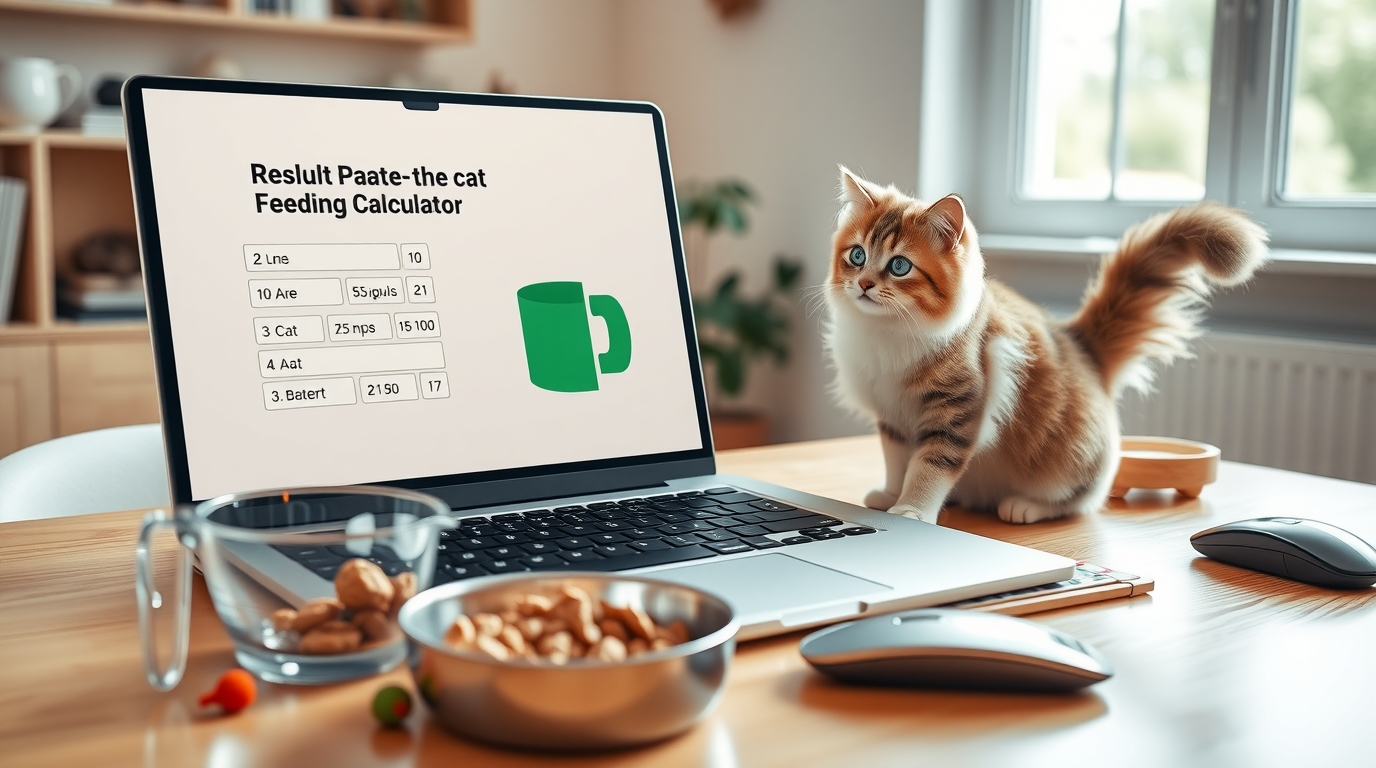
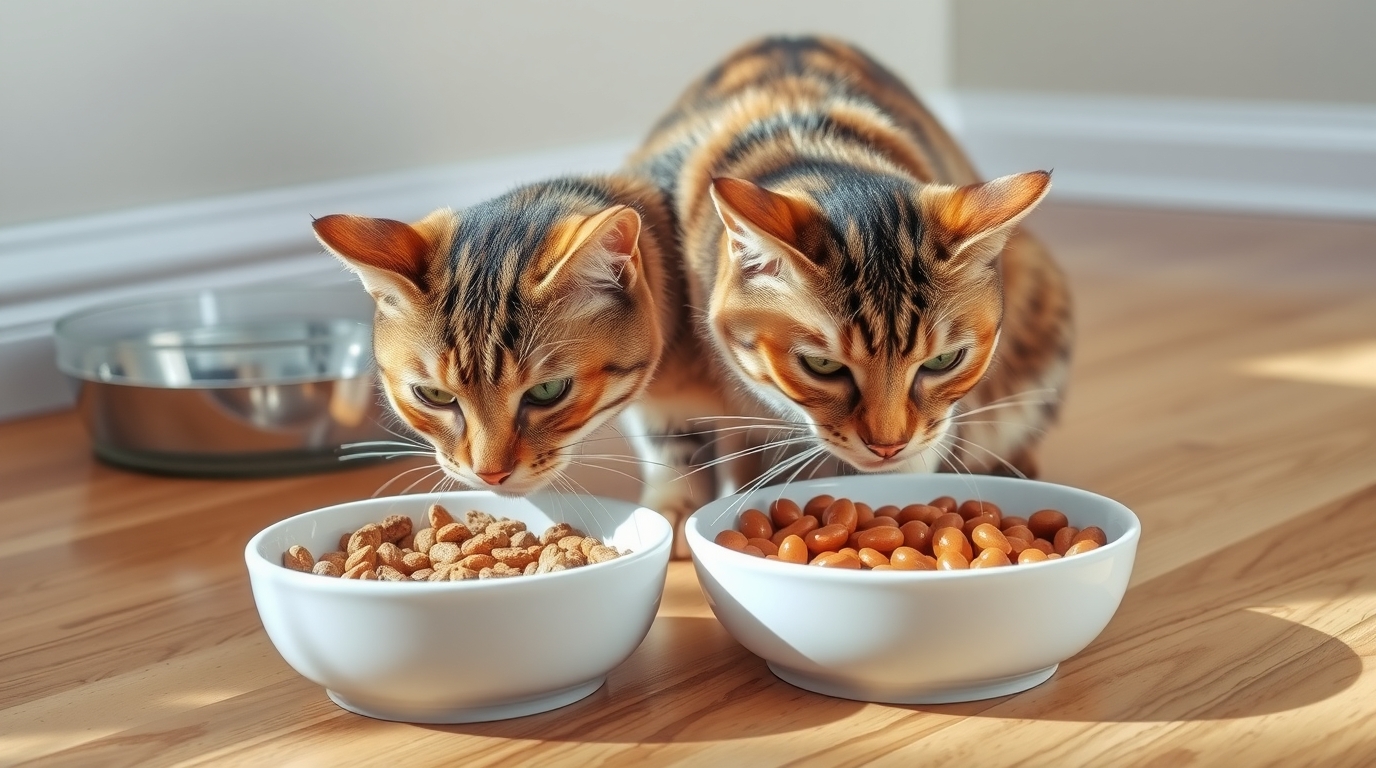
Feeding your cat the right amount of food is essential for their health, energy, and longevity. Overfeeding can lead to obesity, diabetes, and joint problems, while underfeeding can cause malnutrition and stunted growth. A cat feeding chart by weight calculator takes the guesswork out of daily feeding. By entering your cat’s weight, age, and activity level, you can calculate precise portion sizes for dry, wet, or raw food, ensuring a balanced diet for your feline companion. This article will guide you through feeding charts, portion sizes, and tips for kittens, adult cats, and senior cats, making it easy to use a feeding calculator effectively. What Is a Cat Feeding Chart by Weight Calculator? A cat feeding chart calculator is an online or manual tool that helps determine the ideal daily food intake for your cat. It considers factors such as cat weight from tiny kittens to large adult cats, age, activity level, and food type including dry kibble, wet food, or raw diet. Using this calculator can prevent overfeeding and underfeeding and ensure your cat gets the nutrition they need for optimal growth and health. How to Use a Cat Feeding Chart Calculator Using a cat feeding calculator is simple and straightforward: 1. Enter your cat’s weight in pounds or kilograms. 2. Select age group – kitten, adult, or senior. 3. Select activity level – indoor, moderately active, or outdoor. 4. Choose food type – dry, wet, or raw. 5. Calculate daily portion – the calculator gives precise feeding recommendations in grams or ounces. Tip: Always adjust the portion slightly based on your cat’s metabolism and health status. Cat Feeding Chart by Weight: Quick Reference Table Cat Weight (lbs) Dry Food (grams/day) Wet Food (ounces/day) Raw Food (grams/day) 3–5 lbs 30–50 g 3–5 oz 70–90 g 6–8 lbs 50–70 g 5–7 oz 90–120 g 9–11 lbs 70–90 g 7–9 oz 120–150 g 12–14 lbs 90–110 g 9–11 oz 150–180 g 15–18 lbs 110–130 g 11–13 oz 180–210 g This table serves as a manual guide if you don’t have access to an online calculator. Feeding Guidelines for Kittens Kittens grow rapidly and require frequent feeding with high-calorie food: Age Weight (lbs) Meals/Day Portion Size (grams/day) Notes 0–2 months 1–2 lbs 4–6 20–30 g Milk or formula, gradually introducing solids 2–3 months 2–4 lbs 4–5 30–50 g Wet or softened dry food 3–6 months 4–6 lbs 3–4 50–70 g High-protein meals for growth 6–12 months 6–10 lbs 3 70–90 g Gradually switch to adult food Tip: Always provide fresh water and monitor your kitten’s weight weekly. Feeding Guidelines for Adult Cats Adult cats require a balanced diet with controlled portions to maintain ideal weight: Cat Weight (lbs) Dry Food (grams/day) Wet Food (ounces/day) Notes 6–8 lbs 50–70 g 5–7 oz Indoor cats may need fewer calories 9–11 lbs 70–90 g 7–9 oz Outdoor cats may need extra calories 12–14 lbs 90–110 g 9–11 oz Monitor activity level 15–18 lbs 110–130 g 11–13 oz Adjust if overweight or underweight Pro Tip: Split meals into 2–3 servings to aid digestion and prevent overeating. Feeding Guidelines for Senior Cats Senior cats experience a slower metabolism and often have dental or digestive issues: Age Cat Weight (lbs) Portion Size Feeding Notes 10+ years 6–8 lbs 40–60 g dry or 4–6 oz wet Senior formulas with joint support 10+ years 9–12 lbs 60–85 g dry or 6–9 oz wet Monitor hydration and weight 10+ years 13–15 lbs 85–100 g dry or 9–11 oz wet Consider fiber for digestion Tip: Multiple smaller meals and wet food help maintain hydration. Wet vs Dry Food Portions Wet food has higher moisture content which prevents urinary issues, smaller portions due to calorie density, and is ideal for picky eaters. Dry food is convenient, helps maintain dental health, and is calorie-dense; portioning accurately is important. Mixing wet and dry food in a ratio of 2/3 dry to 1/3 wet based on calories is common. Adjust portions to maintain ideal weight. Raw Diet Feeding by Weight Raw feeding (BARF) is popular for cat parents seeking natural diets: Cat Weight (lbs) Raw Food Portion (grams/day) Notes 3–5 lbs 70–90 g Mix muscle meat, organs, and bones 6–8 lbs 90–120 g Include taurine supplements 9–11 lbs 120–150 g Ensure fresh, clean ingredients 12–14 lbs 150–180 g Monitor calcium/phosphorus ratio 15–18 lbs 180–210 g Vet-approved raw recipes Tip: Always handle raw food carefully to avoid contamination. Adjusting Portions for Weight Issues Overweight cats: Reduce portions 10–20%, avoid high-calorie treats, increase activity. Underweight cats: Increase protein-rich portions, use wet food, monitor weight gain gradually. Weight changes should be slow and controlled. Special Considerations Pregnant or nursing cats: Increase calories 20–50%. Highly active cats: Increase slightly above chart recommendations. Indoor cats: May require 10–15% fewer calories than outdoor cats. FAQs Q1. How many times a day should I feed my cat? Kittens: 4–6 meals. Adults: 2 meals. Seniors: 2–3 small meals. Q2. Can I free-feed my cat? Only if the cat maintains ideal weight; otherwise, portion-controlled feeding is safer. Q3. Do different breeds need different feeding amounts? Larger breeds like Maine Coons require more calories than small breeds. Q4. Should I weigh my cat daily? Monthly weigh-ins are sufficient unless managing weight issues. Q5. How do I transition to a new feeding chart? Gradually adjust portions over 5–7 days to prevent digestive upset. Conclusion A cat feeding chart by weight calculator is an essential tool for responsible cat owners. By considering age, activity level, and food type, you can ensure your cat receives proper nutrition, maintains a healthy weight, and enjoys a long, happy life. Using the calculator along with regular weight monitoring, portion control, and healthy food choices makes feeding your cat simple, accurate, and stress-free. Remember: Every cat is unique, so consult your vet for personalized guidance if needed. Also Read:

Cat Feeding Chart by Weight: The Ultimate Guide for Healthy Cats

Cat Feeding Chart by Weight

Feeding your cat the right amount of food is essential for their health, energy, and longevity. Many cat parents struggle with overfeeding or underfeeding because they don’t have clear guidance. A cat feeding chart by weight is a simple, practical way to determine the right portion for your feline friend based on their age, size, and activity level. Unlike generic feeding recommendations, weight-based feeding ensures that your cat maintains a healthy weight, strong muscles, and proper metabolism. Whether you have a playful kitten, an adult indoor cat, or a senior cat, using a feeding chart can help prevent common issues like obesity, diabetes, and digestive problems. Cat Feeding Chart by Weight: Quick Reference Table Here’s a quick reference table for daily feeding amounts based on weight: Cat Weight (lbs) Dry Food (grams/day) Wet Food (ounces/day) Raw Food (grams/day) 3–5 lbs 30–50 g 3–5 oz 70–90 g 6–8 lbs 50–70 g 5–7 oz 90–120 g 9–11 lbs 70–90 g 7–9 oz 120–150 g 12–14 lbs 90–110 g 9–11 oz 150–180 g 15–18 lbs 110–130 g 11–13 oz 180–210 g 💡 Tip: Always adjust based on activity level, metabolism, and age. Use a kitchen scale for precise measurement. How to Use a Cat Feeding Chart Correctly Kitten Feeding Chart by Age and Weight Kittens grow rapidly, so they need frequent meals and high-calorie food: Age Weight (lbs) Meals/Day Portion Size (grams/day) Notes 0–2 months 1–2 lbs 4–6 20–30 g Milk or formula, gradually introducing solids 2–3 months 2–4 lbs 4–5 30–50 g Wet or softened dry food 3–6 months 4–6 lbs 3–4 50–70 g High-protein meals for growth 6–12 months 6–10 lbs 3 70–90 g Gradually switch to adult food Tip: Kittens should always have fresh water available and gradually transition from wet to dry food if desired. Adult Cat Feeding Chart by Weight Adult cats need a balanced diet with controlled portions to maintain ideal body condition: Cat Weight (lbs) Dry Food (grams/day) Wet Food (ounces/day) Notes 6–8 lbs 50–70 g 5–7 oz Indoor cats may require less 9–11 lbs 70–90 g 7–9 oz Outdoor cats may need extra calories 12–14 lbs 90–110 g 9–11 oz Monitor activity level 15–18 lbs 110–130 g 11–13 oz Adjust if overweight or underweight 💡 Pro Tip: Use slow feeders or portioned bowls to prevent overeating. Senior Cat Feeding Guide As cats age, their metabolism slows, and they may need easily digestible food with high-quality protein: Age Cat Weight (lbs) Portion Size Feeding Notes 10+ years 6–8 lbs 40–60 g dry or 4–6 oz wet Senior formulas with joint support 10+ years 9–12 lbs 60–85 g dry or 6–9 oz wet Monitor hydration and weight 10+ years 13–15 lbs 85–100 g dry or 9–11 oz wet Consider fiber for digestion Tip: Older cats may benefit from multiple small meals and wet food to prevent dehydration. Wet vs Dry Food Portions Wet Food: Dry Food: Mixing Wet & Dry: A common approach is 2/3 dry + 1/3 wet based on calories. Always adjust to maintain ideal weight. Feeding Raw Diets (BARF) by Weight Raw feeding is becoming popular for cat parents seeking natural diets: Cat Weight (lbs) Raw Food Portion (grams/day) Notes 3–5 lbs 70–90 g Mix muscle meat, organs, and bones 6–8 lbs 90–120 g Include supplements like taurine 9–11 lbs 120–150 g Ensure clean, fresh ingredients 12–14 lbs 150–180 g Monitor calcium to phosphorus ratio 15–18 lbs 180–210 g Use vet-approved BARF recipes 💡 Tip: Always supervise preparation and consult a vet for raw diets. Adjusting Portions for Overweight or Underweight Cats Remember: Never starve or overfeed; weight should change gradually. Special Considerations FAQs on Cat Feeding Charts Q1. How many times a day should I feed my cat? Q2. Can I free-feed my cat? Q3. Do different cat breeds require different feeding amounts? Q4. Should I weigh my cat daily? Q5. How do I transition my cat to a new feeding chart? Conclusion A cat feeding chart by weight is the most reliable way to keep your cat healthy, active, and at an ideal weight. By considering your cat’s age, activity level, and dietary preferences, you can use this chart as a guideline for daily portions. Remember: each cat is unique, so monitor weight and behavior, and consult your vet for personalized advice. With proper feeding habits, your cat can enjoy a long, happy, and healthy life Also Read:

Best Dog Stroller for Large Dogs: Comfort, Safety & Style for Your Big Buddy

Best Dog Stroller for Large Dogs

When most people picture a dog stroller, they often imagine a tiny pup peeking out from a cozy basket. But here’s the truth: big dogs need strollers just as much sometimes even more. Whether it’s a senior Labrador, an injured German Shepherd, or a recovering Golden Retriever, large dogs deserve to enjoy the outdoors without straining their joints. A good stroller lets them experience fresh air, sunshine, and adventures—stress-free. Top Picks: Best Dog Strollers for Large Dogs Here are some of the most trusted and highly rated strollers designed specifically for large-breed dogs: Pet Gear NO-Zip Expedition Pet Stroller Best for: Outdoor walks, vet visits, and everyday comfort DoggyRide Novel Dog Stroller Best for: Active pet parents who love outdoor adventures Petbobi Extra Large Dog Stroller Best for: Giant breeds and long-distance comfort Benefits of Using a Stroller for Large Dogs Using a stroller is not about spoiling your dog. It’s about enhancing their well-being. Here’s how it helps: Traveling with Large Dogs Made Easy Taking a large dog on a family trip or weekend getaway can be challenging. A stroller eliminates the hassle by giving your dog a dedicated space to relax while you move through airports, train stations, or busy city streets. It also keeps your dog contained and calm in crowded environments, reducing anxiety and preventing accidental injuries. For road trips, many large dog strollers can be folded flat and stored in the trunk, making travel more convenient than ever. Weather Protection for Sensitive Big Breeds Some large breeds, especially those with short coats or senior dogs, can be sensitive to weather changes. Strollers offer shade during hot summers and rain protection during unexpected showers with built-in canopies. This means your big buddy can still get fresh air and outdoor time safely without exposure to harsh weather, ensuring year-round comfort and protection. Ideal for Multi-Pet Households If you live in a multi-pet household, a large stroller can be a game-changer. Many heavy-duty models are spacious enough for two medium or one large and one small dog to sit together comfortably. This allows you to walk multiple dogs at once without juggling multiple leashes, reducing stress for both you and your pets. It’s especially useful during vet trips or outings where you need to keep everyone safely together. Mental Stimulation Without Physical Strain Large dogs recovering from injuries or suffering from joint issues can still benefit from visual stimulation and social interaction. A stroller allows them to observe the world safely without having to walk long distances. This helps prevent boredom and depression, which are common in less-active dogs. Even just sitting in the park while watching birds, people, and other pets can boost their mood and keep their mind active. If you want, I can now also add a comparison table of the top 3 strollers mentioned (with weight capacity, key features, and best use) to make your blog even more user-friendly. Would you like me to create that next? What to Look for When Buying a Large Dog Stroller Choosing the right stroller ensures both comfort and safety. Keep these features in mind: Perfect For Senior Dogs, Recovering Pets & Long Outings Imagine this: your senior Golden Retriever lying comfortably in a stroller as you stroll through the park — tail wagging, eyes bright, and heart happy. That’s the beauty of a good stroller, it gives your big buddy a second chance at outdoor joy without the physical strain. They don’t miss the fun. And you don’t miss seeing them happy. Pro Tips for Getting Your Dog Used to a Stroller Comparison Table: Best Dog Strollers for Large Dogs Product Weight Capacity Key Features Best For Pros Pet Gear NO-Zip Expedition Pet Stroller Up to 150 lbs No-zip entry, shock-absorbing air tires, foldable frame Everyday outdoor walks, vet trips Easy access, super spacious, smooth ride DoggyRide Novel Dog Stroller Up to 110 lbs Lightweight aluminum frame, converts to bike trailer, mesh ventilation Active lifestyles, biking, long-distance outings Dual-purpose use, great airflow, washable interior Petbobi Extra Large Dog Stroller Up to 150 lbs Heavy-duty steel frame, waterproof bottom, front & rear entry Giant breeds, long-distance comfort Very durable, roomy, plenty of storage Final Thoughts Finding the best dog stroller for large dogs isn’t about luxury also it’s about love and care. Whether it’s for mobility issues, age, or simply giving them a break during long outings, the right stroller makes life easier for both of you. Choose comfort. Choose safety. Choose joy.Because your big furry friend deserves nothing less. Also Read:

Organic Puppy Training for Teacup Poodles: A Complete Guide

Organic Puppy Training for Teacup Poodles

Teacup Poodles are tiny, intelligent, and incredibly affectionate companions. Due to their delicate size and sensitive nature, they require gentle, organic training techniques that promote trust, mental stimulation, and emotional security. Unlike harsh correction-based methods, organic puppy training focuses on positive reinforcement, natural routines, and holistic care — allowing your Teacup Poodle to thrive without stress or fear. This guide will walk you through everything you need to know, from basic obedience and potty training to using natural treats, non-toxic training aids, and mental enrichment activities designed specifically for small breeds. 🌸 Understanding Teacup Poodles and Their Training Needs Before starting training, it’s essential to understand the unique traits and challenges of Teacup Poodles: Recognizing these traits will help you choose organic, positive, and low-stress training strategies tailored for your little one. 🌿 What is Organic Puppy Training? Organic puppy training is a holistic, natural approach that avoids harsh methods or toxic products. It emphasizes: This approach aligns perfectly with the needs of Teacup Poodles, who respond best to kindness, consistency, and reward-based motivation. 🐾 Step-by-Step Organic Training Plan for Teacup Poodles 1. Establish a Safe and Calm Environment 2. Build a Strong Bond First 3. Start with Name Recognition and Eye Contact 4. Use Positive Reinforcement Techniques 5. Potty Training Organically 6. Basic Commands: Sit, Stay, Come, Down 7. Crate Training with Comfort 8. Socialization in a Natural Way Teacup Poodles need tiny, healthy, low-calorie treats because of their small size. Opt for: 💡 Tip: Break treats into tiny crumbs so your puppy can train longer without over-eating. 🌼 Natural Tools and Aids for Training When training Teacup Poodles, always pick non-toxic and eco-friendly supplies that are safe for their small size: This supports both their training and overall health. 💛 Emotional Wellness During Training Training isn’t only about commands — it’s about building emotional security: This emotional connection makes training faster and more enjoyable. 📅 Sample Organic Training Schedule Age Focus Area Session Duration Frequency 8–10 weeks Bonding, name response, potty training 2–3 mins 4–5 times/day 10–12 weeks Sit, come, crate training 3–5 mins 3–4 times/day 12–16 weeks Stay, leash walking, socialization 5–7 mins 2–3 times/day 4–6 months Longer commands, trick training 7–10 mins 2/day Keep each session short and upbeat to match your puppy’s small attention span. ⚖️ Balancing Training and Rest Because Teacup Poodles are tiny, they tire easily. Overtraining can lead to stress or even injury. Follow these tips: Avoiding these will set a solid foundation for a confident and happy Teacup Poodle. 🌟 Benefits of Organic Puppy Training Training your Teacup Poodle organically provides long-lasting benefits: ❓ FAQs on Organic Puppy Training for Teacup Poodles Q1. When should I start training my Teacup Poodle puppy?Start training as early as 8 weeks. Early training builds confidence and prevents bad habits. Q2. Can I use homemade treats for training?Yes! Organic homemade treats like boiled chicken or carrot pieces are ideal for Teacup Poodles. Q3. How often should I train my puppy each day?2–5 short sessions (3–7 minutes each) spread throughout the day work best. Q4. What if my Teacup Poodle is afraid during training?Stop the session, comfort them, and go slower next time. Always make training fun and stress-free. Q5. Are clickers safe to use for such small dogs?Yes, if used gently. Alternatively, you can use a soft verbal marker like “Yes!” instead of a clicker. 💖 Conclusion: Raising a Calm, Confident Teacup Poodle the Organic Way Organic puppy training isn’t just a method — it’s a philosophy of gentle guidance, emotional connection, and natural care.With patience, positive reinforcement, and holistic routines, your Teacup Poodle will grow into a well-behaved, confident, and joyful companion. By using natural treats, non-toxic tools, and loving energy, you’re not just training a puppy — you’re nurturing a lifelong bond built on trust and kindness. Also Read