OURPETTAILS

Abyssinian Cat Care: A Comprehensive Guide
Abyssinian Cat Care

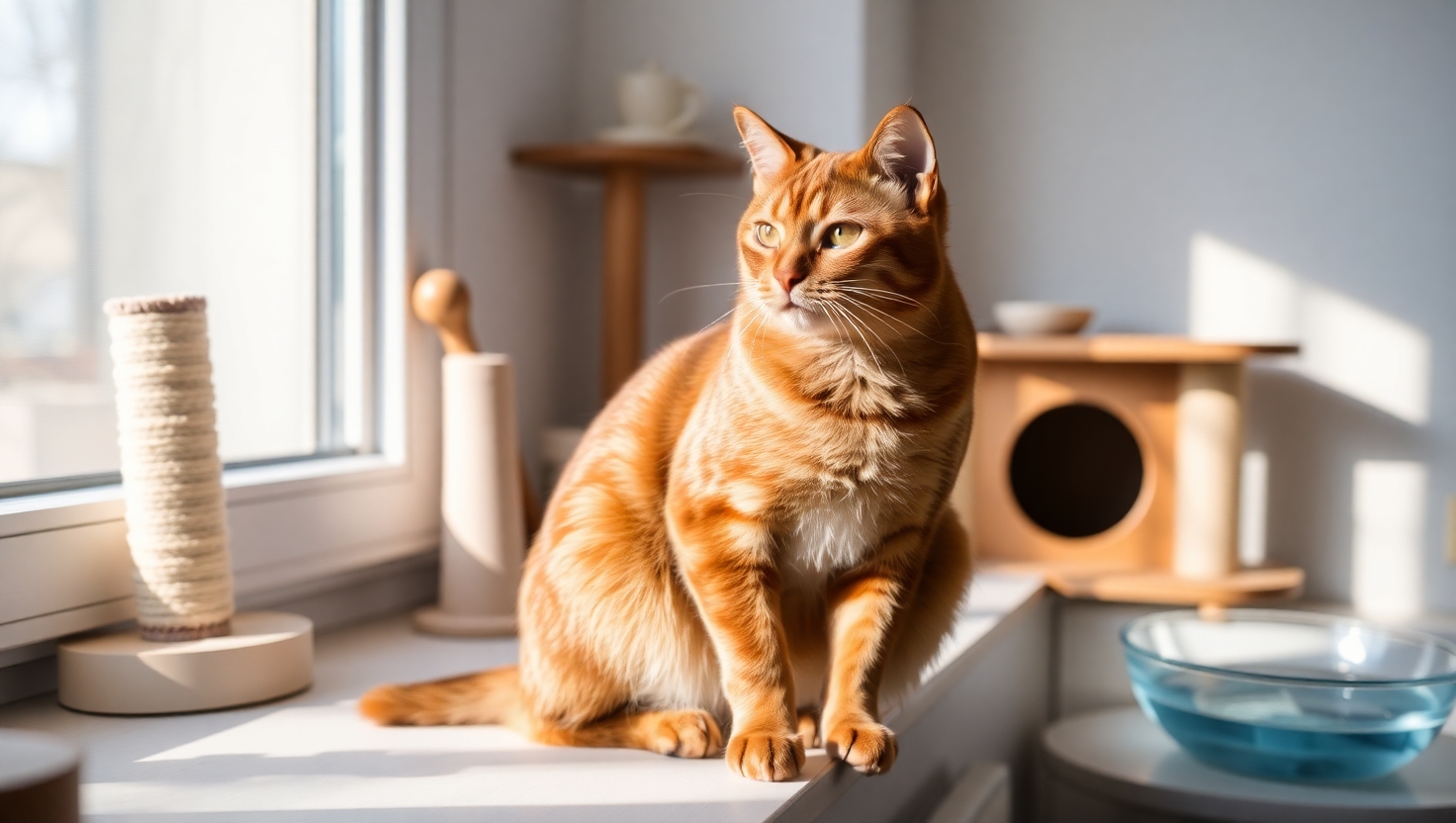
Welcome to your complete resource for nurturing one of the most dynamic feline companions. These medium-sized marvels, standing 8-10 inches tall and weighing 8-12 pounds, bring loyalty, intelligence, and playful energy into any home. Their short, low-maintenance coat makes them ideal for busy households while their curious nature thrives on interactive play. Often called “Abys” by enthusiasts, these pets form deep bonds with their families. They demand consistent mental challenges and physical activity to stay content—think puzzle feeders or climbing towers. While spirited, their grooming needs remain simple compared to longer-haired breeds. This guide simplifies every aspect of raising a happy, healthy companion. You’ll discover practical tips for nutrition, exercise routines, and creating stimulating environments. Whether you’re new to pet parenting or expanding your furry family, you’ll find actionable advice tailored to this breed’s unique personality. Key Takeaways Understanding the Abyssinian Cat Breed Meet the breed that’s been turning heads since ancient times with its distinctive look and lively spirit. These athletic felines combine eye-catching beauty with a personality that lights up any room. Let’s explore what makes them stand out among popular cat breeds. Distinctive Physical Traits Their most recognizable feature is the ticked coat, where each hair shows 3-4 color bands. This creates a shimmering effect that changes in sunlight. Almond-shaped eyes in gold or green hues give them a perpetually curious expression. Trait Abyssinian Other Breeds Coat Type Agouti (ticked) Solid/Striped Body Type Muscular & Slender Varied Eye Shape Almond Round/Oval Activity Level High Energy Moderate Unique Personality Traits These social butterflies thrive on interaction. They’ll follow you around the house, “help” with chores, and demand playtime. Their intelligence shines through puzzle-solving skills – some even learn to open doors! Unlike more independent felines, they form deep bonds with all family members. Their playful nature remains kitten-like well into adulthood. Expect daily acrobatic displays and endless curiosity about every corner of your home. History and Origins of Abyssinian Cats Step into the captivating past of one of feline history’s most intriguing characters. These elegant companions carry stories etched in ancient art and shaped by global journeys. Their survival through centuries reveals a tale as dynamic as their personalities. Ancient Legacy and Evolution Many enthusiasts argue these sleek creatures are direct descendants of cats worshipped in Egyptian temples. Murals dating back 4,000 years show strikingly similar profiles—almond eyes and ticked coats. Yet other researchers point to genetic ties with felines from Ethiopia’s highlands. The modern chapter began when British troops returned from Africa in the 1860s. A cat named Zula, brought from Abyssinia (now Ethiopia), became the foundation for today’s bloodlines. By 1882, the breed gained official recognition, charming households with its wild appearance and domestic charm. Disaster struck in 1960s Britain. A devastating virus outbreak nearly erased the population. Breeders rallied, importing new stock to rebuild genetic diversity. This resilience transformed them into symbols of survival, blending ancient heritage with modern adaptability. Today, their legacy thrives in homes worldwide. From pharaohs’ palaces to family couches, these spirited companions continue rewriting history—one playful leap at a time. Fundamentals of Abyssinian Cat Care Building a thriving life for your feline companion starts with mastering their daily rhythms. These energetic pets flourish when their physical needs and curious minds receive balanced attention. Though lively, their streamlined coats and adaptable nature make them surprisingly low-maintenance for households of all types. Daily Care Routines Morning play sessions set the tone for success. Rotate puzzle feeders filled with kibble to spark problem-solving skills. Climbing towers near windows satisfy their love for vertical exploration while watching outdoor activity. Establish consistent meal times using measured portions. Fresh water stations in multiple locations encourage hydration. A clean litter box in quiet areas maintains hygiene and comfort. Creating a Healthy Home Environment Designate exploration zones with scratch posts and hiding spots. Secure loose wires and toxic plants using cord organizers and elevated planters. Cat-proofing measures prevent accidents without limiting adventure. Introduce new pets gradually through scent swapping and supervised visits. Teach children gentle handling techniques using interactive toys. Weekly family playdates strengthen bonds while burning excess energy. Remember: Their short coat needs only weekly brushing, but daily affection sessions are non-negotiable. A structured yet flexible approach keeps these intelligent companions content and engaged. Nutrition and Feeding Guidelines Fueling your energetic companion starts with smart meal planning. These agile pets need quality nutrition to match their active lifestyles. Let’s break down how to keep them thriving through proper feeding practices. Building the Perfect Meal Plan Always choose AAFCO-approved formulas labeled for specific life stages. Kittens under 12 months require “growth” formulas with extra protein and calories. Adults thrive on “maintenance” blends that support lean muscle. Life Stage Food Type Daily Meals Key Nutrients Kitten (0-12mo) Growth Formula 3 DHA, Calcium Adult (1-10y) Maintenance Blend 2 Taurine, Omega-3 Senior (10y+) Joint Support 2-3 Glucosamine Timing Matters Youngsters burn energy fast—space three small meals 4-5 hours apart. Adults do best with morning and evening feedings. Always measure portions using the guidelines on your cat food packaging. Watch for these signs of good diet balance: Consult your vet if you notice changes in appetite or digestion. With the right food strategy, your playful partner stays ready for adventure! Grooming Essentials for Abyssinian Cats Maintaining your feline friend’s radiant appearance combines practical care with bonding opportunities. Their sleek fur and expressive features thrive through simple yet consistent routines. Let’s explore techniques that keep them looking sharp while monitoring their well-being. Coat Maintenance and Brushing Weekly brushing sessions become quality time together. Use a soft-bristled brush to remove loose hairs and spread natural oils. This process enhances their coat’s signature shimmer while reducing loose fur around your home. Their low-shedding fur rarely mats, making grooming sessions quick and enjoyable. Focus on areas where they groom less frequently – behind ears and along the back. Always finish with a gentle wipe using a microfiber cloth for extra shine. Ear, Eye, and Dental Care Daily eye checks take seconds but prevent bigger issues. Use … Read more
Budget Friendly Cat Litter Box Hacks in 2025

Budget Friendly Cat Litter Box Hacks

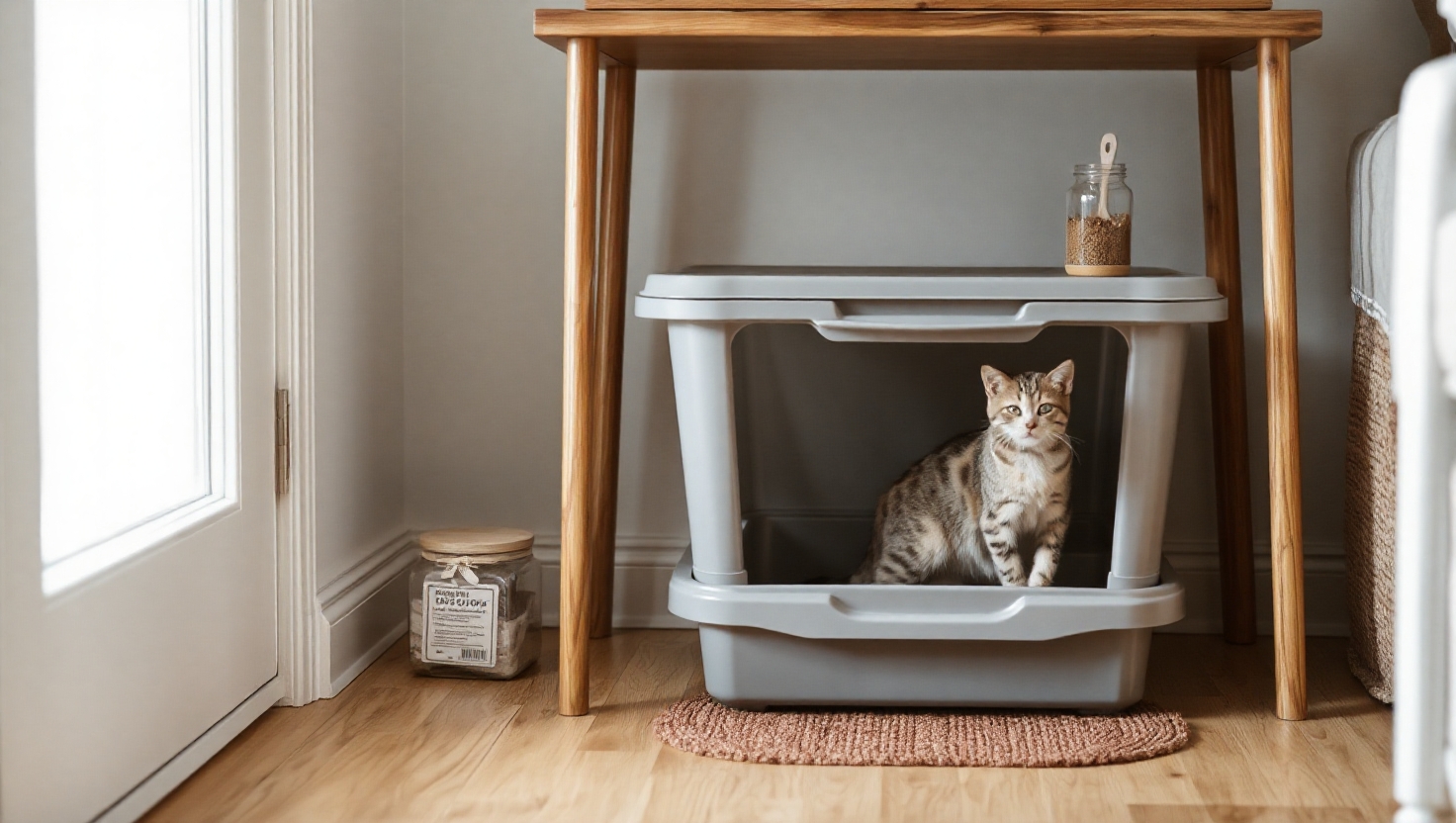
Every pet parent knows the struggle: maintaining a clean environment for your furry friend shouldn’t drain your wallet or consume hours of your week. As someone who’s cared for countless feline companions, I’ve uncovered simple yet game-changing methods to streamline this essential task. Let’s rethink how we approach odor control and hygiene without sacrificing quality. Many commercial products promise miracles but deliver frustration. Through trial and error with various setups, I discovered that everyday items and smart routines often outperform pricey alternatives. You’ll be surprised how minor tweaks can create lasting results, keeping both pets and humans content. This guide shares field-tested strategies refined through hands-on experience. We’ll focus on maximizing efficiency – imagine spending just five weekly minutes on upkeep while achieving better freshness than ever before. These approaches prioritize your companion’s well-being while respecting your time and resources. Key Takeaways Introduction to Budget-Friendly Solutions for Litter Boxes Creating a welcoming bathroom zone for your furry companion starts with recognizing their natural instincts. Felines instinctively seek private, undisturbed spaces for elimination – a behavior rooted in their survival needs. When their designated spot feels secure and clean, they’re more likely to use it consistently. Maintaining a Fresh Environment Territorial animals thrive on routine. One pet owner shared: “Our tabby started avoiding her bathroom corner when we skipped daily scooping, leading to carpet mishaps.” Regular upkeep prevents stress-related accidents and maintains your companion’s trust in their chosen space. Smart Maintenance Equals Savings Simple habits like immediate waste removal reduce long-term expenses. Dirty environments can lead to health issues requiring vet visits, while proactive care keeps your pal healthy. Using baking soda instead of pricey deodorizers tackles odors at the source, saving $15 monthly on average. Strategic placement matters too. A quiet nook away from appliances minimizes stress, encouraging proper bathroom habits. This approach eliminates the need for multiple odor-control products while keeping your home smelling neutral. Budget cat litter box hacks for a Clean Home Maintaining a spotless home with pets doesn’t require breaking the bank. Many store-bought options prioritize flashy packaging over actual results, leaving owners frustrated. One veterinary technician noted: “Clients often return complaining about clumping issues – the problem usually lies in product quality, not their care routine.” Why Practical Adjustments Outperform Fancy Products Commercial litters frequently use fine particles that stick to paws and create airborne dust. This leads to respiratory irritants for both animals and humans. A simple comparison reveals the advantages of homemade approaches: Feature Premium Brands DIY Methods Odor Control Mask smells temporarily Neutralize odors naturally Dust Levels High (grains under 2mm) Low (customizable texture) Monthly Cost $20-$40 $5-$10 Making Household Items Work Harder Repurposing everyday materials creates sustainable habits. Sand combined with baking soda forms an effective odor-absorbing base. Shallow storage containers with high sides prevent scatter – just ensure entry points are pet-friendly. Consistency matters more than price tags. Weekly rotation of cleaning tools prevents bacterial buildup without specialty sprays. As one owner shared: “Switching to washable mats saved $120 yearly and reduced tracking by 80%.” Simple changes deliver lasting cleanliness while respecting your companion’s preferences. Choosing the Right Litter Box and Materials Material selection dramatically impacts hygiene and long-term costs. While many default to familiar options, smarter choices reduce maintenance while keeping pets content. Let’s explore how design and substance work together for cleaner results. Plastic vs. Stainless Steel: Pros and Cons Plastic containers absorb odors permanently, even with weekly scrubs. Microscopic scratches trap bacteria, requiring annual replacements. Stainless steel alternatives cost more upfront but last decades with basic care. Here’s how they compare: Feature Plastic Stainless Steel Cost Over 3 Years $45+ $60 Odor Retention High None Replacement Frequency Yearly Never Cat Acceptance Familiar Requires Transition Transition pets gradually by placing new stainless boxes beside existing ones. Most adjust within two weeks when given choice. Crystal litter simplifies upkeep by changing color as it absorbs moisture. Replace every 14-21 days instead of guessing freshness. Clumping varieties cost 30% more monthly but streamline daily scooping. Biodegradable options like corn or paper appeal to sensitive paws. These earth-friendly materials decompose naturally, eliminating scrubbing battles. One owner reported: “Switching to wheat-based pellets reduced tracking by 60% overnight.” Simple DIY Solutions for Upgrading Your Litter Setup Smart pet owners know innovation beats expensive store-bought solutions. With basic tools and creativity, you can build superior systems that outperform commercial products. Let’s explore practical upgrades using items already in your home. Building a DIY Litter Genie Transform glass jugs or small stainless steel containers into odor-locking waste stations. These materials resist bacteria better than plastic alternatives. Use heavy-duty bags instead of plant-based options – urine clumps easily tear through eco-friendly liners. Material Cost Durability Odor Control Commercial Plastic $25+ 6 months Moderate Glass Jug Free Indefinite Excellent Stainless Container $12 10+ years Superior Innovative Uses for Common Household Items Repurpose cardboard boxes into efficient sifting tools. Drill 1/2″ holes in patterns that maintain structural strength while letting clean litter fall through. This method extends bedding life by 40% compared to standard scoops. Winter boot trays make excellent litter catchers. Their deep grooves trap stray granules better than pricey mats. For multi-cat homes, label separate containers with each pet’s name to track bathroom habits. Pro tip: Line storage bins with newspaper before adding litter. This absorbs moisture and simplifies complete changes. One owner reported: “This trick cut our clean-up time in half during busy weeks.” Optimizing Litter Box Placement for Cat Comfort Finding the ideal spot for your feline’s bathroom needs requires understanding their natural behaviors. Territorial animals thrive in predictable environments where they feel secure during private moments. A well-chosen area reduces stress-related accidents and strengthens your companion’s trust in their surroundings. Why Location Matters More Than You Think High-traffic zones near appliances or entryways create anxiety. One pet owner discovered their tabby avoided the bathroom area after placing it near a noisy washing machine. “Moving it to a quiet corner eliminated accidents immediately,” they reported. Consistent placement near ventilation sources like patio doors … Read more

The Best Food for Cory Cats

Best Food for Cory Cats

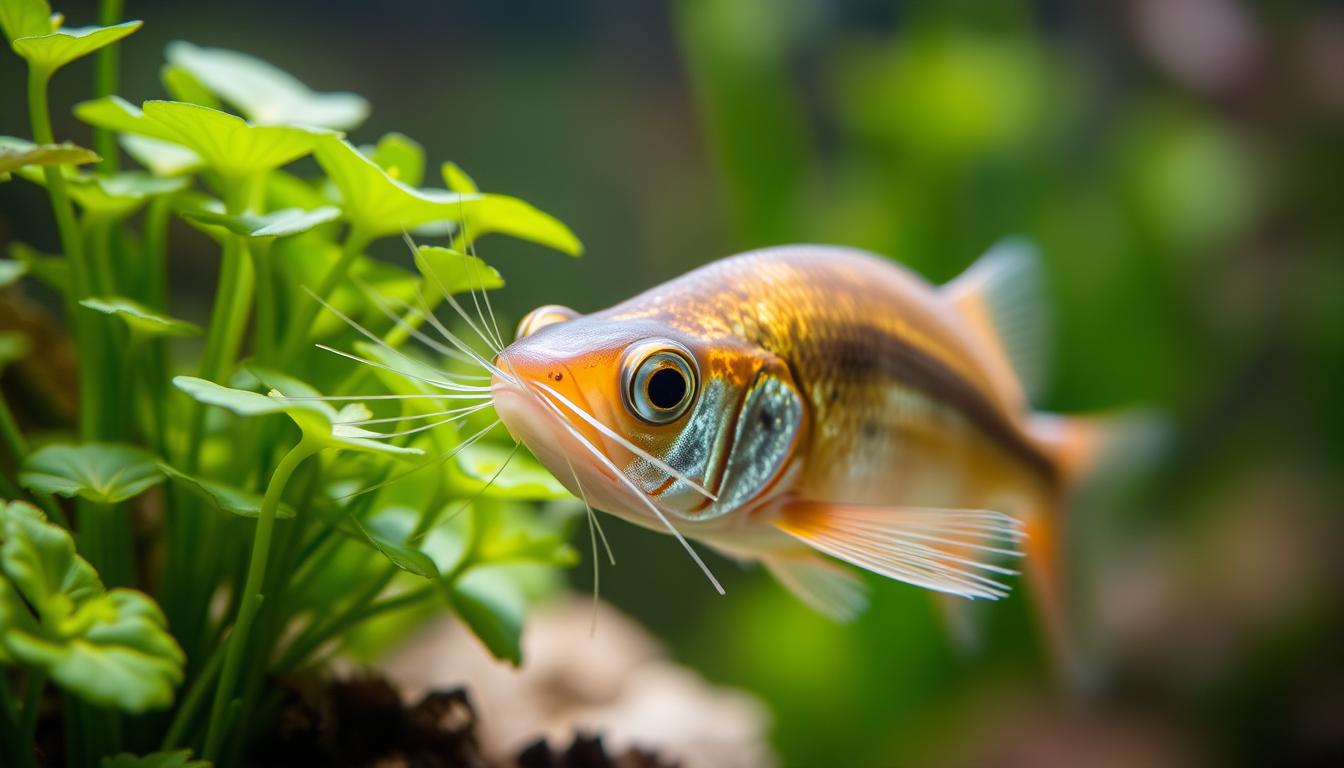
Cory catfish, or Corydoras catfish, are a staple in many community aquariums due to their peaceful nature and role as a clean-up crew. With over 160 species, they are not primarily algae eaters, so they require specific food to meet their nutritional needs. To keep your cory catfish healthy, it’s essential to understand their dietary requirements. As bottom-dwelling fish, they need a diet that caters to their unique needs. This guide will explore the various food options, from commercial to live, and provide guidance on feeding schedules and portion control. Key Takeaways Understanding Cory Catfish: Feeding Behavior and Needs To keep your cory catfish healthy, it’s essential to understand their feeding behavior and nutritional needs. Corydoras catfish are popular aquarium fish known for their peaceful nature and scavenging abilities. What Are Cory Catfish? Cory catfish, or corydoras, are small, armored catfish native to South America. They are not primarily algae eaters, contrary to a common misconception. Instead, they are omnivores that feed on a variety of food sources in their natural habitat. Natural Feeding Behavior In the wild, cory catfish forage for food on the riverbed, consuming insect larvae, small crustaceans, and detritus. This natural feeding behavior indicates that they require a diet rich in protein and diverse in nutrients. Why Proper Feeding Matters Proper feeding is crucial for the health of corydoras catfish. Even though they are excellent scavengers, relying solely on scavenging without special feeding consideration can lead to malnutrition. A balanced diet ensures they receive the necessary nutrients to thrive. Well-fed corydoras can live 5+ years in captivity, while poorly fed specimens often suffer from health issues. To make sure your cory catfish receive adequate nutrition, it’s vital to supplement their diet with appropriate foods. A varied diet that includes high-quality commercial foods, as well as live or frozen foods, will help maintain their health and vibrant colors. Nutritional Requirements for Cory Cats Providing the right nutrients for Cory Cats is key to ensuring their overall health and longevity. Corydoras Catfish are adept at scavenging, but their diet cannot consist merely of leftovers. Hobbyists need to ensure they are getting their nutritional requirements met with supplements intended specifically for them. Essential Nutrients for Corydoras Cory Catfish require a diet rich in high-quality protein sources and plant-based foods. A balanced diet for Cory catfish should include approximately 70% protein sources and 30% plant-based foods to mirror their natural omnivorous tendencies. Variety is key to providing complete nutrition, with a rotation of different food types throughout the week. Supplementing commercial foods with occasional live or frozen treats ensures Corydoras receive all necessary micronutrients and keeps feeding time stimulating. Dietary Balance for Optimal Health The feeding strategy for Cory Cats should account for tank dynamics, especially in community tanks where bottom feeders like Corys may be outcompeted by faster, more aggressive fish. Proper portion control and removing uneaten food helps maintain optimal water quality and conditions for Cory catfish health. A well-balanced diet, combined with careful feeding practices, is crucial for maintaining the health and well-being of Cory Cats. Ensuring they receive the necessary nutrients will help them thrive. Best Commercial Foods for Cory Cats Feeding Cory catfish the right commercial food ensures they receive the necessary nutrients for optimal health. Cory catfish are bottom dwellers and spend most of their time scavenging for food at the bottom of the aquarium. Sinking Pellets and Wafers Sinking pellets and wafers are excellent options for Cory catfish as they sink to the bottom, allowing these bottom feeders to access them easily. Look for pellets and wafers that are rich in protein and made from whole ingredients rather than by-products. Bottom Feeder Tablets Bottom feeder tablets are specifically designed for fish like Cory catfish that feed on the substrate. These tablets are nutrient-rich and help in maintaining the overall health of the fish. High-Quality Flake Foods While not specifically designed for bottom feeders, high-quality flake foods can be a valuable component of a Cory catfish diet when they reach the aquarium bottom. It’s essential to choose flake foods with a protein content of 40-45% from whole ingredients and minimal fillers and preservatives. Pre-soaking flakes briefly before adding them to the tank can ensure they sink quickly to the bottom, making them accessible to Corydoras catfish before other fish consume them. Live and Frozen Foods for Cory Catfish A diverse diet for Cory catfish includes a mix of live and frozen foods. These foods provide essential nutrients that may be lacking in commercial flake or pellet foods. Live and frozen foods can enhance the health and vitality of your Cory catfish, making them a great addition to your aquarium. Bloodworms and Blackworms Bloodworms and blackworms are highly nutritious live foods that Cory catfish love. Bloodworms are rich in protein and are often used as a treat or to condition fish for breeding. Blackworms, on the other hand, are small and easy to consume, making them suitable for Cory catfish of all sizes. Brine Shrimp and Daphnia Brine shrimp and daphnia are other popular live foods for Cory catfish. Brine shrimp are nutrient-rich and can be hatched from eggs in the aquarium. Daphnia, also known as water fleas, provide a natural source of fiber and other essential nutrients. Both are excellent for promoting healthy growth and color in your Corys. Homemade Food Options Homemade gel foods can be an excellent addition to a Cory catfish diet. Using ingredients like high-quality fish or shrimp, vegetables, and gelatin, you can create nutritionally complete meals without special equipment. Adding supplements like spirulina powder and vitamin drops ensures that your Cory catfish receive a balanced diet. These homemade foods can be frozen in ice cube trays for convenient feeding. Creating the Perfect Feeding Schedule A well-planned feeding schedule is the backbone of a healthy aquarium, especially for Cory catfish. Creating the perfect feeding schedule involves understanding how often to feed your Cory Cats and controlling the amount of food they receive. How Often to Feed Cory Cats Feeding … Read more

The Ultimate Cat Growth Chart: Monitor Your Pet’s Development

Ultimate Cat Growth Chart

Monitoring your kitten’s growth is crucial for ensuring they develop into a healthy adult cat. By tracking their weight and overall development, you can identify potential health issues early on, allowing for timely intervention. Different breeds and individual kittens have unique growth patterns. This comprehensive guide will walk you through the various stages of development from birth to adulthood, highlighting key milestones to watch for. As a responsible pet owner, monitoring your kitten’s growth is essential for their overall wellbeing and longevity. This guide will provide you with practical tools and tips for tracking their development at home. Key Takeaways Understanding Cat Growth and Development The growth rate of a kitten is a significant indicator of their overall health status. Just like human babies, kittens that grow too quickly or slowly can suffer from lifelong health problems. Therefore, it’s crucial to ensure that kittens grow at a healthy rate. Why Monitoring Your Cat’s Growth Matters Monitoring a kitten’s growth is vital for detecting early signs of health issues. Abnormal growth patterns can indicate underlying problems that need to be addressed. By keeping track of your kitten’s growth, you can identify potential issues before they become serious. Growth monitoring helps ensure that kittens are neither underweight nor overweight. Being underweight can indicate illness or malnutrition, while being overweight can lead to obesity and related health issues. Using tools like the WALTHAM™ Kitten Growth Charts can provide valuable insights into your kitten’s development. Key Factors That Influence Cat Growth Several factors influence a cat’s growth rate and development. Genetics play a significant role, as different breeds have varying growth expectations. For example, Maine Coon cats can take up to 4-5 years to reach full maturity, while other breeds may mature within 1-2 years. Nutrition is another critical factor, as proper feeding during critical growth periods directly impacts bone development, muscle mass, and organ function. Overall health status also affects a kitten’s growth. Ensuring your kitten receives regular veterinary check-ups and stays healthy is crucial for normal growth and development. What to Expect: General Growth Timeline Kittens grow rapidly during the first few months of life. From birth to around 8 weeks, kittens typically double their birth weight. As they grow, their rate of weight gain slows down, but they continue to develop physically and behaviorally. Age Expected Weight Developmental Milestones 0-8 weeks Birth weight to double Eyes open, start to walk 8 weeks to 6 months Rapid weight gain Teething, socialization 6 months to 1 year Slowing weight gain Adult teeth, behavioral maturity By understanding these growth patterns and factors that influence them, you can better care for your kitten and ensure they develop into a healthy adult cat. Newborn to 8 Weeks: The Critical Early Stage The first two months of a kitten’s life are characterized by dramatic transformations in their physical and behavioral development. During this period, kittens undergo significant changes that lay the foundation for their future growth and health. Physical Development Milestones From birth, kittens experience rapid physical development. At 0-1 week, they are newborn, with their eyes closed, and their claws are unable to retract. By 1-2 weeks, their eyes open, revealing baby blue eyes, and their front teeth begin to emerge. By the third week, their front teeth are more developed, and they start to walk and move around. At four weeks, kittens’ ears are up and triangular, and their claws begin to retract. Their weight and physical development are crucial indicators of their health during this stage. Weight Expectations for Healthy Kittens Monitoring a kitten’s weight is essential. Newborn kittens typically weigh between 3-4 ounces. By two weeks, they should double their birth weight. Here is a general weight expectation chart for healthy kittens: Behavioral Changes to Monitor Kittens transition from complete dependence on their mother to increased mobility and social interaction over the first eight weeks. At two weeks, they start to interact, play, knead, and vocalize. By four weeks, they begin to play and show personality and start the weaning process. Special Care Requirements Maternal care is critical during this period. If caring for an orphaned kitten, it’s essential to provide the necessary care and nutrition. The weaning process starts around four weeks, transitioning from mother’s milk to wet kitten food. Ensuring proper care and feeding during this stage is crucial for their development. 8 Weeks to 6 Months: The Rapid Growth Phase Kittens experience their most rapid growth phase between 8 weeks and 6 months, transforming them into energetic and curious animals. During this period, they undergo significant physical and behavioral changes that are crucial for their development. Physical Changes and Development Between 8 weeks and 6 months, kittens undergo substantial physical changes. Their adult coat develops, and their eye color stabilizes. At around 5-6 weeks, premolars have erupted, and they can eat hard kibble exclusively. By 8 weeks, their full personality is developed, and their claws are fully retractable. Expected Weight Gain Patterns Healthy kittens typically gain approximately 1 pound per month during this period. By 6 months, they usually triple or quadruple their 8-week weight. Monitoring their weight is essential to ensure they are on track and receiving adequate nutrition. Behavioral Development During this phase, kittens exhibit increased independence and playfulness. They begin to establish hunting and stalking behaviors, which are crucial for their development. Socialization during this period is vital for developing well-adjusted adult cats. Nutrition Needs During This Stage Kittens require high-quality kitten food with appropriate protein and fat content to support their high-energy growth phase. Nutrition plays a critical role in their development, and it is essential to provide them with the necessary nutrients for optimal growth. By understanding the changes that occur during the 8 weeks to 6 months period, cat owners can better support their kitten’s growth and development. This stage is ideal for establishing positive behaviors and routines, including litter box habits and appropriate play. 6 Months to 2 Years: The Transition to Adulthood Between 6 months and 2 years, kittens experience a … Read more

Cat Weight Chart by Age – Healthy Weight Ranges

Cat Weight Chart by Age

Maintaining a healthy weight is crucial for your feline friend’s overall health and longevity. Most domestic cats should weigh between 8 and 12 pounds, but several factors impact their ideal weight, including age, breed, and medical history. A shocking 61% of felines are either overweight or obese, which can lead to numerous health problems. Understanding your cat’s ideal weight range can help prevent common health issues associated with being overweight or underweight. Key Takeaways Understanding the Importance of Your Cat’s Weight A cat’s weight is a critical indicator of their overall health and quality of life. Maintaining an ideal weight is crucial for preventing various health issues and ensuring your cat leads an active and healthy life. How Weight Affects Your Cat’s Health Your cat’s weight significantly affects their health, influencing everything from organ function to mobility. Cats with a healthy weight are less likely to develop serious health conditions such as diabetes, arthritis, and heart disease. On the other hand, cats that are overweight or underweight may experience a range of health problems. Risks of Obesity in Cats Obesity in cats can lead to severe health issues, including diabetes, arthritis, and heart disease. Overweight cats are also more likely to suffer from fatty liver disease and urinary tract problems, potentially shortening their lifespan by up to five years. Risks of Underweight Cats Underweight cats often struggle with compromised immune systems, making them more susceptible to infections and slower to recover from illness or injury. They may also experience dental issues and lack the energy for normal activities. Weight Condition Potential Health Risks Overweight Diabetes, Arthritis, Heart Disease, Fatty Liver Disease, Urinary Tract Issues Underweight Dental Issues, Compromised Immune System, Lack of Energy Healthy Weight Good Physical and Mental Well-being, Lower Risk of Health Issues Cat Weight Chart by Age Understanding your cat’s weight is crucial for their overall health, and a cat weight chart by age can be a valuable tool. Monitoring your cat’s weight helps identify potential health issues early, ensuring timely intervention. Kitten Weight Chart (0-6 months) Kittens experience rapid growth during their first six months. At birth, a kitten typically weighs between 70g to 100g. A healthy kitten should gain around 100g weekly until they are approximately 44 weeks old. By six months, most kittens weigh between 2.5-3.2 kg (5.5-7 pounds). Young Adult Cat Weight (6 months-3 years) Young adult cats typically reach their full size by 12 months, though larger breeds may continue growing until 18 months or even 2 years. At this stage, their weight stabilizes, and regular monitoring helps maintain a healthy cat weight. Adult and Senior Cat Weight (3+ years) Adult cats generally maintain a stable weight between 3.5 and 5.5 kg, depending on factors like breed and gender. As cats age into their senior years (7+ years), they may lose muscle mass and experience weight changes, requiring dietary adjustments to maintain optimal health. Regular weight monitoring throughout your cat’s life stages is essential for identifying potential health issues early and allowing for timely intervention. Average Cat Weight by Breed Understanding the ideal weight for your cat involves considering their breed, as different breeds have distinct healthy weight ranges. The Association for Pet Obesity Prevention (APOP) provides guidelines for ideal weights across various breeds, highlighting the diversity in healthy weights among cats. Small Cat Breeds Small cat breeds, such as the Siamese and Devon Rex, naturally have lighter frames and lower healthy weight ranges. Typically, these breeds weigh between 5-10 pounds when fully grown. Their slender build means that their ideal weight is significantly less than that of larger breeds. Medium Cat Breeds Medium-sized breeds, including the Domestic Shorthair and Persian, generally fall into the 7-12 pound range. This weight category is common among household cats and represents a healthy average for many domestic breeds. Maintaining a weight within this range is crucial for their overall health and wellbeing. Large Cat Breeds Large cat breeds, such as the Maine Coon and Ragdoll, can healthily weigh between 10-25 pounds, with males typically being at the higher end of this spectrum. For instance, a Maine Coon can be considered healthy at 20 pounds, whereas a Siamese cat should not weigh more than 10 pounds. Understanding these breed-specific weight ranges is key to preventing misdiagnosis of weight issues. When assessing your cat’s weight, it’s essential to consider their breed characteristics rather than comparing to general averages. This breed-specific approach helps in identifying whether your cat is at a healthy weight or if there’s a need for adjustments in their diet or exercise. Male vs. Female Cat Weight Differences Gender plays a pivotal role in determining a cat’s weight, with notable differences between males and females. Generally, male cats tend to be heavier and larger than their female counterparts. Average Male Cat Weight Ranges Male cats typically have larger frames and more muscle mass, contributing to their higher average weight. For instance, a male Siamese cat might weigh between 11-15 pounds. The reproductive status also impacts weight; intact males may have different weight profiles compared to those who are neutered. Breed Male Weight Range (pounds) Female Weight Range (pounds) Siamese 11-15 8-12 Maine Coon 15-25 10-15 Average Female Cat Weight Ranges Female cats generally have smaller frames and less muscle mass, resulting in lower average weights. A female Siamese cat, for example, might weigh between 8-12 pounds. The weight of female cats can also be influenced by their reproductive status, with spayed females potentially experiencing weight gain due to reduced activity and metabolic changes. How to Determine If Your Cat Is at a Healthy Weight Maintaining a healthy weight is vital for your cat’s health, and there are simple ways to check if they’re on the right track. Assessing your cat’s weight involves a combination of visual and physical checks. The Body Condition Score System The Body Condition Score (BCS) system is a standardized method used by veterinarians to assess whether a cat is at an ideal weight. It ranges from 1 (severely underweight) to … Read more

The Ultimate Cat Collar Size Chart for a Snug Fit

Cat Collar Size Chart

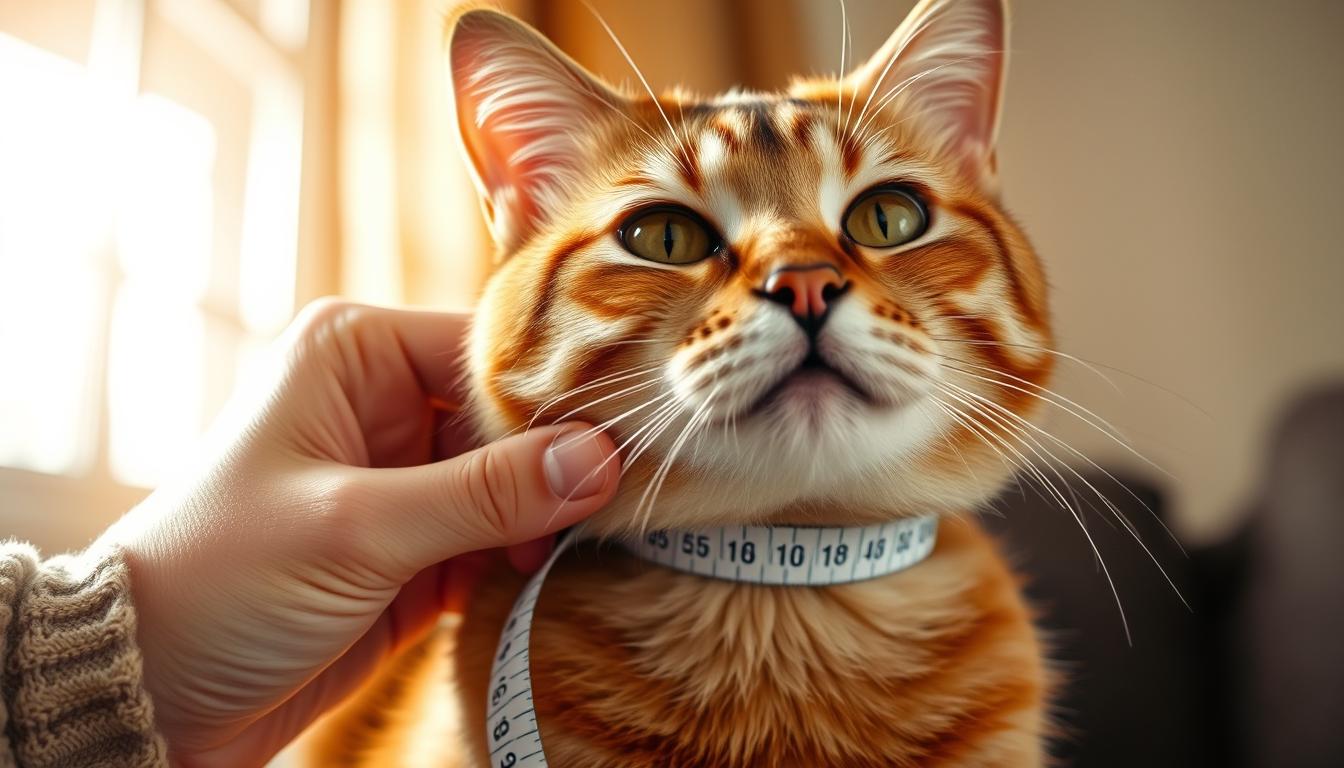
Finding the perfect cat collar is crucial for your feline friend’s comfort, safety, and style. At Susan Lanci Designs, we understand the importance of a well-fitting collar. A correctly sized cat collar ensures your pet’s daily activities are not hindered by discomfort or safety risks. To achieve a snug fit, it’s essential to measure your cat’s neck accurately. Our comprehensive guide will walk you through the process, explaining how to use our detailed cat collar size chart to find the ideal size for your cat. Whether you’re a first-time cat owner or looking to replace an existing collar, understanding the importance of proper size and fit is vital. Our guide covers essential safety considerations, including the two-finger rule and breakaway collar features. Key Takeaways Why the Right Cat Collar Size Matters A well-fitted cat collar is essential for your cat’s overall well-being. The perfect fit allows two fingers to pass through the collar, provides enough room for growth, and stays securely on your cat’s neck without choking them. Choosing the correct collar size is crucial for both safety and comfort. Let’s explore the implications of improper sizing and the benefits of getting it right. Safety Concerns of Improper Sizing An improperly sized collar can pose significant safety risks to your cat. If it’s too tight, it can cause choking or discomfort, while a collar that’s too loose may get caught on objects, potentially leading to accidents. Comfort and Well-being Benefits A properly fitted collar offers numerous benefits for your cat’s comfort and well-being, including: By choosing the right collar size and ensuring a good fit, you can significantly enhance your cat’s quality of life. How to Measure Your Cat’s Neck Properly The right collar size starts with measuring your cat’s neck properly. To do this, you’ll need a few simple tools and to follow a straightforward process. Tools You’ll Need To measure your cat’s neck, you will need a flexible measuring tape or a piece of string and a ruler. The measuring tape or string should be gentle on your cat’s neck and able to wrap around it comfortably. Step-by-Step Measuring Process Begin by ensuring your cat is calm and comfortable. You can measure your cat when they are in a natural standing or sitting position. Gently wrap the measuring tape or piece of string around the middle of their neck, where the collar will sit. Ensure it’s snug but not tight; you should be able to slide a finger underneath comfortably. If using a string, mark the point where the end meets the rest of the string, then measure this length with a ruler. Take at least three measurements to ensure consistency and accuracy. For growing kittens, add approximately one inch to your measurement to accommodate their rapid growth. Measurement Method Description Tips Measuring Tape Wrap around the cat’s neck Ensure it’s snug but not tight Piece of String Wrap around the cat’s neck, mark the length Measure the string with a ruler For Kittens Add an extra inch for growth Re-measure as they grow Cat Collar Size Chart for Different Ages The right collar size is essential for your cat’s comfort and safety, varying by age. Cats grow at different rates, and their collar size needs to change accordingly. Kitten Collar Sizes For kittens, collar sizes typically range from 4 to 8 inches. It’s essential to choose an adjustable cat collar to accommodate their growing necks. Adult Cat Collar Sizes Adult cat collars usually range from 8 to 13 inches in size. The right sizes depend on the cat’s breed and size. Understanding the Two-Finger Rule for Perfect Fit Achieving the perfect fit for your cat’s collar is crucial, and the two-finger rule is a simple yet effective guideline. This rule suggests that you should be able to slide two fingers comfortably under the collar. How to Test for Proper Fit To test if the collar is properly fitted, gently tug on it to ensure it stays in place without being too tight or too loose. A snug collar size is essential for your cat’s comfort and safety. Signs Your Cat’s Collar Is Too Tight or Too Loose Several signs can indicate if the collar is not fitted correctly. These include: Collar Fit Signs Action Too Tight Visible indentation, difficulty inserting two fingers Loosen the collar Too Loose Collar rotates easily, slides over ears Tighten the collar Perfect Fit Two fingers fit comfortably under the collar No action needed By following the two-finger rule and being aware of the signs of improper fit, you can ensure your cat’s cat collar is both comfortable and safe, providing a proper fit around their cat neck. Breakaway Collars: Sizing for Safety When it comes to cat safety, breakaway collars are a top priority for many pet owners. These collars are designed to release if they get caught on something, preventing potential choking hazards. Ensuring the right sizing is crucial for their effectiveness. Breakaway collars come in the same sizes as regular collars. To choose the correct size, follow our previous sizing steps and select the matching breakaway version for enhanced security. Weight-Based Selection Guide When choosing a breakaway collar, consider your cat’s weight to ensure the collar is sturdy enough. Most manufacturers provide weight guidelines for their collars. For example, a simple weight-based selection guide might look like this: Cat Weight Collar Size Recommended Material Under 8 lbs Small (4-7 inches) Nylon or Lightweight Material 8-12 lbs Medium (7-10 inches) Standard Material Over 12 lbs Large (10-13 inches) Durable Material Adjustability Features to Look For The best breakaway collars offer excellent adjustability to achieve the perfect fit. Look for collars with multiple adjustment points, such as buckle adjusters, that allow for precise sizing customization. Some premium breakaway collars feature elastic sections for additional comfort while maintaining safety. When selecting a breakaway collar, ensure the adjustment mechanism is secure to prevent loosening during normal wear. Consider collars with buckle placement that avoids irritating your cat’s neck. Conclusion Choosing the correct collar … Read more

How Much to Feed a Cat: A Helpful Chart

How Much to Feed a Cat: A Helpful Chart

As pet parents, we spend a lot of time figuring out what to feed our cats. But, knowing the right amount is just as important. Not feeding your cat enough can cause nutrient deficiencies and weight loss. On the other hand, overfeeding is a bigger problem. It can lead to obesity and health issues. A feeding chart can help you give your cat the right amount of food. Finding the perfect amount of food for your cat is key to their health. A helpful chart can guide you in making the best choices for your cat’s diet. Key Takeaways Understanding Your Cat’s Nutritional Needs It’s key to know what your cat needs to stay healthy. Cats must eat a lot of protein from animal sources. Their needs change as they grow older. Essential Nutrients for Feline Health Cats need certain nutrients for good health. These include taurine, vitamin A, and arachidonic acid. They help the heart, eyes, and skin. Without them, cats can get very sick. It’s not just how much food your cat eats, but also the quality. Choose foods with lots of protein and few carbs. Make sure it’s right for your cat’s age, whether they’re a kitten, adult, or senior. Caloric Requirements Based on Life Stage Cats need different amounts of calories at different times in their lives. Kittens need more calories because they grow fast. Senior cats need less because they’re less active. Life Stage Caloric Needs (per kg body weight) Nutritional Considerations Kitten (0-12 months) 200-250 kcal/kg High protein, high energy for growth Adult Cat 60-80 kcal/kg Balanced maintenance diet Senior Cat (7+ years) 50-70 kcal/kg Lower calorie, joint support How Much to Feed a Cat Chart: The Complete Guide A how much to feed a cat chart is a great tool for cat owners. It helps ensure your cat gets the right amount of food. These charts give average sizes based on your cat’s weight, age, and more. But remember, every cat is different. Decoding Commercial Cat Food Labels To use a how much to feed a cat chart well, you need to understand food labels. Look for the feeding guidelines on the label. They suggest sizes based on your cat’s weight. For example, a label might say to feed 1/4 to 1/3 cup of dry food per 10 pounds of body weight per day. But these are just general guidelines. You might need to adjust them based on your cat’s specific needs. When decoding cat food labels, also check the caloric content. A typical indoor cat needs about 20 calories per pound of body weight per day. For a 10-pound cat, that’s around 200 calories daily. If the food has 400 kcal per cup, you’ll need to feed your cat about half a cup per day. Adjusting Portions Based on Individual Needs Every cat is unique, and many factors can affect their needs. For example, a neutered cat might need fewer calories because of a slower metabolism. An active cat might need more. Cat’s Weight (lbs) Daily Caloric Needs (kcal) Feeding Amount (cups) 8-10 160-200 1/3 – 1/2 11-13 220-260 1/2 – 3/4 14-16 280-320 3/4 – 1 By knowing your cat’s needs and using a how much to feed a cat chart as a guide, you can make sure your cat stays healthy. Dry Food Feeding Guidelines Feeding your cat the right amount of dry food is key for their health and weight. Dry cat food is easy and affordable for many owners. But, it’s important to measure it carefully to give your cat the nutrients they need. How Much to Feed a Cat Chart Cups Dry cat food usually comes with a feeding chart. It shows how much to feed based on your cat’s weight. For example, it might say 1/4 to 1/3 cup for every 10 pounds of weight per day. But, this is just a starting point. The actual amount your cat needs can change. It depends on their age, how active they are, and their health. To find the right amount, look at the food’s caloric content. It’s important to read the label carefully. Then, adjust the amount based on your cat’s needs. Measuring Dry Food Accurately Getting the right amount of dry food is critical. Using an 8-ounce measuring cup is a good start. But, always check the serving size the manufacturer suggests. A digital kitchen scale is the most accurate way, if you’re changing foods. To avoid overfeeding, measure the food every day. This keeps the amount consistent. It also makes sure your cat gets the right calories. Wet Food Feeding Guidelines Feeding your cat the right amount of wet food is key for their health. Wet food has a lot of moisture, about 70%. This is good for cats with kidney disease or urinary issues. How Much Wet Food to Feed a Cat Chart Finding the right amount of wet food for your cat is easier with a feeding chart. These charts look at your cat’s weight, age, and how active they are. For example, a very active cat might need more food, while an older cat might need less but easier-to-digest food. Benefits of Wet Food in a Cat’s Diet Adding wet food to your cat’s diet can be very beneficial. The high moisture in wet food helps with hydration, which can prevent urinary tract problems. Also, wet food is often more tasty for cats, which can help them eat more if they’re picky. The benefits of wet food include: By following wet food feeding guidelines, you can make sure your cat gets the nutrients they need for good health. Feeding Based on Weight To make sure your cat eats right, knowing their caloric needs is key. Cats need different amounts of calories based on their weight, age, and how active they are. Feeding them the right amount helps keep them healthy and prevents obesity or malnutrition. How Much to Feed a Cat Chart by Weight A how much to feed a cat … Read more

Overnight Cat Care: Veterinary-Approved Tips for Leaving Kitty Home

Overnight Cat Care

Planning a trip? Safe cat overnight care at home begins with preparation. Many cat owners worry about leaving their pets alone. But, with the right steps, your cat can stay comfortable. Vets suggest routines, safety checks, and clear instructions to reduce stress. This helps your cat feel at ease while you’re away. Important things to consider include food freshness, litter box access, and familiar scents. Most adult cats can handle up to 24 hours alone if their space stays the same. But, kittens and seniors need shorter times alone. It’s also vital to have emergency contacts ready. This ensures your cat gets help if needed. Key Takeaways Understanding Your Cat’s Overnight Needs Knowing how do I take care of my cat at night starts with understanding their instincts. Cats aren’t nocturnal but are crepuscular, meaning they’re most active at dawn and dusk. This natural rhythm means nighttime routines must balance their energy levels and comfort. Behavioral patterns shape care strategies. A playful evening play session can help drain energy, reducing nighttime restlessness. Automated feeders timed just before bed or at first light can align with their instincts, ensuring they don’t disturb sleep unnecessarily. How Cats’ Natural Behaviors Influence Overnight Care Cats thrive on predictability. Sudden changes to feeding or playtime can cause stress. Consider these tips: Different Requirements Based on Cat Age and Health Age and health needs vary widely. Here’s a quick guide: Age/Condition Key Needs Kittens (under 6 months) Multiple small meals nightly; safe climbing spaces for exploration. Adults (1-7 years) Consistent feeding schedules; regular litter box cleaning every 12 hours. Seniors (over 12 years) Easy-to access litter areas; vet checkups every 6 months. Cats with health issues Medication reminders; quiet, stress-free sleeping zones. The Importance of Routine for Feline Well-being Stick to regular feeding and play times even when you’re away. Overnight sitters should follow your established schedule. Consistency reduces stress, and routines like evening brushing or bedtime toys signal it’s time to wind down. Regular vet visits (minimum twice yearly) help identify health changes early. A stable routine paired with safe environments lets cats feel secure, even when you’re not home. This builds trust and ensures they’re calm at night. Is It Safe to Leave Your Cat Alone Overnight? Many pet parents ask: is it ok to leave my cat overnight? It depends on your cat’s age, health, and personality. Most adult cats (1–10 years) can stay alone for 24–48 hours if their space is ready. But, safety and comfort need careful planning. Kittens under four months should never be left alone overnight. They need constant care, including food, litter breaks, and watching. Older kittens (4–6 months) can handle 4–5 hours alone. Kittens over six months might stay up to 8 hours. Senior cats (over 10 years) need visits every 12 hours because of health issues like arthritis. “Cats left alone for extended periods may develop separation anxiety,” warns a 2020 study. Signs like excessive vocalization or litter box avoidance signal distress. Always think about your cat’s routine. A calm, independent cat might handle it better than one with anxiety. For trips over 24 hours, get a pet sitter. Never leave any cat alone for a week without visits. If you’re unsure, talk to your vet—they know your cat’s needs best. Preparing Your Home for Overnight Cat Care To make your cat feel safe at home, start with a home check. Block off-risk areas with heavy furniture or child gates. This prevents your cat from getting trapped. Secure all blind cords and electrical wires. Move toxic plants to higher shelves. A quick checklist can help you prepare: check doors, cords, and hazardous items before bed. Stress reduction comes from familiarity. Leave familiar toys and bedding to comfort your cat. Blackout curtains and white noise machines can block external disturbances, aiding sleep. Regular vet checkups ensure your cat’s health aligns with their environment. By following these steps, your cat will thrive during your absence. Your home will become a stress-free sanctuary for them. Essential Cat Overnight Care Checklist Make sure your cat is comfortable when you’re away with this helpful list. Many owners worry about leaving their pets. But, these steps can help reduce stress and risks: Category Action Impact Health Organize medications Prevents missed doses Hydration Leave a water fountain Increases intake by 30% (studies show) Comfort Leave a familiar blanket Reduces stress by 40% (owner surveys) Print this cat overnight care guide before every trip. A good checklist keeps your cat safe and calm. Tailor it to your cat’s age or health, and make sure caregivers know what to do in emergencies. Food and Water Strategies for Overnight Absences Will my cat be ok without water overnight? Never skip hydration. Cats need fresh water all the time. Dehydration risks rise fast, so always leave clean water in spill-resistant bowls or a fountain. A running fountain like the Catit Flower keeps water fresh longer. Automatic feeders like the PetSafe Delux or manual setups work best. Time meals to match your cat’s routine. For food portions, calculate 240–300 calories daily for a 10-pound cat. Split meals using a timer to avoid spoilage. Water solutions are key. Multiple bowls placed around the house add safety. In hot weather, double water supplies. Avoid raw food left out—discard after 2 hours at room temp. “Cats need daily water access,” says Pet Sitters International. “Never assume they can go without overnight.” Always leave familiar toys or bedding to reduce stress. For trips over 24 hours, hire a sitterer or boarding. Check with your vet about special needs like kidney issues requiring more frequent checks. Prioritize hydration first—water is more critical than food for short stays. Litter Box Management When You’re Away Effective cat overnight care at home starts with a clean litter box. Cats need a clean space to feel safe. Follow these steps to keep your cat happy while you’re away. “Cats rely on clean litter boxes to feel secure, even when you’re not home,” says the American Association … Read more

How to Keep Cats Off Cars: Effective Tips and Tricks

How to Keep Cats Off Cars

Are you tired of finding cat hair on your car or scratches from curious felines? You’re not alone. Many car owners face the challenge of keeping cats off their vehicles. It’s important to find a solution to protect your car. To keep cats off your car, it’s key to understand why they’re attracted to them. Cats often look for warm places to rest, and cars can be one of them. If you’re wondering how to keep cats off your car, you’re in the right place. Recent statistics show that 70% of cat owners say their cats often seek warm places to rest, including cars. This behavior can damage your vehicle, like scratches and muddy footprints. To stop this, using natural repellents, motion-activated sprinklers, and commercial sprays can help keep cats away. By understanding why cats are drawn to cars and using the right deterrents, you can protect your vehicle. Whether you’re looking for how to keep cats off cars or how to keep cats off my car, the solutions are similar. It’s about finding the right mix of natural and commercial deterrents to keep curious cats away. Key Takeaways Understanding Why Cats Are Attracted to Cars Cats are often drawn to cars for several reasons. These include the warmth of the engine, the height, and the safety it offers. To keep cats off your car, it’s important to understand these reasons. Jessica Char, a cat behavior consultant, says cats like being in high places. They see cars as safe and comfortable spots to watch their surroundings. The warmth of the engine is very appealing, which is more so on cold days. It’s key to find ways how to keep cats off my car. Cats also like the height and safety of cars. It lets them watch their surroundings from a safe spot. Plus, they might mark cars as their territory, so using a cat repellent for cars is a good idea. To stop cats from jumping on your car, you can use a car cover or park in a shaded area. This will helpkeep cats off your car and protect your vehicle from damage. Potential Damage Cats Can Cause to Your Vehicle Cats can damage cars by scratching the paint and tearing the upholstery. This can cost a lot to fix and might lower your car’s value. To avoid this, learn how to keep cats away from your car. An ultrasonic cat repellent for cars is a good way to keep them off. Cats are drawn to car engines, which are warm, more in winter. This can hurt or even kill them. Always check your car for cats before starting the engine. This helps keep your car safe and the cats out of harm’s way. To protect your car and the cats, think about making outdoor cat homes. Or, give them other places to hide. This can stop cats from hiding in car engines in winter. By being careful, you can keep your car safe and help cats stay safe too. Season Cat Behavior Potential Risks Winter Seeking warmth in car engines Burns, injuries, or fatalities Summer Seeking shade or cooler spots Heat stress, heatstroke, or dehydration Natural Deterrents to Keep Cats Off Cars There are many natural ways to keep cats off your car. These methods are kind to animals and good for the planet. Citrus sprays are a popular choice. Cats don’t like the smell of citrus, so spraying citrus around your car can keep them away. Pepper-based repellents are also effective. Sprinkling cayenne pepper or hot peppers around your car can keep cats off. Lavender or mint can also work, as cats don’t like their strong scents. Other natural deterrents include: Using these natural deterrents can help keep cats off your car. This reduces the chance of damage. Always choose humane and eco-friendly methods. If you’re unsure, talk to a professional. Commercial Products That Effectively Repel Cats Commercial products can be a great way to keep cats off cars. One good option is the ultrasonic cat repellent for car. It makes a sound cats don’t like but humans can’t hear. You can also use commercial cat repellent sprays around your car. Cat behaviorist Mieshelle Nagelschneider says most cats will stay away after three tries. So, picking a product that works well and is easy to use is key. The Pet MasterMind Claw Withdraw Scratch Deterrent Cat Spray and the Four Paws Keep Off! Cat Repellent Spray are good choices. Using these products with other methods like citrus or pepper-based repellents can help even more. Remember, not all products work the same way. Always read reviews and follow the instructions to get the best results. This way, you can keep cats off your car and avoid damage. By using the right commercial products and following these tips, you can protect your car from cats. Always read reviews and follow instructions to get the best results. How to Keep Cats Off Your Car at Night Keeping cats away from your car at night can be tough. But, there are ways to keep them off. Cats like warm and quiet spots, which is why they often pick cars. To keep cats away, think about using motion-activated lights. These lights scare cats, making them stay away from your car. You can also try an ultrasonic cat repellent for car. It makes a sound cats don’t like, but humans can’t hear. Remember, keeping cats off your car at night takes patience and consistency. Try different methods to see what works best for you and your car. Protecting Your Car in the Garage Parking your car in a garage is a great way to keep cats away. It provides a safe, enclosed space that cats can’t get into. This stops cats from jumping on your car and causing damage. Using a garage with other deterrents like commercial cat repellents or motion-activated sprinklers works even better. Some benefits of garage protection include: You can also use other methods to keep cats off your … Read more

Tall Cat Food Storage Containers: Keep Your Cat’s Meals Fresh and Your Space Organized

Tall Cat Food Storage Containers

As a cat owner, you want to keep your cat’s food fresh and your space tidy. A tall indoor food cat food storage container can help. It keeps your cat’s food fresh for longer, which is great if you buy food in bulk. Using a tall cat food storage container also keeps your space clutter-free. It stores your cat’s food in one place, making your kitchen or pantry neat. A tall indoor food cat food storage container is perfect for keeping your cat’s meals fresh and your space organized. Key Takeaways Why Tall Indoor Food Cat Food Storage Containers Matter Many cat owners focus on keeping their pet’s food fresh and organized. Tall pet food storage containers are a great solution. They save space and keep food fresh for longer, helping to keep your home tidy. Using tall pet food storage containers has many advantages. They save space, which is great for small homes or those with many pets. They also keep food fresh by protecting it from moisture, light, and air. Key Benefits of Tall Pet Food Storage Containers When picking a tall pet food storage container, think about your cat’s food needs and your home’s space. Choose one that’s airtight, easy to clean, and sturdy. A good container keeps your cat’s food fresh and your home organized. Key Features to Look for in Vertical Storage Solutions When looking for indoor cat food storage, there are key features to find. Airtight containers keep food fresh and prevent moisture. Easy-pour lids make it easy to serve food without a mess. It’s also vital to check the material and build of the container. Choose containers made from strong materials like plastic or metal. They should be sturdy to avoid tipping over. For pet food storage for tall spaces, look for slim containers that fit well in small areas. Popular choices include the Iris WeatherPro Storage Boxes and the Rubbermaid Brute Totes. These are built to last and are easy to use. They come in various sizes to meet different needs. When picking a vertical storage solution, think about these points: * Airtight containers to keep food fresh * Easy-pour lids for convenient dispensing * Durable materials and construction * Slim profile for tight spaces * Variety of sizes to fit different storage needs Understanding Different Materials and Their Benefits Choosing the right material for a slim cat food storage container is key. Each material has its own benefits. For example, a BPA-free plastic container is popular for its safety and durability. Plastic containers are light and easy to handle. They’re also cheaper than other materials. But, it’s important to pick a high-quality plastic that doesn’t absorb smells and seals well. Metal containers are tough and won’t dent or scratch easily. They’re a good choice for keeping food fresh. Metal might cost more, but it lasts longer and is a good investment for pet owners. The right material for a slim cat food storage container depends on what you need. By looking at the benefits of each material, you can find the best storage for your cat’s food. Material Benefits Drawbacks Plastic Lightweight, cost-effective, easy to handle May retain odors, less durable than metal Metal Durable, resistant to dents and scratches, airtight More expensive than plastic, may rust if not properly cared for Glass Non-porous, easy to clean, aesthetically pleasing Heavy, may break if dropped, more expensive than plastic Optimal Sizes for Different Household Needs Choosing the right size for a cat food container is key. A tall container is great for small spaces. But, make sure it fits the amount of food you need. For homes with one or two cats, a smaller container works well. Larger homes or those with more cats need bigger containers. The Vittles Vault Pet Cat Food Storage Container holds 50 pounds. The IRIS USA Airtight Cat Food Storage Container comes in various sizes. The Simplehuman-Pet Cat Food Storage Container has a 30-liter capacity, which is about 66 pounds of dry cat food. When picking a container, think about a few things: * Storage capacity: Pick one that fits your cat food needs. * Space: Match the container’s size to your home’s space. * Ease of use: Look for easy-open lids and pour spouts. * Durability: Choose containers made from quality materials. By considering these points, you can find the perfect container. It keeps your cat’s food fresh and your space tidy. Whether it’s a space-saving or tall pet food container, it’s all about finding the right fit. Space-Saving Design Elements and Considerations Storing cat food can be easier with a large cat food container. Look for one that’s slim and fits well against walls or in corners. This keeps your floors and countertops clear, making your space more organized. Consider using stackable containers for indoor cat food storage. They help store multiple bags of food while keeping them fresh. Make sure they have a secure lid to avoid spills. Stackable containers save space and keep your cat’s food fresh and easy to reach. Corner-Fitting Designs Corner-fitting designs are great for saving space. These containers fit into corners, using space that’s often wasted. They help keep your cat’s food and supplies organized, making your storage system more efficient. Slim Profiles Slim profiles are also key for indoor cat food storage. They allow the container to fit into tight spaces, perfect for small kitchens or pantries. A slim profile helps you use your storage space better and keeps your cat’s food fresh. Airtight Sealing Systems and Their Importance For pet food storage for tall spaces, airtight sealing is key. It keeps cat food fresh and quality high. A slim cat food container with a tight seal blocks moisture and pests, keeping food fresh longer. Airtight systems are very important. They keep air out, saving the food’s nutrients and stopping bacteria and mold. This is vital for cat owners who store lots of food in pet food storage for tall spaces. Look for a tight lid and … Read more