OURPETTAILS

Best Dog Food for Chow Chow in South Africa: The Complete Nutrition Guide
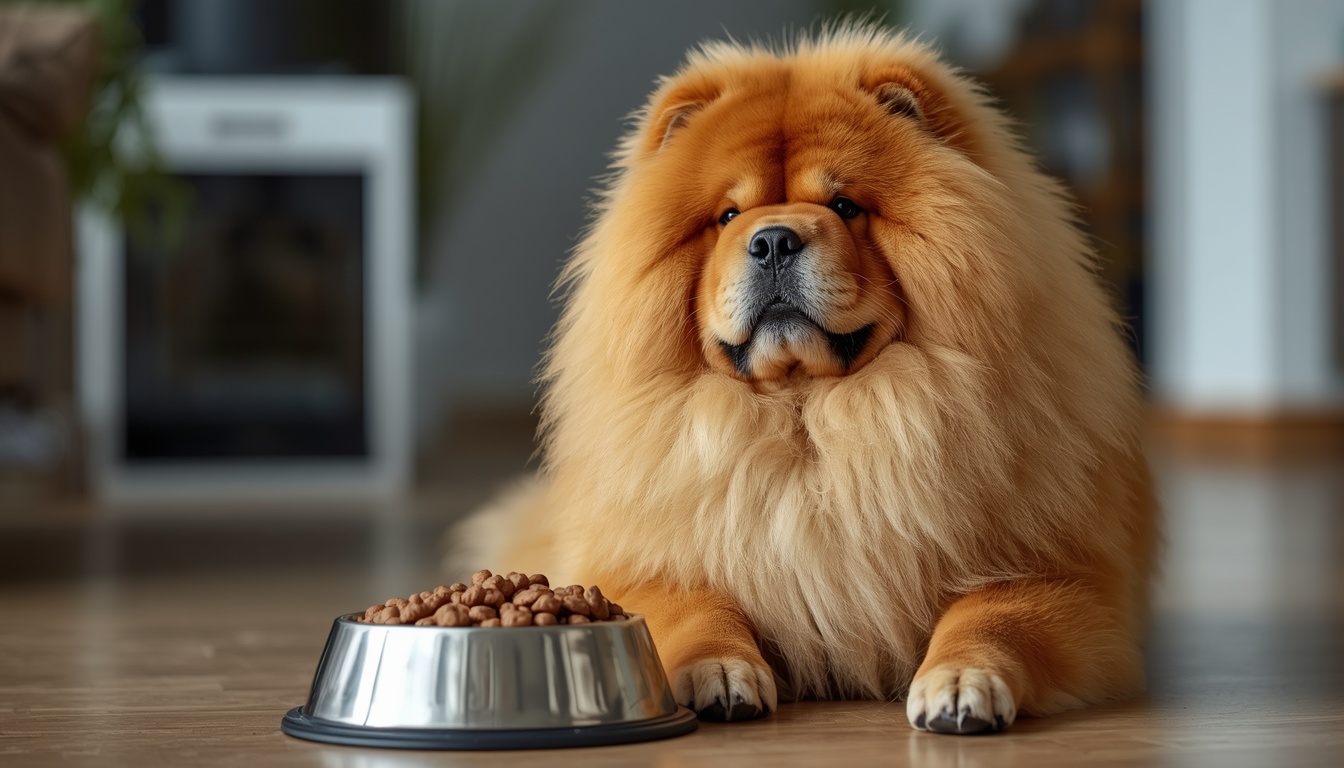
Best Dog Food for Chow Chow in South Africa

Choosing the best dog food for Chow Chow in South Africa is one of the most important decisions you can make as a pet owner. Chow Chows are a unique breed known for their lion-like appearance, thick double coats, independent personalities, and strong loyalty to their families. However, they also have specific nutritional needs that differ from many other dog breeds. A Chow Chow’s diet directly impacts its coat quality, skin health, weight, energy levels, joint function, and overall lifespan. Feeding the wrong food can contribute to obesity, allergies, digestive issues, and poor coat condition. On the other hand, a high-quality diet can help your Chow Chow thrive and maintain its distinctive beauty and strength. This guide explores the best dog food options for Chow Chows in South Africa, what ingredients to look for, common health concerns, feeding schedules, and tips for choosing the right food for your dog’s age and lifestyle. Understanding the Nutritional Needs of a Chow Chow Originally bred in China as working dogs, Chow Chows are sturdy, medium-to-large dogs with moderate activity levels. They require a balanced diet rich in protein, healthy fats, vitamins, and minerals. Because of their dense coats and tendency toward skin sensitivities, nutrition plays an especially important role in their health. Key Nutrients for Chow Chows A quality Chow Chow diet should include: Each of these nutrients contributes to maintaining healthy skin, coat, muscles, and joints. Common Health Issues in Chow Chows Before selecting dog food, it’s important to understand the health conditions Chow Chows are commonly prone to. Skin Allergies Many Chow Chows experience skin allergies and sensitivities. Symptoms may include: Foods rich in omega fatty acids may help support skin health. Obesity Chow Chows can gain weight easily if overfed or under-exercised. Excess weight can contribute to: Choosing appropriate calorie levels is important. Hip and Elbow Dysplasia Like many larger breeds, Chow Chows can develop joint issues. Foods containing glucosamine and chondroitin may help support joint health. Thyroid Issues Some Chow Chows are prone to hypothyroidism, which can affect metabolism and weight management. Digestive Sensitivities Certain Chow Chows may have sensitive stomachs and benefit from easily digestible ingredients. What Makes a Great Dog Food for Chow Chows? When evaluating dog food options, consider the following criteria. High-Quality Protein Protein should be the primary ingredient. Excellent sources include: Protein supports: Healthy Fats Healthy fats provide energy and support skin and coat condition. Look for: Omega Fatty Acids Omega-3 and Omega-6 fatty acids are especially beneficial for Chow Chows. Benefits include: Joint Support Ingredients Look for foods containing: These ingredients help maintain mobility and joint comfort. Best Premium Dog Foods for Chow Chows in South Africa Acana Classic Prairie Poultry Acana is one of the most respected premium dog food brands available in South Africa. Benefits include: Acana is often recommended for active adult Chow Chows. Orijen Six Fish Orijen Six Fish is particularly beneficial for dogs with skin sensitivities. Key features: Many Chow Chow owners choose fish-based diets to improve skin and coat condition. Farmina N&D Ancestral Grain Chicken & Pomegranate Farmina is known for using premium ingredients and advanced nutritional research. Benefits: This food is suitable for adult Chow Chows requiring premium nutrition. Royal Canin Adult Formulas Royal Canin has a strong reputation among veterinarians worldwide. Advantages include: Royal Canin is often recommended for dogs with specific dietary requirements. Best South African Dog Food Brands for Chow Chows Many South African pet owners prefer local brands due to affordability and availability. Montego Karoo Montego Karoo is one of South Africa’s most popular premium dog foods. Benefits include: Montego Field + Forest This range offers higher meat content and premium ingredients. Suitable for: Ultra Pet Premium Ultra Pet has built a strong reputation for quality and value. Benefits: Jock Dog Food Jock remains a trusted choice for many South African households. Advantages: Best Food for Chow Chow Puppies Puppy nutrition is crucial during the first year of life. Growing Chow Chow puppies require: Recommended Puppy Foods Royal Canin Puppy Formulas Provides balanced nutrition for growth and development. Farmina Puppy Formulas Offers premium ingredients and excellent digestibility. Acana Puppy Recipes Rich in protein and natural ingredients. Best Food for Adult Chow Chows Adult Chow Chows require maintenance diets that support: Top choices include: Best Food for Senior Chow Chows Senior dogs have different nutritional needs. Look for foods with: Senior Chow Chows benefit from controlled calorie intake to maintain healthy weight. Grain-Free vs Grain-Inclusive Diets This is a common question among dog owners. Grain-Free Diets Benefits may include: Examples: Grain-Inclusive Diets Benefits include: Unless your dog has a diagnosed sensitivity, grains are generally safe and nutritious. How Much Should a Chow Chow Eat? Feeding amounts vary depending on: Adult Chow Chow Feeding Guide Weight Daily Food 18–22 kg 2–3 cups 22–28 kg 3–4 cups 28–34 kg 4–5 cups Always follow manufacturer guidelines and consult your veterinarian. Sample Feeding Schedule Puppy (2–6 Months) Time Meal 7:00 AM Breakfast 12:00 PM Lunch 5:00 PM Dinner Adult Chow Chow Time Meal 7:00 AM Breakfast 6:00 PM Dinner Most adult Chow Chows do well with two meals daily. Foods to Avoid Certain foods should never be fed to Chow Chows. These include: These foods can be toxic and potentially life-threatening. Signs Your Dog Is Thriving on Its Diet Positive indicators include: Signs the Food May Not Be Suitable Watch for: Consult your veterinarian if symptoms persist. Tips for Transitioning to a New Dog Food Switch gradually over 7–10 days. Transition Example Day Old Food New Food 1–2 75% 25% 3–4 50% 50% 5–6 25% 75% 7+ 0% 100% A slow transition helps prevent digestive upset. Frequently Asked Questions What is the best dog food for a Chow Chow in South Africa? Acana, Orijen, Farmina, Royal Canin, and Montego Field + Forest are among the best options available. Is grain-free food better for Chow Chows? Not necessarily. Most Chow Chows do well on grain-inclusive diets unless they have specific sensitivities. What protein is best for Chow … Read more
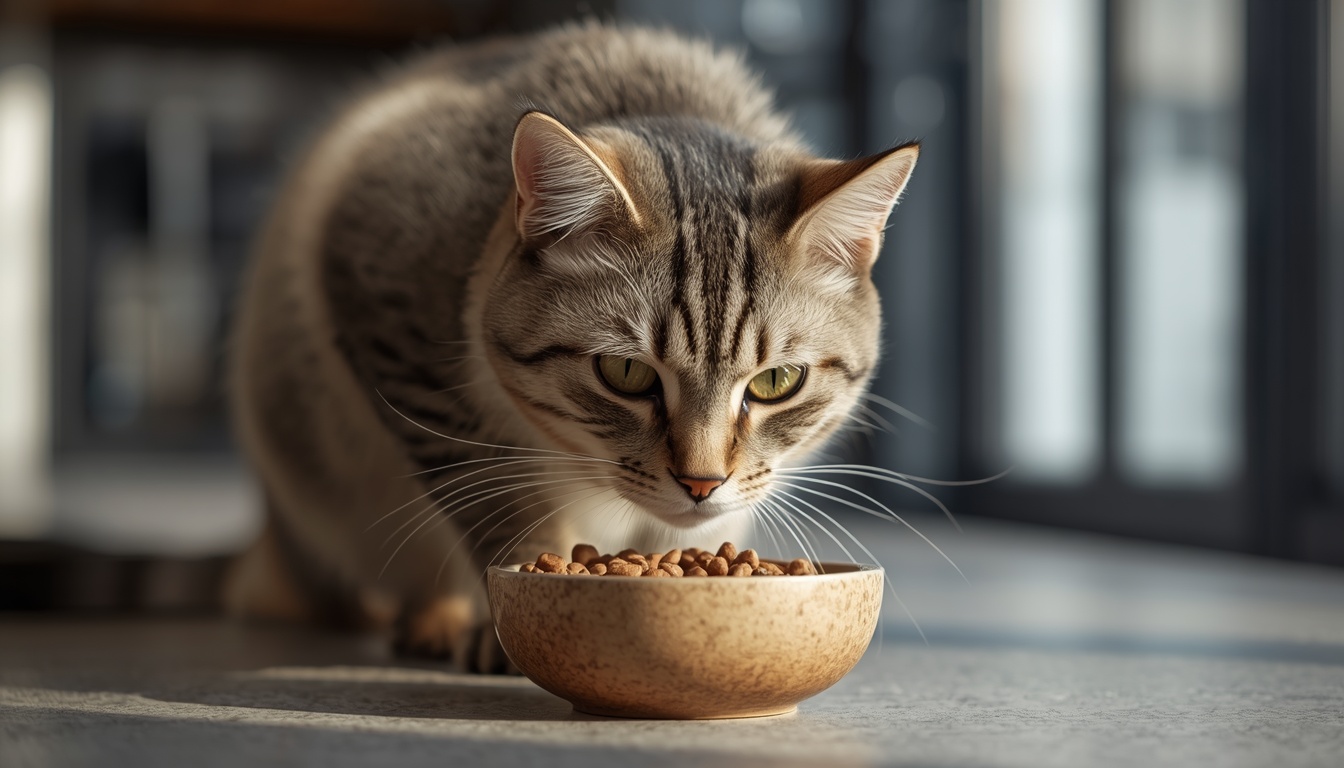
What’s the Best Wet Cat Food? A Complete Guide to Choosing the Right Wet Food for Your Cat

What’s the Best Wet Cat Food

As a cat owner, one of the most important decisions you’ll make is choosing the right food for your feline companion. Walk into any pet store or browse online, and you’ll find hundreds of wet cat food options claiming to be the healthiest, most nutritious, and most delicious. This often leaves cat parents asking a simple question: What’s the best wet cat food? The answer depends on your cat’s age, health condition, activity level, and personal preferences. However, veterinarians generally agree that high-quality wet cat food offers significant benefits due to its high moisture content, quality protein sources, and palatability. Wet food helps cats stay hydrated and can support urinary tract health, kidney function, and overall wellness. This comprehensive guide will help you understand what makes a great wet cat food, how to choose the right option, and which products are worth considering for your furry friend. Why Wet Cat Food Is Important? Cats evolved as desert animals and naturally have a low thirst drive. In the wild, they obtain much of their hydration from prey animals. Because of this, many domestic cats don’t drink enough water on their own. Wet cat food typically contains 75% to 85% moisture, making it an excellent source of hydration. This additional moisture can support: Veterinary experts frequently recommend wet food for cats that need extra hydration or have urinary or kidney concerns. Benefits of Wet Cat Food Better Hydration The primary advantage of wet food is its high water content. Cats often consume significantly more water through wet food than through drinking alone. Higher Protein Content Many wet foods contain higher levels of animal-based protein and fewer carbohydrates compared to dry kibble. Cats are obligate carnivores, meaning they require animal protein as the foundation of their diet. Easier to Eat Wet food is softer and easier to chew, making it ideal for: More Appealing to Picky Eaters The aroma and texture of wet food often make it more attractive than dry food, especially for finicky cats. What Makes a Wet Cat Food High Quality? Not all wet cat foods are created equal. When evaluating a wet cat food, look for: Real Animal Protein The first ingredient should ideally be: Cats require protein for muscle maintenance, immune health, and energy. Complete and Balanced Nutrition Look for products labeled as complete and balanced for your cat’s life stage. Veterinary experts recommend choosing foods that meet established nutritional standards. High Moisture Content Quality wet foods typically contain at least 75% moisture. Minimal Fillers Avoid foods that rely heavily on: Best Wet Cat Food Categories Different cats have different nutritional needs. Best Wet Food for Adult Cats Adult cats benefit from balanced nutrition focused on: Many veterinarians recommend science-backed brands that invest heavily in nutritional research and feeding trials. Best Wet Food for Kittens Kittens require: Veterinary recommendations often include kitten-specific formulas designed for growth and development. Best Wet Food for Senior Cats Senior cats often need: Specialized senior formulas may help support mobility and muscle maintenance. Popular Wet Cat Food Options Here are some widely recognized options available in many markets: Sheba Premium Wet Cat Food High-rated, moist cat food with premium ingredients. 4.8 Purina Felix Jelly Adult Wet Cat Food Popular jelly-style wet food loved by cats, highly rated. 4.9 Royal Canin Feline Care Nutrition Hairball Adult Wet Cat Food •Specialized for hairball control, moist and nutritious. Me-O Adult Wet Cat Food •Affordable, highly-rated wet food for adult cats. 4.9 Bellotta Premium Wet Food for Cats and Kittens ₹55•Premium wet food suitable for both cats and kittens. 4.9 Premium Category Many cat owners choose premium foods because they often contain higher-quality protein sources and specialized nutrition. Examples include: Budget-Friendly Category Affordable options can still provide good hydration and nutrition. Examples include: For Picky Eaters Many picky cats enjoy: These options often feature gravy or jelly textures that cats find highly appealing. Wet Food vs Dry Food Many cat owners wonder which is better. Wet Food Advantages Dry Food Advantages Many veterinarians suggest a combination of wet and dry food for healthy cats when appropriate. How Much Wet Food Should You Feed? The amount depends on: General Feeding Guide Cat Weight Wet Food Per Day 5–8 lbs 1.5–2 cans 8–10 lbs 2–3 cans 10–15 lbs 3–4 cans Always follow manufacturer feeding guidelines and consult your veterinarian for personalized recommendations. Common Wet Food Textures Cats often have strong texture preferences. Pâté Smooth and easy to eat. Best for: Minced Small meat pieces in sauce. Best for: Chunks in Gravy Large pieces with gravy. Best for: Jelly Soft chunks suspended in jelly. Best for: Veterinary experts note that exposing cats to different textures early may reduce pickiness later in life. Ingredients to Look For Prioritize foods containing: Taurine is especially important because cats cannot produce enough on their own. Ingredients to Avoid Limit foods containing excessive amounts of: High-quality ingredients generally support better long-term health. Signs Your Cat Likes Their Food Positive signs include: Signs a Food May Not Be Suitable Watch for: Consult your veterinarian if symptoms persist. Transitioning to a New Wet Food Switch gradually over 7–10 days. Transition Schedule Day Old Food New Food 1–2 75% 25% 3–4 50% 50% 5–6 25% 75% 7+ 0% 100% Gradual transitions help reduce digestive upset. Frequently Asked Questions Is wet cat food better than dry food? Neither is universally better. Wet food offers superior hydration, while dry food provides convenience. Many cats benefit from a combination of both. Should cats eat wet food every day? Many veterinarians recommend including wet food regularly because of its hydration benefits. Is grain-free wet food necessary? Not necessarily. Many cats do well on foods containing quality grains unless a specific sensitivity exists. How long can wet cat food sit out? Generally, no longer than 1–2 hours at room temperature. What protein is best for cats? Chicken, turkey, salmon, tuna, and other animal proteins are excellent choices. Final Thoughts When asking “What’s the best wet cat food?”, the answer depends on your … Read more

Printable Dog Care Chart: The Ultimate Guide to Organizing Your Dog’s Daily Care Routine

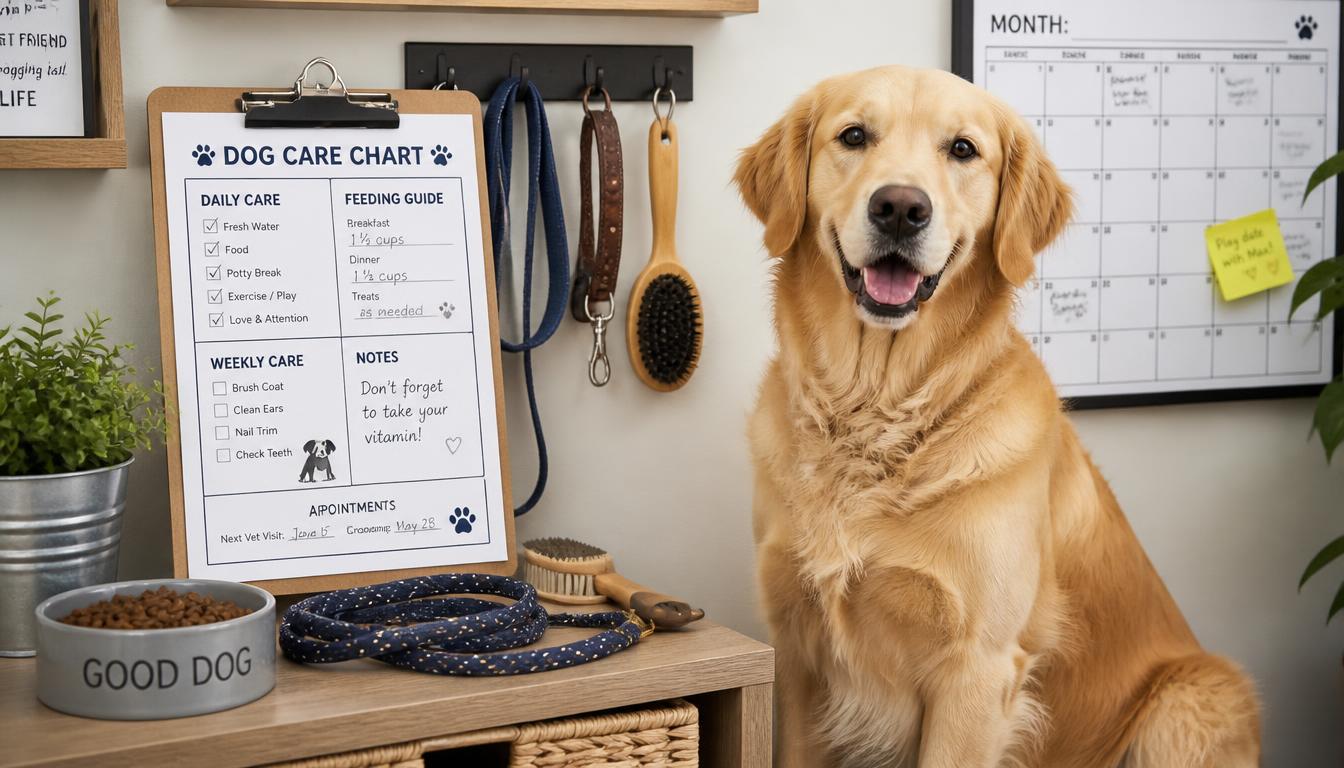
Printable Dog Care Chart

Taking care of a dog is a rewarding experience, but it also comes with daily responsibilities. From feeding and exercise to grooming and veterinary visits, there are many tasks involved in keeping your furry friend healthy and happy. Whether you have a playful puppy, an active adult dog, or a senior companion, staying organized can make a huge difference. That’s where a printable dog care chart becomes an invaluable tool. A dog care chart helps pet owners track important routines, monitor health changes, and ensure consistent care. It provides a simple system for recording feeding schedules, exercise sessions, medication reminders, grooming appointments, and more. Best of all, it can be printed and displayed in a convenient location where the entire family can access it. In this comprehensive guide, you’ll learn everything you need to know about printable dog care charts, including their benefits, essential sections, free templates, and tips for creating a personalized chart that works for your dog’s needs. What Is a Printable Dog Care Chart? A printable dog care chart is an organized document designed to track your dog’s daily, weekly, and monthly care activities. A typical dog care chart may include: The goal is to create a clear record of your dog’s routine so nothing important gets overlooked. Why Every Dog Owner Should Use a Dog Care Chart Dogs thrive on routine and consistency. A structured care chart can help maintain healthy habits and reduce the chances of missing important tasks. Improved Organization A care chart keeps all dog-related information in one place, making it easier to manage daily responsibilities. Better Health Monitoring Tracking your dog’s eating habits, activity levels, and behavior can help identify potential health concerns early. Consistent Feeding A feeding schedule ensures your dog receives meals on time and in appropriate portions. Easier Medication Management If your dog requires medication, a chart helps prevent missed or duplicate doses. Perfect for Families When multiple family members share pet care responsibilities, a chart keeps everyone informed. Helpful for Dog Sitters A detailed care chart makes it easier for pet sitters or relatives to maintain your dog’s routine while you’re away. Essential Sections to Include in a Printable Dog Care Chart Every dog has unique needs, but most dog care charts should include the following categories. Dog Information Section Start with basic details about your dog. Dog Profile Having this information readily available can be extremely useful during emergencies. Daily Feeding Schedule Nutrition is one of the most important aspects of dog care. Feeding Tracker Time Food Type Portion Size Completed 7:00 AM Dry Food 1 Cup ☐ 1:00 PM Treat/Snack Small Portion ☐ 6:00 PM Dinner 1 Cup ☐ A feeding chart helps maintain consistency and supports healthy weight management. Water Intake Monitoring Fresh water should always be available. Water Tracking Chart Date Water Bowl Refilled Notes Monday ☐ Tuesday ☐ Wednesday ☐ Changes in water consumption may indicate health issues and should be monitored carefully. Exercise and Walk Schedule Dogs require daily physical activity for both physical and mental health. Daily Exercise Tracker Activity Morning Evening Walk ☐ ☐ Playtime ☐ ☐ Training Session ☐ ☐ Exercise helps prevent obesity, boredom, and destructive behavior. Potty Break Tracker Especially useful for puppies and newly adopted dogs. Potty Schedule Time Completed Early Morning ☐ Mid-Morning ☐ Afternoon ☐ Evening ☐ Before Bed ☐ Consistent potty schedules support successful house training. Grooming Schedule Regular grooming helps keep your dog healthy and comfortable. Grooming Tasks Weekly Grooming Tracker Task Mon Tue Wed Thu Fri Sat Sun Brushing ☐ ☐ ☐ ☐ ☐ ☐ ☐ Long-haired breeds may require daily brushing. Medication Tracking Section For dogs taking medications or supplements, tracking is essential. Medication Chart Medication Dosage Time Given Example Medication 1 Tablet 8:00 AM ☐ This section helps prevent missed doses and ensures consistency. Weight Monitoring Chart Maintaining a healthy weight is important for preventing obesity and related health problems. Weight Tracker Date Weight January February March Monthly weight checks can reveal important trends. Training Progress Tracker Training is a lifelong process for dogs. Training Checklist Command Practiced Sit ☐ Stay ☐ Come ☐ Down ☐ Leave It ☐ Tracking training sessions helps maintain consistency and monitor progress. Veterinary Appointment Tracker Routine veterinary care is vital for long-term health. Vet Care Schedule Appointment Type Due Date Completed Annual Exam ☐ Vaccinations ☐ Dental Cleaning ☐ Flea & Tick Prevention ☐ A care chart ensures important appointments are not forgotten. Printable Weekly Dog Care Chart Template Weekly Dog Care Checklist Task Mon Tue Wed Thu Fri Sat Sun Morning Feeding ☐ ☐ ☐ ☐ ☐ ☐ ☐ Water Refilled ☐ ☐ ☐ ☐ ☐ ☐ ☐ Walk Completed ☐ ☐ ☐ ☐ ☐ ☐ ☐ Playtime ☐ ☐ ☐ ☐ ☐ ☐ ☐ Evening Feeding ☐ ☐ ☐ ☐ ☐ ☐ ☐ This simple chart works well for most households. Printable Monthly Dog Care Chart Template Monthly Maintenance Schedule Task Week 1 Week 2 Week 3 Week 4 Nail Trim ☐ ☐ ☐ ☐ Bath ☐ ☐ ☐ ☐ Weight Check ☐ ☐ ☐ ☐ Grooming Session ☐ ☐ ☐ ☐ Monthly tracking helps ensure ongoing health and hygiene. Dog Care Chart for Puppies Puppies require more frequent monitoring than adult dogs. Useful sections include: Puppies often need three to four meals and multiple potty breaks each day. Dog Care Chart for Senior Dogs Senior dogs may require additional attention and health monitoring. Helpful tracking categories include: Detailed records can help detect age-related changes early. Dog Care Chart for Multiple Dogs If you own more than one dog, organization becomes even more important. A multi-dog chart can track: Color-coding each dog’s section can simplify management. Benefits of Using a Printable Dog Care Chart Reduces Stress A care chart helps eliminate uncertainty about completed tasks. Encourages Routine Dogs feel more secure when daily activities occur consistently. Supports Health Tracking behavior and habits helps identify problems before they become serious. Improves Communication Family members can easily see what tasks have already … Read more

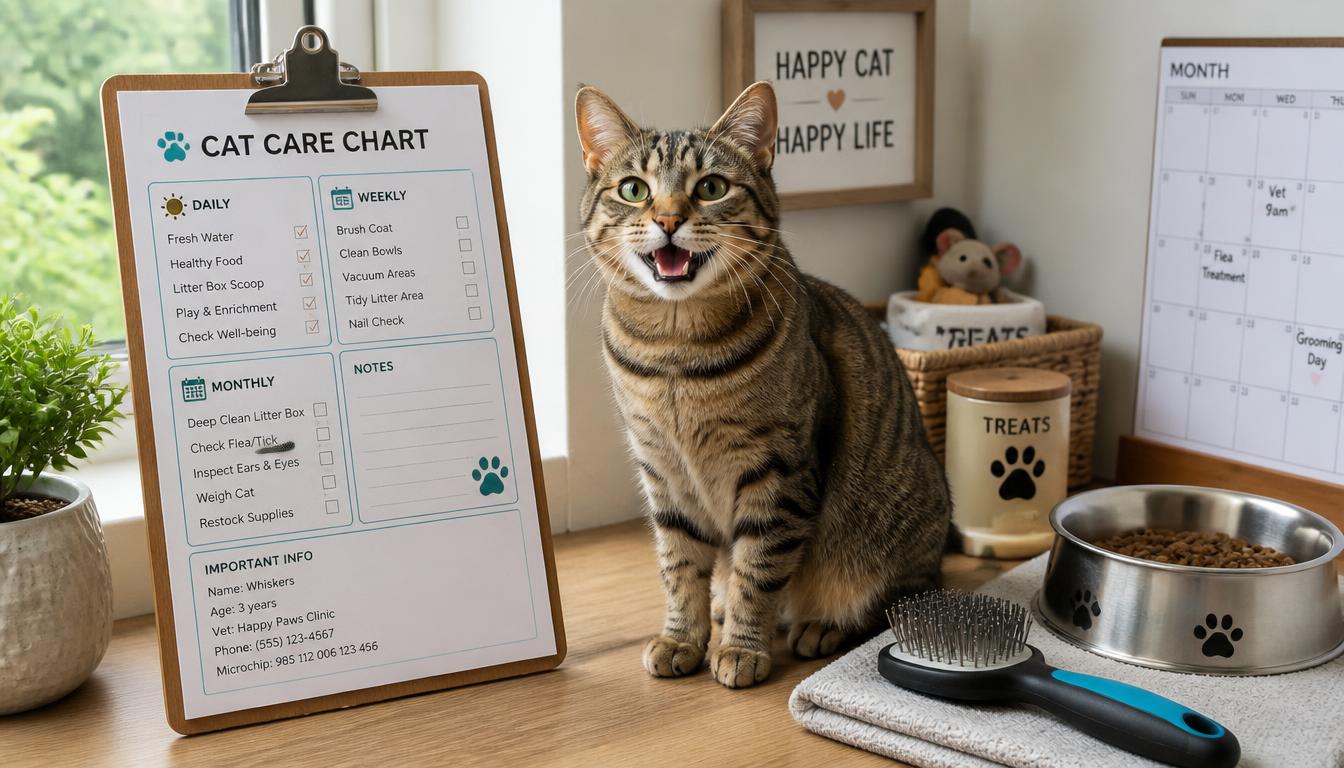
Printable Cat Care Chart: The Ultimate Guide

Printable Cat Care Chart

Caring for a cat is one of life’s most rewarding experiences. Whether you’re a first-time cat owner or have shared your home with felines for years, keeping track of your cat’s daily needs can sometimes feel overwhelming. From feeding schedules and grooming routines to vet appointments and medication reminders, there are many details to remember. That’s where a printable cat care chart becomes incredibly useful. A cat care chart helps pet owners stay organized while ensuring their furry companions receive consistent care. It serves as a simple yet effective tool for tracking essential tasks, monitoring health changes, and maintaining healthy routines. Whether you have a playful kitten, an active adult cat, or a senior feline with special needs, a printable care chart can make daily pet management much easier. In this comprehensive guide, you’ll learn everything about printable cat care charts, including their benefits, what information to include, how to create one, and free templates you can use at home. What Is a Printable Cat Care Chart? A printable cat care chart is a structured document designed to help cat owners track and manage their pet’s daily, weekly, and monthly care activities. Typically, a cat care chart includes sections for: The chart can be printed and displayed in a visible location such as a refrigerator, pet station, or family command center. Why Every Cat Owner Should Use a Cat Care Chart Cats thrive on consistency. Regular routines help them feel secure and can contribute to better overall health. A printable cat care chart provides several important benefits. Better Organization When multiple family members help care for a cat, it’s easy to forget who completed a particular task. A chart eliminates confusion and ensures nothing is overlooked. Consistent Feeding Maintaining a regular feeding schedule is important for weight management and digestive health. A chart helps ensure meals are provided on time. Easier Health Monitoring Tracking changes in eating habits, water consumption, litter box usage, or behavior can help identify health issues early. Improved Medication Management If your cat requires medication, a care chart can help prevent missed doses. Helpful for Pet Sitters When traveling, a detailed care chart makes it easier for pet sitters or family members to maintain your cat’s routine. Essential Sections to Include in a Printable Cat Care Chart Every cat has unique needs, but most care charts should include the following categories. Cat Information Section Start by recording basic information about your cat. Cat Profile Having this information readily available can be extremely helpful during emergencies. Daily Feeding Schedule One of the most important parts of any cat care chart is meal tracking. Example Feeding Chart Time Food Type Portion Size Completed 7:00 AM Dry Food ½ Cup ☐ 1:00 PM Wet Food ½ Can ☐ 7:00 PM Dry Food ½ Cup ☐ This section ensures your cat receives consistent nutrition every day. Water Intake Tracking Hydration plays a critical role in feline health. Cats are often prone to dehydration because they naturally have a low thirst drive. Water Monitoring Chart Date Water Bowl Refilled Notes Monday ☐ Tuesday ☐ Wednesday ☐ Monitoring water consumption can help identify health issues such as kidney disease or diabetes. Litter Box Maintenance Chart A clean litter box encourages healthy bathroom habits. Litter Box Checklist Task Morning Evening Scoop Waste ☐ ☐ Check Odor ☐ ☐ Add Fresh Litter ☐ ☐ Keeping this section updated helps maintain a hygienic environment. Grooming Schedule Although cats groom themselves, regular maintenance is still important. Grooming Tasks Weekly Grooming Tracker Task Monday Tuesday Wednesday Thursday Friday Saturday Sunday Brushing ☐ ☐ ☐ ☐ ☐ ☐ ☐ Long-haired breeds may require more frequent grooming than short-haired cats. Medication Tracking Section For cats with health conditions, medication management is essential. Medication Chart Medication Dosage Time Given Example Medication 1 Tablet 8:00 AM ☐ This section helps ensure every dose is administered correctly. Weight Monitoring Chart Maintaining a healthy weight is crucial for preventing obesity and other health problems. Weight Tracker Date Weight January February March Regular weight checks can reveal gradual changes that may require veterinary attention. Activity and Playtime Tracker Cats need physical activity and mental stimulation. Daily Activity Chart Activity Completed Interactive Play ☐ Puzzle Toy Time ☐ Climbing Activity ☐ Window Observation ☐ Regular play helps prevent boredom and obesity. Veterinary Appointment Tracker Routine veterinary visits are important for maintaining your cat’s health. Vet Care Schedule Appointment Type Due Date Completed Annual Checkup ☐ Vaccinations ☐ Dental Cleaning ☐ Wellness Exam ☐ This section helps ensure important healthcare appointments are not missed. Printable Weekly Cat Care Chart Template Monday to Sunday Care Checklist Task Mon Tue Wed Thu Fri Sat Sun Morning Feeding ☐ ☐ ☐ ☐ ☐ ☐ ☐ Water Refilled ☐ ☐ ☐ ☐ ☐ ☐ ☐ Litter Scooped ☐ ☐ ☐ ☐ ☐ ☐ ☐ Playtime ☐ ☐ ☐ ☐ ☐ ☐ ☐ Evening Feeding ☐ ☐ ☐ ☐ ☐ ☐ ☐ This simple chart works well for most households. Printable Monthly Cat Care Chart Template Monthly Maintenance Tasks Task Week 1 Week 2 Week 3 Week 4 Deep Litter Cleaning ☐ ☐ ☐ ☐ Nail Trimming ☐ ☐ ☐ ☐ Weigh Cat ☐ ☐ ☐ ☐ Grooming Session ☐ ☐ ☐ ☐ Monthly tracking helps maintain long-term health. Cat Care Chart for Kittens Kittens require additional monitoring during their first year. Important sections include: Young kittens often eat three to four meals daily, making feeding records particularly important. Cat Care Chart for Senior Cats Senior cats may have additional health needs. Useful tracking categories include: Older cats benefit greatly from detailed monitoring. Cat Care Chart for Multiple Cats Households with multiple cats often face unique challenges. A multi-cat care chart can include: Color-coding each cat’s section can make tracking easier. Tips for Using a Printable Cat Care Chart Successfully Keep It Visible Place the chart in an area everyone can access. Popular locations include: Update Daily A chart only works if it remains current. Make updates part of your … Read more

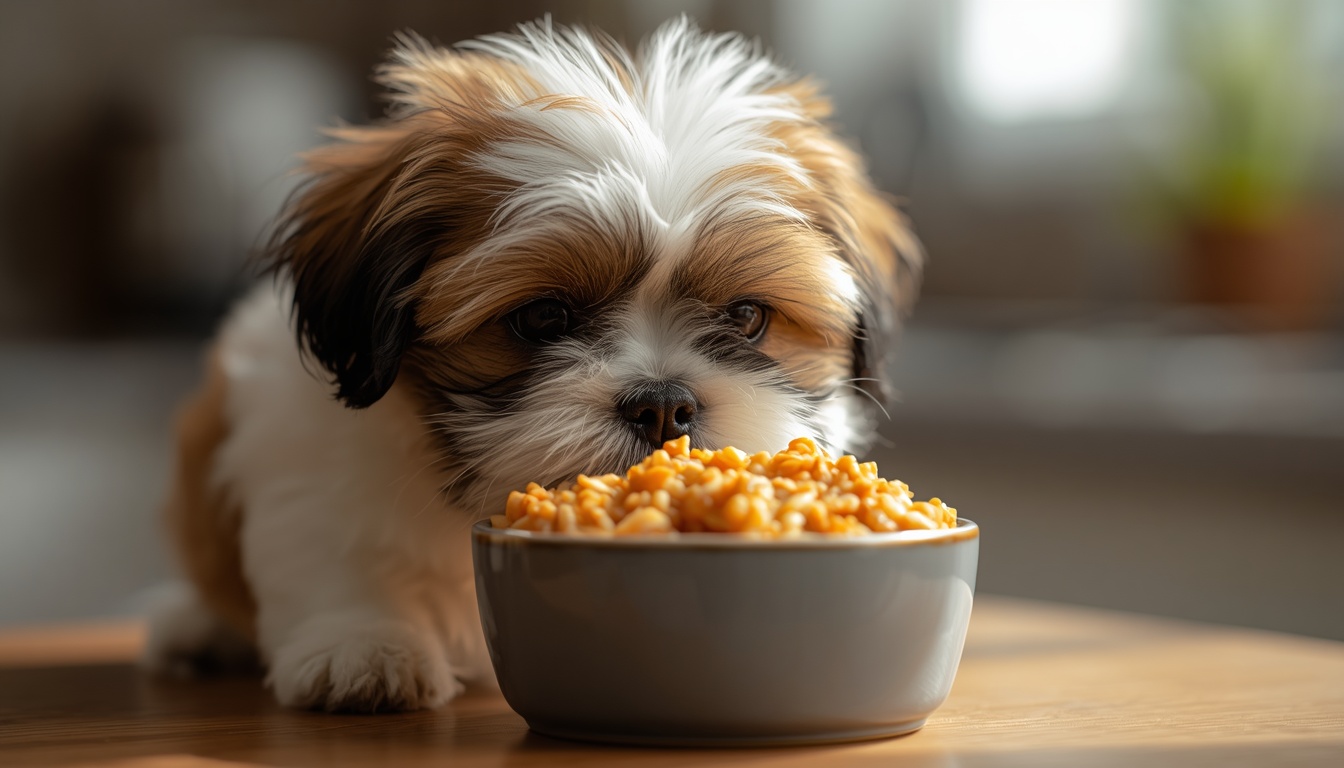
Best Homemade Food for Shih Tzu Puppy: A Complete Nutrition Guide

Best Homemade Food for Shih Tzu Puppy

Shih Tzu puppies are adorable, affectionate, and full of energy. Their small size, fast growth, and unique nutritional needs make proper feeding extremely important during the first year of life. Many pet owners prefer homemade meals because they want greater control over ingredient quality and nutrition. If you’re wondering about the best homemade food for Shih Tzu puppy, the key is creating balanced meals that provide protein, healthy fats, vitamins, minerals, and digestible carbohydrates. Homemade food can be a healthy option when prepared correctly. It allows you to avoid unnecessary fillers, artificial preservatives, and low-quality ingredients often found in some commercial foods. However, a homemade diet should always be balanced to support healthy growth and development. In this guide, you’ll learn the best homemade foods for Shih Tzu puppies, essential nutrients, feeding schedules, recipes, foods to avoid, and expert tips for raising a healthy puppy. Why Choose Homemade Food for a Shih Tzu Puppy? Many dog owners switch to homemade meals for several reasons. Benefits include: Homemade food can be particularly beneficial for picky eaters and puppies with mild food sensitivities. Nutritional Requirements of a Shih Tzu Puppy A growing Shih Tzu puppy requires balanced nutrition to support: Every homemade meal should contain the right balance of nutrients. Protein Protein is the most important nutrient for growing puppies. Excellent protein sources include: Protein helps build: Aim for high-quality animal protein in every meal. Healthy Fats Healthy fats provide energy and support brain development. Good sources include: Benefits include: Carbohydrates Carbohydrates provide energy and fiber. Healthy options include: Avoid excessive refined carbohydrates. Vegetables Vegetables provide vitamins, minerals, and antioxidants. Safe choices include: Cook vegetables thoroughly for easier digestion. Calcium Growing puppies need adequate calcium for strong bones and teeth. Sources may include: Consult your veterinarian before supplementing calcium. Best Homemade Food Ingredients for Shih Tzu Puppies Chicken and Rice One of the most popular homemade meals. Ingredients: Benefits: Turkey and Sweet Potato A nutritious alternative. Ingredients: Benefits: Egg and Oatmeal Eggs provide high-quality protein and nutrients. Ingredients: Benefits: Fish and Vegetables Fish provides omega-3 fatty acids. Ingredients: Benefits: Homemade Shih Tzu Puppy Recipe #1 Chicken Growth Meal Ingredients: Instructions: This recipe provides a balanced combination of protein and carbohydrates. Homemade Shih Tzu Puppy Recipe #2 Turkey and Sweet Potato Bowl Ingredients: Instructions: This meal is rich in nutrients and highly palatable. Homemade Shih Tzu Puppy Recipe #3 Salmon and Pumpkin Mix Ingredients: Instructions: This recipe supports skin and coat health. Feeding Schedule for Shih Tzu Puppies Because of their small size, Shih Tzu puppies need frequent meals. 8–12 Weeks Age Meals Per Day 8–12 Weeks 4 Meals 3–6 Months Age Meals Per Day 3–6 Months 3 Meals 6–12 Months Age Meals Per Day 6–12 Months 2–3 Meals Regular feeding helps maintain energy levels and supports healthy growth. How Much Homemade Food Should a Shih Tzu Puppy Eat? Portion sizes depend on: General Guide Weight Daily Homemade Food 2–4 lbs ½–1 cup 4–8 lbs 1–1½ cups 8–12 lbs 1½–2 cups Divide daily food into multiple meals. Foods to Avoid Some foods are dangerous for puppies. Never feed: These foods can cause serious health problems. Common Homemade Feeding Mistakes Feeding Only Meat Puppies need more than protein. A balanced diet also includes: Overfeeding Excess calories can lead to obesity. Always monitor body condition. Lack of Calcium Growing puppies require balanced calcium levels for proper bone development. Excess Treats Treats should make up only a small portion of daily calories. Signs Your Puppy Is Thriving A healthy Shih Tzu puppy should have: Signs the Diet May Need Adjustment Watch for: Consult your veterinarian if these symptoms occur. Homemade vs Commercial Puppy Food Homemade Food Commercial Food Fresh ingredients Convenient Ingredient control Nutritionally balanced No artificial additives Easy storage Requires preparation Consistent nutrition Many owners combine homemade meals with high-quality puppy food for balance and convenience. Tips for Success With Homemade Feeding Use Fresh Ingredients Choose high-quality proteins and vegetables. Avoid Seasonings Do not add: Cook Thoroughly Always cook meat properly before serving. Introduce New Foods Gradually Slow transitions help prevent digestive upset. Provide Fresh Water Clean water should always be available. Frequently Asked Questions Is homemade food good for Shih Tzu puppies? Yes, homemade food can be healthy when properly balanced and prepared with high-quality ingredients. Can Shih Tzu puppies eat chicken daily? Chicken can be part of a balanced diet if combined with other nutrients and ingredients. How many times should a Shih Tzu puppy eat? Young puppies generally need 3–4 meals daily, depending on age. Can I feed eggs to my Shih Tzu puppy? Yes, cooked eggs are an excellent source of protein and nutrients. Is rice good for Shih Tzu puppies? Yes, cooked rice is easy to digest and provides energy when fed in moderation. Final Thoughts The best homemade food for a Shih Tzu puppy includes high-quality protein, healthy fats, digestible carbohydrates, and nutrient-rich vegetables. Meals such as chicken and rice, turkey and sweet potato, or salmon and pumpkin can provide excellent nutrition when properly balanced. Homemade feeding allows you to control ingredient quality and customize meals for your puppy’s needs. By following proper feeding guidelines, providing balanced nutrition, and monitoring your puppy’s growth, you can help your Shih Tzu develop into a healthy, energetic, and happy adult dog. Also Read:

Dog Training Tips for Beginners: A Complete Guide

Dog Training Tips for Beginners

Training your dog is one of the most rewarding parts of pet ownership. Whether you’ve adopted a playful puppy or welcomed an adult rescue dog into your home, proper training builds trust, strengthens your bond, and helps your dog become a confident and well-mannered companion. If you’re looking for dog training tips for beginners, starting with simple techniques and staying consistent is the key to success. Many first-time dog owners believe training is difficult or time-consuming. In reality, dogs learn best through patience, repetition, and positive reinforcement. You don’t need to be a professional trainer to teach your dog good manners—you simply need the right approach. In this guide, you’ll discover beginner-friendly dog training tips, essential commands, common mistakes to avoid, and practical advice to help your dog learn quickly and confidently. Why Dog Training Is Important? Training is about much more than teaching tricks. It helps your dog understand what behavior is expected while creating a safe and enjoyable relationship between you and your pet. Benefits of dog training include: Well-trained dogs are often happier because they understand routines and expectations. Start Training Early Puppies can begin learning basic commands as early as 8 weeks of age. If you have an older dog, don’t worry. Adult dogs are fully capable of learning new behaviors with patience and consistency. The earlier you begin training, the easier it is to establish good habits. Keep Training Sessions Short Dogs, especially puppies, have short attention spans. Aim for: Short, positive lessons are more effective than long training sessions. Use Positive Reinforcement Positive reinforcement is one of the most effective and humane training methods. Reward good behavior with: Your dog is more likely to repeat behaviors that lead to rewards. Be Consistent Consistency helps your dog understand expectations. Everyone in the household should use: For example, if one family member allows the dog on the couch and another does not, your dog may become confused. Teach Basic Commands First Start with simple commands before moving to advanced training. Sit “Sit” is one of the easiest commands to teach. Steps: Stay Once your dog understands “Sit,” introduce “Stay.” Start with just a few seconds and gradually increase the duration. Come A reliable recall command is important for safety. Practice in quiet environments before trying busier locations. Always reward your dog enthusiastically when they come to you. Down Teaching “Down” encourages calm behavior. Guide your dog into the lying position using a treat and reward them immediately. Leave It This command helps prevent your dog from picking up dangerous objects. Reward your dog for ignoring the item rather than grabbing it. Reward Good Behavior Immediately Timing is important. Reward your dog within one or two seconds after the desired behavior so they clearly understand what earned the reward. Delayed rewards can confuse your dog. Socialize Your Dog Proper socialization helps prevent fear and anxiety. Introduce your dog gradually to: Positive experiences build confidence. Crate Training Tips A crate should be a comfortable and safe space, never a punishment. Benefits include: Place comfortable bedding and toys inside the crate to encourage positive associations. House Training Tips House training requires patience and routine. Take your puppy outside: Praise and reward successful potty breaks immediately. Leash Training Teach your dog to walk calmly without pulling. Tips: Consistency is more effective than constant pulling. Prevent Jumping Dogs often jump to greet people. Instead of rewarding jumping with attention: This teaches polite behavior. Manage Chewing Chewing is normal, especially during puppyhood. Provide: Redirect chewing away from furniture and shoes. Avoid Punishment-Based Training Harsh punishment can create fear and damage trust. Avoid: Instead, redirect unwanted behavior and reward positive alternatives. Use Clear Commands Keep commands short and consistent. Examples: Avoid changing command words frequently. Practice in Different Locations Dogs do not automatically generalize behaviors to new environments. Practice commands: Gradually increase distractions. Exercise Before Training A dog with excess energy may struggle to focus. Before training: A calm dog often learns more effectively. Use High-Value Rewards Different dogs value different rewards. Popular options include: Reserve especially exciting rewards for more challenging tasks. Common Beginner Training Mistakes Expecting Instant Results Learning takes time. Celebrate small improvements. Inconsistent Rules Mixed messages slow progress. Long Training Sessions Short, enjoyable sessions are more effective. Forgetting Rewards Reward desired behaviors frequently during early training. Skipping Practice Daily repetition builds reliable habits. Daily Training Routine A simple daily schedule can keep your dog engaged. Time Activity Morning Sit, Stay, Come (5–10 minutes) Afternoon Leash walk and socialization Evening Down, Leave It, Recall practice Before Bed Calm behavior and crate routine Consistency is more important than duration. Signs Your Dog Is Learning Positive progress may include: Every dog learns at a different pace. When to Seek Professional Help Consider working with a qualified trainer if your dog shows: Early guidance can make training easier and more effective. Frequently Asked Questions What is the first command I should teach my dog? “Sit” is usually the easiest and most useful command for beginners. How long should training sessions be? Most dogs benefit from 5–10 minute sessions repeated several times each day. Can older dogs still learn? Yes. Adult dogs can learn new behaviors throughout their lives. How many treats should I use? Use small treats and gradually replace food rewards with praise as behaviors become reliable. What is the best age to start training? Basic training can begin around 8 weeks of age, but dogs of any age can benefit from positive training. Final Thoughts Learning effective dog training tips for beginners doesn’t require expensive equipment or years of experience. Success comes from consistency, patience, and positive reinforcement. By starting with basic commands, rewarding good behavior, and practicing every day, you’ll help your dog become a confident, well-behaved companion. Remember that training is an ongoing process rather than a one-time event. Continue reinforcing good habits throughout your dog’s life, and enjoy the stronger bond that grows through learning together. Also Read:

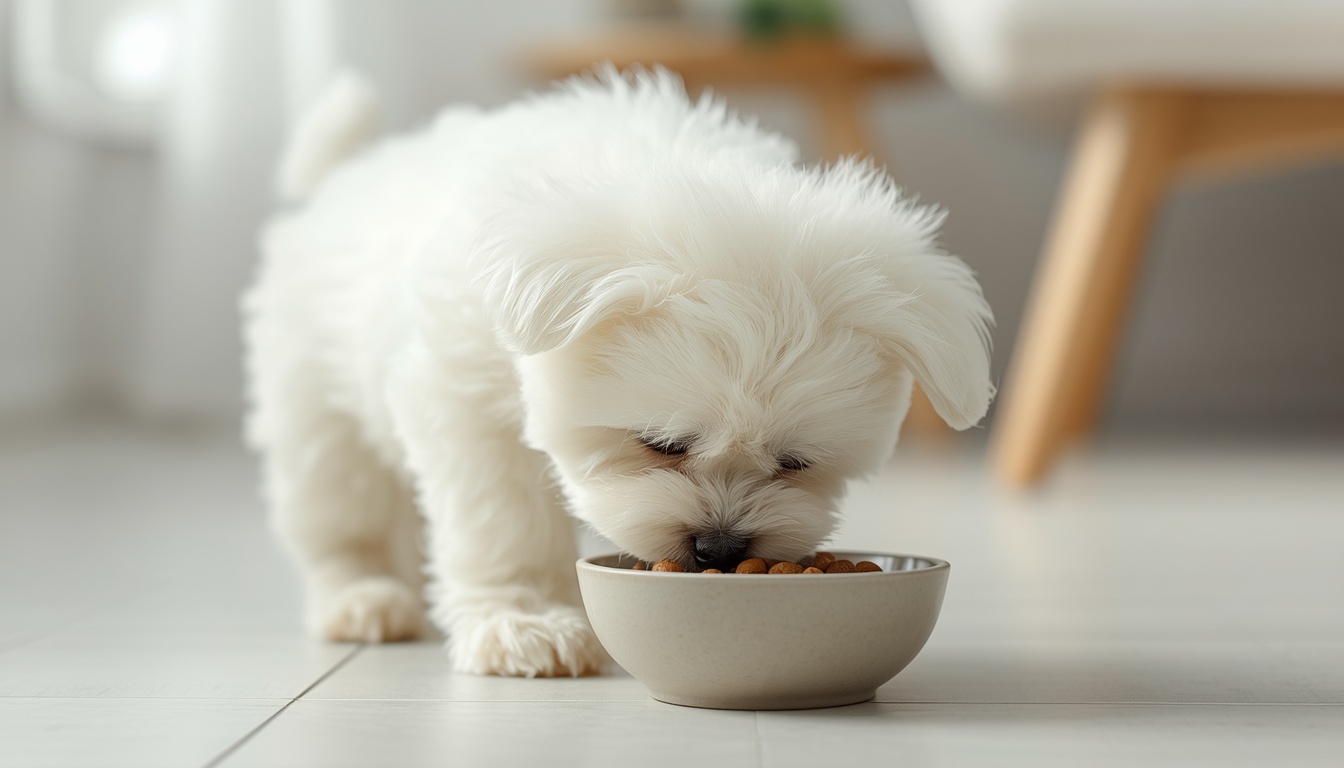
Best Food for Bichon Frise Puppy: Complete Nutrition Guide for Healthy Growth

Best Food for Bichon Frise Puppy

A Bichon Frise puppy is a bundle of energy, curiosity, and charm. Known for their fluffy white coats and cheerful personalities, these small dogs require proper nutrition during their early months to support healthy growth, strong bones, brain development, and a beautiful coat. If you’re searching for the best food for Bichon Frise puppy, understanding their unique nutritional needs is the first step toward raising a healthy and happy companion. Bichon Frise puppies grow rapidly during their first year and need a balanced diet rich in high-quality protein, healthy fats, vitamins, and minerals. Choosing the right puppy food can help prevent nutritional deficiencies, support immune health, and establish healthy eating habits that last a lifetime. Why Nutrition Matters for Bichon Frise Puppies? During puppyhood, your Bichon Frise develops: A nutrient-rich diet provides the building blocks needed for proper development. Feeding poor-quality food can affect growth, digestion, energy levels, and overall health. Nutritional Requirements for a Bichon Frise Puppy High-Quality Protein Protein is the most important nutrient for growing puppies. Excellent protein sources include: Benefits of protein: Look for puppy food that lists real meat as the first ingredient. Healthy Fats Healthy fats are essential for brain development and energy. Good fat sources include: Healthy fats support: DHA for Brain Development DHA (Docosahexaenoic Acid) is an omega-3 fatty acid that supports: Many premium puppy foods include DHA from fish oil. Calcium and Phosphorus These minerals help support: Balanced levels are important because excessive calcium can also cause growth issues. Digestible Carbohydrates Carbohydrates provide energy and digestive support. Healthy options include: Avoid foods loaded with low-quality fillers. What to Look for in the Best Bichon Frise Puppy Food When comparing puppy foods, prioritize products that offer: Small-breed formulas are usually better suited to the tiny mouths of Bichon Frise puppies. Dry Food for Bichon Frise Puppies Dry kibble is one of the most popular feeding options. Benefits Choose kibble specifically designed for small-breed puppies. Wet Food for Bichon Frise Puppies Wet food can be a great option, especially for picky eaters. Benefits Many owners combine wet and dry food for variety and balanced nutrition. Mixed Feeding Approach Combining wet and dry food offers several advantages. Benefits include: Many Bichon Frise owners find mixed feeding works very well. Feeding Schedule for Bichon Frise Puppies Because of their small size, puppies need regular meals throughout the day. 8–12 Weeks Age Meals Per Day 8–12 Weeks 4 Meals 3–6 Months Age Meals Per Day 3–6 Months 3 Meals 6–12 Months Age Meals Per Day 6–12 Months 2–3 Meals Regular feeding helps maintain stable energy levels and supports healthy growth. How Much Should a Bichon Frise Puppy Eat? Food requirements vary depending on: General Feeding Guide Puppy Weight Daily Food Amount 2–4 lbs ½–1 cup 4–8 lbs 1–1½ cups 8–12 lbs 1½–2 cups Always follow the feeding instructions on your chosen puppy food and adjust as needed. Common Health Concerns Related to Diet Food Sensitivities Some Bichon Frise puppies may develop sensitivities to certain ingredients. Common triggers include: Symptoms may include: Tear Staining Bichon Frises are known for tear staining around the eyes. While many factors contribute, high-quality nutrition may help support overall eye and skin health. Obesity Small breeds can gain weight quickly if overfed. Prevent obesity by: Foods to Avoid Never feed your puppy: These foods can be toxic to dogs. Signs Your Puppy Is Thriving on Their Food A healthy Bichon Frise puppy should have: These signs indicate the food is meeting your puppy’s nutritional needs. Signs the Food May Not Be Suitable Watch for: If symptoms continue, consult your veterinarian. Transitioning to a New Food Changing foods too quickly can upset your puppy’s stomach. Recommended Transition Schedule Day Old Food New Food 1–2 75% 25% 3–4 50% 50% 5–6 25% 75% 7+ 0% 100% Gradual transitions help minimize digestive issues. Tips for Feeding a Bichon Frise Puppy Use Small Portions Small breeds benefit from measured meals rather than free feeding. Maintain a Routine Feed at consistent times each day. Provide Fresh Water Clean water should always be available. Monitor Weight Track growth regularly to ensure healthy development. Choose Small-Breed Formulas Small kibble is easier for tiny mouths to chew and digest. Frequently Asked Questions What is the best type of food for a Bichon Frise puppy? A high-quality small-breed puppy food with real meat, healthy fats, DHA, and balanced minerals is usually the best choice. Can Bichon Frise puppies eat wet food? Yes. Wet food can be fed alone or mixed with dry kibble. How often should a Bichon Frise puppy eat? Young puppies generally need 3–4 meals per day, while older puppies can transition to 2–3 meals. Is grain-free food necessary? Not necessarily. Many Bichon Frise puppies do well with foods containing quality grains. When should I switch to adult food? Most Bichon Frises transition to adult food around 10–12 months of age, depending on growth and veterinary guidance. Final Thoughts Finding the best food for a Bichon Frise puppy is one of the most important decisions you’ll make as a pet parent. A balanced diet rich in high-quality protein, healthy fats, DHA, vitamins, and minerals supports healthy growth, brain development, and a beautiful coat. Choose a reputable small-breed puppy formula, feed consistent portions, and monitor your puppy’s progress as they grow. Combined with regular veterinary care and plenty of love, proper nutrition will help your Bichon Frise puppy develop into a healthy, energetic, and happy adult dog. Also Read:

What Is the Best Dog Food for Chihuahuas? Complete Nutrition Guide

What Is the Best Dog Food for Chihuahuas

Chihuahuas may be the smallest dog breed in the world, but they have big personalities and unique nutritional needs. Because of their tiny size, fast metabolism, and long lifespan, choosing the right food is essential for maintaining their health and energy levels. Many pet owners ask, what is the best dog food for Chihuahuas? The best dog food for Chihuahuas is one that provides high-quality protein, healthy fats, essential vitamins, and small-sized kibble that is easy for their tiny mouths to chew. Whether you have a Chihuahua puppy, adult dog, or senior companion, proper nutrition can help support healthy growth, strong teeth, a shiny coat, and a long, active life. This guide covers everything you need to know about feeding Chihuahuas, including nutritional requirements, feeding schedules, foods to avoid, and tips for selecting the best dog food. Why Chihuahuas Need Special Nutrition? Despite their small size, Chihuahuas have a relatively fast metabolism compared to larger breeds. They burn energy quickly and require nutrient-dense food that delivers plenty of nutrition in small portions. A well-balanced Chihuahua diet supports: Because Chihuahuas often live 12 to 20 years, nutrition plays a major role in their overall health and longevity. Essential Nutrients for Chihuahuas High-Quality Protein Protein is the foundation of a healthy Chihuahua diet. Excellent protein sources include: Protein supports: Look for foods that list real meat as the first ingredient. Healthy Fats Healthy fats provide concentrated energy and support skin and coat health. Beneficial fat sources include: Healthy fats help maintain: Carbohydrates Carbohydrates provide additional energy and digestive support. Good carbohydrate sources include: Avoid foods loaded with excessive fillers. Vitamins and Minerals A balanced Chihuahua diet should include: These nutrients support immunity, vision, bones, and overall health. Best Types of Dog Food for Chihuahuas Dry Dog Food Dry food is one of the most popular choices for Chihuahuas. Benefits include: Choose kibble specifically designed for small breeds. Wet Dog Food Wet food offers: Wet food can be particularly beneficial for senior Chihuahuas or picky eaters. Mixed Feeding Many Chihuahua owners combine wet and dry food. Benefits include: A combination approach often works well for small breeds. Best Food for Chihuahua Puppies Chihuahua puppies grow quickly and need calorie-dense food to support development. Puppy Food Should Include Chihuahua Puppy Feeding Schedule Age Meals Per Day 8–12 Weeks 4 Meals 3–6 Months 3 Meals 6–12 Months 2–3 Meals Because of their small size, puppies may be more prone to low blood sugar if meals are skipped. Best Food for Adult Chihuahuas Adult Chihuahuas require balanced nutrition to maintain a healthy weight and energy level. Ideal Adult Diet Most adult Chihuahuas do well with two meals daily. Best Food for Senior Chihuahuas As Chihuahuas age, their nutritional needs change. Senior-friendly foods should contain: Senior dogs may benefit from more frequent health monitoring and dietary adjustments. Common Health Concerns Related to Diet Obesity Because Chihuahuas are tiny, even a small amount of excess weight can affect their health. Prevent obesity by: Dental Problems Chihuahuas are prone to dental disease. Foods that support dental health may help reduce plaque buildup. Low Blood Sugar Small puppies can sometimes experience low blood sugar. Regular meals help maintain stable energy levels. Food Sensitivities Some Chihuahuas may be sensitive to certain ingredients. Common triggers include: Ingredients to Look For When selecting dog food, prioritize: Beneficial Ingredients Ingredients to Limit Reading ingredient labels carefully can help you choose a higher-quality food. How Much Should a Chihuahua Eat? The amount depends on: General Feeding Guide Weight Daily Food Amount 2–4 lbs ¼–½ cup 4–6 lbs ½–¾ cup 6–10 lbs ¾–1 cup Always follow the feeding instructions on your chosen food and adjust as needed. Feeding Schedule for Chihuahuas Consistency is important. Example Adult Feeding Schedule Time Meal 7:00 AM Breakfast 6:00 PM Dinner Regular meal times support digestion and help prevent overeating. Foods Chihuahuas Should Never Eat Some human foods are toxic to dogs. Avoid: Store these foods securely and out of reach. Signs Your Chihuahua Is Eating the Right Food Healthy nutrition often results in: Signs the Food May Not Be Suitable Watch for: If symptoms persist, consult your veterinarian. Dry Food vs Wet Food for Chihuahuas Dry Food Wet Food Convenient Higher moisture Supports dental health Easier chewing Cost-effective Strong flavor Longer shelf life Helpful for picky eaters Many Chihuahua owners successfully use a combination of both. Tips for Choosing the Best Dog Food for Chihuahuas Choose Small-Breed Formulas Small-breed foods are designed with: Focus on Protein Quality Real meat should be the primary ingredient. Monitor Weight Regularly Because Chihuahuas are small, even minor weight changes can be significant. Transition Slowly Switch foods gradually over 7–10 days to reduce digestive upset. Provide Fresh Water Hydration is essential for overall health. Frequently Asked Questions What is the best type of food for Chihuahuas? High-quality small-breed dog food with real meat, healthy fats, and appropriately sized kibble is generally the best choice. Can Chihuahuas eat wet food every day? Yes, wet food can be part of a healthy daily diet when fed appropriately. How often should Chihuahuas eat? Most adult Chihuahuas do well with two meals daily, while puppies need more frequent feeding. Is grain-free food necessary for Chihuahuas? Not necessarily. Many Chihuahuas thrive on diets containing quality grains. Do Chihuahuas need special small-breed food? Small-breed formulas often provide the right kibble size and nutrient balance for Chihuahuas. Final Thoughts When asking what is the best dog food for Chihuahuas, the answer is a nutrient-rich, high-quality diet tailored to the unique needs of small breeds. The ideal food contains real protein sources, healthy fats, digestible carbohydrates, and essential vitamins and minerals. Whether you choose dry food, wet food, or a mixed feeding approach, prioritize ingredient quality and portion control. With proper nutrition, regular exercise, and routine veterinary care, your Chihuahua can enjoy a healthy, energetic, and long life. Also Read:\

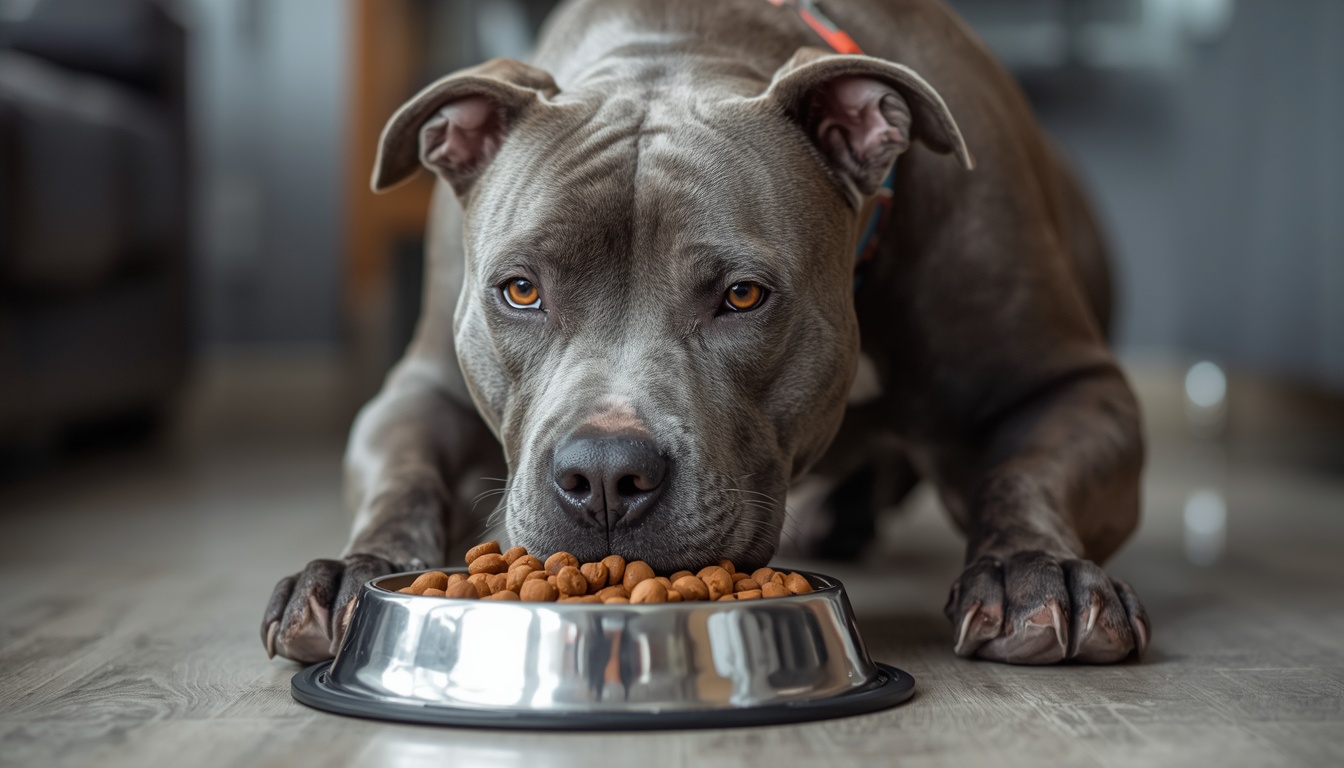
What Is the Best Dog Food for a Pitbull? Complete Nutrition Guide

What Is the Best Dog Food for a Pitbull

Pit Bulls are powerful, muscular, and energetic dogs that require high-quality nutrition to maintain their strength, health, and overall well-being. If you’re wondering what is the best dog food for a Pitbull, the answer depends on your dog’s age, activity level, weight, and any specific health concerns. However, one thing is certain: Pit Bulls thrive on protein-rich, nutrient-dense diets that support muscle development, healthy skin, and sustained energy. Choosing the right food can help prevent common Pit Bull issues such as obesity, allergies, digestive problems, and joint stress. In this guide, you’ll learn what nutrients Pit Bulls need, the best types of dog food for different life stages, feeding tips, and how to choose the right diet for your dog. Why Pit Bulls Need a Specialized Diet? Pit Bulls are naturally athletic dogs with strong muscles and high energy requirements. Their diet should support: Poor-quality food can lead to nutritional deficiencies, excessive weight gain, digestive issues, and skin irritation. Essential Nutrients for Pit Bulls High-Quality Protein Protein is the most important nutrient for Pit Bulls. Good protein sources include: Protein supports: Look for dog foods where real meat is listed as the first ingredient. Healthy Fats Healthy fats provide energy and support skin and coat health. Important fat sources include: Benefits include: Complex Carbohydrates Carbohydrates provide long-lasting energy. Healthy sources include: Avoid foods loaded with unnecessary fillers. Vitamins and Minerals Pit Bulls need balanced vitamins and minerals to support: Glucosamine and Chondroitin These nutrients help support joint health, especially for active or older Pit Bulls. Best Types of Dog Food for Pit Bulls Dry Dog Food Dry kibble is a popular choice because it is: Choose premium kibble with high meat content and minimal fillers. Wet Dog Food Wet food offers: It can be especially beneficial for senior dogs or picky eaters. Mixed Feeding Many Pit Bull owners combine dry and wet food. Benefits include: Raw Diet Some owners choose raw feeding. Common ingredients include: However, raw diets should be carefully balanced and discussed with a veterinarian. Best Food for Pit Bull Puppies Pit Bull puppies grow quickly and require nutrient-dense food. Puppy Food Should Include Feeding Schedule for Pit Bull Puppies Age Meals Per Day 8–12 Weeks 4 Meals 3–6 Months 3 Meals 6–12 Months 2–3 Meals Fresh water should always be available. Best Food for Adult Pit Bulls Adult Pit Bulls need a balanced diet that supports muscle maintenance and healthy weight. Ideal Adult Diet Most adult Pit Bulls do well with two meals daily. Best Food for Senior Pit Bulls Senior Pit Bulls often experience: Senior diets should contain: Wet food may also become more appealing as dogs age. Common Food Allergies in Pit Bulls Pit Bulls are known for being prone to allergies. Common triggers include: Signs of food allergies may include: If symptoms occur, consult your veterinarian about elimination diets. Ingredients to Look For When choosing food, prioritize: Good Ingredients Ingredients to Limit How Much Should a Pit Bull Eat? Food requirements vary based on: Example Feeding Guide Weight Daily Food Amount 30–40 lbs 2–3 cups 40–60 lbs 3–4 cups 60–80 lbs 4–5 cups Always follow product-specific feeding recommendations and adjust as needed. Feeding Schedule for Pit Bulls A consistent schedule supports digestion and behavior. Example Daily Schedule Time Meal 7:00 AM Breakfast 6:00 PM Dinner Avoid intense exercise immediately before or after meals. Foods Pit Bulls Should Never Eat Some foods can be toxic to dogs. Avoid: Always keep these foods out of reach. Signs Your Pit Bull Is Eating the Right Food A healthy diet often results in: Signs the Food May Not Be Suitable Watch for: These may indicate dietary issues. Dry Food vs Wet Food for Pit Bulls Dry Food Wet Food Convenient Higher moisture Affordable Strong flavor Helps dental health Easier chewing Long shelf life Better hydration Many owners find mixed feeding provides the best balance. Tips for Choosing the Best Dog Food for a Pit Bull Read Ingredient Labels Choose foods with named meat sources as the first ingredient. Focus on Protein Pit Bulls benefit from protein-rich diets. Consider Activity Level Active dogs may require more calories than less active dogs. Monitor Weight Regularly assess body condition and adjust portions when necessary. Transition Slowly When changing foods, gradually mix old and new food over 7–10 days. Frequently Asked Questions What protein is best for Pit Bulls? Chicken, beef, turkey, lamb, and salmon are excellent protein sources. Is grain-free food necessary for Pit Bulls? Not necessarily. Grain-free diets may help some dogs, but many Pit Bulls do well with quality grains. Can Pit Bulls eat homemade food? Yes, but homemade diets must be nutritionally balanced and veterinarian-approved. How often should Pit Bulls eat? Most adult Pit Bulls thrive on two meals daily. Do Pit Bulls need high-protein food? Yes. Because of their muscular build and active nature, Pit Bulls generally benefit from higher-protein diets. Final Thoughts When asking what is the best dog food for a Pitbull, the answer is a high-quality, protein-rich diet that supports muscle development, healthy skin, strong joints, and sustained energy. The best food contains real meat, healthy fats, digestible carbohydrates, and essential vitamins and minerals. Whether you choose dry food, wet food, or a combination of both, focus on ingredient quality rather than marketing claims. By feeding your Pit Bull a balanced diet and maintaining a consistent feeding routine, you can help your dog enjoy a healthier, stronger, and more active life. Also Read:

How to Puppy Proof Furniture at Home: A Complete Guide

Vertical Pinterest-style design featuring an adorable puppy, protected furniture, chew toys, and bold text area saying 'How to Puppy Proof Furniture at Home', colorful, high CTR pet blog graphic, modern home aesthetic"

Bringing home a new puppy is an exciting experience, but it also means preparing your home for a curious and energetic companion. Puppies naturally chew, scratch, climb, and explore every corner of your house, making furniture one of their favorite targets. Learning how to puppy proof furniture at home can protect both your belongings and your puppy from potential injuries. From wooden table legs and leather sofas to bookshelves and entertainment centers, nearly every piece of furniture can pose a risk to a young puppy. Proper puppy-proofing creates a safer environment, prevents destructive behavior, and helps your puppy develop good habits from an early age. In this complete guide, you’ll learn practical ways to puppy proof different types of furniture, common mistakes to avoid, and expert tips for creating a safe and puppy-friendly home. Why Puppy Proofing Furniture Is Important? Puppies are naturally curious and use their mouths to explore their surroundings. During the teething stage, they often chew furniture because it helps relieve gum discomfort. Proper furniture puppy-proofing helps: Taking preventive measures early is much easier than repairing damaged furniture later. Common Furniture Hazards for Puppies Many household furniture items contain hidden dangers. Common risks include: Inspect every room carefully before allowing your puppy to roam freely. How to Puppy Proof Wooden Furniture? Wooden furniture is one of the most common chewing targets for puppies. Protect Table and Chair Legs Wooden legs are especially attractive during teething. Solutions include: Avoid using homemade sprays that may not be pet-safe. Repair Damaged Wood Check for: Damaged wood can injure your puppy’s mouth or paws. Sand rough edges and repair damaged furniture promptly. How to Protect Sofas and Couches Sofas often become scratching and chewing targets. Use Washable Furniture Covers Furniture covers help protect against: Choose durable, machine-washable fabrics. Block Under-Sofa Access Puppies love hiding underneath furniture. Use: Preventing access reduces dust exposure and accidental entrapment. Protect Leather Furniture Leather furniture requires extra care. To minimize damage: Sharp puppy teeth can permanently damage leather surfaces. Puppy Proof Coffee Tables Coffee tables often contain dangerous objects. Remove: Keep the tabletop free from anything your puppy could grab. Secure Bookshelves and Cabinets Curious puppies may attempt to climb or bump into furniture. Safety steps include: Tall furniture should always be secured to prevent tipping. Protect Dining Room Furniture Dining tables and chairs often attract puppies because of food smells. Remove Food Immediately Never leave: Even harmless-looking foods can be dangerous for dogs. Store Chairs Properly Push chairs completely under the table to discourage climbing. Puppy Proof Entertainment Centers TV stands contain multiple hazards. Secure: Cable organizers and cord covers help prevent chewing. Cover Sharp Furniture Corners Many tables have sharp edges that can injure energetic puppies. Install: These inexpensive accessories reduce injury risk during play. Hide Electrical Cords Behind Furniture Electrical cords are one of the biggest household dangers. Use: Never leave loose cords hanging where puppies can reach them. Secure Recliners and Moving Furniture Recliners and rocking chairs contain moving parts. Always: Moving furniture can cause serious injuries. Organize Storage Furniture Storage units should remain puppy-safe. Keep lower shelves free from: Reserve lower shelves for pet-safe items whenever possible. Protect Furniture During Teething Puppies usually begin heavy chewing during teething. Provide: Redirect chewing immediately whenever furniture becomes the target. Choose Puppy-Friendly Furniture Materials If purchasing new furniture, consider durable materials. Better options include: These materials are generally easier to maintain. Furniture Protection Products Many commercial products help protect furniture. Popular options include: Choose products specifically designed for pet households. Train Your Puppy to Respect Furniture Training works best alongside physical protection. Teach commands such as: Reward positive behavior with treats and praise. Consistency is more effective than punishment. Common Puppy Furniture Mistakes Avoid these common mistakes: Leaving Shoes Near Furniture Shoes often encourage puppies to chew nearby furniture. Ignoring Early Chewing Small chewing habits can become permanent if not corrected. Allowing Unsupervised Access Young puppies should always be supervised. Using Unsafe Deterrent Sprays Only use pet-safe products recommended for indoor use. Create a Puppy-Safe Play Area Instead of allowing unrestricted access, create a dedicated puppy zone. Include: A designated play area reduces furniture damage while encouraging positive habits. Daily Furniture Safety Checklist Use this simple checklist every day. ☐ Electrical cords covered ☐ Furniture corners protected ☐ Furniture anchored securely ☐ No food left on tables ☐ Decorative items removed ☐ Chew toys available ☐ Shoes stored away ☐ Cleaning supplies secured ☐ Puppy supervised during free time ☐ Furniture covers in place Signs Your Puppy Needs More Mental Stimulation Furniture chewing is sometimes caused by boredom rather than teething. Watch for: Increase: A mentally stimulated puppy is less likely to damage furniture. Frequently Asked Questions At what age do puppies stop chewing furniture? Most puppies reduce destructive chewing between 6 and 12 months of age, although this varies by breed and individual temperament. Are furniture deterrent sprays safe? Pet-safe deterrent sprays can be effective when used according to the manufacturer’s instructions. Should I allow my puppy on the couch? This depends on your household rules. If you don’t want your dog on furniture as an adult, it’s best to establish that rule from the beginning. What is the best furniture material for homes with puppies? Microfiber and performance fabrics are durable, stain-resistant, and easier to clean than many other upholstery materials. Can puppy chewing permanently damage furniture? Yes. Wooden furniture, leather upholstery, and electrical cords can suffer permanent damage if chewing is not addressed early. Final Thoughts Learning how to puppy proof furniture at home is one of the best ways to create a safe environment for your new companion while protecting your investment in household furnishings. By covering cords, securing heavy furniture, protecting table legs, and providing appropriate chew toys, you can greatly reduce the risk of accidents and destructive behavior. Remember that puppy-proofing is only one part of the solution. Consistent supervision, positive reinforcement training, regular exercise, and plenty of mental stimulation are equally important. As your puppy grows … Read more