OURPETTAILS

Why Is My Cat Pooping on the Bed? Important Causes, Solutions, and When to Worry

Why Is My Cat Pooping on the Bed

Finding cat poop on your bed can be frustrating and confusing, especially if your cat is normally litter-trained. While it may seem like bad behavior, cats usually poop outside the litter box for a reason. Understanding on the question of Why Is My Cat Pooping on the Bed the underlying cause is the first step toward solving the problem. Few things are more frustrating for a cat owner than waking up to find that their cat has pooped on the bed. If your normally litter-trained feline suddenly starts using your bed as a bathroom, you’re probably wondering what went wrong and how to stop it. The good news is that this behavior is rarely random. Cats often poop outside the litter box because of medical issues, stress, litter box problems, or environmental changes. Understanding the root cause is the key to solving the issue and helping your cat return to healthy litter box habits. In this guide, we’ll explore the most common reasons cats poop on beds and the practical steps you can take to fix the problem. Common Reasons Why Cats Poop on the Bed 1. Medical Problems Health issues are one of the most important causes to rule out. Possible medical conditions include: If the behavior starts suddenly, schedule a veterinary visit to check for underlying health issues. 2. Litter Box Problems Cats can be very particular about their litter boxes. Common issues include: Many cats will seek alternative locations if they dislike their litter box setup. 3. Stress and Anxiety Stress is one of the most common behavioral causes. Triggers may include: Your bed smells strongly like you, which may make it feel like a safe place when your cat is anxious. 4. Territorial Marking Although spraying is more common, some cats may defecate in prominent locations when they feel their territory is threatened. Possible triggers include: 5. Multiple Cat Household Issues If you have more than one cat, litter box competition may be the problem. Experts often recommend: One litter box per cat, plus one extra. For example: This helps reduce territorial disputes and litter box avoidance. 6. Negative Litter Box Experiences A cat may avoid the litter box if they associate it with pain or fear. Examples include: Once a negative association develops, some cats choose alternative locations. 7. Aging and Senior Cat Issues Older cats may develop: These conditions can make reaching the litter box difficult. Why the Bed Specifically? Many owners wonder why their cat chooses the bed. Possible reasons include: Comfort Beds are soft and comfortable. Familiar Scent Your bed carries your scent, which may comfort a stressed cat. Attention-Seeking Behavior Some cats learn that inappropriate elimination gets a strong reaction from owners. Safety Cats may feel safer on a bed than in a noisy or stressful litter box area. How to Stop Your Cat From Pooping on the Bed? Schedule a Veterinary Checkup Rule out medical causes first. Clean Thoroughly Use an enzymatic pet cleaner designed to remove odors completely. Regular cleaners may leave scent traces that encourage repeat incidents. Improve Litter Box Hygiene Add More Litter Boxes Provide enough boxes throughout the home. Try Different Litters Experiment with: Many cats prefer unscented options. Reduce Stress Help your cat feel secure by: Restrict Bedroom Access Temporarily While addressing the issue, you may need to limit access to the bed. Signs You Should See a Vet Immediately Seek veterinary care if your cat has: These symptoms may indicate a medical condition requiring treatment. Frequently Asked Questions Is my cat pooping on the bed out of spite? No. Cats generally do not eliminate outside the litter box out of revenge or spite. There is usually a medical, environmental, or behavioral reason. Why does my cat poop on my bed but pee in the litter box? This can happen when a cat associates the litter box with discomfort during bowel movements or has a specific aversion related to defecation. Will punishment stop the behavior? No. Punishment often increases stress and can make the problem worse. Can stress really cause this? Yes. Stress and anxiety are among the most common reasons cats eliminate outside the litter box. Final Thoughts If your cat is pooping on the bed, don’t assume it’s a behavioral problem or an act of defiance. Medical issues, litter box dissatisfaction, stress, territorial concerns, and age-related changes are all common causes. The best approach is to: Once the underlying cause is identified, most cats can successfully return to using their litter box consistently. Also Read:

High Quality Wet Food Options for Picky Eaters: The Complete Guide

High Quality Wet Food Options for Picky Eaters

If you have a picky cat, mealtime can feel like a daily challenge. One day they love a particular food, and the next day they sniff it, walk away, and leave you wondering what went wrong. You’re not alone. Picky eating is one of the most common concerns among cat owners. The good news is that the right wet food can often transform mealtime from a battle into an enjoyable routine. Wet food offers stronger aromas, softer textures, and higher moisture content than dry kibble, making it especially appealing to finicky cats. Veterinary experts frequently recommend wet food because it supports hydration and often encourages better food intake in selective eaters. This guide covers the best high quality wet food options for picky eaters, what makes cats reject food, and how to choose a formula your feline companion will enjoy. Why Are Some Cats So Picky? Cats have evolved as hunters, and their food preferences are strongly influenced by smell, texture, and consistency. Common reasons for picky eating include: A cat’s sense of smell plays a major role in food acceptance. Experts note that aroma often matters more than flavor when cats decide whether to eat. Why Wet Food Works Better for Picky Eaters? Wet food provides several advantages. Stronger Aroma The scent released from wet food is much stronger than dry kibble. This makes it more appealing to: Better Hydration Wet food contains significantly more moisture than dry food, helping support hydration, urinary health, and kidney function. Softer Texture Many picky cats prefer: over crunchy kibble. Higher Palatability Wet foods often contain richer flavors and meat-based ingredients that closely resemble a cat’s natural prey diet. What to Look for in High-Quality Wet Cat Food? Real Animal Protein Choose foods with ingredients such as: listed near the top of the ingredient panel. High Moisture Content Many veterinarian-recommended wet foods contain around 75% or more moisture, helping support hydration. Complete and Balanced Nutrition Look for foods formulated to meet established nutritional standards for your cat’s life stage. Veterinary experts recommend choosing complete and balanced formulas rather than judging quality solely by individual ingredients. Appealing Texture Some cats prefer: Experimenting with texture can often solve picky eating problems. Top High-Quality Wet Food Options for Picky Eaters 1. Purina Fancy Feast Grilled Wet Cat Food in Gravy Many veterinary reviews and expert roundups consistently highlight Fancy Feast Grilled recipes as highly appealing to picky eaters due to their strong aroma and gravy texture. Benefits: 2. Sheba Perfect Portions According to reviews focused on finicky cats, Sheba’s soft texture and fresh single-serve portions make it popular among selective eaters. Benefits: 3. Tiki Cat After Dark This food is frequently recommended for cats that enjoy strong meat aromas and high-protein diets. It features nutrient-dense ingredients and protein-rich recipes. Benefits: 4. Royal Canin Adult Instinctive Royal Canin formulas are designed with palatability in mind and are often recommended for cats that need encouragement to eat. Benefits: 5. Weruva Cats in the Kitchen Known for its gravy-rich recipes and visible meat shreds, Weruva is frequently recommended for cats that enjoy softer textures. Benefits: Personal Recommendation-Click here Products Frequently Mentioned for Picky Cats Gourmet Purina Gourmet Mon Petit Intense Cat Food Royal Canin Feline Care Nutrition Urinary Care Adult Thin Slices in Gravy These products are often considered by owners looking for flavorful wet food options and gravy-based textures. Common Mistakes When Feeding a Picky Cat Constantly Switching Foods Frequent changes can make picky behavior worse. Offering Too Many Treats Cats that fill up on treats may ignore regular meals. Leaving Food Out All Day Scheduled feeding often encourages better eating habits. Ignoring Texture Preferences Many cats reject foods based on texture rather than flavor. How to Encourage a Picky Cat to Eat Warm the Food Slightly A few seconds of warming can increase aroma. Add Water or Broth This can enhance smell and texture. Maintain a Consistent Schedule Cats thrive on routine. Try Different Textures Experiment with: Reduce Stress During Meals Provide a quiet feeding environment. Wet Food Textures Picky Cats Usually Prefer Gravy Lovers Best choices: Pâté Fans Best choices: Chunk Lovers Best choices: Finding the right texture can be more important than finding a specific flavor. Wet Food vs Dry Food for Picky Cats Wet Food Advantages Dry Food Advantages For many picky cats, a mixed-feeding approach works well. Signs Your Cat Likes Their Food Look for: These signs suggest the food is both appealing and nutritionally appropriate. When to See a Veterinarian? Picky eating can sometimes signal medical problems. Seek veterinary advice if your cat: Sudden appetite changes should never be ignored. Frequently Asked Questions What is the best wet cat food for picky eaters? Many picky cats respond well to gravy-rich and highly aromatic foods such as Fancy Feast Grilled, Sheba Perfect Portions, Tiki Cat After Dark, Weruva, and Royal Canin formulas. Why does my cat eat wet food but not dry food? Wet food offers stronger aroma, softer texture, and higher moisture content, which many cats find more appealing. Should I feed wet food every day? Many veterinarians recommend incorporating wet food daily because it helps support hydration and overall health. Is grain-free wet food better? Not necessarily. The best choice depends on your cat’s individual needs and sensitivities. Final Thoughts Finding the right wet food for a picky eater often requires patience, but it is possible. The most successful options typically combine strong aroma, appealing texture, high-quality animal protein, and complete nutrition. Veterinary experts consistently emphasize moisture-rich diets and palatable formulations as key factors in encouraging cats to eat. Instead of focusing solely on brand names, pay attention to your cat’s preferences. Some cats love gravy, others prefer mousse, and some only eat shredded meat textures. Once you discover what your cat enjoys, mealtime becomes far less stressful for both of you. Also Read:

Best Dog Food for Vizsla: The Ultimate Nutrition Guide for a Healthy, Active, and Happy Dog

Best Dog Food for Vizsla

The Vizsla is one of the most athletic, intelligent, and affectionate dog breeds in the world. Originally bred in Hungary as a hunting and sporting dog, the Vizsla is known for its remarkable stamina, lean muscular body, and energetic personality. Because of their active lifestyle and high energy requirements, choosing the best dog food for Vizslas is one of the most important decisions an owner can make. A proper diet helps support muscle development, joint health, coat condition, digestion, and overall longevity. Whether you have a growing Vizsla puppy, a highly active adult, or a senior companion, understanding their nutritional needs can help ensure they thrive throughout every stage of life. This comprehensive guide covers everything you need to know about feeding a Vizsla, including nutritional requirements, feeding schedules, ingredients to look for, common health concerns, and how to choose the best food for your dog’s specific needs. Understanding the Vizsla Breed The Vizsla is a medium-sized sporting dog with a sleek golden-rust coat and a reputation for being both athletic and affectionate. Breed characteristics include: Because they were bred for long hours of hunting and retrieving, Vizslas require a diet that supports sustained energy and muscle maintenance. Why Nutrition Matters for Vizslas Nutrition affects every aspect of a Vizsla’s health. A balanced diet helps support: Poor nutrition may contribute to obesity, digestive issues, skin problems, and reduced energy levels. Nutritional Requirements of a Vizsla High-Quality Protein Protein is the foundation of a healthy Vizsla diet. Because Vizslas are naturally athletic, they require sufficient protein to support: Excellent protein sources include: Look for dog foods that list real animal protein as the first ingredient. Healthy Fats Healthy fats provide concentrated energy and support various bodily functions. Benefits include: Healthy fat sources include: Because Vizslas are highly active, they often benefit from moderate-to-high fat diets. Omega-3 and Omega-6 Fatty Acids Omega fatty acids help support: Fish-based ingredients are excellent sources of omega-3 fatty acids. Digestible Carbohydrates Carbohydrates provide additional energy. Healthy carbohydrate sources include: These ingredients provide energy while supporting digestive health. Vitamins and Minerals A complete Vizsla diet should include: These nutrients support bone health, immunity, and overall wellness. Common Health Issues in Vizslas Understanding breed-specific health concerns can help guide nutritional choices. Hip Dysplasia Like many athletic breeds, Vizslas can be prone to hip dysplasia. Helpful nutrients include: Joint Stress Highly active dogs place significant stress on their joints throughout life. Foods containing joint-support ingredients may help maintain mobility. Food Sensitivities Some Vizslas may experience: Limited-ingredient diets can be beneficial for sensitive dogs. Obesity Despite being active, Vizslas can gain weight if overfed or under-exercised. Weight management is essential for long-term health. What to Look for in the Best Dog Food for Vizslas Real Animal Protein Always prioritize foods that contain: Protein should ideally be listed first. Joint Support Ingredients Look for: Healthy Fat Sources Quality fats support both energy and coat health. Digestible Ingredients Highly digestible foods help maximize nutrient absorption. Limited Artificial Additives Avoid foods loaded with: Best Dog Food for Vizsla Puppies Puppies require specialized nutrition to support healthy growth. Important Puppy Nutrients Puppy Feeding Schedule 8–12 Weeks 4 meals per day 3–6 Months 3 meals per day 6–12 Months 2–3 meals per day Proper nutrition during puppyhood supports lifelong health. Best Dog Food for Adult Vizslas Adult Vizslas require maintenance diets that support: Highly active dogs may require additional calories compared to less active companions. Best Dog Food for Senior Vizslas Senior Vizslas often benefit from: Senior formulas can help support mobility and healthy aging. Dry Food vs Wet Food Dry Dog Food Benefits include: Wet Dog Food Benefits include: Mixed Feeding Many owners successfully combine wet and dry food. Grain-Free vs Grain-Inclusive Diets Grain-Free Diets Common ingredients include: May benefit dogs with specific sensitivities. Grain-Inclusive Diets Advantages include: Most healthy Vizslas tolerate quality grains well. Best Ingredients for Vizslas Salmon Provides: Chicken Supports: Sweet Potatoes Offer: Pumpkin Supports digestive health. Fish Oil Promotes: Ingredients to Avoid Avoid foods that rely heavily on: High-quality ingredients contribute to better health outcomes. How Much Should a Vizsla Eat? Portion sizes vary based on: General Feeding Guide Weight Daily Food Amount 18–22 kg 2.5–3 cups 22–27 kg 3–4 cups 27–32 kg 4–5 cups Always adjust portions based on your dog’s individual needs. Sample Daily Feeding Schedule Adult Vizsla Time Meal 7:00 AM Breakfast 6:00 PM Dinner Highly Active Vizsla Time Meal 7:00 AM Breakfast 1:00 PM Small Snack 6:00 PM Dinner Signs Your Vizsla Is Eating the Right Food Healthy signs include: Signs the Diet May Need Adjustment Watch for: Consult your veterinarian if these symptoms persist. How to Transition to a New Dog Food Gradual transitions help prevent digestive upset. Recommended Schedule Day Old Food New Food 1–2 75% 25% 3–4 50% 50% 5–6 25% 75% 7+ 0% 100% This process allows the digestive system to adjust comfortably. Frequently Asked Questions What is the best dog food for a Vizsla? The best dog food contains high-quality animal protein, healthy fats, omega fatty acids, and balanced nutrition appropriate for the dog’s age and activity level. Do Vizslas need high-protein food? Yes. Vizslas are highly active sporting dogs and generally benefit from protein-rich diets. Is grain-free food better for Vizslas? Not necessarily. Many Vizslas thrive on grain-inclusive diets unless they have specific sensitivities. How often should I feed my Vizsla? Most adult Vizslas do well with two meals daily. Can Vizslas eat homemade food? Yes, provided the meals are nutritionally balanced and formulated appropriately. Final Thoughts Choosing the best dog food for Vizslas is essential for supporting their active lifestyle, athletic performance, and overall health. These energetic dogs thrive on diets rich in high-quality protein, healthy fats, omega fatty acids, and essential vitamins and minerals. Whether you’re feeding a growing puppy, a working adult, or a senior companion, selecting a nutrient-dense food that meets their individual needs can contribute to a longer, healthier, and more active life. Combined with regular exercise, routine veterinary care, and proper portion control, … Read more

Homemade Veg Dog Food Recipes: Healthy, Nutritious, and Easy Meals for Your Dog

Homemade Veg Dog Food Recipes

Many dog owners are looking for healthy homemade vegetarian meals to add variety to their dog’s diet. Whether you’re following a vegetarian lifestyle, managing food sensitivities, or simply want to prepare fresh meals at home, homemade veg dog food can be a nutritious option when properly balanced. Dogs are omnivores, which means they can digest and benefit from a variety of plant-based foods. However, it’s important to ensure that homemade meals provide adequate protein, healthy fats, vitamins, and minerals to support your dog’s overall health. This guide includes some of the best homemade vegetarian dog food recipes, feeding tips, and ingredients that are safe and beneficial for dogs. Benefits of Homemade Vegetarian Dog Food Homemade meals offer several advantages: Always consult your veterinarian before making major dietary changes, especially for puppies, senior dogs, or dogs with medical conditions. Safe Vegetarian Ingredients for Dogs Protein Sources Healthy Carbohydrates Vegetables Healthy Fats Recipe 1: Rice, Lentil, and Vegetable Dog Meal Ingredients Instructions Benefits Recipe 2: Sweet Potato and Cottage Cheese Bowl Ingredients Instructions Benefits Recipe 3: Quinoa Power Bowl Ingredients Instructions Benefits Recipe 4: Oatmeal and Yogurt Breakfast Ingredients Instructions Benefits Recipe 5: Chickpea and Vegetable Stew Ingredients Instructions Benefits Recipe 6: Paneer and Rice Delight Ingredients Instructions Benefits Recipe 7: Pumpkin and Oat Veg Mix Ingredients Instructions Benefits Recipe 8: Vegetable Quinoa Medley Ingredients Instructions Benefits Weekly Homemade Vegetarian Dog Meal Plan Day Breakfast Dinner Monday Oatmeal & Yogurt Rice & Lentil Meal Tuesday Sweet Potato Bowl Chickpea Stew Wednesday Quinoa Bowl Paneer & Rice Delight Thursday Oatmeal & Yogurt Vegetable Quinoa Medley Friday Sweet Potato Bowl Rice & Lentil Meal Saturday Pumpkin Oat Mix Chickpea Stew Sunday Quinoa Bowl Paneer & Rice Delight Portion Guide by Dog Size Small Dogs (5–10 kg) Medium Dogs (10–25 kg) Large Dogs (25–40 kg) Adjust portions based on activity level, age, and metabolism. Foods to Avoid Never include: These foods can be harmful or toxic to dogs. Tips for Homemade Vegetarian Feeding Frequently Asked Questions Can dogs eat vegetarian food every day? Yes, many dogs can eat balanced vegetarian meals daily if nutritional requirements are met. Is paneer safe for dogs? Yes, plain paneer in moderation can be an excellent protein source for dogs that tolerate dairy. Can dogs eat lentils? Yes, cooked lentils are safe and provide protein and fiber. Is quinoa safe for dogs? Yes, cooked quinoa is safe and offers complete plant-based protein. Do vegetarian dogs need supplements? Some dogs may benefit from supplements depending on their overall diet. Consult your veterinarian for personalized guidance. Final Thoughts Homemade vegetarian dog food can be a healthy and rewarding option when prepared correctly. By using nutritious ingredients such as lentils, chickpeas, quinoa, sweet potatoes, pumpkin, paneer, and vegetables, you can create balanced meals that support your dog’s health and energy levels. The key to success is variety, proper nutrient balance, and regular monitoring of your dog’s condition. With thoughtful planning, homemade vegetarian recipes can become a valuable part of your dog’s nutrition routine while providing fresh, wholesome ingredients you can feel good about serving. Also Read:

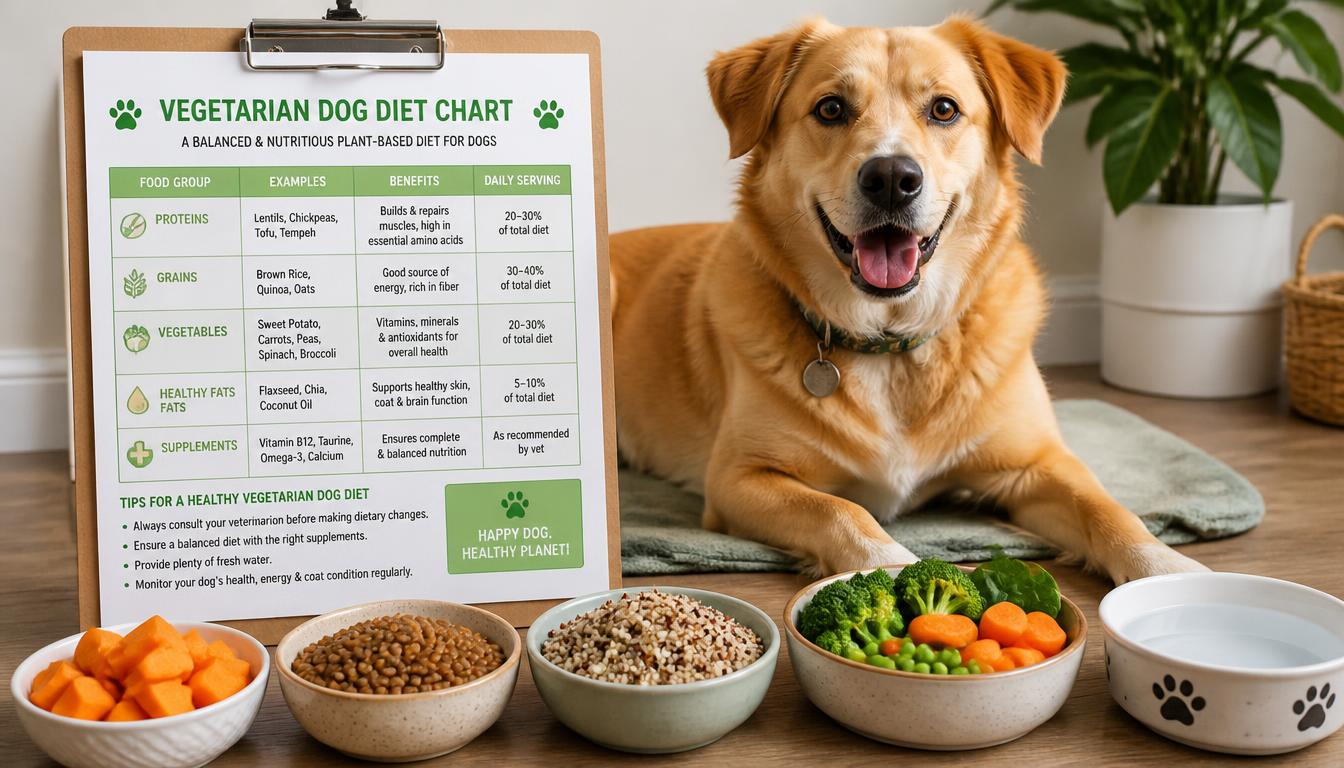
Dog Diet Chart Vegetarian: Complete Guide to a Healthy Vegetarian

Dog Diet Chart Vegetarian

Many pet owners are exploring vegetarian diets for their dogs due to ethical, environmental, religious, or personal lifestyle choices. While dogs are naturally omnivores and can digest both animal and plant-based foods, creating a balanced vegetarian meal plan requires careful attention to nutrition. A properly planned vegetarian diet can provide the protein, vitamins, minerals, and energy dogs need to live healthy and active lives. If you’re considering a vegetarian diet for your dog or looking for a printable vegetarian dog diet chart, this comprehensive guide covers everything you need to know. From nutritional requirements and meal planning to sample feeding schedules and common mistakes, you’ll learn how to provide a balanced vegetarian diet that supports your dog’s health. Can Dogs Be Vegetarian? One of the most common questions pet owners ask is whether dogs can thrive on a vegetarian diet. The answer is yes, many dogs can live healthy lives on carefully balanced vegetarian diets. Unlike cats, which are obligate carnivores, dogs are omnivores and have evolved to digest a variety of foods, including grains, vegetables, legumes, fruits, and dairy products. However, simply removing meat from a dog’s diet is not enough. The diet must still provide all essential nutrients, particularly protein, amino acids, vitamins, and minerals. A poorly planned vegetarian diet can lead to nutritional deficiencies, so proper planning is critical. Benefits of a Vegetarian Diet for Dogs Many owners choose vegetarian feeding for various reasons. Potential Benefits Include: Some dogs with sensitivities to chicken, beef, or lamb may also benefit from carefully formulated vegetarian diets. Understanding Dog Diet Chart Vegetarian Before creating a vegetarian meal plan, it’s important to understand what nutrients dogs require. Protein Protein is the most important nutrient in any dog diet. Protein supports: Vegetarian protein sources include: Protein remains essential regardless of whether the diet contains meat. Essential Amino Acids Dogs require specific amino acids for proper health. Particularly important are: A well-designed vegetarian diet must include ingredients that provide adequate amino acid profiles. Healthy Fats Healthy fats are vital for: Vegetarian fat sources include: Omega-3 fatty acids are especially important. Carbohydrates Carbohydrates provide energy and fiber. Healthy sources include: These foods help maintain energy levels while supporting digestive health. Vitamins and Minerals A vegetarian dog diet must supply: Commercial vegetarian dog foods are typically fortified to ensure nutritional completeness. Is a Homemade Vegetarian Diet Safe? Homemade vegetarian diets can be safe when carefully balanced. However, many homemade diets lack essential nutrients if not properly formulated. For this reason: A balanced approach is key. Best Vegetarian Foods for Dogs Sweet Potatoes Benefits include: Brown Rice Provides: Pumpkin Supports: Green Peas Rich in: Lentils Excellent source of: Chickpeas Provide: Quinoa Contains: Cottage Cheese Offers: Yogurt Supports: Foods to Avoid in a Vegetarian Dog Diet Some human foods are dangerous for dogs. Never feed: These foods can be toxic even in small amounts. Sample Vegetarian Dog Diet Chart Small Dogs (5–10 kg) Morning Afternoon Snack Evening Medium Dogs (10–25 kg) Morning Afternoon Snack Evening Large Dogs (25 kg+) Morning Afternoon Snack Evening Printable Vegetarian Dog Diet Chart Daily Feeding Planner Time Food Portion Notes Morning ______ ______ ______ Afternoon ______ ______ ______ Evening ______ ______ ______ Weekly Meal Tracker Day Breakfast Dinner Monday ______ ______ Tuesday ______ ______ Wednesday ______ ______ Thursday ______ ______ Friday ______ ______ Saturday ______ ______ Sunday ______ ______ Puppy Vegetarian Diet Considerations Puppies have higher nutritional requirements than adults. Important nutrients include: Because growth demands are significant, veterinary guidance is highly recommended when feeding vegetarian diets to puppies. Adult Dog Vegetarian Feeding Schedule Most adult dogs do well with: Morning Meal 7:00–8:00 AM Evening Meal 5:00–7:00 PM Consistent feeding schedules support digestion and routine. Senior Dog Vegetarian Diet Tips Senior dogs often benefit from: Monitoring weight becomes increasingly important with age. Commercial Vegetarian Dog Foods Many complete vegetarian dog foods are available. Look for products that are: Always read ingredient labels carefully. Signs Your Dog Is Thriving on a Vegetarian Diet Positive indicators include: These signs suggest that nutritional needs are being met. Signs of Nutritional Deficiency Watch for: Consult your veterinarian if any symptoms develop. How to Transition to a Vegetarian Diet A gradual transition helps prevent digestive upset. Transition Schedule Day Current Food Vegetarian Food 1–2 75% 25% 3–4 50% 50% 5–6 25% 75% 7+ 0% 100% Slow transitions allow the digestive system to adapt. Common Mistakes When Feeding Vegetarian Diets Not Providing Enough Protein Protein deficiency is one of the most common problems. Ignoring Amino Acid Balance Dogs require complete amino acid profiles. Overfeeding Carbohydrates Balance is important. Skipping Supplements Certain nutrients may require supplementation. Not Monitoring Health Regular checkups help ensure nutritional adequacy. Frequently Asked Questions Can dogs live on a vegetarian diet? Yes, many dogs can thrive on properly balanced vegetarian diets. Is vegetarian food healthy for dogs? It can be healthy if it provides complete and balanced nutrition. What is the best protein source for vegetarian dogs? Lentils, chickpeas, quinoa, soy products, cottage cheese, and yogurt are excellent options. Can puppies eat vegetarian diets? They can, but careful planning and veterinary supervision are strongly recommended. Do vegetarian dogs need supplements? Some may benefit from supplements depending on their diet composition. Printable Monthly Vegetarian Dog Diet Planner Dog Information Weekly Weight Record Week Weight Week 1 ______ Week 2 ______ Week 3 ______ Week 4 ______ Water Intake Checklist Day Water Refreshed Monday Yes Tuesday Yes Wednesday Yes Thursday Yes Friday Yes Saturday Yes Sunday Yes Final Thoughts A well-planned vegetarian dog diet chart can help provide balanced nutrition while supporting your dog’s health and well-being. Dogs are omnivores and can digest a wide variety of plant-based foods, but their diets must still meet essential nutritional requirements. By focusing on high-quality protein sources, healthy fats, balanced carbohydrates, and appropriate vitamin and mineral intake, dog owners can successfully create vegetarian meal plans that support energy, digestion, muscle development, and overall health. Whether you choose homemade meals or commercially prepared vegetarian dog food, consistency, proper planning, and … Read more

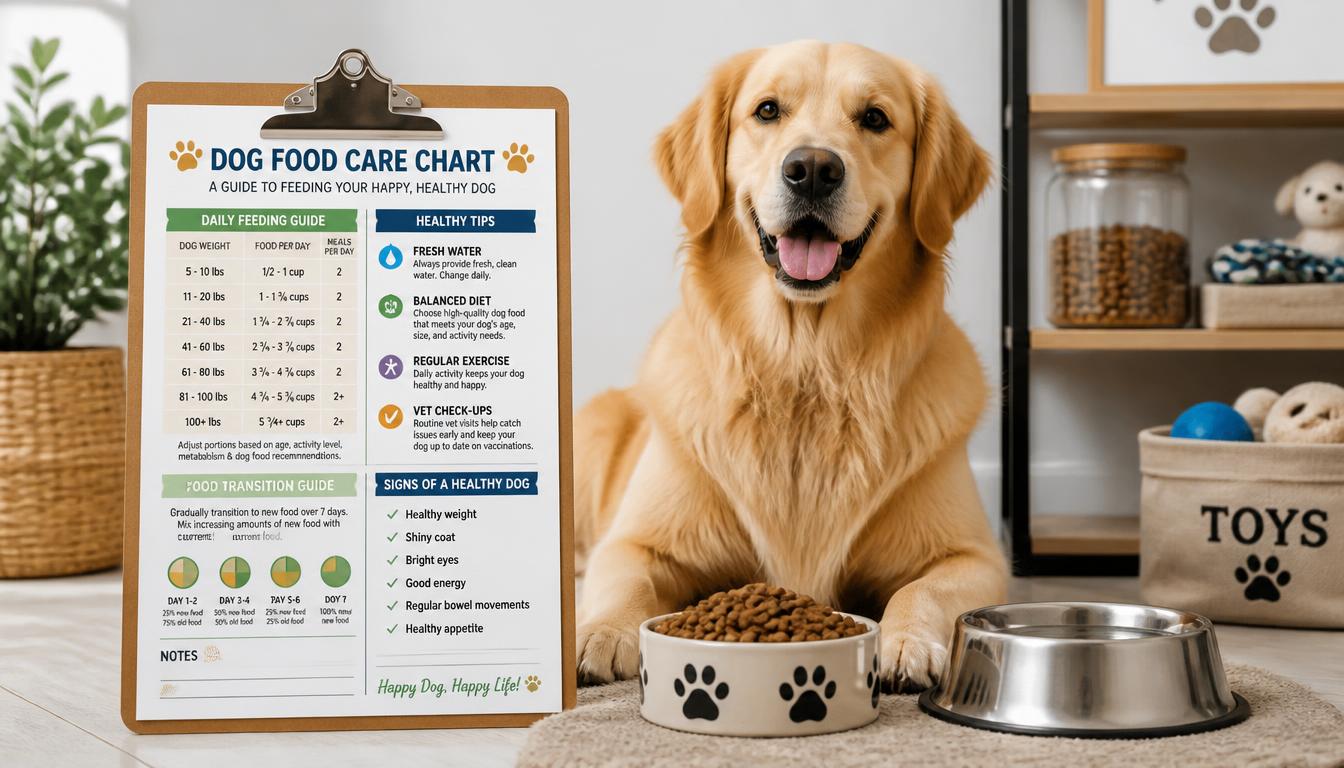
Printable Dog Food Care PDF: The Complete Guide

Printable Dog Food Care PDF

Keeping your dog healthy starts with proper nutrition. While choosing a high-quality dog food is important, maintaining a consistent feeding routine is equally essential. Many pet owners struggle to keep track of meal schedules, portion sizes, treats, water intake, weight changes, and dietary adjustments. This is where a Printable Dog Food Care PDF becomes a valuable tool. A dog food care chart helps organize your dog’s daily feeding routine, monitor health changes, maintain healthy weight goals, and ensure every member of the family follows the same feeding plan. Whether you have a playful puppy, an active adult dog, or a senior companion, a printable feeding tracker can make pet care easier and more effective. This comprehensive guide covers everything you need to know about creating and using a printable dog food care PDF, including feeding schedules, nutritional requirements, weight management, hydration tracking, and sample templates you can print and use immediately. What Is a Printable Dog Food Care PDF? A printable dog food care PDF is a structured document designed to help dog owners track feeding habits and overall nutritional care. It typically includes: Using a printable chart allows pet owners to maintain consistency and monitor their dog’s health over time. Why Every Dog Owner Should Use a Dog Food Care Chart Many dog owners rely on memory when feeding their pets. While this may work initially, it often leads to inconsistent feeding habits. Benefits of a Printable Dog Food Care PDF Improves Feeding Consistency Dogs thrive on routine. A feeding chart ensures meals are served at the correct times every day. Prevents Overfeeding One of the leading causes of canine obesity is overfeeding. Tracking portions helps avoid: Helps Monitor Health Changes in appetite can indicate health concerns. A feeding chart helps identify: Supports Weight Management Tracking weight regularly helps maintain healthy body condition. Simplifies Multi-Person Households A feeding chart prevents accidental double-feeding when multiple family members care for the dog. Understanding Dog Nutrition Before creating a feeding plan, it is important to understand your dog’s nutritional needs. Protein Protein is essential for: Excellent protein sources include: Protein should be one of the primary ingredients in your dog’s food. Healthy Fats Healthy fats provide energy and support: Common healthy fat sources include: Carbohydrates Carbohydrates provide energy and fiber. Healthy sources include: Vitamins and Minerals Dogs require balanced levels of: Quality dog foods are formulated to provide these essential nutrients. Why Tracking Food Intake Matters Many health problems can be linked to poor feeding habits. Tracking food intake helps: A printable dog food care PDF provides a clear record of daily feeding habits. Components of a Printable Dog Food Care PDF Daily Feeding Schedule A feeding schedule records: Sample Feeding Chart Time Food Type Portion Size Notes Morning Dry Food 1 Cup Ate all food Afternoon Treats Small Amount Training session Evening Wet Food 1 Portion Normal appetite Water Intake Tracker Hydration is essential for canine health. Daily Water Monitoring Chart Day Water Refilled Drinking Normally Monday Yes Yes Tuesday Yes Yes Wednesday Yes Yes Thursday Yes Yes Friday Yes Yes Saturday Yes Yes Sunday Yes Yes Monitoring water intake can help detect potential health concerns early. Treat Tracking Chart Many dogs consume more calories from treats than owners realize. Weekly Treat Log Day Treat Type Quantity Monday ______ ______ Tuesday ______ ______ Wednesday ______ ______ Thursday ______ ______ Friday ______ ______ Saturday ______ ______ Sunday ______ ______ Treats should generally make up no more than a small portion of daily calorie intake. Weight Management Chart Maintaining a healthy weight is one of the most important aspects of dog care. Monthly Weight Tracker Date Weight Notes Month 1 ______ ______ Month 2 ______ ______ Month 3 ______ ______ Month 4 ______ ______ Regular weight monitoring helps identify trends before they become serious issues. Feeding Puppies Using a Printable Feeding Chart Puppies require more frequent meals than adult dogs. Puppy Feeding Schedule 8–12 Weeks 4 meals daily 3–6 Months 3 meals daily 6–12 Months 2–3 meals daily A printable feeding chart helps ensure consistent meal timing during growth stages. Feeding Adult Dogs Most healthy adult dogs do well with: Example: Time Meal 7:00 AM Breakfast 6:00 PM Dinner Consistency helps support digestion and energy balance. Feeding Senior Dogs Senior dogs often benefit from: A printable chart becomes especially useful as dogs age. Medication and Supplement Tracking Many dogs require supplements or medications. Medication Log Date Medication Dosage Given ____ ____ ____ Yes/No This helps prevent missed doses. Exercise Tracking Section Nutrition and exercise work together to maintain health. Daily Activity Log Activity Duration Walk _____ Playtime _____ Training _____ Tracking exercise helps support weight management goals. Signs Your Dog Is Eating the Right Food Indicators include: These signs suggest that your feeding plan is working effectively. Signs Your Dog’s Diet May Need Adjustment Watch for: Consult your veterinarian if these issues persist. Common Feeding Mistakes Dog Owners Make Overfeeding Many owners unknowingly provide too many calories. Excessive Treats Treat calories add up quickly. Inconsistent Meal Times Irregular feeding schedules can affect digestion. Ignoring Weight Changes Regular tracking helps identify issues early. Sudden Food Changes Always transition gradually when switching foods. How to Transition to a New Dog Food A gradual transition reduces digestive upset. Food Transition Schedule Day Old Food New Food 1–2 75% 25% 3–4 50% 50% 5–6 25% 75% 7+ 0% 100% This process helps your dog adjust comfortably. Printable Dog Food Care PDF Template Dog Information Daily Feeding Schedule Time Food Portion Morning ______ ______ Afternoon ______ ______ Evening ______ ______ Daily Checklist Monthly Health Notes Creating a Personalized Dog Food Care Planner Every dog has unique needs. Consider including: A customized feeding plan can improve long-term health outcomes. Frequently Asked Questions What is a printable dog food care PDF? It is a printable document used to track feeding schedules, portions, hydration, weight, and overall nutritional care. Why should I use a feeding chart? A feeding chart helps maintain consistency, prevent overfeeding, and monitor your dog’s health. How … Read more

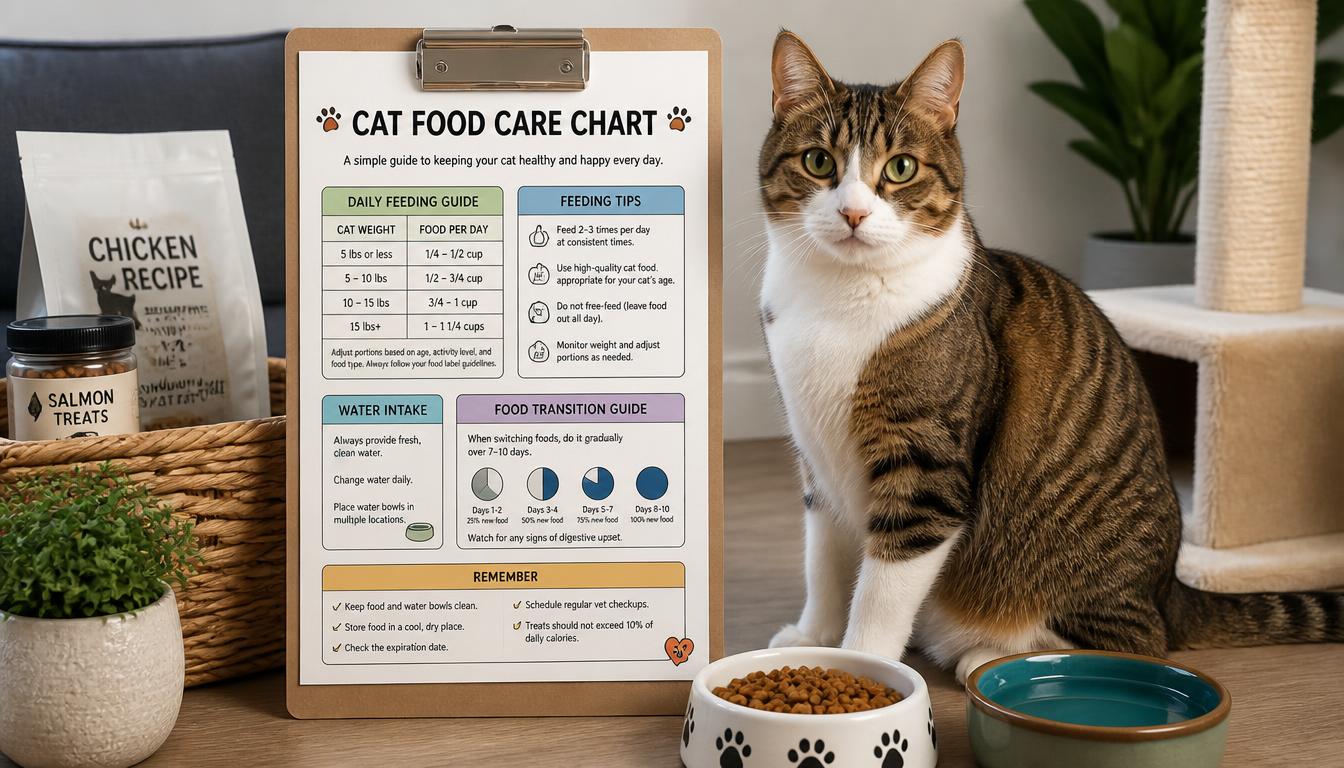
Printable Cat Food Care PDF: The Ultimate Guide to Feeding Your Cat the Right Way

Printable Cat Food Care

Caring for a cat involves much more than simply filling a food bowl every day. Proper nutrition is one of the most important factors in maintaining your cat’s health, energy levels, weight, and overall well-being. Whether you’re a first-time cat owner or have shared your home with felines for years, having a printable cat food care PDF can make feeding routines easier, more organized, and more effective. A cat food care chart helps track feeding schedules, portion sizes, water intake, treats, weight management goals, and dietary changes. Many pet owners use printable feeding logs to stay consistent and ensure their cats receive the proper nutrition throughout every life stage. In this comprehensive guide, you’ll learn everything you need to know about creating and using a printable cat food care chart, understanding feline nutritional needs, establishing feeding routines, and keeping your cat healthy through proper diet management. Why Cat Nutrition Matters Nutrition directly impacts every aspect of your cat’s health. A balanced diet supports: Cats are obligate carnivores, which means they require nutrients found primarily in animal-based proteins. Unlike humans and some other animals, cats cannot thrive on a plant-based diet alone. Providing complete and balanced nutrition helps your cat live a healthier and longer life. What Is a Printable Cat Food Care PDF? A printable cat food care PDF is a structured feeding and care document that helps pet owners monitor and organize their cat’s daily nutritional routine. It typically includes: The purpose is to make cat care more organized and consistent. Benefits of Using a Cat Food Care Chart Improves Feeding Consistency Cats often thrive on predictable routines. A feeding chart helps ensure meals are served at the same times each day. Prevents Overfeeding Many indoor cats struggle with weight gain. Tracking portions helps avoid excessive calorie intake. Helps Monitor Health Changes in appetite are often one of the first signs of illness. A feeding log allows owners to notice unusual eating patterns quickly. Supports Weight Management Weight tracking is especially helpful for overweight or senior cats. Useful for Multi-Cat Homes A care chart helps track each cat’s feeding needs separately. Understanding Cat Nutritional Requirements Before creating a feeding chart, it’s important to understand what cats need nutritionally. Protein Protein is the foundation of a healthy feline diet. Benefits include: Excellent protein sources include: Cats require significantly more protein than many other pets. Healthy Fats Fats provide concentrated energy and support: Common fat sources include: Taurine Taurine is an essential amino acid for cats. It supports: Cats cannot produce sufficient taurine on their own and must obtain it through their diet. Vitamins and Minerals Cats require various vitamins and minerals, including: Balanced commercial cat foods are formulated to provide these nutrients. Wet Food vs Dry Food Many cat owners wonder which option is best. Wet Food Benefits Wet food offers: Dry Food Benefits Dry food provides: Mixed Feeding Many veterinarians recommend combining wet and dry food to achieve the benefits of both. Feeding Cats by Life Stage Kittens Kittens require: Recommended Feeding Schedule 8–12 weeks: 3–6 months: 6–12 months: Adult Cats Adult cats generally do well with: Consistency is important. Senior Cats Senior cats may require: Regular monitoring becomes increasingly important with age. Sample Printable Cat Food Care Chart Daily Feeding Tracker Time Food Type Portion Water Refilled Notes Morning Wet Food 1 Portion Yes Ate well Afternoon Treats Small Amount Yes Normal Evening Dry Food 1 Portion Yes Finished meal This simple chart helps track feeding habits. Weekly Weight Monitoring Chart Week Weight Notes Week 1 ____ ______ Week 2 ____ ______ Week 3 ____ ______ Week 4 ____ ______ Weight tracking helps identify changes early. Water Intake Monitoring Sheet Hydration is essential for feline health. Daily Water Tracker Day Water Bowl Refilled Drinking Normally Monday Yes Yes Tuesday Yes Yes Wednesday Yes Yes Thursday Yes Yes Friday Yes Yes Saturday Yes Yes Sunday Yes Yes Treat Tracking Chart Many owners unknowingly overfeed treats. Weekly Treat Log Day Treat Type Quantity Monday ______ ______ Tuesday ______ ______ Wednesday ______ ______ Thursday ______ ______ Friday ______ ______ Saturday ______ ______ Sunday ______ ______ Treats should generally represent a small portion of total calorie intake. Signs Your Cat Is Eating Properly Healthy eating habits often result in: Monitoring these indicators helps confirm that your feeding plan is working. Signs Your Cat’s Diet May Need Adjustment Watch for: Consult your veterinarian if these symptoms persist. Common Feeding Mistakes Cat Owners Make Free Feeding Excessively Leaving food out all day can contribute to obesity. Overfeeding Treats Treat calories add up quickly. Ignoring Portion Sizes Measuring food helps maintain a healthy weight. Not Monitoring Water Intake Hydration is critical for kidney and urinary health. Frequent Diet Changes Sudden food changes may cause digestive upset. How to Transition to a New Cat Food Switch gradually over 7–10 days. Transition Schedule Day Old Food New Food 1–2 75% 25% 3–4 50% 50% 5–6 25% 75% 7+ 0% 100% Gradual transitions help minimize stomach issues. Creating Your Own Printable Cat Food Care PDF Your custom PDF should include: Feeding Schedule Section Track: Weight Log Monitor monthly weight changes. Water Intake Log Ensure proper hydration. Health Notes Section Record: Medication Tracker Useful for cats requiring ongoing treatment. Printable Monthly Cat Food Care Template Cat Information Feeding Schedule Time Food Portion Morning ______ ______ Afternoon ______ ______ Evening ______ ______ Daily Checklist Frequently Asked Questions What is a printable cat food care PDF? A printable feeding and health tracking document that helps organize feeding schedules, portion sizes, hydration, and overall cat care. Why should I track my cat’s meals? Tracking helps maintain consistency, prevent overfeeding, and identify health concerns early. How often should adult cats eat? Most adult cats do well with two meals daily. Can a feeding chart help with weight loss? Yes. Portion monitoring and weight tracking are useful tools for healthy weight management. Should I include water intake on my chart? Absolutely. Hydration is an important indicator of overall health. Final Thoughts A printable … Read more

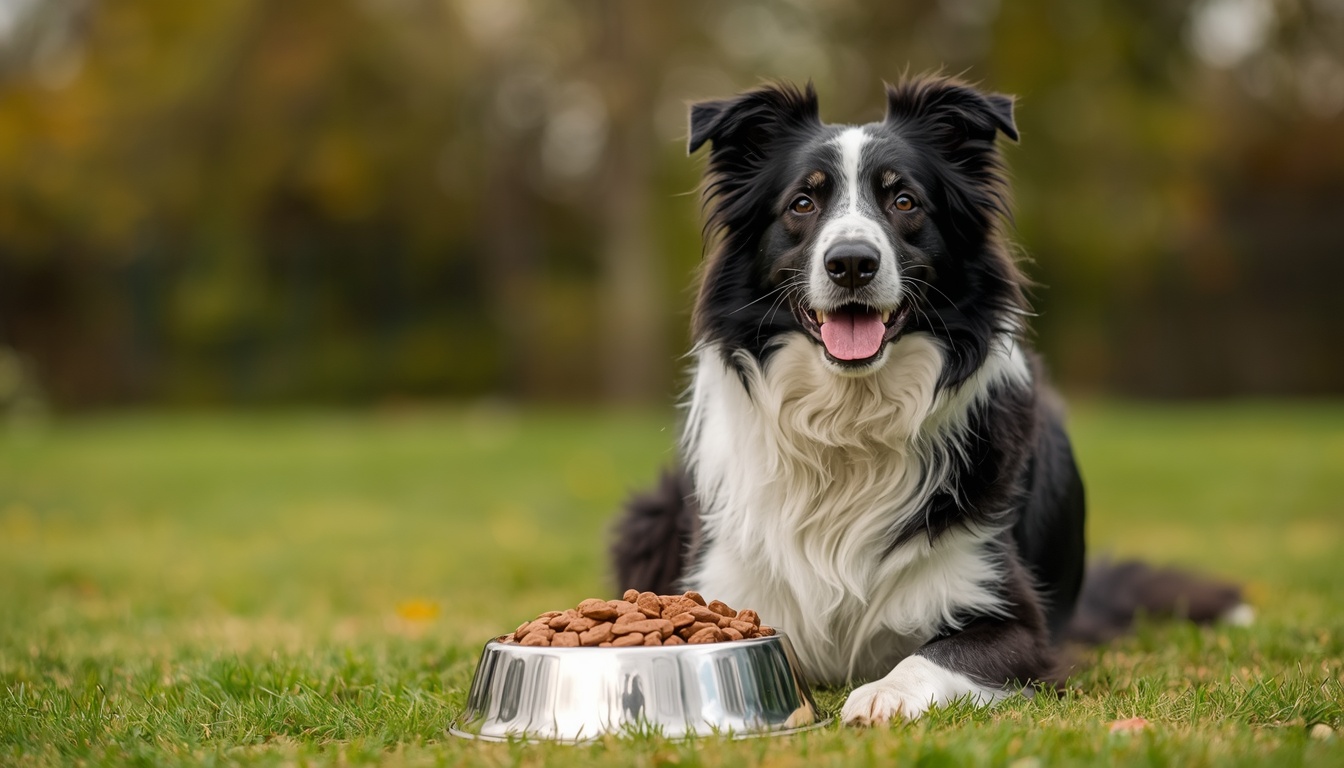
Best Dog Food for Border Collies: The Ultimate Nutrition Guide

Best Dog Food for Border Collies

Border Collies are widely recognized as one of the smartest dog breeds in the world. Known for their incredible intelligence, agility, work ethic, and boundless energy, these dogs require a carefully balanced diet to support their active lifestyles. Whether your Border Collie is a working farm dog, an agility champion, or a beloved family companion, proper nutrition plays a crucial role in maintaining their health and performance. Choosing the best dog food for Border Collies can be overwhelming because there are hundreds of brands and formulas available. However, understanding your dog’s nutritional needs can make the decision much easier. In this comprehensive guide, you’ll learn everything you need to know about feeding a Border Collie, including nutritional requirements, recommended ingredients, feeding schedules, common health concerns, and how to select the best food for puppies, adults, and seniors. Understanding the Border Collie Breed Originally developed along the border regions of Scotland and England, Border Collies were bred to herd livestock. Their intelligence and stamina make them exceptional working dogs. Typical Border Collie characteristics include: Because of their active nature, Border Collies require nutrient-dense food that provides long-lasting energy and supports muscle maintenance. Why Proper Nutrition Is Important for Border Collies A balanced diet affects nearly every aspect of a Border Collie’s health. Proper nutrition helps support: Poor nutrition may lead to reduced energy, weight gain, digestive issues, poor coat condition, and other health problems. Nutritional Requirements of a Border Collie High-Quality Protein Protein is the most important nutrient for Border Collies. Because they are highly active dogs, they need sufficient protein to support: Excellent protein sources include: Look for dog foods that list real meat as the first ingredient. Healthy Fats Healthy fats provide concentrated energy and support numerous bodily functions. Benefits include: Good sources include: Active Border Collies particularly benefit from healthy fat sources. Omega-3 and Omega-6 Fatty Acids These essential fatty acids contribute to: Fish-based diets are often excellent choices for Border Collies because they naturally contain omega-3 fatty acids. Digestible Carbohydrates Although dogs primarily thrive on protein and fat, carbohydrates provide valuable energy. Healthy carbohydrate sources include: Avoid foods that rely heavily on inexpensive fillers. Essential Vitamins and Minerals A complete diet should contain: These nutrients support bone health, immunity, and overall wellness. Common Health Issues in Border Collies Understanding breed-specific health concerns can help you choose appropriate nutrition. Hip Dysplasia Hip dysplasia can affect Border Collies, especially as they age. Nutrients that may help support joint health include: Arthritis Active dogs place significant stress on their joints over time. Joint-support ingredients become increasingly important as dogs age. Epilepsy Border Collies are among the breeds that can be predisposed to epilepsy. While diet does not prevent epilepsy, overall nutritional support contributes to general health. Collie Eye Anomaly Certain inherited eye conditions may occur within the breed. Antioxidant-rich ingredients may support eye health. Obesity Although Border Collies are active, obesity can still occur if calorie intake exceeds activity levels. Maintaining a healthy weight helps reduce strain on joints and organs. What to Look for in the Best Dog Food for Border Collies Real Animal Protein Always prioritize foods with named animal proteins such as: Protein should ideally be the first ingredient. Balanced Nutrition Choose foods that provide complete and balanced nutrition appropriate for your dog’s life stage. Joint Support Look for formulas containing: Skin and Coat Support Foods rich in omega fatty acids help maintain a healthy coat. No Excessive Fillers Avoid formulas packed with low-quality ingredients that offer limited nutritional value. Best Dog Food for Border Collie Puppies Puppies have unique nutritional requirements. A quality puppy formula should contain: Benefits of Puppy-Specific Food Puppy foods support: Puppy Feeding Schedule 8–12 Weeks 4 meals per day 3–6 Months 3 meals per day 6–12 Months 2–3 meals per day Consistency is important during growth stages. Best Dog Food for Adult Border Collies Adult Border Collies require maintenance diets that support: Active adults often benefit from moderate-to-high protein diets. Characteristics of Good Adult Dog Food Look for: Best Dog Food for Senior Border Collies Senior Border Collies have changing nutritional needs. Important nutrients include: Senior formulas can help support mobility and healthy aging. Dry Food vs Wet Food Many owners wonder which option is best. Dry Dog Food Benefits include: Wet Dog Food Benefits include: Mixed Feeding Combining wet and dry food can provide both convenience and variety. Grain-Free vs Grain-Inclusive Diets Grain-Free Diets Common ingredients include: Potential benefits: Grain-Inclusive Diets Advantages include: Most Border Collies tolerate healthy grains very well. Best Ingredients for Border Collies Look for foods containing: Salmon Provides: Chicken Supports: Sweet Potatoes Provide: Pumpkin Supports digestive health. Fish Oil Promotes: Ingredients to Avoid Avoid foods with excessive amounts of: Quality ingredients contribute to long-term health. How Much Should a Border Collie Eat? Portion sizes depend on: Adult Feeding Guide Weight Daily Food Amount 12–15 kg 1.5–2 cups 15–20 kg 2–3 cups 20–25 kg 3–4 cups Working dogs may require additional calories. Sample Daily Feeding Schedule Adult Border Collie Time Meal 7:00 AM Breakfast 6:00 PM Dinner Highly Active Border Collie Time Meal 7:00 AM Breakfast 1:00 PM Small Snack 6:00 PM Dinner Signs Your Border Collie Is Eating the Right Food Positive indicators include: Signs the Food May Not Be Suitable Watch for: Consult your veterinarian if symptoms persist. How to Transition to a New Dog Food Changing foods too quickly can cause digestive upset. Recommended Transition Schedule Day Old Food New Food 1–2 75% 25% 3–4 50% 50% 5–6 25% 75% 7+ 0% 100% Gradual transitions help minimize stomach issues. Frequently Asked Questions What is the best dog food for Border Collies? The best dog food contains high-quality animal protein, healthy fats, omega fatty acids, and complete balanced nutrition appropriate for your dog’s age and activity level. Do Border Collies need high-protein food? Yes. Because Border Collies are highly active, they generally benefit from protein-rich diets that support muscle maintenance and energy. Is grain-free food better for Border Collies? Not necessarily. Many Border Collies thrive … Read more

Best Dog Food for Nova Scotia Duck Tolling Retriever: The Complete Nutrition Guide

Best Dog Food for Nova Scotia Duck Tolling Retriever

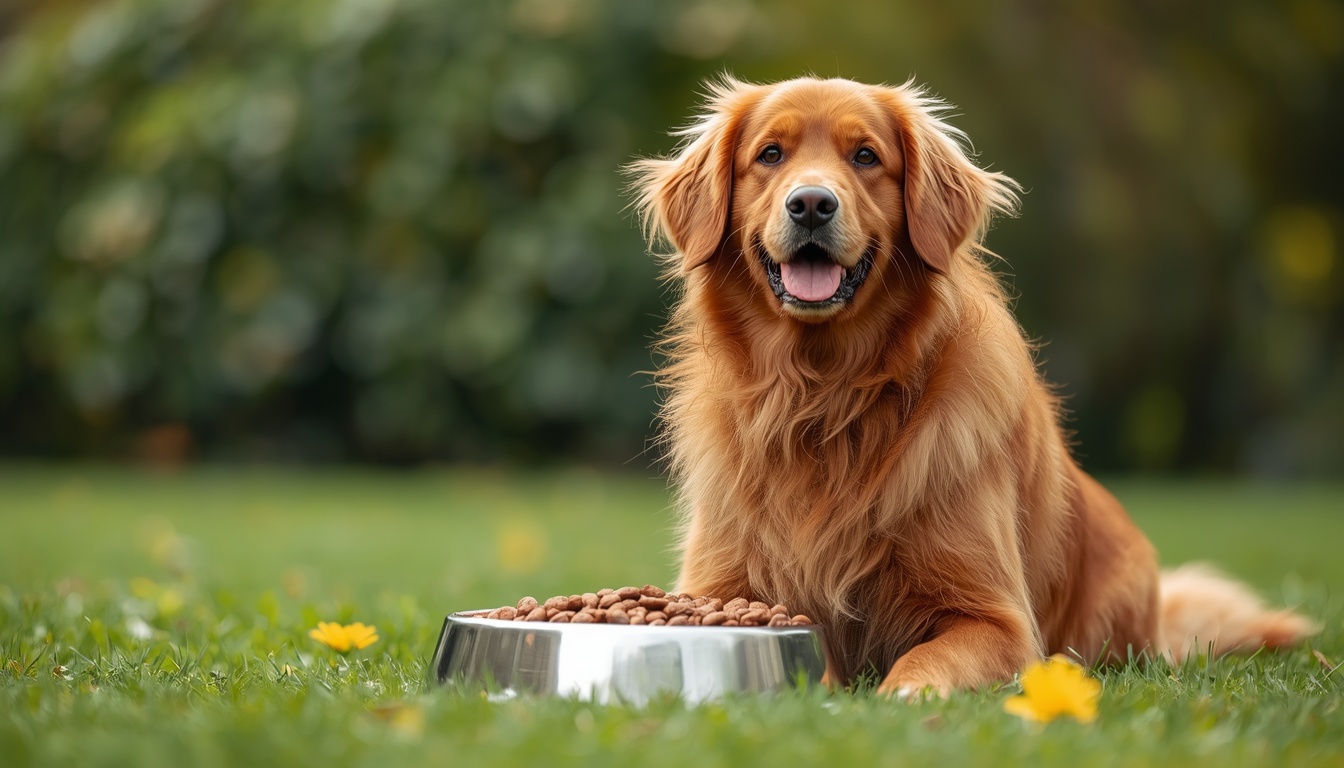
The Nova Scotia Duck Tolling Retriever, often called the Toller, is one of the most intelligent, energetic, and versatile sporting dog breeds in the world. Known for their beautiful red coats, athletic build, and enthusiastic personality, Tollers require a well-balanced diet to maintain their health, energy levels, and overall well-being. Choosing the best dog food for Nova Scotia Duck Tolling Retriever is essential because this breed has unique nutritional requirements. Their active lifestyle, moderate-to-high energy levels, and predisposition to certain health conditions mean that not every dog food will be suitable. Whether you own a Toller puppy, adult, or senior dog, this comprehensive guide will help you understand what to feed your dog, which ingredients matter most, and how to choose the best food for long-term health. Understanding Best Dog Food for Nova Scotia Duck Tolling Retriever Originally developed in Nova Scotia, Canada, the Toller was bred to lure and retrieve waterfowl. These dogs are highly intelligent, energetic, and eager to work. Typical breed characteristics include: Because of their active nature, Tollers require nutrient-dense food that supports muscle development, joint health, and sustained energy. Why Nutrition Matters for Tollers Nutrition affects nearly every aspect of your dog’s health. A high-quality diet can help support: Poor nutrition, on the other hand, may contribute to obesity, skin issues, digestive upset, and reduced energy levels. Nutritional Requirements of a Nova Scotia Duck Tolling Retriever High-Quality Protein Protein is the most important nutrient in a Toller’s diet. Because Tollers are active sporting dogs, they require adequate protein to support: Look for foods that list real animal protein as the first ingredient. Excellent protein sources include: A quality dog food should contain sufficient animal-based protein to maintain your dog’s athletic condition. Healthy Fats Healthy fats are another crucial component of a Toller’s diet. Benefits include: Look for foods containing: These ingredients provide essential fatty acids that support overall wellness. Omega-3 and Omega-6 Fatty Acids Tollers are known for their beautiful red double coats. Omega fatty acids help maintain: Fish-based diets are particularly beneficial because they provide natural omega-3 fatty acids. Digestible Carbohydrates Carbohydrates provide energy and fiber. Healthy carbohydrate sources include: Avoid foods that rely heavily on low-quality fillers. Essential Vitamins and Minerals Your Toller’s food should contain: These nutrients support immunity, bone health, and overall development. Common Health Concerns in Tollers Understanding breed-specific health issues can help you choose the right diet. Hip Dysplasia Like many medium-sized sporting breeds, Tollers can develop hip dysplasia. Joint-support ingredients such as: may help maintain joint health. Autoimmune Conditions Some Tollers have a higher risk of autoimmune disorders. Foods rich in antioxidants may help support immune system function. Allergies and Sensitivities Food sensitivities can occur in some dogs. Common symptoms include: Limited-ingredient diets may help identify triggers. Obesity Although active, Tollers can gain weight if overfed. Maintaining proper calorie intake is important for long-term health. What to Look for in the Best Dog Food for a Toller When evaluating dog foods, prioritize products that offer: Real Meat as the First Ingredient Examples include: No Artificial Additives Avoid excessive: Balanced Nutrition Choose foods formulated to meet recognized nutritional standards. Joint Support Ingredients Look for: Skin and Coat Support Foods rich in omega fatty acids are particularly beneficial. Best Types of Dog Food for Nova Scotia Duck Tolling Retrievers Dry Dog Food Dry kibble remains the most popular option. Benefits include: Wet Dog Food Wet food offers: Fresh Dog Food Fresh food diets have become increasingly popular. Benefits include: Mixed Feeding Many owners combine dry and wet food to provide variety and hydration. Best Dog Food for Toller Puppies Puppies have different nutritional requirements than adults. A puppy formula should provide: Puppy Feeding Schedule 8–12 Weeks 4 meals per day 3–6 Months 3 meals per day 6–12 Months 2–3 meals per day Consistent feeding supports healthy growth and development. Best Dog Food for Adult Tollers Adult Tollers require maintenance diets that support: Most active adults thrive on diets containing moderate-to-high protein levels. Best Dog Food for Senior Tollers Senior dogs often benefit from: Senior formulas help support mobility and healthy aging. Grain-Free vs Grain-Inclusive Diets Many dog owners wonder which option is best. Grain-Free Diets Advantages may include: Common ingredients include: Grain-Inclusive Diets Advantages include: Unless your dog has a diagnosed grain sensitivity, grain-inclusive foods are generally suitable. Foods That May Benefit Active Tollers Active sporting dogs require sufficient energy. Look for foods containing: These nutrients help support endurance and recovery. Foods That May Help Dogs With Sensitive Skin If your Toller experiences skin irritation, consider foods containing: These ingredients often support healthier skin and coat condition. Feeding Guidelines Adult Toller Feeding Chart Weight Daily Food Amount 15–18 kg 2–2.5 cups 18–22 kg 2.5–3 cups 22–25 kg 3–3.5 cups Actual requirements vary based on activity level and food calorie density. Foods to Avoid Never feed: These foods can be toxic to dogs. Signs Your Dog Is Thriving on Its Food Positive indicators include: Signs a Food May Not Be Suitable Watch for: Consult your veterinarian if these symptoms persist. How to Transition to a New Food Switch gradually over 7–10 days. Transition Plan Day Old Food New Food 1–2 75% 25% 3–4 50% 50% 5–6 25% 75% 7+ 0% 100% This helps reduce digestive upset. Frequently Asked Questions What is the best dog food for a Nova Scotia Duck Tolling Retriever? The best food contains high-quality animal protein, healthy fats, omega fatty acids, and balanced nutrition appropriate for your dog’s age and activity level. Is salmon good for Tollers? Yes. Salmon is an excellent protein source rich in omega-3 fatty acids that support skin, coat, and joint health. How much should a Toller eat? Most adult Tollers eat between 2 and 3.5 cups of food daily, depending on size and activity level. Are Tollers prone to food allergies? Some Tollers can develop food sensitivities, making limited-ingredient or fish-based diets beneficial. Should I feed wet or dry food? Both can be healthy choices. Many owners use a combination of wet … Read more

Best Dog Food and Water Bowl Mat: A Complete Guide

Best Dog Food and Water Bowl Mat

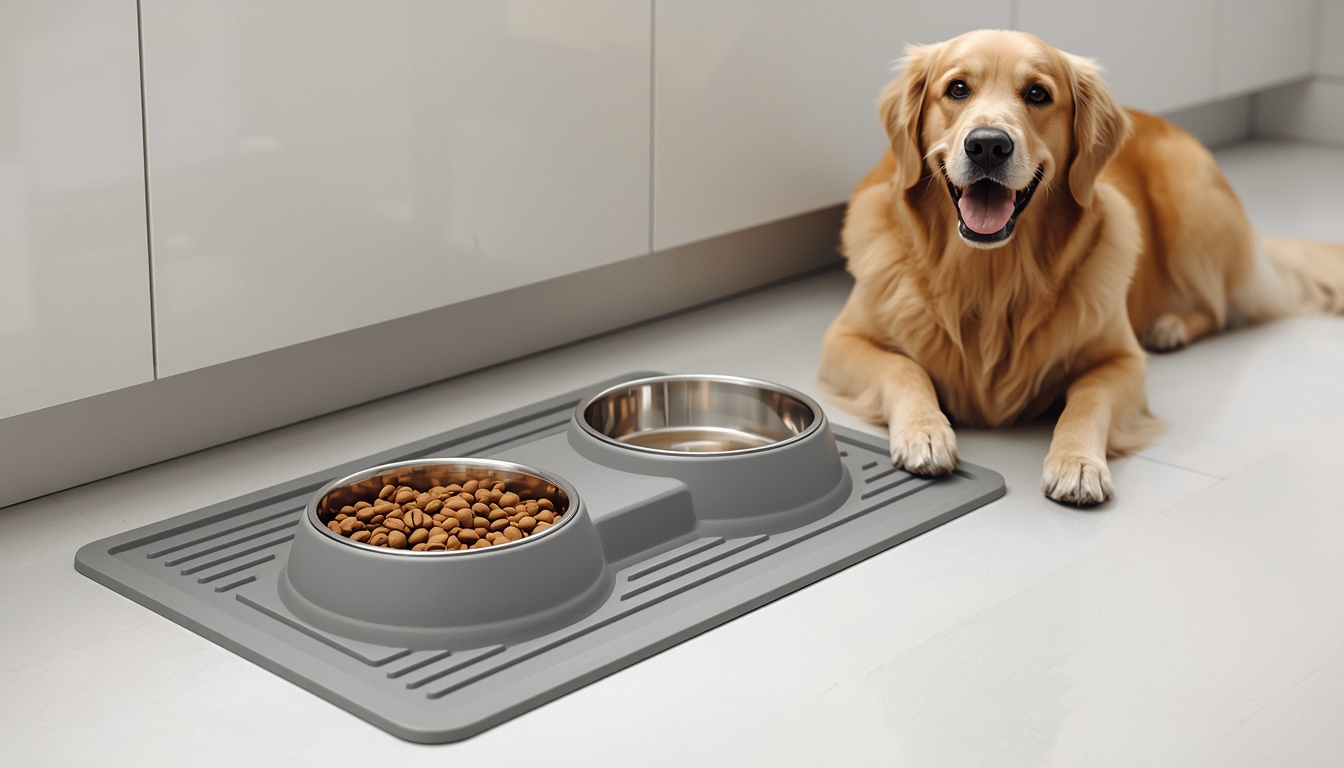
A dog’s feeding area can quickly become one of the messiest spots in your home. Water splashes, food crumbs, drool, and bowl movement can leave floors wet, dirty, and sometimes damaged. If you’re tired of constantly cleaning around your dog’s feeding station, investing in the best dog food and water bowl mat can make a significant difference. A high-quality dog bowl mat not only protects your floors but also helps create a clean, organized, and hygienic feeding area for your furry companion. Whether you own a small puppy, a large breed dog, or multiple pets, the right feeding mat can save time, reduce mess, and improve your overall pet care routine. In this comprehensive guide, you’ll learn everything you need to know about choosing the best dog food and water bowl mat, including key features, materials, benefits, cleaning tips, and recommendations for different types of dogs. Why You Need a Dog Food and Water Bowl Mat? Many dog owners underestimate how much mess can accumulate around food and water bowls. Common problems include: A dog bowl mat acts as a protective barrier between your dog’s feeding station and your flooring. Benefits of Using a Dog Bowl Mat Protects Floors Water can damage hardwood, laminate, and even certain tile surfaces over time. A waterproof feeding mat helps prevent: Reduces Cleanup Time Instead of cleaning your entire floor after every meal, you only need to wipe down the mat. Improves Hygiene Food particles and standing water can attract bacteria, insects, and unpleasant odors. A bowl mat helps keep the feeding area cleaner. Prevents Bowl Movement Many dogs push their bowls while eating. A non-slip mat keeps bowls stable and prevents sliding. Creates an Organized Feeding Station A designated feeding area looks cleaner and helps establish routine for your dog. What Makes the Best Dog Food and Water Bowl Mat? Not all bowl mats are created equal. The best dog feeding mats share several important features. Waterproof Construction Waterproof protection is essential for preventing damage to your flooring. Look for mats specifically designed to contain spills and moisture. Raised Edges Raised borders help trap water and food particles. Benefits include: Raised-edge mats are especially useful for messy drinkers. Non-Slip Surface A quality feeding mat should stay securely in place. Non-slip materials help prevent: Easy Cleaning The best mats can be: Durable Material Dog bowl mats experience daily wear and tear. Choose materials that resist: Best Materials for Dog Bowl Mats Silicone Dog Bowl Mats Silicone is widely considered the best material for dog feeding mats. Advantages Best For Silicone mats are often the top choice among pet owners because they combine durability with convenience. Rubber Dog Bowl Mats Rubber mats provide excellent grip and stability. Advantages Best For Microfiber Feeding Mats These mats absorb water rather than simply containing it. Advantages Best For PVC Feeding Mats PVC mats are a budget-friendly option. Advantages Drawbacks Best Dog Food and Water Bowl Mat Features When shopping for a feeding mat, prioritize these features. Spill-Proof Design A spill-proof design helps contain: Food-Grade Materials Choose mats made from pet-safe, food-grade materials. Odor Resistance Quality mats resist odor absorption and bacterial growth. Large Surface Area The mat should comfortably accommodate: Attractive Design Many modern feeding mats blend seamlessly with home décor. Best Dog Food and Water Bowl Mat for Small Dogs Small breeds often create less mess but still benefit from floor protection. Recommended Features Suitable breeds include: Ideal Size 12–18 inches wide typically works well. Best Dog Food and Water Bowl Mat for Medium Dogs Medium-sized dogs require slightly larger mats. Recommended Features Suitable breeds include: Ideal Size 18–24 inches wide. Best Dog Food and Water Bowl Mat for Large Dogs Large dogs often generate more water spills and food mess. Recommended Features Suitable breeds include: Ideal Size 24–36 inches wide. Best Dog Food and Water Bowl Mat for Messy Drinkers Some dogs seem to splash water everywhere. If your dog leaves puddles around the bowl, choose a mat with: Microfiber and raised-edge silicone mats work particularly well. Best Dog Food and Water Bowl Mat for Multiple Dogs Multi-pet households need larger feeding stations. Look for: Benefits include: How to Choose the Right Size Before purchasing a bowl mat: Measure Your Bowls Include: Add Extra Space Allow additional room for: A slightly larger mat is usually the better choice. How to Clean a Dog Bowl Mat Regular cleaning helps maintain hygiene. Daily Cleaning Weekly Cleaning Deep Cleaning For stubborn stains: Common Mistakes to Avoid Choosing a Mat That’s Too Small A small mat won’t adequately contain spills. Ignoring Material Quality Cheap mats often crack, curl, or lose effectiveness. Not Cleaning Regularly Food residue can encourage bacteria growth. Forgetting About Raised Edges Flat mats may allow water to escape onto the floor. Are Expensive Dog Bowl Mats Worth It? Higher-quality mats often provide: While budget options may work initially, premium silicone mats generally offer better long-term value. Frequently Asked Questions What is the best material for a dog food and water bowl mat? Silicone is generally considered the best material due to its waterproof nature, durability, flexibility, and ease of cleaning. Do dog bowl mats really work? Yes. They effectively contain food crumbs, water spills, and drool while protecting floors from damage. How often should I clean my dog’s bowl mat? Daily wiping and weekly washing are recommended. Are silicone bowl mats safe for dogs? Yes. High-quality food-grade silicone mats are safe, non-toxic, and widely used in pet products. What size feeding mat should I buy? Choose a mat that comfortably accommodates all bowls with additional space for spills and movement. Final Thoughts Finding the best dog food and water bowl mat can dramatically improve the cleanliness and organization of your dog’s feeding area. A quality feeding mat protects your floors, contains spills, simplifies cleanup, and creates a designated feeding space that benefits both pets and owners. For most households, a waterproof silicone mat with raised edges and a non-slip base offers the ideal combination of durability, … Read more