OURPETTAILS

Best Dog Food for Border Collies: The Ultimate Nutrition Guide
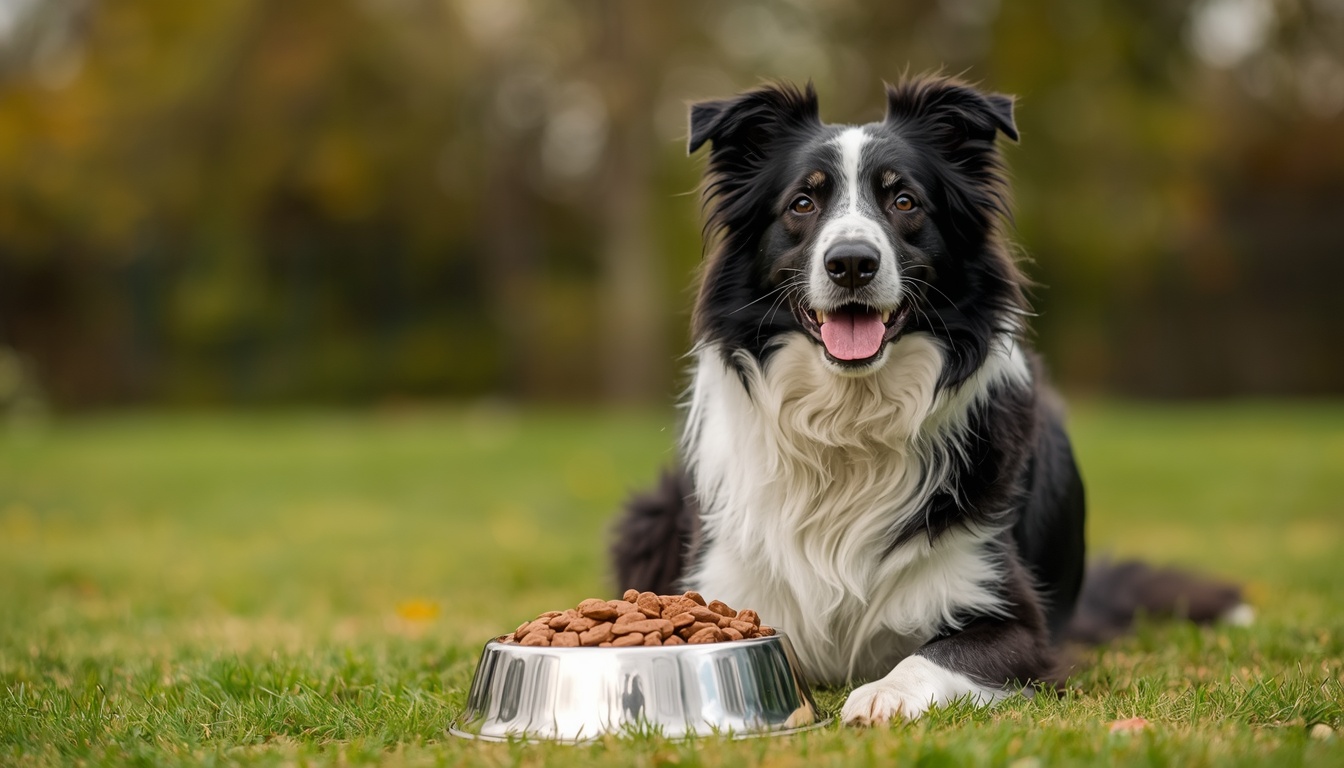
Best Dog Food for Border Collies

Border Collies are widely recognized as one of the smartest dog breeds in the world. Known for their incredible intelligence, agility, work ethic, and boundless energy, these dogs require a carefully balanced diet to support their active lifestyles. Whether your Border Collie is a working farm dog, an agility champion, or a beloved family companion, proper nutrition plays a crucial role in maintaining their health and performance. Choosing the best dog food for Border Collies can be overwhelming because there are hundreds of brands and formulas available. However, understanding your dog’s nutritional needs can make the decision much easier. In this comprehensive guide, you’ll learn everything you need to know about feeding a Border Collie, including nutritional requirements, recommended ingredients, feeding schedules, common health concerns, and how to select the best food for puppies, adults, and seniors. Understanding the Border Collie Breed Originally developed along the border regions of Scotland and England, Border Collies were bred to herd livestock. Their intelligence and stamina make them exceptional working dogs. Typical Border Collie characteristics include: Because of their active nature, Border Collies require nutrient-dense food that provides long-lasting energy and supports muscle maintenance. Why Proper Nutrition Is Important for Border Collies A balanced diet affects nearly every aspect of a Border Collie’s health. Proper nutrition helps support: Poor nutrition may lead to reduced energy, weight gain, digestive issues, poor coat condition, and other health problems. Nutritional Requirements of a Border Collie High-Quality Protein Protein is the most important nutrient for Border Collies. Because they are highly active dogs, they need sufficient protein to support: Excellent protein sources include: Look for dog foods that list real meat as the first ingredient. Healthy Fats Healthy fats provide concentrated energy and support numerous bodily functions. Benefits include: Good sources include: Active Border Collies particularly benefit from healthy fat sources. Omega-3 and Omega-6 Fatty Acids These essential fatty acids contribute to: Fish-based diets are often excellent choices for Border Collies because they naturally contain omega-3 fatty acids. Digestible Carbohydrates Although dogs primarily thrive on protein and fat, carbohydrates provide valuable energy. Healthy carbohydrate sources include: Avoid foods that rely heavily on inexpensive fillers. Essential Vitamins and Minerals A complete diet should contain: These nutrients support bone health, immunity, and overall wellness. Common Health Issues in Border Collies Understanding breed-specific health concerns can help you choose appropriate nutrition. Hip Dysplasia Hip dysplasia can affect Border Collies, especially as they age. Nutrients that may help support joint health include: Arthritis Active dogs place significant stress on their joints over time. Joint-support ingredients become increasingly important as dogs age. Epilepsy Border Collies are among the breeds that can be predisposed to epilepsy. While diet does not prevent epilepsy, overall nutritional support contributes to general health. Collie Eye Anomaly Certain inherited eye conditions may occur within the breed. Antioxidant-rich ingredients may support eye health. Obesity Although Border Collies are active, obesity can still occur if calorie intake exceeds activity levels. Maintaining a healthy weight helps reduce strain on joints and organs. What to Look for in the Best Dog Food for Border Collies Real Animal Protein Always prioritize foods with named animal proteins such as: Protein should ideally be the first ingredient. Balanced Nutrition Choose foods that provide complete and balanced nutrition appropriate for your dog’s life stage. Joint Support Look for formulas containing: Skin and Coat Support Foods rich in omega fatty acids help maintain a healthy coat. No Excessive Fillers Avoid formulas packed with low-quality ingredients that offer limited nutritional value. Best Dog Food for Border Collie Puppies Puppies have unique nutritional requirements. A quality puppy formula should contain: Benefits of Puppy-Specific Food Puppy foods support: Puppy Feeding Schedule 8–12 Weeks 4 meals per day 3–6 Months 3 meals per day 6–12 Months 2–3 meals per day Consistency is important during growth stages. Best Dog Food for Adult Border Collies Adult Border Collies require maintenance diets that support: Active adults often benefit from moderate-to-high protein diets. Characteristics of Good Adult Dog Food Look for: Best Dog Food for Senior Border Collies Senior Border Collies have changing nutritional needs. Important nutrients include: Senior formulas can help support mobility and healthy aging. Dry Food vs Wet Food Many owners wonder which option is best. Dry Dog Food Benefits include: Wet Dog Food Benefits include: Mixed Feeding Combining wet and dry food can provide both convenience and variety. Grain-Free vs Grain-Inclusive Diets Grain-Free Diets Common ingredients include: Potential benefits: Grain-Inclusive Diets Advantages include: Most Border Collies tolerate healthy grains very well. Best Ingredients for Border Collies Look for foods containing: Salmon Provides: Chicken Supports: Sweet Potatoes Provide: Pumpkin Supports digestive health. Fish Oil Promotes: Ingredients to Avoid Avoid foods with excessive amounts of: Quality ingredients contribute to long-term health. How Much Should a Border Collie Eat? Portion sizes depend on: Adult Feeding Guide Weight Daily Food Amount 12–15 kg 1.5–2 cups 15–20 kg 2–3 cups 20–25 kg 3–4 cups Working dogs may require additional calories. Sample Daily Feeding Schedule Adult Border Collie Time Meal 7:00 AM Breakfast 6:00 PM Dinner Highly Active Border Collie Time Meal 7:00 AM Breakfast 1:00 PM Small Snack 6:00 PM Dinner Signs Your Border Collie Is Eating the Right Food Positive indicators include: Signs the Food May Not Be Suitable Watch for: Consult your veterinarian if symptoms persist. How to Transition to a New Dog Food Changing foods too quickly can cause digestive upset. Recommended Transition Schedule Day Old Food New Food 1–2 75% 25% 3–4 50% 50% 5–6 25% 75% 7+ 0% 100% Gradual transitions help minimize stomach issues. Frequently Asked Questions What is the best dog food for Border Collies? The best dog food contains high-quality animal protein, healthy fats, omega fatty acids, and complete balanced nutrition appropriate for your dog’s age and activity level. Do Border Collies need high-protein food? Yes. Because Border Collies are highly active, they generally benefit from protein-rich diets that support muscle maintenance and energy. Is grain-free food better for Border Collies? Not necessarily. Many Border Collies thrive … Read more
Best Dog Food for Nova Scotia Duck Tolling Retriever: The Complete Nutrition Guide

Best Dog Food for Nova Scotia Duck Tolling Retriever

The Nova Scotia Duck Tolling Retriever, often called the Toller, is one of the most intelligent, energetic, and versatile sporting dog breeds in the world. Known for their beautiful red coats, athletic build, and enthusiastic personality, Tollers require a well-balanced diet to maintain their health, energy levels, and overall well-being. Choosing the best dog food for Nova Scotia Duck Tolling Retriever is essential because this breed has unique nutritional requirements. Their active lifestyle, moderate-to-high energy levels, and predisposition to certain health conditions mean that not every dog food will be suitable. Whether you own a Toller puppy, adult, or senior dog, this comprehensive guide will help you understand what to feed your dog, which ingredients matter most, and how to choose the best food for long-term health. Understanding Best Dog Food for Nova Scotia Duck Tolling Retriever Originally developed in Nova Scotia, Canada, the Toller was bred to lure and retrieve waterfowl. These dogs are highly intelligent, energetic, and eager to work. Typical breed characteristics include: Because of their active nature, Tollers require nutrient-dense food that supports muscle development, joint health, and sustained energy. Why Nutrition Matters for Tollers Nutrition affects nearly every aspect of your dog’s health. A high-quality diet can help support: Poor nutrition, on the other hand, may contribute to obesity, skin issues, digestive upset, and reduced energy levels. Nutritional Requirements of a Nova Scotia Duck Tolling Retriever High-Quality Protein Protein is the most important nutrient in a Toller’s diet. Because Tollers are active sporting dogs, they require adequate protein to support: Look for foods that list real animal protein as the first ingredient. Excellent protein sources include: A quality dog food should contain sufficient animal-based protein to maintain your dog’s athletic condition. Healthy Fats Healthy fats are another crucial component of a Toller’s diet. Benefits include: Look for foods containing: These ingredients provide essential fatty acids that support overall wellness. Omega-3 and Omega-6 Fatty Acids Tollers are known for their beautiful red double coats. Omega fatty acids help maintain: Fish-based diets are particularly beneficial because they provide natural omega-3 fatty acids. Digestible Carbohydrates Carbohydrates provide energy and fiber. Healthy carbohydrate sources include: Avoid foods that rely heavily on low-quality fillers. Essential Vitamins and Minerals Your Toller’s food should contain: These nutrients support immunity, bone health, and overall development. Common Health Concerns in Tollers Understanding breed-specific health issues can help you choose the right diet. Hip Dysplasia Like many medium-sized sporting breeds, Tollers can develop hip dysplasia. Joint-support ingredients such as: may help maintain joint health. Autoimmune Conditions Some Tollers have a higher risk of autoimmune disorders. Foods rich in antioxidants may help support immune system function. Allergies and Sensitivities Food sensitivities can occur in some dogs. Common symptoms include: Limited-ingredient diets may help identify triggers. Obesity Although active, Tollers can gain weight if overfed. Maintaining proper calorie intake is important for long-term health. What to Look for in the Best Dog Food for a Toller When evaluating dog foods, prioritize products that offer: Real Meat as the First Ingredient Examples include: No Artificial Additives Avoid excessive: Balanced Nutrition Choose foods formulated to meet recognized nutritional standards. Joint Support Ingredients Look for: Skin and Coat Support Foods rich in omega fatty acids are particularly beneficial. Best Types of Dog Food for Nova Scotia Duck Tolling Retrievers Dry Dog Food Dry kibble remains the most popular option. Benefits include: Wet Dog Food Wet food offers: Fresh Dog Food Fresh food diets have become increasingly popular. Benefits include: Mixed Feeding Many owners combine dry and wet food to provide variety and hydration. Best Dog Food for Toller Puppies Puppies have different nutritional requirements than adults. A puppy formula should provide: Puppy Feeding Schedule 8–12 Weeks 4 meals per day 3–6 Months 3 meals per day 6–12 Months 2–3 meals per day Consistent feeding supports healthy growth and development. Best Dog Food for Adult Tollers Adult Tollers require maintenance diets that support: Most active adults thrive on diets containing moderate-to-high protein levels. Best Dog Food for Senior Tollers Senior dogs often benefit from: Senior formulas help support mobility and healthy aging. Grain-Free vs Grain-Inclusive Diets Many dog owners wonder which option is best. Grain-Free Diets Advantages may include: Common ingredients include: Grain-Inclusive Diets Advantages include: Unless your dog has a diagnosed grain sensitivity, grain-inclusive foods are generally suitable. Foods That May Benefit Active Tollers Active sporting dogs require sufficient energy. Look for foods containing: These nutrients help support endurance and recovery. Foods That May Help Dogs With Sensitive Skin If your Toller experiences skin irritation, consider foods containing: These ingredients often support healthier skin and coat condition. Feeding Guidelines Adult Toller Feeding Chart Weight Daily Food Amount 15–18 kg 2–2.5 cups 18–22 kg 2.5–3 cups 22–25 kg 3–3.5 cups Actual requirements vary based on activity level and food calorie density. Foods to Avoid Never feed: These foods can be toxic to dogs. Signs Your Dog Is Thriving on Its Food Positive indicators include: Signs a Food May Not Be Suitable Watch for: Consult your veterinarian if these symptoms persist. How to Transition to a New Food Switch gradually over 7–10 days. Transition Plan Day Old Food New Food 1–2 75% 25% 3–4 50% 50% 5–6 25% 75% 7+ 0% 100% This helps reduce digestive upset. Frequently Asked Questions What is the best dog food for a Nova Scotia Duck Tolling Retriever? The best food contains high-quality animal protein, healthy fats, omega fatty acids, and balanced nutrition appropriate for your dog’s age and activity level. Is salmon good for Tollers? Yes. Salmon is an excellent protein source rich in omega-3 fatty acids that support skin, coat, and joint health. How much should a Toller eat? Most adult Tollers eat between 2 and 3.5 cups of food daily, depending on size and activity level. Are Tollers prone to food allergies? Some Tollers can develop food sensitivities, making limited-ingredient or fish-based diets beneficial. Should I feed wet or dry food? Both can be healthy choices. Many owners use a combination of wet … Read more

Best Dog Food and Water Bowl Mat: A Complete Guide

Best Dog Food and Water Bowl Mat

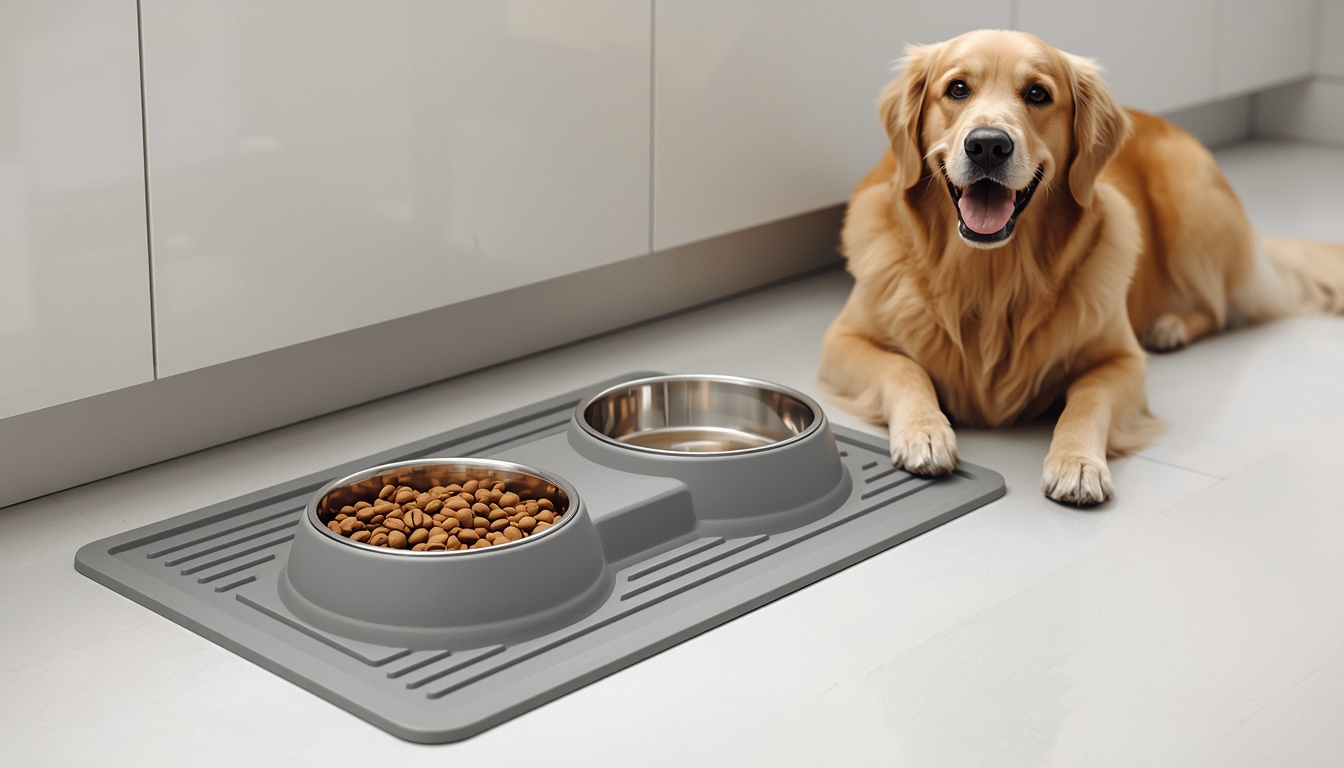
A dog’s feeding area can quickly become one of the messiest spots in your home. Water splashes, food crumbs, drool, and bowl movement can leave floors wet, dirty, and sometimes damaged. If you’re tired of constantly cleaning around your dog’s feeding station, investing in the best dog food and water bowl mat can make a significant difference. A high-quality dog bowl mat not only protects your floors but also helps create a clean, organized, and hygienic feeding area for your furry companion. Whether you own a small puppy, a large breed dog, or multiple pets, the right feeding mat can save time, reduce mess, and improve your overall pet care routine. In this comprehensive guide, you’ll learn everything you need to know about choosing the best dog food and water bowl mat, including key features, materials, benefits, cleaning tips, and recommendations for different types of dogs. Why You Need a Dog Food and Water Bowl Mat? Many dog owners underestimate how much mess can accumulate around food and water bowls. Common problems include: A dog bowl mat acts as a protective barrier between your dog’s feeding station and your flooring. Benefits of Using a Dog Bowl Mat Protects Floors Water can damage hardwood, laminate, and even certain tile surfaces over time. A waterproof feeding mat helps prevent: Reduces Cleanup Time Instead of cleaning your entire floor after every meal, you only need to wipe down the mat. Improves Hygiene Food particles and standing water can attract bacteria, insects, and unpleasant odors. A bowl mat helps keep the feeding area cleaner. Prevents Bowl Movement Many dogs push their bowls while eating. A non-slip mat keeps bowls stable and prevents sliding. Creates an Organized Feeding Station A designated feeding area looks cleaner and helps establish routine for your dog. What Makes the Best Dog Food and Water Bowl Mat? Not all bowl mats are created equal. The best dog feeding mats share several important features. Waterproof Construction Waterproof protection is essential for preventing damage to your flooring. Look for mats specifically designed to contain spills and moisture. Raised Edges Raised borders help trap water and food particles. Benefits include: Raised-edge mats are especially useful for messy drinkers. Non-Slip Surface A quality feeding mat should stay securely in place. Non-slip materials help prevent: Easy Cleaning The best mats can be: Durable Material Dog bowl mats experience daily wear and tear. Choose materials that resist: Best Materials for Dog Bowl Mats Silicone Dog Bowl Mats Silicone is widely considered the best material for dog feeding mats. Advantages Best For Silicone mats are often the top choice among pet owners because they combine durability with convenience. Rubber Dog Bowl Mats Rubber mats provide excellent grip and stability. Advantages Best For Microfiber Feeding Mats These mats absorb water rather than simply containing it. Advantages Best For PVC Feeding Mats PVC mats are a budget-friendly option. Advantages Drawbacks Best Dog Food and Water Bowl Mat Features When shopping for a feeding mat, prioritize these features. Spill-Proof Design A spill-proof design helps contain: Food-Grade Materials Choose mats made from pet-safe, food-grade materials. Odor Resistance Quality mats resist odor absorption and bacterial growth. Large Surface Area The mat should comfortably accommodate: Attractive Design Many modern feeding mats blend seamlessly with home décor. Best Dog Food and Water Bowl Mat for Small Dogs Small breeds often create less mess but still benefit from floor protection. Recommended Features Suitable breeds include: Ideal Size 12–18 inches wide typically works well. Best Dog Food and Water Bowl Mat for Medium Dogs Medium-sized dogs require slightly larger mats. Recommended Features Suitable breeds include: Ideal Size 18–24 inches wide. Best Dog Food and Water Bowl Mat for Large Dogs Large dogs often generate more water spills and food mess. Recommended Features Suitable breeds include: Ideal Size 24–36 inches wide. Best Dog Food and Water Bowl Mat for Messy Drinkers Some dogs seem to splash water everywhere. If your dog leaves puddles around the bowl, choose a mat with: Microfiber and raised-edge silicone mats work particularly well. Best Dog Food and Water Bowl Mat for Multiple Dogs Multi-pet households need larger feeding stations. Look for: Benefits include: How to Choose the Right Size Before purchasing a bowl mat: Measure Your Bowls Include: Add Extra Space Allow additional room for: A slightly larger mat is usually the better choice. How to Clean a Dog Bowl Mat Regular cleaning helps maintain hygiene. Daily Cleaning Weekly Cleaning Deep Cleaning For stubborn stains: Common Mistakes to Avoid Choosing a Mat That’s Too Small A small mat won’t adequately contain spills. Ignoring Material Quality Cheap mats often crack, curl, or lose effectiveness. Not Cleaning Regularly Food residue can encourage bacteria growth. Forgetting About Raised Edges Flat mats may allow water to escape onto the floor. Are Expensive Dog Bowl Mats Worth It? Higher-quality mats often provide: While budget options may work initially, premium silicone mats generally offer better long-term value. Frequently Asked Questions What is the best material for a dog food and water bowl mat? Silicone is generally considered the best material due to its waterproof nature, durability, flexibility, and ease of cleaning. Do dog bowl mats really work? Yes. They effectively contain food crumbs, water spills, and drool while protecting floors from damage. How often should I clean my dog’s bowl mat? Daily wiping and weekly washing are recommended. Are silicone bowl mats safe for dogs? Yes. High-quality food-grade silicone mats are safe, non-toxic, and widely used in pet products. What size feeding mat should I buy? Choose a mat that comfortably accommodates all bowls with additional space for spills and movement. Final Thoughts Finding the best dog food and water bowl mat can dramatically improve the cleanliness and organization of your dog’s feeding area. A quality feeding mat protects your floors, contains spills, simplifies cleanup, and creates a designated feeding space that benefits both pets and owners. For most households, a waterproof silicone mat with raised edges and a non-slip base offers the ideal combination of durability, … Read more

Best Dog Food for Chow Chow in South Africa: The Complete Nutrition Guide

Best Dog Food for Chow Chow in South Africa

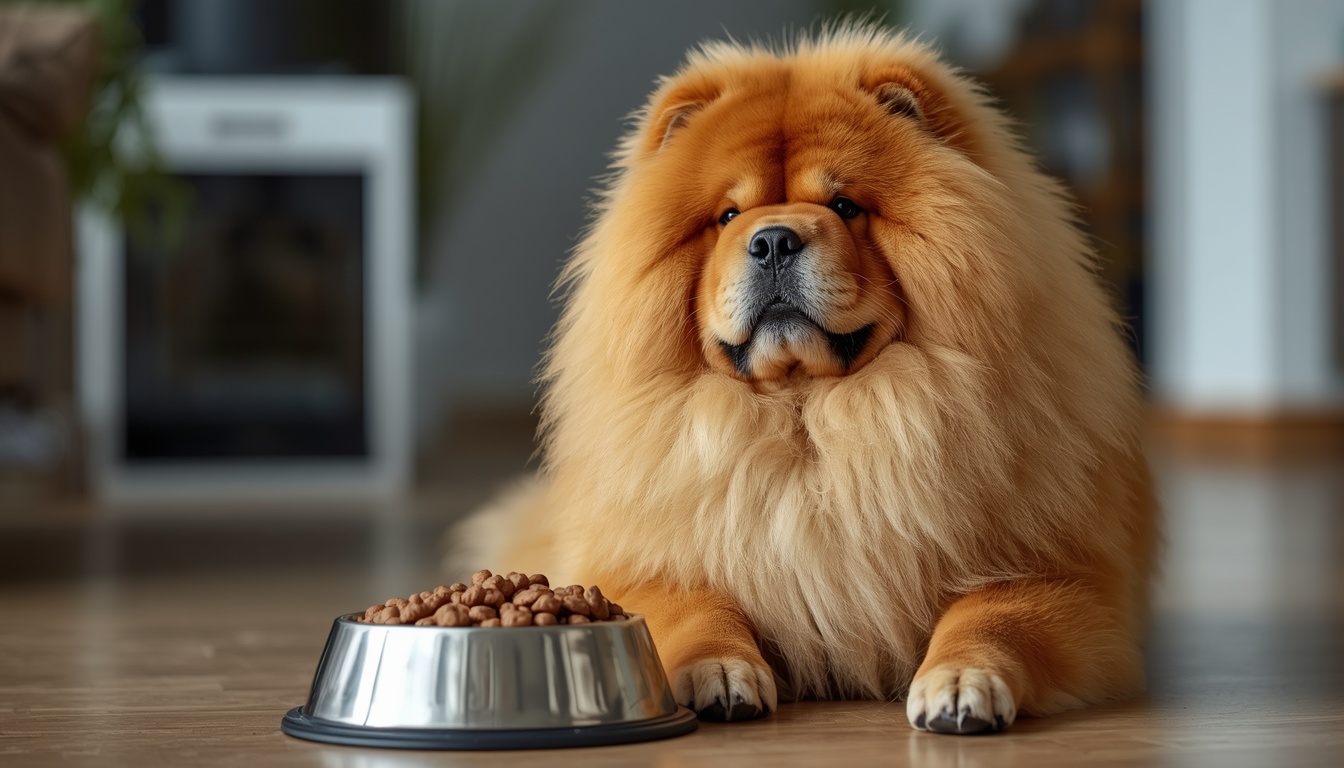
Choosing the best dog food for Chow Chow in South Africa is one of the most important decisions you can make as a pet owner. Chow Chows are a unique breed known for their lion-like appearance, thick double coats, independent personalities, and strong loyalty to their families. However, they also have specific nutritional needs that differ from many other dog breeds. A Chow Chow’s diet directly impacts its coat quality, skin health, weight, energy levels, joint function, and overall lifespan. Feeding the wrong food can contribute to obesity, allergies, digestive issues, and poor coat condition. On the other hand, a high-quality diet can help your Chow Chow thrive and maintain its distinctive beauty and strength. This guide explores the best dog food options for Chow Chows in South Africa, what ingredients to look for, common health concerns, feeding schedules, and tips for choosing the right food for your dog’s age and lifestyle. Understanding the Nutritional Needs of a Chow Chow Originally bred in China as working dogs, Chow Chows are sturdy, medium-to-large dogs with moderate activity levels. They require a balanced diet rich in protein, healthy fats, vitamins, and minerals. Because of their dense coats and tendency toward skin sensitivities, nutrition plays an especially important role in their health. Key Nutrients for Chow Chows A quality Chow Chow diet should include: Each of these nutrients contributes to maintaining healthy skin, coat, muscles, and joints. Common Health Issues in Chow Chows Before selecting dog food, it’s important to understand the health conditions Chow Chows are commonly prone to. Skin Allergies Many Chow Chows experience skin allergies and sensitivities. Symptoms may include: Foods rich in omega fatty acids may help support skin health. Obesity Chow Chows can gain weight easily if overfed or under-exercised. Excess weight can contribute to: Choosing appropriate calorie levels is important. Hip and Elbow Dysplasia Like many larger breeds, Chow Chows can develop joint issues. Foods containing glucosamine and chondroitin may help support joint health. Thyroid Issues Some Chow Chows are prone to hypothyroidism, which can affect metabolism and weight management. Digestive Sensitivities Certain Chow Chows may have sensitive stomachs and benefit from easily digestible ingredients. What Makes a Great Dog Food for Chow Chows? When evaluating dog food options, consider the following criteria. High-Quality Protein Protein should be the primary ingredient. Excellent sources include: Protein supports: Healthy Fats Healthy fats provide energy and support skin and coat condition. Look for: Omega Fatty Acids Omega-3 and Omega-6 fatty acids are especially beneficial for Chow Chows. Benefits include: Joint Support Ingredients Look for foods containing: These ingredients help maintain mobility and joint comfort. Best Premium Dog Foods for Chow Chows in South Africa Acana Classic Prairie Poultry Acana is one of the most respected premium dog food brands available in South Africa. Benefits include: Acana is often recommended for active adult Chow Chows. Orijen Six Fish Orijen Six Fish is particularly beneficial for dogs with skin sensitivities. Key features: Many Chow Chow owners choose fish-based diets to improve skin and coat condition. Farmina N&D Ancestral Grain Chicken & Pomegranate Farmina is known for using premium ingredients and advanced nutritional research. Benefits: This food is suitable for adult Chow Chows requiring premium nutrition. Royal Canin Adult Formulas Royal Canin has a strong reputation among veterinarians worldwide. Advantages include: Royal Canin is often recommended for dogs with specific dietary requirements. Best South African Dog Food Brands for Chow Chows Many South African pet owners prefer local brands due to affordability and availability. Montego Karoo Montego Karoo is one of South Africa’s most popular premium dog foods. Benefits include: Montego Field + Forest This range offers higher meat content and premium ingredients. Suitable for: Ultra Pet Premium Ultra Pet has built a strong reputation for quality and value. Benefits: Jock Dog Food Jock remains a trusted choice for many South African households. Advantages: Best Food for Chow Chow Puppies Puppy nutrition is crucial during the first year of life. Growing Chow Chow puppies require: Recommended Puppy Foods Royal Canin Puppy Formulas Provides balanced nutrition for growth and development. Farmina Puppy Formulas Offers premium ingredients and excellent digestibility. Acana Puppy Recipes Rich in protein and natural ingredients. Best Food for Adult Chow Chows Adult Chow Chows require maintenance diets that support: Top choices include: Best Food for Senior Chow Chows Senior dogs have different nutritional needs. Look for foods with: Senior Chow Chows benefit from controlled calorie intake to maintain healthy weight. Grain-Free vs Grain-Inclusive Diets This is a common question among dog owners. Grain-Free Diets Benefits may include: Examples: Grain-Inclusive Diets Benefits include: Unless your dog has a diagnosed sensitivity, grains are generally safe and nutritious. How Much Should a Chow Chow Eat? Feeding amounts vary depending on: Adult Chow Chow Feeding Guide Weight Daily Food 18–22 kg 2–3 cups 22–28 kg 3–4 cups 28–34 kg 4–5 cups Always follow manufacturer guidelines and consult your veterinarian. Sample Feeding Schedule Puppy (2–6 Months) Time Meal 7:00 AM Breakfast 12:00 PM Lunch 5:00 PM Dinner Adult Chow Chow Time Meal 7:00 AM Breakfast 6:00 PM Dinner Most adult Chow Chows do well with two meals daily. Foods to Avoid Certain foods should never be fed to Chow Chows. These include: These foods can be toxic and potentially life-threatening. Signs Your Dog Is Thriving on Its Diet Positive indicators include: Signs the Food May Not Be Suitable Watch for: Consult your veterinarian if symptoms persist. Tips for Transitioning to a New Dog Food Switch gradually over 7–10 days. Transition Example Day Old Food New Food 1–2 75% 25% 3–4 50% 50% 5–6 25% 75% 7+ 0% 100% A slow transition helps prevent digestive upset. Frequently Asked Questions What is the best dog food for a Chow Chow in South Africa? Acana, Orijen, Farmina, Royal Canin, and Montego Field + Forest are among the best options available. Is grain-free food better for Chow Chows? Not necessarily. Most Chow Chows do well on grain-inclusive diets unless they have specific sensitivities. What protein is best for Chow … Read more

Best Homemade Food for Shih Tzu Puppy: A Complete Nutrition Guide

Best Homemade Food for Shih Tzu Puppy

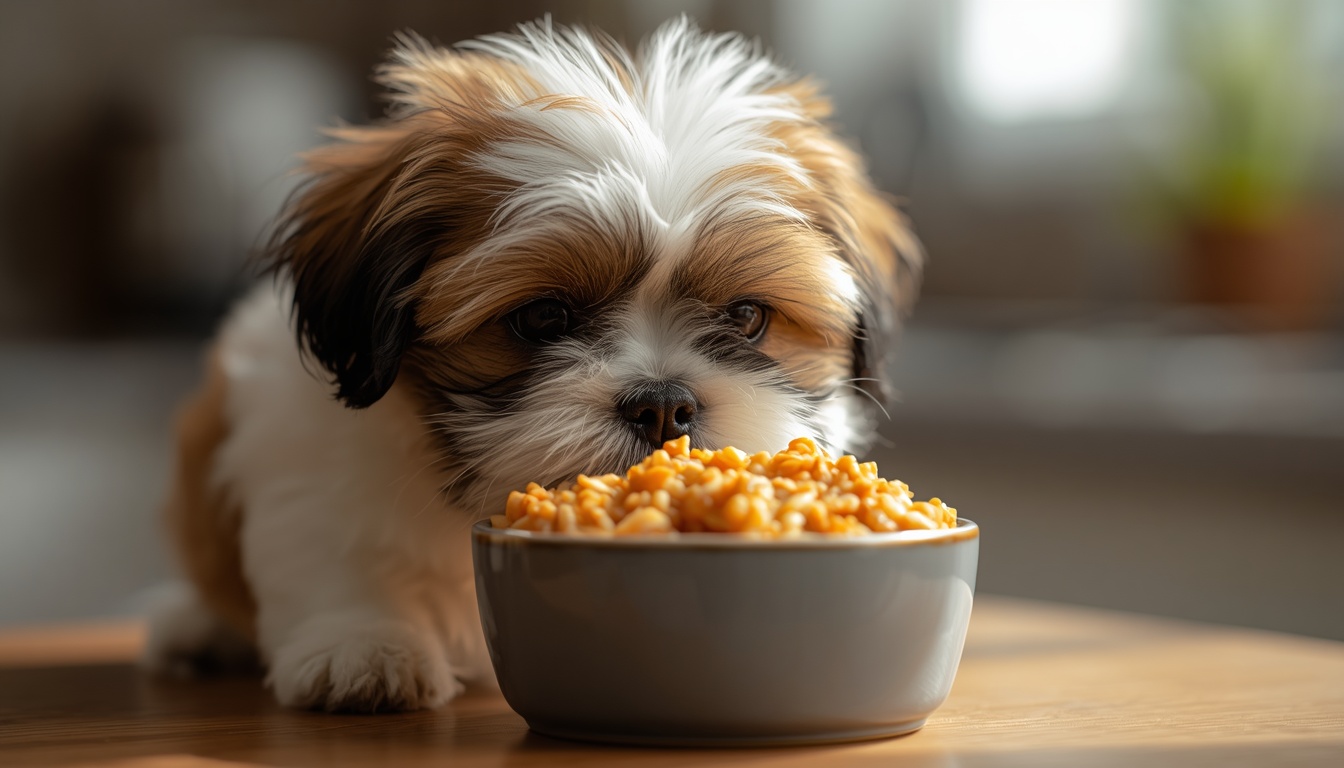
Shih Tzu puppies are adorable, affectionate, and full of energy. Their small size, fast growth, and unique nutritional needs make proper feeding extremely important during the first year of life. Many pet owners prefer homemade meals because they want greater control over ingredient quality and nutrition. If you’re wondering about the best homemade food for Shih Tzu puppy, the key is creating balanced meals that provide protein, healthy fats, vitamins, minerals, and digestible carbohydrates. Homemade food can be a healthy option when prepared correctly. It allows you to avoid unnecessary fillers, artificial preservatives, and low-quality ingredients often found in some commercial foods. However, a homemade diet should always be balanced to support healthy growth and development. In this guide, you’ll learn the best homemade foods for Shih Tzu puppies, essential nutrients, feeding schedules, recipes, foods to avoid, and expert tips for raising a healthy puppy. Why Choose Homemade Food for a Shih Tzu Puppy? Many dog owners switch to homemade meals for several reasons. Benefits include: Homemade food can be particularly beneficial for picky eaters and puppies with mild food sensitivities. Nutritional Requirements of a Shih Tzu Puppy A growing Shih Tzu puppy requires balanced nutrition to support: Every homemade meal should contain the right balance of nutrients. Protein Protein is the most important nutrient for growing puppies. Excellent protein sources include: Protein helps build: Aim for high-quality animal protein in every meal. Healthy Fats Healthy fats provide energy and support brain development. Good sources include: Benefits include: Carbohydrates Carbohydrates provide energy and fiber. Healthy options include: Avoid excessive refined carbohydrates. Vegetables Vegetables provide vitamins, minerals, and antioxidants. Safe choices include: Cook vegetables thoroughly for easier digestion. Calcium Growing puppies need adequate calcium for strong bones and teeth. Sources may include: Consult your veterinarian before supplementing calcium. Best Homemade Food Ingredients for Shih Tzu Puppies Chicken and Rice One of the most popular homemade meals. Ingredients: Benefits: Turkey and Sweet Potato A nutritious alternative. Ingredients: Benefits: Egg and Oatmeal Eggs provide high-quality protein and nutrients. Ingredients: Benefits: Fish and Vegetables Fish provides omega-3 fatty acids. Ingredients: Benefits: Homemade Shih Tzu Puppy Recipe #1 Chicken Growth Meal Ingredients: Instructions: This recipe provides a balanced combination of protein and carbohydrates. Homemade Shih Tzu Puppy Recipe #2 Turkey and Sweet Potato Bowl Ingredients: Instructions: This meal is rich in nutrients and highly palatable. Homemade Shih Tzu Puppy Recipe #3 Salmon and Pumpkin Mix Ingredients: Instructions: This recipe supports skin and coat health. Feeding Schedule for Shih Tzu Puppies Because of their small size, Shih Tzu puppies need frequent meals. 8–12 Weeks Age Meals Per Day 8–12 Weeks 4 Meals 3–6 Months Age Meals Per Day 3–6 Months 3 Meals 6–12 Months Age Meals Per Day 6–12 Months 2–3 Meals Regular feeding helps maintain energy levels and supports healthy growth. How Much Homemade Food Should a Shih Tzu Puppy Eat? Portion sizes depend on: General Guide Weight Daily Homemade Food 2–4 lbs ½–1 cup 4–8 lbs 1–1½ cups 8–12 lbs 1½–2 cups Divide daily food into multiple meals. Foods to Avoid Some foods are dangerous for puppies. Never feed: These foods can cause serious health problems. Common Homemade Feeding Mistakes Feeding Only Meat Puppies need more than protein. A balanced diet also includes: Overfeeding Excess calories can lead to obesity. Always monitor body condition. Lack of Calcium Growing puppies require balanced calcium levels for proper bone development. Excess Treats Treats should make up only a small portion of daily calories. Signs Your Puppy Is Thriving A healthy Shih Tzu puppy should have: Signs the Diet May Need Adjustment Watch for: Consult your veterinarian if these symptoms occur. Homemade vs Commercial Puppy Food Homemade Food Commercial Food Fresh ingredients Convenient Ingredient control Nutritionally balanced No artificial additives Easy storage Requires preparation Consistent nutrition Many owners combine homemade meals with high-quality puppy food for balance and convenience. Tips for Success With Homemade Feeding Use Fresh Ingredients Choose high-quality proteins and vegetables. Avoid Seasonings Do not add: Cook Thoroughly Always cook meat properly before serving. Introduce New Foods Gradually Slow transitions help prevent digestive upset. Provide Fresh Water Clean water should always be available. Frequently Asked Questions Is homemade food good for Shih Tzu puppies? Yes, homemade food can be healthy when properly balanced and prepared with high-quality ingredients. Can Shih Tzu puppies eat chicken daily? Chicken can be part of a balanced diet if combined with other nutrients and ingredients. How many times should a Shih Tzu puppy eat? Young puppies generally need 3–4 meals daily, depending on age. Can I feed eggs to my Shih Tzu puppy? Yes, cooked eggs are an excellent source of protein and nutrients. Is rice good for Shih Tzu puppies? Yes, cooked rice is easy to digest and provides energy when fed in moderation. Final Thoughts The best homemade food for a Shih Tzu puppy includes high-quality protein, healthy fats, digestible carbohydrates, and nutrient-rich vegetables. Meals such as chicken and rice, turkey and sweet potato, or salmon and pumpkin can provide excellent nutrition when properly balanced. Homemade feeding allows you to control ingredient quality and customize meals for your puppy’s needs. By following proper feeding guidelines, providing balanced nutrition, and monitoring your puppy’s growth, you can help your Shih Tzu develop into a healthy, energetic, and happy adult dog. Also Read:

Best Food for Bichon Frise Puppy: Complete Nutrition Guide for Healthy Growth

Best Food for Bichon Frise Puppy

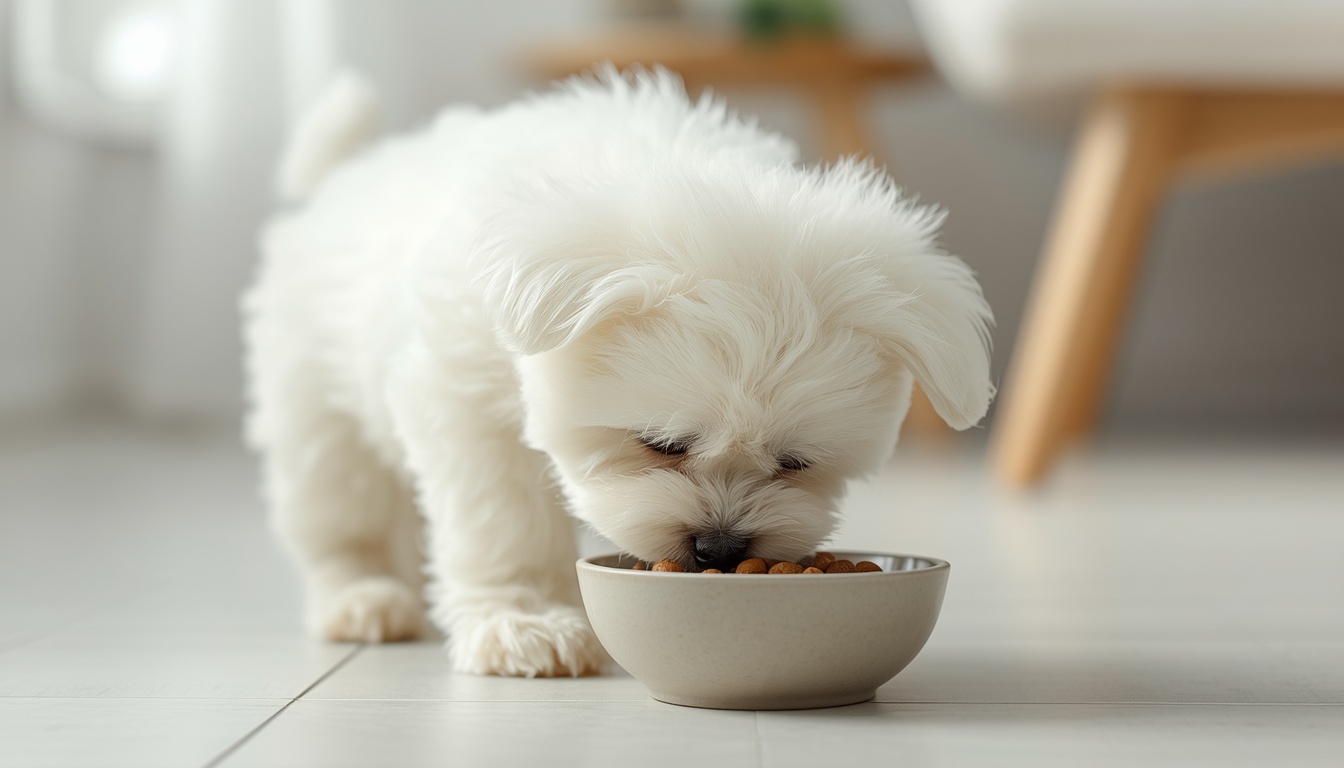
A Bichon Frise puppy is a bundle of energy, curiosity, and charm. Known for their fluffy white coats and cheerful personalities, these small dogs require proper nutrition during their early months to support healthy growth, strong bones, brain development, and a beautiful coat. If you’re searching for the best food for Bichon Frise puppy, understanding their unique nutritional needs is the first step toward raising a healthy and happy companion. Bichon Frise puppies grow rapidly during their first year and need a balanced diet rich in high-quality protein, healthy fats, vitamins, and minerals. Choosing the right puppy food can help prevent nutritional deficiencies, support immune health, and establish healthy eating habits that last a lifetime. Why Nutrition Matters for Bichon Frise Puppies? During puppyhood, your Bichon Frise develops: A nutrient-rich diet provides the building blocks needed for proper development. Feeding poor-quality food can affect growth, digestion, energy levels, and overall health. Nutritional Requirements for a Bichon Frise Puppy High-Quality Protein Protein is the most important nutrient for growing puppies. Excellent protein sources include: Benefits of protein: Look for puppy food that lists real meat as the first ingredient. Healthy Fats Healthy fats are essential for brain development and energy. Good fat sources include: Healthy fats support: DHA for Brain Development DHA (Docosahexaenoic Acid) is an omega-3 fatty acid that supports: Many premium puppy foods include DHA from fish oil. Calcium and Phosphorus These minerals help support: Balanced levels are important because excessive calcium can also cause growth issues. Digestible Carbohydrates Carbohydrates provide energy and digestive support. Healthy options include: Avoid foods loaded with low-quality fillers. What to Look for in the Best Bichon Frise Puppy Food When comparing puppy foods, prioritize products that offer: Small-breed formulas are usually better suited to the tiny mouths of Bichon Frise puppies. Dry Food for Bichon Frise Puppies Dry kibble is one of the most popular feeding options. Benefits Choose kibble specifically designed for small-breed puppies. Wet Food for Bichon Frise Puppies Wet food can be a great option, especially for picky eaters. Benefits Many owners combine wet and dry food for variety and balanced nutrition. Mixed Feeding Approach Combining wet and dry food offers several advantages. Benefits include: Many Bichon Frise owners find mixed feeding works very well. Feeding Schedule for Bichon Frise Puppies Because of their small size, puppies need regular meals throughout the day. 8–12 Weeks Age Meals Per Day 8–12 Weeks 4 Meals 3–6 Months Age Meals Per Day 3–6 Months 3 Meals 6–12 Months Age Meals Per Day 6–12 Months 2–3 Meals Regular feeding helps maintain stable energy levels and supports healthy growth. How Much Should a Bichon Frise Puppy Eat? Food requirements vary depending on: General Feeding Guide Puppy Weight Daily Food Amount 2–4 lbs ½–1 cup 4–8 lbs 1–1½ cups 8–12 lbs 1½–2 cups Always follow the feeding instructions on your chosen puppy food and adjust as needed. Common Health Concerns Related to Diet Food Sensitivities Some Bichon Frise puppies may develop sensitivities to certain ingredients. Common triggers include: Symptoms may include: Tear Staining Bichon Frises are known for tear staining around the eyes. While many factors contribute, high-quality nutrition may help support overall eye and skin health. Obesity Small breeds can gain weight quickly if overfed. Prevent obesity by: Foods to Avoid Never feed your puppy: These foods can be toxic to dogs. Signs Your Puppy Is Thriving on Their Food A healthy Bichon Frise puppy should have: These signs indicate the food is meeting your puppy’s nutritional needs. Signs the Food May Not Be Suitable Watch for: If symptoms continue, consult your veterinarian. Transitioning to a New Food Changing foods too quickly can upset your puppy’s stomach. Recommended Transition Schedule Day Old Food New Food 1–2 75% 25% 3–4 50% 50% 5–6 25% 75% 7+ 0% 100% Gradual transitions help minimize digestive issues. Tips for Feeding a Bichon Frise Puppy Use Small Portions Small breeds benefit from measured meals rather than free feeding. Maintain a Routine Feed at consistent times each day. Provide Fresh Water Clean water should always be available. Monitor Weight Track growth regularly to ensure healthy development. Choose Small-Breed Formulas Small kibble is easier for tiny mouths to chew and digest. Frequently Asked Questions What is the best type of food for a Bichon Frise puppy? A high-quality small-breed puppy food with real meat, healthy fats, DHA, and balanced minerals is usually the best choice. Can Bichon Frise puppies eat wet food? Yes. Wet food can be fed alone or mixed with dry kibble. How often should a Bichon Frise puppy eat? Young puppies generally need 3–4 meals per day, while older puppies can transition to 2–3 meals. Is grain-free food necessary? Not necessarily. Many Bichon Frise puppies do well with foods containing quality grains. When should I switch to adult food? Most Bichon Frises transition to adult food around 10–12 months of age, depending on growth and veterinary guidance. Final Thoughts Finding the best food for a Bichon Frise puppy is one of the most important decisions you’ll make as a pet parent. A balanced diet rich in high-quality protein, healthy fats, DHA, vitamins, and minerals supports healthy growth, brain development, and a beautiful coat. Choose a reputable small-breed puppy formula, feed consistent portions, and monitor your puppy’s progress as they grow. Combined with regular veterinary care and plenty of love, proper nutrition will help your Bichon Frise puppy develop into a healthy, energetic, and happy adult dog. Also Read:

What Is the Best Dog Food for Chihuahuas? Complete Nutrition Guide

What Is the Best Dog Food for Chihuahuas

Chihuahuas may be the smallest dog breed in the world, but they have big personalities and unique nutritional needs. Because of their tiny size, fast metabolism, and long lifespan, choosing the right food is essential for maintaining their health and energy levels. Many pet owners ask, what is the best dog food for Chihuahuas? The best dog food for Chihuahuas is one that provides high-quality protein, healthy fats, essential vitamins, and small-sized kibble that is easy for their tiny mouths to chew. Whether you have a Chihuahua puppy, adult dog, or senior companion, proper nutrition can help support healthy growth, strong teeth, a shiny coat, and a long, active life. This guide covers everything you need to know about feeding Chihuahuas, including nutritional requirements, feeding schedules, foods to avoid, and tips for selecting the best dog food. Why Chihuahuas Need Special Nutrition? Despite their small size, Chihuahuas have a relatively fast metabolism compared to larger breeds. They burn energy quickly and require nutrient-dense food that delivers plenty of nutrition in small portions. A well-balanced Chihuahua diet supports: Because Chihuahuas often live 12 to 20 years, nutrition plays a major role in their overall health and longevity. Essential Nutrients for Chihuahuas High-Quality Protein Protein is the foundation of a healthy Chihuahua diet. Excellent protein sources include: Protein supports: Look for foods that list real meat as the first ingredient. Healthy Fats Healthy fats provide concentrated energy and support skin and coat health. Beneficial fat sources include: Healthy fats help maintain: Carbohydrates Carbohydrates provide additional energy and digestive support. Good carbohydrate sources include: Avoid foods loaded with excessive fillers. Vitamins and Minerals A balanced Chihuahua diet should include: These nutrients support immunity, vision, bones, and overall health. Best Types of Dog Food for Chihuahuas Dry Dog Food Dry food is one of the most popular choices for Chihuahuas. Benefits include: Choose kibble specifically designed for small breeds. Wet Dog Food Wet food offers: Wet food can be particularly beneficial for senior Chihuahuas or picky eaters. Mixed Feeding Many Chihuahua owners combine wet and dry food. Benefits include: A combination approach often works well for small breeds. Best Food for Chihuahua Puppies Chihuahua puppies grow quickly and need calorie-dense food to support development. Puppy Food Should Include Chihuahua Puppy Feeding Schedule Age Meals Per Day 8–12 Weeks 4 Meals 3–6 Months 3 Meals 6–12 Months 2–3 Meals Because of their small size, puppies may be more prone to low blood sugar if meals are skipped. Best Food for Adult Chihuahuas Adult Chihuahuas require balanced nutrition to maintain a healthy weight and energy level. Ideal Adult Diet Most adult Chihuahuas do well with two meals daily. Best Food for Senior Chihuahuas As Chihuahuas age, their nutritional needs change. Senior-friendly foods should contain: Senior dogs may benefit from more frequent health monitoring and dietary adjustments. Common Health Concerns Related to Diet Obesity Because Chihuahuas are tiny, even a small amount of excess weight can affect their health. Prevent obesity by: Dental Problems Chihuahuas are prone to dental disease. Foods that support dental health may help reduce plaque buildup. Low Blood Sugar Small puppies can sometimes experience low blood sugar. Regular meals help maintain stable energy levels. Food Sensitivities Some Chihuahuas may be sensitive to certain ingredients. Common triggers include: Ingredients to Look For When selecting dog food, prioritize: Beneficial Ingredients Ingredients to Limit Reading ingredient labels carefully can help you choose a higher-quality food. How Much Should a Chihuahua Eat? The amount depends on: General Feeding Guide Weight Daily Food Amount 2–4 lbs ¼–½ cup 4–6 lbs ½–¾ cup 6–10 lbs ¾–1 cup Always follow the feeding instructions on your chosen food and adjust as needed. Feeding Schedule for Chihuahuas Consistency is important. Example Adult Feeding Schedule Time Meal 7:00 AM Breakfast 6:00 PM Dinner Regular meal times support digestion and help prevent overeating. Foods Chihuahuas Should Never Eat Some human foods are toxic to dogs. Avoid: Store these foods securely and out of reach. Signs Your Chihuahua Is Eating the Right Food Healthy nutrition often results in: Signs the Food May Not Be Suitable Watch for: If symptoms persist, consult your veterinarian. Dry Food vs Wet Food for Chihuahuas Dry Food Wet Food Convenient Higher moisture Supports dental health Easier chewing Cost-effective Strong flavor Longer shelf life Helpful for picky eaters Many Chihuahua owners successfully use a combination of both. Tips for Choosing the Best Dog Food for Chihuahuas Choose Small-Breed Formulas Small-breed foods are designed with: Focus on Protein Quality Real meat should be the primary ingredient. Monitor Weight Regularly Because Chihuahuas are small, even minor weight changes can be significant. Transition Slowly Switch foods gradually over 7–10 days to reduce digestive upset. Provide Fresh Water Hydration is essential for overall health. Frequently Asked Questions What is the best type of food for Chihuahuas? High-quality small-breed dog food with real meat, healthy fats, and appropriately sized kibble is generally the best choice. Can Chihuahuas eat wet food every day? Yes, wet food can be part of a healthy daily diet when fed appropriately. How often should Chihuahuas eat? Most adult Chihuahuas do well with two meals daily, while puppies need more frequent feeding. Is grain-free food necessary for Chihuahuas? Not necessarily. Many Chihuahuas thrive on diets containing quality grains. Do Chihuahuas need special small-breed food? Small-breed formulas often provide the right kibble size and nutrient balance for Chihuahuas. Final Thoughts When asking what is the best dog food for Chihuahuas, the answer is a nutrient-rich, high-quality diet tailored to the unique needs of small breeds. The ideal food contains real protein sources, healthy fats, digestible carbohydrates, and essential vitamins and minerals. Whether you choose dry food, wet food, or a mixed feeding approach, prioritize ingredient quality and portion control. With proper nutrition, regular exercise, and routine veterinary care, your Chihuahua can enjoy a healthy, energetic, and long life. Also Read:\

What Is the Best Dog Food for a Pitbull? Complete Nutrition Guide

What Is the Best Dog Food for a Pitbull

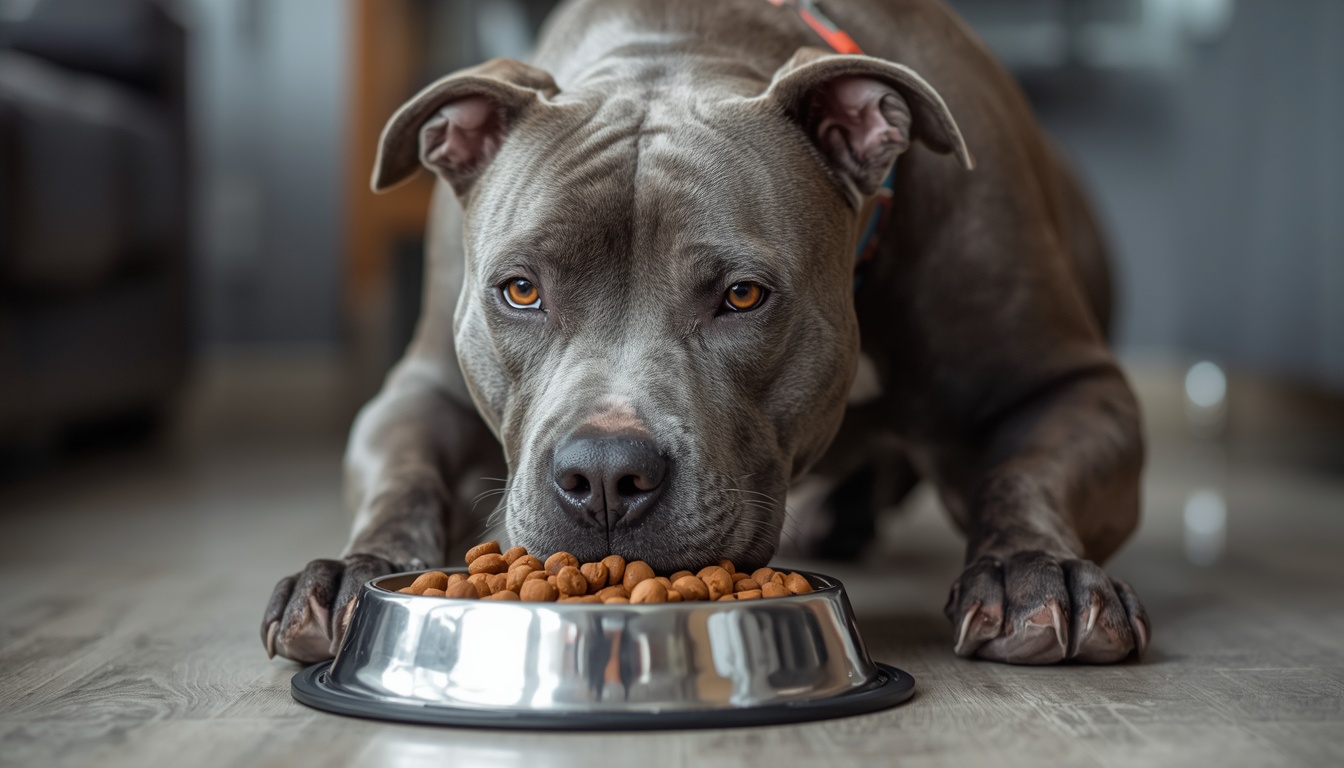
Pit Bulls are powerful, muscular, and energetic dogs that require high-quality nutrition to maintain their strength, health, and overall well-being. If you’re wondering what is the best dog food for a Pitbull, the answer depends on your dog’s age, activity level, weight, and any specific health concerns. However, one thing is certain: Pit Bulls thrive on protein-rich, nutrient-dense diets that support muscle development, healthy skin, and sustained energy. Choosing the right food can help prevent common Pit Bull issues such as obesity, allergies, digestive problems, and joint stress. In this guide, you’ll learn what nutrients Pit Bulls need, the best types of dog food for different life stages, feeding tips, and how to choose the right diet for your dog. Why Pit Bulls Need a Specialized Diet? Pit Bulls are naturally athletic dogs with strong muscles and high energy requirements. Their diet should support: Poor-quality food can lead to nutritional deficiencies, excessive weight gain, digestive issues, and skin irritation. Essential Nutrients for Pit Bulls High-Quality Protein Protein is the most important nutrient for Pit Bulls. Good protein sources include: Protein supports: Look for dog foods where real meat is listed as the first ingredient. Healthy Fats Healthy fats provide energy and support skin and coat health. Important fat sources include: Benefits include: Complex Carbohydrates Carbohydrates provide long-lasting energy. Healthy sources include: Avoid foods loaded with unnecessary fillers. Vitamins and Minerals Pit Bulls need balanced vitamins and minerals to support: Glucosamine and Chondroitin These nutrients help support joint health, especially for active or older Pit Bulls. Best Types of Dog Food for Pit Bulls Dry Dog Food Dry kibble is a popular choice because it is: Choose premium kibble with high meat content and minimal fillers. Wet Dog Food Wet food offers: It can be especially beneficial for senior dogs or picky eaters. Mixed Feeding Many Pit Bull owners combine dry and wet food. Benefits include: Raw Diet Some owners choose raw feeding. Common ingredients include: However, raw diets should be carefully balanced and discussed with a veterinarian. Best Food for Pit Bull Puppies Pit Bull puppies grow quickly and require nutrient-dense food. Puppy Food Should Include Feeding Schedule for Pit Bull Puppies Age Meals Per Day 8–12 Weeks 4 Meals 3–6 Months 3 Meals 6–12 Months 2–3 Meals Fresh water should always be available. Best Food for Adult Pit Bulls Adult Pit Bulls need a balanced diet that supports muscle maintenance and healthy weight. Ideal Adult Diet Most adult Pit Bulls do well with two meals daily. Best Food for Senior Pit Bulls Senior Pit Bulls often experience: Senior diets should contain: Wet food may also become more appealing as dogs age. Common Food Allergies in Pit Bulls Pit Bulls are known for being prone to allergies. Common triggers include: Signs of food allergies may include: If symptoms occur, consult your veterinarian about elimination diets. Ingredients to Look For When choosing food, prioritize: Good Ingredients Ingredients to Limit How Much Should a Pit Bull Eat? Food requirements vary based on: Example Feeding Guide Weight Daily Food Amount 30–40 lbs 2–3 cups 40–60 lbs 3–4 cups 60–80 lbs 4–5 cups Always follow product-specific feeding recommendations and adjust as needed. Feeding Schedule for Pit Bulls A consistent schedule supports digestion and behavior. Example Daily Schedule Time Meal 7:00 AM Breakfast 6:00 PM Dinner Avoid intense exercise immediately before or after meals. Foods Pit Bulls Should Never Eat Some foods can be toxic to dogs. Avoid: Always keep these foods out of reach. Signs Your Pit Bull Is Eating the Right Food A healthy diet often results in: Signs the Food May Not Be Suitable Watch for: These may indicate dietary issues. Dry Food vs Wet Food for Pit Bulls Dry Food Wet Food Convenient Higher moisture Affordable Strong flavor Helps dental health Easier chewing Long shelf life Better hydration Many owners find mixed feeding provides the best balance. Tips for Choosing the Best Dog Food for a Pit Bull Read Ingredient Labels Choose foods with named meat sources as the first ingredient. Focus on Protein Pit Bulls benefit from protein-rich diets. Consider Activity Level Active dogs may require more calories than less active dogs. Monitor Weight Regularly assess body condition and adjust portions when necessary. Transition Slowly When changing foods, gradually mix old and new food over 7–10 days. Frequently Asked Questions What protein is best for Pit Bulls? Chicken, beef, turkey, lamb, and salmon are excellent protein sources. Is grain-free food necessary for Pit Bulls? Not necessarily. Grain-free diets may help some dogs, but many Pit Bulls do well with quality grains. Can Pit Bulls eat homemade food? Yes, but homemade diets must be nutritionally balanced and veterinarian-approved. How often should Pit Bulls eat? Most adult Pit Bulls thrive on two meals daily. Do Pit Bulls need high-protein food? Yes. Because of their muscular build and active nature, Pit Bulls generally benefit from higher-protein diets. Final Thoughts When asking what is the best dog food for a Pitbull, the answer is a high-quality, protein-rich diet that supports muscle development, healthy skin, strong joints, and sustained energy. The best food contains real meat, healthy fats, digestible carbohydrates, and essential vitamins and minerals. Whether you choose dry food, wet food, or a combination of both, focus on ingredient quality rather than marketing claims. By feeding your Pit Bull a balanced diet and maintaining a consistent feeding routine, you can help your dog enjoy a healthier, stronger, and more active life. Also Read:

Homemade Food for German Shepherd Puppy: A Complete Nutrition Guide

Homemade Food for German Shepherd Puppy

German Shepherd puppies are energetic, intelligent, and fast-growing dogs that require a nutrient-rich diet to support healthy bones, muscles, joints, and brain development. While many owners rely on commercial puppy food, preparing homemade food for a German Shepherd puppy allows you to control ingredient quality and provide fresh, wholesome meals tailored to your puppy’s needs. This comprehensive guide explains everything you need to know about homemade diets for German Shepherd puppies, including balanced meal plans, safe ingredients, feeding schedules, recipes, and nutritional requirements. Why Choose Homemade Food for a German Shepherd Puppy? A well-balanced homemade diet offers several benefits: However, homemade meals should always be nutritionally balanced to ensure your puppy receives all essential vitamins and minerals. Nutritional Requirements for German Shepherd Puppies German Shepherd puppies grow rapidly during their first year. Their diet should include the following nutrients. High-Quality Protein Protein supports muscle growth and tissue repair. Excellent protein sources include: Protein should make up around 25–30% of your puppy’s diet. Healthy Fats Healthy fats provide energy and support brain development. Good sources include: Omega-3 fatty acids also help reduce inflammation and promote healthy joints. Complex Carbohydrates Carbohydrates provide slow-releasing energy. Choose: Avoid excessive refined grains. Vegetables Vegetables provide fiber, antioxidants, vitamins, and minerals. Safe vegetables include: Calcium and Phosphorus Large-breed puppies need carefully balanced calcium and phosphorus for healthy bone growth. Never add calcium supplements without veterinary guidance. Best Homemade Food Recipes for German Shepherd Puppies Recipe 1: Chicken and Rice Meal Ingredients Instructions Mix all ingredients thoroughly and allow the meal to cool before serving. Recipe 2: Beef and Sweet Potato Recipe Ingredients Instructions Cook the beef completely, combine with mashed sweet potato and vegetables, then mix in olive oil before serving. Recipe 3: Turkey and Vegetable Mix Ingredients Instructions Cook the turkey thoroughly, steam the vegetables, combine with cooked rice, and mix everything together. Recipe 4: Fish and Oats Meal Ingredients Instructions Flake the salmon into small pieces, mix with cooked oats and vegetables, and serve once cooled. Homemade Food for German Shepherd Puppy by Age 2-Month-Old German Shepherd Puppy Feed: 3-Month-Old German Shepherd Puppy Feed: 4–6-Month-Old German Shepherd Puppy Feed: 6–12-Month-Old German Shepherd Puppy Feed: German Shepherd Puppy Feeding Schedule Age Meals Per Day 8–12 Weeks 4 3–6 Months 3–4 6–12 Months 2–3 Over 12 Months 2 Consistency is essential for healthy digestion. How Much Homemade Food Should a German Shepherd Puppy Eat? General guideline: Puppy Weight Daily Food 5 kg 350–450 g 10 kg 600–700 g 15 kg 800–900 g 20 kg 1–1.1 kg Adjust portions according to your puppy’s activity level, body condition, and growth. Foods to Avoid Never feed your puppy: Supplements for Homemade Diets Your veterinarian may recommend: Avoid giving supplements without professional advice, as excessive supplementation can be harmful. Signs Your German Shepherd Puppy Is Eating Well Healthy puppies usually have: Common Homemade Feeding Mistakes Avoid: A balanced and consistent diet is the key to healthy development. Tips for Preparing Homemade Puppy Food Homemade Food vs Commercial Puppy Food Homemade Food Pros Cons Commercial Puppy Food Pros Cons Many pet owners successfully combine homemade meals with high-quality commercial puppy food for variety and nutritional balance. Conclusion A carefully planned homemade food for German Shepherd puppy can provide excellent nutrition and support healthy growth. Focus on lean proteins, healthy fats, vegetables, and complex carbohydrates while maintaining proper nutrient balance. Whether you choose chicken, turkey, beef, or fish-based recipes, consistency and variety are key. Always monitor your puppy’s growth, adjust portions as needed, and consult your veterinarian before making significant dietary changes. A nutritious homemade diet today lays the foundation for a strong, healthy, active, and happy German Shepherd throughout its life. Frequently Asked Questions Can German Shepherd puppies eat homemade food every day? Yes. Homemade food can be fed daily as long as it is nutritionally complete and balanced for growing large-breed puppies. What is the best protein for a German Shepherd puppy? Chicken, turkey, lean beef, fish, and eggs are among the best protein sources for healthy growth. Can I feed rice to my German Shepherd puppy? Yes. Brown rice is an excellent source of digestible carbohydrates and provides sustained energy when served in appropriate portions. How many times should I feed a German Shepherd puppy? Puppies under three months usually need four meals daily. This gradually decreases to two meals per day as they reach adulthood. Is homemade food better than commercial puppy food? Both can be healthy options. Homemade food offers fresh ingredients and greater control, while high-quality commercial puppy food provides complete nutrition and convenience. Many owners choose a combination of both for the best results. Also Read:

Printable Cesar Dog Food Feeding Chart: Complete Feeding Guide for Healthy Dogs

Printable Cesar Dog Food Feeding Chart

Feeding your dog the right amount of food every day is one of the most important parts of responsible pet care. Many pet owners use Cesar dog food because of its convenient serving trays, tasty flavors, and balanced nutrition for small dogs. However, understanding the correct portions and feeding schedule is essential to maintain your dog’s health and ideal weight. That is why many dog owners search for a printable Cesar dog food feeding chart to simplify meal planning. A feeding chart helps you track your dog’s daily meals, portion sizes, hydration, and feeding routine more effectively. Whether you own a puppy, adult dog, or senior dog, using a printable feeding schedule can help prevent overfeeding and improve consistency. In this guide, you will learn how to use a Cesar dog food feeding chart, recommended portion sizes, feeding schedules, mixed feeding tips, and important nutrition advice for healthy dogs. Why a Dog Feeding Chart Is Important? Many dog owners accidentally overfeed or underfeed their pets without realizing it. Portion control is extremely important because improper feeding can lead to obesity, digestive issues, low energy, and nutritional deficiencies. A printable Cesar dog food feeding chart helps: Dogs thrive on routine, and structured meal times help improve behavior and digestion. Understanding Cesar Dog Food Cesar offers wet dog food products mainly designed for small dog breeds. Their food trays are portioned conveniently and come in a variety of flavors. Cesar dog food typically contains: Many small dogs enjoy Cesar because of its rich flavor and soft consistency. Printable Cesar Dog Food Feeding Chart Daily Cesar Feeding Guide Dog Weight Recommended Cesar Trays Per Day Feeding Frequency 5 lbs (2.3 kg) 1 – 1½ trays 2 Meals 10 lbs (4.5 kg) 2 – 2½ trays 2 Meals 15 lbs (6.8 kg) 3 – 3½ trays 2 Meals 20 lbs (9 kg) 4 – 4½ trays 2 Meals 25 lbs (11.3 kg) 5 – 5½ trays 2 Meals 30 lbs (13.6 kg) 6 – 6½ trays 2 Meals These amounts may vary depending on: Always monitor your dog’s weight and body condition regularly. Printable Daily Feeding Tracker Time Meal Cesar Tray Amount Water Checked Notes 7:00 AM Breakfast ______ ☐ Yes ☐ No __________ 1:00 PM Snack ______ ☐ Yes ☐ No __________ 7:00 PM Dinner ______ ☐ Yes ☐ No __________ This printable schedule helps families coordinate feeding routines more easily. Puppy Cesar Feeding Schedule Puppies require more frequent meals because they grow rapidly and need extra energy. Puppy Feeding Chart Puppy Age Meals Per Day Suggested Feeding Schedule 2–3 Months 4 Meals 7 AM, 11 AM, 3 PM, 7 PM 3–6 Months 3 Meals 7 AM, 1 PM, 7 PM 6–12 Months 2 Meals 8 AM, 6 PM Puppies should always have access to fresh water throughout the day. Adult Dog Cesar Feeding Schedule Adult dogs usually do best with two balanced meals daily. Example Routine Time Meal 7:00 AM Breakfast 7:00 PM Dinner Consistent feeding schedules help improve digestion and reduce begging behavior. Senior Dog Cesar Feeding Chart Senior dogs may require smaller, easier-to-digest meals. Senior Feeding Guide Dog Weight Recommended Daily Amount Notes Small Senior Dogs 1–2 trays Smaller frequent meals Medium Senior Dogs 3–4 trays Easy digestion support Active Seniors 4–5 trays Monitor weight regularly Older dogs may benefit from softer wet food textures like Cesar trays. Mixed Feeding Chart (Wet + Dry Food) Many dog owners combine Cesar wet food with dry kibble for balanced nutrition. Mixed Feeding Example Dog Weight Cesar Wet Food Dry Food Amount 5 lbs 1 Tray ¼ Cup 10 lbs 2 Trays ½ Cup 20 lbs 3–4 Trays 1 Cup 30 lbs 5–6 Trays 1½ Cups This combination offers: Benefits of Using Cesar Dog Food Many small dog owners prefer Cesar because of its convenience and palatability. Soft Texture Ideal for: Convenient Portions Pre-portioned trays make feeding easier and reduce mess. High Moisture Content Wet food helps improve hydration. Flavor Variety Dogs often enjoy rotating flavors for better appetite stimulation. How Much Cesar Dog Food Should You Feed? The correct amount depends on several factors. Important Factors Highly active dogs may need slightly larger portions, while indoor or less active dogs may require fewer calories. Common Dog Feeding Mistakes Overfeeding Too many calories can quickly lead to obesity. Signs of overfeeding: Free Feeding Leaving food available all day may encourage overeating. Sudden Food Changes Abrupt diet changes can upset digestion. Always transition slowly over 7–10 days. Ignoring Water Intake Hydration is just as important as food. Always provide fresh water. Signs Your Dog Is Eating Properly Healthy feeding habits usually result in: Improper feeding may cause: Best Feeding Tips for Small Dogs Since Cesar is mainly designed for small breeds, portion control becomes extremely important. Use Measuring Portions Avoid guessing food amounts. Feed at Consistent Times Dogs prefer routine. Monitor Treat Intake Treat calories add up quickly. Keep Feeding Area Clean Wash bowls daily to prevent bacteria buildup. Printable Weekly Dog Feeding Tracker Day Morning Meal Evening Meal Water Refilled Notes Monday ☐ ☐ ☐ ______ Tuesday ☐ ☐ ☐ ______ Wednesday ☐ ☐ ☐ ______ Thursday ☐ ☐ ☐ ______ Friday ☐ ☐ ☐ ______ Saturday ☐ ☐ ☐ ______ Sunday ☐ ☐ ☐ ______ This tracker is useful for busy households and pet sitters. Can Cesar Dog Food Be Fed Every Day? Yes, Cesar dog food can be part of a daily diet if fed according to portion guidelines and nutritional balance. However: Some owners also combine Cesar with dry food for variety and dental support. Wet Food vs Dry Food for Dogs Wet Food Dry Food Higher moisture Easier storage Softer texture Supports dental health Strong aroma More affordable Better hydration Convenient feeding Many veterinarians recommend mixed feeding for balanced nutrition. Frequently Asked Questions How many Cesar trays should I feed my dog daily? It depends on your dog’s weight, age, and activity level. Small dogs may need 1–3 trays daily. Can puppies eat Cesar dog food? Yes, but … Read more